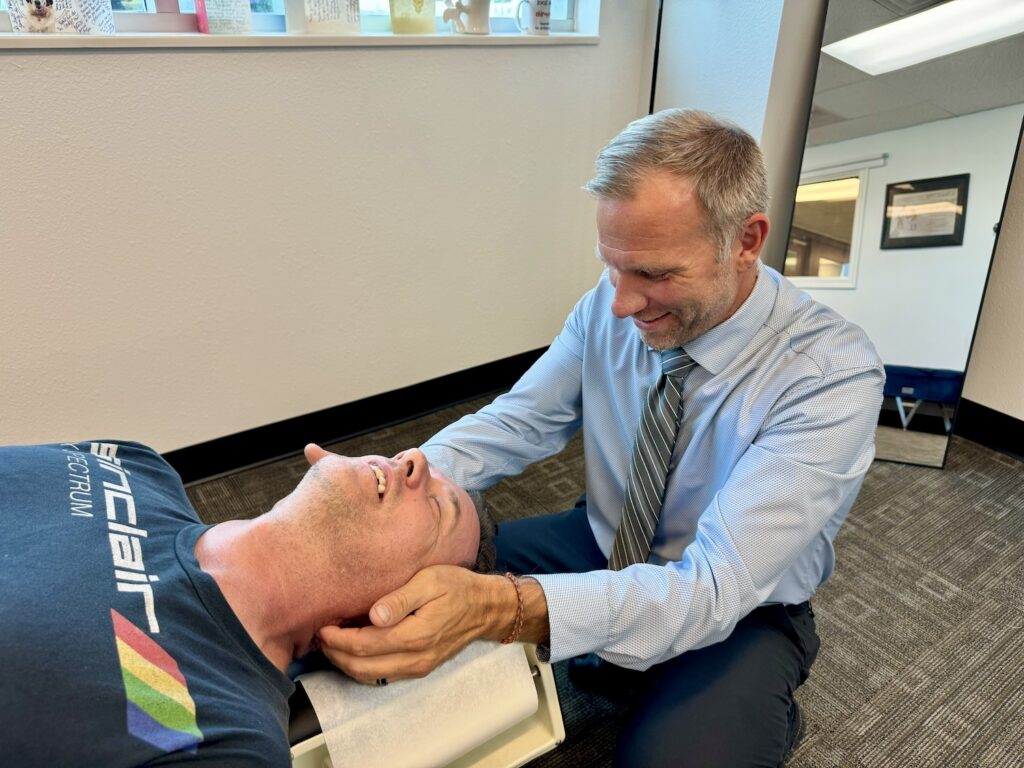
Headaches can be a persistent nuisance, but understanding their underlying causes is essential for finding effective relief. One common culprit is misalignments in your spine, which can create tension and strain, exacerbating these painful episodes. By recognizing the connection between your posture, alignment, and headaches, you can begin to make positive changes that promote healing.
As a chiropractor, I believe that chiropractic care is one of the best approaches to achieving optimal health and alleviating headaches naturally. Through gentle adjustments to the spine, we can help restore proper alignment, relieving pressure on nerves and muscles that may be contributing to your discomfort.
Here are some simple tips to help you improve your posture and alignment, which may reduce headache frequency and intensity:
- Mind Your Posture: Whether sitting at a desk or standing, keep your shoulders back and avoid slouching. Good posture helps maintain proper spinal alignment.
- Take Regular Breaks: If you work at a computer, take short breaks every hour to stretch and move around. This can prevent muscle tension from building up.
- Stay Hydrated: Dehydration can trigger headaches, so be sure to drink plenty of water throughout the day.
- Practice Relaxation Techniques: Stress can lead to tension headaches. Techniques such as deep breathing, meditation, or yoga can help manage stress levels.
- Consider Chiropractic Adjustments: Regular visits to a chiropractor can help keep your spine aligned and reduce the likelihood of headaches. We can work together to develop a personalized care plan that fits your needs.
By focusing on these strategies and considering chiropractic care, you can take meaningful steps toward a headache-free life and improved overall wellness. Let’s embark on this journey to relief and vibrant health together!
Key Takeaways
Unlocking Relief: How Alignment Eases Headaches
As a local chiropractor, I want to share how proper spinal alignment can be a game changer when it comes to headaches. When your spine is aligned well, it reduces irritation to your nerves, leading to significant relief from headache pain and discomfort. This is where chiropractic care shines, as it helps maintain optimal spinal health, which means you could experience fewer headaches overall.
One of the simplest ways to support your spinal health is by improving your posture. Good posture not only makes you feel better but also minimizes tension in your neck and shoulders—common culprits behind headache discomfort.
Incorporating stretching and gentle movement techniques into your routine can also enhance your spinal alignment. These practices help reduce muscle tightness that often contributes to headaches. Consider taking a few minutes each day to stretch your neck and shoulders, which can make a world of difference.
Additionally, mindfulness and relaxation exercises can promote body awareness. By being more in tune with your body, you can maintain proper alignment and identify potential headache triggers before they escalate.
Remember, chiropractic care is your best ally in achieving optimal health and natural pain relief. If you’re experiencing headaches, I encourage you to explore the benefits of chiropractic adjustments and the lifestyle tips mentioned above. Together, we can work towards a healthier, pain-free life!
Understanding Headaches: Types and Triggers
Headaches can affect anyone at any time, and understanding their types and triggers is essential for finding effective relief. One common type is tension headaches, which feel like a tight band around your head. These are often triggered by stress or fatigue, but there are natural ways to manage them.
Migraines, on the other hand, can cause intense throbbing pain and may come with nausea and sensitivity to light.
Identifying what brings on your headaches is crucial. Common triggers include dehydration, lack of sleep, poor diet, and hormonal changes. Have you noticed if you skipped meals or spent too much time in front of screens? Keeping a headache diary can help you spot patterns and triggers, allowing you to take proactive steps.
Chiropractic care can be a fantastic option for managing headaches. Regular adjustments can help align your spine, reducing tension in your neck and shoulders that may contribute to headaches.
Additionally, practicing good posture, staying hydrated, and incorporating relaxation techniques like deep breathing can significantly help in preventing headaches.
The Role of Posture in Headache Management
Your posture is crucial in managing headaches, and establishing an ergonomic setup can significantly enhance your comfort and well-being.
As a chiropractor, I want to emphasize that small adjustments in your daily routine can lead to substantial relief from headaches and discomfort.
Start by ensuring your workspace is set up to support your spine. Keep your computer screen at eye level, and your chair should support your lower back. Regularly stretching and taking breaks to move around can help alleviate the tension that often contributes to headaches.
In addition to these adjustments, consider incorporating chiropractic care into your wellness routine. Chiropractic adjustments can help align your spine, relieve nerve pressure, and promote overall health.
This natural approach not only addresses headaches but also supports your body’s ability to heal itself.
Importance of Ergonomic Setup
While many people may overlook how their workspace affects their well-being, an ergonomic setup is crucial for managing headaches and supporting overall health. As a chiropractor, I see firsthand how the right alignment of your chair, desk, and computer can alleviate strain on your neck and shoulders, which often contributes to tension and headaches.
To create an ergonomic workspace, start by ensuring your monitor is at eye level. This prevents hunching, which can lead to neck pain and headaches. Your feet should rest flat on the ground to encourage good posture, and armrests should be adjusted to support your arms comfortably, helping to reduce fatigue during long hours of work.
If you’re spending extended periods at your desk, consider incorporating a standing option into your routine. This change can help break the monotony of sitting and may provide relief from discomfort. Remember, even small adjustments can have a significant impact on your well-being.
By prioritizing an ergonomic workspace, you’re not just setting yourself up for comfort; you’re also taking proactive steps towards natural healing and pain relief.
As you make these adjustments, consider how regular chiropractic care can further enhance your spinal health and overall wellness. Together, these practices can help you achieve optimal health and reduce headache pain effectively.
Stretching for Tension Relief
Stretching is a powerful tool when it comes to relieving tension and improving posture, both of which are crucial for managing headaches. As a chiropractor, I often see how regular stretching can help alleviate muscle tightness, enhance blood flow, and support overall spinal health. By incorporating simple stretches into your daily routine, you can reduce the frequency and intensity of headaches while promoting a healthier spine.
Here’s a quick reference guide to effective stretches that can be easily integrated into your day:
| Stretch | Target Area |
|---|---|
| Neck tilt | Neck and shoulders |
| Chest opener | Chest and upper back |
| Seated twist | Spine and hips |
| Shoulder shrug | Shoulders |
| Cat-cow stretch | Back and neck |
How Misalignment Affects Muscle Tension
When your body is misaligned, it can lead to increased muscle tension, often resulting in discomfort and pain that can hinder your daily life. You may feel tightness in your neck, shoulders, or back, which makes it difficult to relax and enjoy activities.
Misalignment forces your muscles to work overtime to maintain balance and stability, leading to overexertion that manifests as knots and tight spots. This amplified tension can leave you feeling fatigued and uncomfortable throughout your day.
Moreover, as your muscles strain to support misaligned bones and joints, you might experience headaches or migraines. The ongoing pull on your muscles creates a challenging cycle of discomfort that’s hard to escape. This tension can cloud your focus and impact your daily activities.
Recognizing how misalignment affects muscle tension is the first step towards relief. Chiropractic care is a natural and effective way to address the root causes of misalignment. By prioritizing proper spinal alignment through regular chiropractic adjustments, you can alleviate muscle tension and enhance your overall wellness.
Here are some general tips to help ease muscle tension and support your body’s alignment:
- Stay Active: Regular movement, such as walking or stretching, can help keep your muscles loose and promote better alignment.
- Mind Your Posture: Be mindful of your posture throughout the day, especially if you spend long hours sitting. Make adjustments to ensure your spine is well-aligned.
- Incorporate Relaxation Techniques: Practices like deep breathing, yoga, or meditation can help reduce stress and tension in your muscles.
- Stay Hydrated: Drinking plenty of water can help keep your muscles hydrated and functioning optimally.
- Visit Your Chiropractor: Regular visits to your chiropractor can help maintain proper alignment and prevent muscle tension before it starts.
Techniques for Assessing Your Alignment
To effectively assess your alignment and promote your overall health and wellness, there are several easy techniques you can incorporate into your routine.
Start by analyzing your posture. Stand in front of a mirror and observe your stance; make sure your ears, shoulders, and hips are aligned.
Next, test your range of motion by gently moving your arms and legs to see how freely they move—this can help identify any stiffness or limitations.
You can also utilize simple self-assessment tools, such as a wall test, where you stand with your back against a wall and check the spacing between your lower back and the wall. This can help highlight any imbalances you may have.
Remember, these assessments are just the beginning!
Regular chiropractic care can help you achieve and maintain optimal alignment, enhance your mobility, and promote natural healing.
By addressing any misalignments through chiropractic adjustments, you can experience relief from pain and improve your overall well-being.
Take these steps towards a healthier, more balanced life!
Posture Analysis Techniques
Understanding your posture is essential for evaluating alignment and overall health, especially since poor posture can lead to discomfort and headaches. As a chiropractor, I want to help you discover how to improve your posture naturally, which can be a key step toward optimal health.
Start by taking a moment to observe yourself in a mirror. Check if your shoulders are level and if your head aligns directly over your spine. You can also try a simple wall test: stand with your back against a wall, heels touching, and see if your head, shoulders, and buttocks all make contact. This will help you understand your natural alignment.
Using technology can also be beneficial. Consider downloading a posture analysis app on your smartphone. These apps can provide insights into your alignment and help you track improvements over time.
Another helpful technique is to record yourself sitting and standing. This can reveal any patterns or habits that might lead to misalignment. Look for slouching or leaning to one side, which can contribute to discomfort.
Remember, regular posture checks and adjustments can greatly improve your overall well-being and reduce headache frequency.
As you work on maintaining good posture, chiropractic care can provide the support you need. By addressing spinal alignment and muscle tension, chiropractic adjustments can help alleviate pain and promote a healthier lifestyle.
Embracing chiropractic care is a natural way to achieve lasting wellness and relief from discomfort.
Range of Motion
Evaluating your range of motion is a vital step in recognizing any alignment issues that could lead to discomfort or headaches. By observing how well your body moves, you can identify areas that may need some attention, and chiropractic care can be an effective way to address these concerns naturally.
Here are some simple techniques you can try at home:
- Neck Rotation: Gently turn your head from side to side. Pay attention to any restrictions or discomfort you might feel. If you notice tightness, chiropractic adjustments can help relieve that tension and improve your range.
- Shoulder Shrugs: Lift your shoulders up towards your ears, then let them relax down. This exercise can reveal tension in your upper body. Regular chiropractic care can help alleviate this tension and restore proper movement.
- Spinal Flexion: Bend forward at the waist, noticing any tightness or discomfort along your spine. If you find it hard to bend or experience pain, chiropractic adjustments can help realign your spine, promoting better flexibility and comfort.
These simple evaluations can empower you to identify misalignments and enhance your overall well-being.
Alignment Self-Assessment Tools
While you mightn’t think about it often, evaluating your alignment is crucial for maintaining overall health and preventing headaches. As a chiropractor, I emphasize that your spine’s alignment plays a significant role in your well-being.
Start with a simple posture check: stand against a wall and see if your head, shoulders, and heels touch it. This simple test can reveal misalignments that may contribute to discomfort.
Next, try the “wall angel” exercise. Stand with your back against the wall and slide your arms up and down while keeping contact. This helps you become aware of proper shoulder alignment and can be a great way to strengthen those muscles.
Additionally, use a mirror to assess your stance—look for uneven shoulders or hips, which can indicate misalignments that might lead to pain.
Consider incorporating regular alignment checks into your routine. Apps and online resources can guide you through simple alignment assessments tailored to your needs. Remember, it’s not just about awareness; regularly checking your alignment can help you develop effective strategies for headache relief and overall wellness.
If you’re experiencing persistent pain or discomfort, don’t hesitate to seek chiropractic care. A chiropractor can perform a thorough assessment and provide adjustments to help restore balance to your spine, leading to natural pain relief and improved health.
Taking proactive steps towards your alignment can significantly enhance your quality of life, so make it a priority!
Chiropractic Care: A Pathway to Relief
Chiropractic care is a natural and effective pathway to relief for those who are dealing with headaches. By focusing on spinal alignment and relieving tension in the body, chiropractors can help ease your pain and enhance your overall well-being.
Here’s what you can look forward to when you choose chiropractic treatment:
- Personalized assessments: Your chiropractor will take the time to understand your unique situation and create a customized treatment plan just for you. This ensures that your care is specific to the headaches you’re experiencing.
- Gentle adjustments: Using gentle techniques, chiropractors work to realign your spine and reduce nerve irritation, which can significantly decrease the frequency and intensity of your headaches.
- Holistic approach: Chiropractic care goes beyond just the spine. Chiropractors often provide valuable lifestyle tips and stress management strategies that can contribute to your long-term relief and overall health.
Many patients notice remarkable improvements in their headache symptoms after just a few sessions. With consistent chiropractic care, you can regain control of your life and enjoy your favorite activities without the nagging pain of headaches.
Don’t let headaches dictate how you live; consider chiropractic care as a powerful step toward achieving lasting relief and optimal health.
Tips for Managing Headaches:
- Stay hydrated: Drinking plenty of water can help prevent dehydration-related headaches.
- Maintain good posture: Be mindful of your posture while sitting, especially if you work at a desk. Proper alignment can help reduce tension in your neck and shoulders.
- Practice relaxation techniques: Incorporating stress management practices such as deep breathing or meditation can help alleviate headache triggers.
- Get enough rest: Prioritize sleep and establish a regular sleep routine to support your body’s healing processes.
Embrace chiropractic care as your partner in health and wellness, and take proactive steps toward a life free from headaches!
Stretching and Strengthening Exercises
Incorporating stretching and strengthening exercises into your routine can be an excellent way to manage and prevent headaches, especially when combined with chiropractic care. These exercises specifically target the muscles in your neck, shoulders, and upper back, which are often sources of tension headaches.
Let’s explore some effective movements you can do at home.
Start with gentle neck stretches to release tightness. Tilt your head side to side and forward, holding each position for about 15-30 seconds. You’ll feel a nice release as you do this, which can ease the tension that contributes to headaches.
Strengthening exercises, such as shoulder shrugs and resistance band pulls, are also beneficial. They help improve muscle support and enhance your posture, making a significant difference in how your neck feels. As you build strength in these areas, you may notice less strain on your neck and head, leading to fewer headaches.
Aim to include these exercises a few times a week for the best results. Always listen to your body; if something doesn’t feel right, feel free to modify or skip it. Consistency is essential, and over time, these exercises can provide significant relief.
Remember that chiropractic care is also a powerful ally in achieving optimal health and wellness. Regular adjustments can help align your spine, reduce tension, and enhance your overall well-being.
The Impact of Ergonomics on Headaches
The Impact of Ergonomics on Headaches
As a chiropractor, I see many patients who experience headaches due to poorly designed workspaces. It’s crucial to understand that the way you set up your workstation can significantly impact your overall well-being, particularly your spinal health.
When your workspace isn’t ergonomically sound, it can lead to tension in your neck and shoulders, often resulting in headaches. Here are some simple tips to help you create a headache-free environment and promote better spinal health:
- Chair Height: Choose a chair that supports your lower back and allows your feet to rest flat on the floor. This helps maintain the natural curve of your spine and prevents discomfort that can lead to headaches.
- Screen Position: Position your monitor at eye level, about an arm’s length away. This reduces the strain on your neck and helps keep your spine aligned, minimizing the risk of tension headaches.
- Keyboard and Mouse Placement: Place your keyboard and mouse close enough so you can use them without reaching too far. Keeping your arms relaxed at your sides helps prevent shoulder tension, which is a common contributor to headaches.
Incorporating these ergonomic tips into your daily routine can make a significant difference in how you feel.
Remember, regular chiropractic care can also help alleviate any discomfort and keep your spine healthy, enhancing your overall quality of life.
If you’re experiencing persistent headaches, consider consulting with a chiropractor to explore natural healing options tailored to your needs. Your journey to optimal health starts with taking care of your spine!
Mindfulness and Relaxation Strategies
Creating an ergonomic workspace is a great first step in preventing headaches, but it’s important to remember that integrating mindfulness and relaxation strategies can significantly boost your overall well-being. As a chiropractor, I often emphasize the importance of a holistic approach to health, combining physical care with mental wellness.
Start by dedicating a few minutes each day to deep breathing exercises. Simply inhale slowly through your nose, hold for a moment, and then exhale through your mouth. This easy practice helps reduce muscle tension and promotes mental clarity, which can be particularly beneficial for those suffering from headaches.
Incorporating short mindfulness breaks into your daily routine can also be very helpful. During these breaks, take a moment to focus on the present. Pay attention to your surroundings, or notice how your body feels. A brief walk outside or simple stretching can help release built-up tension in your muscles, which is often a contributing factor to headaches.
Additionally, consider using guided meditation apps that focus on stress relief. Consistency is key here; making these techniques a regular part of your routine can help you manage stress and reduce the frequency of headaches more effectively.
Remember, chiropractic care plays an essential role in achieving optimal health. By addressing spinal health, we can alleviate tension and stress that often lead to headaches.
When you combine ergonomic adjustments with mindfulness practices, you create a comprehensive approach to not just headache relief, but overall wellness.
Make sure to prioritize your spinal health through regular chiropractic visits, and integrate these mindfulness strategies into your life for a balanced approach to natural wellness. Your body and mind will thank you!
Nutrition’s Role in Headache Prevention
When it comes to preventing headaches, what you eat and drink plays a crucial role in your overall health and wellness. Staying hydrated is essential; even mild dehydration can lead to discomfort and headaches. Remember to sip water throughout the day to keep your body in balance.
In addition to hydration, focusing on nutrient-rich foods can significantly help in keeping headaches at bay. Incorporating fruits, vegetables, whole grains, and healthy fats into your diet can provide the essential vitamins and minerals your body needs to function optimally. These foods not only support your overall well-being but also complement the benefits of chiropractic care.
As a chiropractor, I want to emphasize that maintaining a healthy spine is key to preventing headaches. Misalignments in the spine can contribute to tension and pain, so regular chiropractic adjustments can help keep your spine aligned and functioning properly. This natural approach to health can help relieve headache pain without the need for medications or invasive procedures.
Here are some general tips to consider for headache prevention:
- Stay Hydrated: Drink plenty of water throughout the day, aiming for at least 8 glasses.
- Eat Regularly: Skipping meals can trigger headaches, so try to have balanced meals and snacks.
- Limit Caffeine and Alcohol: Both can lead to dehydration and may contribute to headache frequency.
- Practice Good Posture: Poor posture can strain your neck and spine, so be mindful of your body alignment, especially when sitting for long periods.
- Schedule Regular Chiropractic Visits: Keeping your spine aligned can reduce tension and improve your overall health.
By focusing on your nutrition and incorporating chiropractic care into your wellness routine, you can take proactive steps toward preventing headaches and achieving optimal health.
Hydration and Headache Relief
Staying properly hydrated is crucial not just for your overall health but also for reducing the frequency and intensity of headaches. When you drink enough water, you help maintain the balance of fluids in your body, which is essential for preventing headaches and supporting a healthy spine.
Here are some simple tips to enhance your hydration and promote overall wellness:
- Drink water regularly: Aim for at least 8 glasses a day, but remember to adjust this based on your activity level and the climate you live in. Staying hydrated helps keep your spinal discs nourished and functioning properly.
- Add flavor: If plain water isn’t your favorite, try infusing it with slices of fruits or herbs to make it more enjoyable. This can encourage you to drink more and stay hydrated.
- Monitor your urine color: A light yellow color indicates good hydration, while darker shades suggest you need to drink more fluids. This simple check can help you stay on top of your hydration needs.
By prioritizing hydration, you’re not only taking steps to prevent headaches but also supporting your body’s natural healing processes.
Remember, chiropractic care can further assist in maintaining your health by ensuring your spine is aligned and functioning optimally, which can contribute to overall wellness and pain relief.
Stay hydrated and consider regular chiropractic visits as part of your journey to better health!
Nutrient-Rich Foods Matter
Hydration is just one piece of the puzzle in headache prevention; however, the foods you choose to nourish your body with play a significant role as well. As a chiropractor who believes in holistic health, I can tell you that incorporating nutrient-rich foods into your diet can help reduce the frequency and severity of headaches.
Focus on whole grains, leafy greens, and lean proteins. These foods are packed with essential vitamins and minerals that support not just your brain health, but your entire well-being. For instance, magnesium-rich foods like nuts and seeds can be particularly helpful in preventing tension headaches. Omega-3 fatty acids, often found in fish, are known to reduce inflammation and improve blood flow, both of which can contribute to headache relief.
Don’t forget the importance of regular meals—skipping meals can trigger headaches and disrupt your body’s natural rhythm. By nourishing your body with the right foods and maintaining a consistent eating schedule, you can create a solid foundation for headache relief.
As a chiropractor, I recommend considering how your spinal health and overall wellness are interconnected. When your spine is aligned and functioning properly, it supports your body’s ability to manage stress and tension, which can also help minimize headache occurrences.
Integrating Alignment Practices Into Daily Life
Integrating alignment practices into your daily life is essential for achieving optimal health and wellness. As a chiropractor, I believe that small changes can significantly impact how you feel physically and mentally. By focusing on alignment, you can reduce tension, alleviate pain, and prevent headaches.
Here are three straightforward ways to bring alignment into your daily routine:
- Mindful Posture: Maintaining a straight spine and relaxed shoulders is crucial, especially if you find yourself sitting for long stretches. I recommend setting reminders on your phone or using sticky notes around your workspace to encourage regular posture checks. Good posture supports spinal health and can help ease discomfort.
- Breathing Exercises: Taking just a few minutes each day for deep, diaphragmatic breathing can do wonders for your stress levels. This technique not only helps you relax but also encourages better oxygen flow throughout your body, which is vital for healing and overall wellness.
- Regular Movement: Incorporate short breaks into your day to stretch or walk around. Movement is key to maintaining alignment and reducing stiffness in your muscles and joints. Even a brief walk can help relieve tension and improve your overall posture.
Remember, chiropractic care plays a vital role in supporting these practices. Regular adjustments can enhance your alignment, promote natural healing, and help you maintain a healthy, pain-free lifestyle.
Conclusion
By focusing on spinal alignment and integrating these simple strategies into your everyday life, you can significantly decrease the occurrence and severity of headaches. A properly aligned spine not only alleviates tension but also fosters overall well-being. It’s essential to recognize the importance of good posture, ergonomic adjustments, and mindfulness techniques.
Chiropractic care stands out as a natural and effective approach to achieving optimal health and pain relief. This hands-on therapy can address the root causes of your headaches, rather than merely masking the symptoms. Incorporating regular chiropractic adjustments into your routine can help maintain spinal alignment, leading to a healthier, headache-free life.
Here are some practical tips to enhance your well-being and reduce headaches:
- Maintain Good Posture: Be mindful of your posture while sitting, standing, and walking. Use supportive chairs and keep your computer screen at eye level.
- Take Breaks: If you work at a desk, take regular breaks to stretch and move around. This helps prevent muscle tension that can lead to headaches.
- Stay Hydrated: Dehydration is a common headache trigger. Make sure you drink plenty of water throughout the day.
- Practice Mindfulness: Engage in relaxation techniques such as deep breathing or meditation to help reduce stress, which can contribute to headache pain.
- Explore Chiropractic Care: Regular chiropractic visits can help keep your spine aligned, reduce tension, and improve your overall health. Take charge of your wellness journey and discover the benefits of chiropractic adjustments.
With these strategies, you can take control of your health and enjoy a life with fewer headaches, ultimately enhancing your quality of life.