When you’re dealing with headaches, knowing when to seek professional help can greatly enhance your path to relief. You might be wondering if the frequency of your headaches warrants a visit to a chiropractor. Understanding these guidelines is essential, but there’s more to consider. From your initial consultation to the natural treatment options we offer, every step plays a significant role in your journey towards optimal health and wellness.
So, what are the signs that indicate it’s time to reach out to a chiropractor? If you find that your headaches are occurring more frequently—say more than once a week—or if they are affecting your daily activities, it’s a good signal to seek professional advice.
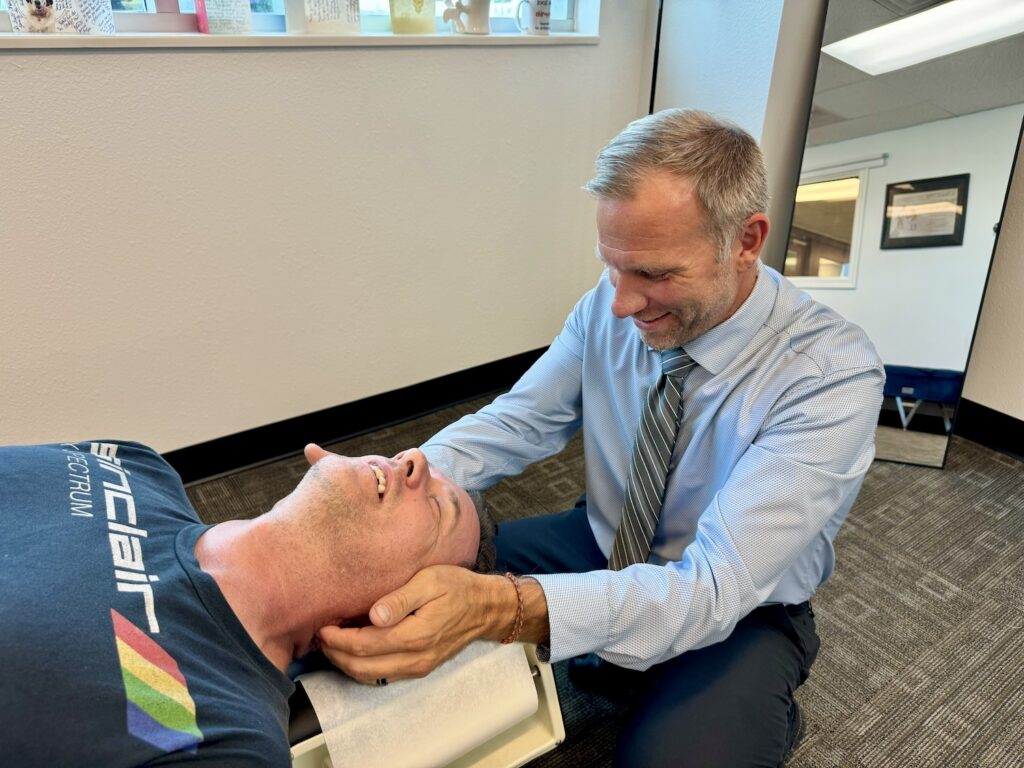
Chiropractic care focuses on the spine and nervous system, which are often key players in headache relief. Misalignments in the spine can lead to tension and stress that contribute to headaches. By addressing these issues through gentle spinal adjustments, we can help restore balance to your body and alleviate pain naturally.
In addition to chiropractic adjustments, there are some general tips you can incorporate into your daily routine to help manage headaches:
- Stay Hydrated: Dehydration can trigger headaches, so make sure you’re drinking plenty of water throughout the day.
- Practice Good Posture: Poor posture can strain your neck and back, leading to headaches. Be mindful of your posture, especially if you spend long hours at a desk.
- Manage Stress: Stress can be a significant headache trigger. Techniques such as deep breathing, meditation, or gentle yoga can help reduce tension.
- Regular Exercise: Engaging in regular physical activity can improve your overall health and help prevent headaches.
- Sleep Well: Aim for a consistent sleep schedule and ensure you’re getting enough restorative sleep each night.
By making these lifestyle changes and seeking chiropractic care, you can take proactive steps towards managing your headaches and achieving natural wellness. Remember, your health is a journey, and we’re here to support you every step of the way!
Key Takeaways
- If you’re experiencing headaches 5-10 times a month, visiting a chiropractor can provide you with targeted treatment and relief. Our natural approach focuses on spinal health, which plays a crucial role in overall wellness.
- For those suffering from headaches more than 10 times a month, it’s essential to schedule an appointment right away. Early intervention can prevent further complications and enhance your quality of life.
- If your headaches occur 2-4 times a month, consider keeping a journal of your symptoms. This can help identify patterns and triggers, and discussing these with your chiropractor can lead to more personalized care.
- Regular consultations with your chiropractor are vital for tracking your progress and improving treatment effectiveness for chronic headaches. Together, we can develop a plan that promotes long-term wellness.
- Always communicate openly with your chiropractor about your symptoms. This ensures that you receive tailored care and effective prevention strategies that support your journey to optimal health. Remember, chiropractic care focuses on healing naturally, and we’re here to help you achieve a pain-free life!
Understanding Different Types of Headaches
When you experience a headache, understanding its type is crucial for finding effective relief. There are several common types, each with unique characteristics, and recognizing them can help you in achieving better health naturally.
Tension headaches, for example, often feel like a tight band around your head. They usually stem from stress or muscle tension, which can often be alleviated through chiropractic adjustments that help relieve tension in the neck and shoulders. Incorporating relaxation techniques, such as deep breathing or gentle stretches, can also provide relief.
Migraines, on the other hand, can cause intense, throbbing pain, often accompanied by nausea or sensitivity to light and sound. If you notice that specific foods, hormonal changes, or lack of sleep trigger your headaches, it might indicate a migraine. Chiropractic care can assist in managing migraines by addressing spinal misalignments that may contribute to the frequency and intensity of these headaches.
Staying hydrated, maintaining a regular sleep schedule, and practicing mindfulness can also help mitigate migraine triggers.
Cluster headaches, known for their sharp, burning pain, typically occur in cycles and can be quite debilitating. Although they’re less common, seeking chiropractic care may provide relief by improving overall spinal health and reducing tension in the head and neck area.
By identifying the type of headache you’re facing, you can tailor your approach to relief more effectively. Chiropractic adjustments, combined with lifestyle changes like regular exercise, stress management, and proper hydration, can empower you to address your headaches naturally and proactively.
Embracing a holistic approach to your health won’t only help in managing headaches but can also enhance your overall well-being.
When to Consider Seeing a Headache Specialist
If you’re dealing with chronic headaches that happen often, it may be a sign that you should consider seeking help from a specialist. However, before that, it’s important to know that chiropractic care is a highly effective option for managing headaches naturally.
If over-the-counter treatments aren’t giving you the relief you need, a chiropractor can help identify and treat any underlying issues related to your spine that might be contributing to your pain. Chiropractic adjustments can help improve spinal alignment, reduce tension, and enhance overall nervous system function, which can lead to significant relief from headaches.
By addressing these issues early on, you can’t only alleviate your symptoms but also improve your overall quality of life.
In addition to chiropractic care, here are some general tips to help manage headaches:
- Stay Hydrated: Drink plenty of water throughout the day to prevent dehydration, which can trigger headaches.
- Maintain Good Posture: Be mindful of your posture, especially when sitting for long periods. Proper alignment can reduce strain on your neck and back.
- Manage Stress: Engage in activities that help you relax, such as yoga, deep breathing exercises, or meditation.
- Get Regular Exercise: Physical activity can improve blood flow and reduce tension in your muscles, helping to prevent headaches.
- Sleep Well: Aim for a consistent sleep schedule and create a calming bedtime routine to ensure you get enough restorative rest.
Remember, chiropractic care focuses on natural healing and wellness, making it a great choice for those seeking relief from headaches without resorting to medications or invasive procedures.
If you’re experiencing chronic headaches, consider consulting with a chiropractor to explore how they can help you achieve optimal health and well-being.
Chronic Headaches Frequency
Chronic headaches can be a frustrating experience, often occurring multiple times a month. It’s important to understand that these headaches can signal underlying issues that may benefit from a holistic approach, such as chiropractic care. If your headaches are becoming more frequent or disrupting your daily life, it’s time to take action and explore natural solutions. Here’s a simple guide to help you recognize when it might be beneficial to consult a chiropractor:
| Frequency of Headaches | Consider Chiropractic Care? |
|---|---|
| Less than 2 times a month | No |
| 2-4 times a month | Consider monitoring |
| 5-10 times a month | Yes, schedule an appointment |
| More than 10 times a month | Immediate consultation needed |
Understanding the pattern of your headaches is key, and chiropractic care can play an essential role in addressing them naturally. Chiropractors focus on spinal health and alignment, which can greatly impact your overall well-being. By correcting misalignments through gentle adjustments, you may find significant relief from headache pain and improve your quality of life.
Here are some practical tips to help manage headaches naturally:
- Stay Hydrated: Drink plenty of water throughout the day to prevent dehydration, a common headache trigger.
- Maintain Good Posture: Pay attention to your posture, especially if you spend long hours at a desk. Proper alignment can reduce neck and back tension that contributes to headaches.
- Regular Chiropractic Visits: Consider regular check-ins with your chiropractor to maintain spinal health and prevent headaches from occurring.
- Stress Management: Incorporate relaxation techniques such as deep breathing, yoga, or meditation into your routine to help alleviate stress-related headaches.
- Sleep Hygiene: Ensure you’re getting enough quality sleep each night, as poor sleep can intensify headache frequency and severity.
Unresponsive to Treatment
If you’re dealing with persistent headaches that just won’t go away, it can be incredibly frustrating. Many people turn to over-the-counter medications or try various lifestyle changes, but these solutions don’t always provide the relief they need. This is where chiropractic care can make a real difference.
Chiropractic care focuses on the spine and nervous system, which play a crucial role in overall health and wellness. Misalignments in the spine can often contribute to headaches, and a chiropractor is trained to identify and correct these issues through gentle adjustments. By restoring proper alignment, chiropractic adjustments can alleviate tension and improve your body’s ability to heal itself naturally.
In addition to spinal adjustments, your chiropractor can offer valuable insights into lifestyle changes that can help reduce headache triggers. This could include tips on posture, stress management techniques, and exercises to strengthen your neck and back. Staying well-hydrated and maintaining a balanced diet can also support your overall well-being.
If you find that headaches are impacting your daily life, consider reaching out to a local chiropractor. They can provide a personalized approach to your care, focusing on natural healing methods that promote long-term wellness.
Severe Symptoms Present
When headaches become severe or come with concerning symptoms, it’s essential to pay attention and seek professional guidance. Ignoring these signs could lead to more significant issues down the road. Here are some key symptoms that suggest it’s time to see a headache specialist or consider chiropractic care:
- Sudden onset: If you feel an intense headache that appears suddenly, it could be a sign of something more serious. Chiropractic adjustments can help alleviate tension and improve spinal alignment, which may reduce the frequency of these headaches.
- Neurological symptoms: If you experience confusion, trouble speaking, or changes in vision, don’t take these lightly. While these symptoms may require immediate attention, chiropractic care can support overall brain and nervous system health, potentially reducing the risk of these occurrences.
- Persistent vomiting: Frequent vomiting or an inability to keep food down can signal a need for medical intervention. However, addressing underlying issues with chiropractic care can help improve overall digestive health and reduce tension that may be contributing to your headaches.
- Headache after injury: If a headache follows a head injury, it’s crucial to seek medical help right away. Chiropractic care can play a supportive role in recovery, focusing on restoring proper function to the spine and nervous system.
Don’t wait—tackling severe symptoms early can help prevent further complications and enhance your overall quality of life.
Additionally, consider some general tips for managing headaches naturally:
- Stay hydrated: Drink plenty of water throughout the day to keep your body and brain well-hydrated.
- Practice good posture: Maintaining proper posture while sitting and standing can reduce strain on your neck and spine, helping to alleviate headache triggers.
- Incorporate relaxation techniques: Techniques like deep breathing, meditation, or gentle yoga can help reduce stress, which is a common headache trigger.
- Regular chiropractic visits: Routine chiropractic care can help maintain spinal health, reduce tension, and promote overall well-being, making it an excellent choice for managing headaches.
Initial Consultation: What to Expect
As you prepare for your initial consultation with a chiropractor, it’s important to know what to expect during your visit. First, you’ll fill out some basic forms that outline your medical history, any areas of discomfort, and your daily habits. This information helps the chiropractor understand your overall health and how your spine may be affecting your well-being.
During the consultation, the chiropractor will ask questions about your pain or discomfort, including how often you experience it, its intensity, and any activities that seem to trigger it. Be prepared to discuss any other symptoms you have and how these issues impact your daily life. This conversation is crucial for identifying the root cause of your discomfort.
The chiropractor may perform a physical examination to assess your posture, range of motion, and spinal alignment. Depending on what they find, they might suggest natural techniques to improve your condition, such as adjustments, stretches, or lifestyle changes. By the end of the visit, you should have a clearer understanding of how chiropractic care can help you achieve optimal health and wellness.
Remember, this initial meeting is just the beginning of your journey towards natural healing and pain relief.
Here are a few tips to keep in mind as you start:
- Stay Hydrated: Drinking plenty of water can support your overall health and help with recovery.
- Maintain Good Posture: Being mindful of your posture when sitting or standing can reduce strain on your spine.
- Incorporate Gentle Exercise: Activities like walking or yoga can promote flexibility and strength in the body.
- Prioritize Rest: Ensure you’re getting enough sleep to aid in recovery and overall well-being.
Chiropractic care offers a safe and natural approach to achieving pain relief and enhancing your quality of life.
Frequency of Follow-Up Visits
Understanding the frequency of follow-up visits is vital for your recovery process, as it helps me, as your chiropractor, monitor your progress and fine-tune your treatment plan. The schedule for your follow-up visits will generally depend on the severity of your headaches and how well you’re responding to our chiropractic care.
Here’s a simple guide to what you can expect:
- Weekly Visits: If you’re experiencing severe headaches, starting with weekly sessions can help us address your symptoms swiftly and effectively.
- Biweekly Visits: Once you begin to feel better and see improvements, we can transition to biweekly visits to keep your progress on track.
- Monthly Visits: As your headaches become less frequent and more manageable, monthly check-ins can be beneficial for maintaining your overall well-being.
- As Needed: Some patients prefer to come in only when they feel symptoms returning. This flexible approach allows you to manage your care based on your unique needs.
Remember, regular chiropractic care not only aids in pain relief but also promotes natural healing and wellness.
By sticking to your follow-up schedule and actively participating in your recovery, you’re taking a big step towards achieving optimal health. If you ever have questions or need tips on managing your symptoms at home, don’t hesitate to ask!
Your health journey is important, and I’m here to support you every step of the way.
Importance of Keeping a Headache Diary
Keeping a headache diary can be a powerful tool in your journey toward better health and wellness. By tracking when your headaches occur, how severe they are, and any natural treatments you’ve tried, you’ll start to notice patterns and triggers. This valuable information can help you understand what works for you and what doesn’t.
As a chiropractor, I want to emphasize the importance of this diary not just for tracking headaches, but for guiding your path to optimal health through natural healing. When you bring this information to your chiropractic appointments, it allows us to tailor a treatment plan specifically for you. We can focus on spinal adjustments and other chiropractic techniques that promote proper alignment and relieve tension, which can be significant contributors to headaches.
In addition to keeping a headache diary, here are some general tips to help manage headaches naturally:
- Stay Hydrated: Dehydration can often trigger headaches, so make sure to drink plenty of water throughout the day.
- Maintain Good Posture: Poor posture can strain your neck and back, leading to tension headaches. Be mindful of your posture, especially if you spend long hours at a desk.
- Incorporate Regular Exercise: Physical activity can reduce stress and improve overall wellness, both of which can help prevent headaches.
- Practice Relaxation Techniques: Techniques such as deep breathing, meditation, or yoga can help ease tension and reduce headache frequency.
- Consider Nutritional Factors: Certain foods and drinks can trigger headaches. Pay attention to your diet and see if there are any specific items that seem to correlate with your headaches.
By keeping a headache diary and integrating these natural tips into your lifestyle, you’re taking proactive steps toward finding relief and enhancing your overall well-being.
Track Triggers and Patterns
Tracking your headache triggers and patterns is crucial for finding effective relief and understanding your body better. As a chiropractor, I believe that natural approaches, including monitoring your health, can lead to optimal wellness.
Keeping a headache diary can help you pinpoint what might be contributing to your discomfort. Here are four simple elements to track:
- Frequency: Write down how often your headaches occur—whether it’s daily, weekly, or monthly. This can help identify patterns and potential underlying issues.
- Duration: Note how long each headache lasts. Understanding whether they last for a few minutes or several days can provide insight into your health and help us tailor a chiropractic plan for you.
- Intensity: Rate your pain on a scale of 1 to 10. This will help you and your chiropractor understand the severity of your headaches and track improvements over time.
- Possible Triggers: Keep a record of factors that might lead up to your headaches, such as certain foods, stress levels, sleep patterns, or changes in the weather. This information can be invaluable in developing a holistic approach to your treatment.
By gaining a better understanding of your headaches, you can work with your chiropractor to create a personalized plan focused on natural healing, spinal health, and overall wellness.
Monitor Treatment Effectiveness
While you focus on finding relief from headaches, it’s important to monitor how effective your treatments are. One of the best ways to do this is by keeping a headache diary. This simple tool can help you track when you experience headaches, their intensity, and how long they last. You can also note any natural therapies or lifestyle adjustments you make, including chiropractic care, and how they impact your headaches.
By documenting this information, you can identify patterns and spot any improvements or setbacks over time. Sharing this diary with your chiropractor can be incredibly beneficial, as it allows them to tailor your care to better suit your needs. Remember, chiropractic care focuses on addressing the root causes of headaches, such as spinal misalignments or tension in the body.
Additionally, consider incorporating some general wellness tips into your routine to help manage headaches naturally. Staying hydrated, practicing stress-relief techniques like deep breathing or yoga, and maintaining good posture can all contribute to reducing headache frequency and intensity.
Regularly reviewing your headache diary not only empowers you but also provides valuable insights that can lead to more effective headache management. Your journey to relief becomes clearer with this focused approach, and embracing chiropractic care can be a key step toward achieving optimal health and wellness.
Diagnostic Tests and Their Role
Many patients discover that understanding their headaches can be a crucial step toward finding relief. When you visit a specialist, they might suggest a few diagnostic tests to uncover the root causes of your discomfort. While these tests are helpful, it’s important to remember that there are natural and holistic approaches to addressing headaches—like chiropractic care—that can offer effective relief without the need for invasive procedures.
Here are four common diagnostic tests that might be recommended and how they fit into your overall health journey:
- MRI or CT Scan: These imaging tests can help identify structural issues in your brain. However, many headaches can stem from spinal misalignments or tension in the neck, which is where chiropractic adjustments can be incredibly beneficial.
- Blood Tests: These tests can check for infections or imbalances that might be contributing to your headaches. Yet, lifestyle factors like hydration, nutrition, and stress management also play a significant role in how your body feels. Incorporating more whole foods and staying well-hydrated can support your overall health.
- Lumbar Puncture: This test examines the cerebrospinal fluid for signs of infection. While this might sound intimidating, it’s important to know that many headaches can be alleviated through non-invasive methods like chiropractic care, which focuses on aligning your spine and reducing tension.
- Electroencephalogram (EEG): An EEG measures brain activity and can help identify neurological issues. If you’re experiencing headaches, consider that they may be linked to posture or spinal health. Regular chiropractic adjustments can promote better alignment and function, potentially reducing the frequency and intensity of headaches.
Understanding these tests can empower you in your journey toward headache relief, but remember that there are natural alternatives available. If you’re looking for pain relief and a holistic approach to wellness, chiropractic care could be the best choice for you.
Simple lifestyle changes, such as maintaining good posture, managing stress, and staying active, can also support your journey to optimal health. Always consult with your chiropractor to discuss the best plan tailored to your needs!
Treatment Options Available Through Specialists
When you visit a chiropractor, you’ll discover a variety of natural treatment options designed specifically for your wellness and health needs. Chiropractic care focuses on the alignment of your spine and overall body function, which can help alleviate headaches and other discomforts without the use of medications or invasive procedures.
By addressing the root causes of your pain, chiropractic adjustments can promote natural healing, improve your posture, and enhance your overall well-being. It’s empowering to understand that you have a choice in how you achieve relief—through holistic approaches that support your body’s innate ability to heal itself.
In addition to chiropractic adjustments, consider incorporating some simple lifestyle tips to further support your health. Staying hydrated, practicing good posture, and engaging in regular exercise can all contribute to a healthier spine and reduced tension.
Medication Management Strategies
If you’re dealing with chronic headaches, consider exploring natural approaches to find relief. Chiropractic care can be a great option to help manage headaches effectively and promote overall wellness. Here are some strategies you might find helpful:
- Spinal Adjustments: Regular chiropractic adjustments can help realign your spine, reducing tension and improving nerve function, which may alleviate headache pain.
- Posture Awareness: Maintaining good posture can greatly reduce the strain on your neck and back, which can contribute to headache triggers. Pay attention to how you sit at your desk or use your phone to prevent discomfort.
- Stress Management Techniques: Incorporating relaxation techniques such as deep breathing, meditation, or yoga can help reduce stress, which is often a contributor to headaches.
- Hydration and Nutrition: Staying well-hydrated and eating a balanced diet can have a significant impact on your overall health and may help prevent headaches. Avoiding processed foods and focusing on whole, natural foods can support your body’s healing processes.
- Regular Exercise: Engaging in regular physical activity can improve circulation and reduce tension in your muscles, both of which can contribute to headache relief.
By incorporating these strategies into your routine, you can work towards a healthier, headache-free life.
Alternative Therapies Exploration
When dealing with headaches, it’s essential to consider all avenues for relief, and chiropractic care stands out as a powerful option. Unlike traditional treatments that often rely on medications, chiropractic adjustments focus on the spine and nervous system to promote natural healing and wellness.
Many people find that regular chiropractic adjustments can significantly reduce the frequency and intensity of their headaches. By realigning the spine, we can alleviate tension and stress that may be contributing to headache pain. This gentle, hands-on approach not only addresses the symptoms but also tackles the root cause, promoting overall health.
In addition to chiropractic care, incorporating mindfulness practices like yoga or meditation can be beneficial. These practices help you relax and manage stress, which is often a trigger for headaches. Simple techniques like deep breathing or gentle stretching can also provide immediate relief.
Diet plays a crucial role in your health, too. Keeping a food diary to identify potential trigger foods can be a game changer. Eliminating these items from your diet may help reduce headache occurrences significantly.
Herbal remedies are also worth considering. While I encourage you to discuss any supplements with your healthcare provider, options like butterbur and feverfew have shown promise for some individuals.
Remember, the journey to wellness is a personal one. Regular chiropractic visits, combined with healthy lifestyle choices, can lead to effective headache relief and overall well-being.
Lifestyle Modifications for Headache Management
Incorporating lifestyle modifications can significantly enhance your ability to manage headaches naturally and effectively. Simple adjustments in your daily routine can lead to notable relief, and when paired with chiropractic care, you can achieve optimal health.
Here are four key changes to consider:
- Stay Hydrated: Make it a habit to drink plenty of water throughout the day. Dehydration is a common headache trigger, and staying hydrated can help support your overall well-being, including spinal health.
- Maintain a Regular Sleep Schedule: Aim for 7-9 hours of quality sleep each night. Consistent sleep patterns not only promote better rest but also contribute to reduced headache frequency. A well-aligned spine can facilitate deeper, more restorative sleep.
- Manage Stress: Incorporate relaxation techniques such as yoga, meditation, or deep-breathing exercises into your routine. Reducing stress is vital for lowering headache occurrences, and chiropractic adjustments can also help alleviate tension in your body, making it easier to relax.
- Limit Triggers: Pay attention to specific headache triggers, such as certain foods, bright lights, or excessive screen time. Keeping a headache diary can help you identify these triggers. Alongside chiropractic care, which addresses spinal alignment and nerve function, you can improve your body’s resilience against these triggers.
Remember, chiropractic care not only addresses headaches but also promotes overall health and wellness.
The Role of Medication in Long-Term Relief
When you’ve made lifestyle changes and still find yourself struggling with headaches, it’s important to explore natural approaches to pain relief. Chiropractic care can be a key player in managing headaches long-term. By focusing on spinal health and ensuring that your nervous system is functioning optimally, chiropractic adjustments can help reduce the frequency and intensity of headaches.
Rather than relying on medications, which can often come with side effects, consider visiting a chiropractor for a personalized treatment plan. Chiropractic care not only addresses the underlying causes of headaches but also promotes overall wellness. Your chiropractor can provide specific adjustments and recommend exercises that target muscle tension and improve posture, which are common contributors to headaches.
In addition to chiropractic care, here are some general tips to help manage headaches naturally:
- Stay Hydrated: Dehydration can lead to headaches, so make sure you’re drinking plenty of water throughout the day.
- Practice Good Posture: Pay attention to your posture, especially if you sit for long periods. Ergonomic adjustments can greatly reduce tension in your neck and shoulders.
- Manage Stress: Incorporate relaxation techniques such as deep breathing, yoga, or meditation into your daily routine to help reduce stress levels.
- Get Enough Sleep: Ensure you’re getting quality sleep each night, as lack of sleep can trigger headaches.
- Limit Screen Time: Take regular breaks from screens to reduce eye strain and tension headaches.
By embracing these natural strategies, along with chiropractic care, you can work towards achieving better health and relief from headaches without the need for medications.
Always consult with your chiropractor about your specific needs and experiences, as they can guide you towards the most effective holistic treatment for your situation.
Building a Long-Term Relationship With Your Specialist
Building a lasting relationship with your chiropractor is crucial for effectively managing headaches and promoting overall wellness. By nurturing this connection, you’ll receive personalized care and support that caters specifically to your needs. Here are four simple ways to strengthen that relationship:
- Open Communication: It’s important to share your symptoms, concerns, and any changes you notice. This allows your chiropractor to tailor your treatment plan and ensure it addresses your needs effectively. Remember, your feedback is invaluable!
- Consistent Visits: Regular appointments are key to tracking your progress. By making chiropractic care a part of your routine, you’re taking proactive steps toward better health and pain relief. Aim to visit your chiropractor consistently for optimal results.
- Be Proactive: Don’t hesitate to discuss preventative measures and lifestyle changes that can enhance your treatment. Your chiropractor can offer advice on exercises, posture, and nutrition that support spinal health and overall wellness.
- Trust the Process: Healing takes time, so allow your chiropractor to fully understand your unique situation. Building trust in this professional relationship can lead to better outcomes, as you work together toward achieving your health goals.
By prioritizing these steps, you can create a strong partnership with your chiropractor that facilitates natural healing and helps you achieve optimal health.
Conclusion
To summarize, knowing when to seek the help of a chiropractor for headache relief can significantly enhance your comfort and overall wellness. If you’re experiencing headaches more than twice a month, it’s important to take proactive steps. Keeping track of your headache patterns can provide valuable insights during your chiropractic consultations. Chiropractors are skilled in understanding how spinal alignment and tension can contribute to headaches, and they can offer natural, non-invasive treatments that focus on restoring balance to your body.
In addition to chiropractic adjustments, consider incorporating some simple lifestyle changes that can help manage headaches. Staying hydrated, maintaining good posture, and practicing relaxation techniques can all contribute to reducing headache frequency and intensity. Remember, you don’t have to endure pain alone—reach out to a chiropractor for a natural approach to healing and wellness. Your journey to a headache-free life can start today!