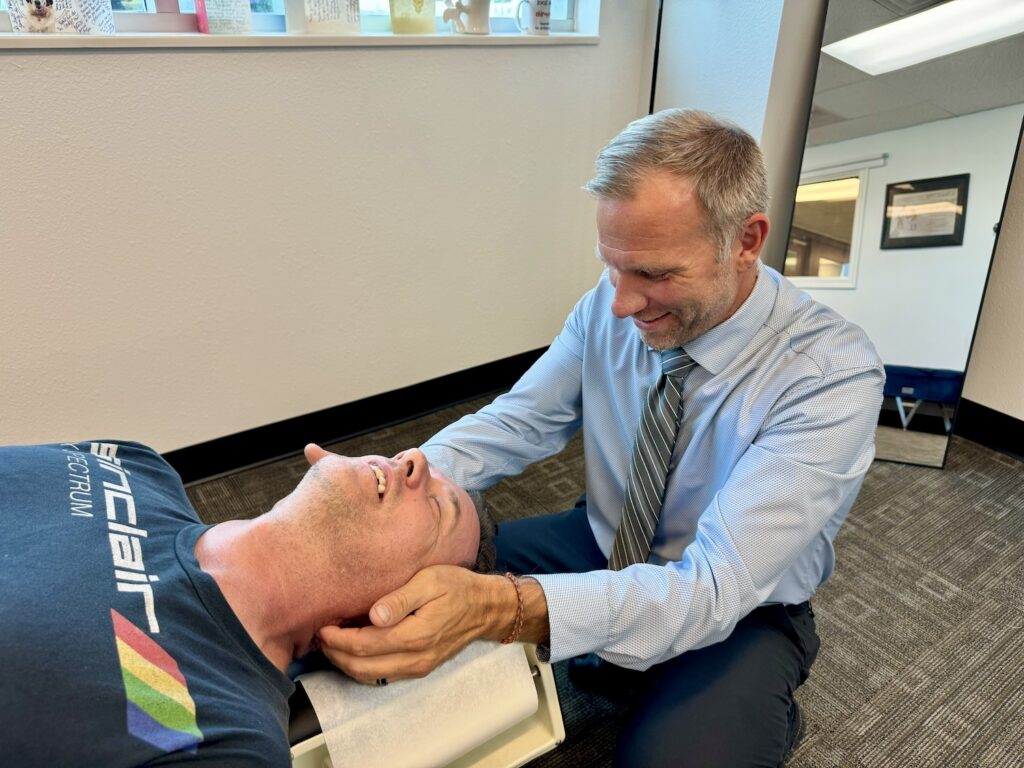
If you’ve ever dealt with headaches, you understand how they can disrupt your daily life. One often-overlooked factor in finding relief is alignment. Your body’s alignment, from your spine all the way down to your feet, plays a crucial role in your overall comfort. By understanding the connections between alignment and headache relief, you might just find a natural way to reduce both the frequency and intensity of your headaches.
As a chiropractor, I want to emphasize that maintaining proper alignment is vital for your health and wellness. Here are 10 ways alignment can impact headache relief:
- Spinal Alignment: Your spine is the central support structure of your body. Misalignments, or subluxations, can cause tension in the neck and shoulders, leading to headaches. Regular chiropractic adjustments can help keep your spine in line, promoting better overall health.
- Posture Matters: Poor posture can lead to misalignment. Be mindful of your posture, especially if you spend long hours at a desk. Simple adjustments to your workspace and regular breaks can make a big difference.
- Foot Alignment: Your feet are the foundation of your body. If they are misaligned, it can create a ripple effect, leading to issues in your knees, hips, and spine. Custom orthotics may help in correcting foot alignment and relieving related headaches.
- Neck Alignment: Tension in the neck can lead to cervicogenic headaches. Chiropractic care focuses on restoring proper alignment in the neck, which can help alleviate this type of headache.
- Stress Reduction: Misalignment can increase stress on your body. Chiropractic adjustments not only improve alignment but also promote relaxation, which can help reduce headache triggers.
- Muscle Tension Relief: Tight muscles due to misalignment can contribute to headaches. Chiropractic care addresses these tensions, allowing your muscles to relax and function properly.
- Improved Blood Flow: Proper alignment can enhance circulation throughout your body. Better blood flow means more oxygen and nutrients to your brain, which can help alleviate headache symptoms.
- Holistic Approach: Chiropractic care takes a holistic approach to health. By focusing on the entire body, rather than just the symptoms, we can identify underlying issues that may be contributing to headaches.
- Lifestyle Changes: Incorporating healthy habits, such as regular exercise and proper hydration, can complement chiropractic care. These changes support your overall alignment and well-being.
- Regular Maintenance: Just like your car needs regular maintenance, so does your body. Regular chiropractic visits can help maintain proper alignment, preventing headaches before they start.
By focusing on alignment and incorporating chiropractic care into your wellness routine, you can take proactive steps toward achieving optimal health and reducing headaches naturally. Remember, your body is designed to function at its best when everything is in alignment, so take charge of your health today!
Key Takeaways
- Maintaining proper spinal alignment is essential for optimal nerve function and blood circulation. This reduces tension in the neck and shoulders, helping to lower your risk of headaches. A well-aligned spine supports your overall well-being.
- Good posture is key to preventing muscle strain and discomfort. By sitting and standing correctly, you can directly decrease the frequency and intensity of headaches. Remember to keep your shoulders back and your head aligned with your spine!
- The alignment of your neck and jaw is crucial. When these areas are misaligned, they can create tension that leads to headaches. Ensuring proper alignment can significantly relieve discomfort and promote a headache-free life.
- Don’t overlook your feet! They play a vital role in your overall body posture. Misaligned feet can cause tension that travels up to your neck and head, resulting in headaches. Consider using supportive footwear to help maintain better alignment.
- Regular visits to a chiropractor can promote sustained spinal alignment. This not only provides long-term relief from headaches but also equips you with the knowledge to maintain good posture at home. Your chiropractor can offer personalized adjustments tailored to your needs and teach you simple exercises to keep your spine healthy.
By focusing on these aspects of alignment, you can take proactive steps toward minimizing headaches and enhancing your overall health. Embrace chiropractic care for a natural approach to wellness!
The Importance of Spinal Alignment
When you think about how spinal alignment affects your overall health, it becomes clear just how vital it’s for preventing headaches. A properly aligned spine is essential for supporting nerve function, enhancing blood flow, and maintaining muscle balance. When your spine is aligned, it helps reduce tension in the neck and shoulders, which can significantly lower the chances of experiencing tension headaches.
Good spinal alignment is also key to maintaining ideal posture. This is important because your posture affects how your body performs during daily activities. By keeping your spine aligned, you can distribute weight evenly, which prevents unnecessary strain on specific muscles and joints.
As a chiropractor, I believe that natural healing through spinal care is one of the best ways to achieve optimal health. Regular chiropractic adjustments can help ensure your spine stays in alignment, promoting better overall wellness.
Here are some simple tips to help you maintain a healthy spine and alleviate tension:
- Practice Good Posture: Be mindful of your posture while sitting, standing, and moving. Keep your shoulders back and your head aligned over your spine.
- Stay Active: Regular physical activity strengthens your core muscles, which support your spine. Incorporate exercises that focus on flexibility and strength.
- Use Supportive Furniture: Make sure your chair and workstation promote good posture. Invest in ergonomic furniture if you spend long hours sitting.
- Take Breaks: If you’re working at a desk, take regular breaks to stretch and walk around to reduce stiffness and tension.
- Stay Hydrated: Drinking plenty of water helps maintain the health of your discs and supports overall spinal function.
How Poor Posture Contributes to Headaches
If you often find yourself slouching or hunching over, you may be unknowingly setting the stage for headaches. Poor posture can lead to muscle tension and strain, creating discomfort that often radiates to your head. When your spine is misaligned, it can exacerbate these issues, making it important to be mindful of how you sit and stand.
As a chiropractor, I want to emphasize the importance of maintaining good posture for your overall health and wellness. Here are a few simple tips to help you improve your posture and potentially reduce headache pain:
- Be Mindful of Your Sitting Position: When sitting at a desk, ensure your back is straight, shoulders relaxed, and feet flat on the ground. Your computer screen should be at eye level to prevent straining your neck.
- Take Frequent Breaks: If you work at a desk for long periods, make a habit of standing up, stretching, and moving around every 30 minutes. This helps relieve tension in your muscles and keeps your spine aligned.
- Strengthen Your Core: Engaging in exercises that strengthen your core muscles can help support your spine and improve your overall posture. Consider activities such as yoga or pilates.
- Stay Hydrated: Drinking plenty of water helps keep your muscles hydrated and functioning optimally, reducing the risk of tension headaches.
- Consider Chiropractic Care: Regular visits to a chiropractor can help ensure your spine is properly aligned, which can relieve tension and prevent headaches. Chiropractic adjustments can restore balance and function to your body, supporting your journey toward optimal health.
By making these small adjustments to your daily routine, you can promote better posture and potentially alleviate headache pain.
Muscle Tension and Strain
Poor posture can lead to significant muscle tension and strain, often resulting in debilitating headaches. When you slouch or hunch over your computer, your neck and shoulder muscles work overtime to support your head, creating unnecessary stress. This constant strain can lead to tight knots in your muscles, causing discomfort and pain. As these muscles tighten, they can trigger tension headaches that make it hard to focus or enjoy your day.
You might be surprised to learn that simple adjustments can make a big difference. Instead of reaching for pain relief medications, consider incorporating some easy habits into your daily routine. Sitting up straight and using supportive chairs can help alleviate tension.
Additionally, taking regular breaks to stand, stretch, and move around can reduce muscle strain and improve overall comfort.
Chiropractic care is an excellent option for addressing these issues. By focusing on spinal alignment and overall body function, chiropractic adjustments can help relieve muscle tension, improve posture, and reduce the frequency and intensity of headaches.
Take a moment to assess your posture; your head and body will thank you! Remember, maintaining good posture and seeking chiropractic care are natural and effective ways to enhance your well-being and achieve optimal health. Embrace these simple changes and experience the relief you deserve.
Spinal Alignment Issues
Misalignment in your spine can significantly contribute to headaches, often stemming from the same poor posture that leads to muscle tension. When you find yourself slouching or leaning forward for long periods, you’re putting extra stress on your cervical spine, which can cause discomfort and pain.
This misalignment can irritate nerves and tighten muscles, potentially triggering those pesky headaches.
You might’ve experienced this—after a long day at your desk or lounging on the couch, your head starts to throb. The good news is that maintaining proper posture can be a game changer. Regularly check your alignment while sitting or standing, and consider making ergonomic adjustments to your workspace to support your spine better.
Incorporating simple stretches and strengthening exercises into your daily routine can also help restore balance to your spine, easing headache symptoms and enhancing your overall well-being.
Remember, chiropractic care is a natural and effective way to address these issues. By visiting a chiropractor, you can receive personalized guidance and adjustments that promote spinal health and wellness, helping you achieve a pain-free life.
The Role of Neck Alignment in Pain Relief
When your neck is properly aligned, it can significantly lessen the intensity and frequency of headaches. Proper neck alignment optimizes blood flow and nerve function, which helps ease muscle tension that often contributes to headaches. Conversely, a misaligned neck can increase pressure on your cervical spine and the surrounding tissues, leading to discomfort and pain.
You may not realize how your daily habits impact your neck alignment. Poor posture while sitting at a desk or sleeping can create imbalances that trigger headaches. By consciously maintaining a neutral neck position—whether you’re working at your computer or scrolling on your phone—you can reduce strain and discomfort.
As a chiropractor, I recommend incorporating gentle stretches and exercises that enhance neck strength and flexibility. These practices can support better neck alignment and contribute to your overall wellness. Remember, prioritizing your neck health is a crucial step toward decreasing headache occurrences and improving your quality of life.
Here are some simple tips to help you achieve better neck alignment:
- Mind Your Posture: Keep your shoulders relaxed and your neck straight while sitting or standing. Use ergonomic furniture when possible.
- Take Breaks: If you work at a desk, take short breaks every hour to stretch and move your neck gently.
- Support Your Neck While Sleeping: Use a pillow that supports a neutral neck position, avoiding overly thick or thin pillows.
- Stay Active: Regular exercise strengthens your neck and back muscles, supporting proper alignment.
Ergonomics and Headache Prevention
As you spend long hours at your desk or on your devices, incorporating ergonomic practices is crucial not just for comfort but also for preventing headaches. Poor posture and strain can lead to tension in your neck, shoulders, and eyes—common triggers for headaches. By prioritizing your ergonomic setup, you can support your overall wellness and reduce pain without the need for medications or surgeries. Here are some straightforward ergonomic tips to consider:
| Ergonomic Practice | Benefits | Tips |
|---|---|---|
| Desk Height | Reduces neck strain and promotes spinal health | Adjust your desk so that your elbows form a 90-degree angle when typing. This helps maintain good posture. |
| Chair Support | Encourages proper alignment of your spine | Use a chair that offers lumbar support to help maintain the natural curve of your lower back. |
| Screen Position | Minimizes eye strain and promotes neck health | Position your screen at eye level to avoid looking down, which can strain your neck and lead to headaches. |
| Keyboard Placement | Prevents wrist discomfort and supports hand positioning | Keep your keyboard close to your body to reduce strain on your wrists and ensure a more comfortable typing position. |
| Breaks | Reduces fatigue and promotes circulation | Take short breaks every hour to stretch and move around, which helps alleviate tension and refresh your mind. |
The Impact of Jaw Alignment on Headaches
Your overall wellness can be affected by more than just your desk posture; the alignment of your jaw plays a significant role too. When your jaw is misaligned, it can create tension in the muscles around your jaw, neck, and head, leading to headaches. If you find yourself grinding your teeth or clenching your jaw, this may increase strain and trigger chronic headaches.
Be mindful of how your jaw feels throughout the day. If you notice tightness or discomfort, it could be a sign of misalignment that needs attention. One simple tip is to consciously relax your jaw when you feel tension. Incorporating gentle stretches for your jaw can also help relieve discomfort.
As a chiropractor, I recommend considering chiropractic care as a natural approach to address jaw alignment issues. Spinal adjustments not only improve your overall posture but can also help relieve tension in the muscles connected to your jaw. By focusing on your spine and overall alignment, you may experience a reduction in headache frequency and intensity.
In addition to chiropractic care, using a mouthguard during sleep can be a great way to protect your teeth and alleviate strain from grinding. Consulting with a chiropractor who specializes in jaw alignment can provide you with personalized strategies to improve your alignment and enhance your overall well-being.
Breathing Techniques for Better Alignment
While many people focus on physical adjustments for better alignment, incorporating breathing techniques can also play an essential role in achieving optimal wellness and enhancing the benefits of chiropractic care.
Deep, intentional breathing helps you release tension and promotes proper posture, complementing the adjustments you receive in the chiropractic office.
To get started, find a comfortable sitting or standing position. Inhale deeply through your nose, allowing your diaphragm to expand fully, which creates space in your spine and encourages proper alignment. Hold that breath for a moment, then exhale slowly through your mouth, consciously letting go of any tightness in your shoulders and neck.
This simple breathing exercise not only helps relieve stress but also reinforces the alignment achieved through chiropractic adjustments.
Practicing this technique regularly encourages a sense of calm and awareness of your body’s positioning. It’s especially helpful to incorporate breathing exercises into your daily routine—particularly during stressful moments when tension might creep in.
By focusing on your breath, you’ll not only improve your alignment but also enhance your overall well-being.
Remember, it’s not just about how you position your body; the way you breathe can make a significant difference in how you feel.
Pairing these breathing techniques with regular chiropractic care can lead to a healthier, more balanced life. Staying aware of your breath and posture can help you maintain the benefits of your chiropractic treatments, ensuring you feel your best every day.
The Connection Between Alignment and Muscle Tension
When muscle tension builds up in your body, it can throw your alignment out of whack, leading to discomfort and pain. You may notice certain areas becoming tight, which can create a ripple effect throughout your entire body. This misalignment can make tension headaches feel even more persistent and hard to shake off.
As a chiropractor, I want to help you understand some common areas where tension tends to accumulate and how chiropractic care can be a natural solution for relief:
- Neck and Shoulders: Tightness here can pull your head forward, straining your neck. Regular chiropractic adjustments can help restore proper alignment and ease this tension.
- Upper Back: If you’re feeling knots in your upper back, it may be limiting your movement and increasing discomfort. Chiropractic care focuses on realigning your spine, which can help release these knots and improve your overall mobility.
- Jaw: Many people clench their jaws, leading to pain that radiates into the temples. Chiropractic adjustments can help alleviate this tension and restore balance to your jaw and facial muscles.
- Lower Back: Strain in your lower back can throw off your posture and overall alignment. With chiropractic adjustments, we can address these issues and help support a healthier spine.
- Hips: Tightness in your hips can misalign your entire spine, affecting how you stand and move. Chiropractic care can help release this tension and keep your spine aligned.
To manage muscle tension and maintain your alignment, here are some general tips:
- Stay Active: Regular movement helps keep your muscles loose and your joints healthy.
- Practice Good Posture: Be mindful of your posture, especially if you sit for long periods. Consider standing or walking for a few minutes every hour.
- Stretch Regularly: Incorporating gentle stretches into your daily routine can help alleviate tightness in muscles.
- Stay Hydrated: Drinking enough water is essential for muscle function and can help reduce tension.
- Schedule Regular Chiropractic Visits: Regular adjustments can keep your spine aligned and help your body function at its best.
Chiropractic care is a natural and effective way to address muscle tension and maintain your overall health and wellness. If you’re experiencing discomfort, don’t hesitate to reach out for an evaluation.
Together, we can work towards achieving optimal health and a pain-free life!
The Effects of Foot Alignment on Overall Body Health
Misalignment can occur not only in your spine but also in your feet, which are crucial to your overall body health. When your feet aren’t aligned properly, it can create a ripple effect throughout your entire body. You may find yourself dealing with pain not just in your feet but also in your knees, hips, and back.
This misalignment forces your muscles to work harder to keep you balanced, leading to fatigue and discomfort. Improper foot alignment can also impact your posture and how you walk, which may contribute to headaches and tension in your upper body.
A simple yet effective way to alleviate these issues is by focusing on your foot alignment. By ensuring that your feet are properly aligned, you’re not just treating the symptoms; you’re addressing the root cause of many discomforts. This can lead to improved movement, reduced muscle strain, and a greater sense of overall well-being.
As a chiropractor, I encourage you to take care of your feet as a vital part of your health journey. Here are a few tips to help you maintain proper foot alignment:
- Wear supportive footwear: Choose shoes that offer good arch support and cushioning. Avoid high heels or flip-flops for extended periods.
- Practice foot exercises: Simple stretches and strengthening exercises can help support your foot alignment. Try rolling your foot over a tennis ball or doing calf stretches.
- Be mindful of your posture: Maintain a neutral spine when standing or sitting to support your entire body, including your feet.
- Consider chiropractic care: Regular adjustments can help align your spine, which in turn can positively affect your foot alignment and overall health.
Taking these steps can lead to better comfort and improved quality of life. Remember, investing in your foot health is a key component of your overall wellness. By prioritizing proper alignment, you’re making a positive choice for your body’s health and functionality.
Stretching and Strengthening for Improved Alignment
Stretching and strengthening your muscles is essential for improving alignment and enhancing your overall health. As a chiropractor, I emphasize the importance of focusing on key muscle groups to not only boost flexibility but also support better posture.
Good posture plays a crucial role in your daily comfort and can significantly reduce headaches and other discomforts associated with misalignment. Chiropractic care is an excellent choice for achieving optimal health and wellness. By addressing the root cause of misalignment, we can help your body heal naturally.
Here are some simple tips you can incorporate into your daily routine:
- Daily Stretching: Take a few minutes each day to stretch your major muscle groups. This can help relieve tension and improve flexibility, which is vital for maintaining proper alignment.
- Strengthening Exercises: Focus on strengthening your core and back muscles. These muscles support your spine and help maintain good posture. Simple exercises like planks, bridges, and back extensions can make a big difference.
- Mind Your Posture: Be conscious of your posture throughout the day, whether sitting at a desk or standing. Keeping your shoulders back and your spine straight can prevent misalignment.
- Stay Active: Engage in regular physical activity that you enjoy. This not only helps with muscle strength but also promotes overall wellness.
- Regular Chiropractic Visits: Consider scheduling regular chiropractic adjustments. This can help keep your spine aligned and your body functioning at its best.
Benefits of Stretching
Improving your alignment is crucial for reducing headaches, and incorporating stretching into your daily routine plays a significant role in this process.
As a chiropractor, I emphasize the importance of stretching not just for flexibility, but also for releasing tension in tight muscles that can contribute to pain. When you make stretching a regular part of your day, you can enjoy several benefits:
- Increased blood flow to your muscles, which aids in healing and recovery from discomfort.
- Enhanced range of motion, making everyday activities feel easier and more comfortable.
- Reduced muscle stiffness, leading to improved posture and less strain on your spine.
- Better mind-body awareness, allowing you to tune in to your body’s signals and recognize tension before it becomes a bigger issue.
- A calming effect on your nervous system, which can help alleviate stress and anxiety, contributing to overall wellness.
In addition to stretching, regular chiropractic adjustments can help align your spine and improve your overall health.
This natural approach not only supports pain relief but also encourages your body’s ability to heal itself.
Remember, caring for your spine is key to achieving optimal health and wellness.
Make stretching a habit, listen to your body, and consider scheduling a visit to your chiropractor to learn more about how you can maintain a healthy spine and a pain-free life.
Strengthening Key Muscle Groups
Maintaining proper alignment is crucial for overall health, and it’s not just about stretching—it’s equally essential to strengthen the key muscle groups that support your spine and posture. By focusing on building strength in these areas, you create a solid foundation that can help reduce tension and prevent headaches, a common issue that many people face.
Targeting your core, back, and neck muscles can significantly enhance your alignment and overall well-being. Simple exercises like planks, bridges, and rows can be easily incorporated into your routine. These movements not only build strength but also stability, allowing your body to maintain a healthier posture throughout the day.
Remember, it’s important to balance your strengthening exercises with flexibility work to keep your muscles adaptable. This combination helps ensure that your body stays resilient and can handle daily stresses without leading to discomfort or pain.
By embracing this holistic approach, you’ll not only improve your alignment but also promote overall wellness. Regular chiropractic care can further support your efforts, helping to align your spine and alleviate any discomfort, paving the way for effective headache relief and a healthier lifestyle.
Make it a priority to take care of your body, and you’ll reap the benefits of natural healing and optimal health.
Seeking Professional Help for Alignment Issues
If you’re dealing with ongoing alignment issues that may be causing your headaches, reaching out to a chiropractor can be a vital step towards finding relief. A knowledgeable chiropractor can evaluate your spinal alignment, spot any misalignments, and create a personalized plan to help you feel better.
Here’s what you can expect during your visit:
- Comprehensive Evaluation: Your chiropractor will perform a thorough assessment of your spine and posture, helping to pinpoint any issues.
- Customized Care: You’ll receive tailored treatment strategies, which may include gentle adjustments and specific exercises designed just for you.
- Natural Pain Relief Techniques: Discover effective methods to manage and reduce your headache pain without the need for medications.
- Practical Education: You’ll learn about maintaining proper alignment in your daily life, which can help prevent future discomfort.
- Sustainable Wellness Plan: Together, you’ll develop a long-term strategy focused on keeping you pain-free and promoting overall wellness.
Taking this step towards chiropractic care can significantly improve not only your alignment but also your overall health and happiness.
Don’t wait—relief and a healthier lifestyle are within your reach!
Conclusion
Incorporating alignment practices into your daily routine can significantly help in reducing the frequency and intensity of headaches. By paying attention to your spinal, neck, jaw, and foot alignment, you’re not only easing pain but also improving your overall health. Good posture and ergonomic setups are essential to prevent unnecessary strain on your body.
As a chiropractor, I emphasize that maintaining proper alignment can be one of the most effective ways to achieve natural relief from headaches. Simple adjustments in your daily habits can make a big difference. For instance, try to keep your computer screen at eye level to avoid neck strain, and remember to take breaks to stretch throughout the day.
If you find yourself dealing with alignment issues, seeking chiropractic care can be a game-changer. Chiropractors are experts in spinal health and can help you understand how to align your body properly. By prioritizing chiropractic adjustments and alignment practices, you’re taking a vital step toward a healthier, pain-free life. Remember, a well-aligned body is a strong body, and it can help you enjoy a better quality of life!