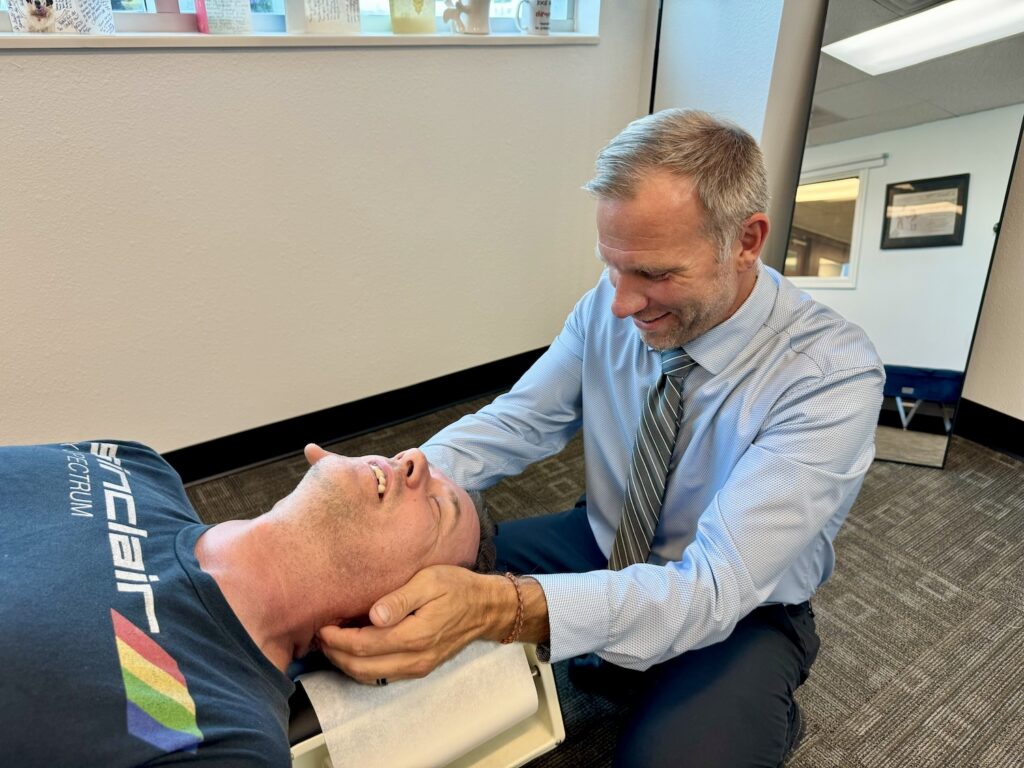
As a local chiropractor, I understand that back pain can significantly impact your daily life. Many of you may have already tried various remedies, but I want to emphasize that effective relief often requires a multifaceted approach. Simple stretches and exercises can be incredibly beneficial, along with the use of heat and cold therapy to alleviate discomfort.
Additionally, making ergonomic adjustments in your workspace is crucial for maintaining proper posture and reducing strain on your back. However, I also encourage you to explore some lesser-known methods that can provide further support in your healing journey.
Chiropractic care, for instance, focuses on aligning the spine and optimizing the nervous system to promote natural healing. Incorporating techniques like spinal adjustments, soft tissue therapy, and guided stretches can enhance your recovery and help you manage pain more effectively. Understanding these options and how they can work in conjunction with other strategies could transform your experience with back pain. Let's work together to find the best solutions tailored for your needs.
Understanding Back Pain Causes
As a local chiropractor, I want to help you understand the various causes of back pain and how we can address them through natural healing methods. Recognizing the root of your discomfort is crucial for effective treatment.
One common factor I see in my practice is poor posture. Whether you're sitting at a desk for long hours or lounging on the couch, improper alignment can place excessive strain on your back muscles and spine, leading to discomfort.
Another frequent cause of back pain is muscle strain or sprain, often resulting from lifting heavy items incorrectly or pushing yourself too hard during physical activities. If you've recently adopted a new workout routine or engaged in strenuous labor, that could be contributing to your back issues.
Moreover, conditions like herniated discs or degenerative disc disease can lead to chronic pain, especially as we age. That's why regular chiropractic check-ups are essential for maintaining your spinal health and preventing these issues from worsening.
Additionally, it's important to be aware that underlying medical conditions, such as arthritis or kidney stones, could also manifest as back pain. If you notice your discomfort is accompanied by other symptoms like fever or unexplained weight loss, it's crucial to seek medical advice promptly.
Don't forget that emotional stress can significantly impact your physical health; it can lead to muscle tension, which may further aggravate back pain.
At my practice, we focus on understanding each patient's unique situation to provide personalized care aimed at holistic healing. Together, we can explore natural methods to alleviate your pain and improve your overall well-being.
Stretching and Strengthening Exercises
As a chiropractor, I often see patients seeking relief from back pain, and I want to share how targeted stretching and strengthening exercises can play a crucial role in your healing journey. These practices not only improve your flexibility and muscle strength but also support better posture, which is vital in reducing discomfort in your back.
Stretching is a wonderful way to alleviate tightness in muscles that may be contributing to your pain. For example, the cat-cow stretch is an excellent exercise to enhance flexibility in your spine. To perform this, start on your hands and knees. Inhale as you arch your back, entering the cat pose, and then exhale as you drop your belly while lifting your head and tailbone into the cow pose. Hold each pose for a few seconds and repeat this sequence several times to promote mobility.
In addition to stretching, incorporating strengthening exercises is essential. One of my favorites is the bridge exercise. Lie on your back with your knees bent and feet flat on the floor. Slowly lift your hips towards the ceiling, squeezing your glutes at the top of the movement, and then lower back down. This exercise effectively targets your lower back and glutes, which are crucial for maintaining stability and support for your spine.
Core strength is also vital for a healthy back, so I encourage you to try planks as well. Begin in a push-up position, ensuring your body is straight from head to heels. Aim to hold this position for 20-30 seconds, gradually increasing the duration as your strength improves.
Always listen to your body and avoid pushing through any pain. Consistency is key—aim to practice these exercises several times a week. By integrating stretching and strengthening into your routine, you can support your body's natural healing process and work towards a healthier, pain-free back.
Hot and Cold Therapy
As your local chiropractor, I want to share how hot and cold therapy can significantly aid in managing back pain. Many of my patients are unfamiliar with these natural healing methods, so let me break it down for you.
Heat therapy is fantastic for relaxing tight muscles and enhancing blood circulation, which can be especially beneficial when you're dealing with stiffness or tension.
On the other hand, cold therapy is effective at reducing inflammation and numbing sharp pain, making it a useful tool for acute injuries.
Understanding how to properly apply these therapies can make a world of difference in your recovery. I encourage you to explore both methods to see which one brings you the most relief.
Benefits of Heat Therapy
As your local chiropractor, I want to share with you the remarkable benefits of heat therapy in managing back pain. Many people aren't aware that applying heat to your back can significantly enhance your healing process. When you use heat, it increases blood circulation in the affected area, which is vital for promoting recovery and reducing muscle soreness. This enhanced blood flow delivers essential nutrients and oxygen to your muscles, helping to alleviate tension and aid in your healing.
Heat therapy is also fantastic for relaxing tight muscles, allowing for greater ease of movement without discomfort. Whether you choose a heating pad, a hot water bottle, or a warm bath, you'll likely experience soothing relief that helps reduce stiffness and improves your overall flexibility.
For those dealing with chronic pain, heat therapy can be a game-changer. The warmth not only provides physical relief but can also create a comforting sensation that helps ease anxiety and uplift your mood.
It's a simple, drug-free approach to managing discomfort that empowers you to reclaim your daily activities. As you explore your options for natural healing, I encourage you to consider incorporating heat therapy into your routine for effective pain management.
Advantages of Cold Therapy
As a local chiropractor, I want to share the remarkable benefits of cold therapy, especially for those of you who may not be familiar with chiropractic care and natural healing methods.
Cold therapy serves as an excellent complement to heat therapy, offering its own distinct advantages for relieving back pain. When you apply cold to your back, it can significantly reduce inflammation and numb sharp pain, making it particularly effective following an acute injury. This cooling effect causes blood vessels to constrict, which slows the flow of inflammatory substances and allows your muscles to relax.
One of the key benefits of cold therapy is its ability to alleviate muscle spasms. By lowering the temperature in the affected area, you can effectively reduce muscle tension, which promotes easier movement. This is especially beneficial for those who experience chronic pain flare-ups, as cold therapy can provide immediate relief without the risk of overheating the tissues.
Moreover, incorporating cold therapy into your routine can enhance your overall recovery process. By minimizing swelling, you may find that you can return to your normal activities more quickly.
The best part is that cold therapy is a simple and cost-effective method that you can easily perform at home. Just remember to use a barrier, such as a cloth, to protect your skin from direct contact with the cold source.
As your chiropractor, I encourage you to consider adding cold therapy to your pain management toolkit. It can be a powerful ally in your journey towards effective back pain relief and improved well-being.
Application Techniques Explained
As your local chiropractor, I want to share some valuable insights on how you can effectively use hot and cold therapy to enhance your relief from back pain. Understanding these methods is essential, especially if you're new to chiropractic care and natural healing.
First, let's talk about cold therapy. If you're experiencing acute pain or inflammation, using cold therapy can be particularly beneficial. I recommend taking an ice pack wrapped in a cloth—this helps prevent any skin damage. You'll want to apply it directly to the painful area for about 15 to 20 minutes.
Make sure to give your skin a chance to return to its normal temperature between sessions. Cold therapy works by reducing swelling and numbing the soreness, providing you with some much-needed relief.
On the flip side, if you're dealing with muscle tension or chronic pain, hot therapy might be the answer. Utilizing a heating pad or a warm towel can help ease your discomfort. Just like with cold therapy, apply it for 15 to 20 minutes, making sure it's warm but not scalding hot.
The heat increases blood flow, relaxes those tight muscles, and alleviates stiffness, which can be incredibly soothing.
For many patients, alternating between hot and cold therapy can amplify the benefits, but it's crucial to pay attention to how your body responds. If you notice that either method seems to make your pain worse, discontinue use immediately.
And remember, it's always a good idea to consult with a healthcare professional—like myself—if you're uncertain about the best approach for your specific situation.
Ergonomic Adjustments
As a chiropractor dedicated to your well-being, I want to emphasize the importance of making ergonomic adjustments to your workspace. Many of my patients report back pain and discomfort, often stemming from poor posture and improper workstation setup. By taking some simple steps, you can significantly alleviate these issues and enhance your overall comfort.
First and foremost, ensure that your chair provides adequate support for your lower back. A chair designed with lumbar support is ideal, but if that's not an option, consider adding a cushion to help maintain the natural curve of your spine. It's essential that your feet rest flat on the floor or on a footrest, with your knees positioned slightly lower than your hips.
Next, let's talk about your desk and monitor placement. Your computer screen should be at eye level and about an arm's length away from you. This positioning helps prevent neck strain and encourages good posture, which is crucial for spinal health. If you often use a keyboard, make sure it's at a height that allows your elbows to stay close to your body, forming a 90-degree angle.
I also recommend considering an ergonomic keyboard and mouse to reduce strain on your wrists, which can lead to discomfort over time.
Lighting is another factor that many overlook. Proper lighting not only minimizes eye strain but also promotes better posture. Position your desk lamp so that it avoids glare on your screen, and opt for lighting that mimics natural daylight for optimal visibility.
Finally, I can't stress enough the importance of taking regular breaks. Standing, stretching, and moving around can relieve pressure on your back and improve your overall productivity. I encourage my patients to set a timer to remind themselves to get up every hour.
These simple ergonomic adjustments can create a workspace that supports your body, reduces discomfort, and promotes better health in the long run.
Professional Treatments
When you've made ergonomic adjustments to your workspace and still feel that persistent back pain, it may be time to consider professional treatments, specifically chiropractic care.
As a local chiropractor, I want to help you understand how our approach can offer significant relief and improve your overall well-being.
Chiropractic care focuses on the alignment of your spine and the function of your nervous system. Through gentle adjustments, we can help restore proper alignment, reduce pain, and enhance mobility.
This holistic method not only addresses the symptoms but also targets the underlying issues contributing to your discomfort.
In addition to spinal adjustments, we also incorporate physical therapy techniques, exercises, and lifestyle advice tailored to your needs.
By combining these strategies, we aim to provide a comprehensive solution that empowers you to regain comfort and mobility in your daily life.
Let's work together to explore how chiropractic care can be a valuable part of your journey to better health.
Physical Therapy Options
As a local chiropractor, I want to share with you the benefits of chiropractic care for alleviating back pain and restoring mobility. If you're dealing with discomfort, a chiropractor can provide personalized adjustments and techniques that focus on realigning your spine and enhancing the function of your nervous system. These adjustments not only help reduce pain but also promote overall wellness.
Chiropractic care involves manual therapy techniques that may include spinal adjustments and soft tissue manipulation. By using precise hands-on techniques, we can help relieve tension in your spine and surrounding muscles, facilitating the healing process.
In addition, we often incorporate modalities like heat and ice therapy to further reduce pain and inflammation.
During your visits, you'll also gain insights into maintaining proper body mechanics and posture. Learning how to lift correctly and sit with good posture is crucial for preventing future injuries and avoiding recurrent pain.
I may recommend specific exercises or stretches that you can easily incorporate into your daily routine, ensuring you stay on track with your recovery.
Ultimately, chiropractic care is about empowering you with the knowledge and tools to manage your back pain naturally. Engaging actively in your treatment can significantly improve your quality of life and help you regain your independence.
I encourage you to explore chiropractic options for lasting relief and a healthier, pain-free lifestyle.
Chiropractic Adjustments Benefits
As a local chiropractor, I want to share with you the many benefits of chiropractic adjustments that extend far beyond just alleviating pain. When you choose to undergo these treatments, you're not only tackling discomfort, but you're also enhancing your overall well-being.
Chiropractic adjustments play a crucial role in aligning your spine, which in turn boosts your body's innate ability to heal itself. As a result, you may find yourself enjoying increased mobility and flexibility, making it easier to engage in your daily activities.
One significant advantage of chiropractic care is its positive impact on posture—especially for those of you who spend long hours sitting or standing. Improved posture can alleviate strain on your back and neck, which helps prevent future pain.
Moreover, many patients experience a reduction in tension headaches as spinal adjustments relieve pressure on the nerves associated with these headaches.
What's more, chiropractic adjustments are non-invasive and drug-free, making them an attractive option for individuals who prefer to steer clear of medications or surgical interventions.
Regular adjustments can also lead to better sleep and a stronger immune system, fostering a healthier lifestyle overall.
If you're seeking a holistic approach to managing back pain and enhancing your health, I encourage you to consider incorporating chiropractic adjustments into your wellness routine. You might be pleasantly surprised by how they can transform your life!
Medical Interventions Overview
Navigating the world of back pain can often feel daunting, but as your local chiropractor, I'm here to help you understand your options and empower you to make informed decisions about your health. There are several effective approaches to managing back pain, particularly those that emphasize natural healing.
One of the foundational techniques I utilize is chiropractic care, which focuses on aligning the spine and optimizing the function of the nervous system. This method can help alleviate pain, improve mobility, and enhance overall well-being. During your visits, I'll assess your condition and create a tailored treatment plan that may include spinal adjustments and other supportive therapies.
In addition to chiropractic adjustments, I often recommend incorporating physical therapy exercises into your routine. These exercises are designed to strengthen the muscles supporting your back, improve flexibility, and promote better posture, which can significantly contribute to your recovery.
If you're seeking additional relief, we can discuss natural anti-inflammatory strategies, such as dietary changes or the use of supplements, which can complement your chiropractic care. It's essential to approach pain management holistically.
While some patients may consider medications, I encourage exploring natural alternatives first. Over-the-counter options like ibuprofen or acetaminophen can provide temporary relief, but we should focus on long-term solutions that address the root cause of your pain.
In certain situations, I may recommend referring you for specialized treatments like acupuncture or massage therapy, which can further enhance your healing process by reducing tension and promoting relaxation.
In severe cases, where conservative treatments may not yield sufficient relief, we can collaborate with your healthcare provider to discuss other medical interventions. However, my primary focus is on helping you find non-invasive solutions that support your body's natural healing capabilities.
Together, we can navigate these options and find the best approach tailored to your individual needs. Your health journey is important, and I'm here to support you every step of the way.
Lifestyle Modifications
As a local chiropractor, I want to share with you some simple lifestyle modifications that can significantly alleviate back pain and enhance your overall well-being.
First and foremost, incorporating regular physical activity into your daily routine is vital. Activities like walking, swimming, or practicing yoga can help strengthen your back muscles and improve flexibility. I recommend aiming for at least 30 minutes of activity most days of the week to keep your body active and resilient.
Another crucial aspect to consider is your posture. Whether you're sitting at a desk, standing in line, or even driving, maintaining good posture is essential to preventing strain on your back. If you spend long hours at a desk, consider investing in ergonomic furniture.
Remember to take regular breaks to stretch and move around; this can make a big difference in how your body feels.
Nutrition also plays a significant role in your overall health and can impact back pain. A balanced diet that includes anti-inflammatory foods—such as fruits, vegetables, and whole grains—can help reduce inflammation throughout your body. Staying well-hydrated is equally important, as it supports the health of your spinal discs.
Let's not forget about your sleeping habits. A supportive mattress and pillow are key to ensuring your spine stays aligned while you sleep. I encourage you to experiment with different sleeping positions to discover what feels most comfortable for you.
Lastly, managing stress is crucial for your well-being. High levels of stress can lead to muscle tension, which may worsen back pain. Techniques such as meditation, deep breathing exercises, or engaging in hobbies you enjoy can help you unwind and reduce stress.
By making these lifestyle modifications, you can take proactive steps in managing your back pain and improving your overall health.
Conclusion
As your local chiropractor, I want to share some effective techniques that can truly transform your journey towards relief from back pain. It's essential to first understand the underlying causes of your discomfort. Engaging in regular stretching and strengthening exercises can be incredibly beneficial, as these practices help to support your spine and improve flexibility.
In addition to exercise, utilizing heat and cold therapy can provide immediate relief. Applying heat promotes blood flow and relaxes tight muscles, while cold therapy can reduce inflammation and numb sharp pain. It's also important to make ergonomic adjustments in your workspace and daily activities to support proper posture and reduce strain on your back.
When necessary, don't hesitate to seek professional treatments, such as chiropractic adjustments, which can help realign the spine and improve overall function. Furthermore, implementing lifestyle modifications—like maintaining a healthy weight, staying active, and practicing good posture—can significantly enhance your recovery.
Remember, even small changes can lead to considerable improvements in your back health and overall quality of life. I'm here to guide you on this path towards natural healing and comfort.