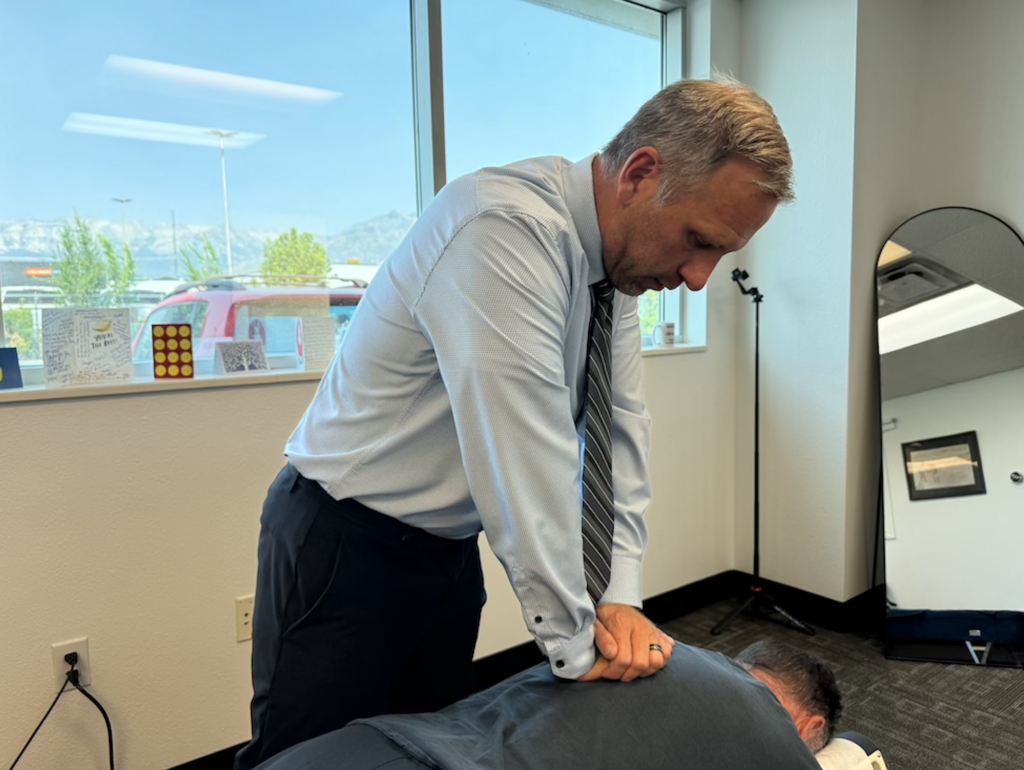
When considering the safety and well-being of your infant or toddler, it's essential to integrate various techniques that promote their overall health, including those that align with chiropractic care and natural healing. As a local chiropractor, I encourage you to explore safe sleeping practices that support spinal alignment, effective baby-proofing to create a secure environment, and appropriate supervision methods that foster both safety and physical development.
Additionally, there are less obvious safety measures that can significantly impact your child's health. For instance, ensuring your baby's positioning during sleep can prevent unnecessary stress on their spine. Furthermore, incorporating gentle, age-appropriate exercises can enhance their physical stability and coordination as they grow. Understanding these aspects can revolutionize how you approach your child's daily activities and health, allowing for a more holistic approach to their well-being.
Safe Sleeping Practices
As a local chiropractor focused on holistic health and natural healing, I want to share some essential safe sleeping practices for your infant that can also support their overall well-being. Ensuring your baby sleeps safely is crucial, and one of the most important guidelines is to always place them on their back in a crib or bassinet with a firm mattress. This simple position significantly reduces the risk of Sudden Infant Death Syndrome (SIDS) and promotes a healthy spinal alignment.
Make sure the mattress fits snugly within the crib or bassinet frame, with no gaps that could pose a risk of entrapment. A supportive sleeping surface is vital for developing healthy posture and spine health as your little one grows.
Keep the sleep environment uncomplicated. Avoid soft bedding, pillows, or stuffed animals in the crib, as these can create choking hazards or lead to suffocation. Instead, consider dressing your baby in a wearable blanket or sleep sack. This keeps them warm without the risk associated with loose blankets, allowing for a more restful sleep that supports their natural growth and development.
It's also essential to maintain a comfortable room temperature—neither too hot nor too cold. Aim for a range of 68-72°F (20-22°C). Overheating can increase the risk of SIDS, so be attentive to how your baby feels and adjust the environment accordingly.
Establishing a consistent sleep schedule can aid your baby in developing healthy sleep habits. When you put your infant down to sleep, do so while they're drowsy but still awake. This encourages them to learn how to fall asleep independently, fostering a sense of security and self-soothing.
Finally, regularly check your baby's sleeping area to ensure it remains a safe haven. Look for any signs of wear or damage in the crib or bedding and replace items as necessary.
Baby-Proofing Your Home
Creating a safe environment for your little one goes hand in hand with ensuring their physical well-being, which is where chiropractic care can play a vital role. As a chiropractor, I often emphasize the importance of a safe home in preventing injuries and promoting natural healing.
Start by evaluating each room for potential physical hazards that could lead to falls or accidents. Look for sharp edges on furniture, and consider softening those surfaces with corner guards. It's essential to keep small objects and potential choking hazards out of reach, as these can lead to unnecessary stress on a child's developing body.
In the kitchen, secure cabinet locks to prevent access to cleaning supplies and sharp utensils that can pose risks. Ensure that stove knobs are positioned away from curious hands and think about installing a stove guard.
In the living room, anchoring heavy furniture to the wall can prevent tipping, which is crucial for avoiding falls that could lead to misalignments in the spine.
The bathroom also requires special attention. Store medicines and toiletries in high cabinets to avoid accidental ingestion, which can harm not just the body but the nervous system as well. Non-slip mats in the tub are a must to prevent slips, and a toilet lock can help keep inquisitive toddlers safe and sound.
When preparing the bedroom, ensure that the crib meets safety standards, with a firm mattress and no loose bedding that could lead to suffocation risks. Window guards are vital for preventing falls, and keeping furniture away from windows can reduce those risks further.
Safety gates are another essential tool. Placing them at the top and bottom of stairs, as well as in doorways, can help limit access to areas that may pose danger.
By taking these proactive steps, you create a secure environment that allows your little one to explore safely while also promoting their overall health.
Supervision Techniques
As a local chiropractor, I understand that creating a safe and nurturing environment for your little ones is crucial, much like how we prioritize a healthy spine for overall well-being.
Just as effective supervision is key to keeping infants and toddlers safe as they explore, maintaining proper spinal alignment is essential for their growth and development.
Here are four important techniques that can help you ensure both safety and wellness:
- Stay Within Reach: Just as you should always keep an eye on your child while they're playing, it's important to stay aware of your own posture and spinal health. Regular check-ins with a chiropractor can help ensure that you're aligned and ready to engage actively with your child.
- Establish Safe Spaces: Much like creating designated play areas free from hazards, you can also create a supportive environment for your spine. A well-furnished home office or play area with ergonomic furniture can help prevent strain and promote a healthy posture.
- Limit Distractions: When focusing on your child's activities, it's vital to minimize distractions, similar to how you should focus on body awareness during your daily activities. Being present can help you identify any physical discomfort or misalignments that may arise throughout the day.
- Engage with Your Child: Just as you should interact with your toddler during playtime, engaging in physical activities together promotes both fun and fitness. Encourage movement through play, which benefits not only their development but also your own spinal health.
By implementing these techniques, you can create a safer environment for your children while being mindful of your own health.
Safe Feeding Guidelines
When it comes to nurturing your child's well-being, choosing the right food textures is crucial for their safety and development.
Just as we emphasize the importance of proper spinal alignment in chiropractic care, it's vital to supervise mealtimes to ensure your little one is eating safely and avoiding choking hazards.
As a local chiropractor, I want to help you create an enjoyable and secure mealtime experience that supports not only their physical health but also their overall growth.
Let's explore how mindful feeding practices can contribute to your child's natural healing and wellness journey.
Appropriate Food Textures
As a local Chiropractor, I believe in the importance of a holistic approach to health, which also extends to the nutrition of our little ones. Choosing the right food textures for your infant or toddler is essential not only for their safety but also for their overall development, including their ability to chew and swallow effectively.
Here are some guidelines to consider for nourishing your child's growth:
- Smooth Purees: Begin with smooth purees for younger infants. Options like applesauce or bananas are great single-ingredient choices that are gentle on their developing digestive systems.
- Mashed Foods: As your child matures, introduce slightly thicker mashed foods, such as mashed potatoes or avocado. This encourages their chewing abilities, which is important for their oral and overall development.
- Soft Finger Foods: Around 8-10 months, incorporate soft finger foods like well-cooked carrots or small pieces of ripe fruit. This not only allows them to practice self-feeding but also supports their fine motor skills.
- Chopped Foods: By 12 months, you can transition to small, chopped pieces of soft foods like pasta or cheese. It's essential to ensure they can handle these textures comfortably to promote safe eating habits.
Supervised Meal Times
As a chiropractor, I understand the importance of holistic well-being, and this extends to every aspect of your child's development, including their eating habits. Supervised meal times play a crucial role in ensuring that your infant or toddler not only eats safely but also develops healthy eating practices that can contribute to their overall health and wellness.
When you sit with your child during meals, you create an opportunity to monitor their eating behavior closely. This practice allows you to identify and address any potential choking hazards, ensuring a safe eating environment. It's essential to establish a calm atmosphere free from distractions, which helps your child focus on their food and learn to recognize their hunger and fullness cues—key components of a balanced lifestyle.
Make sure your child is safely secured in a high chair or booster seat, using a safety strap for added security. Offer them age-appropriate foods and cut items into small, manageable pieces to minimize choking risks. As your child explores new flavors and textures, encourage them to eat independently while remaining available to assist when necessary.
During these supervised meal times, engage with your child by discussing the food—its colors, shapes, and textures. This interaction not only promotes a positive eating experience but also strengthens your bond, which is vital for emotional health. If your little one appears frustrated or overwhelmed, it's important to remain patient and supportive; this helps foster resilience and confidence in their abilities.
Ultimately, the aim is to create a safe and enjoyable atmosphere where your toddler can learn and grow in their eating skills, setting the foundation for a lifetime of healthy habits. Just as chiropractic care focuses on the interconnectedness of the body and mind, nurturing your child's relationship with food is essential for their overall development and well-being.
Proper Car Seat Usage
As a local chiropractor, I want to emphasize the importance of proper car seat usage for the safety and well-being of your little ones during every journey. Just like maintaining good posture is crucial for spinal health, ensuring that your child is securely strapped into a car seat can significantly reduce the risk of injury in the event of an accident.
Here are four essential points to keep in mind for optimal car seat usage:
- Age-Appropriate Seats: It's vital to use a car seat that aligns with your child's age, weight, and height. Infants should remain in rear-facing seats until they reach the maximum limits, which is typically around the age of 2. This position supports their developing spine and offers the best protection.
- Correct Installation: Just as proper alignment is key in chiropractic care, correct installation of a car seat is essential. Always adhere to the manufacturer's instructions for installation. The seat should be firmly secured in your vehicle, allowing minimal movement from side to side or front to back, ensuring maximum safety.
- Harness Positioning: Similar to how we adjust our posture for spinal health, it's important to adjust the harness system for your child's size. The straps should be snug and flat against your child's shoulders, with the chest clip positioned at armpit level, providing the best support and security.
- Regular Checks: Just as you might schedule regular chiropractic visits for ongoing health, you should also regularly check that the car seat remains securely installed and that your child is still within the weight and height limits. As they grow, be prepared to adjust the harness or transition to a different type of seat to ensure their continued safety.
Choosing Safe Toys
As a local chiropractor, I often emphasize the importance of considering not just physical health but also the safety of the toys your child interacts with during playtime.
When selecting toys for your little one, it's crucial to factor in their age and developmental stage. Choosing age-appropriate toys ensures that they aren't only engaging but also safe for their growing bodies.
Additionally, opting for non-toxic materials is vital for protecting your child's overall health. By making informed choices in these areas, you can create a play environment that supports both enjoyment and safety, which is essential for their physical development and well-being.
Age-Appropriate Toy Selection
As a local chiropractor, I want to emphasize the importance of choosing safe and age-appropriate toys for infants and toddlers, not just for their enjoyment but also for their overall development and well-being.
Here are some key points to consider when selecting toys that can contribute positively to your child's growth:
- Developmental Stage: It's crucial to choose toys that align with your child's developmental milestones. For instance, rattles can be beneficial for infants as they develop motor skills, while stacking blocks can help toddlers improve their coordination and cognitive skills.
- Size Matters: Safety is paramount. Make sure that the toys are sufficiently large to prevent choking hazards. Small pieces can pose serious risks for younger children, so it's best to avoid them altogether.
- Durability: Opt for high-quality toys that are designed to withstand the wear and tear of rough handling. Always check for any loose parts or sharp edges, as these can lead to injuries and affect your child's physical health.
- Engagement: Look for toys that promote interaction and exploration. Simple puzzles, soft books, and building sets not only stimulate curiosity and creativity but also encourage physical activity, which is essential for maintaining a healthy spine and overall posture.
Non-Toxic Materials Importance
As a local chiropractor dedicated to promoting health and wellness, I want to highlight the importance of the materials we expose our children to, especially in the context of their toys. Many parents may not realize that the safety of these toys is crucial for the well-being of their little ones.
Just as we prioritize a natural approach to healing in chiropractic care, we should also ensure that the toys our children interact with are made from safe, non-toxic materials. Infants and toddlers naturally explore their environment through touch and taste, making it essential to choose toys that are free from harmful chemicals.
Selecting items made from materials such as natural wood, organic cotton, or BPA-free plastics can significantly minimize the risk of exposure to toxic substances that may affect their development. When shopping for toys, I encourage you to look for products labeled as non-toxic, eco-friendly, or devoid of harmful chemicals like phthalates and lead.
It's important to read labels diligently, as some manufacturers may not prioritize safety as we do in our practice. Opting for certified toys that meet safety standards such as ASTM or EN71 can provide reassurance that you're making the right choice for your child's health.
Additionally, consider the durability of the toys you select. Non-toxic materials often equate to higher durability, meaning these toys can endure the rigors of playtime and last longer.
Hygiene and Health Tips
Ensuring good hygiene and health for infants and toddlers is vital for their development and overall well-being. As a local chiropractor, I want to emphasize the importance of integrating simple practices into your daily routine that not only promote your child's health but also align with natural healing principles. Here are some key tips to consider:
- Regular Handwashing: Just as we focus on spinal health, hand hygiene is essential. Make it a habit to wash your hands frequently, especially before handling food or caring for your child. Teach them the importance of handwashing early on—it's a crucial step in maintaining their health.
- Maintain a Clean Environment: A clean space supports overall wellness, similar to how proper spinal alignment supports the nervous system. Regularly clean and disinfect toys and surfaces your child frequently touches to prevent the spread of germs, ensuring a safe environment for their development.
- Proper Diaper Changing: Timely diaper changes are important for your child's comfort and health. Changing diapers promptly helps prevent diaper rash, which can be a source of discomfort. After changing, remember to wash your hands thoroughly—just as you'd after any health-related task.
- Healthy Diet: Nutrition plays a significant role in overall health, much like how regular chiropractic adjustments support physical wellness. Introduce a variety of nutritious foods into your child's diet, including fresh fruits, vegetables, and whole grains. These foods not only support growth but also strengthen their immune system.
Incorporating these hygiene and health tips into your daily routine can significantly impact your child's overall well-being. Just as we encourage good spinal health habits, fostering these hygiene practices early on will instill a lifelong appreciation for self-care.
Water Safety Precautions
As a local Chiropractor, I want to emphasize the importance of safety, particularly when it comes to our little ones and their interactions with water.
Just as we take care to ensure proper spinal alignment and overall health, we must also prioritize their safety in aquatic environments. Supervision is crucial—always maintain a vigilant watch over children, whether they're playing in a pool, splashing in a bathtub, or near any body of water.
Moreover, utilizing appropriate safety gear, much like how we advocate for supportive ergonomic practices, can significantly enhance their protection while they explore.
Supervision at All Times
As a local chiropractor, I want to emphasize the importance of constant supervision when it comes to your little ones around water—just as you'd prioritize their overall health and well-being.
Just like chiropractic care requires your attention and commitment, ensuring water safety for infants and toddlers is crucial. Drowning can occur quietly and swiftly, making vigilance essential.
Here are four key tips to keep in mind while supervising your children near water, which can also parallel the attentiveness needed in maintaining a healthy lifestyle:
- Stay Within Arm's Reach: Just as you'd ensure proper support during a chiropractic adjustment, always be close enough to your child to provide immediate assistance if they slip or fall into the water.
- Avoid Distractions: Similar to how you should focus on your body's needs during a chiropractic session, put your phone down and minimize distractions. Your full attention should be on your child to ensure their safety.
- Designate a Water Watcher: At gatherings, just as you'd encourage a team approach to health, assign someone to specifically watch over the kids in the water so that everyone can take turns while maintaining safety.
- Set Boundaries: Establish clear rules about where your child can and can't go near water, much like how we set guidelines for health and wellness, and consistently enforce them to ensure a safe environment.
Safety Gear Essentials
As a local chiropractor, I want to emphasize the importance of safety gear when it comes to ensuring the well-being of your little ones around water. Whether you find yourselves at the pool, beach, or lake, investing in the right safety equipment is crucial not only for their physical safety but also for promoting a healthy environment.
Firstly, consider utilizing swim vests or floaties specifically designed for infants and toddlers. These devices can provide buoyancy support, assisting your child as they learn to navigate the water. However, it's essential to remember that they don't replace the need for vigilant adult supervision, which is vital for preventing accidents.
Additionally, a properly fitted life jacket is imperative, especially during boat rides or when heading to deeper waters. Ensure that the life jacket meets all safety standards and fits snugly so that your child can't slip out of it. Proper support is key to maintaining a safe and enjoyable experience.
In terms of pool safety, a pool cover can be an invaluable tool. It serves to prevent accidental falls when the pool isn't in use, thus safeguarding your family's health.
Moreover, incorporating non-slip mats around the pool area can significantly reduce the risk of slips and falls, which can lead to injuries requiring chiropractic care.
Lastly, for those little ones who aren't yet potty-trained, swim diapers are a wise choice. They help prevent leaks and contribute to keeping the pool environment clean and safe for everyone, which is essential for overall community health.
Emergency Preparedness
Preparedness is crucial for ensuring the well-being of your infants and toddlers, especially during emergencies. Just as we prioritize their physical health through chiropractic care and natural healing, having a proactive plan for unexpected situations can make a significant difference. Here are four key steps to ensure you're ready:
1. Create an Emergency Plan: Collaborate with your family to devise a clear emergency plan. Discuss where to meet, how to communicate, and the actions to take in various scenarios, such as natural disasters or medical emergencies.
This planning mirrors the importance of alignment and communication in chiropractic care—having a strategy helps maintain balance in your family's safety.
2. Build a Go-Bag: Put together a go-bag filled with essentials for your infants and toddlers. Include items such as diapers, wipes, healthy snacks, water, a first-aid kit, and any necessary medications.
Just like we emphasize comfort and support in chiropractic treatments, don't forget to include soothing items like a favorite blanket or toy to ease their stress during uncertain times.
3. Practice Drills: Regularly rehearse your emergency plan with your children. This practice can help them comprehend what to expect, reducing anxiety during a real emergency.
Consider making these drills enjoyable and interactive, similar to how we incorporate play and movement in our chiropractic sessions to keep kids engaged and relaxed.
4. Stay Informed: Keep yourself educated on local emergencies and weather alerts. Sign up for notifications from local authorities and follow trustworthy news sources to remain aware of potential threats in your area.
Just as staying informed about your body and health is vital in chiropractic care, understanding your environment is essential for your family's safety.
Understanding Childproofing Essentials
As a local chiropractor, I want to emphasize the importance of creating a safe and healthy environment for your little ones, which aligns closely with the principles of natural healing and holistic well-being.
Childproofing your home is essential not only for physical safety but also for fostering an environment that supports optimal growth and development.
Begin by thoroughly assessing each area of your home. Look for potential hazards such as sharp edges on furniture, small objects that could pose choking risks, and other items that could lead to injury.
Using corner protectors on furniture and securing heavy items to the wall can help prevent accidents that may lead to musculoskeletal issues later on.
It's crucial to create barriers where needed, much like we do in chiropractic care to protect spinal health.
Installing safety gates at staircases keeps adventurous toddlers safe from falls. For electrical safety, use outlet covers and cord organizers to keep wires out of reach, ensuring that your child's exploration doesn't lead to unexpected injuries.
In the kitchen, consider using stove guards to prevent burns, and make sure that sharp utensils are stored out of reach.
This precaution not only protects against physical harm but also promotes a sense of security that's vital for a child's emotional well-being.
In the bathroom, non-slip mats can help prevent falls, and securing the toilet lid with a safety lock adds an extra layer of protection.
Always remember that supervision is key. Just as we monitor our patients' progress in chiropractic care, maintaining awareness of your child's activities is important, even in a seemingly safe space.
Regularly revisit your childproofing measures as your child grows and develops new skills.
Conclusion
As a local chiropractor, I want to emphasize the importance of incorporating safe techniques for infants and toddlers into your daily routine, which can greatly support their overall health and well-being. Prioritizing safe sleeping practices, such as placing your baby on their back in a crib free from blankets and toys, is crucial for reducing the risk of sleep-related issues.
Additionally, baby-proofing your home is essential. This includes securing furniture to prevent tipping, covering electrical outlets, and ensuring that small objects are out of reach to prevent choking hazards. Vigilant supervision is key as your little ones explore their surroundings.
When it comes to feeding, following safe guidelines—like holding your baby in an upright position while feeding and introducing solids at the appropriate age—can aid in their digestive health. Proper use of car seats is also vital; make sure they are installed correctly and that your child is safely buckled in.
Don't overlook the importance of hygiene and water safety, especially as toddlers begin to explore more independently. Regular handwashing and being cautious around water can prevent accidents and illness.
Lastly, being prepared for emergencies and understanding the basics of childproofing can provide peace of mind as your child grows and becomes more adventurous. By focusing on these safe techniques, we can help foster a nurturing environment that supports your child's natural development and well-being.