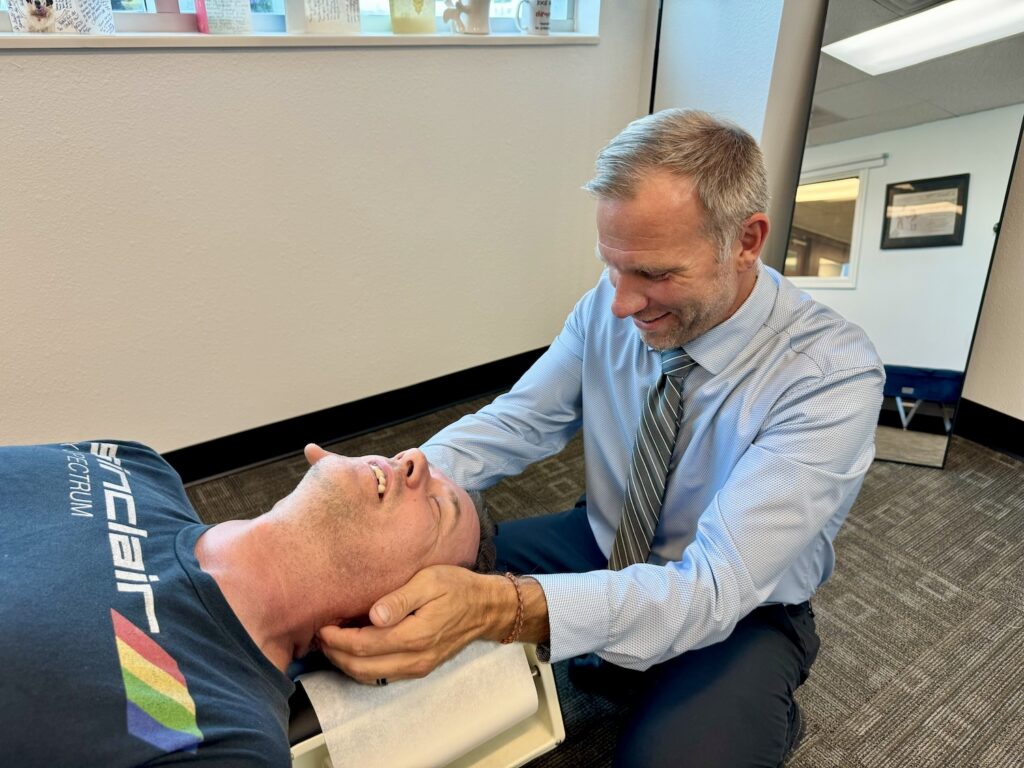
As a local chiropractor, I understand that navigating the world of lower back pain treatments can feel overwhelming. There are countless options out there, from over-the-counter medications to physical therapy and various lifestyle changes. Each method has its own advantages, but it's essential to focus on the most reliable treatments available.
In my practice, I emphasize the importance of natural healing and the body's ability to recover when given the right support. Chiropractic care, for example, is a holistic approach that not only addresses pain but also promotes overall wellness. By assessing your individual condition, we can develop a tailored treatment plan that may include spinal adjustments, exercises, and lifestyle modifications designed to enhance your quality of life.
As you consider your options, let's work together to prioritize the most effective methods for your relief. You may be surprised at how chiropractic care and natural healing can significantly improve your well-being. Remember, you don't have to navigate this journey alone; I'm here to guide you every step of the way.
Understanding Lower Back Pain
As a local chiropractor, I want to take a moment to educate you about lower back pain, which affects countless individuals at some point in their lives. Understanding the underlying causes is crucial for managing and alleviating this discomfort naturally.
Many people experience lower back pain due to a variety of factors, such as muscle strain, ligament sprain, or herniated discs. These issues can often stem from activities like poor posture, heavy lifting, or sudden, awkward movements. If you've ever picked up something too heavy or twisted your body in an unusual way, you may have experienced firsthand how a seemingly minor action can lead to significant pain.
Another common culprit is degenerative disc disease. Over time, the cushioning discs between your vertebrae can lose hydration and elasticity, resulting in stiffness and discomfort in your lower back.
Additionally, conditions like sciatica, which occurs when the sciatic nerve gets compressed, can cause radiating pain down your leg, making even simple movements feel challenging.
It's also important to consider lifestyle factors that contribute to lower back pain. Carrying extra weight can put additional stress on your spine, while a sedentary lifestyle can weaken the core muscles that are essential for supporting your back.
Moreover, mental health plays a significant role; stress and anxiety can lead to muscle tension, further exacerbating your pain.
At our chiropractic clinic, we focus on natural healing methods to help you manage and overcome lower back pain. By addressing the root causes and promoting a holistic approach to your health, we aim to empower you to regain control of your well-being and improve your quality of life.
Over-the-Counter Medications
When it comes to managing lower back pain, many people often reach for over-the-counter medications as a quick solution. While these medications can indeed provide temporary relief from inflammation and discomfort, as a chiropractor, I want to help you understand that there are more holistic approaches to consider for your overall wellness.
Common over-the-counter options include:
- Nonsteroidal anti-inflammatory drugs (NSAIDs): Medications like ibuprofen and naproxen are frequently used to combat inflammation and pain. However, while they can be effective, they only address the symptoms, not the root cause of your discomfort.
- Acetaminophen: This is another common pain reliever that can help with mild to moderate pain. It's often gentler on the stomach compared to NSAIDs, but again, it doesn't tackle the underlying issues that may be causing your pain.
- Topical analgesics: Creams or patches that contain ingredients like menthol or capsaicin can provide localized relief. They work well for some individuals, but they're still a temporary fix.
It's important to consult with a healthcare professional before starting any medication, especially if you have pre-existing conditions or are taking other treatments. Be mindful of the recommended dosages and potential side effects, as misuse can lead to complications or simply mask the problem.
While over-the-counter medications can offer short-term relief, I encourage you to consider a more comprehensive approach to managing your lower back pain. Chiropractic care focuses on identifying and treating the underlying causes of your discomfort, such as misalignments in the spine or muscle imbalances.
Additionally, incorporating lifestyle changes—like improving your posture, engaging in gentle stretches, and maintaining a healthy weight—can significantly enhance your recovery.
Physical Therapy Options
Exploring chiropractic care can be a transformative step in managing your lower back pain. Unlike traditional methods that primarily focus on symptom relief, chiropractic care addresses the underlying issues contributing to your discomfort. A skilled chiropractor will evaluate your condition and create a personalized treatment plan that aligns with your unique needs.
One of the key elements of chiropractic care is spinal alignment. Your spine plays a crucial role in your overall health, and ensuring it's properly aligned can lead to improved posture and reduced strain on your lower back. Through gentle adjustments and targeted techniques, you'll experience enhanced flexibility and stability, making everyday activities more manageable and less painful.
In addition to adjustments, manual therapy is a vital aspect of chiropractic care. This hands-on method helps to relieve tension in your muscles, improve your range of motion, and foster healing. Your chiropractor may incorporate massage or other mobilization techniques to alleviate pain and support your recovery.
Education is also a cornerstone of chiropractic care. Your chiropractor will teach you about proper body mechanics, guiding you on how to lift heavy objects safely, maintain good posture while sitting, and perform daily tasks without exacerbating your pain. This knowledge empowers you to make informed choices that can help prevent future injuries.
Consistency is key in chiropractic care. Regular visits and adherence to your chiropractor's recommendations at home will enhance your recovery process. By choosing chiropractic care, you're actively participating in your healing journey and setting the foundation for a stronger, healthier back.
Embrace the natural healing power of chiropractic treatment and take control of your well-being today.
Prescription Medications
As a local chiropractor, I want to share some insights about managing lower back pain, especially for those who may not be familiar with chiropractic care and natural healing options.
While prescription medications can be a part of many treatment plans, it's important to recognize that there are effective, drug-free alternatives available.
Chiropractic care focuses on the body's natural ability to heal itself. By addressing the root causes of your pain through spinal adjustments and other holistic techniques, we can help restore proper function and alleviate discomfort without relying solely on medications.
Understanding the different treatment options, including chiropractic methods, can empower you to make informed choices for your health and well-being.
Common Prescription Options
Managing lower back pain effectively often requires a comprehensive approach, and as a chiropractor, I want to help you understand the various options available to you, including the role of prescription medications.
While I focus on natural healing methods, it's important to be aware of the common prescriptions that your healthcare provider might discuss with you.
- Nonsteroidal Anti-Inflammatory Drugs (NSAIDs): These medications, such as ibuprofen and naproxen, can help reduce inflammation and relieve pain. However, they often come with potential side effects when used long-term, so they should be considered carefully.
- Muscle Relaxants: If your pain is accompanied by muscle spasms, your doctor may recommend medications like cyclobenzaprine. While these can offer temporary relief, they don't address the root cause of the muscle tension.
- Opioids: For severe pain, short-term use of opioids such as hydrocodone may be prescribed. It's crucial to approach this option with caution due to the risk of dependency and other side effects.
While these medications may provide relief, they aren't the only solution.
Chiropractic care emphasizes natural healing techniques, focusing on spinal adjustments, physical therapy, and lifestyle modifications to address the underlying issues causing your pain.
I encourage open communication with your healthcare provider about all your treatment options. By combining chiropractic care with appropriate medical interventions, you can take significant steps toward effectively managing your lower back pain and improving your overall well-being.
Potential Side Effects
As a local chiropractor, I want to help you understand the various options for managing lower back pain, including the potential side effects of prescription medications. While these medications can provide temporary relief, it's crucial to consider their implications on your overall health.
Opioids, which are frequently prescribed for severe pain, carry a risk of addiction and can lead to side effects such as constipation and drowsiness. These medications might also impair your judgment and motor skills, which could be a concern if you're driving or engaging in other activities that require focus and coordination.
Nonsteroidal anti-inflammatory drugs (NSAIDs) are another common choice for pain relief, but they can pose risks as well. Long-term use of NSAIDs may lead to stomach ulcers, kidney problems, and elevated blood pressure. Gastrointestinal bleeding is also a potential concern with prolonged use.
Muscle relaxants can be beneficial for alleviating spasms; however, they can cause dizziness, fatigue, and dry mouth. These side effects may impact your coordination, so it's essential to be cautious when engaging in daily activities.
Even over-the-counter options like acetaminophen aren't without their risks, especially when taken in excess, as they can adversely affect your liver. It's always a good idea to discuss your health history and any medications you're currently taking with your healthcare provider to avoid harmful interactions.
While prescription medications can be effective in the short term, I encourage you to consider natural healing approaches, such as chiropractic care, which focuses on addressing the root causes of pain without the risks associated with pharmaceuticals.
Alternative Therapies
As a local chiropractor, I want to share with you the significant role alternative therapies can play in managing lower back pain. Many individuals are unaware of the options available beyond conventional treatments, and exploring these therapies can be a game-changer for your well-being.
In my practice, I often see how holistic approaches can lead to substantial relief. If you're struggling with discomfort, I encourage you to consider various methods that align with natural healing principles.
Here are three alternative therapies that I frequently recommend:
- Acupuncture: This ancient technique involves the insertion of thin needles at specific points on the body. It's believed to activate your body's natural pain relief mechanisms and enhance energy flow, which can be particularly beneficial for alleviating pain.
- Chiropractic Care: This is where I come in! Chiropractic focuses on aligning the spine and joints to optimize your body's function. Through gentle manual adjustments, we can relieve tension, improve your mobility, and significantly reduce back pain. Many of my patients experience remarkable improvements in their overall quality of life through regular chiropractic sessions.
- Massage Therapy: Incorporating massage into your routine can do wonders for your body. It helps relax tight muscles, boosts circulation, and promotes a sense of relaxation. Many people find that therapeutic massage not only alleviates pain but also uplifts their mood, creating a holistic healing experience.
While these alternative therapies can be highly effective, it's essential to have a discussion with your healthcare provider to determine the best options for your unique situation.
Together, we can create a personalized approach that addresses your specific needs. Remember, healing is a journey, and being open to different methods can lead you to discover what works best for you. Your path to relief may be just around the corner!
Lifestyle Changes and Prevention
As a local chiropractor, I want to share with you how intentional lifestyle changes can significantly enhance your lower back health and overall well-being. One of the most important areas to focus on is maintaining a healthy weight. Carrying excess weight can place additional strain on your lower back, so it's essential to adopt a balanced diet and engage in regular physical activity.
I recommend a combination of cardiovascular exercises, strength training, and flexibility workouts to support your back and promote overall health.
Posture is another crucial element that often gets overlooked. Be mindful of your posture when sitting, standing, or lifting objects. Investing in ergonomic furniture can make a substantial difference. Always keep your back straight and engage your core muscles for support.
When lifting, remember to bend at your knees rather than at your waist to prevent unnecessary stress on your back.
Incorporating regular stretching and strengthening exercises that target your core and back muscles can be immensely beneficial. Practices like yoga and Pilates not only enhance flexibility but also strengthen the muscles that support your spine, leading to improved alignment and better back health.
Consider your daily habits as well. If your job involves sitting for extended periods, take regular breaks to stand and stretch. Staying active throughout the day can help reduce stiffness and discomfort, which is vital for maintaining a healthy back.
Finally, let's talk about stress management. Stress can lead to muscle tension, which can exacerbate back pain. I encourage you to explore relaxation techniques such as meditation, deep breathing exercises, or engaging in hobbies you love to help alleviate stress.
When to Seek Professional Help
As a local chiropractor, I want to emphasize the importance of paying attention to your body, especially when it comes to lower back pain.
If you've been dealing with this discomfort for more than a few weeks, it's a good idea to consider professional help. Chiropractic care can offer natural and effective solutions to alleviate your pain and promote healing.
It's also crucial to recognize when your symptoms are more severe. If you start experiencing numbness, weakness, or even loss of bladder control, please seek evaluation immediately.
These signs can indicate underlying issues that require prompt attention. Remember, the sooner you address these concerns, the better the chances for a smooth recovery.
We're here to help you on your journey to wellness!
Persistent Pain Duration
When lower back pain persists for more than a few weeks, it's important to consider reaching out for professional assistance—specifically, a chiropractor who specializes in natural healing. Ignoring ongoing pain can lead to further complications and extend your discomfort.
If you're unsure whether it's time to consult a chiropractor, here are some signs that indicate you should take action:
- You find it difficult to carry out daily activities without experiencing discomfort.
- Your pain continues despite trying home treatments like rest, stretching, or over-the-counter pain relievers.
- You notice changes in your posture or movement that are concerning.
While some lower back pain may resolve on its own, chronic pain often signals a need for a deeper evaluation. As a chiropractor, I can help pinpoint the underlying cause of your pain and suggest tailored treatment options that promote healing naturally.
Early intervention through chiropractic care can help prevent your pain from worsening and support a more effective recovery.
Don't hesitate to address your pain—taking action sooner rather than later can significantly enhance your quality of life. Trust your instincts; if something feels off, seeking help from a chiropractor is a smart decision.
Your health is a priority, and a professional assessment can guide you on the path to recovery and wellness.
Severe Symptoms Occurrence
As a local chiropractor, I want to emphasize the importance of recognizing severe symptoms in your body. Sometimes, these symptoms can indicate a more serious issue that calls for immediate attention. If you're experiencing intense pain that doesn't ease with rest or common over-the-counter pain relief, it's essential to reach out to a healthcare professional, and I encourage you to consider a chiropractic visit.
It's particularly important to seek help if your back pain comes with numbness, tingling, or weakness in your legs. These could suggest nerve involvement, an area where chiropractic care can provide effective, specialized treatment to address the underlying issues.
Additionally, if you notice any changes in your bowel or bladder function, or if your pain follows a traumatic injury, it's crucial to get evaluated quickly. These symptoms could indicate conditions like cauda equina syndrome, which is considered a medical emergency, and I'd advise you to seek immediate care.
Other signs such as fever, unexplained weight loss, or persistent pain that interrupts your daily activities shouldn't be overlooked either. If something feels off in your body, trust your instincts; it's always better to be safe and get checked out.
At our practice, we believe in timely intervention. Whether through adjustments, lifestyle advice, or other natural healing methods, we aim to prevent further complications and support your recovery journey.
You deserve to understand what's causing your discomfort and how to treat it effectively. Remember, your health is a priority, and we're here to help you navigate your wellness journey.
Conclusion
As a local chiropractor, I want to share some insights into effectively managing lower back pain. It's important to understand that a combination of treatments, tailored specifically to your individual needs, can make a significant difference. Over-the-counter medications may provide quick relief, but they often don't address the underlying issues. This is where chiropractic care shines.
Physical therapy, along with chiropractic adjustments, can help realign your spine, improve mobility, and strengthen the muscles supporting your back. Additionally, making lifestyle adjustments such as incorporating regular exercise and proper ergonomics can further aid in your recovery.
Don't overlook the benefits of alternative therapies, such as acupuncture or massage, which can complement your chiropractic care and enhance your overall healing process. By staying proactive and working closely with healthcare professionals like myself, we can develop a personalized plan that not only alleviates your current pain but also helps prevent future problems. Take charge of your health today and discover the natural solutions that chiropractic care can offer for lasting relief.