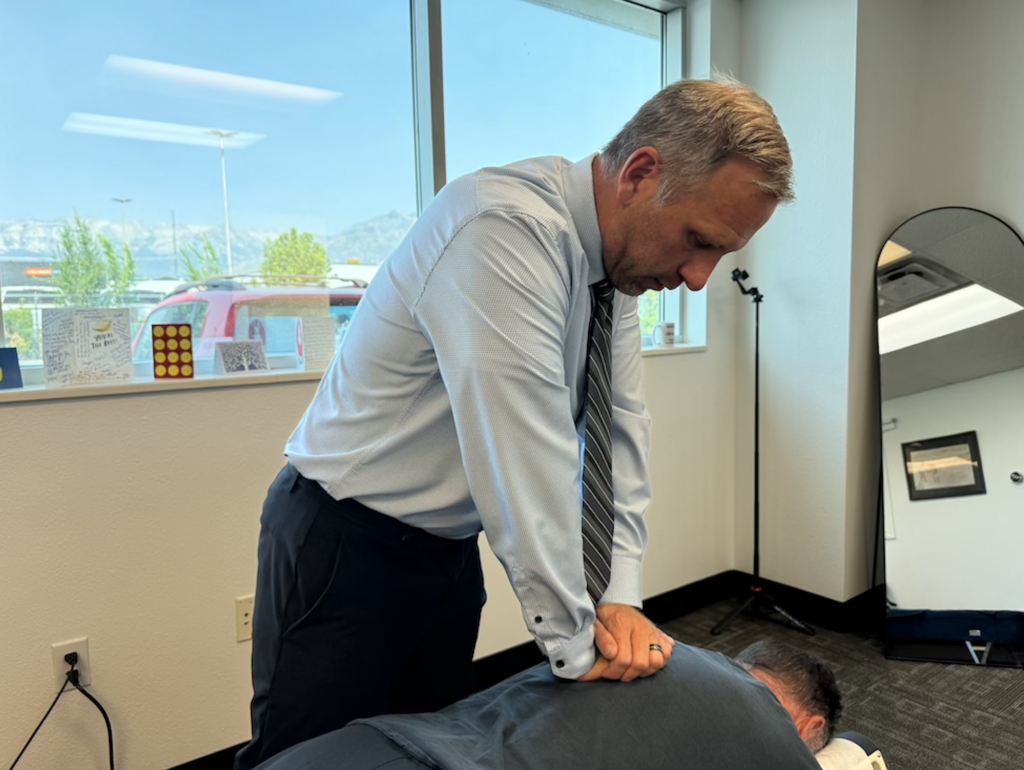
Tension headaches can be a frustrating experience, often arising from stress, poor posture, or lack of sleep. Fortunately, there are effective ways to alleviate these headaches naturally, and chiropractic care is one of the best options for achieving optimal health and well-being.
As a local chiropractor, I encourage you to pay attention to your daily habits. Simple adjustments in your routine can lead to significant relief. For instance, maintaining good posture while sitting or standing can reduce strain on your neck and shoulders, which are common contributors to tension headaches. Additionally, practicing relaxation techniques, such as deep breathing or gentle stretching, can help ease muscle tension and promote relaxation.
Understanding your triggers is crucial. If you notice that certain activities or stressors lead to headaches, finding ways to manage those triggers can be beneficial. Regular chiropractic adjustments can also play a key role in relieving tension headaches. These adjustments help realign the spine, reduce muscle tension, and improve overall nervous system function, which can lead to fewer headaches and a greater sense of well-being.
If you find that tension headaches persist despite making lifestyle changes, it may be time to explore chiropractic care. A chiropractor can assess your posture, spinal alignment, and overall health to develop a personalized treatment plan that addresses the root causes of your headaches.
Remember, your well-being is important, and incorporating these simple tips—like focusing on posture, practicing relaxation techniques, and seeking chiropractic care—can help you manage tension headaches naturally and effectively. Embrace a healthier lifestyle and take steps towards feeling your best!
Key Takeaways
Tension headaches can be a real pain, but there are natural ways to find relief and improve your overall wellness. As a local chiropractor, I want to share some simple yet effective strategies that can help you feel better and promote optimal health.
- Relaxation Techniques: Start by practicing relaxation techniques such as deep breathing and mindfulness. These methods can help lower stress levels and reduce the tension that leads to headaches. Taking a moment to breathe deeply can do wonders for your body and mind.
- Stay Hydrated: Keeping your body well-hydrated is crucial in preventing headaches. Aim to drink at least 8 glasses of water a day. Proper hydration can support your overall health and keep those pesky tension headaches at bay.
- Quality Sleep: Prioritize getting 7-9 hours of quality sleep each night. Good sleep is essential for recovery and overall well-being. Your body needs time to rest and heal, so create a calming bedtime routine to ensure a good night’s sleep.
- Ergonomic Setup: Consider your workspace and make sure it’s ergonomic. Using furniture that supports good posture can help alleviate strain on your neck and shoulders. Simple adjustments, like using a chair that supports your lower back and positioning your computer screen at eye level, can make a big difference.
- Chiropractic Care: Regular chiropractic care is one of the best ways to address tension headaches naturally. Chiropractors focus on the spine and nervous system, helping to relieve tension and restore balance in your body. Whether through adjustments or complementary therapies like massage, chiropractic care can provide lasting relief and promote overall wellness.
Incorporating these tips into your daily routine can greatly improve your well-being and help prevent tension headaches. Remember, chiropractic care is a natural approach to health that prioritizes your body’s ability to heal itself. If you’re struggling with tension headaches, consider visiting a chiropractor to explore how they can support your journey to optimal health.
Understanding Tension Headaches
Tension headaches are a common source of discomfort for many people, often triggered by stress, poor posture, or muscle tension. You may feel a dull, aching pain that wraps around your head, sometimes accompanied by tightness in your neck and shoulders. These headaches can vary in intensity and duration, typically lasting from a few hours to several days.
As a chiropractor, I believe understanding your body’s signals is vital. You might notice that certain activities, like sitting for long periods or working at a computer, can exacerbate your discomfort. Recognizing these signs early can help you manage the pain effectively.
Chiropractic care is a natural, effective approach to alleviating tension headaches. Regular adjustments can help improve spinal alignment, reduce muscle tension, and enhance your overall well-being.
Here are some tips to help you find relief and promote a healthier lifestyle:
- Maintain Good Posture: Ensure your workspace is ergonomically designed. Keep your computer screen at eye level and take regular breaks to stretch and move around.
- Stay Hydrated: Drinking enough water can help reduce the frequency of headaches. Aim for at least 8 glasses of water a day.
- Practice Relaxation Techniques: Incorporate stress-reducing practices such as deep breathing, yoga, or meditation into your routine. These can help relax your muscles and reduce tension.
- Get Regular Chiropractic Adjustments: Routine visits to your chiropractor can help manage and prevent tension headaches by keeping your spine aligned and your muscles relaxed.
- Use Heat Therapy: Applying a warm compress to your neck and shoulders can help relieve tightness and promote relaxation.
By taking these steps and incorporating chiropractic care into your wellness routine, you can effectively manage tension headaches and improve your overall health naturally.
Identifying Triggers
Recognizing what triggers your tension headaches can be a transformative step in managing your discomfort. As a chiropractor, I encourage you to tune into your body and daily habits. Common triggers include stress, poor posture, and dehydration. By identifying these factors, you can take proactive measures to lessen their effects and enhance your overall well-being.
Here’s a handy reference table to help you uncover potential triggers:
| Trigger | Notes |
|---|---|
| Stress | Explore relaxation techniques like deep breathing or meditation. Regular chiropractic adjustments can also help reduce stress levels. |
| Poor Posture | Evaluate your workspace ergonomics. Maintaining good posture can alleviate strain on your spine and neck. |
| Dehydration | Aim for at least 8 glasses of water daily. Staying hydrated supports overall health and can reduce headache frequency. |
| Lack of Sleep | Prioritize good sleep hygiene. Creating a calming bedtime routine can improve your sleep quality, which is vital for health. |
| Caffeine Intake | Keep track of your caffeine consumption. Moderation can help prevent headaches, and chiropractic care can assist in managing energy levels naturally. |
Effective Lifestyle Changes
Making effective lifestyle changes can significantly reduce the frequency and intensity of your tension headaches, and as a chiropractor, I want to emphasize the importance of natural approaches to achieving optimal health.
Start by evaluating your daily routine. One key aspect is ensuring you’re getting enough sleep; aim for 7-9 hours each night to help your body and spine recover. Staying hydrated is crucial as well, so drink plenty of water throughout the day to keep your body functioning at its best.
Take a close look at your diet; incorporating more fruits, vegetables, and whole grains while reducing processed foods and caffeine can have a positive impact on your overall health and help minimize headache triggers.
Regular physical activity is essential too. Aim for at least 30 minutes of moderate exercise most days. Not only does this boost your overall well-being, but it also helps reduce stress, which is a common cause of headaches.
Pay attention to your posture, especially if you spend long hours sitting. Poor posture can lead to muscle strain and tension headaches. Consider investing in ergonomic furniture to support your spine, and remember to take regular breaks to stretch and move around.
Establishing a consistent schedule for work and relaxation is also vital for maintaining balance in your life.
These lifestyle changes can alleviate headaches and enhance your overall quality of life. Furthermore, regular chiropractic care can help ensure your spine is aligned and functioning properly, which further supports your body’s natural healing processes.
Relaxation Techniques
When stress begins to impact your life, utilizing relaxation techniques can significantly help in managing tension headaches. As a chiropractor, I emphasize the importance of a holistic approach to health, and incorporating these practices can enhance your overall wellness.
Start with deep breathing exercises, which are a simple yet powerful way to relax. Inhale slowly through your nose, hold for a few seconds, and then exhale through your mouth. This not only calms your mind but also helps to reduce muscle tension, which is essential for spinal health.
Another effective method is progressive muscle relaxation. Focus on your body from the toes up, tensing each muscle group for a few seconds before releasing. This technique raises your awareness of physical tension and helps you recognize areas that may require chiropractic attention.
Mindfulness meditation can also be a valuable practice. Dedicate a few minutes each day to concentrate on your breath and let go of distracting thoughts. This practice not only benefits your mental health but also supports a balanced nervous system, which is crucial for maintaining a healthy spine.
Incorporating yoga or gentle stretching into your routine can alleviate tension and promote better spinal alignment. These activities complement chiropractic care by enhancing flexibility and supporting overall well-being.
Over-the-Counter Remedies
After incorporating relaxation techniques into your routine, you may still experience tension headaches. Rather than turning to over-the-counter medications, consider the benefits of chiropractic care as a natural approach to alleviating your discomfort. Chiropractic adjustments can help relieve tension in the spine and surrounding muscles, addressing the underlying causes of your headaches.
In addition to chiropractic care, there are several simple lifestyle changes you can adopt to promote overall wellness and potentially reduce headache frequency. Staying hydrated, practicing good posture, and incorporating regular physical activity can all contribute to a healthier spine and reduced tension.
If you’re experiencing tension headaches, it’s essential to listen to your body. Pay attention to any triggers and try to manage stress through techniques such as deep breathing, yoga, or meditation.
These practices not only support your overall well-being but also complement chiropractic treatment by enhancing relaxation and reducing tension.
Remember to consult with a chiropractor to discuss your specific symptoms and explore a personalized treatment plan that focuses on natural healing and optimal health.
With the right support, you can find relief from tension headaches and enjoy a more balanced, pain-free life.
Physical Therapy and Massage
If you’re dealing with tension headaches, consider incorporating chiropractic care into your wellness routine. Chiropractic adjustments are designed to align your spine, which can greatly improve your posture and alleviate the muscle tension that often contributes to headaches.
In addition to spinal adjustments, gentle stretching and targeted therapies can help release tight muscles and ease pain. By addressing the root causes of your headaches rather than just masking the symptoms, chiropractic care promotes natural healing and overall well-being.
Here are some simple tips to help manage tension headaches:
- Maintain Good Posture: Be mindful of your posture throughout the day, especially if you sit for long periods. Use ergonomic furniture and take regular breaks to stretch and move around.
- Stay Hydrated: Dehydration can trigger headaches, so ensure you’re drinking plenty of water throughout the day.
- Practice Relaxation Techniques: Incorporate stress-reducing practices such as deep breathing, meditation, or yoga to help manage tension.
- Get Regular Chiropractic Care: Regular visits to a chiropractor can help keep your spine in alignment and reduce the frequency of headaches.
Benefits of Physical Therapy
Tension headaches can truly disrupt your daily life, but there’s a natural and effective way to find relief: chiropractic care. Unlike traditional methods that often rely on medications or invasive procedures, chiropractic focuses on addressing the root causes of your headaches, such as muscle tension and spinal misalignment.
When you visit a chiropractor, you’ll receive personalized care that includes spinal adjustments to improve alignment and reduce tension. These adjustments can help free up the nervous system, allowing your body to function more optimally and potentially reducing the frequency and intensity of headaches.
In addition to spinal adjustments, chiropractors can provide guidance on maintaining good posture, which is crucial for preventing headaches. Simple changes like adjusting your workstation, using ergonomic furniture, and being mindful of your posture can make a significant difference. Stretching exercises tailored to your specific needs can also target tight areas, helping to alleviate discomfort.
Chiropractic care often involves educating you on relaxation techniques that can effectively manage stress, another common trigger for tension headaches. Practices like deep breathing, meditation, and gentle yoga can help you find calm and reduce tension in your body.
As you undergo chiropractic treatment, you may notice improvements not only in your headache symptoms but also in your overall mobility and comfort. This holistic approach to health can enhance your quality of life, allowing you to enjoy daily activities without the burden of headaches.
Investing in chiropractic care means investing in your well-being. By choosing this natural path to health, you’re taking a proactive step toward achieving optimal wellness and finding lasting relief from tension headaches.
Techniques for Massage Relief
To effectively relieve tension headaches, incorporating massage techniques can be a wonderful addition to your self-care routine. Focusing on key areas that often store tension, such as your neck, shoulders, and temples, can promote relaxation and alleviate discomfort. While chiropractic care is the best option for addressing the root causes of headaches, these massage techniques can enhance your comfort in between visits.
Here’s a simple guide to different massage techniques you can try at home:
| Technique | Description |
|---|---|
| Neck Massage | Apply gentle pressure along the sides of your neck, moving from the base to the skull. |
| Shoulder Squeeze | Pinch and release the muscle fibers in your shoulders, allowing the tension to melt away. |
| Temple Circular Rub | Use your fingertips to make small circles on your temples, which can help soothe the area. |
| Forehead Smooth | Glide your palms across your forehead, applying light pressure to ease tension. |
| Scalp Massage | Using your fingertips, gently rub your scalp to release tension and promote relaxation. |
These techniques can be a great way to complement your chiropractic care, helping you to manage headaches naturally. Remember, chiropractic adjustments can address spinal misalignments that may contribute to tension headaches, providing long-term relief and promoting overall wellness. Embrace these simple yet effective practices to enhance your journey toward optimal health.
Stretching and Posture Correction
Massage techniques can offer quick relief from tension headaches, but to really tackle the root of the problem, it’s essential to address issues like poor posture and muscle tightness.
As a chiropractor, I can’t emphasize enough the importance of maintaining good posture for your overall health. When you sit or stand, aim to keep your spine aligned, shoulders relaxed, and chin tucked in. This simple adjustment can make a world of difference.
Incorporating regular stretching into your daily routine is a fantastic way to help ease tightness in your neck and shoulders. Simple stretches, like neck rolls and shoulder shrugs, can be done in just a few minutes every hour and can significantly improve your comfort levels.
Remember, a few minutes of stretching can go a long way in preventing discomfort.
Additionally, strengthening your core and back muscles is crucial, as they play a key role in supporting proper spinal alignment. Exercises that focus on these areas can enhance your posture and overall well-being.
By integrating these practices into your life, along with regular chiropractic care, you’ll not only find relief from tension headaches but also promote a healthier lifestyle.
Chiropractic care is a natural and effective way to achieve optimal health, helping you maintain your body’s balance and function without the need for medications or invasive procedures.
Alternative Therapies
Alternative therapies can be a great way to help relieve tension headaches, especially when traditional methods don’t provide the relief you need. As a chiropractor, I believe that addressing the root cause of headaches is essential for achieving optimal health. While techniques such as acupuncture, massage therapy, and aromatherapy can be beneficial, I want to emphasize the advantages of chiropractic care as a primary approach to pain relief and overall wellness.
Here’s a look at some popular alternative therapies, along with why chiropractic care should be your first choice:
| Therapy | Benefits |
|---|---|
| Chiropractic Care | Aligns the spine, alleviating pressure and tension, which can be a major contributor to headaches. |
| Acupuncture | Reduces muscle tension and pain, but may not address spinal alignment directly. |
| Massage Therapy | Increases blood flow and relaxation, but often needs to be paired with spinal adjustments for lasting relief. |
| Aromatherapy | Promotes calmness and well-being, providing temporary relief but not addressing underlying causes. |
| Yoga | Enhances flexibility and reduces stress, which can be helpful alongside chiropractic adjustments. |
Chiropractic care focuses on spinal health, which is crucial for preventing and alleviating tension headaches. When your spine is properly aligned, it takes pressure off your nervous system, leading to reduced pain and improved overall wellness.
In addition to chiropractic adjustments, here are some general tips to help manage tension headaches:
- Stay Hydrated: Drink plenty of water throughout the day to prevent dehydration, which can trigger headaches.
- Practice Good Posture: Be mindful of your posture, especially while sitting at a desk or using electronic devices. Proper alignment can help reduce strain on your neck and back.
- Incorporate Relaxation Techniques: Breathing exercises, meditation, or light stretching can help ease muscle tension and stress.
- Get Regular Exercise: Engaging in regular physical activity can improve circulation and reduce stress, contributing to fewer headaches.
- Maintain a Consistent Sleep Schedule: Aim for 7-9 hours of quality sleep each night, and establish a routine to help regulate your sleep patterns.
If you’re experiencing frequent tension headaches, I encourage you to consider chiropractic care as a holistic and effective solution. Remember to always consult with a healthcare professional before starting any new treatments, and take charge of your health by exploring the benefits of chiropractic adjustments for lasting relief.
Maintaining Good Posture
Many people overlook the importance of good posture, but it’s crucial for preventing tension headaches and promoting overall wellness. When you maintain proper alignment while sitting or standing, you significantly reduce strain on your muscles and joints, which in turn lowers the chances of discomfort.
As a chiropractor, I encourage you to be mindful of your posture throughout the day. Keep your shoulders relaxed and your back straight. If you spend long hours at a desk, it’s essential to adjust your chair and monitor so that your neck remains in a neutral position. This small adjustment can make a significant difference in how your body feels.
Remember to take regular breaks! Stand up, stretch, and change your posture—especially if you find yourself sitting for extended periods. Your head weighs about 10 to 12 pounds, and maintaining proper alignment helps distribute that weight evenly, reducing unnecessary strain on your neck and spine.
Engaging your core muscles is a simple yet effective way to support your spine and prevent slouching. By strengthening these muscles, you create a stable base for your spine and improve your posture naturally.
Practicing good posture is a key step toward alleviating tension and enhancing your well-being. By making these small adjustments and being conscious of your posture, you can reduce the likelihood of headaches and other discomforts.
When to Seek Professional Help
Recognizing when to seek professional help for tension headaches is crucial for your well-being, and as a chiropractor, I want to emphasize that you have options for relief that focus on natural healing and wellness.
If you find yourself experiencing frequent headaches that disrupt your daily activities or seem to worsen over time, it’s a good idea to reach out to a chiropractor who specializes in spinal health.
Pay close attention to any changes in the severity or frequency of your headaches. If you notice your headache is accompanied by symptoms like nausea, vision changes, or other unusual signs, it’s wise to seek immediate attention from a healthcare provider.
Additionally, if you’ve been relying on over-the-counter medications without finding lasting relief, consider visiting a chiropractor. We can help identify the root causes of your headaches, often related to spinal misalignments or tension in the muscles surrounding the spine.
Through gentle adjustments and natural therapies, we can address these issues and promote better overall health.
It’s also important to consult a chiropractor if your headaches began after a head injury or if they started after age 40. Remember, taking proactive steps toward your health can lead to effective management and improvement in your quality of life.
Here are some general tips to help manage tension headaches naturally:
- Stay Hydrated: Dehydration can contribute to headaches, so drink plenty of water throughout the day.
- Practice Good Posture: Poor posture can put strain on your neck and spine, leading to tension headaches. Be mindful of how you sit, especially if you work at a desk.
- Stretch and Move: Regular movement and stretching can relieve tension in your muscles. Simple neck stretches can help ease discomfort.
- Manage Stress: Techniques like deep breathing, yoga, or meditation can help reduce stress, which is often a trigger for tension headaches.
- Get Enough Sleep: Aim for 7-9 hours of quality sleep each night to support your body’s healing processes.
Don’t ignore persistent discomfort; your health is worth it, and chiropractic care can be an essential part of your journey to wellness.
Conclusion
In summary, relieving tension headaches is best achieved through natural methods that promote overall wellness, and chiropractic care stands out as an excellent option. By maintaining proper hydration, practicing good posture, and managing stress with techniques like deep breathing and gentle yoga, you can significantly reduce the frequency of your headaches. Chiropractic adjustments also play a crucial role in relieving tension in your neck and back, which can contribute to headache pain.
Incorporating regular chiropractic visits can help align your spine, ensuring your nervous system functions optimally and reducing stress on your body. Additionally, consider integrating relaxation techniques into your daily routine to enhance your well-being. Remember, if your headaches persist or worsen, it’s essential to consult a chiropractor who can develop a personalized treatment plan to address your specific needs. Embrace a healthier lifestyle, and let chiropractic care guide you toward optimal health and pain relief!