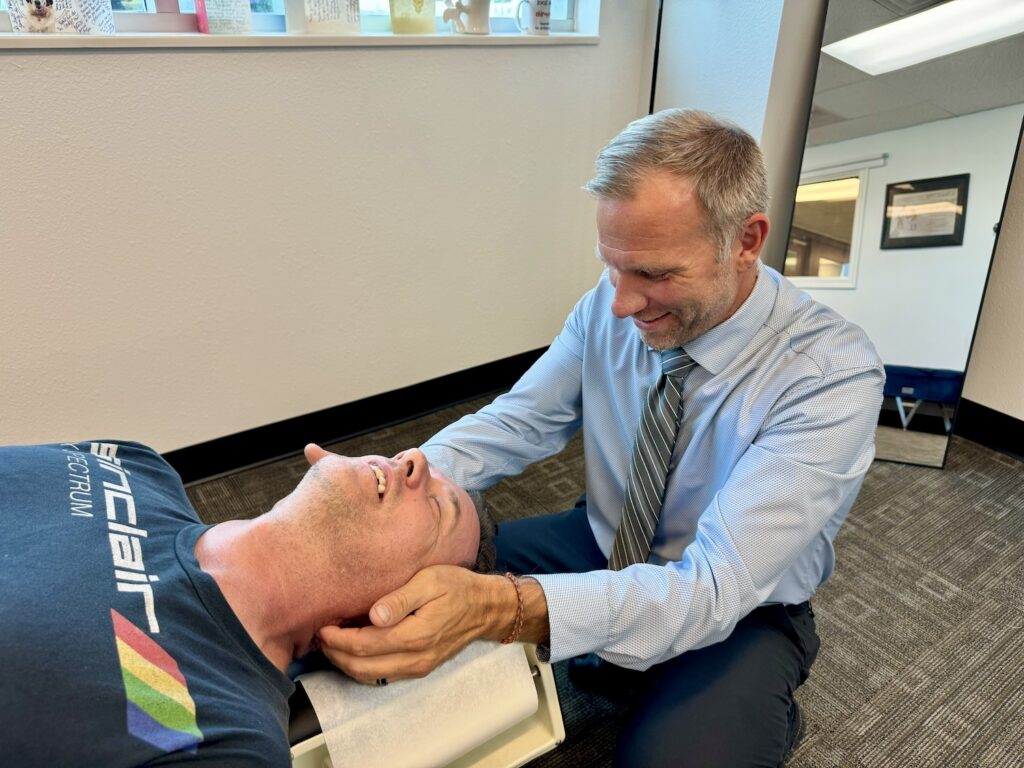
Have you ever thought about how your spinal alignment might be contributing to your headaches? Misalignment in your spine can create tension in your neck and upper back, leading to pain that can be quite distracting. Poor posture is often a major factor in this equation, resulting in muscle strain and nerve compression. By understanding the connection between spinal health and headaches, you could unlock the key to finding relief.
Chiropractic care is an excellent option for addressing these issues naturally. By focusing on spinal alignment, chiropractors can help relieve tension, reduce pain, and promote overall wellness. Regular adjustments can improve your posture, enhance your body’s ability to heal itself, and ultimately reduce the frequency and intensity of headaches.
So, what can you do to support your spinal health and minimize headaches? Here are some simple tips:
- Mind Your Posture: Be aware of how you sit and stand throughout the day. Make an effort to keep your shoulders back and your spine aligned, especially when working at a desk or using your phone.
- Take Breaks: If you spend long hours in front of a screen, take frequent breaks to stretch and move around. This can help relieve tension in your neck and back.
- Stay Active: Regular exercise strengthens the muscles that support your spine and improves your overall posture. Activities like yoga or Pilates can be particularly beneficial.
- Stay Hydrated: Drinking enough water is important for maintaining healthy discs in your spine, which can help prevent discomfort.
- Consider Chiropractic Care: Regular visits to a chiropractor can help keep your spine aligned and functioning optimally, reducing the likelihood of headache triggers.
By focusing on your spinal health, you can take proactive steps towards a headache-free life. Remember, chiropractic care is a natural and effective way to achieve optimal health and wellness. If you’re experiencing headaches, consider scheduling an appointment with a chiropractor to explore how spinal alignment can make a difference for you.
Key Takeaways
Spinal alignment plays a crucial role in the health of our entire body, including our head. When your spine is misaligned, it can lead to tension headaches. This happens because poor posture can strain the muscles in your neck and scalp, creating discomfort and pain.
Another type of headache, called cervicogenic headaches, originates from issues in the neck that are often related to spinal alignment. This type of headache can cause pain that radiates to the forehead and temples, making it uncomfortable to go about your day.
Migraines can also be affected by spinal dysfunction. If your spine is not aligned properly, it can impact blood flow and nerve function in your head, potentially triggering those painful migraine episodes.
One of the best ways to alleviate headache symptoms is through regular chiropractic adjustments. These adjustments help improve spinal alignment, reduce muscle tension, and promote overall well-being. By keeping your spine aligned, you can experience fewer headaches and a better quality of life.
To help prevent headaches linked to spinal misalignment, it’s essential to maintain good posture throughout your day. Here are some tips to keep in mind:
- Set up an ergonomic workstation: Position your computer screen at eye level and use a chair that supports your lower back.
- Take breaks: Stand up, stretch, and move around every hour to keep your muscles relaxed and prevent stiffness.
- Practice good posture: Sit up straight with your shoulders back, and avoid slouching to reduce strain on your neck and spine.
Remember, chiropractic care is a natural and effective way to achieve optimal health and relieve headaches. By prioritizing your spinal health, you can enjoy a life with less pain and more vitality.
Understanding Spinal Alignment
When considering spinal alignment, it’s essential to understand its crucial role in your overall health. Proper alignment allows your spine to maintain its natural curves, which supports your nervous system and promotes optimal function. When your spine is misaligned, it can lead to tension, discomfort, and even pain throughout your body.
Everyday activities—such as sitting, lifting, or sleeping—can contribute to misalignment. Poor posture can put a strain on your muscles and ligaments, leading to imbalances. By staying mindful of your posture and incorporating exercises that strengthen your core, you can help maintain alignment and reduce discomfort.
Regular chiropractic check-ups are a fantastic way to ensure your spine stays aligned, promoting your overall well-being. Chiropractors specialize in natural healing methods that can relieve pain and enhance your quality of life without the need for medications or surgeries. By prioritizing spinal alignment through chiropractic care, you’re making a valuable investment in your health. This can potentially reduce issues like headaches and improve how you feel every day.
Here are a few simple tips to help you maintain good spinal alignment at home:
- Practice Good Posture: When sitting, keep your back straight, shoulders relaxed, and feet flat on the floor. Use a chair that supports your lower back.
- Strengthen Your Core: Incorporate exercises like planks or bridges into your routine to build core strength, which supports your spine.
- Mind Your Sleep Position: When sleeping, use a supportive pillow and mattress. Try to sleep on your back or side rather than your stomach to keep your spine aligned.
- Stay Active: Regular movement is vital. Whether it’s walking, stretching, or yoga, staying active helps keep your spine healthy.
The Anatomy of Headaches
Headaches can be quite complicated, arising from a mix of everyday stresses and tension as well as underlying health issues. When you have a headache, it impacts various parts of your head, such as the blood vessels, muscles, and nerves.
For example, tension-type headaches often occur due to tightness in the neck and scalp muscles, leading to a painful sensation that feels like a tight band around your head. Migraines are another type of headache, often linked to changes in brain activity that can affect blood flow and nerve signals. They usually bring on intense pain and can be accompanied by nausea and sensitivity to light and sound.
Cluster headaches, while less common, are known for their severe pain on one side of the head and can happen in cycles. Understanding these different headache types is crucial for identifying what might trigger them and how to manage your symptoms effectively.
This is where chiropractic care can play a significant role. By focusing on spinal health and alignment, chiropractic adjustments can relieve tension in the neck and shoulders, potentially reducing the frequency and intensity of headaches.
Here are some general tips to help manage headaches naturally:
- Stay Hydrated: Dehydration can lead to headaches, so drink plenty of water throughout the day.
- Practice Good Posture: Poor posture can contribute to neck tension. Make sure you’re sitting and standing up straight, especially if you’re working at a desk for long periods.
- Take Breaks: If you’re working on a computer or doing any activity that requires focus, take regular breaks to stretch and relax your muscles.
- Manage Stress: Techniques like deep breathing, meditation, or yoga can help alleviate stress, which may reduce tension headaches.
- Get Regular Chiropractic Care: Regular adjustments can help keep your spine aligned, which may prevent headaches by reducing tension in your neck and improving overall wellness.
Recognizing the anatomy of headaches is a crucial first step toward finding relief. With the right approach, including chiropractic care, you can pave the way for a healthier, pain-free life.
How Poor Posture Affects the Spine
Poor posture can significantly affect your spine, leading to a variety of issues that go beyond mere discomfort. When you slouch or hunch over, you place unnecessary strain on your spinal structure, which can lead to misalignment. This misalignment often results in muscle tension, reduced mobility, and even chronic pain.
As a chiropractor, I want to help you understand how to maintain a healthy spine and the importance of good posture for overall well-being. Here are some common visual effects of poor posture and tips for improvement:
- Curved Shoulders: Rounded shoulders can give off an impression of fatigue and diminish your confidence. To counter this, try to keep your shoulders back and down, and engage in exercises that strengthen your upper back muscles.
- Forward Head Position: This position can create an imbalance, making it seem like your head is constantly trying to catch up with your body. A simple tip is to practice “chin tucks” by gently pulling your chin back towards your neck, which can help realign your head over your spine.
- Lower Back Strain: A pronounced sway in your lower back can lead to persistent discomfort and make it difficult to stand up straight. To alleviate this, focus on core strengthening exercises, as a strong core supports your spine and helps maintain proper alignment.
Chiropractic care is an excellent way to address these posture-related issues naturally. By receiving regular adjustments, you can help realign your spine, relieve tension, and improve your overall posture.
Additionally, incorporating stretches and strength-building exercises into your daily routine can significantly enhance your spinal health.
The Connection Between Spinal Misalignment and Headaches
Spinal misalignment could be the hidden reason behind those nagging headaches you experience. When your spine is out of alignment, it can create tension and discomfort that travels through your neck and skull. This misalignment can lead to muscle strain and nerve compression, both of which may trigger headaches. By understanding this connection, you can take proactive steps toward alleviating your pain and enhancing your overall well-being.
Here’s a simple breakdown of how spinal misalignment can affect you:
| Cause of Misalignment | Symptoms | Solutions |
|---|---|---|
| Poor posture | Neck pain | Chiropractic adjustments |
| Injuries | Tension headaches | Targeted chiropractic care |
| Sedentary lifestyle | Migraines | Regular chiropractic visits |
Tips for Better Spinal Health:
- Mind Your Posture: Make a conscious effort to maintain good posture, especially if you sit for long periods. Keep your shoulders back and your spine straight.
- Stay Active: Incorporate regular physical activity into your routine. Simple exercises like stretching or walking can help keep your spine healthy and reduce tension.
- Schedule Regular Chiropractic Visits: Regular adjustments from a chiropractor can help maintain proper alignment, which may alleviate headaches and promote overall wellness.
- Listen to Your Body: If you feel discomfort, don’t ignore it. Early intervention through chiropractic care can prevent more serious issues down the line.
- Hydrate and Nourish: Drinking plenty of water and eating a balanced diet can also support your spinal health and help reduce muscle tension.
Common Types of Headaches Linked to Spinal Issues
Many people experience headaches that can often be traced back to spinal issues. When your spine is misaligned, it can lead to tension and pain that shows up as headaches. As a chiropractor, I want to share some common types of headaches linked to spinal problems, along with how chiropractic care can help you find relief.
- Tension headaches: These headaches often feel like a tight band around your head. They can be caused by muscle strain from poor posture or spinal misalignment. Regular chiropractic adjustments can help correct these issues, relieving tension and reducing the frequency of these headaches.
- Cervicogenic headaches: These headaches originate from problems in the neck. You might feel pain radiating to your forehead, temples, or behind the eyes. Chiropractic care focuses on aligning the spine and improving neck function, which can alleviate these types of headaches.
- Migraine-like headaches: While not the same as migraines, some individuals find that spinal dysfunction can trigger similar symptoms, including sensitivity to light and nausea. Chiropractic adjustments can help reduce the intensity and frequency of these headaches by promoting better spinal health.
If you notice a pattern between your headaches and spinal discomfort, it’s essential to explore this connection further. Chiropractic care can be a vital step in achieving lasting relief by addressing spinal alignment issues.
In addition to seeking chiropractic care, here are some general tips to help manage headaches:
- Practice good posture: Be mindful of your posture when sitting or standing to reduce strain on your spine.
- Stay hydrated: Dehydration can contribute to headaches, so ensure you drink plenty of water throughout the day.
- Take breaks: If you work at a desk or on a computer, remember to take regular breaks to stretch and move around.
- Manage stress: Techniques such as deep breathing, yoga, or meditation can help reduce stress and tension that may lead to headaches.
Benefits of Chiropractic Care for Headache Relief
If you’re dealing with headaches that stem from spinal issues, chiropractic care could be the natural solution you’ve been looking for. As a chiropractor, I believe in the power of spinal health and how it directly affects your overall well-being.
By correcting misalignments in your spine, chiropractic adjustments can relieve the tension and pressure that often lead to headaches. This realignment not only helps alleviate pain, but it also enhances the function of your nervous system, allowing your body to communicate more effectively and potentially reducing the frequency and intensity of your headaches.
In addition to alleviating headache pain, chiropractic care improves blood flow and decreases muscle tension, which can provide further relief. You may also notice improvements in your posture and mobility—two important factors in preventing headaches.
Regular visits to a chiropractor create a proactive approach to your health, enabling you to manage your symptoms more effectively over time.
To support your chiropractic care, here are some simple tips you can incorporate into your daily routine:
- Stay Hydrated: Drinking plenty of water helps maintain proper circulation and can prevent headaches.
- Practice Good Posture: Be mindful of your posture, especially if you spend long hours sitting at a desk. Keep your back straight and your shoulders relaxed.
- Take Breaks: If you’re working on a computer, take regular breaks to stretch and give your eyes a rest.
- Manage Stress: Incorporate relaxation techniques such as deep breathing, meditation, or yoga into your daily routine to reduce tension.
With a personalized chiropractic treatment plan, you can work towards experiencing fewer headaches and enjoying a better quality of life.
Embracing chiropractic care is a powerful step toward achieving lasting relief and optimal health. Remember, your spine is the foundation of your health—taking care of it is essential for a pain-free life.
Tips for Maintaining Proper Spinal Alignment
To keep your spine properly aligned and reduce headaches, it’s essential to create an ergonomic workstation that promotes good posture. A well-designed workspace can help you maintain a neutral spine position, which is crucial for overall health.
Additionally, incorporating regular stretching exercises into your daily routine can enhance your flexibility and support spinal alignment.
Don’t overlook the importance of sleep posture; selecting the right pillow can significantly impact how your spine is aligned during rest. A pillow that supports the natural curve of your neck can help prevent discomfort and promote a restful night’s sleep.
As a chiropractor, I encourage you to consider chiropractic care as a natural and effective way to achieve optimal health. Regular adjustments can help maintain spinal alignment, relieve pain, and improve your overall well-being.
Ergonomic Workstation Setup
Creating an ergonomic workstation is vital for maintaining proper spinal alignment and preventing discomfort, such as headaches. By thoughtfully setting up your workspace, you can alleviate strain on your back and neck and promote a healthier lifestyle. Here are some key elements to consider:
- Chair Height: Adjust your chair so your feet rest flat on the floor, with your knees at a 90-degree angle. This position supports your spine and ensures optimal posture, reducing the risk of pain.
- Monitor Position: Keep your monitor at eye level, about an arm’s length away. This setup helps you avoid leaning forward and straining your neck, which can lead to tension and discomfort.
- Keyboard and Mouse: Position your keyboard and mouse at elbow height, allowing your wrists to remain straight and relaxed while typing. This simple adjustment helps prevent repetitive strain injuries, which are common among those who spend long hours at a desk.
Incorporating these adjustments into your workstation can significantly enhance your comfort during the day, helping you feel better and stay productive.
Remember, maintaining a healthy posture is crucial for your overall well-being, and chiropractic care can provide the necessary support to keep your spine in optimal condition.
Regular Stretching Exercises
Maintaining proper spinal alignment is essential for overall health and goes beyond just setting up your workstation. One of the most beneficial practices you can incorporate into your daily routine is regular stretching exercises. These stretches not only help relieve tension in your muscles but also enhance your flexibility and promote better posture, which can significantly reduce headaches and discomfort.
As a chiropractor, I want to emphasize that chiropractic care complements these natural methods beautifully. By focusing on spinal health, we can enhance the benefits of stretching and support your journey to optimal health. Here are some simple stretches you can easily add to your day:
| Stretch Name | How to Do It | Duration |
|---|---|---|
| Neck Stretch | Gently tilt your head to one side, feeling a comfortable stretch in your neck. Hold this position. | 15-30 seconds each side |
| Shoulder Roll | Simply roll your shoulders forward and then backward in a circular motion. | 10 times each direction |
| Cat-Cow Stretch | On your hands and knees, alternate between arching your back (like a cat) and rounding it (like a cow) to promote spinal flexibility. | 1 minute |
| Child’s Pose | Kneel and sit back on your heels, then reach your arms forward on the ground. This helps to relax your back. | 30 seconds |
Incorporating these stretches into your daily routine can be a simple yet powerful way to support your spinal health. Remember, regular chiropractic adjustments can further enhance the benefits of stretching by ensuring your spine is aligned and functioning properly. Together, stretching and chiropractic care can help you achieve a pain-free and healthier life. Embrace these practices as part of your journey towards natural wellness!
Proper Sleep Posture
When you sleep, your posture is crucial for maintaining spinal alignment and preventing discomfort. As a chiropractor, I want to help you wake up feeling refreshed and pain-free. Here are some simple tips for achieving proper sleep posture that can enhance your health and well-being:
- Choose a supportive pillow: Opt for a pillow that keeps your neck aligned with your spine. This alignment helps prevent unnecessary strain and promotes a healthy neck position.
- Sleep on your back or side: These positions are ideal for distributing your weight evenly across your body. By reducing pressure points and supporting your natural spinal curvature, you can minimize the risk of waking up with aches and pains.
- Invest in a quality mattress: A medium-firm mattress is often the best choice. It provides the right support for your body while allowing for natural alignment. This can help alleviate tension and keep your spine healthy.
Remember, maintaining proper sleep posture is just one aspect of achieving optimal health.
Regular chiropractic care can further support your body’s natural healing processes and enhance your overall wellness. By prioritizing your spinal health, you can enjoy a pain-free lifestyle and improve your quality of sleep.
When to Seek Professional Help for Headaches
Headaches are a common concern for many people, and while they can often be managed at home, there are situations where it’s important to seek professional help. If you notice that your headaches are getting stronger, happening more often, or lasting longer than usual, it’s a good idea to consult a healthcare provider.
Pay attention to other signs, such as headaches that come with vision changes, confusion, or difficulty speaking. If you experience severe pain that feels different from your usual headaches or if the headaches start after a head injury, don’t wait—reach out for help.
As a chiropractor, I emphasize the importance of understanding the underlying causes of headaches. Many times, headaches can be linked to issues with the spine, such as misalignments or tension in the neck and upper back. Chiropractic care can help address these problems by improving spinal alignment and reducing tension, which often leads to relief from headaches.
If you find that over-the-counter pain relievers aren’t providing the relief you need, or if you find yourself reaching for them too frequently, it’s time to consider a natural approach. Chiropractic adjustments can’t only alleviate headache pain but also promote overall wellness and prevent future headaches from occurring.
Here are some general tips to help manage headaches naturally:
- Stay Hydrated: Dehydration can lead to headaches, so make sure you’re drinking plenty of water throughout the day.
- Maintain Good Posture: Poor posture can strain the neck and back, contributing to headaches. Be mindful of your posture, especially when sitting at a desk or using electronic devices.
- Practice Relaxation Techniques: Stress can trigger headaches. Techniques such as deep breathing, meditation, or yoga can help reduce stress levels.
- Get Regular Chiropractic Care: Regular visits to a chiropractor can help maintain spinal health, reduce tension, and prevent headaches from arising.
- Listen to Your Body: If you notice patterns with your headaches, such as certain triggers or activities that seem to worsen your pain, take note of them and discuss these with your chiropractor.
Remember, prioritizing your health is essential. If you’re ever unsure about your symptoms or their severity, reaching out for professional help can provide peace of mind and guide you toward the best path for recovery.
Chiropractic care is a natural and effective option for achieving optimal health and alleviating headaches.
Conclusion
In conclusion, paying close attention to your spinal alignment can significantly enhance your ability to manage headaches. Poor posture and spinal misalignment can lead to tension and discomfort, making it essential to understand their role in your headache symptoms. By prioritizing chiropractic care, you can restore balance to your spine, improve blood circulation, and boost your overall health.
Here are some practical tips to consider for better spinal alignment and headache relief:
- Maintain Good Posture: Be mindful of your posture when sitting, standing, or using devices. Keep your shoulders back and your spine straight to reduce strain.
- Take Breaks: If you work at a desk, take regular breaks to stretch and move around. This helps prevent stiffness and tension buildup.
- Stay Active: Incorporate regular physical activity into your routine. Exercise strengthens your muscles and supports proper spinal alignment.
- Stay Hydrated: Drinking plenty of water can help keep your body functioning well and may reduce headache triggers.
- Schedule Regular Chiropractic Visits: Consistent chiropractic adjustments can help maintain your spinal health and prevent headaches from becoming a recurring issue.
Remember, if headaches persist despite your best efforts, don’t hesitate to reach out for professional chiropractic help. Your health is a priority, and a pain-free life is achievable with the right care!