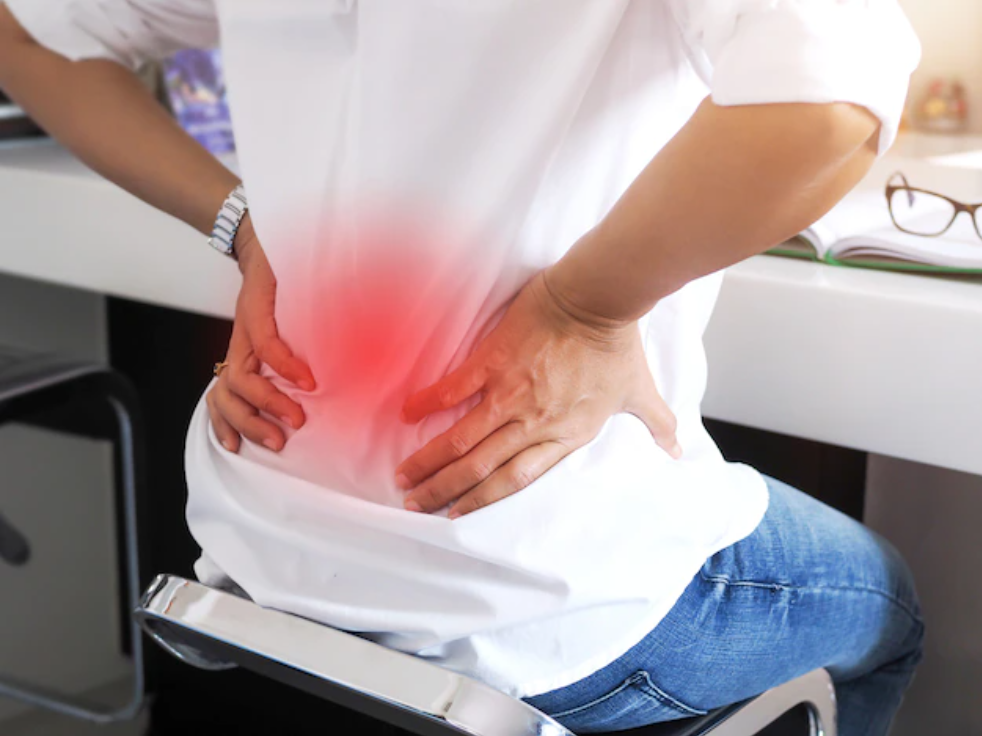
As a local chiropractor, I want to emphasize how understanding the right techniques can significantly impact your recovery from a sports injury. It's essential to recognize that a holistic approach often yields the best results. Incorporating chiropractic care into your rehabilitation can help restore proper alignment and function, which is vital for healing.
In addition to chiropractic adjustments, combining these with physical therapy, massage, and a balanced diet can significantly enhance your recovery process. Proper nutrition is vital as it provides the body with the necessary nutrients to heal effectively.
Moreover, exploring complementary methods like cryotherapy can help reduce inflammation and accelerate healing, while mindfulness practices may assist in managing pain and stress during your recovery journey.
By integrating these effective approaches into your routine, you can speed up healing and regain your strength, getting you back to your favorite activities sooner. Remember, your body has an incredible ability to heal itself, and with the right support, you can optimize that process.
Importance of Rest
As a local chiropractor, I want to emphasize the critical role that rest plays in your recovery from sports injuries. When you're injured, your body requires time to heal, and pushing through the pain can lead to further complications. It's essential to listen to your body and allow it the downtime it truly needs. Proper rest enables your muscles, ligaments, and tendons to repair themselves, significantly reducing the risk of chronic issues in the future.
I understand that the temptation to jump back into your routine may be strong, but doing so can actually prolong your recovery. Instead, consider rest as an active part of your healing journey. Prioritizing sleep is crucial, as this is when your body performs its most vital work—producing growth hormones and repairing damaged tissues. Aim for 7-9 hours of quality sleep each night to facilitate this process.
Additionally, it's beneficial to incorporate dedicated rest days into your weekly schedule. These days aren't merely about inactivity; they're opportunities for your body to recover and rebuild strength. During your rest periods, you can engage in light activities like stretching or gentle walking, which promote blood circulation without putting undue stress on your injury.
It's also important not to overlook the mental aspect of rest. Taking breaks can help prevent burnout and maintain your motivation for when you're ready to return to your activities.
Remember, recovery isn't only a physical journey; it also involves mental resilience. By understanding and respecting the importance of rest, you'll be better equipped for a more effective and sustainable recovery, ultimately allowing you to return to your favorite activities even stronger than before.
If you have any questions about how chiropractic care can assist in your recovery, feel free to reach out!
Physical Therapy Approaches
After taking the necessary time to rest and heal, the next crucial step in your recovery journey often involves exploring chiropractic care. This holistic approach is designed to help you regain strength, flexibility, and overall function following an injury.
During your visits, a licensed chiropractor will assess your condition and create a customized treatment plan that addresses your unique needs.
A fundamental aspect of chiropractic care is spinal manipulation. Your chiropractor may employ hands-on techniques to adjust the spine and other joints, which can relieve pain and enhance mobility.
Additionally, therapies like soft tissue manipulation and myofascial release may be utilized to target specific areas of discomfort and promote healing.
Education plays a vital role in chiropractic treatment. Your chiropractor will instruct you on safe ways to perform daily activities, minimizing the risk of re-injury. They'll provide insights on proper body mechanics, posture, and ergonomics, all of which are essential to preventing future issues.
Moreover, chiropractic care often includes functional rehabilitation. This involves exercises and movements that are relevant to your daily life or sport, helping you transition back to your normal routine with greater ease and confidence.
Rehabilitation Exercises
As a local chiropractor, I want to emphasize the importance of rehabilitation exercises in your recovery from a sports injury.
These exercises are crucial for your healing process and can significantly enhance your overall well-being. Stretching is vital; it helps you maintain flexibility, which is essential for proper movement and function.
Additionally, focusing on strengthening specific muscles will help you regain stability and prevent future injuries.
It's important to approach your rehabilitation gradually. By progressively increasing the intensity of your workouts, you can safely rebuild your strength without risking re-injury.
Remember, taking the time to properly rehabilitate your body not only aids in recovery but also promotes long-term health and resilience.
If you have any questions about how chiropractic care can support your rehabilitation journey, feel free to reach out!
Importance of Stretching
As a local chiropractor, I want to emphasize the vital role stretching plays in your recovery from sports injuries. Incorporating stretching into your rehabilitation exercises is crucial for restoring flexibility and range of motion. When you're healing, tight muscles can impede your progress, and stretching works to alleviate that tension, helping you move more freely.
In addition to improving flexibility, stretching boosts blood circulation to the injured area. This increased blood flow delivers essential nutrients and oxygen, which are fundamental for recovery. Enhanced circulation not only reduces inflammation but also supports tissue repair, making a significant impact on your healing journey.
It's also worth noting that regular stretching can help prevent future injuries. By preparing your muscles and joints for physical activity, you increase their resilience and reduce the likelihood of strain or injury down the line.
Stretching isn't just about the physical benefits; it also encourages relaxation, which can be incredibly helpful in managing the mental stress that often comes with injury recovery. Taking the time to stretch allows you to tune into your body and understand its needs, fostering a more mindful approach to your rehabilitation process.
As you embark on your recovery, remember to listen to your body during stretching. Gentle, controlled movements are essential; pushing too hard can exacerbate your injury.
Consistency is key—regularly incorporating stretching into your routine can significantly enhance the speed and effectiveness of your recovery from a sports injury. If you have any questions or need guidance on proper stretching techniques, feel free to reach out. Your health and well-being are our top priorities!
Strengthening Targeted Muscles
As a local chiropractor, I want to emphasize the importance of strengthening targeted muscles for a successful recovery from sports injuries. Engaging in rehabilitation exercises not only aids in regaining strength but also plays a vital role in preventing future injuries.
It's essential to customize your exercises to focus on the specific muscles affected by your injury. Here are some effective strategies that I recommend incorporating into your recovery routine:
- Isometric Exercises: These exercises involve contracting your muscles without any joint movement. They can be particularly helpful when you're experiencing pain, allowing you to maintain muscle engagement without exacerbating your injury.
- Resistance Training: Utilizing resistance bands or weights can help gradually build strength in the affected area. It's important to concentrate on maintaining proper form to avoid any additional strain on your muscles.
- Bodyweight Exercises: Simple movements such as squats or lunges can effectively help rebuild strength and stability without requiring any special equipment. These exercises can be easily incorporated into your daily routine.
- Functional Movements: It's beneficial to include exercises that mimic the specific movements of your sport. This not only helps improve muscle coordination but also prepares your body for a safe return to play.
By focusing on these strategies, you'll support your healing process and set yourself up for long-term success.
Gradual Progression Techniques
As a local chiropractor, I want to guide you through the next phase of your recovery journey after strengthening your targeted muscles. It's crucial to incorporate gradual progression techniques, which play a vital role in safely increasing your activity levels while minimizing the risk of re-injury.
Initially, you should focus on basic movements that reflect the activities of your sport, but at a lower intensity. For example, if you're recovering from a lower body injury, you might start with simple walking or light jogging. This helps to ease your body back into motion without overwhelming it.
As you gain confidence and comfort, begin to gradually elevate the complexity and intensity of your exercises. You can introduce lateral movements or directional changes to better mimic the demands of your sport. It's important to pay close attention to how your body responds. Should you experience any pain or discomfort, don't hesitate to scale back and allow yourself the necessary time to recover.
Setting realistic goals is essential. Aim for small milestones, such as increasing your repetitions or extending the duration of your exercises. Consistency is the key to success, so maintain your routine while ensuring you allocate enough time for rest and recovery.
Additionally, I highly recommend working alongside a physical therapist who can create a tailored program specifically for your recovery needs. Remember, our primary objective is to progress safely, so you can return to your sport ready to meet its demands without compromising your healing process.
Embracing this natural healing journey won't only aid in your recovery but also enhance your overall well-being.
Cryotherapy Benefits
As a local chiropractor, I want to share with you an innovative recovery method that can complement your healing journey—cryotherapy. Many of you may not be familiar with this technique, but it holds great potential for those recovering from sports injuries or other physical ailments.
Cryotherapy involves exposing the body to extremely cold temperatures for a short duration, and it can significantly enhance your recovery process. Here's how it works:
- Reduces Inflammation: One of the primary benefits of cryotherapy is its ability to reduce inflammation. The cold exposure constricts blood vessels, leading to decreased swelling in the injured area. This reduction in inflammation can alleviate pain, allowing you to concentrate on your rehabilitation without the distraction of discomfort.
- Speeds Up Recovery: Cryotherapy promotes better circulation of blood and lymphatic fluid, which is essential for recovery. This enhanced circulation helps flush out toxins and delivers essential oxygen and nutrients to your muscles and tissues, effectively accelerating the healing process. With faster recovery, you'll be back on your feet sooner.
- Pain Relief: If you're experiencing acute pain from a recent injury, cryotherapy can provide immediate relief by numbing the nerve endings in the affected area. This pain alleviation can be a crucial aspect of your recovery, helping you manage discomfort more effectively.
- Boosts Mood: Beyond physical benefits, cryotherapy can have a positive impact on your emotional well-being. The cold exposure triggers the release of endorphins—our body's natural feel-good hormones. A better mood can enhance your overall recovery experience, making it easier to stay motivated.
As you explore options for your recovery, consider incorporating cryotherapy into your routine. It can lead to significant improvements in your healing time and overall comfort.
I encourage you to discuss this approach with me during your next visit so we can tailor a recovery plan that suits your specific needs. Together, we can work towards achieving your health and wellness goals through natural healing methods.
Massage Therapy Techniques
As a local chiropractor, I want to share how massage therapy can play a vital role in your recovery and overall wellness.
There are various massage techniques available, each designed with specific benefits that can support your healing journey.
By understanding how often you should receive these massages and how long each session should last, you can significantly enhance your recovery and get back to your favorite activities more quickly.
Embracing these natural healing methods can complement the chiropractic care you receive, helping you achieve optimal health and well-being.
Types of Massage Techniques
As a local chiropractor, I want to share how various massage techniques can play a significant role in your sports injury recovery.
Understanding these methods can empower you to enhance your healing process and regain strength and mobility effectively. Here are four massage techniques that I recommend for those seeking natural healing options:
1. Swedish Massage: This gentle technique employs long, flowing strokes to boost circulation and alleviate muscle tension.
It's an excellent way to promote relaxation and prepare your body for more intensive chiropractic treatments.
2. Deep Tissue Massage: This approach delves into the deeper layers of muscle and connective tissue, targeting chronic pain and stiffness.
It's especially beneficial when recovering from sports injuries, as it helps release tightness and improve overall function.
3. Sports Massage: Specifically designed for athletes, sports massage concentrates on areas that experience stress from repetitive movements.
This technique can aid in injury prevention and enhance your athletic performance, making it a valuable addition to your recovery plan.
4. Trigger Point Therapy: By applying pressure to specific points within the muscle, this technique effectively relieves pain and enhances muscle function.
It's particularly useful for addressing localized tension and discomfort that can hinder your recovery.
Incorporating these massage techniques into your healing journey can provide the targeted relief you need, allowing you to bounce back stronger and more resilient.
If you have any questions or would like to explore these options further, feel free to reach out during your next visit!
Benefits for Recovery
As a local chiropractor, I want to share with you the incredible benefits of massage therapy techniques, especially when it comes to your recovery from sports injuries. One of the primary advantages of these techniques is their ability to enhance blood circulation. Improved blood flow means that essential nutrients and oxygen reach your injured tissues more effectively, which can significantly accelerate the healing process and shorten your recovery time.
In addition to boosting circulation, massage therapy is fantastic for alleviating muscle tension and stiffness. When your muscles are relaxed, it opens up your range of motion, making it much easier for you to participate in rehabilitation exercises. These exercises are crucial for rebuilding strength and flexibility, both of which are essential for a successful recovery.
Another key benefit of massage therapy is its effectiveness in reducing pain and inflammation. By focusing on specific areas that are causing discomfort, massage can help relieve pain and promote relaxation. This makes it much easier for you to manage your symptoms and feel more comfortable during your recovery.
I also want to highlight the mental aspect of recovery. Sports injuries can often lead to stress and anxiety, which can hinder your healing journey. Massage therapy can help calm your mind, allowing for a more positive outlook as you navigate your recovery.
Lastly, regular massage therapy can play a preventive role in your overall health. By identifying and addressing any potential problem areas early on, you can avoid future injuries and ensure a stronger return to your sport.
Embracing these natural healing techniques not only aids in speeding up your recovery but also prepares you for a more resilient performance in the future. If you have any questions about how massage therapy can work alongside chiropractic care or your recovery process, feel free to reach out!
Frequency and Duration
As a local chiropractor dedicated to your recovery from sports injuries, I want to emphasize the importance of both the frequency and duration of your massage therapy sessions. Finding the right balance can significantly enhance your healing process, alleviate pain, and restore your mobility.
Here are some essential points to consider:
- Frequency: I recommend scheduling 1-3 massage sessions per week, tailored to the severity of your injury. For acute pain and swelling, more frequent sessions can be particularly beneficial. Conversely, if you're dealing with a chronic issue, less frequent visits might be sufficient.
- Duration: Most massage sessions last between 30 to 90 minutes. Shorter sessions can provide targeted relief for specific problem areas, while longer sessions allow for a more comprehensive treatment approach.
- Timing: It's important to coordinate your massage sessions with your training schedule. Ideally, you should have a massage after intense workouts to facilitate recovery or before training to help loosen tight muscles and prepare your body for activity.
- Listen to Your Body: I encourage you to be mindful of how you feel after each massage. If you continue to experience pain or discomfort, it may be necessary to adjust the frequency or duration of your appointments to better suit your needs.
By incorporating these strategies into your recovery plan, you can optimize the benefits of massage therapy and support your overall healing journey.
Acupuncture for Pain Relief
As a local chiropractor, I want to share with you the benefits of acupuncture as a natural approach to pain relief, especially for those dealing with sports injuries. If you're struggling with persistent discomfort from a sprain, strain, or even long-term chronic pain, exploring acupuncture could be a valuable option for your recovery.
Acupuncture is an ancient practice rooted in Chinese medicine that involves the insertion of thin needles into specific points on your body. This technique stimulates the nervous system, which can enhance your body's natural healing processes. One of the standout benefits of acupuncture is its effectiveness in reducing inflammation. By focusing on targeted areas, acupuncture helps to increase blood flow and oxygen supply to those tissues, ultimately speeding up your recovery.
Many athletes find that their pain diminishes significantly, allowing them to return to their favorite sports more quickly.
Another advantage of acupuncture is its ability to trigger the release of endorphins—your body's natural painkillers. This not only alleviates pain but also promotes an overall sense of well-being. Unlike traditional pain medications, which can come with unwanted side effects and potential for dependency, acupuncture offers a holistic alternative that many athletes appreciate.
Additionally, acupuncture can be beneficial for managing stress and anxiety, both of which can impede the healing process. As a chiropractor, I often emphasize the importance of a comprehensive approach to health, and acupuncture fits well into that paradigm.
If you're considering acupuncture, it's crucial to consult with a licensed practitioner who's knowledgeable about sports injuries and can customize a treatment plan that meets your specific needs.
As you explore different recovery methods, remember that acupuncture could be a key component in helping you regain your strength and get back in the game more effectively.
Nutritional Support for Recovery
As a local chiropractor, I want to emphasize how crucial proper nutrition is when recovering from sports injuries. Healing your body effectively requires more than just adjustments; the right nutrients can significantly enhance your recovery journey.
A well-balanced diet not only supports tissue repair but also reduces inflammation, strengthens your immune system, and helps maintain muscle mass. By paying attention to specific nutritional components, you can optimize your recovery and return to your favorite activities more quickly.
Here are four essential nutritional components I encourage my patients to focus on:
- Protein: This macronutrient is vital for repairing tissues, including muscles and ligaments that may have been damaged during your injury. Incorporate lean sources of protein such as chicken, fish, beans, and nuts into your meals to ensure you're getting enough to support your recovery.
- Omega-3 Fatty Acids: These healthy fats are renowned for their anti-inflammatory benefits, which can help alleviate swelling and discomfort associated with injuries. Foods rich in omega-3s, like fatty fish, flaxseeds, and walnuts, should be part of your diet for optimal healing.
- Vitamins and Minerals: Nutrients such as vitamins C and D, as well as minerals like calcium and zinc, play crucial roles in the healing process. To meet your needs, consider including citrus fruits, leafy greens, dairy products, and whole grains in your daily intake.
- Hydration: Staying well-hydrated is fundamental for recovery. Water not only aids in nutrient transport but also helps maintain joint lubrication, which is especially important if you're engaging in physical activities.
Make it a habit to drink plenty of fluids throughout the day, particularly if you're active.
By incorporating these nutritional strategies into your recovery plan, you can complement the chiropractic care you receive and support your body's natural healing processes.
Taping and Bracing Methods
As a local Chiropractor, I want to share with you how utilizing taping and bracing methods can significantly support your recovery from sports injuries. These techniques aren't just about providing physical support; they also play a crucial role in pain reduction and injury prevention during your rehabilitation journey.
When you apply tape or wear a brace, you help stabilize the injured area, creating a more conducive environment for healing.
Take athletic tape, for example. It can be used in various ways to target specific injuries, whether you're dealing with a sprained ankle or a strained muscle. Proper application of tape can provide immediate support and alleviate discomfort.
I encourage you to either learn the correct taping techniques or consult with a professional, such as myself, to ensure that it's done correctly. This way, you can fully benefit from its support while minimizing the risk of complications.
Bracing is another effective approach that I often recommend. Braces are designed to restrict movement and provide stability to the affected joint or muscle. They come in different styles, from soft sleeves to more rigid supports, tailored to the severity of your injury.
Using a brace during physical activity can help boost your confidence and allow you to maintain a certain level of performance as you heal.
Moreover, both taping and bracing can offer a psychological advantage. The reassurance of having extra support can empower you to gradually return to your sport.
However, it's essential to remember that these methods shouldn't replace a well-rounded rehabilitation program. To achieve the best results, combine taping and bracing with a structured recovery plan that I can help you develop.
This approach ensures that you return to your sport not just ready to play, but stronger and more resilient than before.
Mindfulness and Mental Recovery
As a local chiropractor, I want to emphasize the significant role your mind plays in recovering from a sports injury.
It's not just about physical rehabilitation; mental recovery is equally important. Techniques like visualization can help you imagine your successful comeback, fostering a positive mindset.
Additionally, incorporating breathing exercises can help you stay calm and focused during your healing process.
Visualization Techniques
While physical recovery from sports injuries is crucial, it's equally important to understand the role of mental recovery in the healing process. As a chiropractor, I often emphasize the significance of visualization techniques to help my patients maintain a positive mindset during their recovery journey.
By mentally envisioning yourself performing at your best, you can boost your motivation and confidence as you heal. Here are some effective visualization strategies I encourage my patients to explore:
- Imagery of Success: Take a moment to picture yourself fully recovered and excelling in your sport. Visualize the joy of achieving your goals and the positive emotions that accompany your success.
- Detailed Mental Rehearsal: Envision the specific movements and skills that are essential to your performance. This mental rehearsal can reinforce muscle memory, keeping your skills sharp even during recovery.
- Positive Affirmations: Incorporate positive self-talk into your visualization practice. Remind yourself of your strength and resilience, reinforcing your belief in the healing power of your body.
- Relaxation Visualization: Create a serene mental image that brings you peace and tranquility. This practice can help alleviate anxiety and stress, allowing your body to focus on the healing process.
By integrating these visualization techniques with chiropractic care, you can enhance your overall recovery and foster a holistic approach to healing.
Breathing Exercises
As a local chiropractor dedicated to your overall well-being, I want to share how simple breathing exercises can significantly aid your mental recovery during sports injury rehabilitation. Engaging in focused breathing techniques can effectively reduce anxiety and stress, fostering a positive mindset during this challenging time. It's common to feel overwhelmed when facing an injury, but dedicating just a few moments to practice deep breathing can help ground you in the present.
To begin, find a comfortable position, whether seated or lying down. Close your eyes and take a deep breath in through your nose, allowing your abdomen to expand fully. Hold that breath for a few seconds before exhaling slowly through your mouth. Repeat this process for several minutes. As you breathe, visualize the healing process occurring within your body. This mindfulness practice not only calms the mind but also strengthens your mental resilience.
Regularly practicing these breathing exercises can sharpen your focus and clarity, making it easier to maintain motivation throughout your recovery journey. You may notice a reduction in negative thoughts, allowing you to redirect your energy toward healing.
By incorporating breathing exercises into your daily routine, you're embracing a powerful tool that supports both your mental and emotional well-being as you work towards regaining your strength and returning to your sport.
Gradual Return to Activity
After a period of rest and rehabilitation, it's crucial to approach your return to activity with care to ensure a lasting recovery from your sports injury. I understand that you may be eager to jump back into your routine, but doing so too quickly can lead to setbacks and even increase the risk of re-injury.
As your local chiropractor, I want to guide you in easing back into your activities in a structured and safe manner. Here are some key steps to consider:
- Start with Low-Impact Activities: Begin with exercises that place minimal stress on the injured area. Activities like walking, swimming, or cycling can help you maintain your overall fitness while avoiding the risk of exacerbating your injury.
- Increase Intensity Gradually: As you start to feel more confident and experience less pain, it's important to gradually increase the intensity of your workouts. This approach allows your body to adapt and strengthens the injured area over time, helping you to regain functionality.
- Listen to Your Body: Pay close attention to how your body responds during this phase. If you find yourself experiencing pain or discomfort, it's essential to take a step back and reassess your plan. Remember, pushing through pain can lead to more significant issues in the long run.
- Incorporate Strength Training: Once you feel comfortable with low-impact activities, consider integrating strength training exercises that focus on the injured area. This will aid in rebuilding muscle and support around the injury, promoting better stability and reducing the chance of re-injury.
As your chiropractor, I'm here to support you through this healing process and provide personalized guidance tailored to your needs. Together, we can work towards a safe and effective return to your activities.
Conclusion
As a local chiropractor, I want to share how incorporating various recovery techniques can significantly enhance your healing process from sports injuries. It's essential to prioritize rest and truly listen to your body as you begin to ease back into your activities.
Chiropractic care plays a vital role in your recovery by helping restore proper alignment and function to your body, which can improve your overall strength and flexibility. Additionally, focusing on proper nutrition can support your healing journey, providing your body with the necessary nutrients to recover effectively.
Don't overlook the benefits of mental resilience strategies; a positive mindset can greatly influence your recovery. Techniques like massage therapy and cryotherapy can also be incredibly effective in alleviating pain and promoting healing.
By adopting a holistic approach that includes chiropractic treatment, you're not just aiming for recovery; you're setting yourself up for a stronger comeback. If you have any questions or would like to learn more about how chiropractic care can aid in your recovery, feel free to reach out!