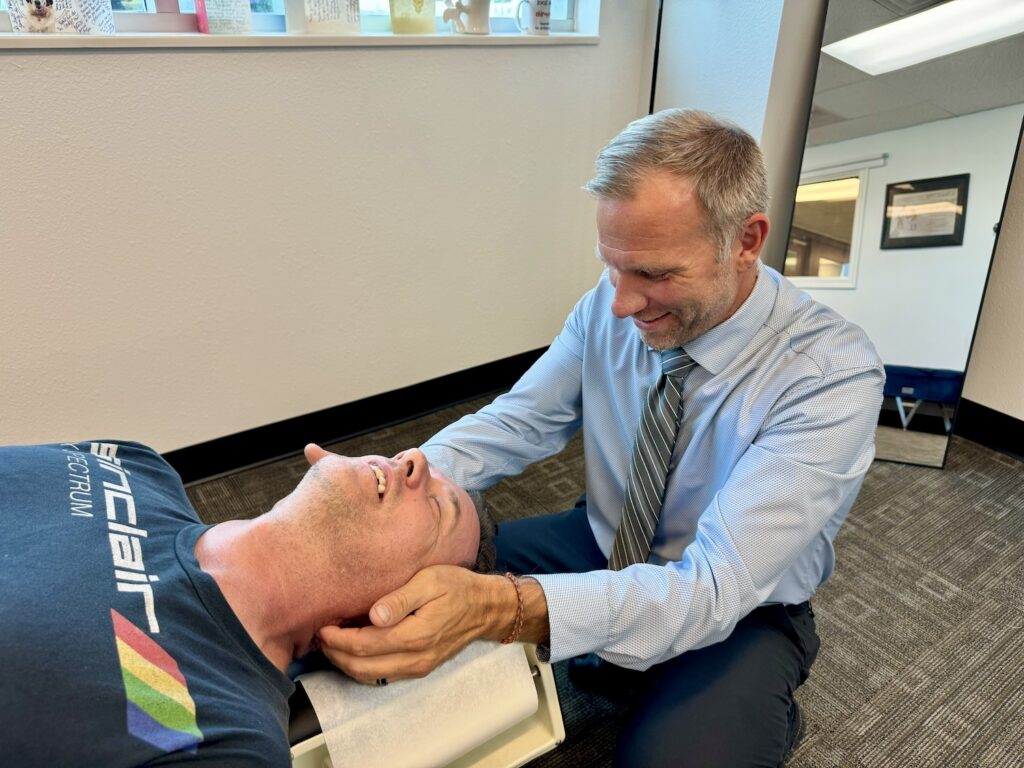
Tension-related discomfort can significantly affect your daily life, but there are effective techniques to help you manage it naturally. As a chiropractor, I emphasize the importance of spinal health in alleviating tension. One of the best ways to start is through regular chiropractic adjustments, which can help align your spine, reduce muscle tension, and promote overall wellness.
In addition to chiropractic care, there are simple methods you can incorporate into your routine. Breathing exercises can be a powerful tool; they help calm your mind and relax your body. Try taking deep, slow breaths, focusing on inhaling through your nose and exhaling through your mouth. This can help alleviate stress and reduce tension.
Stretching is another essential practice to consider. Gentle stretches can relieve tight muscles and improve flexibility, making it easier to move throughout your day. Incorporating mindful stretches into your routine can also enhance your awareness of how your body feels, allowing you to identify tension spots early.
Physical activity is vital for maintaining a healthy spine and reducing discomfort. Engaging in regular exercise, such as walking or yoga, can strengthen your muscles and improve your posture, further alleviating tension.
Lastly, don’t underestimate the power of mindfulness. Taking moments to check in with yourself can help you manage stress before it builds up. Consider practices like meditation or simply taking a few minutes to relax and breathe deeply.
As you explore these techniques, remember that chiropractic care is a cornerstone of achieving optimal health. Simple adjustments and lifestyle changes can lead to significant relief and a healthier, more balanced life. What approach will you try first on your journey to wellness?
Key Takeaways
- Regular chiropractic care is essential for restoring spinal alignment and helping to alleviate discomfort related to tension caused by stress and poor posture. By addressing these issues naturally, chiropractic adjustments can lead to significant improvements in your overall well-being.
- One effective technique to combat stress is deep breathing exercises, particularly diaphragmatic breathing. This simple practice can help you relax and reduce tension, making it a great complement to your chiropractic care.
- Incorporating consistent stretching routines into your daily life can greatly enhance your flexibility, improve blood circulation, and prevent tension from building up in critical areas. This is a fantastic way to support the benefits you receive from chiropractic adjustments.
- Engaging in regular physical activity is another powerful way to release endorphins, which not only reduces tension but also boosts your overall physical health and sleep quality. Consider activities that you enjoy, as they will be easier to stick with and beneficial for your body.
- Creating a calming environment for yourself at home, with soft lighting and comfortable seating, can significantly foster relaxation. This supportive atmosphere can enhance the effectiveness of relaxation techniques and your chiropractic care, leading to a more balanced and peaceful state of mind.
By integrating these practices with your chiropractic care, you can take proactive steps towards achieving optimal health and natural wellness. Remember, your body deserves the best care, and chiropractic is a natural, effective choice for pain relief and overall well-being.
Understanding Tension-Related Discomfort
When you experience tension-related discomfort, it often stems from stress, anxiety, or poor posture, which are all issues we can address through chiropractic care. You may notice tightness in your neck, shoulders, or back, making everyday activities feel more difficult. Recognizing these signs is essential for managing your discomfort effectively and achieving optimal health.
Muscle tension can build up from prolonged sitting, especially if you find yourself hunched over a computer. This is where chiropractic adjustments can play a vital role in alleviating tension and restoring proper alignment. Stress can also contribute to muscle tightness, often without you even realizing it. Listening to your body is crucial; when you feel discomfort, it’s your body’s way of signaling that it needs attention, and chiropractic care can provide that support.
It’s important to remember that your emotional state can impact your physical health. Anxiety can create a cycle of tension, making it challenging to relax. By understanding these connections, you can take proactive steps to address the root causes of your discomfort. Chiropractic care not only helps relieve physical tension but also promotes overall wellness, allowing you to feel your best.
To help reduce tension and improve your well-being, consider these simple tips:
- Practice Good Posture: Keep your spine aligned whether sitting or standing. Use ergonomic furniture to support your posture.
- Stay Active: Regular physical activity helps to keep your muscles loose and your body functioning optimally.
- Take Breaks: If you’re working at a desk, take regular breaks to stretch and move around. This can relieve built-up tension.
- Manage Stress: Incorporate relaxation techniques, such as deep breathing or meditation, into your daily routine.
- Schedule Regular Chiropractic Visits: Regular adjustments can help maintain spinal health and prevent tension from building up.
The Importance of Breathing Exercises
Breathing exercises are a vital tool for managing tension and promoting relaxation, which can be particularly beneficial for those seeking natural ways to enhance their health and wellness. When you practice deep breathing, you not only reduce stress but also support your body’s natural healing processes. This is especially important for maintaining a healthy spine and overall well-being.
As a chiropractor, I encourage my patients to incorporate breathing exercises into their daily routine to complement the benefits of chiropractic care. By focusing on your breath, you can help alleviate tension in the muscles surrounding the spine, which can lead to improved posture and reduced pain.
Here are some effective breathing techniques you can try:
- Diaphragmatic Breathing: Sit or lie down comfortably. Place one hand on your chest and the other on your abdomen. Inhale deeply through your nose, allowing your belly to rise while keeping your chest still. Exhale slowly through your mouth. This technique encourages full oxygen exchange and can help reduce stress.
- 4-7-8 Breathing: Inhale quietly through your nose for a count of 4. Hold your breath for a count of 7. Exhale completely through your mouth for a count of 8. This method can help calm your nervous system and promote relaxation.
- Box Breathing: Inhale through your nose for a count of 4, hold your breath for another count of 4, exhale through your mouth for a count of 4, and hold again for 4. This structured approach can help clear your mind and reduce anxiety.
Incorporating these breathing exercises into your daily routine can enhance the effectiveness of your chiropractic care by promoting relaxation and reducing tension in your body.
Benefits of Deep Breathing
How often do you find yourself feeling overwhelmed by stress or tension? As a chiropractor, I want to share that deep breathing can be a powerful tool for enhancing your overall well-being. By focusing on your breath, you can activate your body’s natural relaxation response, which is essential for lowering stress levels. This simple practice increases oxygen flow, leading to improved mental clarity and an energy boost.
You may notice a calming effect almost immediately—deep breathing helps slow your heart rate and reduces feelings of anxiety. It’s important to remember that stress and tension can often lead to discomfort in your spine and muscles, so taking the time to breathe deeply can help release muscle tension, allowing you to feel more comfortable in your own skin.
Incorporating deep breathing exercises into your daily routine, along with regular chiropractic care, can significantly enhance your overall wellness. Chiropractic adjustments can help align your spine and improve your body’s function, making it easier to manage stressors.
So, take a moment to practice deep breathing right now. Inhale deeply through your nose, hold for a moment, and exhale slowly through your mouth. Experience how this simple act can help you feel more relaxed and centered.
Techniques for Relaxation
Finding ways to relax is essential for managing stress and tension in your life, especially when it comes to maintaining a healthy spine and overall well-being. One effective technique is practicing deep breathing exercises. By focusing on your breath, you can calm your mind, reduce anxiety, and promote better oxygen flow to your body, which is crucial for spinal health.
Start by inhaling slowly through your nose for a count of four, holding for four, and then exhaling through your mouth for another four counts. Repeat this several times to help relieve tension.
Another great method is progressive muscle relaxation, where you tense and then relax each muscle group from your head to your toes. This practice not only promotes an overall sense of calm but also helps to alleviate tension in your muscles, which can benefit your spine and posture.
Incorporating meditation and mindfulness into your daily routine can further enhance your relaxation. These practices help keep you present and centered, reducing stress that can lead to discomfort in your back and neck.
Chiropractic care complements these relaxation techniques by addressing spinal misalignments, allowing your body to function optimally and heal naturally.
Remember, regular chiropractic adjustments can also support your relaxation efforts by encouraging a balanced nervous system. With consistent care, you can create a solid foundation for a healthier lifestyle.
Stretching Techniques for Release
As a chiropractor, I understand that muscle tension can accumulate throughout the day, leading to discomfort and restricted movement. Fortunately, incorporating effective stretching techniques into your daily routine can provide immediate relief and support your overall wellness. These stretches not only enhance blood flow and flexibility but also help alleviate discomfort, making them an excellent complement to your chiropractic care.
Here are some key stretches you can easily integrate into your daily routine:
| Stretch Name | Target Area | Duration |
|---|---|---|
| Neck Stretch | Neck and shoulders | 15-30 seconds |
| Chest Opener | Chest and arms | 15-30 seconds |
| Forward Bend | Lower back and hamstrings | 15-30 seconds |
| Seated Twist | Spine and hips | 15-30 seconds |
Tips for Effective Stretching:
- Breathe Deeply: Focus on your breath as you stretch. Inhale deeply before each stretch and exhale as you deepen into it. This helps relax your muscles and enhances the effectiveness of the stretch.
- Listen to Your Body: Stretching should never cause pain. If you feel discomfort, ease off a bit until you find a comfortable position.
- Stay Consistent: Make stretching a regular part of your routine. Consistency is key to maintaining flexibility and preventing tension build-up.
- Combine with Chiropractic Care: Regular chiropractic adjustments can enhance the effects of stretching by ensuring your spine is aligned and your nervous system is functioning optimally.
Mindfulness and Meditation Practices
Mindfulness and meditation practices can be excellent tools for easing discomfort and tension in your body, but they should complement, not replace, chiropractic care. As a chiropractor, I believe that achieving optimal health starts with a well-aligned spine. When your spine is in proper alignment, it can help reduce stress and tension, allowing your body to function at its best.
Incorporating simple breathing techniques can enhance your chiropractic adjustments by promoting relaxation and a mind-body connection. Guided visualization can also be beneficial as it encourages you to imagine your body in a state of balance and wellness, reinforcing the positive effects of your chiropractic care.
Additionally, body scan meditation can help you become more aware of areas of tension in your body, which is important information to share with your chiropractor. Understanding where you hold stress can lead to more targeted and effective treatments.
Remember, chiropractic care focuses on natural healing and wellness. By combining these mindfulness practices with regular chiropractic adjustments, you can foster a deeper sense of relaxation and awareness, making it easier to release built-up stress and tension.
Here are some general tips you can incorporate into your routine:
- Practice Deep Breathing: Take a few moments each day to focus on your breath. Inhale deeply through your nose and exhale slowly through your mouth to promote relaxation.
- Stay in Tune with Your Body: Pay attention to areas of discomfort or tightness and discuss them with your chiropractor during your visits.
- Engage in Gentle Movement: Incorporate gentle stretches or yoga into your routine to improve flexibility and support spinal health.
- Make Time for Yourself: Set aside time each day for mindfulness practices to help clear your mind and reduce stress.
Breathing Techniques
Breathing techniques can be a powerful way to alleviate tension discomfort, especially when paired with chiropractic care. As a chiropractor, I understand the importance of holistic approaches to health and wellness. By focusing on your breath, you can create a sense of calm and shift your attention away from stress, which is essential for overall well-being.
To begin, find a comfortable position, whether seated or lying down. Take a deep breath in through your nose, letting your abdomen expand fully. Hold that breath for a count of four, then exhale slowly through your mouth. Repeat this process several times. As you do, pay attention to how your body feels with each breath. This practice not only helps relieve tension but also complements the benefits of chiropractic adjustments by promoting relaxation and better alignment.
As you engage in these breathing exercises, try to let go of any racing thoughts and simply be present in the moment. This mindful approach not only reduces tension but also enhances mental clarity and emotional balance, which are crucial elements of a healthy lifestyle.
Remember, incorporating regular chiropractic care into your routine can further support your body’s natural ability to heal and maintain wellness. By focusing on natural healing methods like chiropractic adjustments and breathing techniques, you can achieve optimal health without reliance on medications or surgeries.
Embrace these practices, and you’ll be on your way to a healthier, more balanced life.
Guided Visualization
Guided visualization is a powerful technique that can help you tap into your inner calm and alleviate tension, which is essential for maintaining a healthy spine and overall wellness. By using your imagination, you can create a peaceful mental image that allows your body to relax, supporting natural healing.
To begin, find a quiet space, close your eyes, and take a few deep breaths, letting go of any distractions. Picture a serene place, like a tranquil beach or a lush forest. Focus on the details: the sound of gentle waves lapping at the shore, the feel of warm sand beneath your feet, or the refreshing scent of pine trees. As you immerse yourself in this calming scene, allow any stress or discomfort to drift away.
This practice not only promotes relaxation but also encourages a healthy spine by reducing muscle tension and improving your overall sense of well-being. Remember, a relaxed body supports a properly aligned spine, which is crucial for optimal health.
Incorporating guided visualization into your daily routine can be a quick escape during your busy day and an excellent complement to your chiropractic care. As you engage in this simple yet effective practice, you’ll notice how your body responds positively, enhancing your healing journey and promoting a healthier life.
For additional tips, try to set aside a few minutes each day for this visualization practice, and pair it with regular chiropractic adjustments to maximize your wellness. Together, these practices can help you achieve a balanced and pain-free life.
Body Scan Meditation
While life can sometimes feel overwhelming, incorporating body scan meditation into your routine can be a simple yet effective way to alleviate tension and promote overall well-being. This practice encourages you to focus on different areas of your body, helping you to identify and release stress, which is vital for maintaining a healthy spine and overall health.
| Step | Description |
|---|---|
| Find a Quiet Space | Choose a comfortable and quiet location to minimize distractions. |
| Get Comfortable | Lie down or sit in a position that allows your body to relax fully. |
| Focus on Each Area | Begin at your toes and gradually move upward, paying attention to any sensations you feel. |
| Breathe Deeply | Take slow, deep breaths, letting go of tension with each exhale. |
Incorporating body scan meditation into your daily routine can complement your chiropractic care, enhancing your ability to manage discomfort naturally. By fostering mindfulness and relaxation, you may find yourself feeling more grounded and peaceful, which is essential for maintaining a healthy spine and overall wellness.
The Role of Physical Activity
When you engage in physical activity, your body responds positively by releasing endorphins, which can significantly reduce tension and discomfort. This natural boost not only lifts your mood but also helps you manage stress effectively. Whether it’s a gentle run, a swim, or even a brisk walk, moving your body allows you to channel built-up energy and anxiety into something productive, which is essential for maintaining a healthy spine and overall wellness.
Regular exercise contributes to improved physical health, which in turn promotes better sleep and enhances your resilience against everyday stressors. As you strengthen your body, you’re also likely to enhance your mental well-being, creating a holistic approach to health that chiropractic care supports. Aim for at least 30 minutes of moderate activity most days; it doesn’t have to be intense to be effective.
Incorporating physical activity into your daily routine can be a powerful way to alleviate tension-related discomfort, especially when combined with regular chiropractic adjustments. These adjustments help ensure that your spine is aligned, which can enhance your physical activity and overall health.
So, lace up those sneakers and get moving! Remember, taking these steps not only benefits your body but also your mind—your spine and overall well-being will thank you!
For a healthier lifestyle, always listen to your body, stay hydrated, and prioritize stretching before and after your workouts to maintain spinal health. If you ever experience discomfort, consider scheduling a visit to your chiropractor. They can help you find the root of your pain and provide personalized care to support your journey toward optimal health.
Massage and Bodywork Benefits
Massage and bodywork are excellent ways to complement your chiropractic care and enhance your overall well-being. As a chiropractor, I can tell you that these therapies play a significant role in alleviating tension and discomfort, making them great partners to the adjustments you receive in my office.
Regular massage sessions can help release tight muscles, improve circulation, and promote relaxation. When a skilled therapist applies pressure to your body, it stimulates the release of endorphins—your body’s natural painkillers. This not only helps to reduce discomfort but also lifts your mood, which is an added bonus for your mental health.
If you’re dealing with chronic pain or muscle tension, techniques like deep tissue massage can be particularly beneficial. They target deeper layers of muscle and connective tissue, providing relief where you need it most. By incorporating bodywork into your routine, you may notice improved flexibility and a greater range of motion, making daily activities and exercise feel easier and more enjoyable.
Remember, whether you’re managing stress from everyday life or soreness from physical activity, massage and bodywork offer a natural approach to restoring balance in your body. Prioritizing these therapies alongside chiropractic care can lead to lasting relief and improved overall health.
Here are some tips to maximize the benefits of massage and bodywork:
- Stay Hydrated: Drinking plenty of water before and after your massage can help flush out toxins and keep your muscles hydrated.
- Communicate with Your Therapist: Let your massage therapist know about any areas of discomfort or tension. This will help them tailor the session to your needs.
- Incorporate Stretching: Gentle stretching before and after your massage can enhance flexibility and help your body recover faster.
- Schedule Regular Sessions: Just like chiropractic adjustments, regular massage can help maintain your body’s balance and prevent tension from building up.
Aromatherapy for Relaxation
Aromatherapy can be a valuable addition to your wellness routine, particularly when combined with chiropractic care. Essential oils have a remarkable ability to enhance relaxation and alleviate tension, complementing the benefits of spinal adjustments.
By incorporating these soothing scents into your self-care practices, you can create a calming environment that helps support your overall health.
Here are some essential oils you might consider for relaxation:
- Lavender: This oil is well-known for its calming effects. It can help ease your mind and promote better sleep, which is essential for a healthy spine and overall well-being.
- Bergamot: Its uplifting scent can elevate your mood and help reduce feelings of anxiety, making it a great addition to your relaxation practices.
- Chamomile: With its gentle aroma, chamomile oil is perfect for easing tension. It can help you unwind after a long day, which is important for maintaining spinal health.
- Ylang Ylang: This exotic oil is known for its ability to help lower blood pressure and create a sense of peace, aiding in relaxation and recovery.
Integrating aromatherapy with your chiropractic care can be a simple yet effective way to foster relaxation and enhance your overall health.
Remember, taking care of your spine and body goes hand in hand with nurturing your mind.
Consider using essential oils during your self-care routines, such as diffusing them while you stretch or relax after a chiropractic adjustment. This holistic approach can help you achieve optimal wellness naturally.
Creating a Relaxing Environment
Creating a relaxing environment is crucial for your overall well-being, especially after receiving chiropractic care. One of the first steps you can take is to declutter your space. A tidy area not only looks inviting but also helps clear your mind, allowing you to fully benefit from the relief your body has just experienced.
To set a calming atmosphere, consider dimming the lights or using soft lamps. Bright lighting can be harsh and distracting, while warm, gentle lighting helps create a soothing environment. Adding soft sounds, like gentle music or the soothing sounds of nature, can further enhance your relaxation experience.
Comfort is key, so think about incorporating plush seating or cushions into your space. Soft fabrics and warm colors can make your surroundings feel more welcoming and serene. If you’re someone who enjoys pleasant aromas, essential oils or candles can be beneficial—just be sure to choose subtle scents that won’t overwhelm your senses.
Bringing a bit of nature indoors with plants can also elevate your space. They not only beautify your environment but can also improve air quality, contributing to a healthier living atmosphere.
Lastly, make sure the temperature in your space is comfortable. Too much heat or cold can cause tension, so find a balance that feels just right.
Developing a Consistent Routine
Once you’ve created a calming environment, the next essential step is to develop a consistent routine that promotes relaxation and recovery. Establishing a predictable schedule can significantly lower stress and tension, allowing both your body and mind to unwind more effectively.
Here are some key components to include in your routine while also considering the benefits of chiropractic care:
- Set specific times for relaxation: Dedicate moments in your day solely for relaxation techniques, such as meditation or deep breathing exercises. These practices can help reduce tension in your spine and improve overall wellness.
- Incorporate physical activity: Regular exercise is crucial for maintaining spinal health. Even a short walk can release built-up tension, improve your mood, and enhance your overall well-being. Remember, chiropractic care can complement your physical activity by ensuring your body is aligned and functioning optimally.
- Establish a sleep schedule: Aim for a consistent bedtime and wake-up time to ensure you get adequate rest. Quality sleep is vital for recovery, and proper spinal alignment from chiropractic adjustments can enhance your sleep quality.
- Limit screen time: Reducing your exposure to screens, especially before bed, can significantly improve your relaxation process. This is important for reducing strain on your neck and back, which can be exacerbated by prolonged screen use.
By integrating these practices into your daily routine, you can support your body’s natural healing processes and enhance your overall health.
Conclusion
Incorporating these techniques into your daily routine can significantly alleviate tension-related discomfort and support your overall spinal health. By practicing deep breathing, stretching, and mindfulness, along with regular physical activity, you’ll foster a holistic approach to your well-being that complements chiropractic care. These practices can help keep your spine aligned and reduce stress on your body.
Don’t underestimate the benefits of a calming environment and the power of aromatherapy to enhance relaxation. Creating a peaceful space can make a big difference in how you feel. Committing to a consistent practice of these techniques can lead to noticeable improvements in your physical and mental well-being.
Remember, chiropractic care is an excellent choice for achieving optimal health and managing pain naturally. If you’re experiencing discomfort, consider scheduling an appointment with a chiropractor who can help align your spine and offer personalized strategies for maintaining your health. Start your self-care journey today, and take charge of your relaxation and wellness!