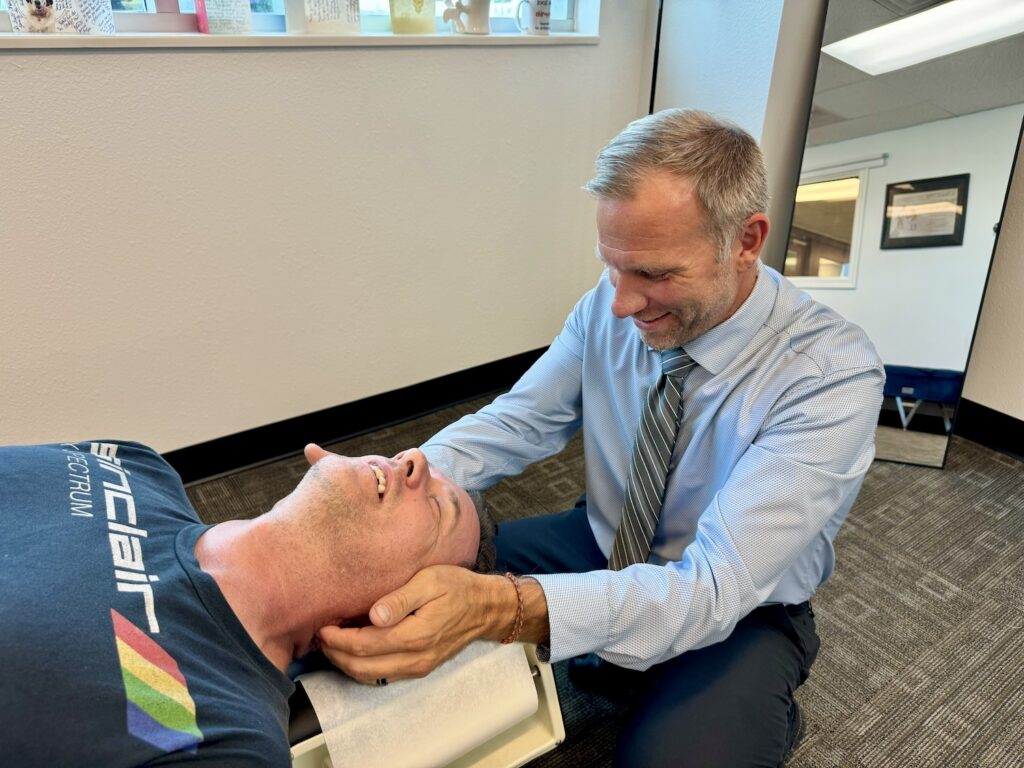
When dealing with tension headaches, exploring effective relief techniques is crucial, and chiropractic care stands out as a natural and holistic approach. Unlike temporary fixes, chiropractic adjustments can address the root causes of your headaches by improving spinal alignment and reducing stress on the nervous system.
It’s important to recognize how factors like stress, hydration, and lifestyle choices impact your overall well-being. By making simple adjustments—such as maintaining good posture, staying well-hydrated, and incorporating regular chiropractic visits into your routine—you empower yourself to manage headaches more effectively.
Curious about how these strategies can lead to lasting relief? Chiropractic care not only focuses on alleviating pain but also promotes overall health and wellness, helping you feel your best. Let’s explore some practical tips that can enhance your journey toward a headache-free life.
Key Takeaways
Why Choose Techniques for Tension Headache Relief?
- At our chiropractic practice, we emphasize natural techniques for tension headache relief that help you avoid medications and their unwanted side effects. By focusing on holistic methods, we aim to enhance your overall well-being while addressing the root causes of your headaches.
- Chiropractic care is an excellent option for those experiencing tension headaches. By ensuring your spine is properly aligned, we alleviate pressure on your nervous system, which can significantly reduce the frequency and intensity of headaches. Regular adjustments can keep your body functioning optimally and help minimize headache occurrences.
- Mindfulness practices, such as deep breathing and meditation, are great tools to incorporate into your daily routine. These practices promote relaxation and help manage stress, which is a common trigger for tension headaches. Taking a few minutes each day to focus on your breath can make a big difference in how you feel.
- Engaging in regular physical activity and maintaining a nutritious diet are essential components of a healthy lifestyle. Exercise releases endorphins, which are natural pain relievers, while a balanced diet provides your body with vital nutrients to help prevent headaches. Simple activities, like going for a walk or enjoying a colorful salad, can contribute to your overall health and headache relief.
- One of the most empowering aspects of managing tension headaches is learning to identify and address your personal triggers. Keep a headache diary to track when headaches occur, and note any patterns or stressors. This proactive approach, combined with chiropractic care, can lead to effective headache management and a healthier, happier you.
Remember, by choosing chiropractic care and integrating these simple lifestyle practices, you can take control of your health and find relief from tension headaches naturally.
Understanding Tension Headaches
Tension headaches are among the most common types of headaches, often described as a dull, aching pain with a sensation of tightness around the head. If you’ve ever experienced a tension headache, you might feel pressure across your forehead or a band-like tightness around your skull.
These headaches can be triggered by factors such as stress, lack of sleep, or poor posture. It’s important to note that habits like clenching your jaw or straining your neck can also make the discomfort worse.
Understanding your own tension headaches is crucial for effective management. As a chiropractor, I encourage you to pay close attention to your lifestyle habits, as they significantly influence the frequency and intensity of your headaches. Identifying specific triggers can empower you to take proactive steps towards alleviating stress and preventing future episodes.
Here are some general tips to help you manage tension headaches naturally:
- Maintain Good Posture: Ensure that your work station is ergonomically friendly. Keep your computer screen at eye level and practice sitting up straight to reduce neck strain.
- Incorporate Regular Stretching: Simple neck and shoulder stretches can help relieve tension. Try rolling your shoulders back and gently tilting your head from side to side throughout the day.
- Stay Hydrated: Dehydration can lead to headaches, so make sure you’re drinking enough water throughout the day.
- Practice Stress-Relief Techniques: Activities like yoga, meditation, or deep-breathing exercises can help reduce stress levels, which is a common trigger for tension headaches.
- Consider Chiropractic Care: Regular chiropractic adjustments can help align your spine, relieve tension in your muscles, and improve overall body function. This holistic approach can lead to fewer headaches and promote your overall well-being.
By making these adjustments in your daily routine, you can take significant steps toward reducing the frequency and intensity of your tension headaches.
The Importance of Natural Relief Methods
Finding effective relief from tension headaches often leads many to explore natural methods, and as a chiropractor, I want to highlight the importance of a holistic approach to your health. These methods focus on your body’s innate ability to heal itself while minimizing the risks associated with medications. Techniques such as chiropractic adjustments, gentle stretches, and lifestyle modifications can offer a comprehensive solution that addresses both the pain and its root causes.
Chiropractic care is particularly beneficial for tension headaches, as it focuses on aligning the spine and relieving pressure on the nervous system. Regular adjustments can help improve your overall spinal health, which often translates to a decrease in headache frequency and intensity.
Additionally, incorporating practices like yoga and mindfulness into your routine can’t only alleviate tension but also enhance your overall well-being.
Creating a personalized routine that fits your lifestyle is key. Consider integrating gentle stretches or specific exercises aimed at strengthening your neck and upper back muscles, which can help prevent tension headaches.
Remember, many of these natural relief methods can be easily practiced at home, making them convenient when a headache strikes.
Stress Management Techniques
Managing stress can be a challenge, but with the right techniques, you can significantly lessen the frequency and intensity of tension headaches. As a local chiropractor, I want to share some effective strategies that not only promote relaxation but also align with natural wellness and optimal spinal health.
First, deep breathing exercises are a fantastic way to calm your nervous system. By taking slow, deep breaths, you can help relieve tension in your body, which may also alleviate stress-related headaches. Additionally, practicing mindfulness meditation for just a few minutes each day can help center your thoughts and promote a sense of calm.
Regular physical activity is another key player in stress relief. Aim for at least 30 minutes of moderate exercise on most days. Not only does this boost your mood, but it also supports spinal health and overall well-being. Engaging in activities like yoga or Pilates can be particularly beneficial, as they promote both physical strength and relaxation.
Establishing a consistent sleep routine is crucial for managing stress effectively. Quality sleep allows your body to recover and rejuvenate, helping you tackle daily stressors with a clearer mind. Aim to create a peaceful sleep environment and stick to a regular bedtime to support your overall health.
Lastly, consider journaling your thoughts. This practice can help you process emotions and recognize stress triggers in your life. Writing can serve as a therapeutic outlet, allowing you to reflect on your feelings and develop strategies for coping.
By integrating these techniques into your daily life, you’ll find yourself better equipped to manage stress and reduce tension headaches.
The Role of Hydration in Headache Prevention
Staying hydrated is crucial for preventing tension headaches and supporting your overall well-being. As a chiropractor, I often see how dehydration can contribute to discomfort and exacerbate existing pain issues. When your body lacks adequate water, it can lead to muscle tension and increased sensitivity to pain, both of which can trigger headaches.
Understanding the connection between hydration and headaches empowers you to take proactive steps toward maintaining your health. Here are some simple tips to ensure you’re drinking enough water throughout your day:
- Set a Daily Goal: Aim for at least 8 glasses of water a day. If you’re active or live in a hot climate, you may need even more.
- Keep Water Accessible: Carry a reusable water bottle with you to make it easy to sip throughout the day. This small change can remind you to hydrate regularly.
- Infuse Your Water: If plain water doesn’t excite you, try adding slices of lemon, cucumber, or berries for a refreshing twist. This can make drinking water more enjoyable.
- Hydrate with Food: Incorporate fruits and vegetables with high water content into your diet, such as cucumbers, oranges, and watermelon. These can help keep you hydrated while providing essential nutrients.
- Listen to Your Body: Pay attention to signs of dehydration, such as dry mouth, fatigue, or dark urine. These can be indicators that you need to drink more water.
By prioritizing hydration, you not only help prevent headaches but also support your spinal health and overall wellness.
Importance of Water Intake
Hydration is a key factor in maintaining overall health and can significantly aid in preventing tension headaches. When your body is well-hydrated, it functions more smoothly, which can help stave off conditions that lead to headaches. Water plays a vital role in ensuring proper blood circulation and nutrient delivery—both essential for optimal brain function.
As a chiropractor, I often see how dehydration can contribute to spinal tension and discomfort, which can exacerbate headaches. If you’re active or spend time in warmer environments, your need for water increases, making it crucial to drink plenty of fluids throughout the day. A simple tip is to keep a water bottle on hand as a reminder to hydrate regularly.
Listen to your body; feeling thirsty is a clear sign that you need to replenish your fluids. Additionally, consider adding water-rich foods like fruits and vegetables to your diet. Not only do they boost hydration, but they also provide vital nutrients that support spinal health and overall wellness.
By prioritizing your water intake, you not only support your general health but also take proactive steps towards reducing the risk of tension headaches.
Dehydration and Headache Links
Dehydration can significantly affect your body’s ability to function well, and this can lead to tension headaches. When you’re not drinking enough water, your brain may temporarily shrink away from the skull, which can cause pain. This shift can lead to the release of chemicals that result in discomfort.
You may also find that feelings of stress and fatigue become more noticeable when you’re dehydrated, making your headache symptoms even worse. It’s essential to understand that even mild dehydration can affect how often and how intensely you experience headaches.
By recognizing this connection, you can take proactive steps to stay hydrated, which may help reduce the chances of getting tension headaches.
In addition to drinking plenty of water, consider incorporating regular chiropractic care into your wellness routine. Chiropractors focus on spinal health and can help alleviate tension in your body, which may also contribute to headaches. Maintaining a healthy spine is vital for your overall well-being and can support your body’s natural healing processes.
Here are some simple tips to help prevent dehydration and manage headaches:
- Drink Water Regularly: Aim to drink water throughout the day. Keeping a water bottle with you can serve as a helpful reminder.
- Eat Hydrating Foods: Include fruits and vegetables with high water content in your diet, such as cucumbers, oranges, and watermelon.
- Monitor Your Symptoms: Pay attention to how your body feels. If you notice signs of dehydration, such as dry mouth or fatigue, take action quickly to hydrate.
- Regular Chiropractic Check-ups: Regular visits to your chiropractor can help maintain spinal health and address tension that may lead to headaches.
Hydration Tips for Relief
How can you effectively incorporate hydration into your daily routine to help prevent tension headaches? As a chiropractor, I understand the importance of maintaining overall wellness, including proper hydration, to support your spinal health and reduce pain.
Start by keeping a reusable water bottle with you throughout the day. Fill it up in the morning and aim to finish it by lunchtime, then refill for the afternoon. Setting reminders on your phone to drink water every hour can be helpful—remember, small sips add up!
Incorporate hydrating foods like cucumbers, oranges, and watermelon into your meals. These foods not only keep you hydrated but also provide essential nutrients that support your body’s healing processes.
If plain water isn’t your favorite, consider herbal teas or infused water with fruits for a refreshing twist that encourages you to drink more.
Additionally, be mindful of your caffeine intake, as it can contribute to dehydration. Staying hydrated is a simple yet effective way to support your spinal health and reduce the likelihood of tension headaches.
Physical Activity and Its Benefits
When it comes to managing tension headaches, you might be surprised to learn that physical activity can play a crucial role. Regular exercise not only helps to relieve tension but can also significantly decrease the frequency and intensity of your headaches. Engaging in movement releases endorphins, the body’s natural painkillers, and helps to lower stress—one of the main triggers for tension headaches.
As a chiropractor, I recommend incorporating physical activity into your daily routine, alongside maintaining proper spinal health, to enhance your overall well-being. Whether it’s a leisurely walk, a refreshing bike ride, or calming yoga, these activities can work wonders for your body and mind.
Here’s a simple overview of how physical activity can benefit you:
| Benefit | Description | Example Activity |
|---|---|---|
| Reduces Stress | Helps lower cortisol levels, reducing tension | Jogging |
| Increases Endorphins | Elevates mood and provides natural pain relief | Dancing |
| Improves Sleep Quality | Supports better sleep patterns for recovery | Swimming |
In addition to these activities, consider incorporating regular chiropractic visits into your routine. Chiropractic care focuses on spinal alignment and overall health, which can greatly complement the benefits of physical activity. By ensuring that your spine is in optimal condition, you can further enhance your body’s ability to heal and maintain balance.
Mindfulness and Relaxation Practices
In addition to staying active, incorporating mindfulness and relaxation practices can significantly enhance your ability to manage tension headaches. Techniques such as deep breathing, meditation, or progressive muscle relaxation can help you reduce stress and cultivate a sense of calm, which is essential for overall wellness.
Taking just a few moments each day to practice mindfulness can shift your focus away from pain and discomfort. Set aside ten minutes daily to sit quietly, close your eyes, and concentrate on your breath. This simple yet powerful practice can help ground you and ease the tension that often triggers headaches.
To support your journey, consider using guided meditation apps that can provide structure and encouragement as you explore these techniques. Gentle yoga can also be beneficial, as it promotes relaxation and helps release physical tension in the body.
Remember, by prioritizing mindfulness, you aren’t only addressing headaches; you’re also nurturing a healthier mindset that contributes to your overall well-being.
As a chiropractor, I emphasize that chiropractic care is a cornerstone of natural healing. By aligning your spine and ensuring that your nervous system functions optimally, you can alleviate pain and enhance your body’s natural ability to heal.
When combined with mindfulness practices, chiropractic care can be an effective approach to achieving lasting relief from headaches and promoting a healthier lifestyle.
Dietary Considerations for Headache Relief
Many people don’t realize that their diet can significantly impact how they feel, especially when it comes to managing tension headaches. What you eat can either trigger discomfort or help provide relief. As a chiropractor, I emphasize the importance of a nutritious diet alongside spinal health to support your overall wellness. Staying hydrated and choosing the right foods can make a difference in how you manage headaches.
Here’s a simple guide to help you make better dietary choices for headache relief:
| Foods to Include | Foods to Avoid | Tips |
|---|---|---|
| Leafy greens | Aged cheeses | Drink plenty of water |
| Whole grains | Processed meats | Eat regular meals |
| Omega-3 rich fish | Caffeinated drinks | Keep a food diary |
| Nuts and seeds | Alcohol | Limit artificial sweeteners |
| Fresh fruits | High-sugar snacks | Focus on balanced meals |
By incorporating more healthy, whole foods and keeping track of what you eat, you can identify potential headache triggers. Remember, regular meals can help maintain steady blood sugar levels, which is essential for reducing headache frequency.
Additionally, staying hydrated is crucial for spinal health and overall well-being. Proper hydration can support your body’s natural healing processes, complementing the benefits of chiropractic care.
Always focus on building a balanced diet that nourishes your body and supports your spine. These dietary choices, combined with regular chiropractic adjustments, can help you achieve optimal health and enhance your quality of life. If you’re experiencing persistent headaches, consider discussing your symptoms with your chiropractor, who can provide personalized advice and support.
When to Seek Professional Help
If your headache lasts longer than usual or feels more intense than what you typically experience, it’s important to consider reaching out for professional help, particularly from a chiropractor.
Headaches can sometimes be linked to spinal alignment issues, and chiropractic care can provide natural relief.
Take note of any additional symptoms that accompany your headache, as they may indicate a deeper concern.
Remember, you don’t have to live with pain—consulting a chiropractor can help you address the root cause of your discomfort rather than just masking the symptoms.
Additionally, here are some general tips to help manage headaches naturally:
- Stay hydrated, as dehydration can often be a trigger.
- Maintain good posture, especially if you spend long hours at a desk.
- Incorporate regular stretching and movement into your daily routine to keep your body well-aligned.
- Practice relaxation techniques, such as deep breathing or meditation, to reduce stress.
Don’t hesitate to reach out to a healthcare provider who specializes in chiropractic care if you’re concerned about your condition.
Embracing a natural approach to wellness can be a powerful step towards achieving optimal health!
Persistent Headache Duration
Persistent headaches can be challenging, but understanding when to seek help is crucial for your well-being. While tension headaches often resolve on their own, if your headaches linger for more than a few days or grow in intensity, it’s important to consult a healthcare professional, preferably a chiropractor. Chiropractic care can provide effective, natural relief and help you regain control over your health.
Here are some signs that it might be time to consult a chiropractor:
- Frequent headaches that disrupt your daily activities: If you find yourself struggling to focus or enjoy life due to recurring headaches, it’s a good idea to reach out for help.
- A noticeable increase in headache duration or intensity: Changes in your headache patterns could be a sign that your body needs attention.
- Headaches that don’t improve with over-the-counter treatments: If typical pain relievers aren’t working, a chiropractor can offer alternative solutions that focus on natural healing.
- Accompanying symptoms like nausea or vision changes: These symptoms can indicate an underlying issue that warrants a professional evaluation.
- A history of headaches that suddenly change in pattern: Sudden changes in your headache frequency or type may signal the need for a thorough assessment.
Chiropractic care focuses on spinal health, which plays a crucial role in overall wellness. By addressing misalignments and tension in the spine, chiropractors can help relieve headache pain naturally and improve your quality of life.
In addition to seeking chiropractic care, consider these general tips to manage headaches:
- Stay hydrated: Dehydration can trigger headaches, so be sure to drink plenty of water throughout the day.
- Maintain good posture: Poor posture can strain your neck and shoulders, leading to tension headaches.
- Incorporate relaxation techniques: Practices such as deep breathing, yoga, or meditation can help reduce stress and prevent headaches.
- Get regular exercise: Physical activity can improve blood circulation and reduce headache frequency.
Severe Pain Intensity
When severe headache pain strikes, it’s important to understand how to manage it effectively and when to seek help. While over-the-counter medications can sometimes provide relief, they mightn’t always address the underlying cause of your pain. This is where chiropractic care can shine. Chiropractors focus on the spine’s alignment and overall health, which can play a significant role in alleviating headache pain.
If your headache pain becomes debilitating or intensifies suddenly, consider scheduling an appointment with a chiropractor. They can assess your spinal health, identify any misalignments, and provide natural, hands-on treatments to relieve your pain without the use of medications or invasive procedures.
Pay attention to how your headaches affect your daily life. If you’re finding it hard to carry out everyday activities, that’s a clear signal to seek assistance. A chiropractor can guide you toward a holistic approach to wellness, helping you not only relieve headaches but also improve your overall health.
Remember, you know your body best. Trust your instincts—if something feels off, it’s worth getting a professional evaluation. Ignoring severe pain can lead to complications, so prioritizing your health is essential.
Additionally, consider incorporating some simple wellness tips into your routine, such as staying hydrated, practicing good posture, and managing stress through relaxation techniques. These small changes can significantly impact your overall well-being.
Accompanying Symptoms Present
Experiencing accompanying symptoms alongside a tension headache can be an important signal that your body needs attention. It’s essential to listen to these signals and take proactive steps to ensure your health remains a priority.
If you notice any of the following symptoms, it’s wise to consult with a healthcare provider, ideally one who understands the benefits of chiropractic care:
- Nausea or vomiting
- Changes in vision, such as blurriness or double vision
- Confusion or trouble focusing
- Weakness or numbness in your arms or legs
- Severe stiffness in your neck
While tension headaches are common and often manageable, these additional symptoms may indicate a need for further evaluation. Chiropractic care offers a natural approach to addressing headaches and can help pinpoint the underlying causes of your discomfort.
Techniques such as spinal adjustments, soft tissue therapy, and lifestyle recommendations can help promote healing and relieve pain without relying on medications or invasive procedures.
Here are some general tips to help manage tension headaches and enhance your overall wellness:
- Stay Hydrated: Dehydration can contribute to headaches, so make sure you’re drinking plenty of water throughout the day.
- Practice Good Posture: Maintaining proper posture, especially if you’re sitting for long periods, can help alleviate tension in your neck and shoulders.
- Incorporate Relaxation Techniques: Engaging in regular relaxation practices like deep breathing, yoga, or meditation can help reduce stress and tension.
- Get Regular Chiropractic Care: Regular visits to a chiropractor can help maintain spinal alignment and overall health, reducing the frequency and intensity of headaches.
Trust your instincts—if something feels off, don’t hesitate to reach out for help. Early intervention, particularly through chiropractic care, can lead to better outcomes, improved health, and peace of mind.
Conclusion
Incorporating natural techniques for tension headache relief can truly transform your well-being. As a chiropractor, I believe that understanding your body and its triggers is key to managing headaches effectively. Embracing practices such as mindfulness, staying well-hydrated, and engaging in regular physical activity can help reduce both the frequency and intensity of headaches.
Chiropractic care plays a vital role in achieving optimal health and wellness. By ensuring proper alignment of the spine, we can alleviate tension in the muscles and nerves that might contribute to headaches. Regular chiropractic adjustments not only help relieve pain but also improve overall function, supporting your body’s natural healing processes.
Remember, taking control of your health is empowering. By adopting these holistic approaches, you not only alleviate pain but also enhance your overall quality of life. If you find that headaches persist, I encourage you to seek chiropractic care for a comprehensive evaluation and tailored treatment plan. Together, we can work towards a healthier, headache-free life!