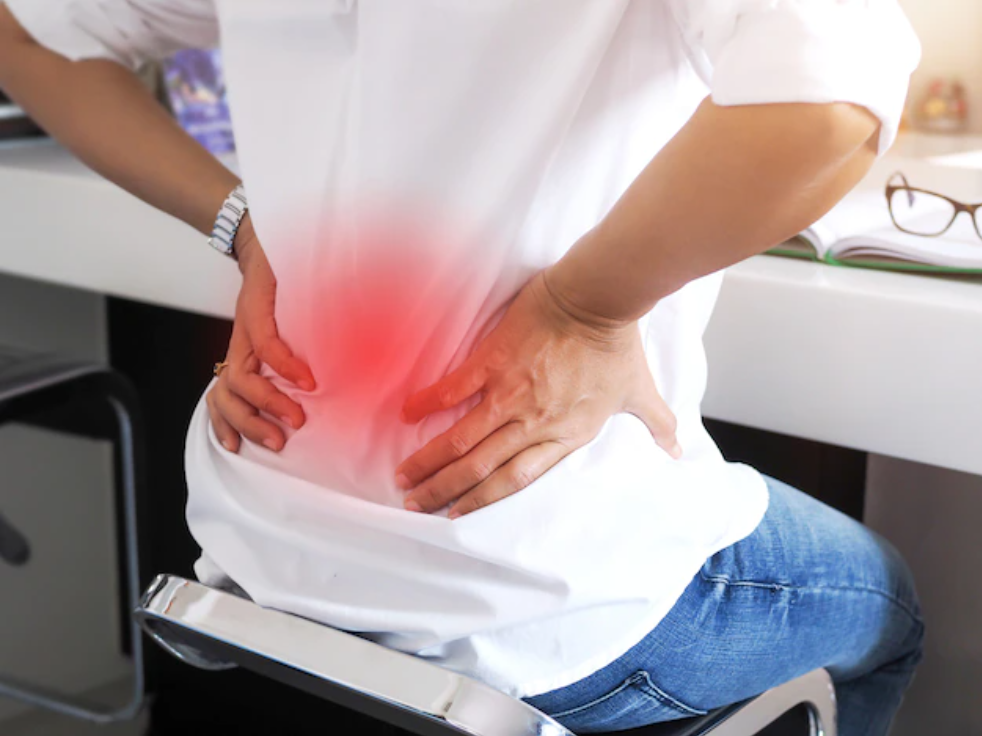
When it comes to recovering from a sports injury, understanding the role of chiropractic adjustments is crucial. As a local chiropractor, I want to emphasize how these adjustments can significantly enhance your healing journey. They not only alleviate pain but also restore proper function to your body, allowing it to heal more efficiently.
By incorporating chiropractic care into your rehabilitation plan, you may uncover new avenues to boost your recovery and even reduce the risk of future injuries. But what exactly can adjustments do for you? They help improve your range of motion, increase circulation, and promote overall wellness, all of which are vital for a comprehensive recovery strategy.
I encourage you to consider how chiropractic adjustments can fit into your healing process. Together, we can explore the specific benefits tailored to your needs and create a recovery plan that supports your long-term health and athletic performance. Let's work together to get you back to the activities you love!
Understanding Sports Injuries
As a local chiropractor, I want to help you understand sports injuries and how they affect your body, especially if you're new to chiropractic care and natural healing. It's crucial to grasp the nature of these injuries to facilitate effective recovery. Injuries can arise from various sources, such as overuse, improper technique, or direct trauma.
By familiarizing yourself with common injuries—like sprains, strains, fractures, and tendonitis—you'll be better equipped to recognize early symptoms and respond appropriately.
Let's take sprains, for example. A sprain occurs when ligaments, which connect bones at a joint, are stretched or torn, often in the ankle or knee. If you experience swelling, bruising, or pain, it's important to evaluate how serious the injury is. A mild sprain might just require rest and ice, while a more severe sprain could necessitate medical treatment.
Strains, on the other hand, involve muscles or tendons and can leave you feeling weak or stiff. Knowing these distinctions can help you decide when it's time to seek professional assistance.
Moreover, it's vital to consider how biomechanics—the way your body moves—affects both injury risk and prevention. Poor posture or improper movement patterns can contribute to injuries, so it's essential to focus on your form during physical activities.
Understanding your body mechanics allows you to make necessary adjustments that can significantly reduce your risk of injury.
Lastly, don't underestimate the importance of warm-ups and cool-downs. These practices are essential for preparing your body for physical activity and aiding in recovery afterward.
The Importance of Recovery
As a local chiropractor, I want to emphasize just how vital recovery is for your overall health and well-being, especially after an injury.
Focusing on healing isn't just about feeling better; it's about expediting your recovery process and significantly lowering the chances of future injuries. By prioritizing recovery now, you're laying the groundwork for a stronger and healthier version of yourself in the future.
Chiropractic care plays a crucial role in this journey. Through natural healing methods, we can address the root causes of your pain, improve your body's alignment, and enhance your overall function.
This holistic approach not only aids in recovery but also empowers you to maintain a healthier lifestyle moving forward.
Let's work together to ensure your body heals properly and effectively, so you can get back to doing what you love with confidence.
Speeding Up Healing Process
Injuries can often feel like a significant hurdle in your athletic pursuits, but as a local chiropractor, I want to emphasize the importance of understanding recovery in order to expedite your healing process. Listening to your body is crucial; it's vital to allow yourself the necessary time to heal. Rest isn't just about inactivity; it's an essential component of your recovery journey. By permitting your body to mend itself, you set the stage for a faster return to your favorite activities.
Equally important is the role of proper nutrition in your healing. A well-balanced diet that includes ample proteins, vitamins, and minerals can significantly support tissue repair and help reduce inflammation. Don't forget about hydration—keeping your fluid levels up is essential for optimal recovery.
As you navigate your healing, consider incorporating low-impact exercises that are appropriate for your specific injury. These activities can help you maintain your fitness while encouraging circulation and supporting the healing process. Additionally, therapies such as chiropractic adjustments, physical therapy, or massage can be beneficial in alleviating discomfort, enhancing mobility, and facilitating a quicker recovery.
Lastly, I want to highlight the importance of mental wellness during your healing journey. A positive mindset can have a profound effect on your physical recovery. Focus on the aspects you can control, and with time and care, you'll find yourself returning to your sport even stronger than before.
Preventing Future Injuries
As a local chiropractor, I want to emphasize the crucial role of recovery in preventing future injuries. Recovery goes beyond mere healing; it's about fortifying your body to withstand the challenges of your activities and sports. Neglecting recovery can lead to re-injury and potentially long-term complications that may keep you sidelined for an extended period.
During the recovery process, your body engages in repairing damaged tissues and strengthening muscles, ligaments, and tendons. This not only prepares you to return to your sport but also enhances your overall resilience.
It's essential to incorporate adequate rest, proper nutrition, and tailored rehabilitation exercises into your routine. Always listen to your body—if you experience pain or fatigue, it's crucial to take the time needed for a complete recovery.
I also encourage my patients to explore cross-training and integrate flexibility and strength training into their exercise routines. These practices not only improve overall fitness but also help balance various muscle groups, significantly reducing the risk of overuse injuries.
Don't overlook the importance of using correct techniques and suitable equipment, as they're vital in preventing injuries.
In summary, prioritizing recovery is fundamental to your training regimen. By investing time in your recovery process, you aren't only healing but also setting the foundation for a healthier and more resilient future in your chosen activities.
If you have questions about how chiropractic care can support your recovery and injury prevention, feel free to reach out!
Tailoring Training Regimens
As a local chiropractor dedicated to helping you recover from sports injuries, I want to emphasize the importance of tailoring your training regimen for a successful comeback.
It's crucial to avoid jumping back into your usual routine without a thoughtful approach. Instead, we'll create a plan that addresses your specific needs while gradually rebuilding your strength and confidence.
Here are four essential steps to guide you in creating an effective training regimen:
- Consult a Chiropractic Professional: Before you embark on your recovery journey, I encourage you to schedule a visit with me or another qualified chiropractor. We can assess your injury and provide personalized recommendations tailored to your condition, ensuring you're on the right path to recovery.
- Prioritize Mobility and Flexibility: Initially, we'll focus on gentle stretching and mobility exercises. These activities are vital for regaining your range of motion and preventing stiffness, preparing your body for more intense workouts in the future.
- Gradually Increase Intensity: It's important to start with low-impact exercises and progressively increase the intensity as you begin to feel more comfortable. This approach will help you avoid re-injury while building strength in a safe manner.
- Emphasize Rest and Recovery: Never underestimate the value of rest in your healing process. I recommend scheduling recovery days into your training plan. Allowing your body time to heal and adapt is crucial for long-term success and health.
Nutrition's Role in Healing
As a local chiropractor, I want to emphasize how crucial nutrition is in your healing journey after a sports injury. When your body experiences an injury, it demands additional nutrients to facilitate tissue repair, reduce inflammation, and restore strength. By focusing on a balanced diet that includes certain vitamins and minerals, you can significantly enhance your recovery process.
First and foremost, let's talk about protein. It's vital for repairing and regenerating muscles. I recommend incorporating high-quality protein sources into your meals, such as lean meats, fish, eggs, beans, and legumes. Additionally, consider having a protein-rich snack after your workouts or physical therapy sessions to further support muscle recovery.
Next, I can't stress enough the importance of antioxidants in your diet. They play a key role in fighting inflammation and oxidative stress, which can impede your healing. Be sure to include a variety of fruits and vegetables in your meals, especially those rich in vitamins C and E—think berries, citrus fruits, nuts, and leafy greens.
Healthy fats are also essential in the healing process. Omega-3 fatty acids, commonly found in fatty fish like salmon, as well as walnuts and flaxseeds, can help reduce inflammation and promote joint health.
Don't forget about hydration! Staying well-hydrated is crucial for ensuring that nutrients are effectively transported throughout your body, which aids recovery. Aim for at least eight glasses of water daily, and increase your intake if you're active or sweating more than usual.
Lastly, I encourage you to consider consulting with a nutritionist who can help tailor a diet specifically for your needs and the type of injury you're recovering from. By making these thoughtful nutritional changes, you can greatly enhance your recovery time and get back to your favorite activities feeling stronger and healthier than ever.
Mental Health Considerations
As a local chiropractor, I want to emphasize that while physical recovery from a sports injury is crucial, it's equally important to focus on your mental health during this time. Neglecting your emotional well-being can significantly impact your overall recovery process.
Many individuals experience feelings of frustration, anxiety, or even depression after an injury, and it's essential to address these emotions. Here are some mental health considerations to keep in mind as you navigate your recovery journey:
- Acknowledge Your Emotions: It's completely normal to experience a range of emotions following an injury. Rather than suppressing these feelings, take the time to acknowledge them. Allow yourself to feel what you're feeling; it's a vital part of the healing process.
- Stay Connected: Social isolation can exacerbate feelings of distress. I encourage you to reach out to friends, family, or teammates. Sharing your experiences and thoughts can bring comfort and remind you that you aren't alone in this journey.
- Set Realistic Goals: Instead of obsessing over when you'll be back in action, focus on small, achievable goals during your rehabilitation. Celebrate every milestone, no matter how small it may seem. This approach can help you maintain motivation and foster a positive mindset.
- Seek Professional Help: If you find it challenging to cope with your emotions, I strongly encourage you to talk to a mental health professional. They can equip you with strategies to manage your feelings and cultivate a positive outlook as you recover.
At our chiropractic practice, we believe in a holistic approach to healing that encompasses both physical and mental health. By addressing your emotional well-being, you can enhance your recovery and return to your activities feeling stronger than ever.
Monitoring Progress Effectively
Monitoring your recovery progress is crucial for ensuring you're on the path back to your favorite sport, especially when considering chiropractic care and natural healing methods. Tracking your healing journey allows you to pinpoint what's effective and what may need some adjustments.
To start, it's important to set specific, measurable goals. Whether your aim is to improve your range of motion, build strength, or enhance endurance, having clear objectives gives you something tangible to work towards.
Regular evaluations of your physical condition are key. This might involve noting how you feel during exercises, keeping track of any pain levels, or observing changes in your range of motion. I recommend keeping a journal or using an app to log workouts and any shifts you experience. This documentation not only helps you stay accountable but also provides valuable insights for our discussions during chiropractic visits, allowing us to identify patterns and adapt your recovery plan accordingly.
Open communication with your chiropractic team is essential. Sharing your progress, any concerns, and setbacks is vital in tailoring your rehabilitation program. Your feedback can guide us in adjusting exercises or suggesting alternative therapies that might better suit your needs.
Incorporating self-assessments into your routine can be very beneficial. Simple evaluations, such as counting how many repetitions you can complete or assessing your stability during balance exercises, can provide immediate insights into your progress.
Lastly, it's important to celebrate those small victories along the way. Acknowledging improvements, no matter how minor, can significantly enhance your motivation and keep you focused on your healing journey.
Preventing Re-injury Risks
As a local chiropractor, I want to emphasize the importance of allowing your body the time and care it needs to fully heal before returning to intense physical activities.
Many individuals rush back into their sports, but this can often lead to setbacks and increased risk of re-injury. Here are four essential steps I recommend to help you minimize the chances of re-injury:
- Listen to Your Body: Your body has a remarkable ability to communicate with you. If you're experiencing discomfort or pain, it's crucial to heed those signals. These sensations often indicate that you may need additional time to recover fully.
- Gradually Reintroduce Activities: When you're ready to return to your sport, start with low-impact exercises. This gentle reintroduction allows your body to adjust without overwhelming it. Begin with lighter sessions and slowly increase the intensity as you feel more comfortable.
- Focus on Strengthening: Strengthening the area around your injury is vital for your recovery. I recommend incorporating specific strength training exercises that target the affected area. This approach helps provide stability and support, reducing the likelihood of future injuries.
- Prioritize Flexibility and Mobility: A well-rounded recovery plan includes a focus on flexibility and mobility. Implementing a routine that emphasizes stretching and mobility exercises can reduce muscle tension and enhance your overall performance.
Remember, chiropractic care can play a significant role in your recovery journey. Regular adjustments and personalized treatment plans can help facilitate healing and improve your overall well-being.
If you have any questions or need guidance on your recovery, feel free to reach out. Your health is our priority!
Seeking Professional Guidance
When you're on the road to recovery from a sports injury, seeking professional guidance, especially from a chiropractor, can truly transform your healing journey. As a chiropractor, I specialize in understanding the musculoskeletal system and how it impacts your overall health. My expertise can significantly influence your recovery process by facilitating proper alignment and function of your body.
I'll thoroughly assess your injury, taking into consideration not just the symptoms but also the underlying issues that may be contributing to your pain. Together, we can develop a personalized treatment plan that combines chiropractic adjustments, rehabilitation exercises, and lifestyle modifications to ensure a holistic approach to your recovery.
You might feel tempted to manage your recovery independently, but doing so can lead to complications and improper healing. As a chiropractor, I can pinpoint the subtleties of your injury that you may not recognize. I'll guide you through specific exercises designed to restore your strength and mobility while minimizing the risk of further injury.
Additionally, I'll monitor your progress closely and make necessary adjustments to your treatment as you heal. This continuous evaluation keeps you on the right track, and I'll provide the motivation you need to stick with your recovery plan. It's about finding the right balance between challenging your body and allowing it the time it needs to heal.
Moreover, chiropractic care often involves a collaborative approach. I can connect you with other health professionals, such as nutritionists and physical therapists, to support every aspect of your recovery. This comprehensive perspective is vital for athletes, as mental readiness is just as crucial as physical healing.
Never underestimate the power of professional guidance through chiropractic care. By working with me, you not only enhance your recovery efficiency but also significantly lower the risk of re-injury in the future.
Prioritize your health and performance; investing in your recovery is one of the best decisions you can make.
Conclusion
As a local chiropractor, I want to share with you how incorporating chiropractic adjustments can play a crucial role in your recovery from sports injuries. Many people are unfamiliar with how chiropractic care works, so let me explain. By focusing on the underlying causes of pain and dysfunction in your body, chiropractic adjustments can improve circulation and reduce inflammation, which can significantly speed up the healing process.
It's important to remember that chiropractic care is most effective when combined with a personalized training regimen and proper nutrition. This holistic approach ensures that you are not only recovering from your injury but also setting the foundation for improved performance in the future.
Additionally, I encourage you to monitor your progress and prioritize your mental well-being throughout your recovery journey. If you ever feel unsure or need guidance, don't hesitate to reach out for professional support. Together, we can work toward not just recovery, but also injury prevention in the long run.