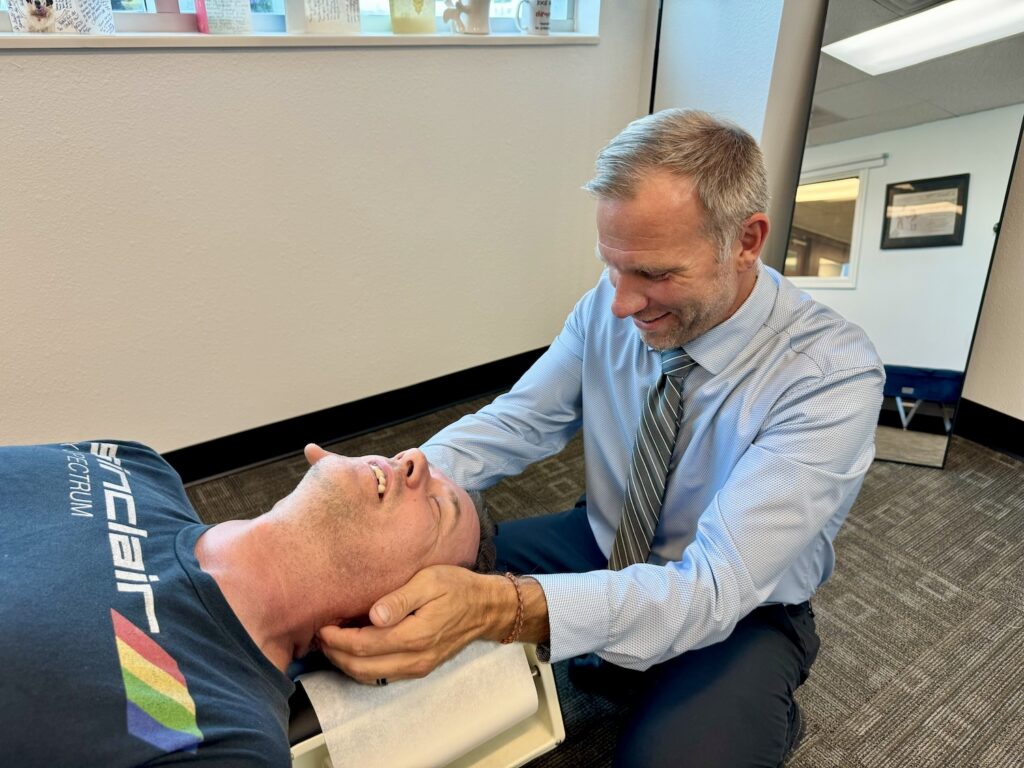
When it comes to your health, a one-size-fits-all approach often falls short. Customized treatment plans consider your unique circumstances, from your medical history to your lifestyle choices, ensuring that your care aligns with your specific needs. By prioritizing personalization, you're not just a passive recipient of treatment; you're an active participant in your health journey. This tailored approach can lead to better outcomes and a more satisfying experience overall. So, what factors should you really consider when customizing your treatment plan?
Definition of Customized Treatment Plans
Customized treatment plans are tailored strategies designed to meet the unique needs of individual patients. When you commence on a health journey, you won't find a one-size-fits-all solution. Instead, your healthcare provider will assess your specific medical history, lifestyle, preferences, and goals to create a plan that suits you best. This approach emphasizes your individuality, considering factors like your age, gender, and any existing medical conditions.
You might wonder how these plans come together. It starts with a thorough evaluation. Your doctor will gather information through physical examinations, lab tests, and discussions about your symptoms and concerns. With this data, they'll identify the most effective treatments and interventions for you. It's not just about addressing your immediate health issues; it's about promoting long-term wellness.
Moreover, the customization doesn't end there. As you progress, your healthcare team will continuously monitor your response to the treatment. They may adjust the plan based on how you're feeling and any new developments in your health. This dynamic approach guarantees that you're always receiving the best possible care tailored to your evolving needs.
In essence, customized treatment plans empower you to take an active role in your health. By focusing on your unique circumstances and preferences, these plans foster a collaborative relationship between you and your healthcare provider, enhancing your overall experience and outcome.
Benefits of Personalization
Personalization in treatment plans offers numerous benefits that can greatly enhance your health journey. When your treatment is tailored specifically to you, it means that your unique health needs, preferences, and lifestyle factors are taken into account. This personalized approach can lead to more effective outcomes, as you're receiving care that directly addresses what your body requires.
One of the most notable benefits is improved adherence to treatment. When a plan resonates with you, you're more likely to stick with it. Whether it's medication dosages, therapy sessions, or lifestyle changes, a treatment plan that aligns with your goals makes it easier to commit. You're not just following generic advice; you're engaging in a process designed around your individual needs.
Additionally, personalization can reduce the risk of side effects. By considering your medical history, allergies, and other medications, healthcare providers can create a plan that minimizes adverse reactions. You'll feel more comfortable and confident in your treatment, knowing it's crafted specifically for you.
Moreover, personalized treatment fosters a stronger patient-provider relationship. When you feel heard and understood, it encourages open communication, leading to better adjustments in your care as needed. This collaboration can notably enhance your overall experience and satisfaction.
Understanding Patient Needs
To truly understand your needs as a patient, it's essential for healthcare providers to listen closely and engage in meaningful dialogue. This means they should ask questions and encourage you to share your thoughts, feelings, and concerns about your health. Your insights can provide invaluable information that shapes your treatment plan.
Every individual is unique, and your medical history, lifestyle, and personal preferences play a significant role in determining the right approach for you. When providers take the time to comprehend your specific situation, they can craft a customized treatment plan that aligns with your goals. This personalized approach fosters a sense of partnership, ensuring you're an active participant in your care.
It's also crucial for you to feel comfortable expressing any worries or uncertainties. If you have previous experiences that influence your current health decisions, sharing those can help your provider understand your perspective better. Open communication creates a collaborative environment where both you and your healthcare team can thrive.
Moreover, your needs may evolve over time, so it's important to have ongoing conversations about your treatment. Regular check-ins can help address any changes in your health, preferences, or concerns, allowing for adjustments to your plan as needed.
Enhancing Treatment Efficacy
Maximizing the effectiveness of your treatment hinges on a few key factors, including adherence to the prescribed plan and regular communication with your healthcare team. When you stick to the plan laid out for you, you're fundamentally giving your body the best chance to respond positively. Each medication, therapy, or lifestyle change is designed with your unique needs in mind, so following through is essential.
Regular communication with your healthcare team plays a significant role in enhancing treatment efficacy. By discussing your progress, side effects, or concerns, you enable your provider to make necessary adjustments to your plan. This ongoing dialogue helps them understand how well the treatment is working and whether any modifications are needed.
Don't hesitate to ask questions or voice your concerns; your input can lead to more tailored solutions.
It's also important to keep track of your symptoms and any changes you notice. This proactive approach not only aids in your understanding of the treatment's impact but also provides your healthcare team with valuable insights. They can use this information to fine-tune your plan, ensuring you're on the most effective path possible.
Lastly, maintaining a healthy lifestyle—such as eating well, exercising, and getting enough sleep—can complement your treatment and enhance its effectiveness.
Improving Patient Engagement
Engaging actively in your treatment plan can greatly boost its success. When you take charge of your health, you not only enhance your treatment's effectiveness but also foster a sense of empowerment.
Here are four key ways to improve your engagement:
- Communicate Openly: Don't hesitate to express your concerns, preferences, or questions. Open dialogue with your healthcare provider guarantees that your treatment aligns with your needs.
- Set Clear Goals: Define what you want to achieve with your treatment. Whether it's managing symptoms or improving your quality of life, having specific goals keeps you focused and motivated.
- Stay Informed: Knowledge is power. Educate yourself about your condition and the treatment options available. Understanding the rationale behind your customized plan can increase your commitment to it.
- Monitor Progress: Keep track of your symptoms and any side effects. Regularly reviewing your progress helps you and your healthcare provider make necessary adjustments, guaranteeing that your treatment remains effective and relevant.
Addressing Coexisting Conditions
When you're dealing with coexisting conditions, addressing each one effectively can make a significant difference in your overall health. It's vital to recognize that these conditions can interact in complex ways, often exacerbating each other. For instance, if you have diabetes and hypertension, managing both requires a tailored approach that considers how medication for one condition might impact the other.
Customized treatment plans allow you to target these overlapping issues directly. You'll want to work closely with your healthcare provider to guarantee that your treatment addresses all conditions simultaneously, rather than just focusing on one at a time. This integrated approach minimizes the risk of complications and assures that you're getting the most effective care possible.
Communication is key. Be open about your symptoms and how they relate to each condition. If you notice a new symptom or if your existing symptoms worsen, share that information with your provider. This feedback can help them adjust your treatment plan as needed.
Additionally, it's important to stay informed about your conditions. Understanding how they interact can empower you to make better decisions regarding your health. For example, knowing which foods can affect both your diabetes and hypertension can steer your dietary choices in a healthier direction.
Ultimately, addressing coexisting conditions with a customized plan not only improves your quality of life but also helps you achieve better health outcomes overall. You deserve a treatment strategy that considers your unique health landscape.
Adapting to Lifestyle Changes
Adapting to lifestyle changes is essential for reaching your personal goals and maintaining progress.
You'll need to integrate a flexible routine that fits your life, making it easier to stick with new habits.
Personal Goals Alignment
As you navigate through life's various changes, aligning your personal goals with your treatment plan becomes essential. This alignment guarantees that your treatment isn't just a series of tasks but a pathway towards achieving what truly matters to you.
When you integrate your aspirations into your health journey, you create a sense of purpose that can motivate you to stay committed.
Here are four ways to align your personal goals with your treatment plan:
- Identify Your Priorities: Take time to reflect on what you want to achieve, whether it's improved health, better relationships, or personal growth.
- Set Specific Goals: Break down your aspirations into clear, measurable objectives that can easily fit into your treatment framework.
- Communicate with Your Healthcare Provider: Share your goals with your provider so they can help tailor your treatment strategies to better suit your needs.
- Monitor Progress Regularly: Keep track of your achievements and reassess your goals as necessary to affirm they remain relevant and motivating.
Flexible Routine Integration
A flexible routine can greatly enhance your ability to integrate treatment into your everyday life, making it easier to manage changes that come your way. When you customize your treatment plan, you can adapt it to fit your unique schedule and responsibilities. This means you won't have to sacrifice important activities or family time to prioritize your health.
By incorporating treatment into your daily routine, you create a seamless connection between your health goals and your lifestyle. For instance, if you find mornings hectic, consider scheduling your treatment sessions for the evening or during lunch breaks. This adaptability allows you to stay consistent, even when life throws unexpected challenges your way.
You might also find it helpful to set reminders or utilize apps that align with your treatment plan. This way, you can track your progress and stay motivated.
Remember, flexibility doesn't mean compromising on your goals; it means finding a way to make them work within your life.
Ultimately, a flexible routine empowers you to stay committed to your treatment while balancing other important aspects of your life. Embrace this adaptability, and watch how it transforms your journey toward better health.
Sustainable Habit Development
Sustainable habit development is key to creating lasting change in your treatment journey. When you focus on building habits that fit seamlessly into your life, you're more likely to stick with your treatment plan.
Here are four strategies to help you adapt to lifestyle changes effectively:
- Start Small: Begin with manageable changes that don't overwhelm you. This could mean adding a short walk to your daily routine or incorporating one healthy meal each day.
- Set Clear Goals: Define specific, achievable objectives. Instead of saying, "I want to be healthier," aim for "I'll drink eight glasses of water daily."
- Track Your Progress: Keep a journal or use an app to monitor your habits. Seeing your progress reinforces your commitment and highlights areas for improvement.
- Seek Support: Share your goals with friends, family, or support groups. Having accountability partners can motivate you and help you stay on track.
Case Studies and Success Stories
Let's look at some inspiring case studies that highlight real-life transformations through customized treatment plans.
You'll see how personalized strategies have led to remarkable successes for individuals just like you.
These examples can give you hope and insight into what's possible on your own journey.
Real-Life Transformations
When you think about customized treatment plans, consider the powerful stories of real individuals who've experienced remarkable transformations.
These stories highlight how tailored approaches can lead to life-changing outcomes. Here are just a few examples that showcase the impact of personalized care:
- Weight Loss Journey: A client struggled for years with obesity. With a customized meal and exercise plan, they shed 50 pounds in just six months, regaining confidence and energy.
- Chronic Pain Relief: Another individual faced debilitating back pain. After a tailored treatment plan combining physical therapy and medication management, they found significant relief and improved mobility.
- Mental Health Breakthrough: A young adult battling anxiety received a personalized therapy regimen. They learned coping strategies that allowed them to manage their symptoms effectively, leading to a more fulfilling life.
- Diabetes Management: An older adult with diabetes was put on a customized diet and exercise plan. They not only stabilized their blood sugar levels but also felt more energetic and healthier overall.
These real-life transformations underscore the importance of customized treatment plans.
They show you that with the right approach, positive change is possible.
Personalized Success Examples
Building on the inspiring stories of real-life transformations, personalized success examples further illustrate how customized treatment plans can yield impressive results.
Take Sarah, for instance. After struggling with anxiety for years, she found a treatment plan tailored to her specific needs, combining therapy, mindfulness techniques, and lifestyle changes. Within months, she reported significant improvements in her daily life, feeling more in control and less overwhelmed.
Another compelling example is Mark, who battled obesity and health issues. With a personalized nutrition and fitness strategy, he lost over 50 pounds in just six months. His program addressed his unique preferences and challenges, making it sustainable and enjoyable.
Then there's Emily, who faced chronic pain. She worked closely with her healthcare team to develop a multi-faceted treatment plan that included physical therapy, medication adjustments, and alternative therapies. Her customized approach not only alleviated her pain but also improved her overall quality of life.
These success stories highlight the powerful impact of personalized treatment plans. When you choose an approach tailored just for you, you're more likely to achieve your health and wellness goals.
It's about finding what works best for your individual journey.
Future of Personalized Healthcare
The future of personalized healthcare promises to revolutionize how we approach medical treatment, tailoring therapies to fit individual needs and genetic profiles.
You're entering an era where your unique biology plays an essential role in determining the best treatment options for you. This shift from one-size-fits-all to truly customized care can lead to better outcomes and fewer side effects.
Here are four key advancements shaping this future:
- Genetic Testing: You'll soon have access to extensive genetic testing that identifies specific markers related to diseases and responses to medications. This helps doctors prescribe the most effective treatments for you.
- Wearable Technology: Devices that monitor your health in real-time will become increasingly sophisticated. You'll be able to track crucial signs and receive instant feedback, enabling proactive adjustments to your healthcare regimen.
- Artificial Intelligence: AI will play a significant role in analyzing vast amounts of data, allowing healthcare providers to make informed decisions tailored to your needs. Expect more precise diagnoses and treatment plans as a result.
- Telehealth Services: Remote consultations will expand, giving you access to specialists worldwide. You'll be able to discuss your individual needs without geographical limitations, ensuring you receive the best advice suited to your unique situation.
As you navigate this exciting landscape, personalized healthcare will empower you to take an active role in your health journey, leading to improved outcomes and a higher quality of life.
Embrace the future—it's designed just for you!
Conclusion
To summarize, opting for customized treatment plans can truly transform your healthcare experience. By tailoring approaches to your unique needs and preferences, you're more likely to see better results and feel empowered in your health journey. Engaging in open dialogue with your healthcare provider guarantees that your treatment aligns with your lifestyle and goals. As personalized healthcare continues to evolve, embracing these plans can pave the way for improved outcomes and a higher quality of life.