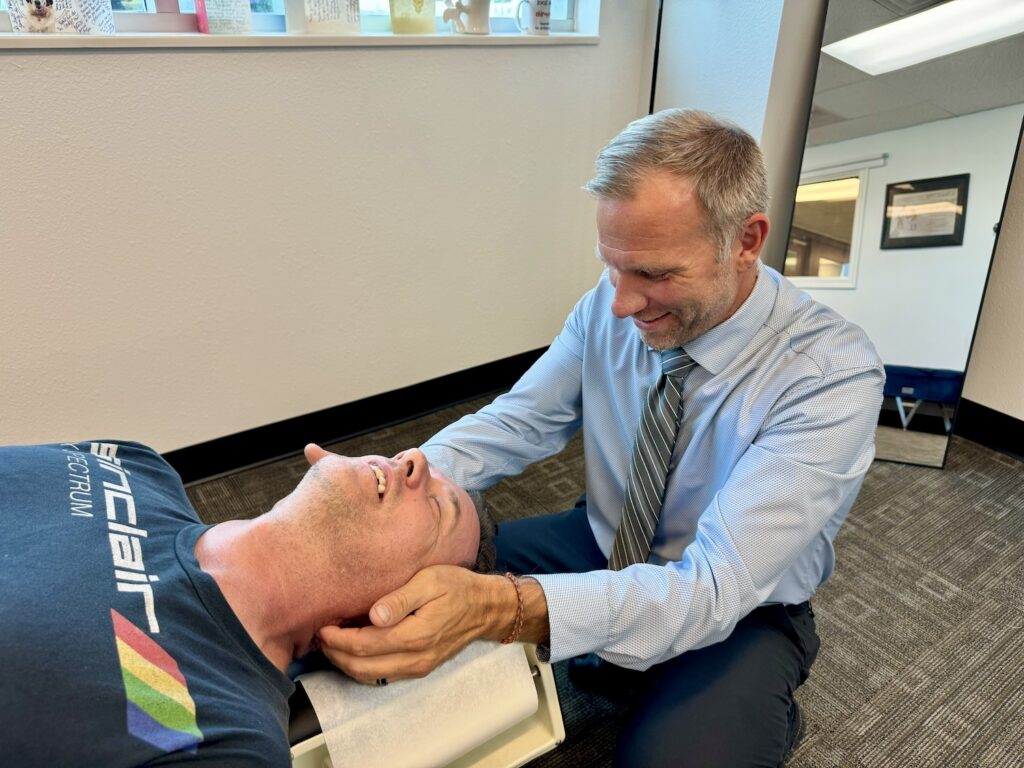
Tailored care is an essential approach that's designed specifically for you, addressing your individual health needs and circumstances. By integrating various treatment options that align with your lifestyle and preferences, this personalized strategy not only enhances your health outcomes but also promotes a deeper connection with your healthcare provider. You might be wondering how this method can truly transform your health experience and what specific benefits await you. Let's explore the compelling reasons behind the shift towards tailored care and what it could mean for your future health journey.
Understanding Tailored Care
Understanding tailored care means recognizing that healthcare isn't one-size-fits-all. Each person has unique needs, preferences, and circumstances that influence their health journey. When you think about your own experiences, you can see how factors like genetics, lifestyle, and personal history shape your health.
Tailored care focuses on these individual variables, ensuring that your healthcare plan aligns with who you are, rather than applying a generic approach.
In this model, healthcare providers take the time to understand your specific situation. They evaluate your medical history, current health status, and even your goals. This personalized assessment helps them craft a treatment plan that addresses your unique needs.
You might find that your treatment involves a combination of traditional medicine, lifestyle changes, or alternative therapies, all designed to work best for you.
Moreover, tailored care promotes better communication between you and your healthcare team. When you're involved in the decision-making process, you're more likely to feel empowered and committed to following through with your care plan.
It also allows for adjustments along the way, ensuring that your treatment evolves as your needs change.
Ultimately, understanding tailored care is about embracing an approach that respects your individuality. It recognizes that you're more than just a diagnosis, and it aims to provide you with the best possible path to health and wellness.
Benefits of Personalized Healthcare
Personalized healthcare brings a wealth of benefits that can greatly enhance your health journey. When your healthcare is tailored to your unique needs, preferences, and lifestyle, you're more likely to achieve better health outcomes. This approach means that your treatment plans are designed specifically for you, taking into account your medical history, genetic factors, and personal goals.
One of the most significant advantages of personalized healthcare is improved effectiveness. By focusing on what works best for you, healthcare providers can recommend treatments and interventions that are more likely to yield positive results. This targeted approach can lead to faster recovery times, reduced side effects, and a more efficient use of healthcare resources.
Additionally, personalized healthcare fosters a stronger relationship between you and your healthcare team. When your providers understand your individual needs, they can communicate more effectively, ensuring that you're fully engaged in your treatment. This collaboration empowers you to take charge of your health, making informed decisions that align with your values and lifestyle.
Finally, personalized healthcare can enhance your overall wellness by promoting preventive measures tailored to your risk factors. This proactive stance can help you avoid potential health issues down the line, leading to a longer, healthier life.
The Role of Technology
Technology plays an essential role in enhancing personalized healthcare, making it more accessible and effective than ever before. With the rise of electronic health records (EHRs) and mobile health applications, you can now easily access your medical history and health information at your fingertips. This instant access helps you make informed decisions about your care and enables your healthcare providers to tailor treatments according to your unique needs.
Wearable devices like fitness trackers and smartwatches are also transforming how you monitor your health. These gadgets collect real-time data on your activity levels, heart rate, and sleep patterns, empowering you to take control of your wellness journey. By sharing this information with your healthcare team, they can gain insights into your lifestyle and adjust your care plan accordingly.
Telemedicine is another technological advancement that's reshaping personalized healthcare. It allows you to connect with healthcare professionals from the comfort of your home, reducing barriers such as distance and time constraints. Virtual consultations mean you can receive timely advice and adjustments to your treatment plan without the need for in-person visits.
Additionally, artificial intelligence (AI) is helping healthcare providers analyze vast amounts of data to identify patterns and predict health outcomes. This allows them to create more targeted interventions tailored specifically to you.
Patient-Centric Approach
In a patient-centric approach, understanding your individual needs is essential for effective care.
By evaluating your unique circumstances, healthcare providers can create personalized treatment plans that truly resonate with you.
This tailored strategy not only enhances your experience but also improves health outcomes.
Individual Needs Assessment
An effective individual needs assessment is vital for tailoring care recommendations that truly resonate with patients. This process involves understanding your unique circumstances, preferences, and health goals. By engaging in open conversations with your healthcare provider, you can provide insights that help shape your care experience.
During the assessment, your provider will likely ask about your medical history, lifestyle habits, and any challenges you face. It's important to be honest and thorough, as this information lays the groundwork for personalized care. Don't hesitate to voice your concerns or ask questions—your input is invaluable.
Additionally, consider your emotional and social needs. Factors like support systems, stress levels, and mental well-being can greatly impact your health journey. By addressing these areas, you make sure that your care plan is all-encompassing and truly centered around you.
Ultimately, the goal of an individual needs assessment is to create a clear understanding of what you need to thrive. This patient-centric approach not only enhances your care experience but also fosters a stronger partnership between you and your healthcare team.
When your needs are understood, your journey toward better health becomes more attainable.
Personalized Treatment Plans
With a clear understanding of your unique needs established through the individual needs assessment, the next step is crafting personalized treatment plans that align with your health goals.
These plans are designed specifically for you, factoring in your medical history, lifestyle, and preferences.
Here's what you can expect from a personalized treatment plan:
- Tailored Therapies: Customized therapies that suit your specific condition.
- Flexible Scheduling: Appointments that fit into your busy life.
- Ongoing Monitoring: Regular check-ins to assess progress and make adjustments.
- Holistic Approach: Incorporation of mental, emotional, and physical health considerations.
- Collaborative Care: Involvement of a multidisciplinary team focused on your well-being.
Enhancing Treatment Outcomes
To enhance treatment outcomes, you need personalized treatment plans that cater to your specific needs.
This approach not only aligns with your health goals but also boosts your engagement in the process.
When you're actively involved, you're more likely to see positive results.
Personalized Treatment Plans
Personalized treatment plans can greatly enhance your treatment outcomes by tailoring interventions to fit your unique needs. Rather than applying a one-size-fits-all approach, these plans focus on your individual circumstances, preferences, and health goals. This customization helps guarantee that you receive the most effective care possible.
Here are some key benefits of personalized treatment plans:
- Targeted Interventions: Strategies are designed specifically for your condition.
- Better Resource Allocation: You receive only the treatments that matter most for you.
- Increased Compliance: You're more likely to stick with a plan that resonates with your lifestyle and values.
- Holistic Approach: Attention is given to your physical, emotional, and social well-being.
- Continuous Monitoring: Adjustments are made based on your progress and feedback, ensuring ideal results.
Improved Patient Engagement
Engaging actively in your treatment process can greatly boost your health outcomes. When you take an active role, you're more likely to understand your condition and the steps needed to improve it. This understanding fosters a sense of ownership over your health, making it easier for you to stick to your personalized treatment plan.
Effective communication with your healthcare team is essential. Don't hesitate to ask questions, share your concerns, or discuss any side effects you experience. This dialogue helps your providers tailor their approach to better suit your needs. When you're involved, they can adjust your treatment based on your feedback, leading to more effective care.
Additionally, participating in your treatment encourages you to adopt healthier habits. You might find yourself more motivated to follow lifestyle recommendations, attend appointments, and track your progress.
This proactive approach not only enhances your treatment outcomes but also builds a stronger partnership with your healthcare team, ultimately leading to better support and resources.
Addressing Unique Health Needs
Recognizing the diverse range of individual health needs is essential for effective care. Each person's health journey is unique, and your specific requirements should guide the approach to your treatment.
Tailored care not only addresses medical conditions but also considers lifestyle, preferences, and specific challenges you face. When your health needs are acknowledged and met, you're more likely to engage actively in your care plan.
Here are some aspects that highlight the importance of addressing unique health needs:
- Chronic Conditions: Tailored strategies can help manage long-term illnesses effectively.
- Personal Preferences: Your choices regarding treatment options matter and can enhance satisfaction.
- Cultural Sensitivity: Recognizing cultural backgrounds can lead to more effective communication and care.
- Lifestyle Factors: Individual habits and routines should be considered to create realistic health plans.
- Mental Health: Emotional and psychological support tailored to your situation can improve overall well-being.
Building Stronger Patient Relationships
Building stronger patient relationships often leads to better health outcomes and increased satisfaction with care. When you engage openly with your healthcare provider, you create an environment where your needs and concerns are prioritized. This connection fosters trust, making you more likely to share essential information about your health history and lifestyle choices, which can greatly influence your treatment plan.
Good communication is key. When you feel comfortable discussing your symptoms or worries, your provider can develop a more tailored approach to your care. You shouldn't hesitate to ask questions or express your preferences. This dialogue not only empowers you but also guarantees your healthcare team understands your unique situation.
Additionally, a strong relationship can help motivate you to adhere to treatment recommendations. When you trust your provider, you're more inclined to follow their advice, attend appointments, and engage in lifestyle changes that promote better health. Your provider isn't just a figure of authority; they're a partner in your health journey.
Don't underestimate the value of follow-up. Regular check-ins can strengthen your relationship and provide opportunities to reassess your goals and treatment plans. This ongoing connection allows for adjustments based on your progress and any new challenges you face.
Ultimately, building stronger patient relationships means you're not just a number in a system; you're an active participant in your health. This partnership can lead to improved health outcomes and a more satisfying healthcare experience for you.
Cost-Effectiveness of Tailored Care
Tailored care's cost-effectiveness can greatly impact your healthcare experience. By focusing on individualized treatment plans, you not only receive better health outcomes but also save money in the long run.
Here are some ways tailored care proves to be cost-effective for you:
- Reduced Hospitalizations: Personalized care can lower the chances of complications that lead to hospital stays.
- Targeted Treatments: Instead of trying multiple medications, tailored care allows for precise treatments that work best for your condition.
- Preventative Measures: By addressing your unique risk factors, tailored care emphasizes prevention, which can save you from expensive treatments later.
- Improved Adherence: When treatment plans resonate with your lifestyle and preferences, you're more likely to stick with them, leading to better health and lower costs.
- Efficient Resource Utilization: Tailored care maximizes the use of healthcare resources, guaranteeing you get the right services at the right time.
In essence, switching to a tailored care approach doesn't just cater to your immediate health needs; it guarantees you're investing in a system that prioritizes efficiency and effectiveness.
You can enjoy a healthcare experience that not only addresses your individual needs but also alleviates the financial burden often associated with healthcare. Choosing tailored care means you're making a smart decision for both your health and your wallet.
Future of Personalized Medicine
As healthcare evolves, personalized medicine is set to redefine your treatment experience even further. With advancements in genomics, biotechnology, and data analytics, you're likely to benefit from treatments tailored specifically to your genetic makeup and lifestyle. This approach not only enhances the effectiveness of therapies but also minimizes adverse effects, ensuring you receive the best care possible.
In the near future, wearable technology and mobile health apps will play a crucial role in monitoring your health in real-time. Imagine having a device that tracks your essential signs, activity levels, and even genetic predispositions, allowing your healthcare providers to adjust your treatment plan dynamically. This level of personalization means that you'll no longer have to settle for one-size-fits-all solutions.
Artificial intelligence (AI) is another game-changer on the horizon. AI algorithms will analyze vast amounts of data, predicting how you'll respond to specific treatments based on your individual characteristics. This means your doctor can make more informed decisions, leading to quicker recovery times and improved outcomes.
Additionally, as personalized medicine continues to grow, you'll likely see a stronger emphasis on preventative care. By understanding your unique risk factors, healthcare providers can help you adopt lifestyle changes tailored to your needs, ultimately reducing the chances of developing chronic diseases.
Conclusion
To sum up, tailored care isn't just a trend; it's a crucial approach to your health. By focusing on your unique needs, it enhances your treatment outcomes and fosters deeper connections with your healthcare providers. With advancements in technology and a patient-centric mindset, you'll experience a more proactive and personalized health journey. Embracing this approach leads to better satisfaction and improved well-being, making it clear why tailored care is highly recommended for you.