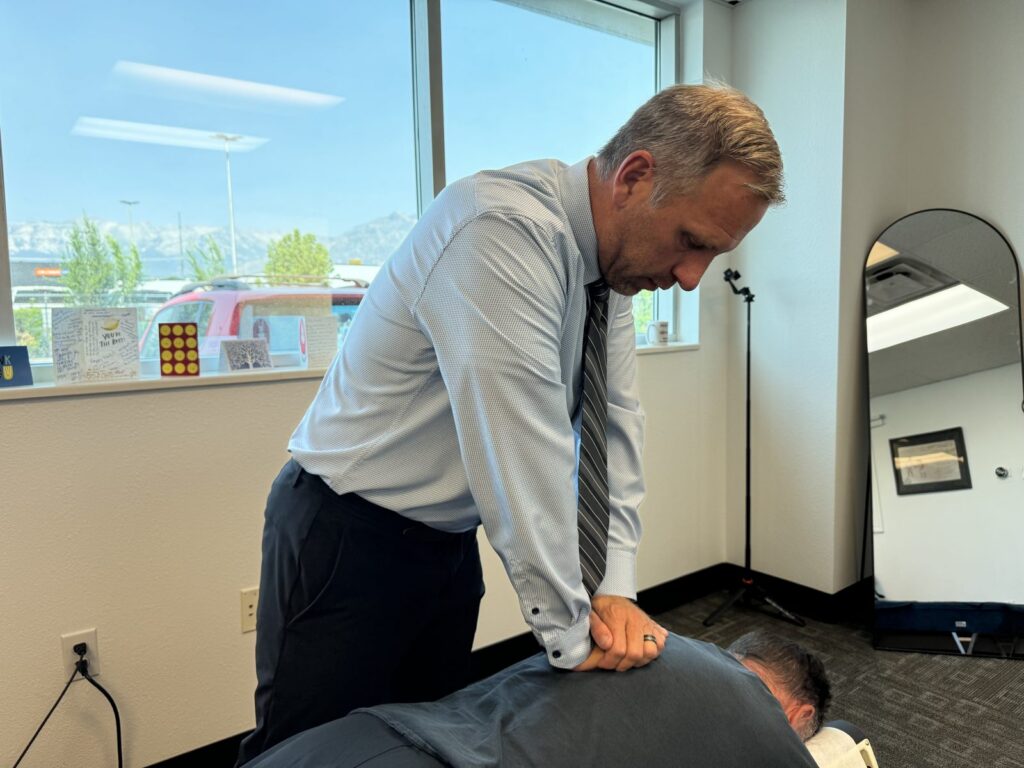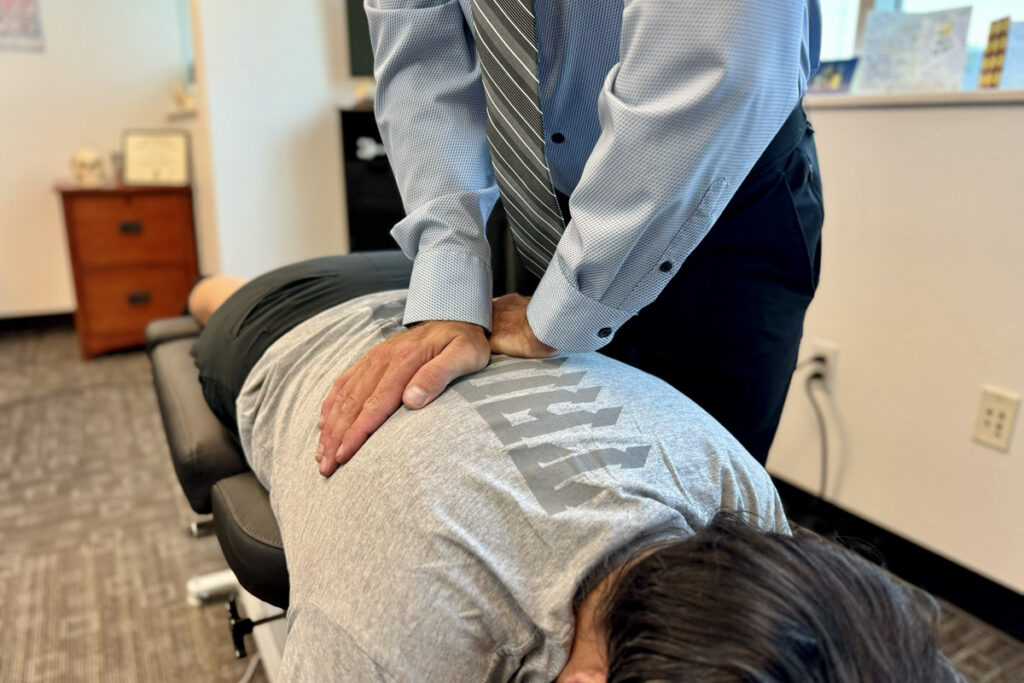
When it comes to enhancing neck mobility, trustworthy spinal adjustments are key to achieving optimal health. By ensuring proper alignment of the cervical spine, we can significantly reduce tension in the neck area, allowing for smoother and more comfortable everyday movements. It’s important to understand that misalignments in the spine can lead to discomfort and limit your ability to move freely. By focusing on spinal health, you can improve your neck function and overall well-being.
So, what happens during these adjustments? Simply put, chiropractic care involves gentle, precise movements to realign the vertebrae in your neck. This helps to alleviate pressure on nerves, reduce inflammation, and restore proper function, which in turn enhances your neck’s flexibility.
Here are a few tips to help support your neck health in between chiropractic visits:
- Practice Good Posture: Whether you’re sitting at a desk or using your phone, be mindful of your posture. Keep your head aligned over your shoulders to reduce strain on your neck.
- Stay Active: Incorporate gentle neck stretches and exercises into your routine. Simple movements like tilting your head from side to side can help maintain flexibility.
- Ergonomic Setup: If you spend long hours at a computer, ensure your workstation is ergonomically designed. Your screen should be at eye level, and your chair should support your lower back.
- Hydrate: Drinking plenty of water is crucial for maintaining healthy spinal discs, which can help alleviate discomfort.
- Consult Your Chiropractor: Regular check-ups with your chiropractor can help keep your spine aligned and prevent future issues.
By prioritizing chiropractic care, you’re choosing a natural and effective approach to pain relief and wellness. Trustworthy spinal adjustments can truly enhance your neck mobility, leading to a happier, healthier you!
Understanding Spinal Adjustments
When you think about spinal adjustments, it’s important to understand how they play a crucial role in your overall health and well-being. Spinal adjustments focus on aligning your spine, which has a direct effect on your nervous system. When your spine is out of alignment, it can put pressure on your nerves, leading to discomfort and a variety of health issues. By receiving regular spinal adjustments, you can help restore proper alignment and function, allowing your body to heal itself more effectively.
As a chiropractor, I use specific techniques to gently manipulate the spine, which can enhance mobility and reduce pain. Many of my patients report feeling more relaxed and flexible after an adjustment. This is because spinal adjustments can improve blood flow and nerve communication throughout your body.
It’s essential to have a personalized approach, so I take the time to assess your individual needs and tailor your care accordingly. Incorporating spinal adjustments into your wellness routine can empower you to make informed choices about your health.
Here are some general tips to consider for maintaining a healthy spine:
- Stay Active: Regular movement and exercise can help keep your spine flexible and strong. Simple activities like walking or stretching can make a big difference.
- Practice Good Posture: Be mindful of your posture throughout the day, whether you’re sitting at a desk or lifting objects. Proper alignment reduces pressure on your spine.
- Stay Hydrated: Drinking plenty of water supports the discs in your spine, helping them maintain their cushioning properties.
- Sleep Well: A good night’s sleep is vital for recovery. Make sure your mattress and pillows support a neutral spine position.
- Manage Stress: Stress can lead to muscle tension, which impacts your spine. Techniques like deep breathing, yoga, or meditation can help.
By focusing on these simple practices along with regular chiropractic care, you can take significant steps toward achieving and maintaining optimal health.
The Anatomy of the Neck
Understanding neck mobility begins with a look at the anatomy of the cervical spine. This vital structure, along with the surrounding muscles and ligaments, plays a crucial role in your neck’s movement and stability. By appreciating how these components work together, you can better support your head and enhance your mobility.
As a chiropractor, I want to emphasize the importance of maintaining a healthy spine for overall wellness. The cervical spine consists of seven vertebrae that allow for a wide range of motion, but they can also be vulnerable to strain or injury. Regular chiropractic adjustments can help align these vertebrae, reducing tension in the surrounding muscles and promoting natural healing.
In addition to chiropractic care, here are some practical tips to enhance your neck health:
- Practice Good Posture: Keeping your head aligned with your spine can prevent undue stress on your neck. Be mindful of your posture while sitting, especially if you’re working at a desk.
- Stretch Regularly: Gentle neck stretches can improve flexibility and reduce tightness. Try tilting your head side to side and rotating it gently to keep your neck muscles relaxed.
- Stay Active: Regular physical activity strengthens the muscles that support your neck. Incorporate exercises that promote overall body strength and flexibility.
- Use Proper Ergonomics: If you work on a computer, ensure your screen is at eye level and use a chair that supports your lower back. This can lessen strain on your neck.
- Stay Hydrated: Drinking enough water helps maintain the health of your spinal discs, which can help prevent discomfort.
By incorporating these habits into your daily routine, you can support your neck health and overall wellness.
Cervical Spine Structure
The cervical spine, made up of seven vertebrae labeled C1 to C7, is vital in supporting your head and allowing your neck to move freely. Each vertebra has a unique shape that not only gives you a wide range of motion but also helps keep your spine stable.
The very first vertebra, C1, also known as the atlas, plays a crucial role by supporting your skull and enabling you to nod your head. Right below it, C2, or the axis, is responsible for allowing your head to rotate.
In between these vertebrae are intervertebral discs, which act like shock absorbers. They provide flexibility and cushioning, making it easier for you to move your neck without discomfort. The natural curves of the cervical spine also contribute to its strength and balance, which are essential for your overall well-being.
Understanding the cervical spine is key to recognizing how spinal adjustments through chiropractic care can enhance your neck’s function and mobility. Regular chiropractic adjustments can help alleviate pain, improve your range of motion, and promote natural healing without the need for medications or surgeries.
Here are some helpful tips to maintain a healthy cervical spine:
- Practice Good Posture: Keep your head aligned with your spine, especially when sitting for long periods. Use ergonomic furniture if necessary.
- Stay Active: Engage in regular physical activity to strengthen the muscles around your neck and improve flexibility.
- Stretch Daily: Simple neck stretches can help alleviate tension and keep your cervical spine mobile.
- Stay Hydrated: Drinking plenty of water helps keep the discs in your spine well-hydrated and functioning optimally.
- Visit Your Chiropractor Regularly: Routine chiropractic care can help you maintain spinal health, relieve pain, and enhance overall wellness.
Muscles and Ligaments Role
Understanding the cervical spine is key, but it’s the muscles and ligaments surrounding it that truly keep your neck functioning at its best. These muscles, like the sternocleidomastoid and scalene, are essential for allowing you to rotate and tilt your head, which enhances your neck’s mobility. Strong and flexible muscles help you carry out everyday activities comfortably, so you can enjoy life without discomfort.
Ligaments play a vital role too. Structures like the anterior and posterior longitudinal ligaments connect the vertebrae and help maintain proper alignment. This is important because it prevents excessive movement that could potentially lead to injuries. The harmonious relationship between your muscles and ligaments ensures your neck remains stable while allowing for a full range of motion.
By focusing on chiropractic care, you’re not just addressing the spine itself; you’re also nurturing the important structures around it. Regular spinal adjustments can help support these muscles and ligaments, leading to better neck health overall.
Here are a few tips to keep your neck healthy:
- Practice Good Posture: Whether you’re at your desk or on your phone, maintaining good posture can reduce strain on your neck.
- Stay Active: Regular exercise, including neck stretches and strength-building activities, helps keep your muscles strong and flexible.
- Be Mindful of Your Sleeping Position: Use a supportive pillow that keeps your neck aligned with your spine while sleeping.
- Stay Hydrated: Drinking plenty of water helps keep your discs hydrated and functioning optimally.
How Spinal Alignment Affects Neck Mobility
When your spine is properly aligned, you may notice a remarkable improvement in neck mobility. A well-aligned spine creates a stable foundation, allowing your neck to move freely without restrictions. This alignment helps to reduce tension in the surrounding muscles and ligaments, making it easier for you to turn and tilt your head.
Chiropractic care plays a crucial role in achieving and maintaining this proper spinal alignment. Regular adjustments from a trusted chiropractor can enhance your nervous system function, ensuring that signals to and from your neck are transmitted effectively. This leads to smoother and more coordinated movements, which are essential for daily activities.
You’ll likely find that simple tasks, like looking over your shoulder or reaching for something, become much easier once your spine is aligned. By prioritizing chiropractic care, you can maintain optimal neck function and flexibility. This natural approach to health not only improves mobility but also contributes to your overall well-being.
Here are a few tips to help you support your spinal health at home:
- Practice Good Posture: Whether sitting at a desk or standing, keeping your spine straight and shoulders back can make a big difference.
- Stay Active: Regular exercise helps strengthen the muscles that support your spine, improving both alignment and mobility.
- Stretch Regularly: Gentle neck and shoulder stretches can help relieve tension and enhance your range of motion.
- Mind Your Sleep Position: Choose a supportive pillow and mattress to maintain proper alignment while you sleep.
Common Issues Related to Poor Spinal Alignment
When your spine is misaligned, it can lead to muscle tension and pain that may limit your ability to enjoy daily activities. This misalignment can also restrict your range of motion, making even simple movements feel difficult and uncomfortable. Additionally, it can cause nerve impingement, leading to tingling or discomfort that impacts your overall well-being.
The good news is that chiropractic care can help restore proper spinal alignment, alleviating tension and pain naturally. Through gentle adjustments, a chiropractor can help realign your spine, allowing your body to function optimally. Regular chiropractic visits not only provide immediate relief but also contribute to long-term wellness by maintaining proper alignment.
To support your spinal health at home, consider these simple tips:
- Maintain Good Posture: Be mindful of your posture when sitting, standing, or lifting. Keeping your spine aligned can prevent unnecessary strain.
- Stay Active: Engage in regular physical activity. Gentle exercises, like walking or stretching, can promote flexibility and strength in your spine.
- Create a Comfortable Workspace: If you work at a desk, ensure your chair and computer setup promotes good posture and reduces strain on your back.
- Listen to Your Body: If you feel discomfort, don’t ignore it. Early intervention through chiropractic care can prevent more significant issues down the road.
Muscle Tension and Pain
Muscle tension and pain can often stem from poor spinal alignment, which can seriously impact your comfort and mobility. When your spine is misaligned, it puts extra stress on the surrounding muscles, leading to tightness and discomfort. You might experience stiffness or aches in your neck, making daily activities feel more challenging.
This tension can also spread to your shoulders and upper back, creating a persistent cycle of pain that can be tough to break.
The good news is that regular chiropractic adjustments can help relieve this tension by restoring your spine to its proper alignment. When your spine is aligned correctly, your muscles can relax and function more effectively, allowing you to feel better overall.
By addressing these alignment issues, you can’t only alleviate pain but also enhance your overall well-being, enabling you to move freely and comfortably.
Here are a few simple tips you can incorporate into your daily routine to support spinal health and reduce muscle tension:
- Maintain Good Posture: Whether you’re sitting at a desk or standing, keep your back straight and shoulders relaxed to avoid unnecessary strain on your spine.
- Take Frequent Breaks: If you work at a desk, take short breaks every hour to stand up, stretch, and move around to keep your muscles relaxed and engaged.
- Stay Active: Regular physical activity strengthens your muscles and supports spinal health. Aim for a mix of cardio, strength training, and flexibility exercises.
- Practice Stress Reduction: Techniques such as deep breathing, yoga, or meditation can help reduce muscle tension and promote relaxation.
- Stay Hydrated: Drinking enough water is important for maintaining healthy muscles and joints. Aim for at least eight glasses a day.
By incorporating these practices and seeking regular chiropractic care, you can pave the way for a healthier, more comfortable life.
Reduced Range of Motion
Poor spinal alignment can significantly limit your range of motion, making everyday movements feel restrictive and uncomfortable.
When your spine isn’t aligned properly, it can hinder how easily you can turn your neck or tilt your head. This limitation not only affects your physical activities but also diminishes your overall quality of life.
Here are some common challenges you may encounter with reduced neck mobility:
- Difficulty looking over your shoulder while driving
- Trouble reaching for items on higher shelves
- Straining to turn your head during conversations
- Increased tension in your neck and shoulders
Chiropractic care is a fantastic approach to address spinal alignment issues and restore your mobility.
By receiving gentle and precise adjustments, you can enhance your movement, allowing you to enjoy life more freely and comfortably.
In addition to seeking chiropractic care, here are some general tips to help improve your neck mobility:
- Practice Good Posture: Keep your spine aligned when sitting or standing. Avoid slouching, and ensure your workstation is ergonomically friendly.
- Stretch Regularly: Incorporate gentle neck stretches into your daily routine. Simple movements like tilting your head side to side can help maintain flexibility.
- Stay Active: Engage in regular physical activity. Exercise promotes overall body function and can help keep your muscles and joints healthy.
- Be Mindful of Your Movements: When turning your head, do so slowly and deliberately to avoid straining your neck.
Don’t let poor alignment hold you back!
Chiropractic care can play a vital role in your journey to optimal health and wellness. Embrace a life of movement and comfort today!
Nerve Impingement Effects
Nerve impingement can happen when the spine is misaligned, putting pressure on nearby nerves and leading to a range of uncomfortable symptoms. You may notice pain, tingling, or numbness that travels into your arms, shoulders, or even down your back. These sensations can be distracting and make everyday tasks challenging.
Additionally, you might experience muscle weakness, which can limit your ability to lift objects or engage in physical activities you enjoy. Poor spinal alignment can also contribute to chronic headaches and neck stiffness, which can take a toll on your overall well-being.
The good news is that prioritizing safe and effective spinal adjustments through chiropractic care can relieve this pressure on your nerves, restoring proper function and enhancing your neck mobility. Regular chiropractic adjustments not only help alleviate current discomfort but also play a crucial role in preventing future nerve issues.
They promote a healthier, more active lifestyle by keeping your spine aligned and your nervous system functioning optimally.
Here are some simple tips to help support your spinal health at home:
- Maintain Good Posture: Be mindful of your posture when sitting, standing, or using your phone. Keep your shoulders back and your head aligned with your spine.
- Stay Active: Engage in regular physical activity to strengthen your muscles and support your spine. Low-impact exercises like walking, swimming, or yoga can be great options.
- Stretch Regularly: Incorporate gentle stretches into your daily routine to keep your muscles flexible and reduce tension.
- Use Proper Lifting Techniques: When lifting heavy objects, bend at your knees and keep the object close to your body to avoid straining your back.
- Stay Hydrated: Drinking plenty of water helps maintain the health of your spinal discs and overall bodily function.
Benefits of Professional Spinal Adjustments
As a local chiropractor, I understand that many people mightn’t fully appreciate the incredible benefits of spinal adjustments. However, these adjustments are a powerful tool that can enhance your overall well-being and naturally promote health without the need for medications or invasive procedures.
Regular professional spinal adjustments can help keep your spine in proper alignment, which is crucial for reducing discomfort and improving your mobility. Here are some of the key benefits you may experience from chiropractic care:
- Natural Pain Relief: Spinal adjustments are known for their ability to alleviate chronic pain in the neck, back, and joints. By addressing the root causes of pain, chiropractic care can significantly enhance your quality of life without the side effects associated with medications.
- Enhanced Mobility: By improving flexibility and range of motion, chiropractic adjustments allow you to move more freely. This can make daily activities much easier and more enjoyable, encouraging a more active lifestyle.
- Improved Posture: Regular adjustments help promote proper spinal alignment, leading to better posture. Good posture not only reduces strain on your muscles but also contributes to overall health and well-being.
- Stress Relief: Tension often builds up in the spine, leading to increased stress. Chiropractic adjustments help relieve this tension, promoting relaxation and reducing your overall stress levels.
Incorporating regular chiropractic care into your wellness routine can lead to a healthier, more vibrant life. Remember, taking care of your spine is an essential part of maintaining your overall health.
Here are some tips to help you support your spinal health at home:
- Stay Active: Engage in regular physical activity that you enjoy. It can be as simple as walking, stretching, or practicing yoga.
- Practice Good Posture: Be mindful of your posture while sitting or standing. Use ergonomic chairs and maintain a neutral spine alignment.
- Listen to Your Body: If you experience discomfort or pain, don’t ignore it. Consult with a chiropractor to address any issues before they escalate.
- Stay Hydrated: Drinking plenty of water supports spinal health by keeping the discs in your spine hydrated and functioning properly.
Investing in your spinal health through professional chiropractic adjustments is a natural and effective way to achieve optimal wellness. Your journey to a healthier, more active life starts here!
The Connection Between Spine Health and Circulation
Spine health is crucial for your overall circulation and can significantly affect how blood flows through your body. When your spine is in proper alignment, it alleviates pressure on nerves and blood vessels, enabling them to work efficiently. This good spinal alignment not only promotes better blood circulation but also ensures that oxygen and nutrients reach your organs and tissues effectively.
On the other hand, when your spine isn’t in alignment, it can lead to restricted blood flow, which may cause fatigue and discomfort. Misalignments can pinch nerves, impacting proper circulation and potentially leading to various health challenges. By prioritizing a healthy spine, you can support your circulatory system, which enhances your overall well-being.
One of the best ways to maintain spinal alignment is through regular chiropractic adjustments. These gentle, non-invasive treatments can improve your circulation and boost your energy levels.
In addition to chiropractic care, here are some simple tips to support your spine health and improve circulation:
- Stay Active: Incorporate regular physical activity into your routine. Simple exercises like walking, stretching, or yoga can keep your spine flexible and promote blood flow.
- Maintain Good Posture: Be mindful of your posture when sitting, standing, or lifting. Proper alignment can prevent strain on your back and improve circulation.
- Stay Hydrated: Drinking plenty of water is essential for overall health, including spinal health. Proper hydration helps keep your discs in the spine healthy and supports circulation.
- Practice Relaxation Techniques: Stress can lead to tension in your muscles, which may affect your spine. Techniques like deep breathing, meditation, or gentle stretching can help relax your body and improve circulation.
- Get Enough Sleep: Quality sleep allows your body to heal and maintain its systems, including circulation. Ensure you have a comfortable sleeping environment that supports your spine.
Taking care of your spine not only enhances your mobility but also plays a vital role in ensuring your body functions at its best. By choosing chiropractic care, you’re making a natural and effective choice for pain relief and overall wellness. Your spine will thank you!
Techniques Used in Spinal Adjustments
When it comes to spinal adjustments, chiropractic care offers a range of effective techniques designed to restore proper alignment and enhance your mobility naturally. Each method targets specific issues, making it essential to understand your options so you can choose the approach that best meets your needs.
Here are some common techniques you might encounter in chiropractic care:
- Diversified Technique: This hands-on method involves a quick, precise thrust to realign your vertebrae. It’s a popular choice for those seeking immediate relief from discomfort.
- Activator Method: Using a small, handheld device, this technique delivers a gentle impulse to specific areas of your spine. It’s great for those who prefer a more gentle approach to adjustments, promoting alignment without the need for forceful manipulation.
- Flexion-Distraction: This gentle technique involves stretching the spine while applying a rhythmic motion. It helps relieve pressure on the discs and nerves, improving movement and flexibility, which is especially beneficial for those with chronic back pain.
- Thompson Technique: This method utilizes a specialized table that drops sections during the adjustment, providing a more comfortable experience while enhancing the effectiveness of the treatment.
Chiropractic care is an excellent choice for natural pain relief and overall wellness. By addressing spinal misalignments, you can improve your body’s function and promote healing.
Here are some general tips to support your spinal health:
- Stay Active: Regular physical activity strengthens your back muscles and improves flexibility. Aim for a mix of aerobic and strength-training exercises.
- Maintain Good Posture: Whether sitting or standing, keeping your spine aligned can prevent strain. Remember to adjust your workstation to promote ergonomic practices.
- Stretch Regularly: Incorporate stretching into your daily routine to enhance flexibility and reduce tension in your muscles.
- Stay Hydrated: Proper hydration is crucial for maintaining the health of your spinal discs, which rely on water for cushioning.
- Prioritize Sleep: Ensure you have a supportive mattress and pillows to maintain spinal alignment during sleep.
Long-term Effects of Regular Spinal Care
Regular spinal care is more than just a way to relieve immediate discomfort; it’s a vital step towards achieving long-term health and enhancing your overall quality of life. By committing to regular chiropractic adjustments, you can enjoy improved posture and increased flexibility, which translates to better mobility in your neck and spine. This proactive approach helps keep your vertebrae aligned, significantly reducing the risk of chronic pain and injuries in the future.
Consistent spinal care also plays a key role in boosting your nervous system function, which enhances communication between your brain and body. As a result, many patients report higher energy levels and a general sense of wellness. In addition, regular visits to a chiropractor can help reduce stress and improve sleep quality, leading to a healthier lifestyle overall.
Here are some simple tips to maximize the benefits of your spinal care:
- Stay Active: Engage in regular physical activity that promotes flexibility and strength, such as yoga or swimming. This complements your chiropractic care by keeping your body agile.
- Practice Good Posture: Be mindful of your posture whether you’re sitting at a desk or standing. This helps maintain spinal alignment between your chiropractic visits.
- Hydrate: Drinking plenty of water supports overall health and helps keep your spinal discs hydrated.
- Limit Screen Time: Take regular breaks from screens to reduce strain on your neck and back.
- Listen to Your Body: Pay attention to how you feel after adjustments and throughout your daily activities. This awareness can help you identify any areas that may need more attention.
By prioritizing your spinal health through regular chiropractic care, you’re making a powerful investment in your future well-being. This commitment ensures you can stay active and enjoy the activities you love for many years to come.
Incorporating Spinal Adjustments Into Your Wellness Routine
Incorporating spinal adjustments into your wellness routine can truly transform how you feel and function each day. By prioritizing these adjustments, you’re not only enhancing your neck mobility but also nurturing your overall well-being.
Regular chiropractic care can lead to better posture, reduced discomfort, and a boost in your energy levels. Here are some easy and effective ways to weave spinal adjustments into your daily life:
- Schedule regular appointments with a trusted chiropractor to keep your spine in optimal health. Consistency is key to experiencing the full benefits of spinal care.
- Pair adjustments with gentle stretching exercises to increase your flexibility and mobility. Simple stretches can complement your chiropractic visits and help alleviate tension.
- Create an ergonomic workspace to support your spinal alignment throughout your day. This means adjusting your chair, desk, and computer screen to promote good posture while you work.
- Stay active with engaging activities like yoga, swimming, or walking. These exercises encourage healthy spinal movement and help build strength in the muscles that support your spine.
Conclusion
Incorporating trustworthy spinal adjustments into your wellness routine can significantly enhance your neck mobility. When your spine is properly aligned, it reduces tension and improves flexibility, enabling you to move your head more freely. Regular chiropractic care not only helps alleviate discomfort but also promotes overall spinal health, making your daily activities easier and more enjoyable.
To maintain a pain-free and active lifestyle, prioritizing your spine’s health is essential. Here are some simple tips to help you get started:
- Stay Consistent: Make spinal adjustments a regular part of your self-care routine. Consistency is key to achieving optimal health and mobility.
- Practice Good Posture: Be mindful of your posture throughout the day, whether you’re sitting at a desk or using your phone. Keeping your spine aligned can prevent unnecessary strain on your neck.
- Incorporate Stretching: Gentle neck stretches can improve flexibility and relieve tension. Try tilting your head from side to side and forward and backward to keep your neck muscles relaxed.
- Stay Active: Engage in low-impact exercises that promote overall spinal health, such as walking, swimming, or yoga. These activities can help maintain strength and flexibility in your neck and spine.
- Listen to Your Body: If you experience discomfort or stiffness, don’t ignore it. Schedule a visit with your chiropractor to address any issues early on.
By choosing chiropractic care as your go-to option for pain relief and wellness, you’re investing in a healthier, more active life. Remember, your spine is the foundation of your overall health, so take care of it!