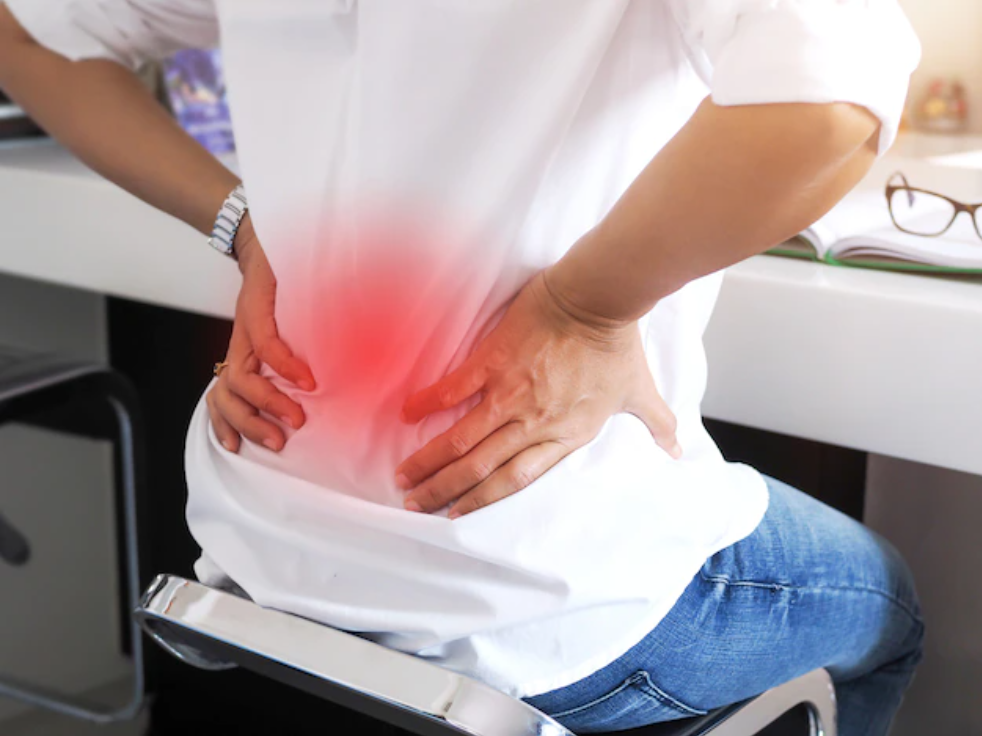
As a local chiropractor, I understand that facing a sports injury can be quite daunting. Many people believe that simply resting is sufficient for recovery, but there are specific steps that can significantly enhance the healing process. While prioritizing rest and staying hydrated are important, it's essential to consider additional strategies that can support your recovery. By following these five key steps, you can optimize your healing and get back to doing what you love more quickly. Interested in learning what these steps are and how they can make a positive impact on your recovery journey? Let's explore the natural healing methods we can incorporate together.
Prioritize Rest and Recovery
When it comes to recovering from a sports injury, prioritizing rest and recovery is essential for getting you back to your favorite activities. As a chiropractor, I want to emphasize that your body needs adequate time to heal properly. Ignoring pain and pushing through it can lead to even more significant issues down the line.
First and foremost, it's important to listen to your body. If you're experiencing pain or discomfort, it's a clear sign to take a step back. Remember, resting doesn't mean complete inactivity. Instead, you can engage in gentle movements that don't aggravate your injury. This approach helps maintain mobility while allowing your body to heal.
Establishing a solid recovery routine can make a significant difference. Prioritize getting 7-9 hours of quality sleep each night, as this is when your body does the majority of its healing. Staying hydrated is equally important, as proper hydration supports circulation and nutrient delivery to the injured areas. Make sure to drink plenty of water throughout the day.
Nutrition plays a crucial role in your recovery as well. A balanced diet rich in vitamins and minerals can aid the healing process. Focus on incorporating foods high in protein, omega-3 fatty acids, and antioxidants, as these can promote tissue repair and help reduce inflammation.
If you find that participating in your primary sport isn't possible right now, consider modifying your training regimen. Low-impact activities, such as swimming or cycling, can help you maintain your fitness without putting stress on your injury.
Always follow the advice of your healthcare provider regarding timelines and activity levels, and remember to be patient with yourself. Recovery often has its ups and downs, and it's perfectly normal to have better days and tougher days.
By prioritizing rest and recovery, you're setting yourself up for a more effective comeback while also minimizing the risk of re-injury. Trust me, taking the time you need now will spare you from longer downtime later.
If you have questions about how chiropractic care can support your recovery, I'm here to help guide you on your journey to optimal health.
Apply Ice and Compression
As a local chiropractor, I want to share some valuable insights on managing sports injuries through natural healing methods, particularly the application of ice and compression. If you've ever experienced a sprain, strain, or bruise, understanding how to properly care for these injuries can make a significant difference in your recovery.
The first step after an injury is to apply ice to the affected area as soon as possible. Ice is a powerful tool in reducing swelling, numbing pain, and preventing further tissue damage. I recommend wrapping ice in a cloth or using a commercial ice pack—it's crucial not to place ice directly on the skin, as this can lead to frostbite. For optimal results, aim to ice the injury for about 15 to 20 minutes every hour during the first 48 hours after the incident.
Alongside icing, compression is another key aspect of injury management. Using an elastic bandage or compression wrap can help gently compress the injured area. It's important that the wrap is snug but not too tight—you should still be able to feel your fingers and toes if they're close to the injury. This compression helps limit blood flow to the area, which in turn can reduce swelling and support the healing process.
Don't forget the importance of elevation as you apply ice and compression. Elevating the injured limb can significantly help minimize swelling by allowing fluids to drain away from the injury site. Make yourself comfortable by using pillows or cushions to keep the injured area above the level of your heart.
Engage in Active Rehabilitation
As a local chiropractor, I want to emphasize the importance of engaging in active rehabilitation to expedite your recovery from sports injuries. Many people may think that resting completely is the best approach, but gradually reintroducing movement and strengthening your body is crucial for effective healing.
This process not only maintains your mobility but also promotes healing by enhancing blood circulation and muscle engagement.
Start with low-impact activities that won't aggravate your injury. As you become more comfortable, we can incorporate specific exercises that target the affected areas. Here are some key strategies I recommend during your active rehabilitation:
- Follow a Professional Plan: It's vital to work with a qualified professional, like a chiropractor, who understands your injury. We can create a personalized rehabilitation program that caters to your unique needs.
- Listen to Your Body: Your body is your best guide. Pay attention to any signals of pain. If something feels off, it's important to modify the exercise or reach out to a professional for advice.
- Incorporate Stretching: Gentle stretching is beneficial for improving flexibility and reducing stiffness, which can significantly aid your recovery process.
- Use Resistance Training: As you progress, we can gradually introduce resistance training to help build strength in the injured area without pushing your limits too soon.
- Stay Consistent: Committing to your rehabilitation schedule is essential. Consistency is key to achieving better results and ensuring a quicker return to your favorite activities.
Maintain Proper Nutrition
As a local chiropractor dedicated to helping you achieve optimal health, I want to emphasize the importance of fueling your body with the right nutrients, especially when you're recovering from a sports injury. Your body requires additional vitamins, minerals, and macronutrients to heal effectively, and proper nutrition plays a vital role in this process.
When you're injured, protein becomes crucial for tissue repair. Incorporating lean sources of protein like chicken, fish, beans, and legumes into your meals can significantly aid in rebuilding damaged muscle and connective tissues. I encourage you to create colorful plates by adding a variety of fresh fruits and vegetables, as these are rich in antioxidants that help reduce inflammation and promote healing. Leafy greens, berries, and citrus fruits are particularly beneficial.
In addition to protein, healthy fats are essential for cellular repair and energy. Foods such as avocados, nuts, and olive oil can be excellent additions to your diet.
Don't overlook the importance of complex carbohydrates, like whole grains, sweet potatoes, and quinoa, which will provide you with the stamina needed for rehabilitation exercises.
Hydration is another critical aspect of your nutrition. Drinking plenty of water is vital for transporting nutrients to your cells and keeping your joints lubricated. I recommend aiming for at least eight glasses of water a day, and more if you're active.
Finally, consider the timing of your meals and snacks. Eating smaller, nutrient-dense meals throughout the day helps ensure that your body receives a steady supply of the nutrients it needs for recovery.
Seek Professional Guidance
While proper nutrition is crucial for your recovery, seeking guidance from a chiropractor can significantly enhance your healing process. Chiropractic care focuses on the body's natural ability to heal itself and is particularly effective for sports injuries. By working with a chiropractor, you can receive personalized treatment plans that cater to your specific needs, helping to speed up your recovery.
Consider scheduling an appointment with a local chiropractor who specializes in sports injuries. They'll conduct a thorough assessment of your injury, using hands-on techniques to relieve pain and restore function. Chiropractors can also guide you through rehabilitation exercises and monitor your progress, ensuring you recover safely and effectively.
Here are some benefits of incorporating chiropractic care into your recovery plan:
- Comprehensive Understanding of Your Injury: Chiropractors can accurately assess the root cause of your pain, leading to targeted and effective treatment.
- Customized Healing Plans: You'll receive tailored adjustments and rehabilitation strategies that fit your unique situation, promoting faster recovery.
- Injury Prevention Techniques: Chiropractors will educate you on proper movement patterns and exercises to prevent future injuries once you return to your sport.
- Support and Motivation: Regular visits provide a supportive environment, helping you stay motivated and accountable throughout your recovery journey.
- Access to Complementary Therapies: Chiropractors may offer additional therapies, such as massage or stretching techniques, which can further aid in your healing process.
Incorporating chiropractic care into your recovery plan can truly make a difference. Don't hesitate to reach out for support; your body will appreciate the care and attention it deserves!
Conclusion
As a local chiropractor, I want to emphasize that expediting your sports injury recovery is all about understanding the importance of rest, ice, and compression, along with engaging in active rehabilitation. Many individuals overlook the significance of a nutritious diet, but it plays a crucial role in supporting your healing journey. Additionally, it's essential to maintain communication with healthcare professionals, like myself, who can provide personalized guidance tailored to your specific needs. By following these five steps, not only will you recover more quickly, but you'll also establish a stronger foundation for your future athletic pursuits. Take control of your recovery process, and let's work together to get you back in the game!