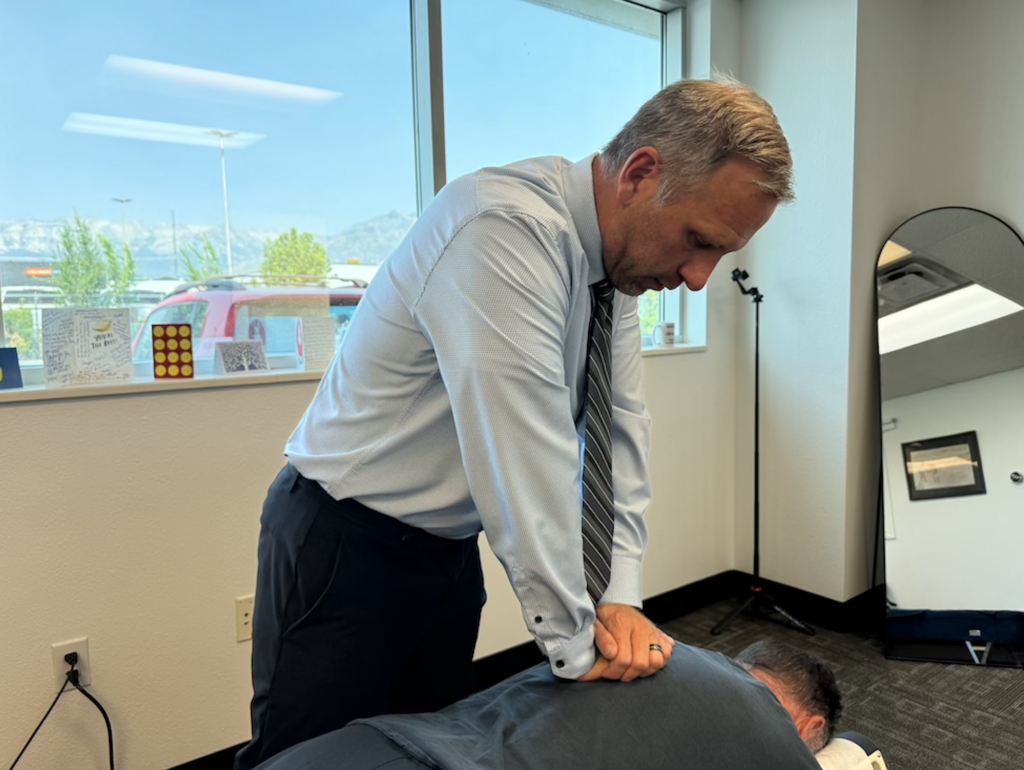
If you’ve ever battled with migraines, you understand just how debilitating they can be. Many individuals are discovering the benefits of chiropractic care for relief, and the results are often remarkable. By prioritizing spinal alignment and optimizing nervous system function, chiropractic adjustments can potentially help reduce both the frequency and intensity of your migraines.
So, how does this treatment work? When your spine is properly aligned, it allows for better communication between your brain and body, which can alleviate the stress and tension that often contribute to migraine attacks. During your first visit, your chiropractor will conduct a thorough assessment to understand your specific situation and develop a personalized care plan tailored to your needs.
While you’re on your journey to relief, there are some general tips you can incorporate into your daily routine:
- Stay Hydrated: Dehydration can trigger migraines, so be sure to drink plenty of water throughout the day.
- Maintain Good Posture: Whether sitting at a desk or standing, good posture can help reduce strain on your neck and spine.
- Manage Stress: Engage in relaxation techniques such as deep breathing, meditation, or yoga to help manage stress levels.
- Regular Exercise: Incorporating regular physical activity can improve circulation and reduce tension, which may help decrease migraine occurrences.
Chiropractic care stands out as a natural approach to achieving optimal health, focusing on your body’s innate ability to heal itself. If you’re looking for a drug-free solution to manage your migraines, consider reaching out to a local chiropractor and take the first step toward a healthier, pain-free life.
Understanding Migraines: Causes and Symptoms
Understanding Migraines: Causes and Symptoms
Migraines can hit unexpectedly, but grasping their causes and symptoms is key to managing them effectively. Many people experience throbbing pain on one side of the head, often accompanied by nausea, and sensitivity to light or sound. Triggers for migraines can differ widely among individuals, with common ones including stress, hormonal changes, certain foods, and lack of sleep.
It’s crucial to identify your specific triggers, as this knowledge can help you steer clear of situations that might provoke an attack. Prior to the onset of a migraine, some individuals may notice an aura, which can serve as a warning sign. This phase may include symptoms such as blurred vision or tingling in the hands.
By recognizing these early signs, you can take proactive measures in your daily life to help reduce the frequency and intensity of your migraines. Chiropractic care can play an essential role in managing migraines. Regular spinal adjustments can help improve your overall spinal health, which in turn may reduce the frequency of headaches.
Maintaining proper posture and practicing relaxation techniques can also contribute to alleviating stress and tension, common migraine triggers. Here are some simple tips you can incorporate into your routine to help manage migraines naturally:
- Stay Hydrated: Dehydration can trigger headaches, so make sure to drink plenty of water throughout the day.
- Maintain a Consistent Sleep Schedule: Prioritize getting enough quality sleep by going to bed and waking up at the same time each day.
- Manage Stress: Engage in relaxation techniques such as yoga, meditation, or deep breathing exercises to help keep stress levels in check.
- Keep a Food Diary: Track what you eat to identify any foods that may trigger your migraines, allowing you to avoid them.
- Regular Chiropractic Visits: Consider scheduling regular chiropractic appointments to help keep your spine aligned and reduce tension.
The Role of Chiropractic Care in Pain Management
Chiropractic care is a vital component of pain management, particularly for individuals experiencing migraines. When you come to see me as your chiropractor, my primary focus is on your spine and nervous system. Many times, misalignments in these areas can contribute to your pain. By addressing these misalignments through gentle adjustments, we aim to restore proper function and help alleviate your discomfort.
Regular chiropractic adjustments can lead to a noticeable reduction in the frequency and intensity of your migraines. In addition to spinal manipulation, I often provide lifestyle advice to help you pinpoint and manage triggers and stressors that could worsen your condition. This holistic approach not only targets your current pain but also empowers you with the knowledge to maintain your health.
Chiropractic care also promotes overall wellness by enhancing your body’s natural ability to heal itself. Simple changes like improving your posture and incorporating relaxation techniques can significantly reduce migraine symptoms. For instance, practicing deep breathing exercises or taking regular breaks to stretch during your day can make a big difference.
Choosing chiropractic care is a proactive step towards managing your pain naturally and effectively. It allows you to take charge of your health and well-being, giving you the tools to live a more comfortable and fulfilling life.
Embrace chiropractic care as your partner in achieving optimal health, and together we can work towards a pain-free future.
How Chiropractic Adjustments Work
Chiropractic adjustments are a vital component in helping restore balance to your body and alleviating migraine symptoms naturally. When you visit a chiropractor, they use gentle, controlled force on your joints, especially in your spine. This careful manipulation works to realign any misaligned vertebrae, which can enhance the function of your nervous system. A well-functioning nervous system means better communication between your brain and body, which can significantly reduce the tension in the muscles and nerves that often trigger migraines.
Not only do chiropractic adjustments help with alignment, but they also promote better blood flow to the brain and surrounding areas. This increased circulation can support healing and help alleviate pain. As your spine and cranial structures become aligned, many people notice a decrease in the frequency and intensity of their headaches. Moreover, these adjustments can relieve stress and tension in your muscles, which further contributes to migraine relief.
To enhance your overall well-being and support your body’s ability to manage migraine triggers, consider making regular visits to your chiropractor a part of your routine. This consistent care can help maintain your spinal health and promote natural healing.
Additionally, here are some general tips to support your health and potentially reduce migraine occurrences:
- Stay Hydrated: Drink plenty of water throughout the day to keep your body properly hydrated.
- Practice Good Posture: Pay attention to your posture, especially when sitting for long periods. Good posture can help prevent spinal misalignment.
- Manage Stress: Incorporate relaxation techniques such as deep breathing, meditation, or yoga into your daily routine.
- Maintain a Healthy Diet: Focus on eating a balanced diet rich in fruits, vegetables, whole grains, and lean proteins to support overall health.
- Get Regular Exercise: Engage in regular physical activity to help reduce tension and improve circulation.
Evidence Supporting Chiropractic Treatment for Migraines
As a dedicated chiropractor, I want to share some valuable insights on how chiropractic treatment can be a game-changer for those suffering from migraines. Numerous studies have shown that chiropractic care isn’t only effective but also a natural approach to finding relief. By focusing on spinal manipulation, we can help reduce both the frequency and intensity of migraine attacks, giving you back control over your life.
In one study, participants who received chiropractic adjustments reported a notable decrease in the number of headache days and the severity of their migraines compared to those who didn’t receive any treatment. This is encouraging news for anyone looking to alleviate their symptoms without resorting to medications or invasive procedures.
Furthermore, a comprehensive review of various clinical trials has demonstrated that chiropractic care not only helps alleviate migraines, but also promotes overall well-being. When we perform adjustments, we work on restoring your spinal alignment. This process can relieve tension in your body and enhance nerve function, which are critical components in managing migraines.
Chiropractic care offers a holistic approach to migraine management. By addressing the root causes of your headaches and focusing on musculoskeletal issues, we can provide a natural and effective strategy to minimize your symptoms. It’s about empowering you to take charge of your health and well-being.
Here are some general tips to support your health and wellness journey alongside chiropractic care:
- Stay Hydrated: Dehydration can trigger migraines, so make sure you’re drinking plenty of water throughout the day.
- Maintain Good Posture: Whether you’re sitting at a desk or using your phone, proper posture can alleviate unnecessary strain on your neck and spine.
- Practice Relaxation Techniques: Incorporating stress-reducing activities like yoga, deep breathing, or meditation can help manage tension that may lead to migraines.
- Regular Exercise: Engaging in regular physical activity can improve overall health and reduce the frequency of migraine episodes.
If you’re seeking a natural and effective way to manage your migraines, consider chiropractic care as a top choice. Together, we can work towards enhancing your quality of life and helping you reach your optimal health. Remember, taking care of your spine is taking care of your overall health!
Patient Testimonials: Success Stories
Many individuals have experienced life-altering transformations after receiving chiropractic care for migraines. These success stories showcase the incredible benefits of this natural treatment method, emphasizing its potential for pain relief and overall wellness:
- Reduced Frequency: Numerous patients have reported experiencing fewer migraine episodes after starting their chiropractic adjustments. This means less disruption to your daily life and more time to focus on what truly matters.
- Less Intensity: Many individuals share that their migraines are less severe following chiropractic care. This reduction in pain allows them to manage their daily activities with greater ease and comfort.
- Improved Quality of Life: With a decrease in migraine occurrences, people find themselves more engaged in work, family, and social interactions. This holistic approach to wellness not only alleviates pain but enhances overall life satisfaction.
- Faster Recovery: Some patients note that chiropractic care helps them bounce back more quickly from migraine episodes when they do arise. This means less downtime and more ability to enjoy life.
These testimonials illustrate just how transformative chiropractic care can be for those struggling with migraines. If you’re seeking a natural and effective way to alleviate your pain, consider exploring chiropractic care as a solution.
Here are some general tips to help you manage migraines more effectively:
- Stay Hydrated: Dehydration can trigger migraines, so ensure you’re drinking plenty of water throughout the day.
- Maintain a Regular Sleep Schedule: Aim for consistent sleep patterns, as irregular sleep can contribute to migraine onset.
- Monitor Triggers: Keep a journal to identify potential migraine triggers, such as certain foods, stress, or environmental factors.
- Practice Relaxation Techniques: Incorporate mindfulness, yoga, or meditation into your routine to help reduce stress levels, which can exacerbate migraines.
- Regular Chiropractic Visits: Routine adjustments can promote spinal health and overall wellness, potentially reducing the frequency and intensity of migraines.
If you’re ready to regain control over your life and explore a holistic approach to wellness, chiropractic care could be your key to a healthier, migraine-free future.
The Holistic Approach to Migraine Relief
When it comes to finding relief from migraines, embracing a holistic approach can truly transform your experience. As a local chiropractor, I want to share how chiropractic care can play a pivotal role in your journey to wellness.
By focusing on natural pain management techniques and the importance of spinal alignment, we can work together to create a personalized treatment plan tailored just for you. Chiropractic care addresses the root causes of your migraines, rather than just masking the symptoms.
Misalignments in the spine can lead to tension and stress that contribute to migraine attacks. Through gentle adjustments and spinal manipulations, we can restore alignment, improve nerve function, and promote better overall health.
Here are a few tips to help you manage migraines naturally:
- Stay Hydrated: Dehydration can trigger migraines, so make sure you’re drinking plenty of water throughout the day.
- Maintain Good Posture: Poor posture can strain your neck and back, leading to headaches. Be mindful of your posture, especially if you spend long hours at a desk.
- Practice Relaxation Techniques: Stress is a common migraine trigger. Incorporating practices like deep breathing, meditation, or yoga can help reduce stress levels.
- Get Regular Adjustments: Regular chiropractic visits can help maintain spinal alignment and prevent the recurrence of migraines.
- Identify Triggers: Keep a journal of your migraine occurrences to identify potential triggers, such as certain foods or environmental factors.
By integrating these strategies and prioritizing chiropractic care, you can pave the way for lasting relief from migraines and enjoy a healthier, more vibrant life.
Natural Pain Management Techniques
Natural pain management techniques provide a holistic approach to relieving migraines, harnessing the body’s natural ability to heal itself. As a local chiropractor, I believe that incorporating these strategies into your routine can empower you to manage pain effectively and complement the benefits of chiropractic care for optimal health.
- Herbal Remedies: Consider trying natural herbs like feverfew and butterbur, which some studies suggest may help reduce the frequency of migraines. Always consult with a healthcare professional before starting any new supplement.
- Mindfulness Meditation: Engaging in mindfulness practices can significantly lower stress levels, a common trigger for migraines. Take a few minutes each day to focus on your breath and clear your mind, which can create a sense of calm.
- Acupressure: Applying pressure to specific points on your body can help alleviate headache symptoms. Learning simple acupressure techniques can be a handy tool in your pain management arsenal.
- Essential Oils: Using calming essential oils like lavender and peppermint can provide soothing effects and ease pain. Consider diffusing these oils or applying them to your temples for relief.
By integrating these strategies into your life, you can enhance your overall well-being and support your journey toward effective migraine management.
Spinal Alignment Benefits
Spinal alignment is crucial for relieving migraines, as any misalignments can lead to tension and irritate nerves that trigger headaches. When your spine is in proper alignment, it enhances blood flow and reduces muscle tension, creating a better balance for your nervous system. This can significantly lower the frequency and intensity of your migraine episodes.
Regular chiropractic adjustments are an excellent way to restore proper alignment. By relieving pressure on nerves and muscles, chiropractic care can help ease discomfort and promote overall spinal health. As your spine improves, you may notice a positive shift in your overall well-being, leading to fewer migraine occurrences.
Embracing a holistic approach through chiropractic care not only addresses the underlying causes of your migraines but also encourages a healthier lifestyle. Here are a few tips to help you on your journey to better health:
- Stay Hydrated: Dehydration can worsen headaches. Aim for plenty of water throughout the day.
- Practice Good Posture: Be mindful of your posture, especially when sitting for long periods. Keep your back straight and your shoulders relaxed.
- Manage Stress: Incorporate stress-relief techniques such as deep breathing, meditation, or gentle yoga to help relax your body and mind.
- Regular Exercise: Engage in regular physical activity to keep your muscles strong and promote overall health. Even simple walks can make a difference.
- Sleep Well: Aim for a consistent sleep schedule and ensure you’re getting enough restorative sleep each night.
Personalized Treatment Plans
Personalized treatment plans are essential for effectively managing migraines, as they consider your individual health needs and lifestyle. By collaborating with a chiropractor, you can create a strategy that’s uniquely tailored to you. This holistic approach provides a comprehensive view of your health, leading to the best outcomes.
Here are some key elements of a personalized migraine management plan:
- Identify Triggers: Work with your chiropractor to pinpoint specific migraine triggers, such as stress, certain foods, or changes in sleep patterns. Knowing what sparks your migraines can help you avoid them.
- Lifestyle Adjustments: Incorporate simple lifestyle changes that can make a big difference. Regular exercise, a balanced diet, and adequate hydration are all crucial for reducing migraine frequency and intensity.
- Chiropractic Care: Utilize chiropractic adjustments to help alleviate tension in the neck and spine, which can contribute to migraines. Complementary therapies like massage or acupuncture may also enhance your treatment plan.
- Monitor and Adjust: Keep track of your progress and communicate openly with your chiropractor. This way, you can make necessary adjustments to your plan, ensuring it continues to meet your needs effectively.
With a personalized plan, you’re not just treating symptoms; you’re also focusing on long-term relief and overall wellness.
Embracing this chiropractic approach empowers you to take charge of your health and regain control over your life. Remember, by prioritizing natural healing and healthier living, you can transform your experience with migraines.
What to Expect During a Chiropractic Visit
When you arrive for your chiropractic visit, the first step is an initial consultation where we’ll discuss your symptoms and medical history in detail. This is an important opportunity for you to share your concerns and for us to understand your unique situation.
I’ll then explain the specific chiropractic techniques that will be tailored to your needs, aimed at supporting your body’s natural healing process.
Understanding this process can help you feel more at ease and informed about your care. Remember, chiropractic care is a holistic approach that focuses on restoring balance and function to your spine and nervous system, which can lead to improved overall health and wellness.
Here are a few tips to keep in mind before your visit:
- Stay Hydrated: Drinking plenty of water before and after your session can help with the healing process.
- Dress Comfortably: Wear loose-fitting clothing that allows for easy movement during your examination and treatment.
- Ask Questions: Don’t hesitate to ask about anything you don’t understand. We’re here to help you feel confident in your care.
Initial Consultation Process
Visiting a chiropractor for the first time can feel a bit intimidating, but understanding what to expect can make the experience much more comfortable and beneficial. During your initial consultation, you’ll go through a comprehensive assessment designed to identify the underlying causes of your discomfort, particularly if you suffer from migraines. Here’s what you can typically expect:
- In-depth Health History Discussion: We’ll discuss your overall health and focus on your migraine history. This allows us to understand any patterns or triggers you may have experienced.
- Physical Examination: You’ll undergo a thorough examination to evaluate your posture and spinal alignment. These factors play a significant role in overall health and can contribute to migraine issues.
- Targeted Tests: Depending on your situation, we may perform certain orthopedic or neurological tests to get a clearer picture of your condition. These tests help us identify any specific areas of concern.
- Review of Previous Treatments: We’ll discuss any treatments or medications you’ve tried in the past. This information is crucial for developing a plan that’s tailored specifically to your needs.
This extensive approach allows us to create a personalized treatment plan that addresses your unique situation. Once we complete the assessment, you’ll gain a clearer understanding of how chiropractic care can assist in relieving your migraines and enhancing your overall well-being.
General Tips for Migraines:
- Stay Hydrated: Proper hydration can help reduce the frequency of migraines.
- Maintain Good Posture: Be mindful of your posture throughout the day to alleviate tension in your neck and shoulders.
- Regular Sleep Schedule: Consistent sleep patterns can help prevent migraine triggers.
- Stress Management: Engage in relaxation techniques, such as deep breathing or meditation.
Chiropractic care is a natural, effective way to promote healing and well-being without the need for invasive procedures or medications. By focusing on your spine and nervous system, we aim to restore balance and function, leading to a healthier, pain-free life.
Treatment Techniques Explained
During your chiropractic visit, you’ll likely experience a range of treatment techniques designed to not only alleviate your migraines but also enhance your overall wellness. One of the key methods your chiropractor may use is spinal adjustments. These adjustments realign your vertebrae, relieving pressure on nerves that can trigger headaches and discomfort.
In addition to spinal adjustments, you might benefit from soft tissue therapy. This technique focuses on relaxing tight muscles, reducing tension, and promoting a sense of calm. Your chiropractor may also incorporate modalities like heat or cold therapy to help reduce inflammation and improve blood flow, which can be incredibly helpful for relieving headache symptoms.
To support your recovery, your chiropractor may recommend simple exercises that can strengthen your neck and improve your posture. Proper posture is essential for preventing tension and discomfort that can lead to migraines.
Throughout your session, expect a collaborative atmosphere where your chiropractor will actively communicate with you, asking about your symptoms and progress. This open dialogue enables them to tailor your treatment plan specifically to your needs, ensuring that you receive the best possible care.
Remember, chiropractic care is a natural and effective way to manage pain and promote wellness.
As a general tip, staying hydrated, maintaining good posture, and incorporating gentle stretches into your daily routine can all contribute to reducing the frequency and intensity of migraines. Embracing these practices, alongside your chiropractic care, can help you achieve long-term relief and a healthier lifestyle.
Complementary Treatments to Enhance Chiropractic Care
While chiropractic care is a fantastic option for migraine relief, enhancing your wellness journey with complementary treatments can further amplify your results. By integrating these approaches, you can better manage your migraines and improve your overall health.
Here are some valuable treatments to consider alongside chiropractic care:
- Acupuncture: This time-tested technique may help ease pain and reduce the occurrence of migraines, making it a great companion to your chiropractic sessions.
- Massage Therapy: Regular massages can help release muscle tension and alleviate stress, which are common triggers for migraines. This can complement the adjustments you receive in chiropractic care, leading to even greater relief.
- Yoga and Meditation: Engaging in yoga and meditation can promote relaxation and enhance mindfulness. These practices can be incredibly beneficial in managing migraine symptoms and supporting your overall wellness.
- Nutritional Counseling: Working with a nutrition expert can help you identify and avoid specific foods that may trigger your migraines. A tailored diet not only supports your chiropractic care but also fosters a healthier lifestyle.
By combining these complementary treatments with your chiropractic care, you’ll be taking significant steps toward achieving optimal health and wellness.
Always remember to listen to your body and communicate with your chiropractor about any additional therapies you’re considering. Together, you can create a personalized plan to help you feel your best!
Finding the Right Chiropractor for Migraine Relief
Finding the right chiropractor for migraine relief can be a transformative step toward achieving optimal health and wellness. Here’s how to make the best choice for your needs.
Begin by looking for local chiropractors who specialize in treating migraines. It’s essential to check their qualifications and experience, particularly those with a strong focus on headache management. Personal recommendations from friends, family, or healthcare providers can be incredibly helpful, as they can share their positive experiences.
Once you have a shortlist of potential chiropractors, schedule consultations. During these visits, observe how they communicate and respond to your concerns. It’s important to discuss their treatment approach and techniques specifically for migraines.
Look for a chiropractor who takes the time to understand your unique situation and tailors their methods accordingly. Online reviews and testimonials can also offer insights into patient satisfaction. Don’t hesitate to ask the chiropractor about their success rates in helping patients with migraines.
Ultimately, you want a practitioner who not only has the skills but also fosters a warm and welcoming office environment. Feeling comfortable in their space can enhance your healing journey.
In addition to finding the right chiropractor, there are general tips you can implement for migraine relief. Staying hydrated, maintaining a balanced diet, managing stress through relaxation techniques, and getting regular sleep can all contribute to reducing the frequency and intensity of migraines.
Lifestyle Changes to Support Migraine Management
To effectively manage your migraines, it’s important to consider key lifestyle changes that can significantly improve your well-being. As a chiropractor, I advocate for a holistic approach that emphasizes the power of natural healing. Here are some essential steps you can take to support your migraine relief journey:
1. Nutrition: Focus on a balanced diet rich in whole foods. Incorporate plenty of fruits, vegetables, whole grains, and lean proteins.
Avoid known migraine triggers like aged cheeses, processed meats, and excessive caffeine. A healthy diet can reduce inflammation and promote overall health, which is vital for managing migraines.
2. Hydration: Staying well-hydrated is crucial. Dehydration can lead to headaches and exacerbate migraine symptoms.
Aim to drink plenty of water throughout the day, and consider herbal teas or infused waters for variety.
3. Stress Management: Chronic stress can contribute to migraine frequency and intensity.
Incorporate stress-reducing practices into your daily routine, such as deep breathing exercises, yoga, or meditation. Chiropractic care can also help alleviate tension in the body, promoting relaxation and reducing stress.
4. Sleep Hygiene: Quality sleep is essential for overall health and migraine management.
Aim for a consistent sleep schedule, create a calming bedtime routine, and ensure your sleeping environment is comfortable and free from distractions. Chiropractic adjustments can also help improve sleep quality by addressing spinal misalignments that may interfere with restful sleep.
5. Chiropractic Care: Regular chiropractic adjustments can play a vital role in managing migraines.
Misalignments in the spine can lead to tension and nerve irritation, which may trigger headaches. By correcting these issues, chiropractic care not only helps relieve pain but also supports your body’s natural healing processes.
By incorporating these lifestyle changes and prioritizing chiropractic care, you can take meaningful steps toward managing your migraines and enhancing your overall health.
Nutrition and Hydration
Eating well and staying hydrated are crucial components of managing migraines, and they also support your overall health and wellness. As a chiropractor, I believe in a holistic approach to health, and focusing on nutrition and hydration can play a significant role in reducing the frequency and intensity of migraines.
Here are some simple tips to keep in mind:
- Stay Hydrated: Aim to drink at least eight glasses of water a day. Dehydration is a common trigger for migraines, so keeping your body well-hydrated is essential for both headache prevention and overall wellness.
- Limit Processed Foods: Processed foods often contain additives and preservatives that can worsen migraines. Instead, opt for fresh, whole foods that nourish your body and support your health.
- Incorporate Magnesium-Rich Foods: Foods high in magnesium, such as leafy greens, nuts, and whole grains, can help alleviate migraine symptoms. Magnesium supports muscle relaxation and nerve function, which is beneficial for overall spinal health.
- Monitor Caffeine Intake: While some individuals find that small amounts of caffeine can provide relief, too much may lead to rebound headaches. It’s essential to find the right balance that works for you.
By making these healthy dietary choices and staying hydrated, you can support your body’s natural healing processes and enhance your wellness journey.
Stress Management Techniques
Managing stress is crucial for those experiencing migraines, as stress can often trigger these intense headaches. One of the best ways to tackle stress is by incorporating chiropractic care into your wellness routine. Regular chiropractic adjustments can help align your spine, reduce muscle tension, and promote overall relaxation, which can lead to fewer headaches.
In addition to chiropractic care, consider adding relaxation techniques to your daily life. Deep breathing exercises and mindfulness meditation are simple practices that can help calm your mind and body. Progressive muscle relaxation can also be beneficial, easing tension throughout your body.
Don’t forget the importance of physical activity! Engaging in at least 30 minutes of moderate exercise most days can help relieve stress and enhance your mood. Whether it’s a brisk walk, yoga, or a fun dance class, moving your body can make a significant difference.
Setting aside time for hobbies and connecting with friends is another effective way to manage stress. These activities can provide you with a mental break and a fresh perspective. Remember to prioritize self-care—taking time for yourself is essential for your well-being.
Sleep Hygiene Practices
Good sleep hygiene is crucial for anyone looking to manage migraines and enhance overall well-being. As a local chiropractor, I believe that improving your sleep habits not only helps reduce the frequency and intensity of migraines but also supports your spinal health and natural healing processes.
Here are some simple practices to consider:
- Stick to a Sleep Schedule: Try to go to bed and wake up at the same time every day, even on weekends. This consistency helps regulate your body’s internal clock, which is vital for restorative sleep.
- Create a Relaxing Bedtime Routine: Before hitting the hay, engage in calming activities like gentle stretching, reading a book, or practicing meditation. This helps signal to your body that it’s time to wind down, making it easier to fall asleep.
- Limit Screen Time: Blue light from screens can interfere with your sleep. Aim to avoid electronic devices at least an hour before bedtime. Instead, consider using that time for relaxing activities that promote natural sleep.
- Optimize Your Sleep Environment: Your bedroom should be a sanctuary for rest. Keep it dark, cool, and quiet to create the perfect atmosphere for restful sleep. You might consider using blackout curtains or a white noise machine if needed.
Implementing these tips can significantly enhance your sleep quality and support your efforts in managing migraines.
Remember, chiropractic care plays a vital role in your overall health journey, helping to align your spine and improve your body’s function, which can contribute to better sleep and pain relief naturally.
Prioritize these practices, and you’ll be on your way to feeling your best!
Conclusion
If you’re dealing with migraines, chiropractic care could be the key to unlocking your relief. By focusing on spinal health and correcting misalignments, chiropractic adjustments can significantly reduce the frequency and intensity of those painful headaches. Many of my patients have found remarkable relief and an overall improvement in their quality of life through regular chiropractic visits.
Chiropractic care is a natural and holistic approach that emphasizes the body’s ability to heal itself. Unlike medications or surgeries, which may only mask the symptoms, chiropractic addresses the root cause of your discomfort. This means that with consistent care, you may not only experience fewer migraines but also enjoy better overall wellness.
To enhance the benefits of chiropractic care, consider incorporating some simple lifestyle changes. Staying hydrated, maintaining a balanced diet rich in fresh fruits and vegetables, and practicing good posture can all contribute to better spinal health and fewer migraine episodes. Additionally, techniques like regular exercise, stress management practices such as yoga or meditation, and ensuring you get enough sleep can also make a significant difference.
Your journey to a pain-free life could begin with a single visit to my office. Let’s work together to find the best chiropractic solutions tailored to your needs, and take the first step towards a healthier, more vibrant you! Remember, optimal health starts with a well-aligned spine.