If you’ve ever experienced stiffness in your body, you understand how it can disrupt your daily activities and overall quality of life. Recognizing the causes of stiffness is vital for finding effective relief. As a chiropractor, I want to share holistic approaches that focus on connecting your body, mind, and environment to help you regain flexibility and comfort.
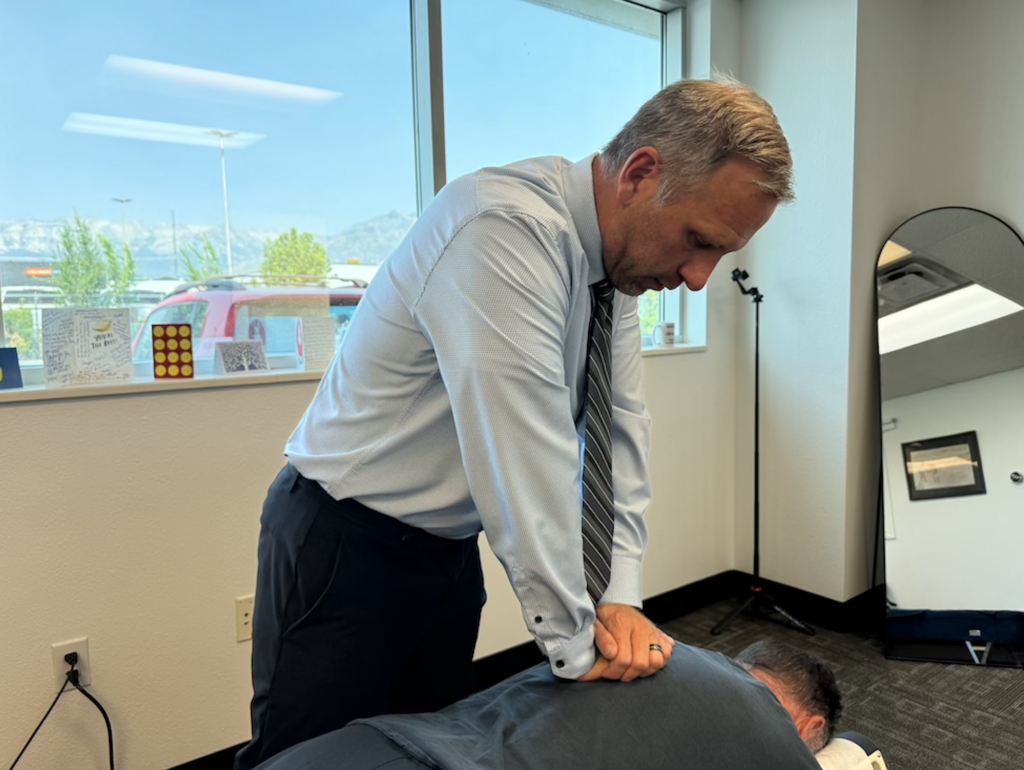
Chiropractic care is a powerful tool in addressing stiffness and promoting natural healing. By focusing on spinal alignment and mobility, we can help alleviate the tension that contributes to stiffness. Regular chiropractic adjustments not only enhance your flexibility but also support your nervous system, allowing your body to function at its best.
Additionally, integrating proper nutrition into your routine can further support your body’s healing process. Foods rich in anti-inflammatory properties, such as leafy greens, berries, and fatty fish, can help reduce stiffness and promote joint health. Staying hydrated is equally important, as it keeps your muscles and joints lubricated.
Movement is another key component in combating stiffness. Gentle stretching and low-impact exercises, like yoga or swimming, can improve your range of motion and reduce tension. Remember, even simple activities like walking can make a significant difference in your overall flexibility.
Mindfulness practices also play a crucial role in managing stiffness. Techniques such as deep breathing and meditation can help you relax and reduce stress, which in turn can alleviate tension in your muscles.
In conclusion, by prioritizing chiropractic care, maintaining a nourishing diet, engaging in regular movement, and practicing mindfulness, you can significantly reduce stiffness and enhance your overall well-being. Embrace these holistic strategies to live a healthier, more flexible life!
Understanding Stiffness: Causes and Effects
When you experience stiffness, it’s important to understand what might be causing it and how it can affect your life. Stiffness often arises due to factors like aging, injuries, or overusing muscles and joints. Conditions such as arthritis or fibromyalgia can also lead to stiffness. By recognizing these causes, you can better address the issue and find relief.
Stiffness can make daily activities more challenging, affecting your ability to move freely and comfortably. You may find that your flexibility decreases and discomfort increases, which can create a cycle of inactivity. This limited mobility doesn’t just impact your physical health; it can also take a toll on your mental well-being.
One of the best ways to combat stiffness is through chiropractic care. Chiropractors focus on the alignment of your spine and joints, promoting natural healing and improving overall function. Regular chiropractic adjustments can help relieve stiffness and restore your body’s mobility, allowing you to enjoy life more fully.
In addition to chiropractic care, there are simple steps you can take to alleviate stiffness in your daily routine. Gentle stretching exercises can help improve flexibility and reduce tension. Maintaining proper posture while sitting or standing is crucial for spinal health, and integrating more movement into your day—like short walks or light exercises—can keep your body active and engaged.
By understanding how stiffness affects you and embracing chiropractic care, you can empower yourself to make healthier choices for your body and mind. Taking these proactive steps not only aids in pain relief but also enhances your overall quality of life.
The Role of Nutrition in Reducing Stiffness
Nutrition plays a crucial role in reducing stiffness and promoting overall joint health, which is essential for maintaining mobility and comfort in your daily life. As a chiropractor, I believe that what you eat can significantly influence your body’s ability to heal naturally and function optimally.
Start by incorporating anti-inflammatory foods into your diet. Fatty fish, like salmon, are excellent choices because they’re rich in omega-3 fatty acids, which can help lower inflammation in your joints.
Don’t forget about leafy greens, berries, and nuts, as they’re packed with antioxidants that protect your joints from oxidative stress.
Staying hydrated is also important! Drinking enough water ensures that your joints remain lubricated, which is vital for smooth movement and overall bodily function.
Try to limit processed foods, sugars, and trans fats, as these can worsen inflammation and stiffness.
Adding natural spices like turmeric and ginger to your meals can be a great way to enhance your diet and support your joint health. These spices are known for their anti-inflammatory properties and can easily be included in your cooking.
Remember, focusing on a balanced, nutrient-rich diet alongside regular chiropractic care can greatly improve your comfort and mobility.
Small dietary changes can lead to significant benefits in how you feel each day. Embrace these tips, and consider chiropractic care as a key component of your path to natural wellness and pain relief.
Together, we can help your body function at its best!
Incorporating Gentle Movement and Stretching
A comprehensive approach to alleviating stiffness should include gentle movement and stretching as a vital part of your daily routine. These activities not only enhance your flexibility but also contribute significantly to your overall comfort and well-being.
By incorporating simple exercises into your lifestyle, you can experience noticeable benefits over time, particularly when complemented by chiropractic care, which is designed to support and optimize your body’s natural healing processes.
Here are some effective strategies to consider:
- Gentle yoga: Focus on poses that promote flexibility and relaxation. Yoga can help to align your spine and improve your posture, making it an excellent complement to chiropractic adjustments.
- Walking: A short stroll can do wonders for warming up your muscles and joints. Walking helps to maintain proper spinal alignment and encourages blood flow, which is essential for healing and recovery.
- Dynamic stretches: Incorporate movements like arm circles or leg swings into your routine. These stretches can enhance your range of motion, making it easier for your body to function optimally and reducing the risk of injury.
Remember, the goal of these activities is to work in harmony with chiropractic care, which addresses the root causes of discomfort and promotes natural healing.
Mind-Body Techniques for Pain Relief
While you may typically think of physical therapies to relieve stiffness, incorporating mind-body techniques can significantly enhance your journey to pain relief and overall wellness. As a chiropractor, I believe that connecting the mind and body is essential for achieving optimal health.
Practices like mindfulness meditation can help you tune into your body and identify areas of tension. By concentrating on your breath, you can promote relaxation and reduce stress, which often worsens pain. This simple practice can complement your chiropractic care and help you feel more in control of your pain.
Yoga is another fantastic tool for improving flexibility and reducing discomfort. Gentle movements combined with breath awareness can create a sense of calm. I recommend trying restorative yoga poses that focus on gentle stretching and relaxation to help ease stiffness and enhance circulation—both of which are key to your healing journey.
Additionally, guided imagery can be a powerful technique to incorporate into your routine. By visualizing a peaceful scene or imagining soothing warmth flowing through stiff areas, you can shift your focus away from discomfort and promote a more positive mindset.
Remember, the goal is to support your body’s natural healing abilities. Alongside regular chiropractic adjustments, these mind-body techniques can play a vital role in your recovery.
Focus on nurturing your body and mind together for the best results on your path to health and wellness.
Natural Remedies and Supplements
When it comes to easing stiffness, chiropractic care is one of the best approaches to achieving optimal health and wellness. In addition to spinal adjustments and therapies, natural remedies and supplements can play a supportive role in your journey to relief.
While I emphasize the importance of chiropractic care, you may find that incorporating herbal remedies, essential oils, and nutritional supplements can enhance your overall well-being.
For instance, certain herbal remedies like turmeric and ginger have anti-inflammatory properties that can complement your chiropractic treatments. Essential oils such as peppermint or eucalyptus can also provide soothing relief when used in conjunction with spinal adjustments. Additionally, nutritional supplements, including omega-3 fatty acids and vitamins, may help support your body’s healing processes.
Remember, maintaining good spinal health through regular chiropractic visits is key to preventing stiffness and discomfort. Here are a few tips to consider:
- Stay Active: Incorporate gentle exercises and stretches into your daily routine to keep your joints and muscles flexible.
- Practice Good Posture: Whether sitting at a desk or standing, maintaining proper alignment can help reduce stiffness.
- Stay Hydrated: Drinking plenty of water supports overall health, including joint lubrication.
- Listen to Your Body: If you feel stiffness or discomfort, make sure to consult your chiropractor for the best course of action.
By focusing on chiropractic care and these natural remedies, you can take proactive steps towards a healthier, pain-free life.
Herbal Remedies for Stiffness
If you’re looking for natural ways to alleviate stiffness and enhance your overall wellness, chiropractic care may be your best option. As a chiropractor, I focus on helping you achieve optimal health through natural healing methods.
While herbal remedies can provide some relief, chiropractic adjustments target the root of the problem, promoting better spinal alignment and improved mobility.
Here are three popular herbs often discussed for their benefits, but remember, chiropractic care is your best choice for long-term relief:
- Turmeric: Known for its anti-inflammatory properties, turmeric can support your body’s healing process. However, it works best when combined with regular chiropractic adjustments that help maintain proper spinal alignment.
- Ginger: This herb acts as a natural anti-inflammatory, which can be beneficial for sore muscles and joints. Still, the most effective way to manage stiffness and pain is through chiropractic treatments that address underlying issues.
- Boswellia: Often recognized for its potential to reduce inflammation, Boswellia can complement your wellness routine. When paired with chiropractic care, it can help enhance joint function and decrease stiffness over time.
Incorporating these herbs into your diet—whether in teas or meals—can support your health, but don’t forget the importance of chiropractic care for achieving lasting relief.
Remember to maintain a healthy lifestyle with regular physical activity and proper hydration. Consult with a chiropractor to develop a personalized plan that promotes your overall wellness and addresses any stiffness you may be experiencing.
Your journey to optimal health starts with the right approach!
Essential Oils Benefits
Essential oils can be a wonderful addition to your wellness journey, helping to alleviate stiffness and promote overall health. These concentrated plant extracts carry therapeutic properties that may help reduce inflammation and improve circulation—key factors in maintaining a healthy spine and body.
For instance, peppermint oil can invigorate your senses and soothe muscle tension, making it a fantastic choice for those experiencing discomfort. Lavender oil is known for its calming effects, which can help you relax and ease discomfort after a long day.
Using essential oils can be as simple as adding a few drops to a diffuser to enjoy their soothing aromas or applying them topically to targeted areas, always diluted with a carrier oil.
Eucalyptus oil is another excellent option, known for its analgesic qualities that may help relieve aches. It can be particularly beneficial after chiropractic adjustments, as it can enhance your recovery and comfort.
Incorporating these oils into your daily routine can complement your chiropractic care, creating a holistic approach to managing stiffness and promoting natural healing.
Remember, while essential oils can offer support, regular chiropractic adjustments are key to achieving optimal health and wellness. They help align your spine, improve mobility, and enhance your body’s ability to heal itself.
Here are a few tips for using essential oils effectively:
- Dilute Properly: Always mix essential oils with a carrier oil before applying them directly to your skin.
- Create a Routine: Incorporate essential oils into your daily self-care routine, whether through diffusion or topical application.
- Stay Consistent: Like chiropractic care, consistency is key. Make essential oils a regular part of your wellness regimen for the best results.
Nutritional Supplements Overview
Nutritional supplements can be a helpful addition to your journey towards better health, especially when dealing with stiffness and joint discomfort.
However, it’s important to remember that the best way to achieve optimal health and alleviate pain is through chiropractic care. Chiropractic adjustments not only enhance mobility but also promote natural healing in the body.
That said, here are three supplements you might consider to support your overall wellness alongside chiropractic treatment:
- Glucosamine and Chondroitin: These natural compounds may support cartilage health and help reduce joint pain. While they can be beneficial, they work best in conjunction with chiropractic adjustments that align your spine and joints.
- Omega-3 Fatty Acids: Found in fish oil, these essential fats are known for their anti-inflammatory properties. They can help ease stiffness in your joints, especially when combined with the right exercises and spinal care to keep your body functioning optimally.
- Turmeric (Curcumin): This powerful spice is renowned for its anti-inflammatory benefits. Incorporating turmeric into your diet can help manage pain and improve flexibility, particularly when paired with regular chiropractic visits that address underlying issues.
Before adding any supplement to your routine, it’s always a good idea to have a chat with your chiropractor. They can provide personalized advice on how to incorporate these options into your wellness plan effectively.
Creating a Supportive Environment for Healing
Creating a supportive environment for healing begins with your surroundings, and as a chiropractor, I want to emphasize how important this is for your overall wellness.
Start by ensuring your room temperature is set comfortably—this simple adjustment can help your muscles relax and reduce tension in your body.
Also, consider your furniture. Ergonomic options are designed to support your body properly, which can significantly reduce stiffness and discomfort. This is particularly crucial if you spend long hours sitting at a desk.
By creating a space that promotes good posture and comfort, you set the stage for your body to heal naturally.
Remember, your body thrives in a nurturing environment. These small changes not only improve how you feel physically but also support your journey toward optimal health.
Incorporating chiropractic care into your routine can enhance these efforts, providing you with pain relief and promoting natural healing.
Prioritize your well-being by making your surroundings a sanctuary for healing!
Optimal Room Temperature
While you mightn’t realize it, the temperature of your room can have a significant impact on your overall comfort and healing journey. A well-regulated environment can help ease stiffness and promote relaxation, which is essential for maintaining a healthy spine. Aim for a temperature that feels comfortable for you, typically between 68°F and 72°F (20°C to 22°C).
Here are some helpful tips for optimizing your room temperature and enhancing your natural healing process:
- Use blankets or throws: These can provide warmth and comfort without the risk of overheating, allowing your body to relax and heal.
- Adjust ventilation: Ensure proper airflow in your space to prevent stuffiness. Fresh air can enhance your overall well-being and create a more pleasant atmosphere.
- Incorporate heating pads: If you’re experiencing stiffness, applying a heating pad to targeted areas can provide quick relief and support your body’s healing capabilities.
Ergonomic Furniture Choices
When you choose ergonomic furniture, you’re not just enhancing the appearance of your workspace; you’re making a vital investment in your health and comfort. Ergonomic chairs and desks are designed to support your posture, which can significantly reduce strain on your back and neck. This proper alignment can help alleviate stiffness and discomfort, especially during those long hours of sitting or working.
To further support your spine and overall well-being, it’s essential to consider adjustable options that allow you to customize your setup. For instance, standing desks can encourage movement throughout the day, which is beneficial for your body. Incorporating footrests can also enhance circulation and reduce fatigue.
Don’t overlook the power of simple accessories like lumbar pillows or keyboard trays. These tools can improve your workspace ergonomics and support spinal health. By creating a supportive environment, you help empower your body to heal naturally and function better.
Remember, prioritizing ergonomic choices isn’t just about comfort; it can have a significant impact on your daily well-being. As a chiropractor, I encourage everyone to be mindful of their posture and workspace setup. Small changes can lead to improved health outcomes and reduced discomfort.
If you’re experiencing pain or stiffness, consider seeking chiropractic care, which focuses on natural healing and the overall wellness of your spine. Taking care of your body is the best way to promote lasting health and vitality.
Conclusion
Incorporating holistic approaches to alleviating stiffness can significantly enhance your overall well-being, and as your local chiropractor, I want to emphasize the importance of these strategies. By focusing on nutrition, gentle movement, and mindfulness, you can effectively reduce discomfort and promote healing.
First, consider your diet. Eating anti-inflammatory foods such as fruits, vegetables, nuts, and whole grains can nourish your body and support joint health. Staying hydrated is also crucial, as water helps maintain flexibility in your muscles and joints.
Gentle movement is essential for keeping your body agile. Incorporating activities like stretching, yoga, or walking can help improve your flexibility and reduce stiffness. These exercises promote blood flow to your muscles and joints, enhancing your overall mobility.
Mindfulness practices, such as meditation or deep breathing, can also play a role in managing discomfort. By reducing stress, you allow your body to relax and recover more effectively.
Creating a supportive environment is key to your healing journey. Ensure your workspace is ergonomically designed to support your spine and posture. Simple adjustments, like using a chair with proper lumbar support, can make a significant difference in how your body feels throughout the day.
Additionally, integrating regular chiropractic care can further optimize your spinal health. Chiropractic adjustments help align your spine, reduce tension, and improve your body’s overall function. With ongoing care, you can experience enhanced flexibility and a greater quality of life.
Embrace these strategies to make each day more comfortable and enjoyable. Your body and mind will thank you for the attention and care you provide. Remember, chiropractic care is your best choice for natural pain relief and wellness!