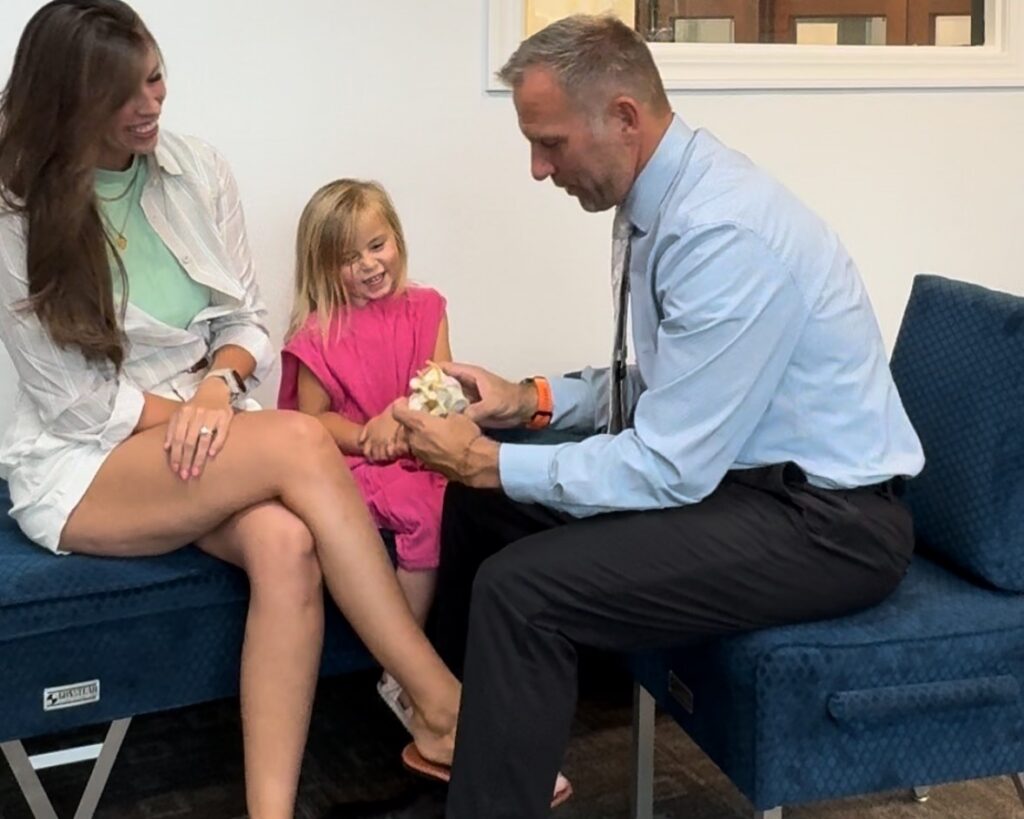

Every year as school starts, parents carefully shop for backpacks, fill them with supplies, and send their children off to learn and grow. But have you ever stopped to think about how those backpacks might be affecting your child’s growing spine? As a chiropractor here in American Fork, I see children throughout Utah County dealing with neck pain, shoulder discomfort, and postural issues that often trace back to improper backpack use. The good news is that with a few simple adjustments, you can help protect your child’s developing musculoskeletal system while they carry the tools they need for success in school.
What is proper backpack use? Proper backpack use means selecting an appropriately sized bag, loading it correctly, adjusting straps for even weight distribution across both shoulders, and keeping the total weight at or below 10-15% of your child’s body weight to minimize strain on the developing spine and surrounding muscles.
Table of Contents
- Why Backpack Safety Matters for Growing Spines
- Warning Signs Your Child’s Backpack Is Too Heavy
- Choosing the Right Backpack for Your Child
- How to Properly Load and Adjust a Backpack
- The Chiropractic Perspective on Backpack-Related Issues
- Practical Daily Tips for Backpack Health
- When to Seek Professional Care
- Myths vs. Facts About Backpacks and Spinal Health
Why Backpack Safety Matters for Growing Spines
Children’s bodies are constantly developing. Between ages five and eighteen, bones are growing, muscles are strengthening, and the natural curves of the spine are establishing themselves. During this critical period, repetitive stress from an improperly worn or overloaded backpack can influence how these structures develop.
The spine has three natural curves: cervical (neck), thoracic (mid-back), and lumbar (low back). These curves work together to distribute mechanical stress efficiently and absorb shock during movement. When a child carries excessive weight on their back, especially when positioned incorrectly, these natural curves can be pulled out of alignment. Over time, this may contribute to muscle imbalances, postural compensations, and discomfort.
Research published in Spine has examined the relationship between backpack weight and musculoskeletal pain in schoolchildren. While findings vary, evidence suggests that heavier loads and improper carrying techniques are associated with increased reports of back pain among students. The American Chiropractic Association recommends that backpacks should not exceed 10-15% of a child’s body weight to minimize strain.
Here in American Fork and surrounding communities like Highland, Lehi, and Pleasant Grove, we see students carrying increasingly heavy loads as academic demands grow. Textbooks, laptops, sports equipment, and lunch boxes can quickly add up. Understanding the biomechanics involved helps us make better choices for our children’s long-term spinal health.
Warning Signs Your Child’s Backpack Is Too Heavy
Children don’t always communicate discomfort clearly, especially when they think it’s “normal” to feel sore after school. As parents, watching for warning signs can help you intervene before temporary discomfort becomes a chronic issue.
One of the most common signs is visible postural changes. If your child leans forward significantly when wearing their backpack, this indicates the load is pulling them off balance. You might also notice them tilting to one side, especially if they frequently carry their bag over just one shoulder. Red marks, indentations, or numbness in the shoulders from strap pressure are clear physical indicators that the backpack is too heavy or poorly adjusted.
Behavioral changes matter too. If your child complains about putting on their backpack, struggles to stand upright while wearing it, or immediately removes it and rubs their shoulders or neck, these are meaningful signals. Some children report tingling in their arms or hands, which can indicate nerve compression from strap pressure or postural compensation.
Persistent complaints of neck, shoulder, or back pain—especially if they improve on weekends and return during the school week—strongly suggest a backpack-related issue. Headaches that develop toward the end of the school day may also stem from neck and upper back tension caused by carrying excessive weight.
At Life Aligned Chiropractic, we encourage parents throughout American Fork to take these signs seriously. Early intervention with simple backpack modifications often prevents the need for more intensive care down the road.
Choosing the Right Backpack for Your Child
Not all backpacks are created equal. The design and features of the backpack itself can significantly impact how weight is distributed and how well your child’s body handles the load.
Size matters tremendously. The backpack should not extend below the waistline or above the shoulders when worn properly. A bag that’s too large tempts children (and parents) to fill it, increasing the total weight carried. The width should match your child’s torso—oversized bags shift and sway during movement, creating additional strain.
Look for wide, padded shoulder straps at least two inches across. Thin straps concentrate pressure into smaller areas, increasing discomfort and the risk of nerve compression. Padded straps distribute weight more evenly across the shoulders and are more comfortable for extended wear.
A padded back panel provides cushioning and helps the backpack conform to your child’s natural spinal curves rather than creating pressure points. This feature becomes especially important when carrying items with hard edges like books or binders.
Multiple compartments help organize contents and allow heavier items to be positioned correctly (more on this shortly). A waist strap, often overlooked, is valuable for older students carrying heavier loads. When fastened properly, it transfers some weight from the shoulders to the hips and pelvis, reducing upper body strain.
Chest straps help keep shoulder straps in place and prevent them from sliding outward, which can pull the shoulders into unhealthy positions. Lightweight materials matter as well—the backpack itself shouldn’t add unnecessary weight before you even start loading supplies.
Here in Utah County, many retailers stock school supplies in late summer. Take your child with you when shopping. Have them try on backpacks with weight inside to see how they fit and feel. The best backpack is one that fits your child’s current size, not one they’ll “grow into” over the next two years.
How to Properly Load and Adjust a Backpack
Even the best backpack becomes problematic if loaded or adjusted incorrectly. Teaching your child proper packing techniques is just as important as choosing the right bag.
Start with weight distribution. The heaviest items—thick textbooks, laptops, large binders—should sit closest to the child’s back in the compartment nearest their spine. This positioning keeps the center of gravity close to the body’s natural center, reducing the forward pull that causes compensatory leaning. Lighter items like lunch boxes, pencil cases, and notebooks should go in front compartments or outer pockets.
Avoid overloading one side of the backpack. Uneven weight distribution forces the body to compensate by leaning or twisting, which strains muscles and joints asymmetrically. If your child needs to carry something bulky on one side, balance it with weight on the opposite side.
Both shoulder straps should always be worn. I cannot stress this enough. Carrying a backpack over one shoulder, as many teenagers prefer for social reasons, creates significant asymmetrical loading. The shoulder bearing the weight elevates, the spine curves sideways, and muscles on one side work much harder than the other. Over time, this can contribute to muscle imbalances and postural adaptations.
Strap adjustment is critical. Shoulder straps should be tightened so the backpack sits snugly against the mid-to-upper back, about two inches below the shoulder blades. The bottom of the pack should rest at the waistline or just above the hips—not sagging down toward the buttocks. Straps that are too loose allow the bag to bounce and sway, increasing impact forces with each step. Straps that are too tight can restrict breathing and pull the shoulders backward excessively.
If the backpack has a waist strap, fasten it around the hip bones and tighten it comfortably. This simple step can reduce shoulder load by up to 25-30% according to some biomechanical studies. Chest straps should sit comfortably across the upper chest without restricting breathing.
Teach your child to bend at the knees when picking up their backpack, using their legs rather than bending forward from the waist. Encourage them to set their backpack down gently rather than dropping it, which protects both the contents and their body when they’re wearing it.
The Chiropractic Perspective on Backpack-Related Issues
As a chiropractor serving families in American Fork, I see firsthand how backpack-related stress affects children’s developing musculoskeletal systems. Chiropractic care offers a conservative, non-invasive approach to addressing the postural and biomechanical challenges that can arise from daily backpack use.
The relationship between backpack weight and spinal alignment is straightforward from a biomechanical perspective. When excessive weight pulls the body forward, the natural lordotic curve of the lower back often flattens or reverses. The head moves forward to counterbalance, increasing strain on neck muscles and cervical spine structures. Shoulders round forward, and the thoracic spine may develop excessive kyphosis (rounding).
These postural compensations don’t just affect appearance. They change how forces are distributed through joints, how muscles engage during movement, and how efficiently the nervous system coordinates body function. Chiropractic adjustments help restore proper spinal alignment and joint mobility, supporting the body’s natural ability to maintain healthy posture.
At Life Aligned Chiropractic, when we evaluate a child with potential backpack-related concerns, we assess their overall posture, spinal alignment, muscle balance, and movement patterns. We look at how they stand, how they move, and how their spine responds to gentle motion palpation. Based on our findings, we create an individualized care plan that may include gentle spinal adjustments appropriate for children, postural education, strengthening exercises, and practical recommendations for backpack use.
Chiropractic care for children is gentle and specifically adapted to their developing bodies. Techniques used for adults are modified significantly. The goal is to support proper development and function, not force the body into positions it’s not ready to hold.
We also educate families about prevention. Many backpack-related issues are completely avoidable with proper equipment choices, loading techniques, and awareness. When problems do develop, early intervention often achieves the best results with the least intensive care.

Practical Daily Tips for Backpack Health
Beyond choosing the right backpack and loading it properly, daily habits make a significant difference in protecting your child’s spinal health. These practical strategies are easy to implement and can be started immediately.
Regular backpack cleanouts: Schedule weekly backpack checks, perhaps every Sunday evening before the new school week begins. Remove unnecessary items, old papers, forgotten lunches, and anything else that adds weight without purpose. Many children accumulate items throughout the week that they no longer need but continue carrying.
Utilize school resources: If your child’s school provides lockers, teach them to use them strategically. They should only carry books and materials needed for morning classes, then swap them at lunchtime for afternoon needs. If lockers aren’t available, encourage your child to ask teachers if they can leave certain textbooks in classrooms when they’re only used during specific periods.
Digital alternatives when appropriate: Many textbooks now have digital versions. If your child has access to a tablet or laptop, digital textbooks can significantly reduce weight. However, remember that electronic devices themselves have weight, and ergonomic screen time considerations apply.
Strengthen the core and back: A stronger body handles physical stress more effectively. Encourage age-appropriate activities that build core strength, back muscles, and overall fitness. Swimming, climbing, gymnastics, and even playground activities help develop the musculature that supports proper posture and handles backpack weight more efficiently.
Movement breaks: If your child has a long walk to school or waits for the bus while wearing their backpack, teach them to set it down when stationary. Even brief relief from the weight helps muscles recover.
Morning stretch routine: A simple five-minute stretching routine before school can prepare the body for carrying weight. Focus on shoulder rolls, gentle neck stretches, and trunk rotations. After school, another few minutes of stretching helps muscles release tension accumulated throughout the day.
Proper footwear: Supportive shoes with good arch support help maintain proper body alignment from the ground up. When feet and ankles are properly supported, the entire kinetic chain—including the spine—functions more efficiently under load.
Hydration and nutrition: Well-hydrated, well-nourished muscles and connective tissues are more resilient to stress. Ensure your child drinks plenty of water throughout the day and eats nutrient-dense foods that support musculoskeletal health.
These habits, combined with proper backpack selection and use, create a comprehensive approach to protecting your child’s developing spine. Small daily actions accumulate into significant long-term benefits.
When to Seek Professional Care
Despite your best preventive efforts, some children may develop discomfort or postural issues that warrant professional evaluation. Knowing when to seek chiropractic care or medical consultation helps address problems before they become entrenched.
Consider scheduling an evaluation if your child complains of persistent pain that lasts more than a few days, even after modifying their backpack setup. Pain that interferes with sleep, limits their participation in activities they normally enjoy, or causes them to avoid certain movements deserves attention.
Visible postural changes that persist even when the backpack is removed may indicate developing compensatory patterns. If you notice your child standing with a head-forward posture, rounded shoulders, or asymmetrical shoulder height during normal activities, an assessment can determine whether intervention is needed.
Frequent headaches, especially those that worsen as the school day progresses, can stem from neck and upper back tension related to backpack use. Tingling, numbness, or weakness in the arms or hands should always be evaluated, as these symptoms may indicate nerve involvement.
Difficulty with activities that were previously easy—like carrying groceries, playing sports, or even sitting comfortably in class—may signal that muscular or postural issues are affecting function more broadly.
At Life Aligned Chiropractic, we welcome the opportunity to evaluate children experiencing any of these concerns. A thorough assessment helps identify contributing factors and guides appropriate care recommendations. Sometimes, simple modifications to backpack use resolve the issue completely. Other times, gentle chiropractic adjustments, therapeutic exercises, or postural retraining provide the support needed for full recovery.
It’s also worth noting that certain symptoms require medical referral rather than chiropractic care. Severe pain, pain accompanied by fever, pain following significant trauma, progressive weakness, or bowel/bladder changes should be evaluated by a pediatrician or emergency care provider. Chiropractors are trained to recognize these red flags and make appropriate referrals when necessary.
Regular preventive check-ups, even without specific complaints, can help identify subtle issues before they become symptomatic. Just as you take your child for dental check-ups to prevent cavities, periodic spinal assessments can support optimal musculoskeletal development during critical growth years.
Backpack Mistakes vs. Healthy Practices
| Common Mistake | Healthy Alternative | Why It Matters |
|---|---|---|
| Carrying backpack over one shoulder | Using both shoulder straps always | Prevents asymmetrical loading and lateral spinal curvature |
| Loose straps with sagging backpack | Snug adjustment at mid-back level | Reduces bouncing impact and keeps weight close to body’s center |
| Heavy items in front/outer pockets | Heavy items closest to spine | Minimizes forward pull and maintains better center of gravity |
| Backpack extending below waist | Bottom at waistline or just above | Prevents excessive leverage on lumbar spine |
| Carrying everything all day | Using locker to swap materials | Reduces total daily weight exposure |
| Bending at waist to lift backpack | Bending knees and lifting with legs | Protects lower back from strain during lifting |
Myths vs. Facts About Backpacks and Spinal Health
Myth: Backpacks cause permanent spine damage or scoliosis
Fact: While improper backpack use can contribute to muscle strain, postural compensations, and discomfort, there is no evidence that backpacks cause structural scoliosis, which is a complex condition with genetic and developmental factors. However, poor backpack habits can lead to temporary postural changes and muscular imbalances that affect how the spine functions and feels.
Myth: Messenger bags or single-strap bags are healthier alternatives
Fact: Messenger bags and single-strap bags create asymmetrical loading similar to wearing a backpack over one shoulder. They concentrate weight on one side of the body, requiring compensatory postural adjustments that strain muscles and joints. A properly fitted and worn backpack with two straps distributes weight more evenly across both shoulders and is biomechanically superior for regular use.
Myth: Children will naturally adjust their posture and strengthen their backs to handle heavy backpacks
Fact: While the body does adapt to physical demands, adaptation isn’t always positive. Chronic exposure to excessive or poorly distributed weight can lead to maladaptive postural patterns, muscle imbalances, and strain rather than healthy strengthening. Proper backpack use combined with appropriate exercise is a better approach than relying on the body to compensate for poor ergonomics.
Myth: Rolling backpacks eliminate all spine-related concerns
Fact: Rolling backpacks reduce the need to carry weight on the back, which can be beneficial for children with specific health concerns or extremely heavy loads. However, they create different ergonomic challenges. Pulling or pushing a wheeled backpack, especially up stairs or over uneven terrain, requires twisting and asymmetrical effort. The handle height is often not adjustable to your child’s height, which can cause awkward postures. Rolling backpacks are a tool, not a perfect solution, and are most appropriate when traditional backpacks truly aren’t feasible.
Myth: The 10-15% body weight rule doesn’t really matter if the backpack is comfortable
Fact: Comfort is subjective and children often don’t recognize strain until it becomes significant discomfort. The 10-15% guideline is based on biomechanical research examining sustainable load limits for developing bodies. Exceeding these recommendations increases the physical stress placed on growing bones, muscles, and connective tissues, even if your child doesn’t immediately complain. Weight limits are a scientifically-informed starting point for protecting your child’s musculoskeletal health.
Protecting Your Child’s Spine, One School Day at a Time
Your child’s backpack might seem like a simple school supply, but its impact on their growing body is significant. Every day, the choices you make about what backpack they carry, how it’s loaded, and how they wear it influence their posture, their comfort, and their long-term spinal health. The good news is that with awareness and a few simple changes, you can dramatically reduce the stress on their developing musculoskeletal system.
Here in American Fork, we’re fortunate to have a strong community that values health and wellness. As families throughout Utah County prepare for each school year, taking time to evaluate backpack practices is one of the most practical steps you can take to support your child’s physical development. Whether you’re shopping for a kindergartener’s first backpack or helping your high schooler manage increasing academic demands, the principles remain the same: appropriate size, proper fit, smart loading, and consistent use of both shoulder straps.
At Life Aligned Chiropractic, we’re here to support your family’s health journey. If you have concerns about your child’s posture, backpack-related discomfort, or overall spinal health, we welcome the opportunity to provide guidance and care tailored to their specific needs. Prevention is always easier than correction, and small adjustments now can make a meaningful difference throughout your child’s growth and development. Together, we can help your children carry their school supplies comfortably and safely while protecting the spinal health that will serve them for a lifetime.
Frequently Asked Questions
How much should my child’s backpack weigh?
A loaded backpack should weigh no more than 10-15% of your child’s body weight. For a 60-pound child, this means 6-9 pounds maximum. For an 80-pound child, 8-12 pounds. You can verify this by weighing the backpack on a bathroom scale and comparing it to your child’s weight.
At what age should my child start carrying a backpack?
Children can safely use backpacks as early as preschool or kindergarten, provided the backpack is appropriately sized, properly fitted, and not overloaded. Young children typically need very little in their backpacks—a light jacket, snack, and perhaps a small folder—so weight is rarely excessive at this age if you monitor what goes inside.
Can chiropractic adjustments help my child if they’re already experiencing back pain from their backpack?
Yes, chiropractic care can be beneficial for children experiencing backpack-related discomfort. Gentle, age-appropriate adjustments help restore proper spinal alignment and joint mobility, while targeted exercises and postural education address underlying contributing factors. Care is always individualized based on your child’s specific presentation and needs.
Is it better for my child to carry a backpack or use a rolling backpack?
For most children, a properly fitted and loaded traditional backpack worn with both straps is the healthiest option. Rolling backpacks can be helpful for children with specific medical conditions, those who must carry extremely heavy loads that can’t be reduced, or when environmental factors allow easy rolling. However, they create different ergonomic challenges and aren’t universally better.
My teenager refuses to wear their backpack properly because of social pressure. What can I do?
This is a common challenge. Start with education—help them understand the long-term impact of poor backpack habits on their body. Frame it in terms they care about: performance in sports, comfort during activities they enjoy, or avoiding pain that could limit their freedom. You might also explore whether their school culture would support influencers or peer leaders modeling proper backpack use. Sometimes, involvement from a healthcare professional carries weight that parental advice doesn’t.
Should I be concerned if my child’s backpack leaves red marks on their shoulders?
Yes, red marks or indentations indicate excessive pressure from the shoulder straps. This suggests the backpack is either too heavy, the straps are too tight, the straps aren’t padded adequately, or some combination of these factors. Address this promptly by reducing weight, adjusting straps, or upgrading to a backpack with wider, better-padded shoulder straps.
TL;DR – Key Takeaways
- Keep backpack weight at or below 10-15% of your child’s body weight to minimize strain on their developing spine
- Choose backpacks with wide padded straps, multiple compartments, padded back panels, and waist straps for older children
- Load heavy items closest to the back and always use both shoulder straps—never carry over just one shoulder
- Watch for warning signs including persistent pain, postural changes, strap marks, or difficulty putting on the backpack
- Seek professional evaluation if pain persists, interferes with activities, or is accompanied by numbness, tingling, or weakness