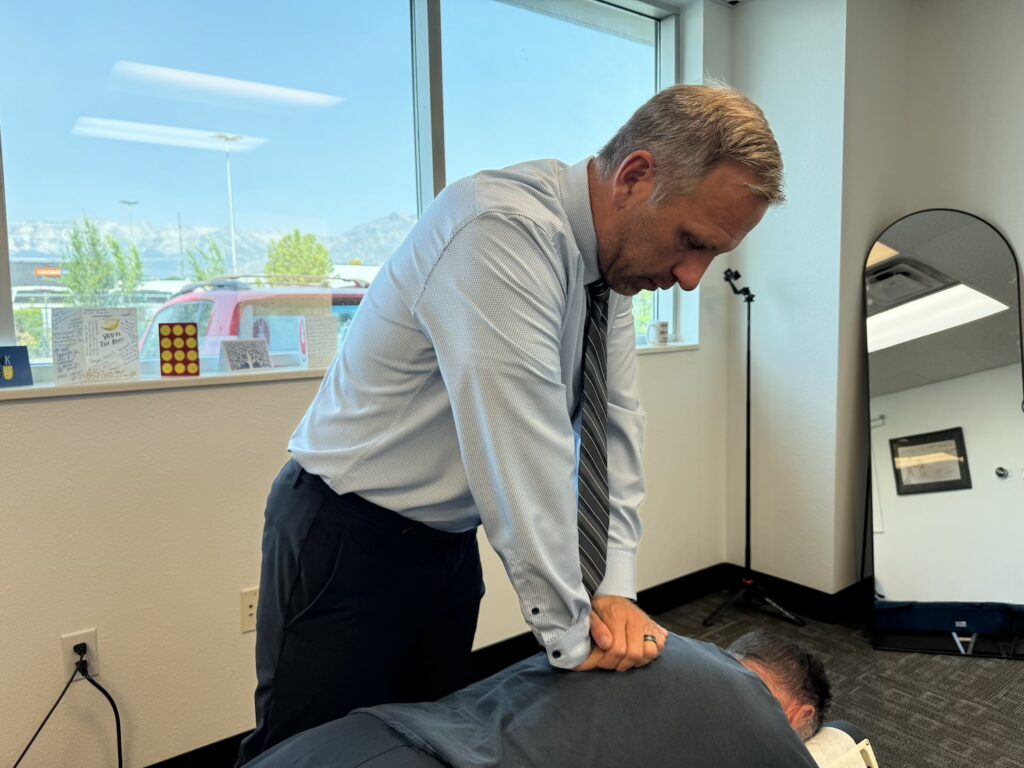
If you’re one of the many who suffer from migraines, you understand just how debilitating they can be. Fortunately, there are gentle methods that can help manage and even prevent these episodes, with chiropractic care being one of the most effective options. By addressing spinal alignment and tension, chiropractic adjustments can alleviate many symptoms associated with migraines, providing a natural, drug-free path to relief.
In addition to chiropractic care, there are several lifestyle changes and techniques you can incorporate into your routine to help manage migraines. From mindfulness techniques that promote relaxation to dietary adjustments that support overall health, you have many options to consider. Curious about how these methods, particularly chiropractic care, can transform your approach to migraine management? Let’s explore the ten best strategies that could make a real difference for you.
- Chiropractic Adjustments: Regular visits to your chiropractor can help reduce spinal tension and improve nervous system function, which may decrease the frequency and intensity of migraines.
- Mindfulness and Relaxation Techniques: Practicing mindfulness, meditation, or deep breathing exercises can help calm your mind and reduce stress, a common trigger for migraines.
- Hydration: Staying well-hydrated is crucial. Dehydration can lead to headaches, so make sure you’re drinking enough water throughout the day.
- Healthy Diet: Keeping a food diary can help identify any potential dietary triggers for your migraines. Focus on consuming whole foods, fruits, and vegetables while avoiding processed foods.
- Regular Exercise: Engaging in regular physical activity can help reduce stress and tension in the body, which may help decrease migraine occurrences.
- Adequate Sleep: Establishing a regular sleep schedule and ensuring you get enough rest can significantly impact your migraine frequency.
- Essential Oils: Some people find relief from migraines by using essential oils like lavender or peppermint through aromatherapy or topical application, which can promote relaxation.
- Heat or Cold Therapy: Applying a cold compress or a warm pack to your neck and shoulders may help ease tension that could be contributing to your migraines.
- Posture Awareness: Maintaining good posture throughout the day can reduce strain on your neck and spine, helping to prevent tension headaches.
- Regular Chiropractic Care: Beyond just relief, ongoing chiropractic care can support your overall well-being, helping you maintain a balanced and healthy lifestyle.
By focusing on these gentle methods, especially chiropractic care, you can take control of your migraine management naturally. Remember, each body is unique, so it’s essential to find the combination of strategies that works best for you. If you haven’t already, consider consulting with a chiropractor to explore how spinal health can play a crucial role in your journey towards optimal wellness.
Mindfulness and Meditation Techniques
Managing migraines can often feel overwhelming, but integrating mindfulness and meditation techniques into your daily routine can provide significant relief, especially when combined with the benefits of chiropractic care. By taking just a few minutes each day for mindfulness, you can create a calming environment that supports your overall wellness.
Start with deep breathing exercises; focus on your breath as you inhale and exhale slowly. This practice not only helps calm your mind but also promotes spinal alignment and reduces tension in your body, which can be crucial for migraine relief. Remember, a well-aligned spine contributes to overall health, reducing stressors that may trigger migraines.
In addition to deep breathing, meditation can enhance your well-being even further. Consider exploring guided meditations that focus on relaxation and body awareness. These practices can help you tune into your body’s sensations, allowing you to address the root causes of tension that may lead to migraines.
Throughout your day, practicing mindfulness is also important. Whenever you feel tension building, take a moment to pause and center yourself. Acknowledge your feelings without judgment, and consider how chiropractic adjustments can alleviate physical stressors contributing to your discomfort. This shift in perspective allows you to approach migraine episodes with greater resilience and a sense of control.
Lastly, don’t forget to prioritize regular chiropractic care. A chiropractor can help identify misalignments in your spine that may be contributing to your migraines. By maintaining proper spinal health through regular adjustments, you can support your body’s natural ability to heal and manage pain.
Incorporating these mindfulness practices alongside chiropractic care can empower you to take charge of your health and well-being. Embrace these techniques, and you’ll likely find yourself better equipped to handle the challenges of migraines.
Dietary Adjustments for Migraine Prevention
Making dietary adjustments can significantly contribute to reducing the frequency and intensity of migraines, and combining these changes with chiropractic care can enhance your overall wellness.
Start by identifying potential trigger foods such as aged cheeses, processed meats, and alcohol. Keeping a food diary can be very helpful – note what you eat and when migraines occur to help identify specific triggers.
Incorporate magnesium-rich foods into your diet, like spinach, nuts, and whole grains. Research suggests that magnesium may help in preventing migraines, and a chiropractor can also provide guidance on how a well-aligned spine can support your body’s nutritional absorption.
Staying hydrated is crucial, so remember to drink plenty of water throughout the day.
Consider having smaller, more frequent meals to maintain stable blood sugar levels, which can help in preventing migraine episodes. It’s also wise to eliminate artificial sweeteners and additives, as they can be potential triggers.
If you’re curious about what works best for you, try experimenting with an elimination diet, ideally under the guidance of a healthcare professional who understands your chiropractic treatment plan.
Remember, each person is unique, and it may take time to find the dietary adjustments that work best for your migraine management.
Combining these dietary strategies with chiropractic care can lead to better overall health and wellness, making it a holistic approach to managing migraines naturally.
Your journey towards optimal health and pain relief starts by understanding your body and making mindful choices.
Regular Exercise and Physical Activity
Incorporating regular exercise into your routine can significantly enhance your migraine management efforts, especially when combined with chiropractic care and dietary adjustments. Physical activity not only boosts your overall well-being but also plays a vital role in reducing stress and tension—two common migraine triggers.
By focusing on gentle exercises, you can promote better health without straining your body. Here are some options to consider:
- Walking: This is a simple, low-impact activity that can be done anywhere. It gets your body moving and can help clear your mind.
- Yoga: This practice connects your body and mind, promoting relaxation while improving flexibility and strength. Many find that the breathing techniques in yoga can also help manage stress levels.
- Swimming: A gentle way to engage in a full-body workout that’s easy on your joints. The buoyancy of water can relieve pressure on your spine and muscles, enhancing relaxation.
When incorporating these activities, aim for consistency. Start with short sessions and gradually increase the duration and intensity as your body adjusts. Always listen to your body; if you sense a migraine coming on, it’s okay to take a break.
The focus should be on enjoying movement and reducing stress rather than pushing your limits. Additionally, consider visiting a chiropractor as part of your wellness journey. Chiropractic care can help address any underlying musculoskeletal issues that may contribute to your migraines, offering a natural and effective way to relieve pain and enhance your overall health.
Acupressure and Massage Therapy
When you experience a migraine, it’s crucial to explore natural methods for relief, and chiropractic care can be one of the best options. By focusing on spinal health and alignment, chiropractic adjustments can help alleviate tension and improve overall wellness, which may reduce the frequency and intensity of migraines.
In addition to chiropractic care, acupressure can provide targeted relief by applying pressure to specific points on your body. It’s a gentle technique that can complement your chiropractic treatments.
Meanwhile, massage therapy can relax tense muscles and lower stress levels, both vital components in managing migraine pain.
For optimal migraine relief, consider the following tips:
- Stay Hydrated: Dehydration can trigger migraines, so drink plenty of water throughout the day.
- Maintain a Healthy Diet: Eating regular meals with balanced nutrients can help stabilize blood sugar levels, which may prevent migraine episodes.
- Practice Good Posture: Poor posture can contribute to tension in your neck and back, leading to migraines. Pay attention to your posture, especially when sitting for long periods.
- Incorporate Regular Chiropractic Visits: Regular adjustments can help keep your spine aligned, improving your overall health and potentially decreasing migraine occurrences.
Exploring these gentle methods, especially chiropractic care, may provide the relief and comfort you need during your next migraine episode.
Prioritize your spinal health and embrace a natural approach to wellness for lasting results.
Pressure Points for Relief
Have you ever considered how simple techniques like acupressure and massage can support your journey to wellness? These gentle yet effective methods target specific pressure points that may help alleviate migraine pain, allowing you to feel more at ease.
Here are three key points to explore:
- LI4 (Hegu): This point is located between your thumb and index finger. Applying pressure here can provide relief from headache pain, helping you feel more relaxed and balanced.
- GB20 (Fengchi): Found at the base of your skull, a gentle massage in this area can help reduce tension and improve blood circulation, promoting overall comfort and well-being.
- Yintang: Situated between your eyebrows, pressing this point can help calm your mind and alleviate stress, contributing to a more tranquil state.
Incorporating these techniques into your daily routine can be a natural way to manage migraines and enhance your overall health.
However, for a more comprehensive approach to pain relief, consider chiropractic care. Chiropractors focus on the spine and nervous system to help your body function optimally, which can be incredibly beneficial in addressing headaches and migraines.
Remember, taking care of your body through proper alignment and regular adjustments can lead to improved health and wellness.
Give these techniques a try, and don’t hesitate to reach out to your local chiropractor for personalized care that promotes your best health.
Benefits of Massage Therapy
Massage therapy, including acupressure, can be a wonderful complement to chiropractic care when it comes to enhancing your overall well-being.
While chiropractic adjustments focus on aligning your spine to relieve pain and improve function, massage therapy can help reduce muscle tension and promote relaxation—important factors when managing conditions like migraines.
Applying pressure to specific points through acupressure can’t only relieve headache pain but also improve circulation and trigger the release of endorphins, which are your body’s natural painkillers.
Incorporating regular massage sessions into your wellness routine can also help decrease stress and anxiety, common triggers for migraines.
When you’re less stressed, you may find that your sleep quality improves as well. Quality sleep is vital for your overall health and can play a significant role in preventing migraines.
Additionally, the simple act of being touched during massage therapy can foster a sense of connection and comfort, which can further help alleviate discomfort.
While massage therapy can provide relief, remember that chiropractic care is the cornerstone of achieving optimal health.
By addressing the root cause of your pain through spinal adjustments, you can enhance the benefits gained from massage therapy.
If you’re looking to incorporate natural healing into your life, consider combining chiropractic care with massage therapy for a holistic approach to wellness.
Always listen to your body, stay hydrated, and practice stress-relief techniques like deep breathing or gentle stretching to support your journey toward better health.
Essential Oils for Relief
Essential oils can be a wonderful natural remedy for easing migraine symptoms, but it’s essential to understand how they can complement your overall health and wellness journey.
As a chiropractor, I believe in the power of natural healing and the importance of maintaining a healthy spine to support optimal wellness. When it comes to managing migraines, chiropractic care can play a pivotal role by addressing any underlying spinal issues that may contribute to pain.
While exploring essential oils, you might find certain options especially beneficial. Popular oils like peppermint and lavender have been known to provide relief. However, applying them safely and effectively is key to maximizing their benefits.
Here are some simple tips to help you get started:
- Choose Your Oils Wisely: Look for high-quality, pure essential oils. Peppermint oil can help ease tension, while lavender is known for its calming properties.
- Application Techniques: Dilute essential oils with a carrier oil before applying them to your skin. You can gently massage the mixture onto your temples or the back of your neck, as this can be soothing and promote relaxation.
- Create a Calm Environment: Consider diffusing essential oils in your home to help create a peaceful atmosphere. This can enhance relaxation and support your body’s natural healing processes.
- Stay Hydrated: Drink plenty of water throughout the day. Dehydration can trigger migraines, so keeping hydrated is crucial for overall health and migraine prevention.
- Regular Chiropractic Care: Don’t forget the importance of regular chiropractic adjustments. They can help align your spine, improve your body’s function, and reduce the frequency and intensity of migraines.
Remember, each person is unique, and what works for one may not work for another.
It’s always a good idea to consult with your chiropractor about incorporating essential oils into your wellness routine. Together, we can develop a holistic approach to managing your migraine symptoms and enhancing your overall health.
Embrace these natural remedies, and let’s work towards a pain-free life!
Popular Essential Oils
Aromatherapy can be a gentle and effective way to support your wellness journey, especially when dealing with migraines. Many individuals turn to popular essential oils for their calming properties, which can complement the benefits of chiropractic care.
While chiropractic adjustments focus on aligning the spine and optimizing nervous system function, incorporating natural remedies like essential oils can enhance your overall relaxation and well-being. Here are three essential oils that may provide additional support:
- Peppermint: This oil is well-known for its cooling effect, which may help relieve headache symptoms and promote better circulation. When used in combination with chiropractic care, it can enhance your comfort during treatment.
- Lavender: The soothing aroma of lavender can help reduce stress and anxiety, common triggers for migraines. A relaxed mind and body can significantly improve your healing process, making chiropractic adjustments more effective.
- Eucalyptus: With its anti-inflammatory properties, eucalyptus may help alleviate sinus pressure, which can contribute to migraines. Keeping your sinuses clear can support your overall health and improve the outcomes of your chiropractic care.
Incorporating these essential oils into your daily routine can be a simple way to promote relaxation and support your health.
Remember to choose high-quality oils for the best results and consult with your chiropractor about integrating these natural remedies into your wellness plan.
Application Techniques
Incorporating popular essential oils into your migraine management routine can be beneficial, especially when combined with chiropractic care. Understanding the best application techniques can enhance your experience.
Begin by diluting essential oils with a carrier oil, such as coconut or jojoba, to avoid skin irritation. Then, you can apply the mixture to your temples, forehead, and the back of your neck. A gentle massage in these areas can’t only promote relaxation but also help improve blood flow and relieve tension, which are essential components of a healthy spine.
Inhaling essential oils directly from the bottle or using a diffuser can provide immediate relief. If you prefer a more direct approach, soak a cotton ball in your chosen oil and place it near your nose.
Remember, while exploring different oils and techniques, it’s important to listen to your body and find what works best for you. This personalized routine can complement your chiropractic care, supporting your journey towards natural wellness and optimal health.
Moreover, incorporating regular chiropractic adjustments into your routine can help maintain proper spinal alignment and reduce the frequency and intensity of migraines.
A healthy spine is key to overall well-being, as it supports your nervous system and helps your body function at its best. Consider making chiropractic care a central part of your migraine relief strategy for a holistic approach to health.
Safety Considerations
While using essential oils can be a soothing way to manage migraines, it’s important to prioritize safety first. Here are some key considerations to keep in mind, especially if you’re exploring natural options alongside chiropractic care for pain relief and wellness:
- Dilution: Always dilute essential oils with a carrier oil before applying them to your skin. This helps prevent any irritation and ensures a safe experience as you work towards easing your discomfort.
- Allergies: It’s wise to perform a patch test on a small area of your skin to check for any allergic reactions before using the oil more broadly. This step is crucial in ensuring that your journey to wellness remains comfortable and safe.
- Quality: Opt for high-quality, pure essential oils. Lower quality or synthetic oils may contain additives that could be harmful. Choosing good quality products aligns with a holistic approach to health, complementing the benefits of chiropractic care.
Remember, while essential oils can be a helpful addition to your wellness routine, they shouldn’t replace the foundational benefits of chiropractic care.
Regular adjustments can enhance your overall health and help alleviate pain naturally. Always consult with your chiropractor for personalized advice tailored to your specific needs. Together, you can create a comprehensive wellness plan that supports your journey to optimal health!
Proper Hydration and Herbal Teas
Staying properly hydrated is essential for your overall wellness and can significantly help in managing migraines. Even mild dehydration can trigger a migraine episode, so it’s important to make it a habit to drink water throughout the day. Aim for at least eight 8-ounce glasses. Keeping a water bottle handy can serve as a great reminder to sip regularly.
In addition to plain water, you might want to include herbal teas in your daily routine. Herbal options like chamomile, peppermint, and ginger not only hydrate you but also have anti-inflammatory properties that can ease migraine symptoms. Enjoying a warm cup of herbal tea can be quite soothing and helps promote relaxation, which is beneficial during a migraine episode.
It’s also crucial to pay attention to how your body reacts to different beverages. While some drinks hydrate, others, particularly those with caffeine, can lead to dehydration. Be mindful of your choices, and adjust your intake based on how you feel.
By prioritizing proper hydration and incorporating herbal teas, you can support your overall health and wellness, complementing the benefits of chiropractic care.
Remember, chiropractic care is a fantastic way to address the root causes of pain and discomfort, including migraines. By focusing on spinal health and proper hydration, you can enhance your body’s natural healing processes and achieve optimal well-being.
Make these small adjustments to your daily routine, and you’ll be taking important steps towards better health.
Sleep Hygiene and Restorative Practices
To manage migraines effectively, prioritizing sleep hygiene and restorative practices is crucial. As a chiropractor, I can tell you that a well-aligned spine plays a significant role in your overall health, including how well you sleep.
Start by establishing a consistent sleep routine; going to bed and waking up at the same time each day can greatly improve your sleep quality.
Creating a restful environment is also important. Consider your mattress and pillows—supportive alignment can help reduce tension in your neck and back, which may contribute to migraines.
Incorporating gentle techniques like deep breathing and stretching can further enhance your sleep. These practices not only promote relaxation but can also help alleviate any spinal tension that may be causing discomfort.
Remember, chiropractic care is a natural and effective way to address pain and support overall wellness. Regular adjustments can help keep your spine aligned, reduce tension, and improve your sleep, making it a great choice for those looking to manage migraines and enhance their quality of life.
Prioritize your health naturally and explore how chiropractic care can help you achieve optimal wellness.
Establishing a Sleep Routine
Establishing a consistent sleep routine is essential for overall health and can significantly help reduce the frequency and severity of migraines. Quality sleep is a key component of wellness, and it can enhance the effectiveness of chiropractic care.
Here are some simple practices to help you build a better sleep routine:
- Set a regular bedtime and wake-up time: Try to go to bed and wake up at the same time each day, even on weekends. This helps regulate your body’s internal clock, which can improve your sleep quality and, in turn, support your spinal health.
- Limit screen time before bed: Give yourself a break from screens at least an hour before you sleep. The blue light from phones and computers can interfere with melatonin production, making it harder to fall asleep. Instead, consider using that time to relax your mind and body.
- Engage in calming pre-sleep rituals: Activities like reading a book, doing gentle stretches, or practicing meditation can signal to your body that it’s time to wind down. These calming rituals not only promote better sleep but also enhance the overall effectiveness of your chiropractic adjustments.
By prioritizing your sleep and incorporating these practices, you can create a solid foundation for your health and well-being.
Creating a Restful Environment
Creating a restful environment is crucial for enhancing your sleep quality and overall well-being, especially when it comes to supporting your spinal health. As a chiropractor, I understand the link between quality sleep and a healthy spine. Here are some simple tips to help you create a sleep sanctuary that promotes relaxation and healing.
First, aim to keep your bedroom dark, quiet, and cool. Darkness signals your body that it’s time to wind down, which is essential for proper spinal alignment during sleep. Consider using blackout curtains to block out light, and try earplugs or a white noise machine to mask any disruptive sounds that could keep you tossing and turning.
A clutter-free space isn’t just aesthetically pleasing—it can also reduce anxiety and promote relaxation. A tidy room allows your mind to rest, which can benefit your overall health and spinal alignment.
Choosing comfortable bedding and pillows that suit your sleeping style is essential as well. Proper support for your spine while you sleep can help alleviate pain and prevent discomfort. Memory foam pillows and mattresses can contour to your body’s natural curves, providing the support your spine needs.
Incorporating calming scents like lavender through essential oils or candles can enhance relaxation. Just remember to extinguish any candles before sleeping! Aromatherapy can be a gentle way to ease stress and promote a peaceful sleep environment.
Limiting screen time before bed is important, too. The blue light emitted by devices can disrupt your body’s natural sleep signals, leading to a restless night. Instead, consider engaging in relaxing activities such as reading a book or practicing gentle stretching to prepare your body for restorative sleep.
Finally, reserve your bed for sleep and relaxation. This helps create a mental association between your bed and restful sleep, which can be particularly beneficial for your spinal health.
Incorporating Relaxation Techniques
While it might seem challenging to unwind after a long day, incorporating relaxation techniques into your routine can greatly enhance your sleep hygiene and promote restorative practices. By prioritizing relaxation, you can reduce migraine triggers and improve your overall well-being.
Here are some effective techniques that can complement your chiropractic care and support your journey to wellness:
- Deep Breathing: Take a few moments to focus on your breath. Inhale deeply through your nose, hold for a moment, and then exhale slowly through your mouth. This simple practice calms your mind and body, reducing stress that can contribute to tension in your spine.
- Progressive Muscle Relaxation: This technique involves tensing and then relaxing each muscle group in your body. Start from your toes and work your way up to your head. By releasing physical tension, you can help alleviate discomfort and promote better alignment, which is essential for optimal spinal health.
- Mindfulness Meditation: Spend a few minutes engaging in mindfulness meditation. Focus on the present moment and let go of racing thoughts. This practice not only alleviates stress but also supports overall mental clarity, which can enhance your chiropractic experience.
Integrating these relaxation techniques into your evening routine can complement the benefits of chiropractic care. You’ll likely notice improved sleep quality and a decrease in migraine frequency, leading you to feel more balanced and aligned.
Cold and Heat Therapy
When migraines strike, the search for relief can be daunting, but incorporating cold and heat therapy into your routine can provide simple yet effective strategies.
Start by applying a cold pack or ice wrapped in a cloth to your forehead or the back of your neck. This numbing sensation not only helps reduce inflammation but can also dull the pain, making you feel more comfortable. Aim to leave it on for about 15-20 minutes, and be sure to take breaks as needed.
Conversely, heat therapy can also offer significant benefits. A warm compress or heating pad placed on your neck or shoulders can help relax tense muscles and improve blood flow, potentially easing your migraine symptoms.
Experiment with both cold and heat to find the method that works best for you. As a chiropractor, I encourage you to listen to your body—sometimes, a combination of cold and heat can provide the relief you need.
Additionally, consider regular chiropractic care to address the underlying issues that may be contributing to your migraines. Chiropractic adjustments can help align your spine, reduce tension, and promote overall wellness, leading to fewer headaches over time.
Yoga and Stretching Exercises
Incorporating yoga and stretching exercises into your routine can be an excellent complement to chiropractic care for managing migraines. These gentle practices not only enhance the benefits of spinal adjustments but also support overall well-being. By reducing tension, improving circulation, and promoting relaxation, yoga and stretching can help alleviate migraine symptoms naturally.
Here are some key benefits of adding yoga and stretching to your wellness routine:
- Stress Reduction: Engaging in mindful breathing and movement can significantly lower stress levels, which are common triggers for migraines. By managing stress through these practices, you may experience fewer headaches.
- Increased Flexibility: Regular stretching can help ease muscle tightness, particularly in the neck and shoulders—areas often affected by tension and contributing to headache pain. Enhanced flexibility can lead to improved spinal alignment, which is essential for maintaining optimal health.
- Improved Posture: Many yoga poses focus on alignment, which can help prevent tension headaches caused by poor posture. Proper posture is crucial for spinal health, and chiropractic care can further support you in achieving and maintaining it.
As a chiropractor, I encourage you to incorporate these simple practices into your daily routine. Here are some tips to get started:
- Start Slow: If you’re new to yoga or stretching, begin with short sessions and gradually increase their duration as you become more comfortable.
- Mind Your Breath: Focus on your breathing during exercises. Deep, controlled breaths can enhance relaxation and improve the effectiveness of your stretches.
- Listen to Your Body: Pay attention to how your body feels during yoga and stretching. If something doesn’t feel right, don’t push through the discomfort.
- Consistency is Key: Aim to practice yoga and stretching regularly to experience the most benefits. Even a few minutes each day can make a difference.
By integrating these practices with chiropractic care, you can take a proactive approach to managing your migraines and enhancing your overall wellness.
Maintaining a Migraine Diary
Keeping a migraine diary can be an essential step in managing your headaches more effectively and enhancing your overall wellness. By tracking your migraine episodes, you can uncover triggers, patterns, and potential natural solutions to alleviate your discomfort.
Begin by noting the date, time, and duration of each headache, as well as its intensity and accompanying symptoms. It’s also beneficial to include factors such as stress levels, diet, sleep patterns, and weather changes. This holistic approach can help you identify what might be causing your migraines. Regularly reviewing your entries may reveal certain foods or activities that consistently trigger your headaches.
Additionally, document any natural treatments you explore, such as chiropractic adjustments, relaxation techniques, or lifestyle changes, and their effects on your symptoms. Over time, this diary will serve as a valuable resource for discussions with your chiropractor, who can help tailor a natural treatment plan for you.
Remember, consistency is key. Make it a habit to update your diary regularly. Your proactive efforts can lead to better migraine management and a higher quality of life.
Chiropractic care can be an effective way to address the root causes of your migraines, promoting natural healing and overall well-being.
Conclusion
Incorporating gentle methods into your daily routine can significantly enhance your migraine management, and as a chiropractor, I believe that these approaches can work harmoniously with chiropractic care for optimal results. Mindfulness practices can help you stay centered, while making thoughtful adjustments to your diet can further support your overall well-being. Staying active is essential; gentle exercises can help alleviate tension that may contribute to migraines.
Don’t overlook the power of acupressure and essential oils — both can provide soothing relief. Prioritizing proper sleep hygiene is crucial as well; a well-rested body is better equipped to handle stressors that may trigger migraines. Utilizing cold and heat therapy can also be beneficial; these methods can ease discomfort and promote relaxation. Additionally, incorporating yoga into your routine can improve flexibility and reduce stress, both of which can lower the likelihood of migraine occurrences.
Keeping a migraine diary can also be an invaluable tool. By tracking your migraines, you can identify patterns and triggers, allowing you to make informed choices about your health. Remember, taking charge of your health with these holistic approaches can lead to lasting relief. And when combined with regular chiropractic care, you can achieve a holistic balance that supports not just pain relief, but overall wellness. Embrace these gentle methods and consider chiropractic as a vital part of your journey to better health.