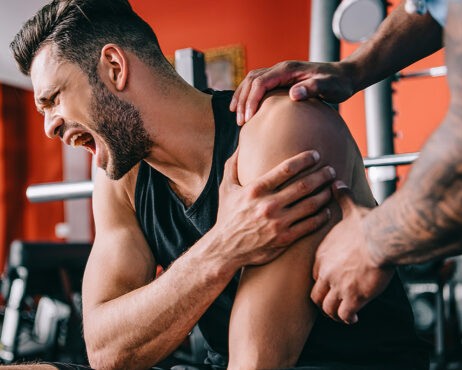
When it comes to athletic recovery, many people immediately think of traditional methods like rest and ice. But have you ever considered the incredible benefits of alternative therapies, particularly chiropractic care? As a local chiropractor, I want to introduce you to how techniques such as spinal adjustments, massage, and even modalities like acupuncture can significantly enhance your recovery process.
Chiropractic care not only helps alleviate physical discomfort but also plays a crucial role in supporting your mental well-being. When your body is aligned and functioning optimally, you'll find that your overall performance improves. By integrating chiropractic treatments into your training routine, you might discover new ways to speed up recovery and prevent injuries.
Exploring these natural healing options could unlock a more effective recovery journey for you. I'm here to help you understand how these therapies work and how they can be an essential part of your athletic regimen. Let's work together to enhance your recovery and keep you at your best!
The Role of Alternative Therapies
As a local chiropractor, I want to shed light on the significant role that alternative therapies can play in your athletic recovery and overall well-being. Many athletes may not be aware of the diverse options available to enhance their performance and support their bodies through the healing process.
Techniques such as massage therapy, yoga, and herbal treatments can be incredibly beneficial. For example, massage therapy isn't just a luxury; it can effectively alleviate muscle tension and improve blood circulation. This increased circulation can contribute to faster recovery times, especially after intense workouts or competitions.
Incorporating yoga into your routine is another fantastic way to enhance your athletic performance. Not only does it improve flexibility, but it also fosters mental clarity and promotes relaxation. This connection between mind and body is essential, particularly during recovery periods, as it allows you to attune to your body's needs and signals.
Herbal treatments are also worth considering. Natural supplements like turmeric and ginger are known for their anti-inflammatory properties, which can support your body's healing processes. Additionally, essential oils such as lavender and peppermint can provide calming effects, helping to alleviate stress and promote better sleep—both of which are crucial for effective recovery.
As you explore these alternative therapies, remember that they can complement traditional chiropractic care, creating a holistic approach to your health and recovery.
If you have any questions or want to learn more about how these therapies can benefit you, don't hesitate to reach out!
Acupuncture for Recovery
As a local chiropractor, I want to introduce you to an effective method that can significantly enhance your recovery: acupuncture.
This traditional healing practice is renowned for its ability to alleviate pain and boost circulation, both of which are vital for anyone involved in physical activities, including athletes and active individuals.
By integrating acupuncture into your wellness routine, you may experience quicker recovery times and an overall improvement in your performance.
It's a natural approach that complements the chiropractic care I provide, helping your body heal and function at its best.
Pain Relief Benefits
As a local chiropractor, I want to share with you the incredible benefits of acupuncture in promoting pain relief, especially for those engaged in athletic activities or anyone experiencing discomfort during recovery.
This time-honored practice entails the insertion of fine needles at specific points on your body, which can stimulate your nervous system and encourage your body's natural healing processes.
If you're dealing with muscle soreness or recovering from an injury, acupuncture could be a highly effective way to alleviate that pain. Studies indicate that this technique can trigger the release of endorphins, which are your body's natural pain relievers, leading to a meaningful decrease in your pain levels.
This may help you get back to your training routine more quickly.
Moreover, acupuncture can help relax tight muscles and relieve spasms, which is particularly useful after strenuous workouts. You may also find that your mental clarity improves and your anxiety levels decrease following your sessions.
This dual focus on both the physical and mental aspects of pain aligns perfectly with the holistic approach we emphasize in chiropractic care.
Integrating acupuncture into your recovery regimen can significantly enhance your overall athletic performance and well-being.
Whether you're a seasoned competitor or just starting your fitness journey, exploring this alternative therapy might offer you a faster, more effective path to recovery.
If you're dealing with post-exercise pain, I encourage you to consider acupuncture as a valuable part of your healing process.
Let's work together towards getting you back on track!
Improved Circulation Effects
When it comes to enhancing your recovery, improved circulation is crucial, and as a chiropractor, I want to share how natural healing methods, like acupuncture, can be incredibly beneficial.
Acupuncture works by targeting specific points on your body to stimulate blood flow, which is essential for delivering vital nutrients and oxygen to your muscles. This boost in circulation not only speeds up the recovery process but also helps eliminate metabolic waste, allowing you to bounce back more quickly after a challenging workout or physical activity.
You may be curious about how acupuncture achieves these effects. By activating your body's natural healing mechanisms, acupuncture promotes the release of endorphins and other healing compounds. Many of my patients report feeling less soreness and experiencing faster recovery times after treatment.
Additionally, acupuncture can help reduce inflammation, which is especially important for anyone looking to maintain peak performance, whether you're an athlete or just someone who enjoys staying active.
Incorporating acupuncture into your recovery routine can truly be a game changer. It's a non-invasive therapy with minimal side effects, making it a safe and appealing option for individuals of all fitness levels.
Whether you're dealing with an injury or simply seeking to enhance your overall wellness, improved circulation through acupuncture can offer the support you need. I encourage you to explore this natural approach to recovery—you might just find a new favorite tool to help you feel your best!
Benefits of Massage Therapy
As a local chiropractor, I want to share with you the numerous advantages of incorporating massage therapy into your recovery and overall wellness routine, especially for those of you who mightn't be familiar with chiropractic care and natural healing.
One of the primary benefits of massage therapy is its ability to reduce muscle soreness. After engaging in rigorous physical activities, it's common to experience tight and achy muscles. Regular massage can alleviate this discomfort, facilitating a quicker recovery so you can get back to your training without prolonged downtime.
Another significant benefit is the enhancement of flexibility. Through targeted work on your muscle groups and connective tissues, massage therapy can help break up adhesions and scar tissue, ultimately increasing your range of motion. This improved flexibility enables you to perform movements with greater ease and efficiency, which is crucial for maximizing your athletic potential.
In addition to physical benefits, massage therapy also plays a vital role in promoting relaxation and reducing stress. In high-pressure situations, mental tension can affect your physical performance. A well-executed massage lowers cortisol levels and induces a calming effect, which can sharpen your focus and enhance mental clarity—key components for achieving your goals.
Furthermore, quality sleep is essential for recovery, and massage therapy can be a wonderful aid in this area. If you find it challenging to get restful sleep, massage can help prepare both your body and mind for a more rejuvenating night.
By addressing both the physical and mental aspects of well-being, you're setting yourself up for success in all your endeavors. Incorporating massage therapy into your routine isn't just about physical healing; it also nurtures your mental health. This holistic approach can significantly enhance your performance, making it a valuable addition to your wellness journey.
If you're interested in learning more about how chiropractic care and massage therapy can work together for your benefit, feel free to reach out.
Cryotherapy Explained
As a local chiropractor, I often see athletes and active individuals seeking innovative methods to enhance their recovery, and cryotherapy has become a popular topic. This method involves exposing your body to extremely cold temperatures for a brief period, typically using whole-body chambers or targeted treatments.
When you step into a cryotherapy chamber, temperatures can drop to a staggering -200°F! This rapid cooling process can trigger various physiological responses that may support your recovery.
When your body is exposed to these cold temperatures, your blood vessels constrict, which helps reduce blood flow to areas that might be inflamed or injured. Once you exit the chamber and your body begins to warm up, your blood vessels dilate, increasing circulation. This surge in blood flow can deliver essential oxygen and nutrients to your muscles, aiding in the recovery process. Many athletes I've spoken with report experiencing less muscle soreness and quicker recovery times following intense workouts or competitions.
Beyond physical recovery, you might be surprised to learn that cryotherapy can also have a positive impact on your mood and energy levels. The cold exposure stimulates the release of endorphins, which can uplift your overall sense of well-being. Additionally, some studies suggest that cryotherapy may help alleviate anxiety and improve sleep quality—both of which are crucial for anyone looking to perform at their peak.
While cryotherapy isn't a one-size-fits-all solution, it can be an excellent addition to your recovery routine. As you consider incorporating this treatment into your wellness plan, I encourage you to consult with a healthcare professional. Together, we can ensure that cryotherapy aligns with your individual needs and recovery goals, helping you achieve optimal health through natural healing methods.
Mindfulness and Mental Recovery
As a local chiropractor, I want to share how mindfulness practices can play a crucial role in your mental recovery, especially after intense physical activities like training or competition.
Techniques such as meditation and deep breathing aren't only beneficial for your mind but can also complement the chiropractic care you receive.
By incorporating these strategies, you can enhance your mental resilience and sharpen your focus, which in turn can improve your athletic performance and overall well-being.
Let's delve into how these natural healing methods can work together to support your health journey.
Benefits of Mindfulness Practices
Incorporating mindfulness practices into your daily routine can significantly enhance your mental well-being, especially if you're engaged in activities like sports or fitness. As a chiropractor, I often emphasize the importance of a holistic approach to health, which includes the mind-body connection. Mindfulness can help you develop greater awareness and focus, making it easier to manage the stress and anxiety that can arise from intense physical activities.
By dedicating just a few moments each day to mindfulness, you can learn to listen to your body's signals more effectively. This deeper connection between your mind and body can lead to improved physical health and overall well-being. When you practice mindfulness, you enhance your ability to stay present, which can help improve your concentration during workouts or competitions. This increased focus not only boosts performance but also leads to more productive training sessions.
Mindfulness also builds emotional resilience, allowing you to recover more quickly from setbacks or disappointments. This is crucial for anyone pursuing athletic goals, as mental toughness is just as important as physical strength. Furthermore, these practices promote relaxation, which is essential for recovery. When your body is relaxed, it can repair itself more effectively, thereby decreasing the likelihood of injuries.
You may also notice improvements in your sleep quality, which is vital for recovery and overall performance. The beauty of mindfulness is that it doesn't require a significant time commitment; even brief sessions can yield substantial benefits.
Whether through meditation, deep breathing exercises, or simply being more aware of your thoughts and feelings, integrating mindfulness practices into your routine can greatly enhance your mental recovery and support your journey toward optimal health.
Techniques for Mental Resilience
Building mental resilience is crucial for everyone, including athletes, as they navigate the ups and downs of competition. As a local chiropractor, I often emphasize the importance of holistic approaches to well-being, which includes mental health.
One effective technique to consider is mindfulness meditation. By taking just a few minutes each day to focus on your breath or body sensations, you can enhance your awareness and reduce anxiety. This practice serves as a mental buffer against the stressors you may face, whether in sports or everyday life.
Another beneficial method is visualization. Imagine yourself succeeding in your endeavors, overcoming challenges, or performing tasks with ease. This mental rehearsal can prepare your mind for actual performance, enhancing your confidence and focus when it matters most.
Journaling is also a powerful tool for processing thoughts and emotions. Reflecting on your experiences allows you to identify patterns, understand setbacks, and celebrate achievements. This practice fosters a growth mindset, enabling you to view challenges as opportunities for improvement, which is essential in both sports and personal development.
Lastly, practicing gratitude can significantly shift your perspective. By recognizing and appreciating what you love about your activities, teammates, and experiences, you cultivate a positive outlook, which strengthens your mental resilience.
Incorporating these techniques into your daily routine can greatly support your mental recovery, helping you bounce back stronger and more focused after any challenge you face. Remember, mental health is just as important as physical health, and as a chiropractor, I encourage you to explore these natural healing methods for a more balanced life.
Nutritional Supplements for Healing
As a local chiropractor, I often emphasize the importance of incorporating nutritional supplements into your recovery routine, especially after intense athletic activity. These supplements can provide your body with essential nutrients that might be missing from your everyday diet, which can significantly enhance your healing process and help reduce the risk of injuries.
One key supplement to consider is protein. After a rigorous workout, your muscles require protein to repair and rebuild. Whey protein is particularly effective due to its rapid absorption, which can help kickstart the recovery of your muscles. Additionally, branched-chain amino acids (BCAAs) are beneficial as they can reduce muscle soreness and promote recovery by minimizing muscle breakdown during exercise.
Another valuable option is omega-3 fatty acids, commonly found in fish oil. These fatty acids boast anti-inflammatory properties, which can help alleviate joint pain and stiffness, enabling you to recover more quickly from challenging training sessions.
It's also essential to consider the role of antioxidants in your recovery. Vitamins C and E, along with natural compounds like curcumin and resveratrol, can help combat oxidative stress that often accompanies intense exercise. These antioxidants are vital for reducing inflammation and promoting overall healing.
Lastly, I recommend including magnesium and zinc in your supplement routine. Magnesium is crucial for muscle function and can help relieve cramps, while zinc plays an essential role in tissue repair and supports a healthy immune system.
Integrating Therapies Into Training
As a local chiropractor, I want to share how integrating various therapies into your training can significantly enhance your athletic performance and recovery. Many people may not realize that combining traditional training methods with alternative therapies, like chiropractic care, can offer substantial benefits for both recovery and overall performance.
First, let's evaluate your current routine. Are there areas where you feel tension or discomfort? Chiropractic adjustments can help alleviate pain and promote better alignment, which is essential for optimal movement and function. By addressing any musculoskeletal imbalances, you can enhance your body's ability to recover and perform at its best.
In addition to chiropractic adjustments, consider incorporating therapies like massage therapy. This can greatly reduce muscle tension and improve circulation, keeping your muscles ready for those intense workouts. Regular chiropractic care, combined with massage, can help maintain your body's flexibility and strength, ultimately reducing the risk of injuries.
Practices such as yoga or Pilates are also excellent complements to chiropractic care. They can enhance flexibility and core strength, supporting your overall physical health. These practices promote relaxation and mindfulness, which are crucial for recovery and performance.
Let's not forget about advanced modalities like cryotherapy or infrared therapy. These treatments can effectively reduce inflammation and aid muscle repair following intense training. By utilizing such therapies post-workout, you can maximize recovery and prepare your body for the next challenge.
Nutritional supplements are another important aspect to consider in your recovery strategy. They can provide essential nutrients to support your body's healing processes and boost your energy levels, enhancing your overall training experience.
Lastly, it's important to monitor your body's responses to these therapies. Everyone's body reacts differently, so keeping track of what works best for you will help tailor a regimen that suits your unique needs.
Conclusion
As a local chiropractor, I want to share how incorporating alternative therapies into your recovery routine can significantly enhance your athletic performance and overall well-being. Techniques such as chiropractic adjustments, massage therapy, and acupuncture can provide targeted relief and promote healing in a natural way. Additionally, practices like yoga not only improve flexibility but also enhance mental clarity, which is crucial for any athlete.
It's also essential to consider nutritional support as part of your recovery process, as the right fuel can optimize your healing and performance. By embracing these holistic methods, you can prepare yourself for your next challenge with renewed strength and focus, allowing you to reach your peak potential. If you're curious about how chiropractic care and these alternative therapies can benefit you, I'm here to help guide you on your journey to better health.