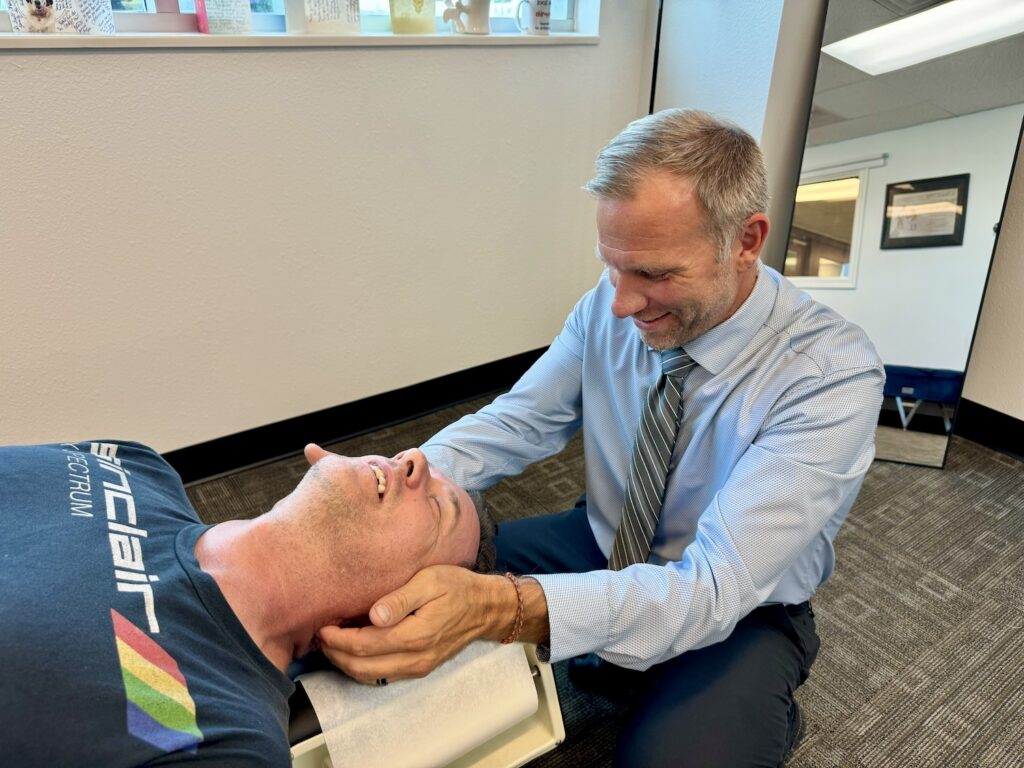
As a local chiropractor, I understand that experiencing a sports injury can be a daunting challenge. However, I want to share with you how a natural approach to recovery can significantly improve your healing journey. It all begins with the essentials: proper nutrition, staying well-hydrated, and engaging in gentle movements that promote circulation and flexibility.
But there’s so much more we can do beyond these foundational steps. Chiropractic care plays a vital role in enhancing your recovery by helping to align your spine, relieve tension in your muscles, and improve your overall body mechanics. Additionally, exploring holistic practices such as acupuncture, massage therapy, and mindfulness can further support your healing process.
Are you ready to learn about the comprehensive steps that can guide you toward a stronger and healthier comeback? Together, we can work on a personalized recovery plan that addresses not just your physical symptoms, but your overall well-being.
Understanding the Healing Process
As a local chiropractor, I want to help you understand the healing process after a sports injury. It’s crucial to grasp how your body works to ensure a successful recovery. Your body typically goes through three key stages: inflammation, repair, and remodeling.
Initially, when an injury occurs, inflammation sets in. This is your body’s natural response, signaling you to protect the injured area. You may experience symptoms like swelling, pain, and redness—these are completely normal. It’s your body’s way of indicating that it needs care and attention.
Following this, your body transitions into the repair phase, during which new tissue forms. This stage is vital for a proper recovery, so it’s essential to allow yourself adequate rest and resist the urge to push through the pain. Your body is working hard to heal, and giving it time will make a significant difference.
Once the repair phase is underway, we enter the remodeling phase. Here, your body strengthens the new tissue, ensuring it’s resilient and ready for activity again.
Listening to your body throughout these stages is key to avoiding any setbacks. I encourage you to adhere to any rehabilitation guidelines you may have received, as these are crafted to support your healing journey.
The Role of Nutrition in Recovery
As a local chiropractor, I want to emphasize the vital role nutrition plays in your recovery from sports injuries. The foods you choose to fuel your body significantly influence its ability to heal effectively. A balanced diet that’s rich in proteins, healthy fats, and carbohydrates can greatly enhance your recovery process.
It’s crucial to include sources of protein, such as lean meats, fish, beans, and legumes, as they’re essential for repairing tissues and building muscle.
In addition, don’t underestimate the power of fruits and vegetables. They’re packed with important vitamins and minerals that support your immune system and help reduce inflammation. Foods high in antioxidants, like berries and leafy greens, are particularly beneficial in combating oxidative stress that can occur after an injury.
Hydration is equally important; water plays a key role in maintaining your body’s functions and transporting those essential nutrients.
I also recommend considering the timing of your meals around your training and recovery periods to maximize nutrient absorption. By focusing on proper nutrition, you’re not only aiding your recovery but also giving your body the best chance to heal efficiently, allowing you to return to your sport stronger than ever.
Herbal Remedies for Pain Relief
As a local chiropractor, I want to share with you how herbal remedies can be a valuable addition to your pain relief toolkit, especially when dealing with sports injuries.
Many patients are unfamiliar with the benefits of natural healing, so let’s dive into some well-known herbs that can help alleviate pain—specifically turmeric and ginger.
Turmeric, known for its anti-inflammatory properties, can significantly reduce swelling and discomfort.
Ginger also offers similar benefits, helping to soothe sore muscles and improve circulation. Understanding how to properly integrate these herbs into your routine can maximize their effects.
For instance, you can consume turmeric in the form of a tea or add it to your meals.
Ginger can be enjoyed in smoothies or as an infused drink. Both herbs can also be used topically; consider creating a paste with turmeric to apply directly to the affected area, or using ginger oil for a soothing massage.
By incorporating these natural remedies alongside your chiropractic care, you may find that your recovery process is faster and more effective.
Popular Herbal Pain Relievers
At our chiropractic clinic, we often see patients seeking alternatives to traditional pain relievers, and I want to share some insights about herbal remedies that can support your recovery.
One herb that has gained considerable attention is turmeric. Its anti-inflammatory properties make it a great option for reducing pain and swelling, which can be particularly beneficial for those dealing with chronic pain.
Another effective herb is ginger, which has been used for centuries to alleviate muscle soreness and joint pain. If you’re experiencing discomfort after a workout or physical activity, ginger might be worth considering.
Additionally, boswellia, also known as Indian frankincense, is becoming increasingly popular. It has shown promise in reducing inflammation and enhancing mobility, making it a great addition to your healing process.
You may also hear about willow bark; it’s known for containing salicin, a natural compound with pain-relieving effects similar to those of aspirin. This can be a gentle alternative for managing pain without the side effects often associated with pharmaceuticals.
Lastly, devil’s claw has received attention for its effectiveness in addressing back pain and arthritis, conditions many of our patients face.
By incorporating these herbs into your wellness routine, you may experience enhanced relief and promote overall healing.
As a chiropractor, I believe in a holistic approach to health, and combining the right herbal remedies with chiropractic care can lead to optimal results for your pain management and recovery.
Application Methods for Herbs
As a local chiropractor, I want to emphasize the incredible benefits of integrating herbal remedies into your recovery process. Understanding how to use these natural healing methods effectively can make a significant difference in your overall wellness.
Herbs can be applied in various ways, such as topical applications, delicious teas, or convenient capsules.
For pain relief, I recommend making a poultice with crushed herbs like comfrey or arnica, which you can apply directly to the area that’s causing discomfort. If you’re looking for a calming beverage, brewing a tea with ginger or turmeric can help reduce inflammation and promote healing.
For those who prefer a quick and easy option, capsules or tinctures are available; just be sure to adhere to the recommended dosage on the packaging.
If you’re considering using herbs topically, always perform a patch test on a small area of skin first to ensure there’s no adverse reaction. It’s also wise to consult with a healthcare professional, especially if you’re taking other medications, to avoid any potential interactions.
Embracing these natural remedies can complement your chiropractic care and support your journey to better health!
Importance of Hydration
As your local chiropractor, I want to emphasize the critical role that hydration plays in your recovery from sports injuries. Staying well-hydrated isn’t just about quenching your thirst; it’s essential for maintaining the proper balance of electrolytes in your body.
This balance is crucial for optimal muscle function and healing, which can significantly affect your recovery process. Understanding when to hydrate and how frequently can make a substantial difference in how quickly and effectively you heal.
Incorporating hydration into your routine is a natural and simple way to support your body’s healing mechanisms. As we work together to enhance your overall health and recovery, remember that proper hydration is a key component of your journey towards wellness.
Role in Healing
As a local chiropractor, I want to emphasize the vital role hydration plays in your healing process, especially when it comes to recovering from sports injuries. Many people may not realize that staying properly hydrated can significantly enhance your body’s ability to recover.
When you’re well-hydrated, your blood circulation improves, which means that essential nutrients and oxygen can reach your injured tissues more effectively. This not only speeds up the healing process but can also reduce the overall recovery time.
In addition to supporting circulation, adequate hydration helps to flush out toxins that could potentially interfere with your recovery. On the flip side, if you’re dehydrated, you may face increased inflammation, which can lead to more pain and prolong your healing journey.
It’s important to make hydration a priority. I recommend drinking water before, during, and after any physical activities. Additionally, consider adding hydrating foods, such as fruits and vegetables, to your diet.
By focusing on proper hydration, you’re giving your body the essential support it needs to heal efficiently, allowing you to return to your favorite activities sooner.
Electrolyte Balance Importance
As your local chiropractor, I want to emphasize the importance of electrolyte balance for your recovery, particularly if you’ve recently experienced a sports injury.
Maintaining proper hydration is crucial for achieving this balance, which is essential for optimal muscle function and overall healing. When you’re dehydrated, you may face symptoms like fatigue, muscle cramps, and headaches, all of which can impede your recovery journey.
To help support your electrolyte balance, consider the following natural strategies:
- Sip on coconut water, which is a fantastic source of natural electrolytes.
- Incorporate a pinch of sea salt into your meals to boost your sodium intake.
- Enjoy potassium-rich foods such as bananas and sweet potatoes, which are great for muscle health.
- Include magnesium from leafy greens in your diet to promote muscle relaxation and recovery.
- Opt for electrolyte-infused beverages during and after your workouts to replenish lost minerals.
By paying attention to your electrolyte levels and staying hydrated, you can enhance your recovery process and get back to your active lifestyle more quickly.
If you have any questions or need personalized advice, feel free to ask during your next visit!
Timing and Frequency
As a local chiropractor, I want to emphasize the importance of proper hydration for your overall recovery, especially if you’re dealing with sports injuries.
While you might be concentrating on your workout routine, the timing and frequency of your hydration are crucial components in how well your body heals.
Drinking water before, during, and after your exercise sessions is essential. This practice helps ensure that your body remains hydrated, which is vital for muscle repair and overall recovery.
It’s important to make hydration a regular part of your day—not just something you think about when you feel thirsty.
Immediately after a workout, it’s important to replenish fluids to support your body’s healing process.
If you’re engaging in intense training or exercising in hot weather, you should increase your water intake to avoid dehydration.
Staying well-hydrated not only reduces the risk of cramps and fatigue but also aids in a quicker recovery.
By prioritizing your hydration, you’re actively supporting your body’s natural healing processes and setting the stage for a more effective recovery from any sports injuries you may have.
Mindfulness and Mental Resilience
As a local chiropractor, I want to share some insights on how incorporating mindfulness can play a significant role in your recovery from sports injuries. Many of my patients are new to chiropractic care and natural healing, so I believe it’s essential to highlight how focusing on the present moment can enhance your mental resilience during this process.
When you embrace mindfulness, you can actively reduce anxiety and cultivate a positive mindset, both of which are crucial for your healing journey.
Here are some mindfulness practices I recommend for my patients:
- Deep Breathing: Engaging in slow, intentional breaths can help calm your mind and body, reducing tension and promoting relaxation.
- Visualization: Picture yourself fully recovered and back in action, participating in your favorite sport. This mental imagery can boost motivation and encourage a healing mindset.
- Gratitude Journaling: Taking a moment each day to write down things you’re thankful for can help shift your perspective and foster a more positive outlook on your recovery.
- Body Scan: This technique involves paying attention to different parts of your body, acknowledging any sensations without judgment. It can enhance your body awareness and support your healing process.
- Meditation: Spending even a few quiet minutes each day in reflection allows thoughts to come and go, helping you find clarity and reduce stress.
By integrating these mindfulness techniques into your daily routine, you can build mental strength that complements your physical recovery.
This holistic approach not only aids in healing but also prepares you to face future challenges with greater resilience.
Gentle Movement and Stretching Techniques
As a local chiropractor, I want to emphasize the importance of incorporating gentle movement and stretching techniques into your recovery routine. These practices are essential for enhancing your healing process and can make a significant difference in how you feel.
By moving your body gently, you can maintain flexibility, improve circulation, and reduce stiffness in areas that may be injured.
I recommend starting with simple movements, such as walking or light yoga, to gently stimulate your body without overexerting yourself. It’s crucial to focus on stretches that specifically target the muscles surrounding your injury. However, it’s important to listen to your body; if you feel any pain, it’s a sign to ease off and adjust your approach.
As you stretch, remember to breathe deeply. This not only promotes relaxation but also helps you connect with your body, fostering a more mindful recovery. Aim for short sessions several times a day, gradually increasing the intensity as you start to heal.
Incorporating gentle movement into your routine not only aids in recovery but also has a positive impact on your mood and motivation. Each small step you take is part of your journey back to full strength and agility.
The Benefits of Massage Therapy
As a local chiropractor, I want to highlight the incredible benefits of incorporating massage therapy into your recovery journey.
While gentle movement and stretching are essential for healing, pairing them with massage can significantly enhance your overall wellness. Here’s how massage therapy can support your recovery:
- Reduced muscle tension: Our skilled massage therapists can help alleviate tightness in your muscles, allowing them to unwind and relax, which is vital for optimal function.
- Increased blood flow: Think of massage as a way to boost circulation. It encourages fresh oxygen and nutrients to reach your injured areas, which can accelerate the healing process.
- Enhanced flexibility: With consistent massage therapy, you may find that your range of motion improves, allowing you to move more freely and comfortably.
- Pain relief: Many patients report a soothing release of tension during and after a massage, enabling them to return to the activities they love without discomfort.
- Stress reduction: The calming effects of massage create a peaceful environment, which is crucial for healing both your body and mind.
By integrating massage therapy into your chiropractic care, you can experience a more comprehensive approach to recovery.
Embrace this holistic practice, and watch your health and progress thrive!
Essential Oils for Healing
As a local chiropractor, I want to share with you the incredible benefits of essential oils in aiding your recovery from sports injuries. These natural remedies can be powerful allies in your healing journey.
It’s important to understand which essential oils are most effective for promoting healing, as well as the best ways to apply them safely.
I encourage you to explore how these oils can complement your chiropractic care and enhance your overall wellness. By integrating essential oils into your recovery process, you can support your body’s natural healing abilities.
Let’s delve into the top oils, application techniques, and essential safety precautions to ensure a safe and effective experience. Together, we can work towards a holistic approach to your health and recovery.
Top Essential Oils
As a local chiropractor, I want to share how essential oils can play a significant role in your recovery from sports injuries.
These natural remedies aren’t just pleasant scents; they can effectively aid in healing by reducing inflammation, alleviating pain, and promoting faster recovery.
Here are some essential oils you might want to consider incorporating into your healing process:
- Lavender: This oil is renowned for its calming properties, which can help soothe pain and promote relaxation. A relaxed body is crucial for healing.
- Peppermint: Known for its invigorating cooling sensation, peppermint can relieve muscle tension and enhance circulation, which is vital for recovery.
- Eucalyptus: This oil is excellent for reducing inflammation and can also assist in clearing your respiratory passages, helping you breathe easier during your recovery.
- Tea Tree: With its antiseptic properties, tea tree oil can help prevent infections, which is especially important when dealing with injuries.
- Frankincense: Recognized for its anti-inflammatory benefits, frankincense supports overall healing and can be a valuable addition to your recovery routine.
Incorporating these essential oils into your daily regimen can complement your chiropractic care and help you achieve your recovery goals more effectively.
Together, we can work towards getting you back to your active lifestyle!
Application Techniques
As a chiropractor, I often emphasize the importance of a holistic approach to recovery from sports injuries, and using essential oils can be a valuable part of that process. However, it’s crucial to know how to apply them effectively to truly harness their benefits.
First, start by diluting a few drops of your chosen essential oil in a carrier oil, such as coconut or jojoba oil. This step is important to prevent any skin irritation. Once diluted, you can gently massage the blend into the affected area. This not only helps in easing discomfort but also promotes circulation, which can aid in the healing process.
For deeper muscle relief, consider applying a warm compress after you’ve massaged the oil into your skin. The warmth can enhance the absorption of the oils and provide additional comfort. Alternatively, you might enjoy adding essential oils to your bath. A soothing soak can help relax your muscles and mind after a long day of physical activity.
Creating a calming atmosphere in your recovery space is another beneficial method. Diffusing essential oils can help set a peaceful environment conducive to healing.
Safety Precautions
As a local chiropractor committed to your overall well-being, I want to emphasize the importance of safety when incorporating essential oils into your recovery routine. Many patients are curious about natural healing methods, and essential oils can be a great addition. However, it’s crucial to prioritize safety to avoid any adverse reactions.
Here are some essential precautions to consider:
- Dilute oils properly: Essential oils are potent and should always be mixed with a carrier oil to avoid skin irritation. This can help ensure a safe application on your skin.
- Patch test first: Before using a new essential oil, apply a small amount to a discreet area of your skin. This will help you check for any sensitivity or allergic reactions, keeping your experience positive.
- Choose high-quality oils: It’s important to select pure, therapeutic-grade essential oils. This ensures you’re getting the most effective and safe products for your health.
- Consult a professional: If you have existing health conditions or are unsure about using essential oils, I recommend speaking with a healthcare provider or an aromatherapist. They can provide guidance tailored to your needs.
- Avoid ingestion: Essential oils should never be consumed unless specifically directed by a qualified professional. Ingesting them can be toxic and pose serious health risks.
By following these precautions, you can safely explore the benefits of essential oils while enhancing your recovery journey.
Sleep and Its Impact on Recovery
As a local chiropractor, I want to emphasize the crucial role that quality sleep plays in your recovery from sports injuries. During sleep, your body engages in vital processes like repairing tissues and strengthening muscles.
It’s during these restful hours that growth hormones are released, which are essential for healing. When you don’t get enough restorative sleep, it can significantly slow down your recovery, leaving you feeling fatigued and at a higher risk for further injuries.
To enhance your healing process, I recommend aiming for 7-9 hours of sleep each night. Establishing a calming bedtime routine can make a big difference.
Ensure that your sleep space is dark, quiet, and cool to promote better rest. It’s also important to steer clear of screens and stimulants such as caffeine in the hours leading up to bedtime, as these can interfere with your natural sleep cycle.
If you struggle to fall asleep, I suggest trying relaxation techniques like deep breathing exercises or meditation.
Prioritizing quality sleep won’t only aid in your recovery but also boost your overall performance when you return to your sport.
Building a Support System for Healing
As a local chiropractor, I want to emphasize the importance of a strong support system while you focus on your recovery from sports injuries. Surrounding yourself with the right people can significantly enhance your healing process.
Consider building a network that positively impacts your journey toward recovery.
Here are some essential components to include in your support system:
- Chiropractors who understand your specific needs and can offer expert guidance on natural healing methods.
- Coaches who recognize your goals and can encourage you to stay on track with your recovery plan.
- Teammates who not only motivate you but also share their own recovery experiences, fostering a sense of camaraderie.
- Friends who provide emotional support and can help distract you from any discomfort you may be feeling.
- Family members who can assist with daily activities, allowing you to focus on your healing without added stress.
- Health professionals who can offer tailored care, from physical therapy to nutritional advice, ensuring a well-rounded approach to your recovery.
Remember, healing is a journey best taken with support from those who care about your well-being.
Embrace the resources available to you, and together we can work towards a full recovery.
Conclusion
As a local chiropractor, I want to share with you the importance of a holistic approach to recovering from sports injuries naturally. Embracing this method can significantly enhance your healing process. Start by focusing on nourishing your body with a balanced diet, ensuring you stay well-hydrated, and incorporating gentle movements into your daily routine. These foundational steps are essential for recovery.
Additionally, don’t overlook the benefits of mindfulness and surrounding yourself with a supportive community—both can play a crucial role in your healing journey. Integrating herbal remedies and essential oils into your routine, along with prioritizing quality sleep, can further empower your body to recover effectively.
Remember, every step you take towards your recovery is important! As you explore chiropractic care, know that it can complement these natural healing practices, helping you regain strength and resilience. Let’s work together to ensure you emerge from your injury feeling stronger than ever.