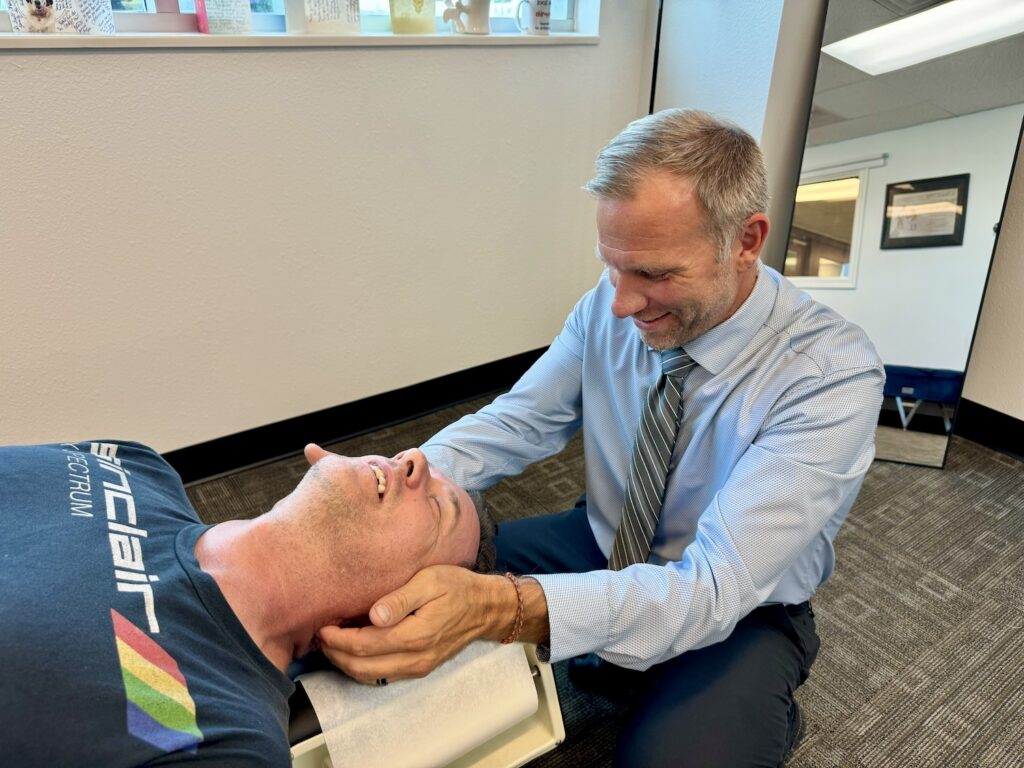
When it comes to recovering from sports injuries, many people tend to focus solely on physical rehabilitation. However, as a local chiropractor, I want to emphasize that there's so much more to consider in your healing journey. Incorporating therapy methods such as chiropractic adjustments, massage, and even cryotherapy can significantly enhance your recovery process.
It's not just about treating the injured area; we also need to look at nutrition and mental health, which are crucial components of recovery. Did you know that proper nutrition can aid in tissue repair and that a positive mental attitude can improve your resilience? By addressing these aspects, you can not only speed up your recovery but also build a stronger foundation for facing future challenges.
Let's delve into the various holistic approaches we can take together to transform your recovery experience and ensure you come back stronger than ever.
Importance of Recovery Time
When you experience a sports injury, it's crucial to understand that taking the necessary time to recover isn't merely a recommendation—it's vital for your long-term health and well-being. As a chiropractor, I often see patients who rush back into their activities too soon, which can lead to re-injury or even exacerbate existing conditions, ultimately prolonging the healing process. Your body requires adequate time to heal properly, and respecting this healing journey is essential for returning to your peak performance.
Recovery from an injury involves several stages, and each of these stages demands careful attention and appropriate care. Overlooking these stages can lead to complications like chronic pain or reduced mobility. I understand that it might be tempting to push through discomfort, but it's important to recognize that discomfort can be an indicator that your body needs more time to heal. Listening to your body is a fundamental part of the recovery process.
Moreover, the healing process isn't just physical; mental recovery is equally significant. Taking a step back allows you to reflect on your athletic goals and reassess your training regimen. This time away from the field can help you gain a deeper understanding of your body's limits and capabilities. You may even find new techniques or strategies that can enhance your performance once you return to your sport.
Additionally, recovery time is about building resilience. By allowing your body the time it needs to recuperate, you aren't only fostering physical healing but also setting the stage for future success, both psychologically and physically.
Physical Rehabilitation Techniques
As a local chiropractor, I want to emphasize the importance of physical rehabilitation techniques when you're recovering from a sports injury. Many people may not be familiar with how chiropractic care can aid in this process, but I assure you that therapeutic exercise protocols and manual therapy are vital components that can significantly enhance your recovery.
In our practice, we focus on helping you regain strength and mobility through a holistic approach. By incorporating targeted exercises tailored to your specific needs, we can improve your physical function and support your body's natural healing process.
Additionally, manual therapy techniques can help alleviate pain, reduce inflammation, and restore proper alignment.
I encourage you to explore how these methods can work together to facilitate your recovery. Understanding the benefits of chiropractic care and natural healing can empower you on your journey back to optimal health and performance.
Therapeutic Exercise Protocols
As a local chiropractor, I want to emphasize the importance of therapeutic exercise protocols in the realm of physical rehabilitation. These protocols are essential for restoring function and aiding recovery, particularly after sports injuries. The exercises we recommend are specifically tailored to your unique injury and overall fitness level, ensuring that you engage in movements that are most beneficial for your healing journey.
Initially, we focus on gentle range-of-motion exercises. These movements help to reduce stiffness and enhance blood circulation, which is crucial for healing. As you progress, we'll introduce more dynamic activities designed to rebuild strength and endurance in your muscles.
It's vital to listen to your body during this process; pushing too hard can hinder your recovery. In addition to strength-building exercises, we also incorporate balance and proprioception activities into your routine. These exercises play a crucial role in helping you regain coordination and confidence in your movements, which are essential for a full return to your activities.
Remember, consistency is key—following your prescribed exercise regimen diligently will lead to significantly better outcomes. Open communication with me is essential. If you feel any discomfort during your exercises, please let me know.
I can adjust your therapeutic protocol to ensure that you're progressing safely and effectively. By embracing these therapeutic exercise protocols, you can accelerate your healing process and return to your favorite activities feeling stronger and more resilient than ever.
Manual Therapy Benefits
As a local chiropractor, I want to help you understand the significant benefits of manual therapy in your recovery from sports injuries. These hands-on techniques are designed to alleviate pain, enhance mobility, and promote healing through natural methods. By skillfully manipulating soft tissues, joints, and muscles, manual therapy aims to reduce tension and restore proper function to your body.
When you come in for a session, I'll focus on the specific areas where you're experiencing discomfort. This targeted approach addresses muscle tightness and joint restrictions, allowing for a quicker return to your favorite activities. You'll likely notice improved circulation and reduced inflammation, which are crucial for effective rehabilitation exercises and getting you back in the game.
Beyond just physical relief, manual therapy can significantly enhance your overall sense of well-being. It not only tackles the physical symptoms but also encourages relaxation, which is essential during your recovery journey. Many of my patients have shared that they feel less anxious and more motivated to engage in their rehabilitation programs after a session.
Incorporating manual therapy into your treatment plan can truly transform your recovery experience. By working closely with a skilled chiropractor like myself, you can maximize your healing process and return to doing what you love sooner.
Benefits of Massage Therapy
As a local chiropractor, I want to share with you the incredible benefits of massage therapy, especially when it comes to recovering from sports injuries. If you're new to chiropractic care and natural healing, understanding how massage can complement your rehabilitation is essential.
First and foremost, massage therapy is a powerful tool for alleviating pain and reducing muscle tension. When muscles are tight, they can restrict your mobility and slow down your healing process, which is why incorporating massage into your recovery routine can be so beneficial.
One of the standout advantages of massage is its ability to enhance circulation. When you receive a massage, blood flow to the injured areas increases, delivering essential nutrients and oxygen that are crucial for healing. Improved circulation also aids in flushing out metabolic waste, which can expedite your recovery.
Another significant benefit of massage therapy is its effectiveness in reducing inflammation. By focusing on specific areas of discomfort, skilled therapists can help decrease swelling, allowing for a better range of motion. This is particularly valuable if you're dealing with common issues like bruises, sprains, or strains.
Beyond the physical benefits, massage therapy also addresses the mental aspects of recovery. Sports injuries can take a toll on your mental well-being, often leading to anxiety and stress. Regular massage sessions can help you unwind, elevate your mood, and promote an overall sense of well-being.
You'll likely notice that feeling more relaxed can positively impact your physical recovery as well.
Lastly, let's consider the preventative aspect. By keeping your muscles flexible and ensuring proper alignment through massage, you're less likely to sustain overuse injuries as you return to your favorite sport.
Role of Cryotherapy
As a local chiropractor, I want to share with you the significant role that cryotherapy can play in your recovery from sports injuries. This natural healing technique is incredibly effective in reducing inflammation and alleviating pain, which can help you bounce back more quickly.
Incorporating cryotherapy into your rehabilitation plan can offer numerous benefits, such as decreasing muscle soreness, enhancing circulation, and promoting overall healing.
In my practice, I often recommend various cryotherapy techniques to support your recovery and improve your overall well-being.
Let's delve into how these methods can aid your healing journey and get you back to your active lifestyle.
Benefits of Cryotherapy
As a local chiropractor dedicated to educating my patients about natural healing methods, I want to share the remarkable benefits of cryotherapy, especially for those dealing with sports injuries.
This innovative approach utilizes the power of cold to promote healing and reduce inflammation, offering a range of advantages that can significantly accelerate your recovery process.
Here are some key benefits of cryotherapy that you might find helpful:
- Reduced Inflammation: By applying cold therapy, we can constrict blood vessels, which minimizes swelling and helps alleviate pain. This is especially beneficial for those suffering from acute injuries or chronic conditions.
- Pain Relief: Cryotherapy has the ability to numb painful areas, providing immediate relief from soreness and discomfort, which can be crucial for maintaining your daily activities and overall quality of life.
- Improved Circulation: Interestingly, after the cold exposure, your blood flow increases, delivering essential nutrients to injured tissues. This enhanced circulation plays a vital role in speeding up the healing process.
- Enhanced Muscle Recovery: Many athletes have found that incorporating cryotherapy into their recovery routine allows them to bounce back faster after intense workouts, ultimately reducing the risk of future injuries.
It's a great complement to chiropractic care, which focuses on optimizing your body's function.
– Boosted Mood and Energy: The invigorating effects of cold exposure can stimulate the production of endorphins, leaving you feeling refreshed and energized. This can greatly enhance your overall well-being, both physically and mentally.
If you're interested in exploring how cryotherapy can complement your chiropractic care and support your journey to natural healing, feel free to reach out for more information!
Cryotherapy Techniques Explained
As your local chiropractor, I want to take a moment to educate you about an incredible technique that can significantly aid in your recovery from sports injuries: cryotherapy. This natural healing method involves exposing your body to extremely cold temperatures for a brief period, which can effectively reduce inflammation and alleviate pain.
There are several cryotherapy techniques available, each with its unique advantages. One of the most popular methods is whole-body cryotherapy (WBC). In this technique, you step into a chamber where the air is cooled to below -100°F for approximately three minutes. This exposure not only stimulates your body's circulation but also promotes accelerated healing, making it an excellent option for those recovering from injuries.
For those dealing with specific injuries, localized cryotherapy is a fantastic choice. This method uses a handheld device to apply cold air directly to the affected area, making it particularly effective for treating sprains, strains, or any localized pain you may be experiencing.
Another method I often recommend is ice baths. By submerging your body in ice-cold water for about 10-15 minutes, you can significantly reduce muscle soreness after intense workouts. Ice baths are a time-tested technique that many athletes swear by for recovery.
Lastly, there's cryo-compression, which combines the benefits of cold therapy with compression. Special wraps are used to apply both cold and pressure simultaneously, enhancing blood flow and reducing swelling in the process.
As you consider these options, remember that cryotherapy can be a valuable addition to your recovery routine, helping you heal naturally and effectively. If you have any questions or want to learn more about how these techniques can benefit you, feel free to reach out during your next visit!
Incorporating Mental Health Support
In the journey of recovering from a sports injury, it's crucial to understand that healing involves more than just physical recovery; mental health support plays a vital role in achieving overall wellness.
As a local chiropractor, I want to emphasize that your mental state significantly influences how well and how quickly you heal. Being sidelined from the sport you love can lead to feelings of frustration, anxiety, or even depression. It's essential to recognize and address these emotions to enhance your recovery experience.
Here are some effective ways to incorporate mental health support into your recovery plan while also benefiting from chiropractic care:
- Seek Professional Help: Consider reaching out to a sports psychologist or therapist who specializes in injury recovery. They can provide valuable strategies to navigate your feelings and cope with the mental challenges of being injured.
- Join Support Groups: Connecting with others who share similar experiences can foster a sense of community and understanding, helping to alleviate feelings of isolation.
- Practice Mindfulness: Mindfulness techniques, such as meditation and breathing exercises, can be beneficial in managing stress and keeping your mind focused on the healing process.
- Set Realistic Goals: Work with your chiropractor to develop a recovery plan that includes small, achievable goals. This approach can help sustain your motivation and maintain a positive outlook throughout the healing journey.
- Stay Engaged in Your Sport: While you may not be able to participate actively at the moment, staying involved by watching games or attending practices can keep your passion alive. This connection can significantly support your mental health during recovery.
Incorporating mental health support alongside chiropractic care is essential in your healing journey.
It not only promotes emotional healing but also enhances your overall physical recovery process, allowing you to return to the sport you love with renewed strength and resilience.
Nutrition's Impact on Recovery
As a local chiropractor, I want to emphasize how crucial nutrition is for your recovery from sports injuries. The right nutrients can significantly influence your healing process, including everything from tissue repair to maintaining your energy levels.
When you're dealing with an injury, your body has specific nutritional requirements. For instance, protein is vital for repairing damaged tissues. Including sources of lean protein such as chicken, fish, legumes, and dairy in your diet can help meet these needs and support your recovery.
Carbohydrates are equally important; they serve as your body's main energy source, particularly when you're going through therapy or rehabilitation. Opting for whole grains, fresh fruits, and vegetables can provide the necessary energy to aid in your recovery journey.
Don't overlook the power of healthy fats! Foods that are high in omega-3 fatty acids, such as salmon, walnuts, and flaxseeds, can help reduce inflammation and promote the healing process. Hydration is also key—drinking plenty of water will help transport nutrients throughout your body and enhance your recovery.
Additionally, vitamins and minerals play a significant role in tissue repair and immune function. Incorporating foods rich in vitamin C and zinc, like citrus fruits, bell peppers, nuts, and seeds, can boost your overall intake of these essential nutrients.
Lastly, the timing of your meals matters. Maintaining a balanced diet consistently throughout the day can optimize nutrient absorption and better support your recovery.
As we work together to help you heal from your injury, remember that a focus on nutrition is a powerful tool in achieving a full recovery.
Conclusion
As a local chiropractor, I want to emphasize the importance of a holistic approach to your sports injury recovery. It's not just about treating the injury itself; it's about fostering overall healing. By allowing yourself adequate recovery time and integrating physical rehabilitation techniques, you can significantly enhance your recovery journey.
In addition to chiropractic adjustments, consider complementary therapies such as massage and cryotherapy. These treatments can alleviate pain and promote healing in the affected areas. It's also vital to pay attention to your mental health during this time. Stress and anxiety can impede recovery, so seeking mental health support can be beneficial.
Moreover, proper nutrition plays a crucial role in healing. Fueling your body with the right nutrients can help repair tissues and reduce inflammation. When you combine these elements—chiropractic care, physical rehabilitation, mental health support, and nutrition—you create a comprehensive strategy that not only aids in your physical recovery but also strengthens your mental resilience. Together, we can work towards getting you back to your best self, stronger than ever.