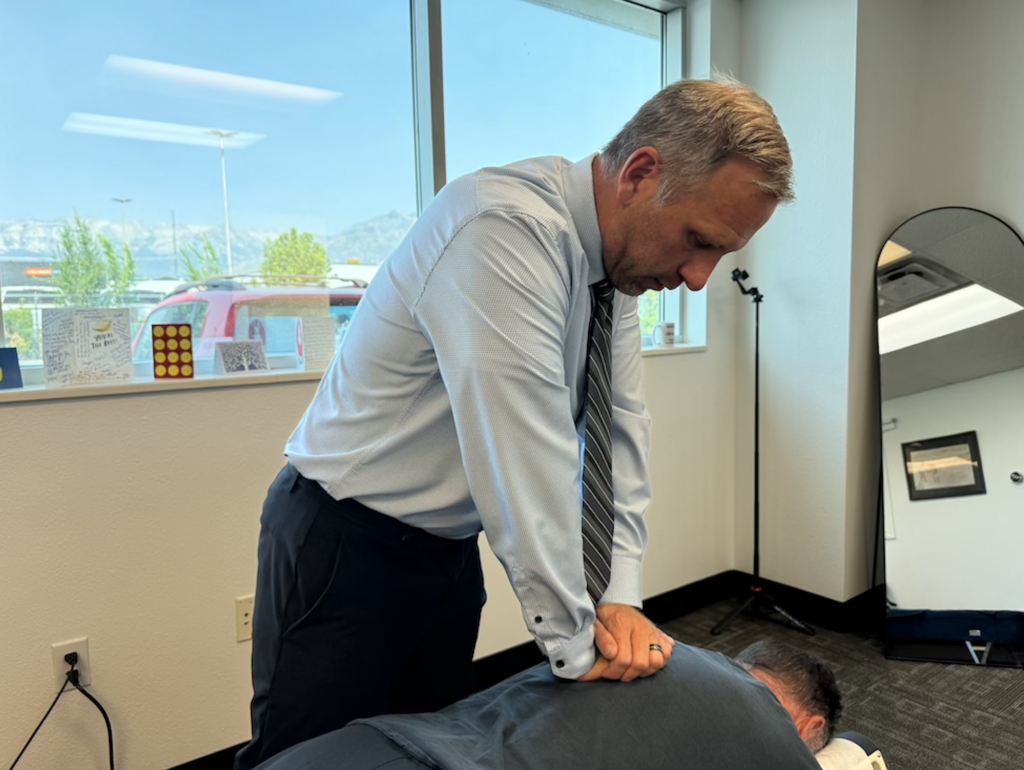
If you often struggle with tension headaches, you might not realize just how much chiropractic adjustments can help. These gentle manipulations target your spine, correcting misalignments that lead to muscle tension and nerve irritation. By restoring proper alignment, you can experience significant relief from discomfort and enhance your overall well-being.
Chiropractors use various techniques to help alleviate tension headaches. One common approach is spinal manipulation, which involves carefully adjusting your vertebrae to improve your spinal alignment. This can help reduce muscle tension and promote better blood flow, which is essential for minimizing headaches.
In addition to spinal adjustments, chiropractors may incorporate techniques such as soft tissue therapy to release tight muscles and improve flexibility. They may also provide lifestyle advice, including ergonomic tips for your workspace and exercises to strengthen your neck and shoulder muscles. These proactive steps can go a long way in preventing tension headaches from returning.
To enhance your daily life and reduce the likelihood of tension headaches, consider incorporating some simple practices into your routine. Staying hydrated, practicing good posture, and taking regular breaks from screen time can all contribute to a healthier spine and less muscle tension.
Remember, chiropractic care is a natural and effective way to achieve optimal health without resorting to medications or invasive procedures. If you’re tired of living with tension headaches, consider scheduling a consultation with a local chiropractor. Your journey to better health and wellness starts with understanding the power of chiropractic adjustments!
Key Takeaways
Chiropractic adjustments are a powerful tool for alleviating tension headaches, and here’s how they work:
- By realigning the spine, chiropractic adjustments help reduce nerve irritation, which is a common contributor to tension headaches. When your spine is in proper alignment, your nerves can function optimally, leading to fewer headaches.
- These adjustments also promote muscle relaxation, easing tightness in the neck, shoulders, and scalp. This relief can significantly reduce headache symptoms, allowing you to feel more comfortable and at ease.
- Regular chiropractic adjustments can enhance your mobility and flexibility, which decreases muscle tension over time. This proactive approach not only helps relieve current headaches but also plays a vital role in preventing their recurrence.
- Many people experience headaches due to poor posture, especially from sitting for long periods or spending excessive time in front of screens. Chiropractic care helps correct these postural issues, reducing strain on your body and minimizing headache triggers.
- Ultimately, chiropractic care fosters relaxation and reduces stress, both of which are crucial in preventing tension headaches. By focusing on your overall well-being, you can achieve a healthier, headache-free life.
To support your journey to wellness and minimize tension headaches, here are a few additional tips:
- Maintain good posture while sitting and standing to reduce strain on your spine.
- Take regular breaks from screens to alleviate eye strain and tension.
- Incorporate gentle stretches into your daily routine to keep your muscles relaxed.
- Stay hydrated and practice stress-reduction techniques, such as deep breathing or meditation.
Remember, chiropractic care is a natural and effective way to achieve optimal health and relieve pain. By prioritizing your spinal health, you’re investing in your overall well-being.
Understanding Tension Headaches
Tension headaches can feel like a tight band squeezing around your head, often leading to discomfort and frustration. You might experience a dull, aching pain, typically affecting both sides of your head. Unlike migraines, tension headaches don’t usually come with nausea or sensitivity to light, making them a common issue many people face. They can last anywhere from 30 minutes to several days, impacting your daily activities and overall mood.
Understanding the nature of these headaches is crucial for effectively managing them. They often stem from muscle tightness in your neck, shoulders, and scalp, which can be triggered by stress, poor posture, or prolonged screen time. Fatigue and lack of sleep can also contribute to their onset.
As a chiropractor, I believe that addressing the root causes of tension headaches is key to finding relief. Regular chiropractic care can help alleviate muscle tension and improve your posture, which may significantly reduce the frequency and severity of your headaches. By realigning your spine and relieving pressure on your nervous system, chiropractic adjustments can promote better overall health and wellness.
In addition to chiropractic care, here are some simple tips to help manage and prevent tension headaches:
- Practice Good Posture: Ensure your workspace is ergonomically friendly. Keep your computer screen at eye level and take regular breaks to stretch.
- Stay Hydrated: Dehydration can contribute to headache symptoms. Make sure you’re drinking enough water throughout the day.
- Manage Stress: Incorporate relaxation techniques into your daily routine, such as deep breathing exercises, meditation, or yoga.
- Get Quality Sleep: Aim for 7-9 hours of restful sleep each night to help your body recover and reduce headache triggers.
- Regular Exercise: Engaging in regular physical activity can help reduce stress and tension in your muscles.
By recognizing the symptoms and characteristics of tension headaches, and actively engaging in these preventive measures, you can better manage your health and enjoy a more pain-free life.
Common Triggers of Tension Headaches
While many factors can contribute to the onset of tension headaches, recognizing common triggers is key to effective management and overall wellness. Stress is one of the primary culprits; when you feel overwhelmed, your muscles tighten, leading to discomfort. This is where chiropractic care can help. By addressing muscle tension and spinal alignment, a chiropractor can help relieve stress-related headaches.
Poor posture is another significant factor, especially for those who sit for long periods, like at a desk or while using a phone. Hunching over can place unnecessary strain on the spine and surrounding muscles, often resulting in headaches. Regular chiropractic adjustments can improve posture and alleviate this tension, allowing you to feel more comfortable throughout your day.
Additionally, lack of sleep can worsen tension headaches. Inadequate rest can lead to increased muscle tension, which chiropractic care can help alleviate. Techniques such as spinal adjustments can promote relaxation and better sleep patterns.
Dehydration is another common trigger; not drinking enough water can lead to headaches. Staying well-hydrated is essential for overall health, and it can support spinal health as well. Make sure to drink plenty of water throughout the day.
Finally, skipping meals or having irregular eating habits can contribute to discomfort. Maintaining a balanced diet is crucial for overall well-being. Pairing a healthy diet with regular chiropractic visits can optimize your health and minimize headaches.
By recognizing these triggers and integrating chiropractic care into your wellness routine, you can take proactive steps to minimize their impact. This holistic approach not only helps manage tension headaches but also promotes a healthier, more balanced life.
The Role of Chiropractic Care
Understanding the common triggers of tension headaches is the first step in discovering how chiropractic care can be a powerful ally in relieving your discomfort. As a chiropractor, my focus is on the spine and its alignment, which plays a crucial role in the overall function of your nervous system. Through gentle and precise adjustments, I can help reduce tension in the muscles and joints, leading to less pain and a greater sense of well-being.
Here’s how chiropractic care can specifically benefit you:
| Benefit | Description | Impact on Headaches |
|---|---|---|
| Improved Alignment | Corrects spinal misalignments | Reduces nerve irritation and pressure |
| Muscle Relaxation | Eases tight muscles around the neck | Alleviates common headache triggers |
| Enhanced Mobility | Increases range of motion in the spine | Promotes better posture and less strain |
| Stress Reduction | Lowers stress levels through relaxation | Minimizes the frequency of tension headaches |
| Personalized Care | Tailors treatments to your specific needs | Addresses the root causes of your headaches |
By incorporating regular chiropractic adjustments into your routine, you can experience significant relief and improve your overall quality of life.
In addition to chiropractic care, here are some general tips to help manage tension headaches:
- Stay Hydrated: Drink plenty of water throughout the day to prevent dehydration, which can trigger headaches.
- Practice Good Posture: Be mindful of your posture whether you are sitting, standing, or using your phone. Poor posture can strain your neck and back, leading to headaches.
- Take Breaks: If you work at a desk or spend long periods in front of a screen, take regular breaks to stretch and move around.
- Manage Stress: Incorporate relaxation techniques into your daily routine, such as deep breathing exercises, meditation, or yoga.
- Get Quality Sleep: Aim for a consistent sleep schedule and create a restful sleeping environment to support your body’s recovery.
Importance of Posture in Headache Prevention
Your posture is incredibly important in preventing tension headaches, and as a chiropractor, I can tell you that aligning your spine properly can make a world of difference in your overall health.
Many of us spend long hours at a desk, often in positions that create discomfort and stress on our bodies. This poor ergonomics can lead to muscle tension and ultimately, headaches.
By focusing on your posture and incorporating simple stretching and alignment techniques, you can significantly reduce the risk of headaches. Here are some tips to help you maintain good posture throughout your day:
- Desk Setup: Ensure your computer screen is at eye level to avoid straining your neck. Your chair should support your lower back, and your feet should be flat on the ground.
- Stretch Regularly: Take short breaks every hour to stretch your neck, shoulders, and back. Simple neck rolls and shoulder shrugs can relieve tension and improve circulation.
- Stay Active: Regular physical activity not only strengthens your muscles but also promotes better posture. Consider walking, yoga, or other exercises to keep your body engaged.
- Chiropractic Care: Regular visits to a chiropractor can help maintain spinal alignment and relieve tension in your muscles. This natural approach is effective in promoting overall wellness and preventing headaches.
- Mind Your Posture: Be conscious of how you sit or stand. Keep your shoulders back, chest open, and spine straight. This not only helps with headaches but also improves your overall energy and mood.
By implementing these tips, you’ll not only reduce your chances of experiencing tension headaches but also enhance your overall well-being.
Chiropractic care is a holistic approach that can support your journey to optimal health, allowing you to live a healthier, pain-free life.
Impact of Poor Posture
When you slouch or hunch over, it can misalign your spine, leading to unnecessary tension in your neck and shoulders, which can trigger headaches. Poor posture puts extra strain on your muscles and ligaments, making them work harder to support your head. This constant tension can result in tightness and discomfort, often manifesting as tension headaches.
You might be surprised to learn that simply correcting your posture can help reduce both the frequency and intensity of these headaches. By maintaining an upright position, you align your spine and distribute your weight evenly, which alleviates pressure on your neck and shoulders.
Here are some simple tips to help you improve your posture throughout the day:
- Set Up Your Workspace: Make sure your computer screen is at eye level, and your chair provides good support for your lower back. This can help you maintain a more natural posture as you work.
- Take Regular Breaks: Stand up and stretch every 30 minutes. This can help relieve tension and encourage better spinal alignment.
- Practice Good Sitting Habits: Keep your feet flat on the ground and your knees at a 90-degree angle while sitting. This helps maintain proper spinal alignment.
- Stay Active: Regular exercise strengthens your core muscles, which support your spine. Activities like yoga and pilates can be particularly beneficial for improving posture.
- Be Mindful of Your Posture: Throughout the day, take a moment to check in with your posture. Are you slouching? Adjust yourself to sit or stand more upright.
By incorporating these practices into your daily routine, you can enhance your overall well-being and potentially prevent headaches.
Chiropractic care is another excellent way to achieve optimal health and address any underlying issues related to poor posture. A chiropractor can help realign your spine, relieve tension, and guide you towards a healthier, pain-free lifestyle.
Ergonomics in Workspaces
Creating an ergonomic workspace is crucial for preventing headaches and promoting overall wellness, as it can significantly affect your posture and comfort levels throughout the day. As a chiropractor, I understand the importance of spinal health, and a well-designed workstation can play a vital role in maintaining it. When setting up your workspace, aim for a neutral position that supports your body and spine. Remember, proper alignment is key to avoiding discomfort and pain.
Here are some essential tips to help you create an ergonomic workspace:
| Element | Recommendation |
|---|---|
| Chair Height | Adjust your chair so your feet are flat on the ground. This helps maintain proper alignment of your spine. |
| Monitor Position | Position the top of the screen at eye level. This prevents strain on your neck and promotes a more comfortable posture. |
| Keyboard Placement | Keep your wrists straight and relaxed while typing. This allows for better alignment of the arms and spine. |
| Feet Position | Ensure your feet are flat on the ground or use a footrest for better support. This can help reduce tension in your lower back. |
Stretching and Alignment Techniques
Maintaining proper posture is crucial not only for your comfort at work but also for preventing tension headaches. When you sit or stand with aligned posture, you significantly reduce unnecessary strain on your neck and shoulders, which are common culprits of discomfort.
As a chiropractor, I encourage you to incorporate simple stretching techniques into your daily routine. Gentle neck rolls, shoulder shrugs, and upper back stretches can effectively release any built-up tension.
It’s also important to assess your desk setup. Make sure your screen is at eye level, and your chair provides adequate support for your lower back. Remember to take regular breaks to move and stretch; staying in one position for too long can lead to stiffness and headaches.
By prioritizing your alignment and incorporating regular stretching, you can create a healthier workspace that helps prevent tension headaches.
Chiropractic care is an excellent choice for addressing these issues, as it focuses on the natural healing of your body. Regular adjustments can improve your posture, enhance spinal alignment, and reduce pain, leading to a more comfortable and healthier lifestyle.
Ergonomic Adjustments for Home and Work
To prevent tension headaches, it’s crucial to make ergonomic adjustments in your home and workplace. As a chiropractor, I often see how improper setups can lead to unnecessary strain on your spine and muscles.
Start by ensuring your workstation is set up correctly. Your computer screen should be at eye level to avoid straining your neck, which can contribute to headaches. Choose a chair that supports your lower back and helps you maintain good posture, with your feet flat on the floor.
If you’re working from home, create a designated workspace free from distractions. This won’t only help you focus but also promote better posture. Consider using a headset if you have frequent calls to avoid cradling your phone between your shoulder and ear, which can lead to neck pain.
At home, arrange your living space to encourage movement. Taking regular breaks to stretch and walk around can greatly reduce muscle tension and improve your overall well-being. Simple stretches can ease tightness in your neck and shoulders, which are common contributors to headaches.
Remember, these adjustments can significantly decrease the frequency and severity of tension headaches, helping you feel more comfortable and productive.
Additionally, regular chiropractic care can be a fantastic way to maintain optimal spinal health, reduce tension, and support your body’s natural ability to heal. By prioritizing your posture and incorporating these tips, you can take significant steps toward achieving better health and wellness naturally.
Stress Management Techniques
While stress is an unavoidable part of life, managing it effectively can significantly improve your overall health and well-being. As a chiropractor, I want to emphasize the importance of a holistic approach to stress management that aligns with natural healing practices.
One of the best ways to combat stress is through regular physical activity. Incorporating movement into your routine, even if it’s just a short walk, can help enhance your mood, reduce tension, and promote spinal health.
Remember, a healthy spine is crucial for optimal nerve function, which affects how your body responds to stress.
Mindfulness and meditation are also powerful tools. Just a few minutes of focused breathing each day can help clear your mind, release tension, and promote relaxation.
Consider integrating gentle stretching or yoga, which not only calms the mind but also supports spinal alignment and flexibility.
Setting boundaries is essential for managing stress. Learning to say no when your plate is full can help you prioritize your well-being.
Engaging in activities or hobbies you love can provide a joyful escape from daily pressures and is vital for maintaining a balanced lifestyle.
Don’t overlook the value of social support. Connecting with friends or family can provide you with comfort and perspective.
Sharing your experiences can help alleviate stress and remind you that you’re not alone in your journey.
Lastly, consider regular chiropractic care as a proactive measure for stress management. Chiropractic adjustments can help relieve tension in your body, improve spinal alignment, and promote better overall health.
By incorporating these techniques and prioritizing chiropractic care, you’ll be better equipped to manage stress and enhance your well-being naturally.
The Impact of Hydration on Headache Relief
Staying properly hydrated is crucial for your overall health and can significantly help alleviate headaches. As a chiropractor, I often see how dehydration can lead to tension and discomfort in the body, which frequently manifests as headaches. When you’re not drinking enough water, your body can struggle to maintain optimal blood flow and deliver essential nutrients to your brain, which may result in headaches.
It’s easy to overlook hydration, especially during our hectic daily routines. To support your well-being, make it a habit to drink water throughout the day, even if you don’t feel thirsty. A good guideline is to aim for at least eight glasses of water daily. If you’re active or in a warm environment, consider increasing your intake.
In addition to drinking water, incorporating water-rich foods such as fruits and vegetables into your diet can help boost your hydration levels. By prioritizing hydration, you’re not just keeping your thirst in check; you’re actively working to prevent headaches and support your overall wellness.
As a chiropractor, I emphasize that proper hydration is just one aspect of achieving optimal health. Regular chiropractic care can also play a vital role in managing pain and enhancing your body’s natural healing processes.
By addressing spinal alignment and nervous system function, chiropractic care can help you maintain a balanced body, which may further reduce the frequency and intensity of headaches.
Exercise and Stretching for Muscle Tension
Incorporating regular exercise and stretching into your daily routine can significantly reduce muscle tension, a common contributor to tension headaches. As a chiropractor, I want to emphasize the importance of movement for your overall health and wellness.
When you engage in physical activity, you enhance blood circulation to your muscles, which helps them relax and release built-up tension. Aim for at least 30 minutes of moderate exercise most days—activities like walking, swimming, or cycling are fantastic options.
Stretching is just as vital. It helps to lengthen tight muscles, especially in areas like your neck, shoulders, and upper back where tension often accumulates. Simple neck rolls, shoulder shrugs, and upper back stretches can provide immediate relief and improve your flexibility.
Always listen to your body; if something feels tight or sore, take the time to gently stretch that area. Incorporating these practices into your life not only boosts your overall health but also serves as a proactive measure to prevent those irritating tension headaches.
Remember, chiropractic care is an excellent way to support your body’s natural healing process. Regular adjustments can help maintain spinal alignment, which is crucial for optimal health.
Mindfulness and Relaxation Strategies
Physical activity and stretching can be incredibly beneficial for alleviating muscle tension, but don’t overlook the importance of mindfulness and relaxation strategies when it comes to managing tension headaches.
As a chiropractor, I believe that tuning into your body is essential for identifying stress signals before they escalate. Simple techniques, such as deep breathing, can help shift your focus away from pain and tension, allowing you to find relief.
Consider dedicating a few minutes each day to mindfulness practices like meditation or guided imagery. Visualizing a peaceful place can foster relaxation and ease discomfort.
Another effective method is progressive muscle relaxation: tighten each muscle group, starting from your toes and working your way up to your head, then consciously relax them. This practice can help you become more aware of your body and release built-up tension.
Yoga is also an excellent choice, as it combines physical movement with breath control, enhancing your overall sense of well-being.
These strategies not only work to reduce the intensity and frequency of tension headaches but also empower you to manage stress more effectively. Incorporating these methods into your daily routine, alongside regular chiropractic care, can be a powerful way to achieve optimal health and wellness naturally.
When to Seek Professional Help
When should you consider seeking professional help for tension headaches? If your headaches are becoming frequent or severe, it’s essential to consult a healthcare provider who understands the importance of natural healing methods, like chiropractic care.
Don’t ignore symptoms that interfere with your daily routine or worsen despite your self-care efforts. If you experience additional symptoms such as nausea, vision changes, or dizziness, it’s crucial to seek help right away, as these could indicate more serious issues.
If over-the-counter medications no longer provide relief or you find yourself relying on them too often, that’s a sign to explore other options. Headaches that impact your work, relationships, or overall well-being can be addressed effectively through chiropractic care, which focuses on correcting spinal misalignments and promoting overall health.
A chiropractor can assist in identifying underlying issues contributing to your tension headaches and recommend tailored treatments that may include adjustments, lifestyle changes, and exercises. These natural approaches not only help alleviate pain but also enhance your body’s ability to function optimally.
Here are some general tips for managing tension headaches at home:
- Stay Hydrated: Drink plenty of water throughout the day to help prevent headaches.
- Practice Good Posture: Maintain a neutral spine while sitting and standing to reduce strain on your neck and back.
- Manage Stress: Incorporate relaxation techniques such as deep breathing, yoga, or meditation into your routine.
- Get Regular Exercise: Engage in physical activity to improve circulation and reduce muscle tension.
- Limit Screen Time: Take breaks from screens to reduce eye strain and prevent tension from building up.
Conclusion
Incorporating chiropractic adjustments into your routine can significantly alleviate tension headaches by correcting spinal misalignments and encouraging relaxation. Chiropractic care focuses on natural healing, allowing your body to function at its best without the need for medications or invasive procedures.
In addition to regular adjustments, it’s important to maintain good posture and stay well-hydrated. These simple habits can help you minimize headache triggers. Engaging in regular exercise and practicing mindfulness techniques can also provide extra relief from tension and stress.
If you find that your headaches continue despite these efforts, it’s a good idea to consult with a chiropractor. We can work with you to identify underlying issues and develop a personalized care plan that supports your overall well-being.
By prioritizing chiropractic care and making these small adjustments to your daily routine, you can lead a more comfortable, headache-free life. Remember, taking care of your spine is a key part of achieving optimal health!