If you’ve ever experienced whiplash, you know how debilitating it can be. Thankfully, there are effective techniques to help alleviate your symptoms, with chiropractic care being one of the best options available. From immediate first aid to targeted exercises, you can take steps to improve your comfort and mobility.
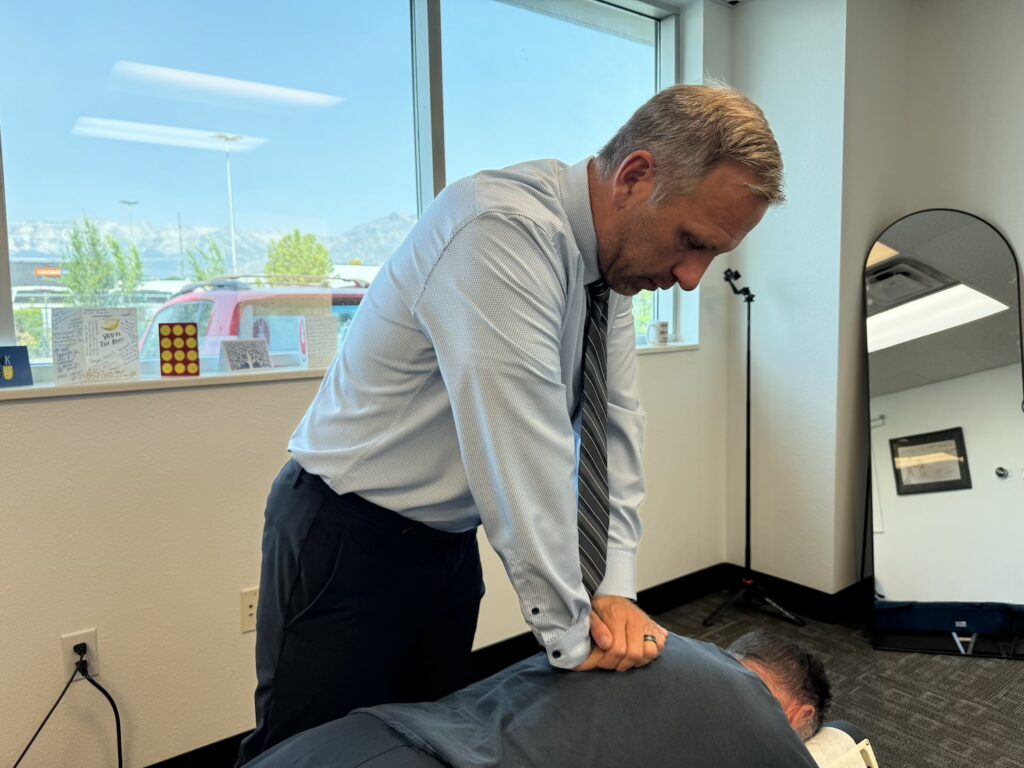
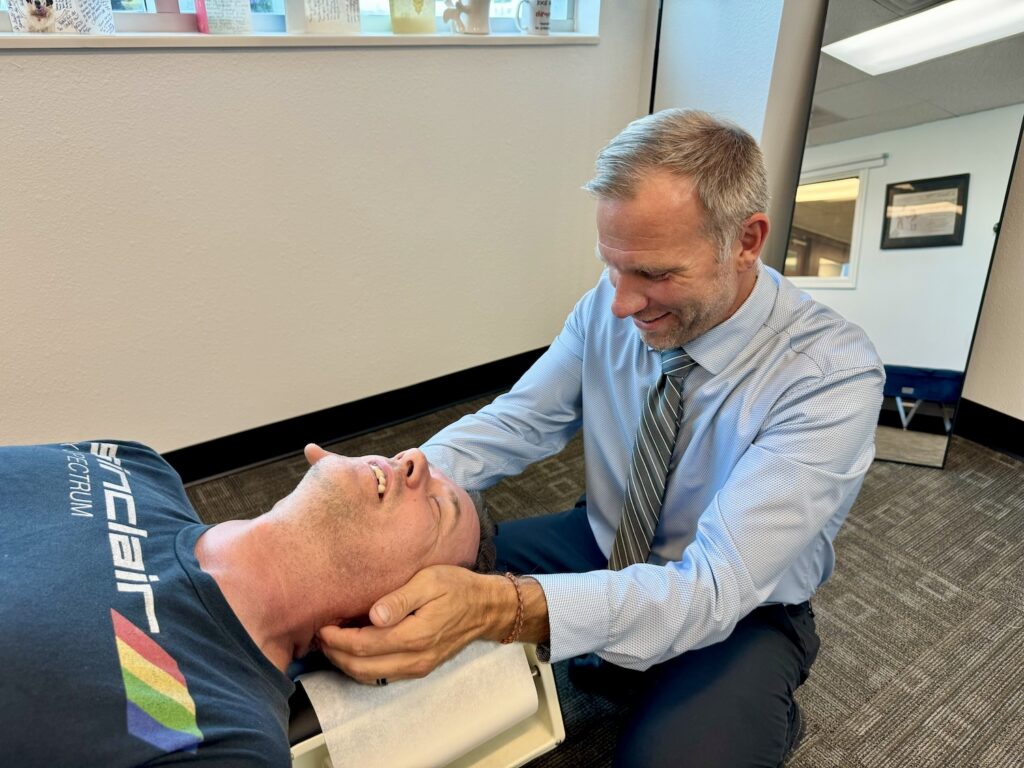
Chiropractic care focuses on realigning the spine and improving overall function, which can be crucial in your recovery from whiplash. A chiropractor can assess your condition and develop a personalized treatment plan that may include spinal adjustments, gentle stretches, and strengthening exercises.
In addition to chiropractic adjustments, here are some general tips to help you manage your whiplash symptoms:
- Apply Ice or Heat: In the first few days after injury, ice can help reduce swelling. After that, heat can soothe tight muscles and improve blood flow.
- Maintain Good Posture: Keep your head aligned with your spine. This reduces strain on your neck and helps promote healing.
- Gentle Stretching: Engage in light neck stretches as advised by your chiropractor. This can help improve flexibility and reduce stiffness.
- Stay Active: While rest is important, gentle movement can help maintain mobility. Your chiropractor can guide you on appropriate activities.
- Ergonomic Adjustments: Make sure your work and home environments support good posture. This might mean adjusting your chair, computer screen, or sleeping position.
- Stay Hydrated: Drinking plenty of water supports overall health and helps keep muscles functioning properly.
Remember, every person’s recovery is unique, so it’s essential to work closely with your chiropractor to find the best approach for your situation. Embracing chiropractic care not only helps alleviate pain but also promotes a holistic path to wellness.
Understanding Whiplash and Its Symptoms
Whiplash is a common neck injury that often happens after a sudden jolt, such as in a car accident. When your head moves quickly back and forth, it can strain the muscles and ligaments in your neck. If you’ve experienced whiplash, you might notice symptoms like neck pain, stiffness, and headaches shortly after the incident. Other signs can include dizziness, fatigue, and difficulty concentrating.
You may also find that your neck’s range of motion is limited, making simple tasks like turning your head uncomfortable. It’s crucial to listen to your body; if you notice increased pain or swelling, it’s a good idea to seek help from a chiropractor. Chiropractic care is a natural and effective way to address whiplash symptoms and promote healing. A chiropractor can assess your condition, provide gentle adjustments, and recommend exercises to restore mobility and alleviate pain.
Most people begin to feel better within a few weeks with the right care, but some may experience lingering symptoms. Recognizing these signs early is vital in managing your recovery and preventing further complications.
To support your healing process, here are some general tips:
- Apply ice packs to the affected area for 15-20 minutes to reduce swelling and discomfort.
- Practice gentle neck stretches to improve flexibility, but be sure to do this under the guidance of a professional.
- Maintain good posture, especially when sitting for long periods, to reduce strain on your neck.
- Stay hydrated and maintain a balanced diet to support overall health and recovery.
Understanding whiplash and its effects is the first step towards feeling better. Embracing chiropractic care can help you achieve optimal health and wellness naturally. Remember, your body has an incredible ability to heal itself with the right support!
Immediate First Aid for Whiplash
Experiencing whiplash can be unsettling, but knowing how to respond right away can help alleviate your symptoms and promote healing naturally.
First, take a moment to assess how you feel. If you’re in severe pain or feeling dizzy, it’s important to consult with a healthcare professional for guidance.
While you’re waiting for help, applying ice to the affected area can be very beneficial. Use a cloth-wrapped ice pack for about 15-20 minutes every hour to help reduce swelling and numb discomfort.
It’s crucial to keep your head and neck still to avoid aggravating any injury. If you’re comfortable, consider using a soft neck brace for extra support, but remember not to wear it for extended periods, as your neck needs to move to heal properly.
To manage pain naturally, many people find relief through gentle chiropractic adjustments. Chiropractic care focuses on restoring alignment and function to your spine, which can alleviate pain and promote healing.
Make sure to give yourself ample rest and avoid any strenuous activities for a few days. Staying hydrated is also essential, as it helps your body recover more effectively.
As your symptoms start to improve, gentle stretching can aid in regaining mobility, but be sure to listen to your body and not push yourself too hard.
Taking these steps can set the stage for a smoother recovery from whiplash, and don’t forget that chiropractic care is a wonderful option for achieving optimal health and wellness.
Always consider visiting a chiropractor for personalized guidance and treatment tailored to your specific needs.
Physical Therapy Exercises to Strengthen the Neck
When recovering from whiplash, incorporating specific physical therapy exercises can greatly enhance your healing process. At our chiropractic practice, we emphasize the importance of strengthening the muscles that support your neck and improving your overall mobility and stability. Engaging in targeted neck stretching techniques can’t only alleviate pain but also promote better movement, giving you the freedom to enjoy daily activities without discomfort.
Chiropractic care is a natural and effective way to support your recovery. By addressing the root cause of your pain and restoring proper alignment in your spine, we can help your body heal itself more effectively.
Here are some simple tips and exercises you can incorporate into your routine:
- Neck Stretches: Gently tilt your head to one side, bringing your ear toward your shoulder. Hold for 15-30 seconds and switch sides. This can help relieve tension in your neck muscles.
- Chin Tucks: Sit or stand up straight and gently tuck your chin in, as if trying to create a double chin. Hold for a few seconds and release. This exercise strengthens the deep neck muscles and promotes proper posture.
- Shoulder Rolls: Roll your shoulders forward in a circular motion, and then reverse the direction. This helps to loosen tight shoulder muscles that can contribute to neck pain.
- Gentle Neck Rotation: Slowly turn your head from side to side, trying to look over your shoulder. This helps improve your range of motion and flexibility.
Remember to listen to your body and avoid any movements that cause sharp pain. Consistency is key, so try to incorporate these exercises into your daily routine.
Additionally, regular chiropractic adjustments can further enhance your recovery by ensuring your spine is properly aligned, reducing tension, and promoting natural healing.
Neck Stretching Techniques
Stretching your neck is an excellent way to alleviate discomfort and support healing after experiencing whiplash. As a chiropractor, I recommend incorporating gentle neck stretches into your daily routine to promote natural healing and enhance your overall well-being.
Start with simple neck tilts: gently lower your ear toward one shoulder and hold for 15 seconds, then switch to the other side. This stretch helps ease tension and improve flexibility in the neck. Following that, try neck rotations by slowly turning your head to the right for 15 seconds, then to the left. These movements are beneficial for maintaining a healthy range of motion.
Another effective technique is the chin tuck. Pull your chin toward your chest while keeping your back straight. This not only strengthens your neck muscles but also encourages proper posture, which is essential for spinal health.
As you engage in these stretches, remember to breathe deeply and relax into each movement. Aim to repeat these exercises several times throughout the day, especially when you notice tightness in your neck. Listening to your body is crucial—if you experience any pain during the stretches, stop immediately and consider consulting with a chiropractor for personalized guidance.
In addition to stretching, maintaining good posture while sitting and standing, taking regular breaks from screens, and staying hydrated can significantly contribute to your neck health.
Strengthening Neck Muscles
Strengthening your neck muscles is crucial not only for recovery from whiplash but also for preventing future injuries and promoting overall wellness.
As a local chiropractor, I emphasize the importance of natural healing and the role of chiropractic care in achieving optimal health. Incorporating simple neck exercises into your daily routine can enhance strength and stability while supporting your recovery process.
One effective exercise is the chin tuck. Whether you’re sitting or standing, maintain a tall posture and gently tuck your chin toward your chest. Hold this position for five seconds and repeat it 10 times. This exercise helps align your spine and strengthens the muscles in your neck.
Another beneficial exercise is neck rotations. Slowly turn your head to one side, hold for five seconds, and then switch to the other side. Perform this movement 10 times on each side. It’s a great way to improve flexibility and reduce tension in the neck.
Isometric exercises are also highly effective. To perform these, press your palm against your forehead while resisting the pressure for five seconds. Again, aim for 10 repetitions. This exercise builds strength while avoiding strain, and it can be done anywhere.
As you incorporate these exercises, remember to breathe normally and listen to your body. Consistency is key; regular practice won’t only improve your neck strength but also support your overall recovery and well-being.
Chiropractic care complements these exercises by addressing spinal alignment and promoting natural healing.
If you’re experiencing pain or discomfort, I encourage you to seek out a chiropractor who can provide personalized care tailored to your needs. Together, we can work towards achieving a healthier, pain-free life.
Utilizing Heat and Cold Therapy
Soothing Whiplash Symptoms Naturally: The Power of Heat and Cold Therapy
If you’re dealing with whiplash, you know how uncomfortable and painful it can be. Luckily, there are natural methods to help soothe those symptoms, and heat and cold therapy are two of the most effective options. These techniques not only provide relief but also support your body’s natural healing process, making them invaluable tools on your road to recovery.
- Heat Therapy: Applying a warm compress can help relax those tight muscles in your neck. This gentle warmth increases blood flow, which promotes healing and eases discomfort. Just be sure to use a comfortable temperature to avoid any skin irritation.
- Cold Therapy: On the flip side, ice packs can work wonders to numb the pain and reduce inflammation. Cold therapy is particularly beneficial right after an injury, as it helps to minimize swelling and provides a soothing effect.
- Switching Techniques: For the best results, consider alternating between heat and cold. This combination can enhance your relief and support your body’s ability to heal.
- Gentle Movement: Don’t forget to incorporate gentle neck stretches into your routine. Movement is essential for maintaining flexibility and preventing stiffness, so listen to your body and go at your own pace.
- Consistency is Key: Regularly applying heat and cold therapy can significantly boost your healing journey. Aim to incorporate these methods into your daily routine for optimal results.
As a chiropractor, I encourage you to consider these natural therapies as part of your comprehensive approach to wellness.
While heat and cold therapy can provide immediate relief, chiropractic care addresses the root causes of your discomfort.
By focusing on spinal health and proper alignment, chiropractic adjustments can enhance your body’s overall function and help you achieve lasting relief from pain.
Exploring Alternative Treatments: Acupuncture and Massage
As you seek ways to relieve whiplash symptoms, I encourage you to consider the holistic benefits of chiropractic care as your primary option. Chiropractic adjustments can effectively realign the spine, which is crucial for alleviating pain and restoring mobility following an injury. By focusing on the root cause of your discomfort, chiropractic care promotes natural healing and overall wellness.
While acupuncture and massage can offer some relief, they’re best used as complementary therapies alongside chiropractic treatment. Chiropractic adjustments enhance blood flow and reduce inflammation, which can lead to significant improvements in your condition.
Moreover, a chiropractor can provide personalized exercises and stretches that strengthen the neck and improve posture, further aiding in your recovery.
Additionally, incorporating regular chiropractic visits into your wellness routine can help prevent future injuries and maintain optimal health. It’s essential to listen to your body and practice good self-care, including staying hydrated, using proper ergonomics, and incorporating gentle movements throughout your day.
Before starting any treatment, it’s always wise to consult with a qualified chiropractor to ensure that you receive the most effective care tailored to your unique needs. By prioritizing chiropractic care, you can manage your symptoms more effectively and work towards a healthier, pain-free life.
Ergonomic Adjustments for Daily Comfort
To alleviate your whiplash symptoms, making ergonomic adjustments in your workspace can significantly enhance your comfort and promote healing. Start by ensuring your desk setup encourages good posture. This means keeping your computer screen at eye level, so you don’t strain your neck, and using a chair that supports your lower back.
Opt for seating that promotes proper spinal alignment, such as a chair with good lumbar support.
In addition to these adjustments, consider taking regular breaks to stretch your neck and shoulders. Simple exercises like gentle neck rolls or shoulder shrugs can help relieve tension. Remember, these adjustments can’t only improve your comfort during the day but also support your overall health and wellness.
Chiropractic care is an excellent option for addressing whiplash and other neck issues. A chiropractor can help align your spine and provide personalized guidance on maintaining a healthy posture, which is essential for long-term relief and well-being.
By focusing on natural healing through chiropractic adjustments, you can enhance your body’s ability to heal itself, reducing the need for medications or invasive procedures.
Incorporate these tips into your daily routine, and you’ll be on your way to achieving optimal health and comfort. Remember, your body deserves care and attention, and chiropractic care is here to support you on that journey.
Proper Desk Setup
While you mightn’t realize it, your desk setup can significantly affect your comfort and may even worsen or help alleviate whiplash symptoms. As a local chiropractor, I want to emphasize how an ergonomic desk arrangement can promote your overall health and well-being.
Here are some simple adjustments you can make to enhance your workspace and support your spine:
- Monitor Position: Place your monitor at eye level. This adjustment helps prevent neck strain, allowing your spine to maintain a natural alignment.
- Keyboard Placement: Keep your keyboard close enough that your elbows are relaxed at your sides. This helps to minimize reaching and shoulder tension, reducing stress on your upper back.
- Chair Support: Choose a chair that offers adequate lower back support. A good chair encourages proper posture, which is essential for spinal health.
- Foot Positioning: Ensure your feet rest flat on the floor or on a footrest. This promotes better circulation and helps maintain your hips and spine in a neutral position.
- Workspace Organization: Arrange your workspace to minimize unnecessary movements. A well-organized desk can reduce strain on your body and help you work more efficiently.
By implementing these changes, you can create a more comfortable environment that allows you to focus on what’s important in your life, free from the nagging discomfort of whiplash.
Supportive Seating Options
Supportive seating options are crucial for managing whiplash symptoms and enhancing your overall comfort during daily activities. As a chiropractor, I emphasize the importance of proper spinal alignment, which can significantly influence your health and well-being.
When selecting a chair, look for one that provides good lumbar support. This helps maintain the natural curve of your spine, reducing strain and discomfort. Adjustable features such as seat height and armrests allow you to customize your seating position, promoting better posture and alleviating pressure on your back.
A chair with a comfortable cushion that evenly distributes your weight can make a big difference in how you feel throughout the day. When sitting, aim to keep your feet flat on the ground and your knees bent at a 90-degree angle. This position supports healthy circulation and minimizes stress on your spine.
For added neck support, consider using a cervical pillow, especially during prolonged periods of sitting. This simple adjustment can help reduce tension and discomfort in your neck, a common issue for those dealing with whiplash.
Remember to take regular breaks to stretch and change positions. Movement is vital for maintaining spinal health, and small adjustments throughout your day can prevent stiffness and discomfort.
By incorporating these ergonomic tips into your daily routine, you can enhance your comfort and potentially reduce whiplash discomfort.
Chiropractic care is an excellent option for achieving optimal health and wellness, so consider visiting your chiropractor for personalized advice and treatment tailored to your needs. Your spine will thank you!
When to Seek Professional Help
When should you think about seeking professional help for whiplash symptoms? If you’re dealing with ongoing pain or discomfort that impacts your daily activities, it’s crucial to consult a chiropractor. Ignoring these signs can hinder your recovery, so timely intervention is key to getting back on track.
Here are some signs that it’s time to reach out for assistance:
- Severe neck pain that doesn’t improve with simple at-home remedies
- Recurring headaches that interfere with your daily life
- Numbness or tingling sensations in your arms or hands
- Trouble moving your neck or shoulders comfortably
- Symptoms persisting for more than a few days
Neglecting these symptoms could lead to chronic issues and prolonged discomfort. By seeking chiropractic care, you’re taking an essential step toward healing and restoring your well-being. Chiropractors focus on natural healing techniques that can effectively alleviate pain and enhance your overall health.
Remember, you’re not alone on this healing journey—chiropractors are dedicated to guiding and supporting you every step of the way.
To promote better neck health, consider these general tips:
- Practice good posture, especially when sitting for long periods.
- Incorporate gentle neck stretches into your daily routine.
- Apply heat or cold packs to the affected area for relief.
- Stay active with low-impact exercises to keep your body moving.
Choosing chiropractic care can be a powerful way to achieve optimal health and wellness naturally. Take action today to reclaim your quality of life!
Conclusion
Incorporating natural healing techniques can significantly help alleviate whiplash symptoms. As a chiropractor, I believe that understanding your condition and applying immediate first aid is vital for your recovery. Engaging in targeted exercises can promote healing and strengthen your neck and spine, helping you regain your mobility.
Utilizing heat and cold therapy is another effective method; applying heat can relax tight muscles, while cold therapy can reduce inflammation. Additionally, consider alternative treatments like acupuncture and therapeutic massage, which can complement chiropractic care and enhance your healing process.
It’s also essential to create a comfortable workspace to minimize strain on your neck. Simple adjustments like using ergonomic chairs or taking regular breaks can make a big difference in your comfort level.
Always remember, if your symptoms persist, seeking chiropractic care is a natural and effective option. Chiropractors focus on aligning the spine and supporting your body’s ability to heal itself. These steps, along with consistent chiropractic adjustments, can lead you toward a more comfortable and healthier recovery. Embrace these techniques and take charge of your wellness journey!