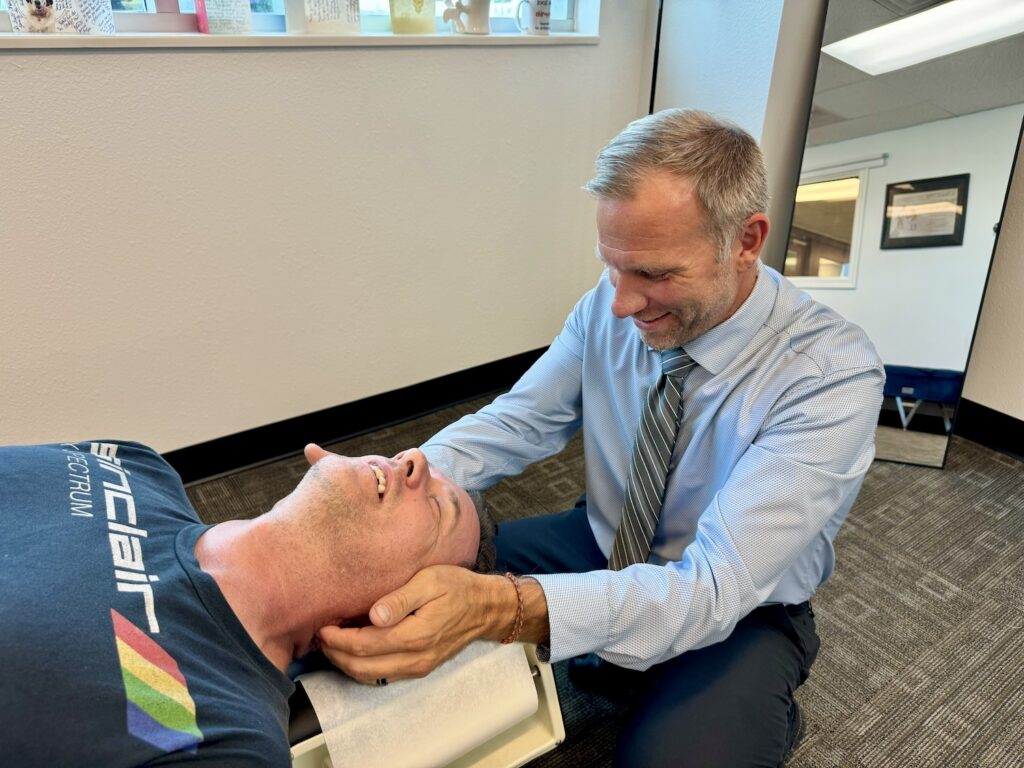
If you often experience migraines along with neck pain, you’re certainly not alone. Many individuals find that tension in their neck can trigger or worsen headaches. Understanding the link between these two issues is vital for finding effective relief. One of the best approaches to tackle this problem is through chiropractic care, which focuses on spinal health to alleviate discomfort naturally.
Chiropractic adjustments can help restore proper alignment in your spine, reducing tension in your neck and, as a result, alleviating migraine symptoms. Additionally, incorporating posture correction techniques into your daily routine can significantly help. Make it a habit to sit and stand with your shoulders back and your head held high. This simple adjustment can relieve pressure on your neck and potentially reduce the frequency and intensity of your migraines.
Targeted exercises can also be beneficial. Gentle neck stretches and strengthening exercises can help improve flexibility and strength in the neck, reducing tension that may lead to headaches. Your chiropractor can guide you through specific exercises tailored to your needs.
Another important aspect to consider is your daily habits. Ensure you’re staying hydrated, getting enough rest, and managing stress effectively, as these factors can all contribute to both neck pain and migraines.
By focusing on natural healing through chiropractic care and making small lifestyle adjustments, you can take significant steps toward alleviating your migraines and neck pain. If you’re curious about how chiropractic care can specifically help you, don’t hesitate to reach out for a consultation. Together, we can work towards achieving your optimal health and wellness!
Understanding the Connection Between Neck Pain and Migraines
When you experience neck pain, it can often trigger or worsen migraines, creating a frustrating cycle. The discomfort in your neck may lead to muscle tension, which can strain nerves and blood vessels, intensifying migraine symptoms. As your neck tightens, you may notice a throbbing sensation in your head, making it difficult to focus on daily tasks.
Poor posture is another significant factor that can contribute to both neck pain and migraines. If you find yourself hunched over a desk or frequently looking down at your phone, your neck pays the price, and so does your head. Understanding this connection highlights the importance of addressing neck pain, as it can lead to a significant improvement in your overall quality of life.
As a chiropractor, I want to emphasize that recognizing this link is crucial for your well-being. Exploring natural strategies to relieve neck tension is key. Gentle stretches, heat therapy, and ergonomic adjustments to your workspace can help alleviate discomfort.
These interventions can break the cycle of pain and headaches, allowing you to regain control over your health. Chiropractic care is a fantastic option for those seeking natural relief from neck pain and migraines. By focusing on spinal health, we can address the root causes of your discomfort and improve overall wellness.
Common Causes of Neck Pain in Migraine Sufferers
If you’re someone who experiences migraines, you mightn’t realize that poor posture could be a contributing factor to your neck pain. Misalignment in the spine can lead to muscle tension, which can trigger or exacerbate your migraines, creating a frustrating cycle. By understanding these common causes, you can take steps toward effective relief and improved wellness.
As a chiropractor, I want to emphasize how important spinal health is for overall well-being. Chiropractic care focuses on correcting misalignments in your spine, which can alleviate neck pain and reduce the frequency and severity of migraines. Through gentle adjustments and targeted therapies, we can help restore proper function to your spine and muscles.
Here are a few simple tips to help you maintain better posture and support your neck health:
- Ergonomic Workspace: If you spend long hours at a desk, ensure your workspace is set up to promote good posture. Your computer screen should be at eye level, and your chair should support your lower back.
- Mind Your Posture: Be mindful of your posture throughout the day. Keep your shoulders relaxed and avoid leaning forward or hunching over.
- Regular Movement: Take breaks to stretch and move around, especially if you’ve been sitting for a while. This helps relieve tension and keeps your muscles flexible.
- Stay Hydrated: Drinking plenty of water can help maintain muscle function and reduce the likelihood of tension.
- Chiropractic Care: Regular chiropractic adjustments can help keep your spine aligned and reduce neck pain, which may, in turn, lessen your migraine occurrences.
Poor Posture Effects
Poor posture is a common issue that can significantly contribute to neck pain, which in turn can intensify migraines. When you slouch or hunch your shoulders, it puts extra strain on your neck muscles and spine, leading to discomfort and tension that can worsen your migraine symptoms.
As a chiropractor, I want to emphasize the importance of maintaining good posture to support your overall health and wellness.
If you spend long hours at a desk, it’s crucial to ensure your workstation is set up in a way that promotes good posture. Here are a few tips to help you create an ergonomic workspace:
- Adjust Your Chair: Make sure your chair supports your lower back and allows your feet to rest flat on the ground. This alignment helps keep your spine in a neutral position.
- Monitor Height: Position your computer monitor at eye level so you don’t have to tilt your head forward or backward. This will help keep your neck relaxed and reduce strain.
- Regular Breaks: Take short breaks every hour to stand up, stretch, and realign your body. Simple neck and shoulder stretches can alleviate tension and improve your posture.
- Mind Your Posture: Throughout the day, be conscious of how you’re sitting or standing. Keep your shoulders back, and avoid leaning forward or slumping.
By being mindful of your posture and incorporating these tips into your daily routine, you can help alleviate neck pain and potentially reduce the frequency and intensity of your migraines.
Additionally, regular chiropractic adjustments can play a vital role in promoting proper spinal alignment and overall wellness. Chiropractic care focuses on natural healing methods that support your body’s ability to function optimally.
If you’re struggling with neck pain or migraines, consider consulting with a chiropractor to explore personalized treatment options that can help you achieve lasting relief. Your journey to better health starts with a strong foundation—your spine!
Muscle Tension Triggers
Muscle tension is a common trigger for neck pain, especially for those who suffer from migraines. This can create a frustrating cycle where pain and discomfort only make migraine symptoms worse. One of the main culprits is stress; when we feel anxious, our neck and shoulder muscles tend to tighten up. This tension not only contributes to neck pain but can also lead to headaches, compounding the problem for migraine sufferers.
Poor posture is another significant factor. Many of us spend long hours hunched over a desk or staring down at our phones, which can lead to muscle tightness over time. Additionally, a lack of movement or exercise can result in stiffness, further aggravating neck pain. Even something as simple as dehydration can cause muscle cramps, adding to your discomfort.
To help break this cycle and find relief, consider incorporating some simple strategies into your daily routine. Focus on relaxation techniques, such as deep breathing or gentle stretching, to help ease muscle tension. Maintaining good posture while sitting or standing can significantly reduce strain on your neck and shoulders.
Regular physical activity, even light exercises or walks, can keep your muscles flexible and strong, helping to prevent stiffness. Chiropractic care is an excellent way to naturally relieve muscle tension and improve your overall wellness. A chiropractor can help align your spine, which can alleviate neck pain and reduce the frequency and intensity of migraines.
Effective Stretching Exercises for Neck Relief
If you’re struggling with neck pain that often leads to migraines, incorporating effective stretching exercises into your daily routine can make a remarkable difference in your comfort and overall wellness.
As your local chiropractor, I encourage you to explore these simple yet powerful stretches that can complement your chiropractic care and promote natural healing.
Start with neck tilts: gently tilt your head to one side, bringing your ear toward your shoulder. Hold this position for 15-30 seconds, feeling the gentle stretch along the side of your neck.
Then, switch sides and repeat. This exercise helps to alleviate tension and improve mobility in the neck.
Next, try chin tucks: pull your chin toward your chest while keeping your back straight. This movement helps to strengthen your neck muscles and improve posture, which is crucial for preventing pain.
Hold for 5 seconds, then release. Aim to repeat this exercise 10 times.
Another excellent stretch is the doorway stretch. Stand in a doorway with your arms positioned on the frame. Lean forward slightly to stretch your chest and neck.
Hold this position for 15-30 seconds. This stretch not only eases neck tension but also opens up your chest, promoting better breathing and overall relaxation.
Finally, don’t forget about gentle shoulder rolls. Lift your shoulders toward your ears, then roll them back and down.
Repeat this 10 times. This movement helps to release tension built up in the shoulders and neck, further contributing to your overall relief.
Incorporating these stretches into your routine can significantly ease tension and enhance your neck’s flexibility, ultimately reducing those migraine triggers.
Remember, chiropractic care is an excellent way to address the root causes of your pain and support your journey towards optimal health.
Posture Correction Techniques to Alleviate Neck Discomfort
To alleviate neck discomfort, it’s crucial to pay attention to your posture, and chiropractic care can play a vital role in this process.
By setting up an ergonomic workspace and regularly visiting your chiropractor, you can ensure that your spine is aligned properly, which is essential for overall health. Incorporating simple stretching and strengthening exercises into your daily routine, along with mindful sitting techniques, can significantly reduce tension and discomfort in your neck.
Chiropractic adjustments can help restore proper alignment in your spine, relieving pressure on nerves and muscles that may be contributing to your neck pain.
Additionally, your chiropractor can guide you through specific exercises tailored to your needs, promoting better posture and overall wellness.
Remember, making these adjustments in your everyday life can’t only alleviate tension but also reduce the frequency of migraines.
Embrace chiropractic care as a natural and effective way to achieve optimal health and well-being!
Ergonomic Workspace Setup
Creating an ergonomic workspace is essential for promoting spinal health and reducing neck discomfort, which can often lead to migraines. As a chiropractor, I recommend starting with your chair. Adjust it so that your feet rest flat on the floor, and your knees are at a right angle. This helps maintain a healthy posture, which is crucial for your spine.
Next, position your computer monitor at eye level. This adjustment prevents unnecessary strain on your neck and helps keep your spine aligned. Your keyboard and mouse should be close enough that your shoulders and elbows can remain relaxed, ideally at about 90 degrees. This setup not only enhances comfort but also supports your overall well-being.
Choosing a chair with good lumbar support is also vital. It encourages proper posture and helps to keep the natural curve of your spine intact.
If you find yourself on the phone frequently, a headset can be a game-changer. It allows you to keep your head and neck aligned without cradling the phone between your ear and shoulder, which can lead to discomfort.
Lastly, ensure your workspace is well-lit to reduce eye strain—another common trigger for migraines. By making these simple adjustments, you can significantly improve your comfort and productivity.
Stretching and Strengthening Exercises
As a local chiropractor, I want to share how incorporating stretching and strengthening exercises into your daily routine can be a powerful way to alleviate neck discomfort and enhance your posture.
By focusing on specific movements, you can promote flexibility and build strength in your neck and upper back, all of which are vital for maintaining overall spinal health. Here are some effective exercises to consider:
- Neck tilts: Gently tilt your head from side to side to stretch the muscles in your neck. This simple movement can help release tension and improve mobility.
- Shoulder shrugs: Lift your shoulders towards your ears and then relax them down. This exercise can relieve tightness in your shoulders and upper back, promoting better posture.
- Chin tucks: Draw your chin towards your chest to strengthen the neck muscles. This exercise not only helps alleviate neck pain but also encourages proper alignment of your spine.
- Wall angels: Stand against a wall and slide your arms up and down in a “W” to “Y” motion. This movement helps improve your posture by opening up the chest and stretching the upper back.
- Cat-cow stretch: Alternate between arching your back and rounding it while on all fours. This dynamic stretch can help release tension in the spine and promote overall flexibility.
Incorporating these exercises into your daily routine can make a significant difference in how you feel.
Remember, chiropractic care is an excellent way to support your body’s natural ability to heal and maintain optimal health. Regular adjustments combined with these exercises can enhance your results and keep your spine aligned.
Always listen to your body, and don’t hesitate to reach out for professional guidance to ensure you’re on the right path to wellness!
Mindful Sitting Techniques
Incorporating stretching and strengthening exercises is important for your neck health, but how you sit throughout the day is equally crucial in alleviating neck discomfort.
To maintain proper posture, sit back in your chair with your feet flat on the floor and your knees at a right angle. Keep your shoulders relaxed and avoid slumping forward. Position your computer screen at eye level to prevent straining your neck, and when using your phone, hold it at eye level instead of looking down.
Taking regular breaks to stretch and reset your posture every hour is essential. A simple neck stretch can be as easy as tilting your head gently side to side or rolling your shoulders. These mindful sitting techniques not only help reduce neck tension but also promote overall well-being.
If you’re experiencing persistent neck issues, chiropractic care can be your best ally. Chiropractors specialize in spinal health and can provide gentle adjustments that help restore proper alignment, relieving pain and discomfort naturally.
Heat and Cold Therapy for Neck Pain Management
When neck pain triggers your migraines, incorporating heat and cold therapy can offer considerable relief. Both methods have unique benefits that can help ease discomfort and support your overall wellness. Here’s how to use them effectively in conjunction with chiropractic care:
– Heat application: Try using a warm compress or a heating pad on your neck for 15-20 minutes. This can help relax tense muscles and improve blood flow, which is essential for healing and recovery.
Regular chiropractic adjustments can also enhance the effectiveness of heat therapy by ensuring your spine is aligned properly.
- Cold therapy: Applying an ice pack wrapped in a cloth for 15-20 minutes can numb the area and reduce inflammation. This is particularly useful after a chiropractic adjustment or during a migraine episode, as it can help manage pain and swelling.
- Alternating therapies: Consider switching between heat and cold applications. This approach not only maximizes relief but also promotes better circulation and helps alleviate pain.
Your chiropractor can guide you on how to integrate these methods into your overall treatment plan.
- Timing: Use these therapies multiple times a day, especially during migraine episodes or after extended periods of neck strain. Consistency is key for achieving the best results.
- Personal preference: Everyone responds differently to heat and cold therapy, so it’s important to experiment to find out what works best for you.
Combining these practices with regular chiropractic care can greatly enhance your pain management strategy.
Incorporating heat and cold therapy into your routine can be a game changer for managing neck pain and migraines.
Remember, chiropractic care is an excellent way to support your body’s natural healing processes and achieve optimal health.
The Role of Physical Therapy in Treating Neck Pain and Migraines
Chiropractic care plays a vital role in managing neck pain and migraines, particularly when these issues are connected. By focusing on spinal alignment and joint mobility, a chiropractor can help alleviate discomfort and enhance your overall well-being. They’ll evaluate your posture and movement habits, pinpointing any factors that may be contributing to your pain.
Through gentle adjustments and manipulations, you can experience relief from tension in your neck, which is often a trigger for migraines. Additionally, chiropractic techniques like massage and stretching can be instrumental in reducing pain and enhancing function.
Moreover, a chiropractor can provide valuable advice on ergonomics and daily habits that promote a healthier lifestyle. This proactive approach empowers you to take charge of your health and manage your symptoms effectively.
Here are a few simple tips to help you maintain a healthy neck and minimize migraine triggers:
- Maintain Good Posture: Be mindful of your posture, especially when sitting for long periods. Keep your shoulders back and your head aligned with your spine.
- Take Breaks: If you work at a desk, take regular breaks to stretch and move around. This helps to reduce muscle tension.
- Stay Hydrated: Drinking plenty of water can help prevent dehydration, a common migraine trigger.
- Practice Stress Relief: Techniques such as deep breathing, meditation, or gentle yoga can help manage stress, which may contribute to both neck pain and migraines.
Alternative Treatments: Acupuncture and Chiropractic Care
Many people experience migraines and neck pain, often turning to conventional treatments for relief. However, as a chiropractor, I want to highlight that chiropractic care can be one of the most effective options for achieving optimal health and wellness. By focusing on spinal health, we can address the root causes of your discomfort, not just the symptoms.
Here’s how chiropractic care can help:
- Spinal Realignment: Chiropractic adjustments realign your spine, which can significantly reduce tension in your neck and head. This realignment not only helps alleviate pain but also improves your overall mobility, allowing you to move more freely and comfortably.
- Natural Pain Relief: Chiropractic care promotes your body’s natural healing processes. By optimizing your spinal health, we can reduce the frequency and intensity of migraines without relying on medications or surgeries. This means you can enjoy a pain-free life naturally!
- Holistic Approach: Rather than just treating the pain, chiropractic care addresses the underlying issues that contribute to your discomfort. This holistic approach ensures that you’re not just temporarily masking the pain but working towards long-term wellness.
- Regular Care for Lasting Benefits: Regular chiropractic sessions can lead to long-lasting benefits, helping you maintain a healthy spine and reducing the chances of future pain. Many patients find that consistent care not only helps with their current issues but also enhances their overall quality of life.
Here are some general tips to enhance your wellness journey:
- Stay Active: Incorporate regular physical activity into your routine. Simple exercises, like walking or stretching, can support your spinal health.
- Posture Matters: Be mindful of your posture, whether sitting at a desk or using your phone. Proper alignment can prevent unnecessary strain on your neck and back.
- Stay Hydrated: Drinking plenty of water is essential for maintaining healthy spinal discs and overall body function.
- Ergonomics: Set up your workspace to be ergonomically friendly. Adjust your chair and computer height to promote better spinal alignment.
- Listen to Your Body: Pay attention to any signs of discomfort and don’t hesitate to seek chiropractic care. Early intervention can prevent more serious issues down the line.
Lifestyle Changes for Long-Term Relief From Neck Pain and Migraines
Chiropractic care is a powerful tool in your journey toward pain relief and overall wellness. While your chiropractic adjustments provide immediate relief, incorporating simple lifestyle changes can significantly enhance your long-term health and help prevent issues like neck pain and migraines from returning.
Start by adding regular exercise to your routine. Engaging in low-impact activities such as swimming or yoga not only strengthens your neck muscles but also improves flexibility, which can help reduce the frequency of migraines. These exercises promote relaxation and alleviate tension, making them great companions to your chiropractic adjustments.
Paying attention to your posture is essential, especially if you spend long hours sitting. Make sure your workspace is set up to support proper alignment. This means keeping your computer screen at eye level and using a chair that supports your lower back. Remember to take regular breaks to stretch and move around—this can help keep your spine healthy and reduce muscle tension.
Hydration and nutrition also play a vital role in your overall health. Drink plenty of water throughout the day, and focus on a balanced diet that includes foods rich in magnesium, such as leafy greens, nuts, and whole grains. These dietary choices support muscle function and can help prevent headaches.
Another important aspect of managing neck pain and migraines is stress management. Techniques like meditation, deep breathing exercises, or even gentle stretching can help calm your mind and reduce stress, which is often a trigger for migraines.
By incorporating these practices into your daily routine, you empower yourself to take control of your health. Embracing these lifestyle changes, alongside your chiropractic care, can help you not only relieve neck pain but also pave the way for a healthier, migraine-free life.
Conclusion
By addressing neck pain, you can significantly reduce the frequency and intensity of your migraines. As a chiropractor, I believe that proper spinal alignment is essential for overall health and wellness. One of the best ways to achieve this is through chiropractic care, which focuses on natural healing without the need for medication or surgery.
Incorporating posture correction into your daily routine is crucial. Make an effort to sit and stand up straight, ensuring your head is aligned over your shoulders. Simple stretching exercises can also help relieve tension in your neck and upper back, which are often contributors to migraine pain. Heat or cold therapy can provide immediate relief as well—try applying a warm compress to your neck or using an ice pack to reduce inflammation.
Lifestyle changes play a significant role in long-term relief. Staying hydrated is important, as dehydration can trigger migraines. Managing stress through relaxation techniques such as deep breathing or meditation can also help minimize migraine occurrences.
If neck pain persists, seeking professional help from a chiropractor can be a game-changer. Chiropractic adjustments can realign your spine, reduce tension, and improve your overall function. By addressing the root cause of your pain, chiropractic care empowers you to take control of your health and enjoy a more comfortable, migraine-free life.
Remember, making these small changes can lead to big improvements. Prioritize your spine health, and consider chiropractic care as a natural and effective solution for achieving optimal well-being.