If you experience migraines, you might be surprised to learn how intimately they are connected to the health of your neck. Issues like poor posture, muscle tension, and stress can all play a significant role in your discomfort. As a chiropractor, I want to emphasize the importance of neck care in managing migraines and promoting overall wellness.
By focusing on your neck health, you can find relief from migraine episodes. Simple yet effective strategies, such as specific stretches, ergonomic adjustments to your workspace, and relaxation techniques, can make a considerable difference. Here are some practical tips to help you take control of your neck health:
- Practice Good Posture: Ensure that your work environment is ergonomically designed. Keep your computer screen at eye level and sit with your back supported. This will help reduce strain on your neck.
- Incorporate Neck Stretches: Gentle neck stretches can relieve tension and improve mobility. Try slowly tilting your head side to side or forward and backward to help ease stiffness.
- Stay Hydrated: Drinking plenty of water can help maintain muscle function and reduce tension in your neck.
- Use Heat Therapy: Applying a warm compress to your neck can help soothe tight muscles and promote relaxation.
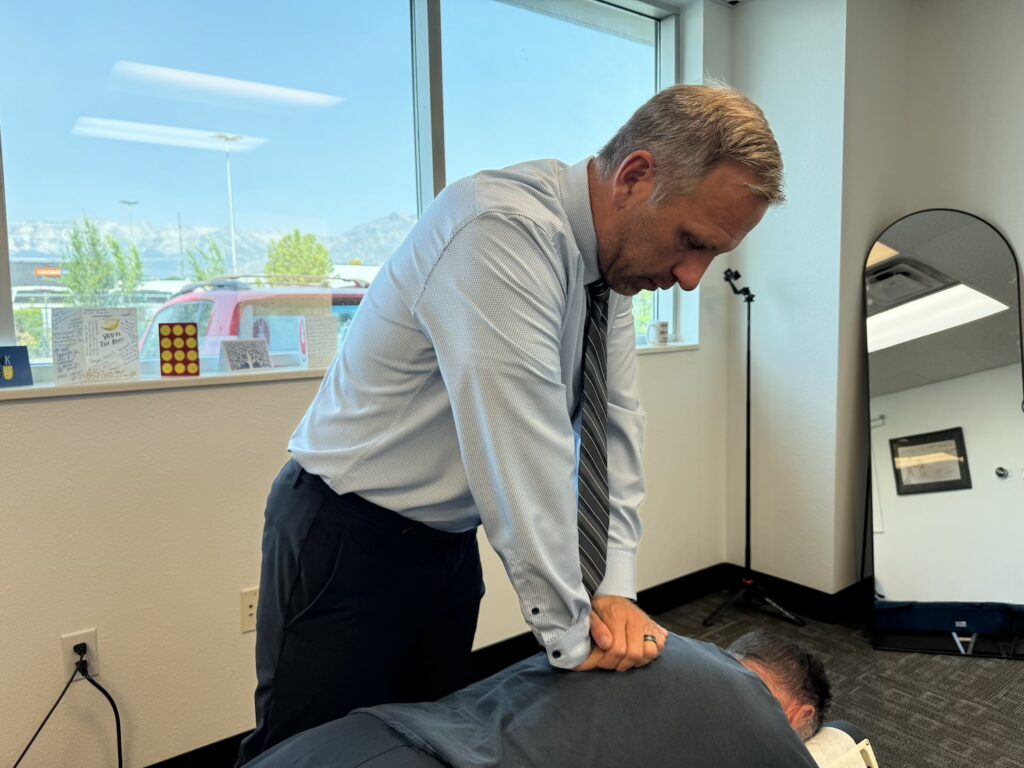
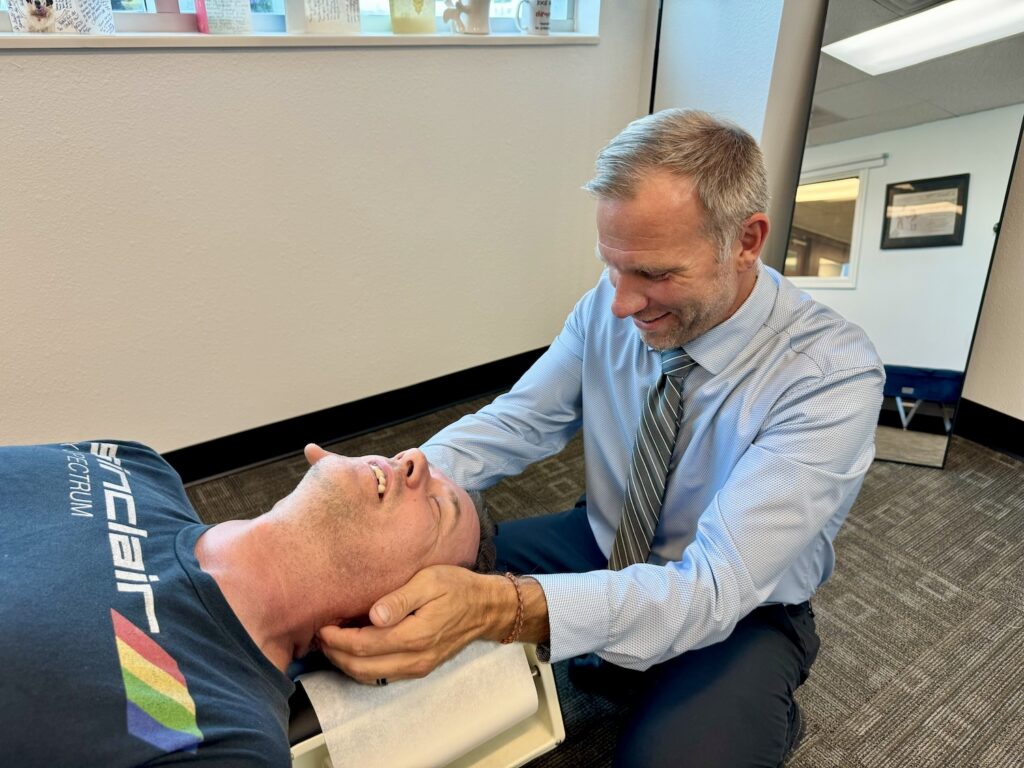
- Chiropractic Adjustments: Regular chiropractic care can help align your spine, reduce muscle tension, and improve overall neck health. A chiropractor can provide tailored adjustments and techniques to address the root cause of your migraines.
By incorporating these tips into your daily routine, you can take meaningful steps toward alleviating migraines and enhancing your neck health. Remember, prioritizing chiropractic care is a natural and effective way to achieve optimal health and wellness. Let’s work together to alleviate those migraine episodes and improve your quality of life!
Understanding the Connection Between Neck Health and Migraines
When it comes to managing migraines, it’s crucial to recognize the significant role that neck health plays in your overall well-being. Often, we may not realize that tension and stiffness in our neck can increase pain and discomfort, potentially triggering or worsening migraine episodes.
Factors such as poor posture, long hours in front of screens, and daily stress can lead to tightness in your neck muscles, which can affect blood flow and nerve function. The neck is intricately connected to the nerves and blood vessels that supply the head. When the range of motion in your neck is limited, it can intensify migraine symptoms. This is why maintaining good neck health is essential for anyone suffering from migraines.
At our chiropractic practice, we emphasize the importance of regular adjustments and care to ensure your spine and neck are functioning optimally. Chiropractic care can help alleviate tension through gentle spinal adjustments, which can enhance blood flow and improve nerve function.
Additionally, here are some simple tips you can implement into your daily routine to support neck health and reduce migraine frequency:
- Practice Good Posture: Ensure your workspace is set up ergonomically. Sit up straight, keep your shoulders relaxed, and make sure your computer screen is at eye level to avoid straining your neck.
- Take Regular Breaks: If you spend long hours in front of a screen, remember to take breaks every 30 minutes. Stand up, stretch, and move around to relieve tension.
- Incorporate Stretching: Simple neck stretches can help ease tightness. Gently tilt your head from side to side and forward and backward to increase flexibility.
- Stay Hydrated: Adequate hydration is vital for overall health and can help prevent muscle cramps and tension.
By prioritizing your neck health and utilizing chiropractic care, you may experience a significant reduction in the frequency and intensity of your migraines. Focusing on this connection is a key step toward managing your migraines naturally, leading to a more comfortable and enjoyable life.
Identifying Neck Tension Triggers
Recognizing neck tension triggers is essential for effectively managing migraines and achieving optimal health. As a chiropractor, I encourage you to start by examining your daily habits and routines. Are you spending long hours in front of a screen or using poor sleeping positions? These common activities can contribute to discomfort in your neck and lead to tension that may trigger migraines.
Stress plays a significant role in neck tension as well. When you feel overwhelmed, your neck muscles might tighten without you even realizing it. It’s important to find ways to manage stress effectively, such as practicing relaxation techniques or engaging in activities that bring you joy.
Consider your environment too. Are you often hunched over your desk or reaching awkwardly for items? These postures create tension that can lead to discomfort and migraines. Maintaining good posture is crucial for spinal health and can help alleviate some of this tension.
Physical activities can also impact neck health. Be mindful of how you lift heavy objects and ensure you warm up properly before intense workouts. Incorporating gentle stretches and exercises tailored to strengthen your neck and back can make a significant difference.
I recommend keeping a journal to track when you experience neck tension and migraines. This can help you identify patterns and specific triggers. Once you pinpoint these triggers, you can take proactive steps, like incorporating chiropractic care into your wellness routine. Chiropractic adjustments can help realign your spine, reduce tension, and promote overall wellness.
The Importance of Proper Posture
The Importance of Proper Posture for Health and Wellness
As a local chiropractor, I want to emphasize that maintaining proper posture isn’t just about looking confident; it’s vital for your overall health and well-being. Poor posture can lead to neck tension and aggravate migraine symptoms, causing discomfort that can disrupt your daily life.
By focusing on your posture, you can alleviate some of that tension and reduce the likelihood of headaches, allowing you to feel your best.
Here are some essential tips for improving your posture:
- Align Your Head: Keep your head directly above your shoulders instead of leaning forward. This alignment helps reduce strain on your neck.
- Relax Your Shoulders: Avoid hunching over by keeping your shoulders back and relaxed. This simple adjustment can make a significant difference in how you feel throughout the day.
- Feet Flat: While sitting or standing, ensure your feet are flat on the ground. This stable base supports your spine and promotes better posture.
- Screen Height: Position your computer monitor at eye level. This prevents you from straining your neck and encourages a more natural alignment of your spine.
Remember, chiropractic care is an excellent choice for achieving and maintaining optimal health. Regular chiropractic adjustments can help improve your posture, relieve tension, and promote natural wellness.
If you’re experiencing neck pain or migraines, consider visiting a chiropractor who can provide personalized care and guidance.
Take these tips to heart, and you’ll be on your way to better posture and a healthier, pain-free life!
Stretching Exercises for Neck Relief
Stretching your neck is an essential practice for relieving tension and headaches, which many of us experience in our daily lives. As a chiropractor, I often emphasize the importance of maintaining a healthy spine and neck to promote overall well-being. Incorporating simple neck stretches into your routine can significantly enhance flexibility, reduce discomfort, and support your journey towards optimal health.
Let’s explore some effective neck stretches that you can easily integrate into your daily life:
- Neck Tilts: Sit or stand comfortably. Slowly tilt your head to one side, bringing your ear toward your shoulder. Hold for 15-30 seconds, feeling the stretch along the opposite side of your neck. Repeat on the other side. This stretch helps alleviate tightness and improve range of motion.
- Chin Tucks: While sitting or standing, gently tuck your chin towards your chest as if you’re trying to create a double chin. Hold for a few seconds, then release. This exercise helps strengthen the muscles that support your spine and can reduce forward head posture.
- Shoulder Rolls: Stand or sit with your arms relaxed at your sides. Roll your shoulders back and down in a circular motion, then switch directions. This simple movement helps relieve tension in the upper back and neck area.
- Neck Rotation: Sit or stand tall and gently turn your head to one side, looking over your shoulder. Hold for 15-30 seconds, then switch sides. This stretch promotes flexibility and helps reduce stiffness.
As you practice these stretches, remember to breathe deeply and listen to your body. If you feel any sharp pain or discomfort, stop immediately and consider seeking guidance from a chiropractor. Regular chiropractic care can complement these stretches, ensuring that your spine remains aligned and functioning optimally.
In addition to stretching, maintaining good posture while sitting and standing is crucial. Make sure your workstation is ergonomically set up, and take breaks to move around throughout the day. Staying hydrated and practicing stress-relief techniques, such as deep breathing or meditation, can also contribute to a healthier neck and spine.
Incorporating these neck stretches and tips into your daily routine can significantly enhance your neck health and overall wellness. Remember, chiropractic care is a natural and effective way to achieve pain relief and support your journey to wellness.
Embrace these practices, and you’ll be well on your way to a healthier, more comfortable life!
Neck Stretches Benefits
Relief from migraines often starts with the neck, where tension can significantly contribute to discomfort. As a chiropractor, I believe that incorporating neck stretches into your daily routine can yield profound benefits that help ease the pain and tightness associated with migraines.
Here’s how these simple yet effective stretches can assist you:
- Increases Flexibility: Regular neck stretches enhance your range of motion, allowing you to move more freely and comfortably. This can make a noticeable difference in how you feel throughout the day.
- Reduces Muscle Tension: Stretching is an excellent way to alleviate tightness in the neck muscles. By reducing this tension, you can help decrease the likelihood of triggering a migraine.
- Promotes Blood Circulation: Improved blood flow from stretching can help reduce inflammation and ensure that your brain receives adequate oxygen. This is essential for overall health and can play a role in managing migraine symptoms.
- Improves Posture: Maintaining good neck alignment is crucial. Proper posture can prevent unnecessary strain on your neck muscles, ultimately reducing headache frequency and intensity over time.
To further support your health, consider incorporating regular chiropractic adjustments into your wellness routine. Chiropractic care focuses on aligning the spine, which can enhance your overall well-being and help manage migraine symptoms more effectively.
Remember, a healthy spine is key to a healthy life!
Here are some general tips you can easily integrate into your daily life to promote neck health and well-being:
- Take Breaks: If you work at a desk or spend time on your phone, remember to take regular breaks to stretch your neck and shoulders.
- Stay Hydrated: Proper hydration is essential for muscle function and can help reduce tension in your body.
- Practice Good Posture: Be mindful of your posture throughout the day, especially when sitting or using electronic devices.
- Warm-Up Before Activities: Just like any other muscle group, warming up your neck before physical activities can help prevent injuries.
Simple Stretching Techniques
Neck stretches are an excellent way to alleviate tension and discomfort that can lead to migraines, and incorporating them into your routine can support your overall spinal health. As a chiropractor, I encourage you to prioritize these simple yet effective techniques.
Start with a gentle neck tilt: slowly lean your head to one side, holding the position for 15-30 seconds, then switch to the other side. This stretch helps to release tightness in the neck and improve circulation.
Next, try the chin tuck. Pull your chin toward your chest while keeping your shoulders relaxed. Hold for about 10 seconds and repeat a few times. This stretch helps to align your spine and can reduce strain on the neck muscles.
For another beneficial stretch, clasp your hands behind your head and gently pull down. You’ll feel a soothing stretch in both the neck and upper back, which can promote relaxation and decrease tension.
Lastly, slowly rotate your head from side to side, making sure to breathe deeply. This motion not only helps in loosening the neck but also enhances mobility.
Incorporating these stretches into your daily routine will promote neck relief and potentially reduce migraine triggers.
Remember, chiropractic care is the best choice for achieving optimal health and wellness. Regular adjustments and stretches can help maintain your spine’s alignment, reduce pain, and enhance your overall quality of life.
Make these practices a part of your self-care regimen, and consider visiting your chiropractor for personalized guidance on maintaining your health naturally.
Strengthening the Neck Muscles
Strengthening your neck muscles is vital for managing migraines and promoting overall wellness. When your neck muscles are strong, they provide excellent support for your head, reducing strain and helping to minimize headache triggers.
Here are some simple yet effective exercises you can easily add to your daily routine to enhance your neck strength and support your spinal health:
- Chin Tucks: This exercise is great for improving postural alignment. Simply pull your chin back toward your neck and hold for a few seconds before releasing. This helps to strengthen the muscles that support your head.
- Neck Tilts: To stretch and strengthen, gently tilt your head to one side, holding for a few seconds, then switch to the other side. This exercise increases flexibility and helps relieve tension in the neck.
- Shoulder Shrugs: Raise your shoulders toward your ears and hold for a moment before relaxing them down. This not only strengthens the neck but also helps release tension in the upper back and shoulders.
- Isometric Neck Press: For this exercise, press your forehead into your hands while resisting with your hands. Hold for a few seconds. This builds strength in the neck muscles without any movement, making it a safe option for many.
In addition to these exercises, consider incorporating regular chiropractic care into your wellness routine. Chiropractors specialize in spinal health and can provide adjustments to align your spine and relieve pressure on nerves, which may contribute to headaches.
Maintaining proper spinal alignment can enhance your overall health, reduce muscle tension, and support your body’s natural healing process.
The Role of Massage Therapy
Massage therapy is a valuable tool in managing migraine symptoms by addressing tension and promoting relaxation in the muscles around the head and neck. When a migraine strikes, tightness in these areas can significantly worsen your pain. Through regular massage, this tension can be released, which not only improves blood flow but also helps ease discomfort.
During a massage session, a skilled therapist can focus on specific trigger points that often hold accumulated stress. Even gentle pressure on these areas can lead to substantial pain relief and a sense of relaxation. While massage provides immediate benefits, it also contributes to preventing future episodes by supporting overall muscle health.
Incorporating massage therapy into your wellness routine can be a proactive approach to managing migraines. However, I encourage you to consider chiropractic care as an essential part of your health journey. Chiropractic adjustments focus on aligning the spine and improving nervous system function, which can have a profound impact on your overall well-being and may help reduce the frequency and intensity of migraines.
Here are some general tips you can take away to enhance your migraine management:
- Stay Hydrated: Dehydration can trigger migraines, so make sure you’re drinking plenty of water throughout the day.
- Practice Good Posture: Poor posture can contribute to tension in the neck and shoulders, leading to headaches. Be mindful of your posture when sitting, standing, or using devices.
- Regular Chiropractic Care: Regular adjustments can help maintain spinal alignment and improve your body’s ability to cope with stress, which can be beneficial in managing migraines.
- Incorporate Relaxation Techniques: Techniques such as deep breathing, meditation, or yoga can promote relaxation and reduce stress, which may help prevent migraines.
- Limit Caffeine and Alcohol: Both substances can contribute to dehydration and trigger headaches in some individuals.
By focusing on natural healing methods like chiropractic care and combining them with techniques such as massage therapy, you can take significant steps toward achieving optimal health and managing migraines effectively.
Utilizing Heat and Cold Therapy
When you’re dealing with migraines, incorporating heat and cold therapy can significantly enhance your relief efforts. As a chiropractor, I often see how these natural methods can complement spinal care for optimal wellness.
Using heat can help relax the tense muscles in your neck and shoulders, which can contribute to migraine discomfort. On the other hand, cold therapy can numb the pain and reduce inflammation, providing a soothing effect.
Here are some simple tips to effectively use heat and cold therapy for migraine relief:
- Heat Application: Use a warm compress or heating pad on your neck and shoulders for about 15-20 minutes. This can help alleviate muscle tension and promote blood flow, which is essential for healing.
- Cold Therapy: Apply a cold pack or a bag of frozen vegetables wrapped in a cloth to your forehead or the back of your neck for 10-15 minutes. This can help numb the pain and reduce swelling.
- Alternating Therapies: You might find it beneficial to alternate between heat and cold. For example, start with heat to relax the muscles, followed by cold therapy to combat inflammation.
- Chiropractic Care: Regular visits to a chiropractor can help address spinal misalignments that may be contributing to your migraines. Spinal adjustments can improve nerve function and reduce tension throughout your body, leading to fewer and less intense headaches.
- Stay Hydrated: Dehydration can trigger migraines, so make sure to drink plenty of water throughout the day.
- Practice Relaxation Techniques: Incorporating stress-reduction techniques such as yoga, meditation, or deep breathing can also support your overall wellness and reduce the frequency of migraines.
By focusing on these natural methods and incorporating chiropractic care into your health routine, you can take significant strides towards achieving optimal wellness and managing migraines effectively.
Benefits of Heat Therapy
Heat therapy can be a valuable tool for those suffering from migraines, especially when used alongside other natural remedies like cold therapy. By applying heat to your neck and shoulders, you can unlock several benefits that may help alleviate discomfort. Here are some key advantages:
- Enhanced circulation: When heat is applied, it promotes blood flow to the affected areas, which can help reduce tension and alleviate pain.
- Muscle relaxation: The soothing warmth of heat therapy helps relax tight muscles, leading to increased comfort and improved flexibility.
- Natural pain relief: Heat can encourage the body to release endorphins, which are natural chemicals that help relieve pain.
- Stress relief: The calming effects of heat can help lower stress levels, a common trigger for migraines.
Incorporating heat therapy into your daily routine can be a simple yet effective strategy for managing migraine symptoms.
As a chiropractor, I also recommend considering regular spinal care to help maintain optimal health and reduce the frequency and intensity of migraines. Proper spinal alignment can enhance overall well-being and contribute to a more balanced nervous system.
Remember, alongside heat therapy, practicing good posture, staying hydrated, and managing stress through techniques like yoga or meditation can further support your journey to better health.
If you’re looking for a natural and holistic approach to pain relief, chiropractic care may be the best choice for you. Always consult with a qualified chiropractor to find the best treatment plan tailored to your needs.
Advantages of Cold Therapy
Cold therapy can be a fantastic addition to your wellness routine, especially when it comes to managing migraine pain. As a chiropractor, I often emphasize the importance of natural methods for pain relief, and cold therapy is an effective way to support your body’s healing process.
When you apply a cold compress or an ice pack to your neck, it works by constricting blood vessels, which helps reduce inflammation and numb the pain. This can lead to immediate relief from the intense throbbing that many people experience during a migraine. Additionally, cold therapy can help lower your body temperature, promoting relaxation and easing tension in your neck muscles.
Incorporating cold therapy into your daily life is simple and can be done whether you’re at home or on the move. Just remember to limit your exposure to 15-20 minutes to avoid skin irritation. This easy approach can complement the benefits of chiropractic care, which focuses on aligning the spine and optimizing your body’s natural ability to heal itself.
If you find yourself struggling with migraines, consider combining cold therapy with regular chiropractic adjustments. This holistic approach not only addresses the symptoms but also targets the underlying issues contributing to your discomfort.
Always listen to your body, and if you have any concerns, consult with your chiropractor for personalized advice. Give cold therapy a try—you might be pleasantly surprised by how it enhances your overall well-being!
Ergonomic Adjustments for Daily Activities
To effectively reduce the strain on your neck and alleviate migraines, making ergonomic adjustments in your daily activities is essential.
These adjustments not only promote better posture but also support your overall well-being, making them ideal for those seeking natural relief from discomfort. Here are some simple changes you can implement today:
- Adjust your chair height so your feet are flat on the floor and your knees are at a right angle. This helps maintain a healthy posture, reducing stress on your spine and neck.
- Position your computer screen at eye level. This way, you won’t have to tilt your head up or down, which can lead to unnecessary strain and contribute to headaches.
- Use a headset for phone calls. This prevents you from cradling the phone between your shoulder and ear, which can create tension in your neck and lead to discomfort.
- Take regular breaks from prolonged positions. Stand up or stretch every 30 minutes to keep your muscles engaged and to enhance circulation, which is vital for preventing pain.
These small tweaks can make a significant difference in how your neck feels throughout the day.
By incorporating these adjustments, you can help manage migraines more effectively while supporting your spinal health.
When to Seek Professional Help
How can you tell when it’s time to seek professional help for your migraines? If your headaches are worsening or becoming more frequent, it’s important to consult a healthcare provider who can guide you towards effective relief. Over-the-counter medications mightn’t always cut it, and that’s where a chiropractor can step in to offer natural solutions that address the root cause of your pain.
If you begin experiencing migraines alongside concerning symptoms like vision changes, weakness, or confusion, it’s vital to seek help immediately, as these could indicate a more serious issue.
However, if your migraines disrupt your daily life or work despite your self-care efforts, consider exploring chiropractic care as a holistic approach to managing your pain. Chiropractors specialize in spinal health and can help alleviate tension that may contribute to your migraines.
They focus on natural healing methods and lifestyle adjustments that promote overall wellness. Simple tips like maintaining good posture, staying hydrated, and managing stress through relaxation techniques can also make a significant difference.
Remember, seeking help from a chiropractor is a proactive step toward better health and effective migraine management. It’s not just about masking the pain; it’s about finding lasting relief and enhancing your quality of life.
Don’t hesitate—take charge of your well-being today with the natural, supportive care that chiropractic offers.
Conclusion
By prioritizing neck care, you can significantly reduce the frequency and intensity of migraines. One of the best ways to achieve this is through chiropractic care, which focuses on aligning your spine and relieving tension in the neck. Remember to maintain proper posture throughout your day; this simple adjustment can make a world of difference in how your body feels.
Incorporate gentle stretching and strengthening exercises into your routine to support your neck and back. These exercises can help alleviate muscle tension and improve your overall spinal health. Additionally, consider regular chiropractic adjustments, as they can help relieve neck tension and address any misalignments that may be contributing to your migraines.
It’s also important to make ergonomic adjustments in your workspace. Ensure your chair and desk are set up to promote good posture, and take regular breaks to stretch and move around. This will help reduce tension in your neck and shoulders, which can often trigger migraines.
If your migraines persist, don’t hesitate to consult with a chiropractor who can provide personalized care tailored to your needs. By taking these steps and prioritizing chiropractic care, you can work towards a healthier neck and enjoy a more comfortable, migraine-free life. Remember, natural healing through chiropractic is a powerful way to achieve optimal health and wellness.