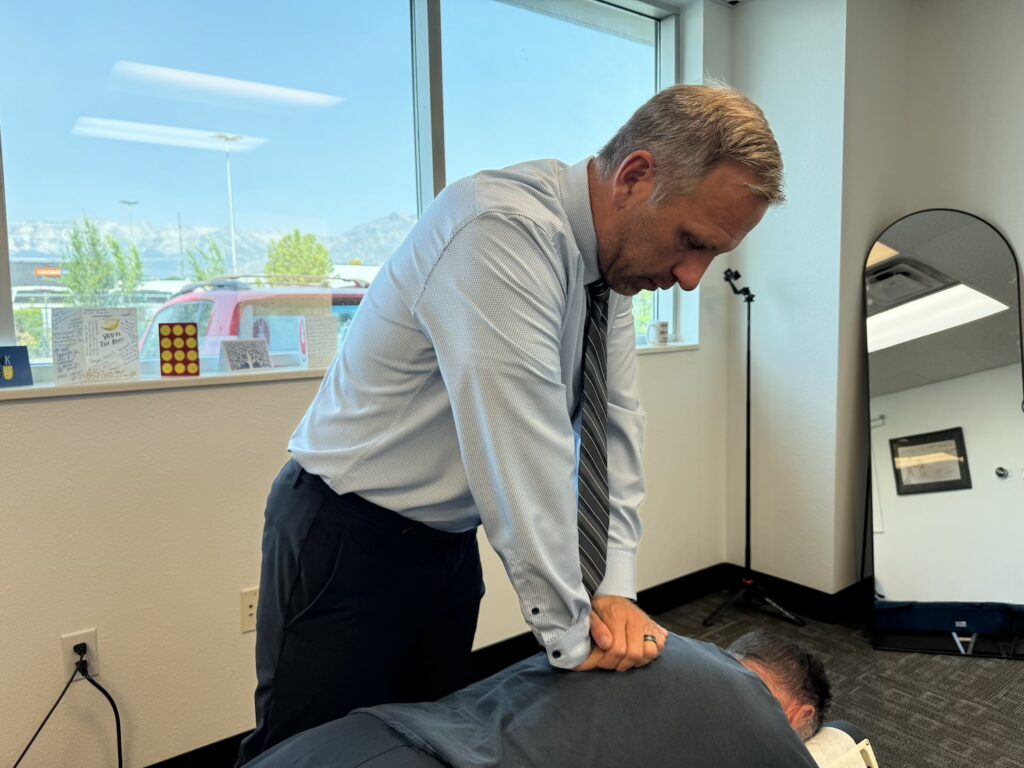
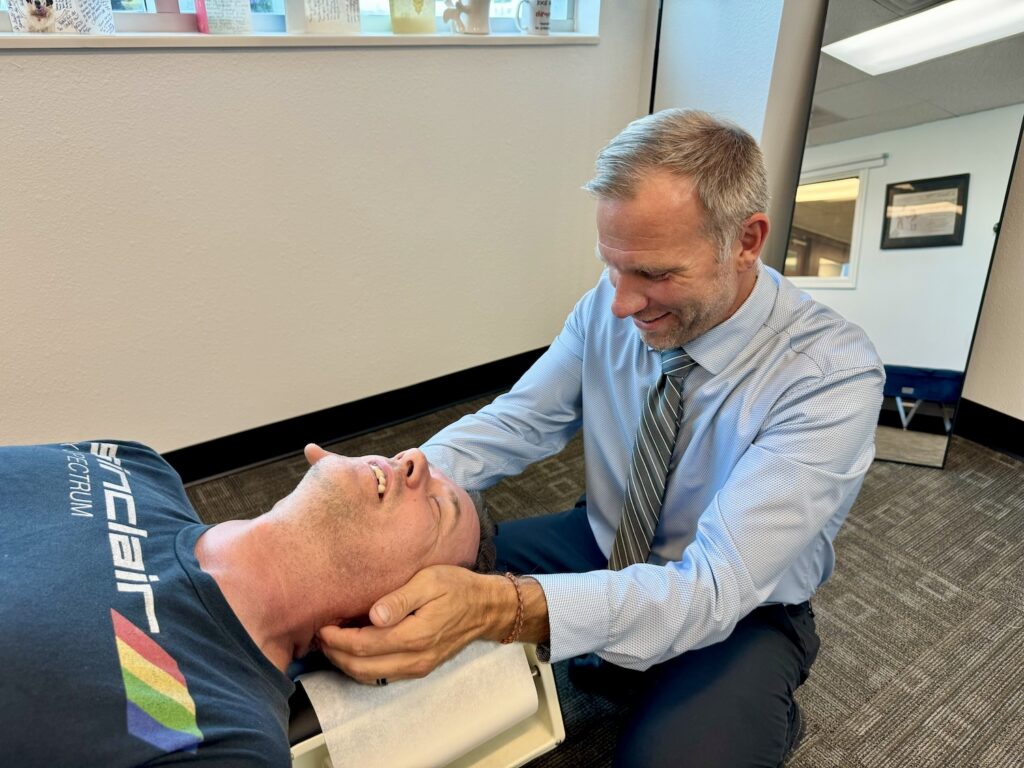
As a local chiropractor, I understand that if you’ve ever dealt with muscle strain or back pain, it can significantly affect your daily life. It’s important to recognize the root causes of these issues and the natural solutions we offer. Many people are unfamiliar with chiropractic care, but I want to assure you that there are effective methods to relieve discomfort and prevent future problems.
Whether you’re seeking immediate relief or looking for long-term strategies, chiropractic care focuses on restoring balance and function to your body. Through gentle adjustments and holistic approaches, we can help you alleviate pain and enhance your overall well-being. Let’s delve into these options together and empower you to take charge of your health.
Understanding Muscle Strains and Back Pain
As a local chiropractor, I want to help you understand how muscle strains can lead to back pain, and how chiropractic care can support your healing journey.
When you lift something heavy or twist your body in an awkward way, it’s easy to strain a muscle. This happens when the fibers in your muscles stretch too far and sustain tears, which can range from mild strains to more serious injuries. These strains can significantly affect your mobility and daily activities.
It’s important to understand your body’s mechanics. Improper posture and skipping warm-ups can heighten your risk of experiencing a strain. Many people don’t realize how frequently they engage in activities that challenge their muscles, including something as simple as sitting for long periods.
These repetitive movements can lead to discomfort and pain. Back pain is often a direct result of muscle strains, presenting as stiffness or sharp sensations. Listening to your body is crucial—being aware of early signs of a strain can make a big difference in your recovery.
Incorporating regular breaks, practicing good posture, and strengthening your muscles through targeted exercises can help prevent further injury. As your chiropractor, I encourage you to be mindful of your movements.
Common Causes of Muscle Strain and Back Pain
As a local chiropractor, I want to share some valuable insights about muscle strains and back pain that may surprise you. These issues can arise from a variety of everyday activities, often when you least expect it.
For instance, lifting heavy items—whether it’s a box at work or your child at home—can lead to sudden muscle strains if not done with proper technique. Similarly, maintaining poor posture while sitting at your desk or even slouching on the couch can contribute to discomfort over time.
It’s important to remember that even simple movements, such as bending down to tie your shoes or reaching for objects on a high shelf, can strain your muscles if not performed correctly. This is where chiropractic care can make a difference, as we aim to educate you on the right techniques to avoid these strains.
Moreover, a sedentary lifestyle can weaken your muscles, making you more vulnerable to injuries during physical activities. Engaging in sports or other hobbies can also lead to overexertion, which is why it’s essential to listen to your body and practice proper form.
Additionally, stress and tension can create muscle tightness, often resulting in back pain.
By understanding these common causes of muscle strain and back pain, you can take proactive steps to protect your back and maintain your overall muscle health.
I encourage you to consider chiropractic care as a natural healing option to support your well-being and prevent future discomfort. Together, we can work towards a healthier, pain-free lifestyle.
Recognizing Symptoms of Muscle Strain and Back Pain
As a local chiropractor, I want to help you become more aware of how your body communicates, especially when it comes to recognizing the symptoms of muscle strain and back pain. It’s important to pay attention to your body’s signals. You may feel a sudden, sharp pain during physical activity, or perhaps a dull, persistent ache that just won’t go away. These sensations can be your body’s way of telling you that something isn’t quite right.
After lifting heavy objects or engaging in strenuous activities, you might notice stiffness or tightness in your muscles. These feelings can be early signs of strain.
Keep an eye out for additional symptoms such as swelling, bruising, or difficulty moving your back. These could indicate that a strain has occurred. If you experience pain that radiates down your leg, this could suggest that a nerve is involved, which is another important sign to take seriously.
It’s crucial to listen to your body. Persistent discomfort or changes in your movement patterns should never be ignored. The sooner you recognize these symptoms, the better your chances are for effective management and a smoother recovery.
Chiropractic care focuses on addressing these issues naturally, helping your body heal and regain its optimal function. If you’re experiencing any of these symptoms, don’t hesitate to reach out for support. Your health and well-being are worth it!
Immediate First Aid for Muscle Strain
As a local Chiropractor, I want to share some essential information about managing muscle strains effectively. If you find yourself dealing with a muscle strain, taking prompt action is crucial for a quicker recovery. One of the best approaches is the R.I.C.E. method, which stands for Rest, Ice, Compression, and Elevation. This method can significantly help in reducing inflammation and promoting healing.
In addition to R.I.C.E., there are various natural pain relief options you might consider that align with chiropractic care principles, such as gentle stretches or using heat therapy after the initial inflammation has subsided.
Remember, your body has an incredible ability to heal, and natural methods can support this process.
However, if your pain continues or worsens, it’s vital to recognize when to seek professional help. As a chiropractor, I can assist you in understanding the underlying causes of your strain and provide treatments that help restore balance and function to your body.
Your health is important, and we’re here to support you on your healing journey.
R.I.C.E. Method Overview
As a local chiropractor, I want to share with you an effective method for managing muscle strains immediately after they occur—it’s called the R.I.C.E. method. This simple approach stands for Rest, Ice, Compression, and Elevation, and it’s a cornerstone of natural healing that can help you recover more effectively.
First and foremost, it’s important to give your strained muscle a break. Avoid any activities that might aggravate the injury; this rest period is crucial for healing.
Next, applying ice to the affected area can significantly reduce swelling and numb any pain you’re experiencing. Aim for 15-20 minutes of ice application every hour.
Once you’ve addressed the initial pain and swelling, consider using a compression bandage around the injured area. This will provide support to the muscle and help limit any further swelling.
Lastly, elevate the injured area above heart level. This elevation helps decrease swelling and enhances blood flow, which is essential for healing.
By following the R.I.C.E. method, you’re taking proactive steps to manage your muscle strain naturally.
Remember to listen to your body throughout this process—your healing journey is unique, and it’s important to prioritize your comfort and recovery.
If you have any questions or would like more personalized advice, feel free to reach out to me. I’m here to support your natural healing journey.
Pain Relief Options
As a local chiropractor, I want to share some valuable insights on managing muscle strains and enhancing your recovery journey. While the R.I.C.E. method—rest, ice, compression, and elevation—serves as a great starting point, there are additional natural pain relief options you can explore to boost your comfort and healing.
Over-the-counter pain relievers, like ibuprofen or acetaminophen, can be effective in reducing pain and inflammation. However, I encourage you to consider more holistic approaches as well.
For instance, applying cold packs during the first 48 hours can help minimize swelling, while heat therapy afterward can relax sore muscles and improve blood flow.
Incorporating gentle stretching into your routine can also be beneficial. It not only enhances flexibility but can also help alleviate tightness in the affected area.
Additionally, topical analgesics, such as creams or gels, can provide localized relief directly at the pain site, offering another layer of comfort.
As you navigate your recovery, it’s important to listen to your body. If certain activities exacerbate your discomfort, it’s wise to avoid them.
By combining these methods and considering chiropractic care, which focuses on restoring proper alignment and function, you can significantly aid your healing process.
When to Seek Help
As a local chiropractor, I want to emphasize the importance of recognizing when to seek help for a muscle strain. Understanding these critical signs can greatly enhance your recovery process.
If you find yourself experiencing any of the following symptoms, it’s crucial to reach out to a healthcare professional, such as a chiropractor:
- Intense pain that persists despite taking time to rest
- Increasing swelling or bruising in the affected area
- Difficulty in moving the muscle or joint involved
- Symptoms that linger for several days without improvement
Neglecting these indicators can lead to more serious injuries or complications down the road.
Early intervention through chiropractic care often results in more effective healing and quicker recovery times. Don’t hesitate to get the care you deserve; your health should always be your top priority.
By understanding when to seek assistance, you can expedite your healing journey and return to your normal activities more swiftly.
At-Home Remedies for Pain Relief
As a local chiropractor, I want to share some effective at-home remedies for muscle strain and back pain, which can help you find relief without relying on medication.
First and foremost, it’s essential to allow your body the necessary time to heal—this often starts with rest.
In the initial days after experiencing pain, applying ice packs for 15-20 minutes can be incredibly beneficial. Ice helps reduce inflammation and numbs any discomfort.
After a couple of days, you may transition to heat therapy. Heat promotes better blood circulation and helps relax tight muscles, making it a great follow-up to ice.
Incorporating gentle stretching into your routine is another excellent way to alleviate tension in your back and surrounding muscles. Focus on specific stretches that target these areas, as this can enhance flexibility and reduce pain.
If you find that additional relief is necessary, over-the-counter pain medications like ibuprofen or acetaminophen can be an option, but I encourage you to consider these as a last resort after trying natural methods.
Staying hydrated is crucial for muscle function and overall recovery, so make sure you’re drinking enough water throughout the day.
Additionally, you may want to incorporate anti-inflammatory foods into your diet. Foods like leafy greens, nuts, and fatty fish can support healing and reduce inflammation.
Lastly, maintaining good posture throughout your daily activities is vital in preventing further strain. By being mindful of your body mechanics, you can significantly lessen your chances of recurring pain.
These simple remedies, combined with chiropractic care, can make a noticeable difference in managing your discomfort and help you return to your daily activities with greater ease.
The Role of Physical Therapy
When you’re experiencing muscle strain and back pain, chiropractic care can be a vital part of your healing journey. Our approach focuses on restoring balance and alignment in your body, helping you regain strength, flexibility, and mobility while alleviating pain.
As your local chiropractor, I customize a treatment plan specifically for you to address your unique needs. Here are some key benefits of chiropractic care:
- Pain Relief: Techniques such as spinal adjustments and manual therapy can effectively reduce pain and tension in your body.
- Strength Enhancement: We incorporate targeted exercises to strengthen the muscles that support your spine and overall posture.
- Increased Mobility: I’ll guide you through movements that improve your range of motion, making everyday activities easier.
- Injury Prevention: You’ll learn valuable strategies to avoid future injuries, ensuring that you remain active and healthy.
When to Consider Chiropractic Care
As a local chiropractor, I want to share how chiropractic care can be a valuable option for those experiencing persistent muscle strain and back pain. If you’ve found that physical therapy or over-the-counter medications haven’t provided the relief you need, it may be time to consider a chiropractic evaluation.
Our primary focus is on spinal alignment, which can play a crucial role in addressing the underlying causes of your discomfort.
It’s important to seek chiropractic care if you’re experiencing limited mobility, stiffness, or chronic pain that disrupts your daily life. During your visit, I’ll conduct a comprehensive assessment to detect any misalignments in your spine and develop a tailored treatment plan just for you.
If you notice that your pain radiates to other areas, such as your legs or arms, consulting with a chiropractor can be beneficial. Our hands-on techniques are designed to help restore function and alleviate your symptoms effectively.
Medications for Pain Management
As a local chiropractor, I want to share some insights on managing muscle strain and back pain through natural healing methods. While medications can certainly provide relief, I believe in exploring a holistic approach to recovery that includes chiropractic care.
When you’re experiencing discomfort, it’s important to understand that you have options. Over-the-counter pain relievers may offer quick relief, but they often only address the symptoms rather than the root cause of your pain. Prescription medications can also be a temporary fix, but they may come with side effects and don’t promote long-term healing.
At our practice, we focus on helping you regain your health through spinal adjustments, therapeutic exercises, and lifestyle modifications. These methods can enhance your body’s natural ability to heal and alleviate pain without relying heavily on medications.
Over-the-Counter Options
As a local chiropractor, I often see patients struggling with pain from muscle strains and back issues. One of the first steps many people take to find relief is through over-the-counter (OTC) medications, which can provide quick comfort without the need for a prescription.
It’s important to understand your options and how they can help you on your journey to recovery. Here are some common OTC medications you might consider:
- Acetaminophen: This is a good option for alleviating pain, especially if you’re concerned about stomach irritation. It’s gentle yet effective for managing discomfort.
- Ibuprofen: As a nonsteroidal anti-inflammatory drug (NSAID), ibuprofen not only helps relieve pain but also reduces inflammation, which can be particularly beneficial for muscle strains.
- Naproxen: Similar to ibuprofen, naproxen is another NSAID that offers longer-lasting pain relief, making it a suitable choice for ongoing discomfort.
- Topical analgesics: These creams or gels can be applied directly to the affected area of your skin, providing localized relief and minimizing the need for oral medications.
While OTC medications can be helpful, it’s crucial to read the labels carefully and adhere to the dosage instructions.
If your pain persists or worsens, I encourage you to reach out to a healthcare professional—like myself—who can provide you with a more comprehensive approach to healing.
Chiropractic care focuses on addressing the root causes of discomfort and can be a valuable part of your recovery process. Remember, your well-being is important, and there are many natural healing methods available to support your journey to health.
Prescription Medications Overview
If you’re finding that over-the-counter options aren’t providing the relief you need, it may be a good time to consider chiropractic care as a natural way to manage pain.
As a chiropractor, I often see patients benefit from non-invasive treatments that focus on the root cause of their discomfort.
Instead of jumping straight to prescription medications, which can include nonsteroidal anti-inflammatory drugs (NSAIDs) like ibuprofen or naproxen in stronger doses, we can explore holistic approaches.
While some doctors may prescribe opioids like hydrocodone or oxycodone for severe pain, these medications carry a risk of dependency and don’t address the underlying issues.
Chiropractic adjustments can help relieve pain and improve function by realigning the spine and alleviating nerve pressure.
Additionally, we often incorporate muscle relaxation techniques and exercises that can ease muscle spasms associated with back pain.
Moreover, some patients find relief from chronic pain through lifestyle changes and natural therapies that enhance overall well-being.
Always consult with your healthcare provider to discuss your specific needs, and remember that chiropractic care can be a safe and effective option for managing pain without the reliance on medications.
Your journey to better health can be natural and empowering!
Lifestyle Changes to Prevent Recurrence
As a local chiropractor dedicated to your health and well-being, I want to share some essential lifestyle changes that can help you prevent the recurrence of muscle strain and back pain.
These adjustments aren’t only beneficial for your spine but will also enhance your overall quality of life:
- Maintain good posture: It’s crucial to focus on your body alignment, whether you’re sitting, standing, or lifting. Proper posture minimizes stress on your back and supports optimal spinal health.
- Stay active: Regular low-impact exercises, such as walking or swimming, are excellent for strengthening your back and core muscles. Staying active is key to maintaining a healthy spine, and it can help prevent future injuries.
- Stretch regularly: Incorporating stretching routines into your daily regimen will improve your flexibility and prevent muscle tightness. This is particularly important for the muscles supporting your spine, helping to reduce the risk of strain.
- Manage stress: Chronic stress can lead to muscle tension and pain. I encourage you to practice relaxation techniques like yoga or meditation. These methods not only calm your mind but also reduce physical tension in your body.
By making these adjustments, you can support your body’s natural healing processes and keep your spine healthy.
Seeking Professional Help: What to Expect
Are you curious about what to expect when you come to see a chiropractor for muscle strain and back pain? First, you’ll schedule an appointment with us, where we specialize in natural healing and musculoskeletal health.
During your visit, we’ll take the time to listen to your concerns, asking about your symptoms, medical history, and any activities that may have contributed to your pain.
We’ll conduct a thorough physical examination to assess your range of motion and identify the specific areas that are causing discomfort. Depending on our findings, we may recommend imaging tests, such as X-rays or MRIs, to gain a clearer understanding of your condition.
Our approach to treatment often includes chiropractic adjustments to realign the spine and improve overall function.
We also focus on physical therapy techniques, pain management strategies, and personalized exercise recommendations to support your recovery. Additionally, we’ll provide guidance on lifestyle adjustments to help you heal and prevent future issues.
Our goal is to empower you with the knowledge and tools to achieve long-term wellness through natural healing.
Conclusion
As a local chiropractor, I want to help you understand how to effectively manage muscle strain and back pain. It’s important to approach this with both immediate care and long-term strategies that can promote healing. I recommend starting with the R.I.C.E. method—Rest, Ice, Compression, and Elevation—to address acute discomfort. Alongside this, incorporating gentle exercises can aid in your recovery and improve your flexibility.
If you find that your pain persists, I encourage you to consider chiropractic care as a natural and effective option. It’s a holistic approach that focuses on restoring the proper alignment of your spine and relieving nerve pressure, which can significantly alleviate pain.
Additionally, maintaining good posture and adopting a healthy lifestyle are crucial in preventing future issues. Small adjustments in your daily routine can make a big difference. Remember, taking proactive steps today not only helps you find relief but also contributes to a healthier, more comfortable tomorrow. Your back health is truly worth the effort, and I’m here to support you on this journey!