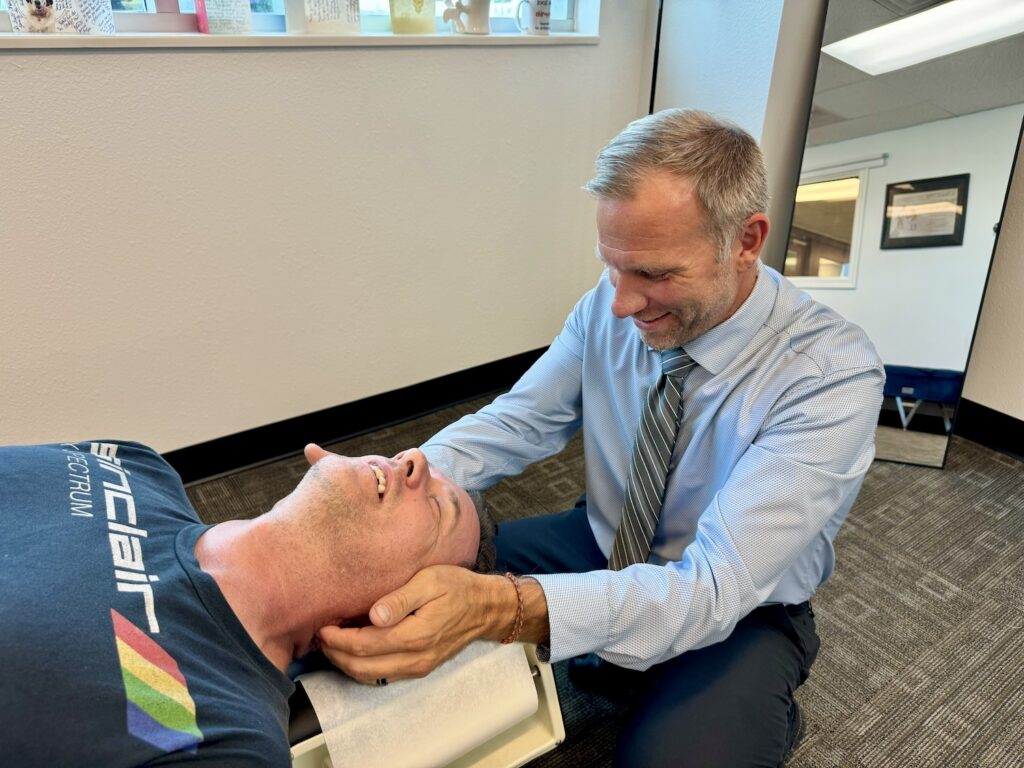
If you’re experiencing back pain, know that you’re not alone in this struggle. Many individuals encounter discomfort that can significantly impact their daily activities. As a local chiropractor, I want to share with you some natural methods to relieve this pain without solely depending on medication. Simple stretches and mindfulness techniques can be incredibly effective in promoting a healthier spine. Are you interested in learning about strategies that can enhance your comfort and overall well-being? Let’s delve into some practical tips that I often recommend to my patients for managing back pain naturally.
Practice Gentle Stretching Exercises
As a local chiropractor, I want to share with you the transformative benefits of incorporating gentle stretching exercises into your daily routine, especially if you’re experiencing back pain.
These stretches can significantly alleviate discomfort while enhancing your flexibility and strengthening the muscles that support your spine.
One of the simplest yet effective stretches is the cat-cow stretch. By alternating between arching and rounding your back, you not only warm up your spine but also encourage better posture, which is crucial for spinal health.
Another stretch I highly recommend is the seated forward bend. While seated, reach toward your toes; you should feel a gentle stretch in your lower back and hamstrings.
It’s important to hold each position for about 15-30 seconds and to focus on your breathing throughout the process.
Always remember to listen to your body during these stretches; it’s essential not to push beyond what feels comfortable.
To reap the maximum benefits, aim to make these stretches a daily habit, particularly after prolonged periods of sitting or standing.
By committing to this practice, you can experience significant relief from tension and enhance your overall well-being.
Prioritizing your back health is vital, and with regular gentle stretching, you can enjoy improved flexibility and reduced pain.
Embracing these natural healing practices can lead to a healthier, more active lifestyle.
Incorporate Yoga Into Your Routine
As a chiropractor, I often see how incorporating yoga into your routine can significantly relieve back pain and improve your overall health.
Yoga is a fantastic way to stretch and strengthen your muscles while promoting relaxation and mindfulness. If you’re new to chiropractic care and natural healing, here are some tips to get started with yoga:
- Begin with gentle poses like Cat-Cow or Child’s Pose. These are excellent for easing into your practice without overwhelming your body.
- Pay attention to your breath; deep breathing techniques can help release tension in your muscles and alleviate pain, enhancing the benefits of chiropractic adjustments.
- Make it a regular practice; even dedicating just 15-20 minutes a few times a week can have a positive impact on your back health.
- Listen to your body; it’s crucial not to force yourself into any poses that cause discomfort. Modify as necessary to suit your needs.
- Experiment with different styles; for gentle stretching, Hatha yoga is a great option, while Vinyasa offers a more dynamic flow that can help build strength and flexibility.
Integrating yoga into your routine can complement the chiropractic care you receive and support your journey toward better health.
Maintain Good Posture
As a local chiropractor, I want to emphasize the importance of maintaining good posture, especially when it comes to preventing and alleviating back pain.
One of the first steps you can take is to create an ergonomic workspace that supports your body’s natural alignment. Additionally, strengthening your core muscles is crucial, as a strong core provides stability to your spine.
I also encourage you to incorporate regular stretching exercises into your daily routine; these can help improve your flexibility and reduce tension in your back.
By making these simple adjustments, you can experience a significant improvement in how your back feels throughout the day.
Ergonomic Workspace Setup
Are you aware of how an ergonomic workspace setup can significantly enhance your daily comfort? As a chiropractor, I see firsthand how a supportive environment can alleviate back pain and boost productivity.
Here are some essential tips to help you create an ergonomic workspace:
- Chair Height: Ensure your chair is adjusted so that your feet rest flat on the floor. This promotes good blood circulation and reduces strain on your lower back.
- Desk Position: Your desk should be at elbow height to prevent unnecessary strain on your arms and wrists while typing. This simple adjustment can make a world of difference.
- Monitor Level: Position your monitor at eye level. Doing so helps to maintain proper neck alignment and prevents discomfort in your upper back.
- Keyboard Placement: Keep your keyboard close to your body, allowing your wrists to remain flat and relaxed. This can help you avoid repetitive strain injuries.
- Frequent Breaks: It’s vital to stand up and stretch regularly. Taking breaks can help break the cycle of prolonged sitting, which is crucial for your overall health.
By incorporating these ergonomic principles into your daily routine, you can create a more comfortable work environment and support your body in the long run.
Strengthen Core Muscles
As a chiropractor, I often emphasize the importance of a strong core for maintaining good posture and overall spinal health. A well-structured workspace is beneficial, but it’s your core muscles that truly support proper alignment while you sit or stand.
Strengthening these muscles is vital for your well-being. I recommend incorporating exercises that target your abdominal, back, and pelvic muscles into your routine. Effective options include planks, bridges, and abdominal crunches. The best part is, you don’t need any fancy equipment—just a mat and your body weight are sufficient to make a significant difference.
Aim to engage in these exercises at least a few times a week. As your core becomes stronger, you’ll likely experience greater stability, reduced strain on your back, and improved posture overall.
Remember that a strong core not only supports your spine but also enhances your ability to perform daily activities, making them easier and more comfortable. Investing time in core strengthening can lead to a healthier, more balanced life, and I’m here to support you on that journey.
Regular Stretching Exercises
As a chiropractor dedicated to helping you achieve your best health, I want to emphasize the importance of incorporating regular stretching exercises into your daily routine. Not only can these stretches enhance your posture, but they can also play a significant role in alleviating back pain.
Stretching promotes flexibility, reduces muscle tension, and encourages proper alignment of your spine and body. Here are five essential stretches that I recommend for my patients:
- Cat-Cow Stretch: This dynamic movement is excellent for improving spinal flexibility and relieving tension in your back. It helps to warm up your spine and can be particularly beneficial if you have a sedentary lifestyle.
- Child’s Pose: This gentle stretch is perfect for providing relief to your back and hips. It allows you to relax and elongate your spine, offering a soothing experience for your entire body.
- Seated Forward Bend: This stretch effectively targets your hamstrings and lower back, promoting flexibility that can help alleviate discomfort in those areas. It’s a great way to decompress after sitting for long periods.
- Chest Opener: A common issue I see in patients is poor posture due to slouching. This stretch counteracts that by opening up the front of your shoulders and chest, helping to restore balance and alignment.
- Torso Twist: This movement is vital for increasing mobility in your spine and relieving stiffness. It encourages rotation, which is essential for maintaining a healthy and flexible back.
By integrating these stretches into your routine, you can support your overall spinal health and enhance your well-being.
Use Heat and Cold Therapy
As a local chiropractor, I want to share with you the incredible benefits of heat and cold therapy for easing back pain.
These two natural methods can truly change the way you manage discomfort.
Heat therapy is fantastic for relaxing tight muscles and enhancing blood circulation. By applying heat, you can soothe those tense areas, helping your body to naturally heal and feel more comfortable.
On the other hand, cold therapy is effective for reducing inflammation and numbing sharp pain, which can be especially helpful after an injury or during a flare-up.
Understanding how to properly utilize both heat and cold therapies can provide you with quick relief and support your journey towards better health.
I encourage you to explore these methods as part of your overall wellness strategy, and I’m here to guide you through the process.
Together, we can help you get back to your daily activities with greater ease.
Benefits of Heat Therapy
As a local chiropractor, I often recommend heat therapy as an effective method for relieving back pain, especially when it’s paired with cold therapy.
Heat therapy works wonders by relaxing your muscles, boosting blood circulation, and easing stiffness. Here are some key benefits you can expect from incorporating heat therapy into your pain management routine:
- Muscle relaxation: Applying heat can soothe tight muscles and help reduce spasms, allowing for greater comfort.
- Improved circulation: The warmth from heat therapy increases blood flow to the affected areas, which can promote healing and recovery.
- Pain relief: Heat can help dull pain signals your brain receives, providing much-needed relief from discomfort.
- Enhanced flexibility: Warm muscles are more adaptable, making it easier for you to move and perform daily activities.
- Stress reduction: The soothing warmth not only feels comforting but also helps to alleviate overall stress and tension, contributing to your well-being.
By incorporating heat therapy into your daily routine, you can significantly enhance your ability to manage back pain naturally and effectively.
If you’re curious about how heat therapy can specifically benefit you, feel free to reach out during your next visit!
Effective Cold Therapy Techniques
As a local chiropractor, I want to share some valuable insights about managing back pain through effective cold therapy techniques. While many of you might be familiar with heat therapy for relaxing muscles and improving circulation, cold therapy plays an equally crucial role in your recovery process.
To start, applying an ice pack to the affected area for about 15-20 minutes can significantly help in reducing inflammation and numbing any sharp pain you may be experiencing. It’s important to wrap the ice pack in a cloth to protect your skin from frostbite. If you don’t have an ice pack available, a bag of frozen vegetables can serve as a convenient alternative.
For those dealing with chronic pain, I recommend alternating between heat and cold therapy. After using cold therapy, allow your muscles to warm up with heat, which can help promote blood flow and facilitate healing.
Remember, it’s essential to listen to your body and adjust the duration of the application based on your comfort level.
Incorporating these cold therapy techniques into your routine can enhance your recovery and contribute to your overall well-being. If you have any questions or need personalized advice, feel free to reach out during your next visit!
Stay Active With Low-Impact Activities
As a local chiropractor dedicated to helping you achieve optimal health, I want to emphasize the importance of incorporating low-impact activities into your daily routine.
These gentle exercises can significantly alleviate back pain and enhance your overall mobility, all while being easy on your joints. By engaging in these activities, you can strengthen your muscles, improve flexibility, and reduce stiffness, which are vital components in achieving pain relief.
Here are some low-impact activities that I highly recommend:
- Walking: This is one of the simplest yet most effective ways to stay active without putting unnecessary strain on your back. Aim for daily walks to keep your body moving.
- Swimming: The buoyancy of water is incredibly beneficial; it supports your body and alleviates stress on your spine, making it an excellent choice for those dealing with back discomfort.
- Cycling: Whether on a stationary bike or out in the fresh air, cycling can enhance your cardiovascular health while protecting your back from strain.
- Yoga: Incorporating gentle stretches through yoga can improve your flexibility and help strengthen your core muscles, which is essential for maintaining a healthy spine.
- Tai Chi: This slow, flowing form of exercise not only promotes balance but also encourages relaxation, making it a wonderful addition to your wellness routine.
By integrating these activities into your lifestyle, you can support your chiropractic care and work towards a pain-free, active life.
Explore Mindfulness and Meditation
As a chiropractor, I often emphasize the importance of incorporating mindfulness and meditation into your daily routine, especially for managing back pain.
These practices can significantly enhance your awareness of your body and thoughts, allowing you to identify tension and discomfort without judgment. By focusing on your breath and grounding yourself in the present moment, you can cultivate a sense of calm that helps alleviate stress and reduce the perception of pain.
I recommend starting with just a few minutes each day in a quiet space where you can sit or lie comfortably. Concentrate on your breath, allowing any distracting thoughts to fade away.
With regular practice, you may notice a decrease in muscle tension and an overall improvement in your well-being.
Additionally, consider exploring guided meditations specifically designed for pain relief. These resources can provide you with valuable techniques to help you relax and manage discomfort.
Over time, mindfulness and meditation can become powerful allies in your journey toward back pain relief, complementing the chiropractic care you receive.
Consider Herbal Remedies and Supplements
When it comes to finding relief for back pain, many patients are surprised to learn about the benefits of herbal remedies and supplements. As a chiropractor, I often encourage my patients to explore these natural alternatives alongside their chiropractic care to promote healing and overall well-being.
Here are a few options I recommend:
- Turmeric: This vibrant spice is well-known for its anti-inflammatory properties, which can help reduce pain and enhance recovery.
- Ginger: A potent root, ginger may assist in alleviating muscle soreness and inflammation, making it a great addition to your wellness routine.
- Willow Bark: Sometimes referred to as nature’s aspirin, willow bark has been used for centuries as a natural pain reliever and may provide effective relief for back pain.
- Devil’s Claw: Traditionally utilized for its pain-relieving properties, devil’s claw might help improve mobility and reduce discomfort.
- Magnesium: An essential mineral that supports muscle function, magnesium can also help reduce cramping and tension in the muscles.
Before starting any new supplement, I always advise my patients to consult with a healthcare professional, especially if they’re currently taking other medications.
Incorporating these herbal remedies can complement your chiropractic treatment and help you find a natural path to relieving back pain while improving your overall health.
Your journey to wellness is important, and I’m here to support you every step of the way!
Conclusion
As a local chiropractor, I want to share some valuable insights on how you can effectively relieve back pain through natural methods. By incorporating these strategies into your daily routine, you’ll not only alleviate discomfort but also enhance your overall well-being.
Firstly, gentle stretching and yoga are excellent practices that can improve both your flexibility and spinal alignment. These activities help to relieve tension in your muscles and support a healthier posture. Speaking of posture, maintaining good alignment throughout your day is crucial for preventing further pain.
Additionally, employing heat and cold therapy can be a game-changer. Applying heat can soothe tight muscles, while cold therapy can reduce inflammation and numb sharp pain. Staying active is also essential; regular movement keeps your spine healthy and supports the healing process.
I encourage you to explore mindfulness techniques as well, such as meditation or deep breathing, which can help manage discomfort and reduce stress. Lastly, consider integrating herbal remedies into your wellness regimen, as they can offer supportive benefits.
Embrace these natural strategies, and together we can work towards achieving a healthier, pain-free back! If you have any questions or need guidance on implementing these tips, don’t hesitate to reach out.