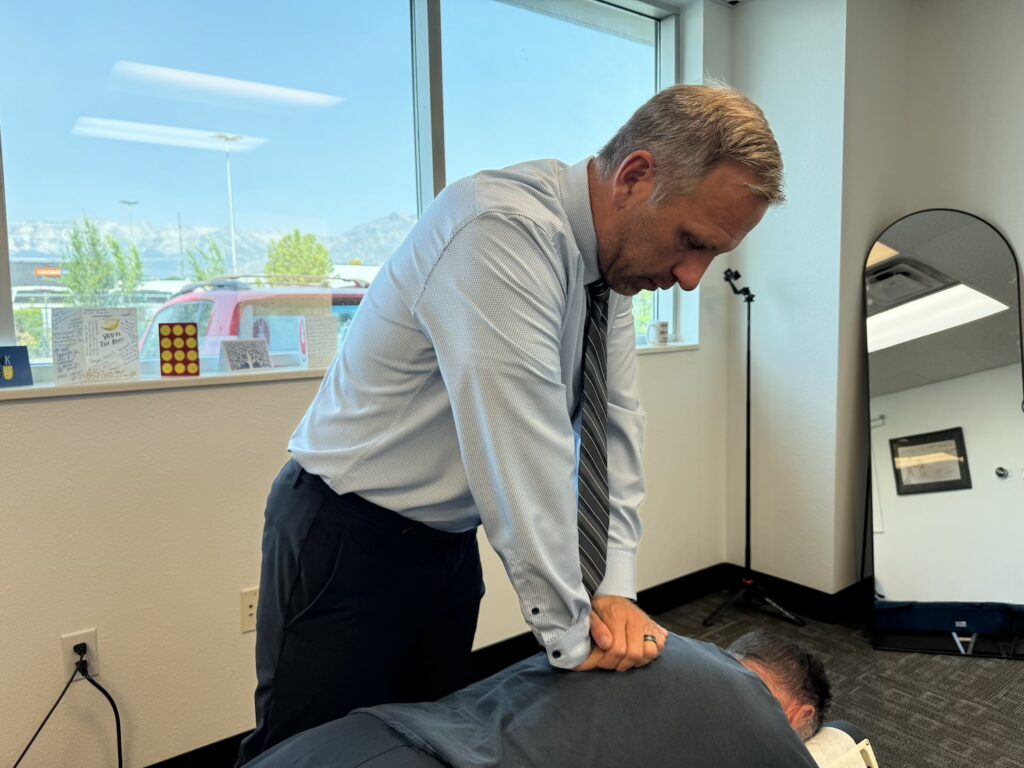
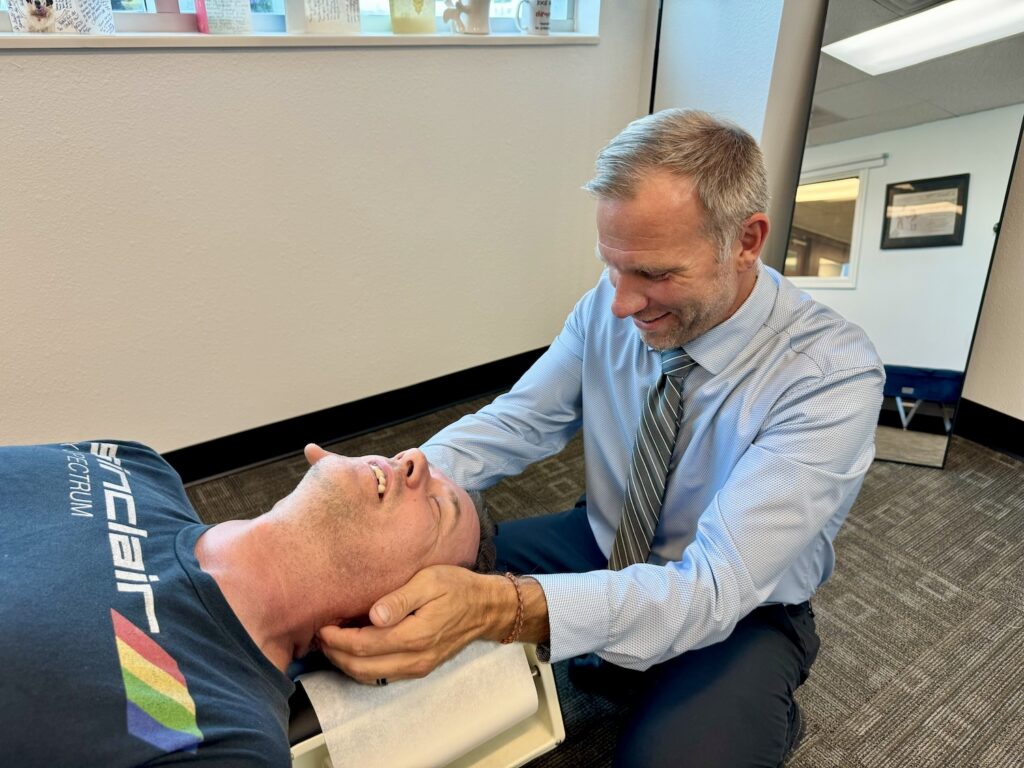
If you’re dealing with tension headaches, know that you’re not alone. These headaches are quite common and can really disrupt your daily routine, leaving you feeling fatigued. Thankfully, there are effective, natural methods to help relieve the pain. One of the best options available is chiropractic care, which focuses on spinal health and overall wellness to alleviate headaches.
Chiropractic adjustments can help realign the spine, relieving pressure on nerves and improving blood flow, which may significantly reduce headache frequency and intensity. Additionally, regular chiropractic care can enhance your body’s ability to manage stress, a common trigger for tension headaches.
Beyond chiropractic treatment, there are also simple self-care techniques you can incorporate into your daily routine. Start by practicing good posture, especially if you spend long hours sitting at a desk. Take breaks to stretch your neck and shoulders, and consider incorporating relaxation techniques such as deep breathing or meditation into your day. Staying hydrated and maintaining a balanced diet can also play a key role in preventing tension headaches.
By understanding these methods and embracing chiropractic care as a cornerstone of your wellness journey, you can effectively manage and alleviate tension headaches. Let’s prioritize your health and reclaim your comfort together!
Key Takeaways
- Find a quiet, dark space to take breaks. This can help you rest and reduce the intensity of your headache naturally, allowing your body to heal without the need for medication.
- Use a cold or warm compress on your forehead or neck. This simple remedy can provide soothing relief and may help ease tension in your muscles.
- Incorporate deep breathing exercises or progressive muscle relaxation into your routine. These techniques can significantly reduce tension and promote relaxation, which is essential for overall health and wellness.
- Incorporate gentle neck and shoulder stretches into your daily activities. Stretching helps alleviate muscle tightness and improves spinal health, which can contribute to reducing headache frequency and intensity.
- Stay well-hydrated by drinking plenty of water throughout the day. Proper hydration supports brain function and overall well-being, making it an important aspect of maintaining a healthy lifestyle.
Remember, regular chiropractic care is an excellent way to address and prevent tension headaches. By focusing on spinal alignment and muscle health, chiropractic adjustments can help improve your body’s natural ability to heal and function optimally. If you’re experiencing frequent headaches, consider visiting your local chiropractor for personalized care and guidance tailored to your needs.
Understanding Tension Headaches: Causes and Symptoms
Tension headaches are a common issue that many people face, but understanding their causes and symptoms can significantly improve your ability to manage them. Often, tension headaches arise from stress, anxiety, or muscle tension in the neck and shoulders. When you feel a dull, aching pain that wraps around your head like a tight band, it’s important to pay attention. This discomfort can last anywhere from 30 minutes to several days, so recognizing the early signs is crucial.
You might also notice sensitivity to light or sound, and some individuals find it difficult to concentrate. Identifying triggers like poor posture or lack of sleep can be key in preventing these headaches. As you become more aware of your body and its signals, you’ll start to see patterns in your headaches, empowering you to take proactive steps.
One effective way to alleviate tension headaches is through chiropractic care. Regular adjustments can help relieve muscle tension, improve posture, and enhance overall spinal health, which can reduce the frequency and intensity of tension headaches.
Additionally, practicing relaxation techniques such as deep breathing, stretching, and maintaining good posture can also play a significant role in preventing these headaches.
Remember, your health and wellness are a journey. By incorporating chiropractic care into your routine, along with these simple lifestyle changes, you can achieve better overall health and find relief from tension headaches naturally.
Always listen to your body and consult your chiropractor for tailored advice and support on your path to wellness.
Techniques for Immediate Relief
When a tension headache strikes, seeking immediate relief is essential, and there are several natural techniques you can use to ease the pain quickly. First, take a break and find a quiet, dark place to sit or lie down. This moment of rest can help your body begin to relax. You might find that applying a cold or warm compress to your forehead or neck helps alleviate the discomfort—choose whichever feels more soothing for you. Additionally, practicing deep breathing or progressive muscle relaxation can further reduce tension in your body.
As a chiropractor, I emphasize the importance of natural methods for pain relief. Here’s a quick reference table with effective techniques you can try:
| Technique | Description | Duration |
|---|---|---|
| Cold Compress | Apply to forehead | 15-20 minutes |
| Warm Compress | Apply to neck | 15-20 minutes |
| Deep Breathing | Inhale deeply, exhale slowly | 5-10 minutes |
| Stretching | Gentle neck and shoulder stretches | 5-10 minutes |
| Hydration | Drink water | As needed |
Incorporating these techniques into your routine can be a great way to manage tension headaches naturally. Additionally, regular chiropractic care can help address the underlying issues contributing to your headaches, promoting overall wellness and spinal health. Experiment with these methods to find what works best for you, and remember that maintaining a healthy lifestyle is key to preventing future headaches. If you continue to experience discomfort, consider visiting your local chiropractor for personalized care and support.
Long-Term Strategies for Prevention
To effectively prevent tension headaches, it’s essential to adopt long-term strategies that promote overall well-being, and chiropractic care can play a significant role in this process. One of the first steps is to establish a regular sleep schedule. Aim for 7-9 hours of quality sleep each night, as proper rest is crucial for reducing headache frequency and maintaining spinal health.
Incorporate regular physical activity into your routine. Exercise not only helps relieve stress and tension in your body but also supports a healthy spine. As a chiropractor, I recommend activities like walking, swimming, or even light stretching, which can be beneficial for your back and overall wellness.
Practicing relaxation techniques, such as yoga or meditation, can greatly aid in managing stress. These practices help to relax the muscles and align your spine, reducing the likelihood of headaches.
Remember to take regular breaks during your workday, especially if you find yourself sitting for long periods. Stand up, stretch your neck and shoulders, and give your spine a chance to relax from any built-up tension.
Maintaining good posture while sitting or standing is vital. Poor posture can strain your spine and lead to headaches. Be mindful of how you sit at your desk; consider investing in an ergonomic chair that supports your back.
Finally, manage your workload to prevent burnout. It’s important to listen to your body and know when to take a step back.
The Role of Nutrition and Hydration
In addition to making lifestyle changes to prevent tension headaches, it’s crucial to focus on your nutrition and hydration. What you consume can significantly influence your overall health and well-being. Proper hydration is key to maintaining optimal brain function, which can help reduce the likelihood of headaches.
Be sure to drink plenty of water throughout the day and include foods that can enhance hydration and provide essential nutrients.
Here are some straightforward nutritional tips to consider:
- Hydrate well: Aim for at least 8 glasses of water daily to keep your body functioning at its best.
- Incorporate magnesium-rich foods: Foods such as spinach, nuts, and whole grains are great choices that may help lower headache frequency.
- Moderate caffeine consumption: While a little caffeine can be beneficial, too much can lead to dehydration and may trigger headaches.
- Limit processed foods: These often contain additives that could contribute to headache symptoms, so opting for whole, natural foods is a better choice.
Remember, chiropractic care can also play a vital role in your journey to better health. Regular adjustments not only help alleviate pain but can also improve your overall function and wellness.
When to Seek Professional Help
Are your tension headaches becoming a recurring issue? It’s important to understand when it’s time to seek professional help, especially if home remedies aren’t providing the relief you need. If you find that your headaches are becoming more frequent or severe, or if you’re not getting relief from over-the-counter solutions, it’s a good idea to consult a chiropractor. Additionally, if you notice other symptoms such as changes in vision, nausea, or dizziness, it’s important to get evaluated.
Here’s a helpful guide to assist you in deciding when to reach out for chiropractic care:
| Signs to Seek Help | Action |
|---|---|
| Frequent headaches (more than 15/month) | Schedule a chiropractic appointment |
| Severe pain that disrupts daily activities | Visit your chiropractor |
| Headaches following a head injury | Seek immediate chiropractic care |
| Additional symptoms like vision changes | Get assessed by a chiropractic professional ASAP |
Remember, seeking chiropractic care can help address the root cause of your headaches, promoting natural healing and overall wellness. Your health is a priority, and there are natural, non-invasive ways to find relief. Here are some additional tips you can incorporate into your daily routine:
- Stay Hydrated: Drink plenty of water throughout the day to stay hydrated.
- Manage Stress: Practice relaxation techniques such as yoga or meditation to help reduce tension.
- Maintain Good Posture: Be mindful of your posture, especially if you sit for long periods. Proper alignment can help prevent headaches.
- Regular Exercise: Engage in regular physical activity to promote overall health and reduce stress.
Conclusion
In conclusion, managing tension headaches effectively can be achieved through a combination of immediate relief techniques and long-term wellness strategies that prioritize natural healing. Taking breaks throughout your day, applying a warm or cold compress to your forehead or neck, and engaging in gentle relaxation practices can provide quick relief from headache symptoms.
In addition to these immediate methods, embracing a healthy lifestyle is crucial. Prioritizing regular sleep, staying physically active, and ensuring you are properly hydrated can significantly reduce the frequency of tension headaches. Chiropractic care plays an essential role in achieving optimal health and wellness, as it focuses on spinal alignment and overall body function, which can help alleviate headache pain at its source.
Incorporating regular chiropractic adjustments into your routine not only addresses existing tension headaches but also promotes better overall health, helping to prevent future occurrences. If you find that your headaches persist or worsen, consider consulting with a chiropractor who can provide personalized care tailored to your needs. Taking these proactive steps today can lead to a more comfortable tomorrow, supporting your journey towards better health and natural wellness.