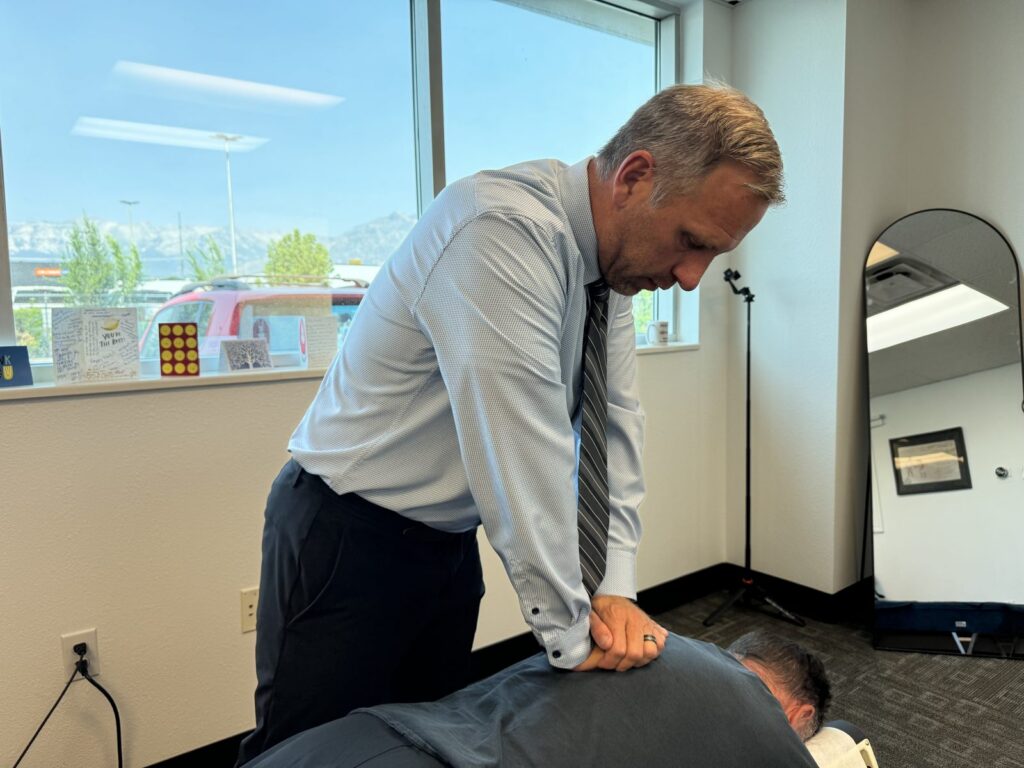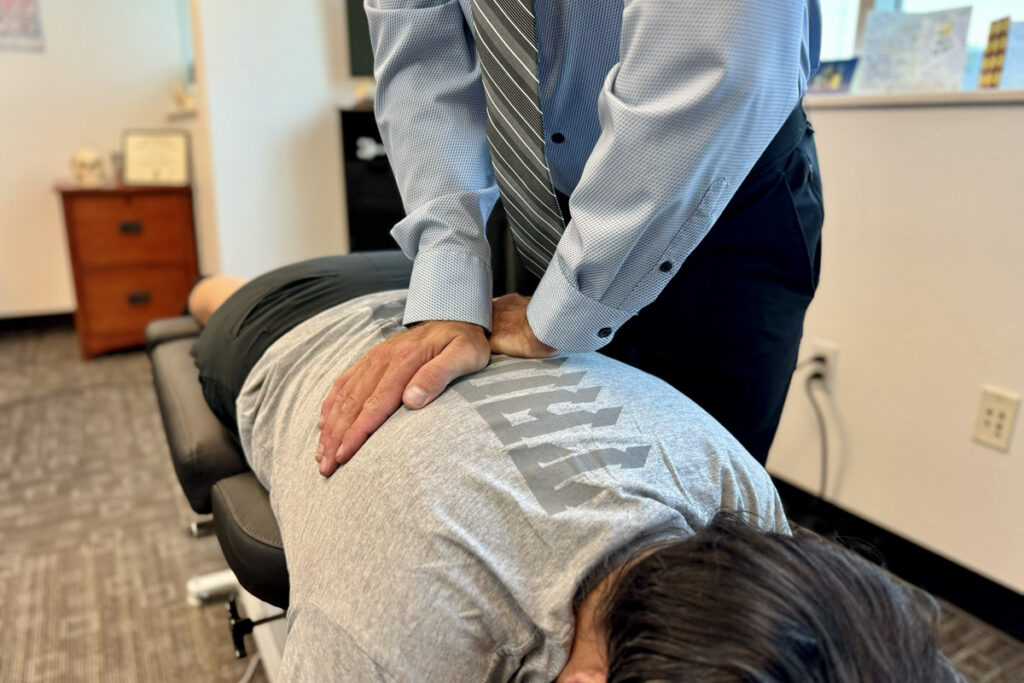
If you’ve ever experienced whiplash, you know how challenging it can be to cope with the discomfort it brings. Understanding what leads to whiplash and recognizing its symptoms is just the beginning. The real key to recovery lies in exploring effective relief techniques, with chiropractic care standing out as a natural and holistic approach.
Chiropractic care focuses on restoring proper alignment to your spine, which is crucial for relieving tension and reducing pain associated with whiplash. Regular adjustments can help improve mobility and support your body’s natural healing processes, promoting overall wellness. As you embark on your recovery journey, consider incorporating a few simple practices into your routine:
- Gentle Stretching: Incorporate gentle neck stretches to help ease stiffness. Always listen to your body and avoid any movements that exacerbate pain.
- Heat and Ice Therapy: Applying a warm compress can help relax tight muscles, while ice packs can reduce inflammation. Alternating between the two can provide significant relief.
- Posture Awareness: Maintain good posture throughout your day. Whether sitting at a desk or driving, being mindful of your alignment can prevent further strain on your neck.
- Stay Active: Engage in light activities, like walking, to keep your body moving and encourage blood flow, which aids in healing.
- Consult a Chiropractor: A chiropractor can devise a personalized treatment plan tailored to your specific needs. They can provide adjustments, exercises, and advice on lifestyle changes that support your recovery.
Are you ready to deepen your understanding and discover effective strategies for alleviating whiplash pain? Let’s explore how chiropractic care can be your best ally in managing this common injury and achieving optimal health.
Understanding Whiplash: Causes and Symptoms
Whiplash is a frequent injury, particularly from car accidents, but it can also happen due to sports activities or falls. When your head suddenly jerks forward and then backward, the soft tissues in your neck can be strained, leading to pain and discomfort. Common symptoms include neck stiffness, headaches, and even dizziness.
Throughout your day, you might find that basic movements, like turning your head or lifting items, can cause pain. You may also feel tenderness in your neck and shoulders, and some individuals experience tingling or numbness in their arms. It’s important to recognize these symptoms early, as seeking the right care can help you recover more effectively.
As a chiropractor, I want to emphasize that chiropractic care is an excellent natural option for managing whiplash and its associated symptoms. Chiropractic adjustments can help restore proper alignment in your spine, alleviate pressure on your nerves, and promote healing in the affected soft tissues. This holistic approach not only targets pain relief but also supports your body’s ability to heal itself.
Here are some helpful tips for managing whiplash symptoms:
- Stay Active: Gentle movements and stretching can help keep your neck flexible. Avoid staying in one position for too long.
- Use Heat and Ice: Applying ice packs during the first few days can reduce inflammation, while heat can help soothe stiff muscles afterward.
- Maintain Good Posture: Be mindful of your posture, especially when sitting or working at a desk, to avoid putting unnecessary strain on your neck.
- Consider Chiropractic Care: Regular chiropractic adjustments can help relieve pain, restore motion, and support your overall well-being.
- Practice Relaxation Techniques: Techniques like deep breathing or gentle yoga can help reduce muscle tension and promote relaxation.
By being aware of whiplash causes and symptoms, and by choosing chiropractic care, you can take proactive steps toward recovery and return to your daily activities with less discomfort.
Natural Remedies for Whiplash Relief
When it comes to finding relief from whiplash pain, exploring natural remedies can be an excellent way to ease your discomfort without relying on medications. At our chiropractic practice, we believe in harnessing the body’s natural healing abilities. Here are three effective remedies you can try at home:
1. Cold and Heat Therapy: Begin with cold therapy by applying ice packs to the affected area for the first couple of days. This can help reduce inflammation and numb the pain.
After a couple of days, transition to heat therapy using heat pads or warm compresses. The warmth will help relax tight muscles and improve blood circulation, which is essential for healing.
2. Gentle Stretching: Incorporating light neck stretches into your routine can significantly enhance your flexibility and promote better blood flow.
Simple movements, like gently tilting your head side to side or forward and backward, can help alleviate tension. Just remember to listen to your body and avoid pushing yourself too hard!
3. Herbal Remedies: You might consider adding natural anti-inflammatories like ginger or turmeric to your diet.
These herbs are known for their ability to reduce inflammation and may help ease pain. You can enjoy them as supplements or incorporate them into your meals for added flavor and health benefits.
In addition to these remedies, regular chiropractic care can be an invaluable tool for managing whiplash pain.
A chiropractor can assess your condition and provide tailored adjustments to restore proper alignment and function to your spine, which promotes overall wellness. By focusing on holistic healing approaches, you aren’t only addressing the symptoms but also enhancing your body’s natural ability to heal itself.
Remember, maintaining good posture and incorporating gentle movement into your daily routine can also help in your recovery journey.
If you have any questions or need personalized guidance, don’t hesitate to reach out to our chiropractic team. We’re here to support you on your path to optimal health!
Effective Physical Therapy Techniques
Chiropractic care can play a vital role in your recovery from whiplash, providing natural techniques to alleviate pain and restore function without the need for medications or invasive procedures. A knowledgeable chiropractor will assess your condition and create a personalized treatment plan tailored to your needs.
You might begin with gentle adjustments and range-of-motion exercises that promote flexibility and reduce stiffness in your neck. These techniques can help to realign your spine and improve overall mobility.
As you progress, your chiropractor may introduce strengthening exercises to support your neck and upper back muscles, enhancing stability and supporting your body’s natural posture.
In addition to spinal adjustments, manual therapy techniques like gentle massage and mobilization can help release tension and improve circulation in the affected areas. Your chiropractor will also emphasize the importance of posture training, ensuring that you maintain proper alignment throughout your daily activities, which can prevent future strain and discomfort.
As you engage in these natural healing techniques, you’ll likely notice a reduction in pain and an increase in mobility. Consistency is crucial, so following your chiropractor’s recommendations and sticking to your treatment plan will maximize your recovery and help you return to your daily activities more comfortably.
Remember, taking care of your spine is key to overall health and wellness. Simple practices like maintaining good posture, staying active, and incorporating regular chiropractic check-ups into your routine can significantly enhance your wellbeing.
Embrace the power of chiropractic care as a natural path to optimal health and comfort!
The Role of Ice and Heat Therapy
To effectively manage whiplash pain, incorporating ice and heat therapy into your daily routine can work wonders. These natural methods not only help alleviate discomfort but also promote healing and restore mobility.
As a chiropractor, I want to share some key benefits of using ice and heat therapy while emphasizing the importance of chiropractic care in your wellness journey:
- Reduce Inflammation: Applying ice to the affected area can numb pain and reduce swelling, providing instant relief. This is especially helpful in the early stages of your recovery. Remember, ice therapy is a simple, drug-free way to tackle inflammation.
- Improve Blood Flow: When you use heat therapy, it increases circulation to your muscles. This improved blood flow brings essential nutrients to the injured area, which speeds up recovery. Regular chiropractic adjustments complement this by ensuring proper alignment, allowing your body to heal more efficiently.
- Ease Muscle Tension: Alternating between ice and heat can help relax tight muscles and ease stiffness. This makes everyday activities feel less daunting. Additionally, chiropractic care can help identify and address the root causes of your tension, leading to long-term relief.
General Tips:
- Use ice packs wrapped in a cloth for 15-20 minutes several times a day during the first 48 hours after your injury.
- After that, you can switch to heat therapy with a warm towel or heating pad for similar intervals.
- Always listen to your body—if something feels uncomfortable, adjust your approach.
- Consider scheduling a chiropractic appointment to discuss your whiplash recovery plan; we can provide personalized care that focuses on your overall wellness.
At-Home Exercises to Alleviate Pain
At-home exercises can be incredibly effective for alleviating whiplash pain and promoting a healthier spine. As a chiropractor, I believe in the power of natural healing through movement and proper care.
Start with gentle stretching techniques to enhance flexibility in your neck and shoulders. Simple stretches, such as neck tilts and gentle rotations, can help ease tension and improve your range of motion.
Once you feel more comfortable, incorporate exercises to strengthen your neck muscles. Strengthening these muscles can provide better support for your spine and help prevent future discomfort. Consider exercises like chin tucks and shoulder blade squeezes, which are easy to do at home and can significantly contribute to your recovery.
Remember, while at-home exercises are beneficial, they should complement regular chiropractic care. A chiropractor can assess your specific condition and tailor a treatment plan that addresses your unique needs, ensuring that you achieve optimal health and wellness.
Prioritize your spinal health by incorporating these simple movements into your routine and consider regular chiropractic adjustments to keep your body functioning at its best. Your journey to pain relief and a healthier lifestyle begins with small steps!
Gentle Stretching Techniques
Gentle stretching techniques can play a crucial role in your recovery from whiplash pain. These movements not only help relieve tension but also enhance your range of motion, allowing you to regain your comfort and vitality.
As a chiropractor, I believe that incorporating these stretches into your routine can significantly aid in your healing journey. Here are three effective stretches you can do at home to support your recovery:
- Chin Tucks: Begin by sitting or standing tall. Gently tuck your chin toward your chest, as if you’re creating a double chin. Hold this position for a few seconds and then release. This simple movement helps align your neck and promotes better posture, which is essential for overall spinal health.
- Side Neck Stretch: While seated, tilt your head to one side, bringing your ear toward your shoulder. You should feel a gentle stretch along the opposite side of your neck. Hold this position for 15-30 seconds. This stretch helps to relieve tightness and improves flexibility in the neck, making it easier for your spine to function optimally.
- Shoulder Rolls: Whether sitting or standing, roll your shoulders forward in a circular motion, and then backward. This exercise helps to loosen tight muscles around your neck and shoulders, promoting relaxation and reducing discomfort.
Incorporating these gentle stretches into your daily routine can provide significant relief and enhance your overall well-being.
Remember, while these techniques can be beneficial, regular chiropractic care is essential for addressing the root cause of your pain and ensuring your spine is aligned for optimal health.
As you work on these stretches, consider scheduling an appointment with your chiropractor to discuss personalized strategies for your recovery and long-term wellness. Together, we can help you feel like yourself again!
Strengthening Neck Muscles
While gentle stretching is essential for recovery, strengthening your neck muscles is equally important for alleviating whiplash pain. As a chiropractor, I recommend incorporating simple exercises into your routine that specifically target the neck area.
Start with neck tilts: gently tilt your head to one side, hold for a few seconds, then switch to the other side. This helps improve flexibility and range of motion.
Next, try chin tucks: pull your chin in toward your neck while keeping your back straight. Hold this position for five seconds and then repeat. Chin tucks are great for strengthening the muscles that support proper posture.
You can also perform resistance exercises by placing your hand on your forehead and gently pushing against it. This engages your neck muscles and helps build strength. Aim for 10-15 repetitions of each exercise, three times a week. Consistency is key; over time, you’ll notice increased strength and reduced discomfort.
Remember, chiropractic care plays a vital role in your journey to optimal health. Regular visits can help ensure your spine is aligned, reducing tension in your neck and enhancing the effectiveness of your exercises.
Always listen to your body and consult with your chiropractor before starting any new exercise routine. Together, we can work towards a healthier, pain-free life!
Importance of Posture in Recovery
Maintaining proper posture is vital for your recovery from whiplash, as it plays a key role in healing your neck and spine. Slouching or hunching can make your pain worse and slow down your recovery. Here’s why you should prioritize good posture, especially when considering chiropractic care:
- Reduces Strain: Good posture allows your body to distribute weight evenly, which lessens the strain on your neck muscles and ligaments. This is where chiropractic care can help; a chiropractor can guide you on how to maintain proper alignment and relieve pressure on your spine.
- Enhances Circulation: When you sit or stand with proper alignment, you promote better blood flow to your injured areas. This increased circulation supports faster healing and reduces stiffness. Regular chiropractic adjustments can also improve your overall spinal health, aiding in recovery.
- Boosts Comfort: Keeping an upright position can relieve pressure on your spine, making everyday activities easier and more comfortable. A chiropractor can teach you exercises and stretches that will help strengthen your muscles and support your posture, providing long-lasting relief.
General Tips for Better Posture:
- When sitting, keep your feet flat on the floor and your back straight against the chair.
- Use a chair with good lumbar support, or place a cushion behind your lower back.
- Take regular breaks to stand up and stretch, especially if you work at a desk.
When to Seek Professional Help
Knowing when to seek professional help is crucial for effectively managing whiplash pain, and chiropractic care can be a fantastic option for relief. If your pain lingers for more than a few days, it’s wise to consult a chiropractor. Ignoring severe symptoms such as intense headaches, dizziness, or numbness in your arms could lead to more serious issues that chiropractic adjustments can help address.
If you’re struggling to carry out daily activities or if your pain intensifies despite trying at-home treatments, professional guidance from a chiropractor is essential. They can assess your injury, provide gentle spinal adjustments, and suggest exercises that promote healing and restore mobility.
Additionally, if you’re experiencing changes in your sleep patterns or increased anxiety related to your condition, a chiropractor can assist in alleviating these issues. They focus not only on pain relief but also on improving your overall well-being.
Long-Term Strategies for Whiplash Management
To effectively manage whiplash in the long term, integrating consistent self-care practices into your routine is essential. By taking proactive steps, you can’t only alleviate pain but also promote healing naturally. Here are three key strategies to consider:
1. Regular Stretching and Strengthening: Engage in daily exercises specifically designed to enhance neck flexibility and strength. These simple movements can help reduce stiffness and improve mobility, allowing you to regain comfort and control.
As your chiropractor, I can guide you through specific exercises tailored to your needs.
2. Mindfulness and Relaxation Techniques: Incorporate mindfulness practices such as meditation or deep breathing exercises into your daily routine. These techniques can help you manage the stress and tension that may worsen your pain, creating a sense of calm and relaxation.
Remember, your mind and body are interconnected, and nurturing both can lead to better overall health.
3. Adequate Sleep and Nutrition: Prioritize restorative sleep and nourish your body with a balanced diet rich in anti-inflammatory foods. Quality sleep and wholesome nutrition are vital for recovery and can significantly influence your overall well-being, making you feel more energized and resilient.
As you focus on these areas, you may find greater benefits from your chiropractic care as well.
By incorporating these strategies into your lifestyle, you can enhance your healing journey and support your body’s natural ability to recover.
Conclusion
In summary, understanding whiplash and how to manage it is essential for your recovery, and chiropractic care is one of the best ways to achieve optimal healing. By exploring natural remedies, effective chiropractic techniques, and the importance of maintaining proper posture, you can take control of your healing process. Remember to utilize ice and heat therapy to soothe discomfort, engage in gentle at-home exercises recommended by your chiropractor, and always be mindful of your posture throughout the day.
Chiropractic care not only focuses on relieving pain but also promotes overall wellness and spinal health. As you navigate your recovery, stay proactive by incorporating these strategies into your daily routine. When in doubt, don’t hesitate to reach out to your chiropractor for professional guidance and support. With commitment to these approaches, you’ll be well on your way to alleviating pain and enjoying a smoother recovery. Focus on your health and wellness—your spine will thank you!