Say Goodbye to Tension Headaches Today
Tension headaches can be incredibly frustrating, but you don’t have to suffer in silence. As a local chiropractor, I want to share how understanding the underlying causes and making some simple adjustments to your daily routine can lead to significant relief. Your spine plays a crucial role in your overall health, and maintaining proper alignment can make a world of difference when it comes to headaches.
Start by evaluating your posture, especially if you spend long hours at a workstation. Poor posture can lead to muscle tension in your neck and shoulders, which is a common trigger for tension headaches. Make sure your workspace is ergonomically friendly; your computer screen should be at eye level, and your chair should provide adequate support.
Hydration is also key. Dehydration can contribute to headaches, so aim to drink plenty of water throughout the day. Additionally, incorporating relaxation techniques like deep breathing, meditation, or gentle stretching can help alleviate stress and tension in your body.
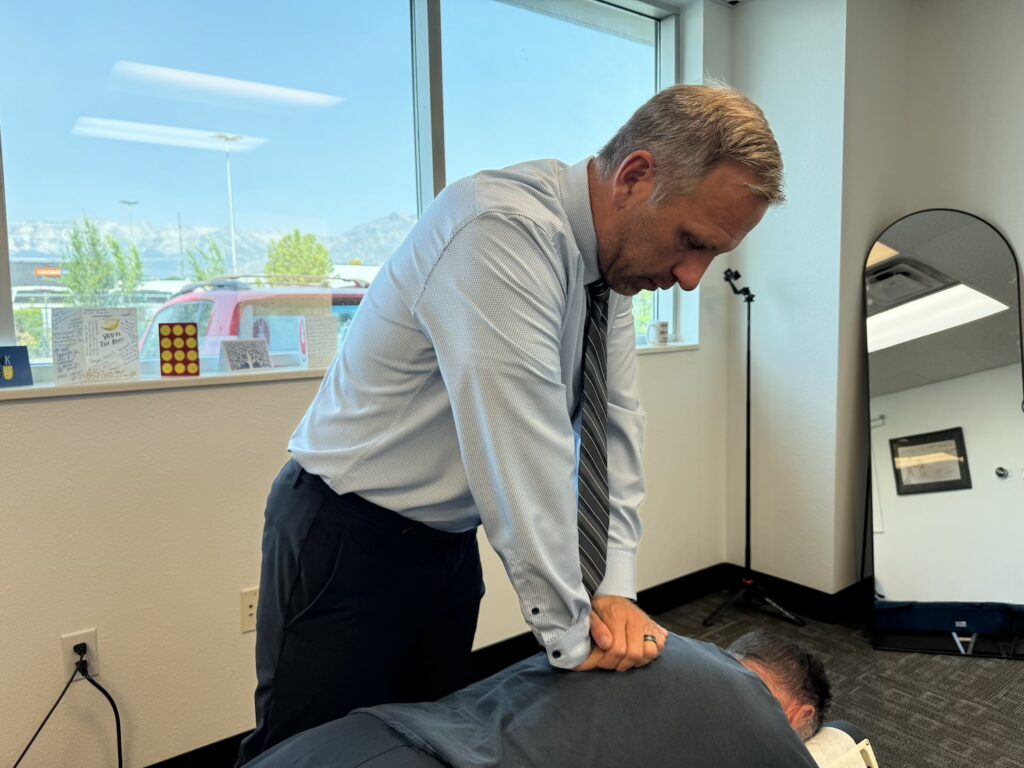
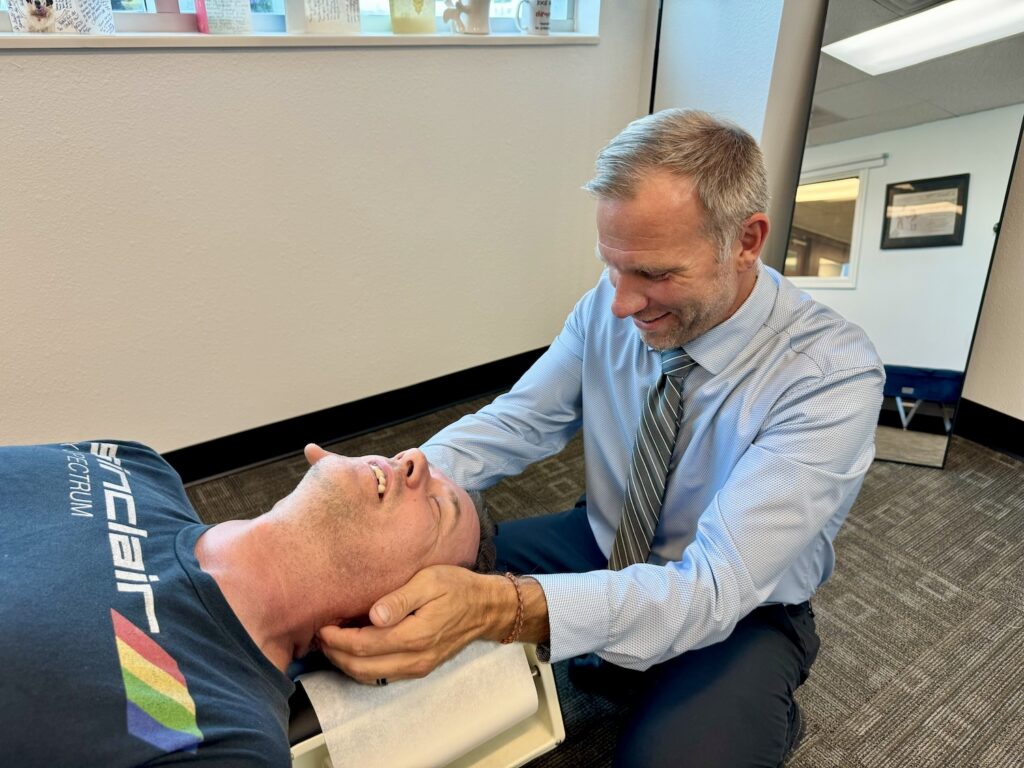
Chiropractic care is an excellent way to address the root causes of tension headaches. Regular adjustments can help improve spinal alignment, reduce muscle tension, and enhance your body’s ability to heal naturally.
Curious about how these changes can transform your experience? Let’s explore the steps you can take, through chiropractic care and simple lifestyle adjustments, to say goodbye to those pesky headaches for good. Remember, your health is in your hands, and with the right support, a pain-free life is within reach!
Key Takeaways
Say Goodbye to Tension Headaches Today
As a local chiropractor, I want to share some essential tips to help you manage and prevent tension headaches naturally. By focusing on your spinal health and overall wellness, you can find relief without relying on medications or invasive procedures.
- Create an Ergonomic Workspace: One of the simplest ways to reduce muscle tension is by maintaining good posture. Set up your workstation so that your body is aligned correctly. This will help prevent strain on your neck and shoulders, which can lead to headaches.
- Stay Hydrated: Keeping your body hydrated is crucial in avoiding headaches related to dehydration. Aim to drink at least 8 glasses of water a day. Proper hydration supports spinal health and helps keep your muscles functioning optimally.
- Stretch Regularly: Incorporate neck and shoulder stretching exercises into your daily routine. This can alleviate tightness and improve blood flow to your head, reducing the likelihood of tension headaches. Simple stretches can be done at your desk and only take a few minutes.
- Practice Stress Management: Techniques like deep breathing and meditation can significantly reduce anxiety and stress, which are common triggers for tension headaches. Taking time to relax and reset your mind can have a profound impact on your overall health.
- Consult with a Chiropractor: If you experience persistent headaches, consider consulting with a chiropractor. We specialize in spinal alignment and can help identify any underlying issues that may be contributing to your discomfort. Chiropractic care promotes natural healing and overall wellness, allowing your body to function at its best.
By incorporating these tips into your daily life, you can take proactive steps toward reducing tension headaches and enhancing your well-being. Remember, chiropractic care is a natural and effective approach to achieving optimal health.
Understanding Tension Headaches
Tension headaches, often described as feeling like a tight band around your head, are among the most common headaches people experience. These headaches can be triggered by stress, anxiety, or muscle tension, and typically present as a dull, aching pain. They often develop gradually and can last for hours or even days.
Unlike migraines, tension headaches usually don’t come with nausea or sensitivity to light, which can make them more manageable. Understanding these headaches is crucial for optimal health. They often signal that your body is in need of relaxation and self-care. Poor posture or prolonged hours at a desk can exacerbate this discomfort.
As a chiropractor, I encourage you to listen to your body and recognize the early signs of tension headaches. By doing so, you can take proactive steps to address them before they escalate.
Here are some general tips to help you alleviate tension headaches:
- Practice Good Posture: Ensure your workstation is set up ergonomically. Keep your back straight, shoulders relaxed, and feet flat on the ground.
- Stay Hydrated: Dehydration can contribute to headaches. Make sure you’re drinking enough water throughout the day.
- Incorporate Stretching: Regular stretching and movement can relieve muscle tension. Simple neck and shoulder stretches can be particularly beneficial.
- Manage Stress: Techniques such as deep breathing, meditation, or yoga can help reduce stress levels and prevent headaches.
- Consider Chiropractic Care: Regular chiropractic adjustments can help realign your spine, relieve tension in your muscles, and promote overall wellness. This natural approach can lead to fewer headaches and improved quality of life.
By making these adjustments and considering chiropractic care as part of your wellness routine, you can effectively reduce the frequency and intensity of tension headaches.
Identifying Triggers
Identifying the triggers of your tension headaches is a crucial step in achieving optimal health and wellness, and as a local chiropractor, I’m here to help you understand how this can be done naturally.
By recognizing the factors that lead to your headaches, you can take proactive steps to manage them effectively, reducing the reliance on medications or other interventions.
Start by paying close attention to the patterns in your daily life. One helpful approach is to keep a headache diary. In this diary, you can jot down:
- Stressful moments, such as tight deadlines or family disagreements, which can contribute to muscle tension and misalignment in your spine.
- Long hours spent at a computer, which may cause poor posture and eye strain. Remember, maintaining proper spinal alignment is key to reducing headache triggers.
- Skipped meals or dehydration, as these can drain your body and lead to increased tension. Staying well-nourished and hydrated is essential for your overall wellness.
As you identify your personal triggers, consider regular chiropractic visits. Chiropractic care focuses on spinal health and alignment, which can help alleviate tension and prevent headaches from occurring in the first place.
By working with a chiropractor, you can address any misalignments that may be contributing to your pain and learn techniques to maintain a healthy posture in your daily activities.
Incorporating relaxation techniques, such as deep breathing exercises or gentle stretching, can also be beneficial in managing stress and maintaining a healthy spine.
Effective Relaxation Techniques
To effectively manage tension headaches, incorporating relaxation techniques into your daily routine can significantly enhance your well-being. These simple practices not only ease your mind but also help reduce stress, serving as natural remedies for those pesky headaches. As a chiropractor, I believe that addressing the root cause of pain through natural methods is essential for optimal health.
Here’s a table of relaxation techniques that can help you feel better:
| Technique | Emotion Evoked |
|---|---|
| Deep Breathing | Calmness |
| Progressive Relaxation | Release of Tension |
| Visualization | Peacefulness |
| Mindfulness | Centered Awareness |
Deep Breathing: Take a moment to focus on your breath. Just a few minutes of deep, slow breathing can bring a sense of tranquility. This technique can also help reduce muscle tension around the neck and shoulders, which are often contributors to tension headaches.
Progressive Relaxation: This method allows you to identify and release tension in your muscles systematically. Starting from your toes and working your way up to your head, tense each muscle group for a few seconds, then let go. This practice not only relieves tension but also promotes a greater awareness of your body.
Visualization: Picture a serene landscape or a peaceful scene. Imagine your stress melting away as you immerse yourself in this calming imagery. Visualization can be a powerful way to distract your mind from pain and promote relaxation.
Mindfulness: Practicing mindfulness helps you stay present and aware, especially during overwhelming moments. By focusing on the here and now, you can reduce anxiety and stress, which can trigger headaches.
Incorporating these techniques into your daily life not only promotes relaxation but also empowers you to manage the frequency and intensity of tension headaches. Remember, chiropractic care is also an excellent way to address the underlying causes of headaches by ensuring proper spinal alignment and overall body function. Prioritizing your spinal health through regular chiropractic adjustments can provide relief and support your journey toward natural wellness.
Give these relaxation techniques a try, and you may find that relief is closer than you think!
Physical Exercises for Relief
Engaging in physical exercises can be a powerful ally when it comes to relieving tension headaches. When you move your body, you not only improve blood flow but also trigger the release of endorphins, which play a vital role in reducing muscle tension and discomfort.
As a chiropractor, I encourage you to incorporate the following simple exercises into your daily routine for natural relief:
- Neck Stretches: Gently tilt your head from side to side. This simple movement helps to stretch and relax the muscles in your neck, which often bear the brunt of tension headaches.
- Shoulder Rolls: Lift your shoulders towards your ears, then roll them back and down. This movement can effectively release tightness built up in your shoulders, an area commonly affected by stress.
- Walking: A brisk walk isn’t just great for your heart; it also helps clear your mind and alleviate stress. Plus, being outdoors can elevate your mood and promote overall wellness.
These activities can be performed almost anywhere and only require a few minutes of your day. By making these exercises a part of your routine, you can develop a habit that combats tension headaches and promotes relaxation.
Remember, incorporating movement into your daily life is a key component of maintaining optimal health.
While I highly recommend these exercises, I want to emphasize the importance of chiropractic care in your wellness journey. Regular visits to a chiropractor can help ensure that your spine is aligned and functioning properly, which is crucial for preventing tension headaches and promoting overall health.
Don’t underestimate the benefits of chiropractic adjustments—it’s a natural and effective way to support your body’s healing processes and achieve lasting relief from pain.
The Importance of Hydration
Staying hydrated is crucial for maintaining overall wellness and can play a significant role in preventing tension headaches. As a chiropractor, I often see how dehydration can lead to discomfort, including headaches, which is why it’s important to keep an eye on your water intake for better spinal health and overall well-being.
Water is essential for your body to function properly, and when you’re dehydrated, your body may react with headaches and other discomforts. This is why ensuring adequate hydration is a simple yet effective way to support your health naturally.
So, how much water do you really need? A general rule of thumb is to aim for about 8 glasses a day, but individual needs can vary based on factors like activity level, climate, and overall health.
To help you stay on track, here are some easy tips:
- Carry a water bottle: Having water readily available encourages you to sip throughout the day.
- Set reminders: Use your phone or a timer to remind yourself to drink water regularly.
- Add flavor: If plain water isn’t appealing, try adding slices of lemon, cucumber, or berries for a refreshing twist.
- Eat water-rich foods: Incorporate fruits and vegetables like cucumbers, watermelon, and oranges into your diet, as they can contribute to your hydration.
Remember, staying hydrated not only helps prevent tension headaches but also supports your body’s natural healing processes.
Regular chiropractic care can further enhance your health by aligning your spine and nervous system, allowing your body to function at its best. By combining proper hydration with chiropractic adjustments, you’re taking important steps towards achieving optimal health and wellness.
Dehydration and Headache Connection
As a local chiropractor committed to your health and wellness, I want to highlight an often-overlooked connection between dehydration and tension headaches. Many people may not realize that when your body isn’t properly hydrated, it can trigger those pesky headaches. Staying hydrated is essential for maintaining your body’s balance, and it can play a crucial role in preventing discomfort.
Consider the effects of dehydration:
- Your mouth feels dry, reminiscent of walking through a desert.
- You might notice a dip in your energy levels, leaving you feeling sluggish and unfocused.
- That tight sensation around your forehead can intensify, making it difficult to concentrate.
To prevent these headaches and promote overall wellness, here are some simple tips:
- Drink Plenty of Water: Aim for at least eight glasses a day, or more if you’re active or in a hot environment.
- Eat Hydrating Foods: Incorporate fruits and vegetables with high water content, such as cucumbers, watermelon, and oranges, into your diet.
- Set Reminders: Use your phone or a timer to remind yourself to take a sip of water regularly throughout the day.
- Limit Dehydrating Beverages: Try to reduce your intake of caffeine and alcohol, as they can contribute to dehydration.
In addition to staying hydrated, regular chiropractic care can help alleviate headaches by ensuring that your spine is properly aligned, promoting better nerve function and overall health.
If you’re experiencing frequent tension headaches, consider visiting your chiropractor for a holistic approach to pain relief and natural wellness. Together, we can work towards a healthier, more balanced you!
Optimal Water Intake Tips
Understanding the importance of hydration goes beyond just preventing tension headaches; it’s essential for your overall well-being and spinal health. As a chiropractor, I encourage you to aim for at least eight 8-ounce glasses of water daily, but remember to adjust this based on your activity level and the climate you’re in. Staying hydrated helps maintain the health of your intervertebral discs, which are crucial for a well-functioning spine.
To make drinking water a habit, carry a reusable water bottle with you. This serves as a constant reminder to hydrate throughout the day. Additionally, incorporating hydrating foods like fruits and vegetables into your meals can provide extra benefits and support your body’s natural healing processes.
Listen to your body—if you feel thirsty or notice dark urine, it’s a clear sign you need to drink more. Setting regular reminders on your phone can help keep hydration a priority in your daily routine. By prioritizing hydration, you not only reduce the risk of headaches but also support your energy levels and focus, which are vital for maintaining a healthy spine.
Remember, optimal hydration is just one part of achieving overall wellness. Regular chiropractic care can complement your healthy lifestyle by addressing any misalignments that may be contributing to discomfort or pain.
Together, proper hydration and chiropractic adjustments pave the way for a healthier, more vibrant you.
Nutritional Strategies to Combat Headaches
If you’re looking to alleviate the frequency and intensity of tension headaches, your diet can play a crucial role in your overall wellness. As a chiropractor, I believe in the power of natural healing and how nutrition can support your body’s health. By making some simple dietary changes, you can help your body reduce headaches and promote optimal wellness.
Start by incorporating magnesium-rich foods into your meals. Magnesium can work wonders for relaxing your muscles and nerves. Think of vibrant leafy greens, creamy avocados, and crunchy almonds as delightful additions to your diet.
Don’t forget about hydration; drinking plenty of water throughout the day is essential for keeping your body functioning at its best.
Here are some nutritional strategies to consider:
- Omega-3 rich salmon: This fish isn’t only delicious but also helps to reduce inflammation, which is key in promoting overall brain health and reducing headache symptoms.
- Colorful berries: These fruits are packed with antioxidants that help combat oxidative stress in your body, supporting your overall health and well-being.
- Whole grains: Opt for brown rice or quinoa instead of white rice. Whole grains provide a steady release of energy, helping to prevent blood sugar dips that can trigger headaches.
Remember, while these dietary changes can be beneficial, they complement the holistic approach of chiropractic care.
Regular chiropractic adjustments can help align your spine, improve nerve function, and enhance your body’s natural healing ability. By integrating these nutritional tips with chiropractic care, you can work toward achieving optimal health and reducing headaches naturally.
Creating a Comfortable Work Environment
Creating a comfortable work environment is vital for your overall health and wellness, especially when it comes to minimizing tension headaches and enhancing productivity. As a chiropractor, I want to share some practical tips that can help you create a workspace that supports your spinal health and overall well-being.
Start by ensuring your workspace is ergonomically designed. Adjust your chair and desk height so that when you sit, your feet are flat on the ground and your knees are at a 90-degree angle. This position helps maintain proper spinal alignment and reduces strain on your back. Position your monitor at eye level to avoid straining your neck and to promote good posture.
Lighting also plays a significant role in your comfort. Whenever possible, take advantage of natural light, as it not only brightens your space but can also improve your mood. If natural light isn’t available, consider using soft, adjustable lamps to minimize glare and eye strain.
Temperature is another important factor. Maintaining a comfortable temperature in your workspace can help prevent discomfort and distractions. If you find yourself getting too hot or too cold, it can lead to tension in your muscles, which may contribute to headaches.
Don’t forget to personalize your workspace with items that inspire you, such as plants or artwork. These personal touches can uplift your mood and create a more inviting atmosphere.
Additionally, remember to take regular breaks to stretch and move around. This practice not only helps relieve tension in your muscles but also encourages better blood flow and can lead to improved focus.
By implementing these simple changes, you’ll create a workspace that not only helps prevent headaches but also promotes better spinal health and wellness.
Incorporating Mindfulness and Meditation
Enhancing your work environment isn’t just about making physical changes; it’s also about nurturing your mental health through mindfulness and meditation. These practices can significantly alleviate tension headaches and boost your overall well-being. Just a few minutes each day dedicated to focusing on your breath can transform your busy routine into a calming oasis, helping you distance yourself from daily stressors.
Here are some straightforward mindfulness techniques that can complement your chiropractic care and support your journey to optimal health:
- Deep Breathing: Take a moment to inhale deeply through your nose, hold your breath for a second, and then exhale slowly through your mouth. With every breath out, visualize the tension melting away from your body. This simple technique can help reduce pain and restore balance.
- Visualization: Picture yourself in a peaceful setting, like a tranquil beach or a serene forest. Engage your senses by imagining the sounds of the waves or the scent of fresh pine. This mental escape can provide a much-needed break and help alleviate stress that can contribute to discomfort.
- Body Scan: Close your eyes and mentally scan your body from head to toe. Acknowledge any areas of tension and consciously relax those muscles. This practice not only fosters relaxation but also enhances body awareness, which is crucial for maintaining spinal health.
Incorporating these mindfulness techniques into your daily routine can enhance the benefits of chiropractic care, leading you to a healthier, pain-free life.
When to Seek Professional Help
When should you consider seeking professional help for tension headaches? If your headaches persist despite trying self-care methods like relaxation techniques, stretching, or adequate hydration, it’s time to consult a healthcare provider, ideally a chiropractor. Chiropractic care focuses on aligning your spine and relieving tension, which can be a natural and effective way to address headaches.
It’s important to reach out if your headaches disrupt your daily activities or become more frequent or intense. Pay attention to any accompanying symptoms, such as visual disturbances or severe nausea, as these could signal a need for professional evaluation.
Here’s a quick guide to help you decide:
| Symptoms to Watch For | Action to Take |
|---|---|
| Frequent headaches (more than 2-3 per week) | Schedule a visit with a chiropractor |
| Severe or worsening headache | Seek immediate chiropractic care |
| Headaches with vision problems | Consult a chiropractor for a thorough evaluation |
| Headaches accompanied by neurological symptoms | Go to a healthcare professional immediately |
Don’t hesitate to seek help; addressing headaches early can lead to better outcomes. Remember, regular chiropractic adjustments can not only alleviate headaches but also promote overall wellness. Incorporating relaxation techniques, staying hydrated, and maintaining good posture can also support your journey to optimal health.
Maintaining a Healthy Lifestyle for Prevention
Maintaining a healthy lifestyle is essential for reducing the frequency and intensity of tension headaches, and chiropractic care can play a vital role in your overall well-being. By making simple adjustments to your daily routine, you can enhance both your physical and mental health, keeping those annoying headaches at bay.
- Stay hydrated: Drinking plenty of water throughout the day helps reduce tension and supports optimal brain function. Dehydration can lead to headaches, so make it a habit to keep a water bottle handy.
- Incorporate regular exercise: Engaging in activities you enjoy, such as walking, cycling, or yoga, not only helps release endorphins but also lowers stress levels. Regular exercise promotes better spinal health and can improve posture, reducing strain on your neck and back that may contribute to headaches.
- Prioritize sleep: Aim for 7-9 hours of quality sleep each night. Establishing a calming bedtime routine can help your body and mind unwind.
Remember, proper sleep is crucial for your spine’s health, as it allows your body to heal and rejuvenate.
Additionally, consider regular chiropractic visits to address any underlying spinal issues that may be contributing to your headaches. Chiropractors specialize in aligning the spine and improving nervous system function, which can lead to significant relief from tension headaches.
By focusing on natural healing, chiropractic care can help you achieve optimal health without the need for medications or surgeries.
Incorporating these tips into your daily life can help you manage tension headaches and promote a healthier lifestyle. Remember, your journey to wellness starts with taking small, consistent steps!
Conclusion
Say goodbye to tension headaches and embrace a healthier, pain-free life through chiropractic care! Taking control of your self-care starts with understanding the underlying causes of your headaches, and that’s where a chiropractor can help you. By assessing your spine and posture, we can identify misalignments that may be contributing to your discomfort.
In addition to chiropractic adjustments, adopting relaxation techniques can be incredibly beneficial. Consider incorporating deep breathing exercises or gentle stretching into your daily routine. Staying hydrated is also crucial—when your body is well-hydrated, it can function optimally, reducing the likelihood of headaches.
Creating an ergonomic workspace is another simple yet effective way to enhance your comfort. Ensure your chair and desk promote good posture, which can alleviate strain on your neck and back.
Don’t forget the power of mindfulness and regular physical activity! Engaging in light exercises like walking or yoga can boost your overall well-being and help manage stress, a common trigger for tension headaches.
If you find that your headaches persist, visiting a chiropractor can provide you with a personalized plan to address your unique situation. By prioritizing your health and well-being through natural healing practices, you can prevent tension headaches and enjoy a more vibrant, pain-free life!