Tension headaches can be quite bothersome, but you don’t have to endure them alone. As a chiropractor, I want to share some simple yet effective adjustments you can make to your daily routine to find relief. Key factors such as posture, hydration, and regular exercise are crucial in managing tension headaches, but there are also specific techniques and remedies that can help you feel better quickly.
First and foremost, let’s talk about posture. Maintaining good posture throughout your day, whether sitting at a desk or standing, can significantly reduce the strain on your neck and spine, which are often contributors to tension headaches. Make a conscious effort to sit up straight and keep your shoulders relaxed. You might find it helpful to set reminders to check your posture periodically.
Next, hydration is essential. Dehydration can lead to headaches, so ensure you’re drinking enough water throughout the day. Keeping a water bottle nearby can serve as a helpful reminder to stay hydrated.
Incorporating regular exercise into your routine is another great way to alleviate tension headaches. Activities like walking, yoga, or stretching can help relieve muscle tension and improve circulation. Even simple stretches can work wonders for your neck and shoulders, which often hold tension.
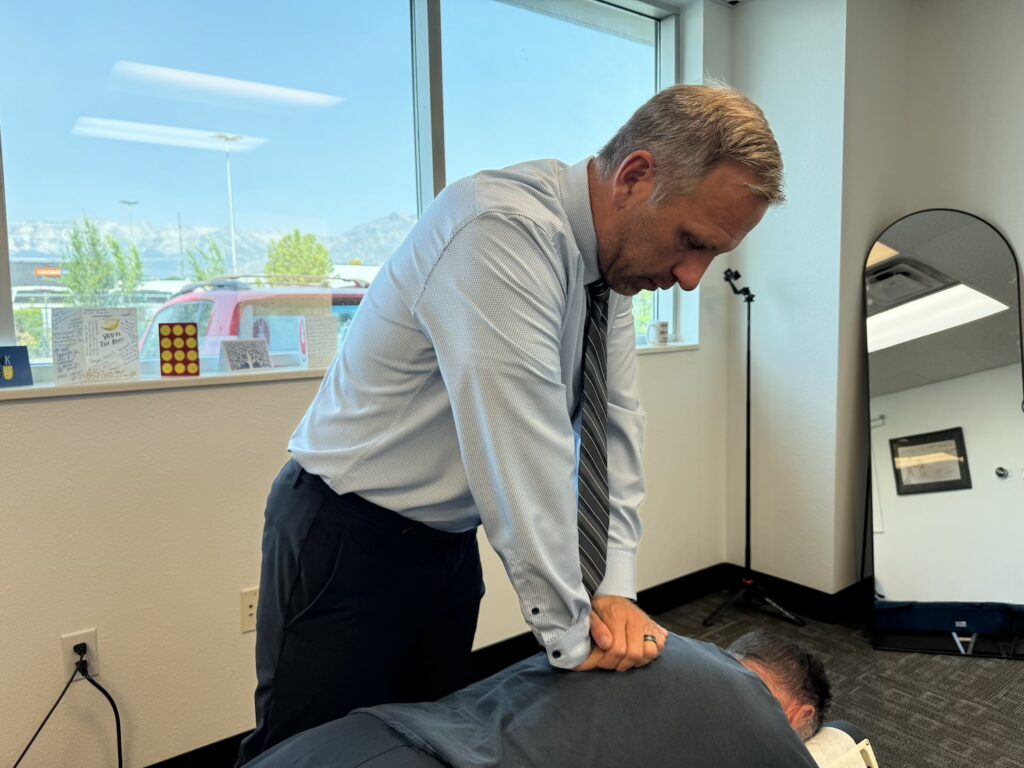
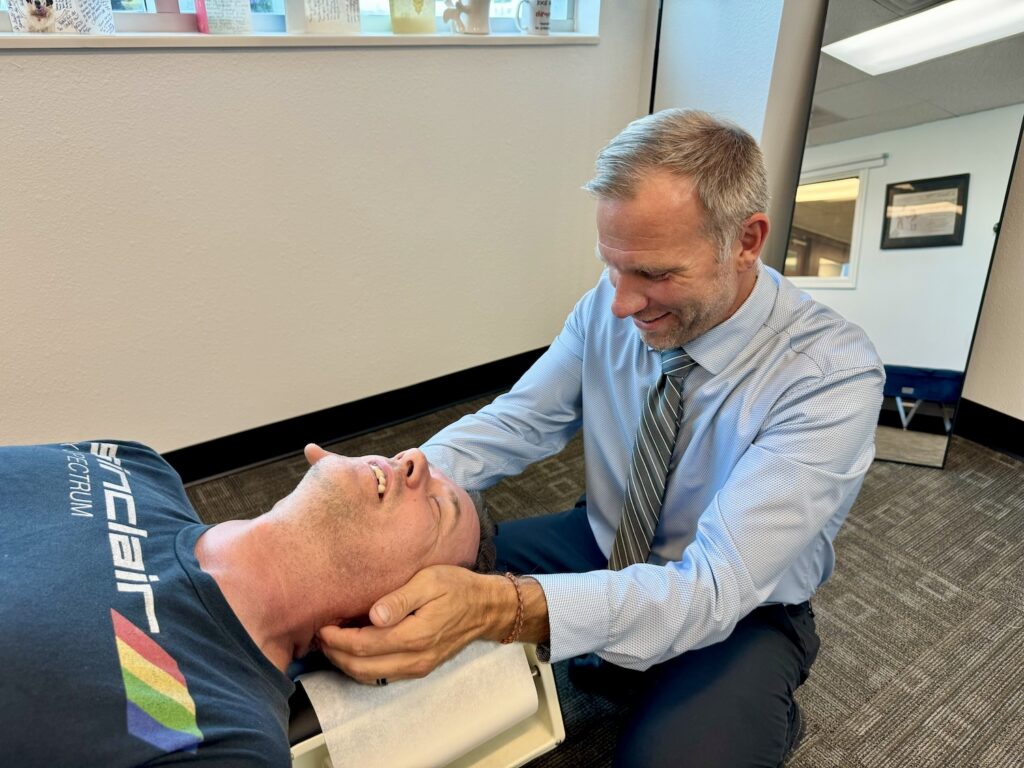
Additionally, I encourage you to explore chiropractic care for long-term relief. Chiropractic adjustments can help align your spine, reducing tension and improving overall spinal health. By addressing misalignments, you may find that your tension headaches decrease in frequency and intensity.
Consider other natural remedies as well, such as applying a warm or cold compress to your forehead or neck, practicing relaxation techniques like deep breathing or meditation, and ensuring you get enough sleep each night.
By integrating these strategies into your daily life and considering chiropractic care as a natural and effective solution, you can take control of your health and reduce the impact of tension headaches. Remember, you don’t have to suffer in silence—there are solutions available that can help you feel your best.
Key Takeaways
- Practice deep breathing exercises to help your body relax and reduce tension. This can complement the adjustments you receive in chiropractic care, enhancing your overall sense of well-being.
- Maintain good posture and set up an ergonomic workstation. This not only helps minimize muscle strain but also supports your spine’s health, which is essential for preventing headaches and discomfort.
- Stay hydrated by drinking at least eight 8-ounce glasses of water daily. Proper hydration supports spinal health and can reduce the frequency and intensity of tension headaches.
- Engage in regular physical activity like stretching, yoga, or walking. These activities help alleviate tension and promote overall body wellness, making them great complements to your chiropractic treatments.
- Keep a headache diary to identify triggers and manage headache patterns. This information can be incredibly helpful for your chiropractor in tailoring a treatment plan that addresses your specific needs and supports your journey towards optimal health.
Remember, chiropractic care focuses on natural healing and can be a powerful ally in relieving tension headaches and enhancing your overall well-being.
Understanding Tension Headaches
Tension headaches are one of the most common types of headaches, often triggered by stress, fatigue, or muscle strain. Many people describe them as a constant, dull ache, feeling like a tight band around the head. The intensity and duration can vary; sometimes, they last just a few hours, while at other times, they can linger for days.
Recognizing the signs early is essential, as ignoring them can lead to more frequent headaches. Accompanying symptoms may include sensitivity to light or sound, but nausea is typically not present. Identifying your personal triggers is crucial, as they can range from poor posture at your desk to emotional stressors.
A great way to manage tension headaches is through chiropractic care, which focuses on aligning the spine and relieving muscle tension that can contribute to headaches.
Here are some tips to help you manage and prevent tension headaches naturally:
- Maintain Good Posture: Ensure that your workstation is ergonomically set up. Keep your computer screen at eye level and use a chair that supports your lower back.
- Regular Chiropractic Adjustments: Regular visits to a chiropractor can help keep your spine aligned and reduce muscle tension, which may lead to fewer headaches.
- Stay Hydrated: Dehydration can be a trigger for headaches, so be sure to drink plenty of water throughout the day.
- Practice Stress-Relief Techniques: Incorporate relaxation techniques such as deep breathing, yoga, or meditation into your daily routine to help manage stress.
- Keep a Headache Diary: Track your headaches to identify patterns and triggers. This can help you and your chiropractor develop a personalized plan to minimize their occurrence.
By focusing on these natural strategies and incorporating chiropractic care into your wellness routine, you can work towards achieving optimal health and significantly reduce the frequency and intensity of tension headaches.
Relaxation Techniques for Immediate Relief
When tension headaches strike, quick relief can often be found through effective relaxation techniques that support your overall wellness.
As a chiropractor, I encourage you to explore deep breathing exercises, which not only calm your mind and body but also help to promote a healthy spine and nervous system function. Incorporating gentle neck stretches can also be beneficial, as they release tightness and improve mobility in the upper back and neck, areas often affected by tension.
In addition to these techniques, consider maintaining proper posture throughout your day to prevent the buildup of tension that can lead to headaches.
Regular chiropractic adjustments can also play a crucial role in alleviating pain and promoting natural healing by addressing spinal misalignments that contribute to discomfort.
Remember, the goal is to restore a sense of calm and ease your discomfort in the most natural way possible.
By integrating these simple practices into your routine, you can enhance your overall health and reduce the frequency of tension headaches.
Your journey to optimal health starts with understanding and caring for your spine!
Deep Breathing Exercises
Headaches can certainly put a damper on your day, but did you know that deep breathing exercises can serve as a natural and effective way to alleviate tension? As a chiropractor, I believe in the power of holistic approaches to health and wellness, and deep breathing is one simple technique that anyone can incorporate into their daily routine.
Start by finding a quiet place where you can relax without interruptions. Sit comfortably, allowing your spine to be straight and your shoulders to drop away from your ears. Close your eyes and take a moment to center yourself. Inhale deeply through your nose for a count of four, filling your lungs completely and allowing your abdomen to expand. Hold that breath for a count of four, and then exhale slowly through your mouth for a count of six. As you breathe out, imagine the tension and discomfort melting away from your body.
This practice not only helps to calm your mind but also promotes relaxation in your muscles, which can be particularly beneficial for those experiencing headaches. Repeat this breathing cycle for several minutes, and you may find that your heart rate slows and your overall sense of well-being improves.
In addition to deep breathing, consider regular chiropractic adjustments to help maintain spinal health and prevent tension-related headaches. Proper alignment of your spine can play a crucial role in your overall health and wellness, allowing your body to function optimally.
Gentle Neck Stretches
Incorporating gentle neck stretches into your daily routine is an effective way to alleviate tension headaches and support your overall spinal health. These simple stretches help release tight muscles, improve circulation, and promote relaxation—all of which are essential for maintaining a healthy spine.
Plus, you can easily do them anywhere, making them a convenient solution for those moments when you need quick relief.
Here are some effective neck stretches that can enhance your wellness:
- Neck Tilt: Slowly tilt your head toward one shoulder and hold for 15 seconds, then switch sides. This stretch helps to relieve tension in the neck and shoulders.
- Chin Tuck: Gently pull your chin toward your chest, feeling the stretch in the back of your neck. This exercise is great for counteracting the effects of poor posture, especially if you spend long hours sitting at a desk.
- Side Rotation: Turn your head to one side and hold for 15 seconds, then rotate to the other side. This stretch helps improve flexibility and range of motion in your neck.
- Shoulder Shrugs: Raise your shoulders toward your ears, hold for a moment, then release. This movement helps to relieve tightness in the upper back and neck area.
By regularly practicing these stretches, you can enhance your neck health and potentially reduce the frequency of headaches.
Remember, chiropractic care is a fantastic option for addressing neck pain and tension holistically. A chiropractor can help you develop a personalized plan that includes adjustments and exercises tailored to your needs, promoting natural healing and optimal health.
Embrace these stretches as part of your wellness routine, and consider regular chiropractic visits for the best results. Your spine deserves the best care!
The Role of Proper Hydration
Staying properly hydrated is crucial not just for overall health, but also for preventing tension headaches, which can often be a source of discomfort for many. When we don’t drink enough water, our bodies can become dehydrated. This dehydration can lead to increased muscle tension and headaches, which can interfere with daily activities and overall well-being.
Even mild dehydration can trigger discomfort and add to our stress levels, making it important to maintain proper hydration. A good rule of thumb is to aim for at least eight 8-ounce glasses of water each day. However, feel free to adjust this based on your activity level and the climate you’re in.
To make hydration a part of your daily routine, start your day with a refreshing glass of water. Carrying a reusable water bottle with you can be a great reminder to sip throughout the day. If you find yourself sweating more—whether due to exercise or hot weather—be sure to increase your water intake to replenish those lost fluids.
It’s also important to listen to your body. If you notice signs of dehydration such as a dry mouth or fatigue, take action and hydrate immediately. By prioritizing hydration, you can help reduce the frequency and intensity of tension headaches, allowing you to feel more focused and comfortable in your daily life.
Remember, while hydration is vital, incorporating regular chiropractic care can also play a significant role in managing and alleviating tension headaches. Chiropractic adjustments can help improve spinal alignment, reduce muscle tension, and promote better overall health.
Incorporating Regular Exercise
Incorporating regular exercise into your routine can significantly help alleviate tension headaches and enhance your overall well-being. As a local chiropractor, I want to emphasize the importance of movement for spinal health and natural healing.
Focus on gentle, beneficial exercises that promote proper posture and spinal alignment, such as walking, yoga, and specific stretches.
Maintaining a consistent exercise frequency is crucial. Aim for at least 30 minutes of activity most days of the week. Additionally, integrating stretching and relaxation techniques can further reduce tension and improve your body’s response to stress. Practices like deep breathing or mindfulness can complement your exercise routine, promoting a sense of calm and balance.
Remember, chiropractic care is an excellent choice for pain relief and maintaining optimal health. Regular adjustments can help ensure your spine is aligned, which supports your exercise efforts and overall wellness.
Types of Beneficial Exercises
While you mightn’t immediately associate exercise with relief from tension headaches, specific physical activities can significantly ease your symptoms. Incorporating beneficial exercises into your daily routine can help you relax, reduce muscle tension, and support your overall wellness.
As a chiropractor, I believe that chiropractic care, combined with the right exercises, is your best option for achieving optimal health and pain relief. Here are some effective types of exercises to consider:
- Stretching: Gentle stretches for your neck and shoulders can help release tightness and improve spinal alignment. This can be particularly beneficial if you experience frequent headaches.
- Yoga: Practicing yoga not only promotes relaxation but also enhances flexibility. This can alleviate tension headaches by reducing stress and improving your posture, which is crucial for spinal health.
- Walking: A brisk walk can enhance blood circulation and help clear your mind. It’s a simple yet effective way to incorporate movement into your day while also benefiting your spine and overall wellness.
- Strength Training: Light weightlifting or resistance exercises strengthen the muscles that support your spine. A strong muscular foundation can reduce strain and prevent the onset of headaches.
Remember, the goal is to create a balanced routine that supports your body and helps you manage tension. Always listen to your body, and consider incorporating chiropractic care into your wellness journey for personalized guidance and support.
Your chiropractor can help you develop a tailored exercise plan that aligns with your health goals, ensuring you achieve the best outcomes for your well-being.
Frequency and Duration Matters
Regular exercise is an important part of managing tension headaches and promoting overall wellness. As a chiropractor, I believe that combining exercise with chiropractic care can lead to optimal health and pain relief. To truly benefit from exercise, consistency is key. Aim for at least 150 minutes of moderate exercise each week. This can significantly help reduce the frequency and intensity of your headaches. Here’s a simple breakdown to guide you:
| Frequency | Duration |
|---|---|
| 3-5 times a week | 30 minutes each session |
| 2-3 times a week | 45 minutes each session |
| 1-2 times a week | 60 minutes each session |
In addition to regular exercise, consider incorporating chiropractic adjustments into your routine. Chiropractic care helps align the spine, relieve tension, and improve overall function, which can complement your exercise efforts. Remember to listen to your body and choose activities that you enjoy, whether it’s walking, swimming, or yoga. Staying active and maintaining a healthy spine can work wonders for your well-being and help you effectively manage tension headaches.
Stretching and Relaxation Techniques
To effectively manage tension headaches, incorporating stretching and relaxation techniques into your routine can be incredibly beneficial. As a chiropractor, I believe these practices not only help release muscle tension but also promote overall wellness, making them essential for headache relief.
Here are some simple techniques you can try at home:
- Neck Stretches: Gently tilt your head from side to side. This can help relieve tension in your neck, which is often a contributing factor to headaches.
- Shoulder Rolls: Roll your shoulders forward and backward. This motion helps loosen tight muscles and improve blood flow, potentially alleviating headache discomfort.
- Deep Breathing: Take a moment to inhale deeply through your nose and exhale slowly through your mouth. This simple practice can help calm your mind and reduce stress levels, which is crucial for headache management.
- Yoga Poses: Incorporate gentle yoga poses like Child’s Pose or Cat-Cow into your routine. These poses stretch and relax your body, providing relief and promoting a sense of well-being.
Remember, while these techniques can be helpful, regular chiropractic care is key to addressing the root causes of tension headaches.
Chiropractic adjustments can help align your spine, relieve tension, and promote optimal health, ensuring you can enjoy a more active and pain-free lifestyle.
Make sure to consult with your chiropractor for personalized advice and care tailored to your needs.
Importance of Good Posture
Good posture is crucial in preventing tension headaches, as it helps maintain the natural alignment of your spine and reduces strain on your muscles. When you sit or stand correctly, your body functions more efficiently, minimizing discomfort and promoting overall wellness.
Conversely, slouching or hunching can create unnecessary pressure on your neck and shoulders, leading to muscle fatigue and tension.
To enhance your posture, start by keeping your shoulders relaxed and your back straight. If you spend long hours at a desk, it’s important to ensure your workstation is ergonomically set up. Adjust your chair, monitor height, and keyboard position to support a neutral spine.
Regularly check in with your body throughout the day—if you find yourself slumping, take a moment to correct it.
Incorporating posture awareness into your daily routine can significantly reduce the frequency and intensity of tension headaches. By being mindful of your posture, you’re taking an important step toward a more comfortable, headache-free life.
Additionally, consider visiting your local chiropractor for personalized guidance on maintaining optimal spinal health. Chiropractic care focuses on natural healing and restoring proper alignment, which can lead to lasting pain relief and improved well-being.
Utilizing Heat and Cold Therapy
When tension headaches occur, heat and cold therapy can offer immediate relief and comfort. These natural methods can help ease pain and promote relaxation, allowing you to feel better more quickly. Here’s how you can effectively use them alongside chiropractic care:
- Heat packs: Applying a warm compress or heating pad to your neck or forehead can help ease muscle tension. This is especially beneficial if you’ve been experiencing tightness due to stress or poor posture, which chiropractic adjustments can also address.
- Cold packs: Consider using a cold compress or an ice pack wrapped in a cloth on your forehead. This provides a soothing numbing effect and can reduce inflammation, complementing the benefits of spinal adjustments.
- Warm shower: Taking a warm shower can be incredibly beneficial. Letting the water flow over your neck and shoulders helps release tightness. Pairing this with chiropractic care can enhance your overall relaxation and comfort.
- Alternating therapies: You might find that alternating between heat and cold works best for you. This technique can enhance blood flow and reduce inflammation, supporting the adjustments made during your chiropractic visits.
Incorporating these techniques into your routine can be an effective way to manage tension headaches naturally.
Remember, chiropractic care focuses on the root cause of pain and discomfort, ensuring you achieve optimal health and well-being.
If you’re struggling with tension headaches, consider reaching out to your chiropractor for personalized advice and treatment.
Exploring Herbal Remedies
If you’re looking for natural ways to alleviate tension headaches, chiropractic care is an excellent choice for promoting overall wellness and pain relief. By addressing spinal alignment and tension in the neck and upper back, chiropractic adjustments can help reduce headache symptoms and improve your overall health.
In addition to chiropractic care, certain herbal remedies can provide additional comfort. For example, applying peppermint oil to your temples can create a soothing, cooling sensation that may relieve tension. Ginger tea is another great option; its anti-inflammatory properties can help ease discomfort associated with headaches.
Chamomile is known for its calming effects and may even help reduce the frequency of headaches. Feverfew is another herb that some people find helpful for preventing headaches. While incorporating these herbs into your routine can be beneficial, remember that chiropractic care should be your primary approach for managing headaches and achieving optimal health.
To enhance your wellness journey, consider some simple tips: stay hydrated, maintain good posture, and practice stress-reducing techniques like deep breathing or gentle stretching.
By combining these lifestyle changes with regular chiropractic adjustments, you can create a powerful strategy for headache relief and overall well-being. Always consult with your chiropractor to develop a personalized plan that works best for you.
Enjoy the natural healing benefits of chiropractic care and the soothing properties of herbs as you work towards a healthier, pain-free life!
Stress Management Strategies
Managing stress can sometimes feel overwhelming, but incorporating effective strategies into your daily routine can greatly improve your well-being. As a chiropractor, I believe in the power of natural healing and optimal health through holistic practices. By addressing the root causes of stress, including tension in your body, we can work together towards a healthier, more balanced life.
Here are some simple yet powerful strategies to help you manage stress:
- Practice deep breathing: Take a few minutes each day to focus on your breath. Inhale deeply through your nose, hold for a moment, and exhale slowly through your mouth. This technique not only calms your mind but also helps release tension in your spine and body, promoting relaxation.
- Stay active: Regular physical activity is essential for overall health and wellness. Exercise releases endorphins, which can boost your mood and help alleviate stress. Consider activities like walking, yoga, or swimming that also encourage spinal health.
- Establish a routine: Maintaining a consistent daily schedule can help create a sense of control and reduce anxiety. Incorporate time for self-care activities, such as chiropractic adjustments, to support your body’s natural healing process and keep stress levels in check.
- Connect with others: Building strong relationships with family and friends can provide emotional support. Share your feelings and experiences, as this connection can help lighten your emotional load. Consider joining a wellness group or community that values natural health and chiropractic care.
By incorporating these strategies into your life, you can effectively manage stress while promoting your overall health and wellness.
When to Seek Professional Help
How do you know when it’s time to seek professional help for your tension headaches? If you’re dealing with frequent headaches that interfere with your daily activities, it might be a sign to consult a healthcare provider. But before you do, consider the benefits of chiropractic care as a natural approach to finding relief.
Here’s a quick reference table to help you decide whether to seek help and how chiropractic care can assist:
| Symptoms | Action |
|---|---|
| Headaches last longer than 3 days | Schedule a chiropractic appointment |
| Pain worsens with activity | Seek a chiropractic evaluation |
| Vision changes or dizziness | Go to the emergency room and follow up with a chiropractor for ongoing care |
| Over-the-counter meds aren’t helping | Consult a chiropractor for natural relief |
| Headaches accompanied by nausea | Contact your chiropractor immediately for support |
It’s important not to ignore persistent or severe symptoms. Chiropractic care focuses on addressing the underlying issues causing your tension headaches, promoting natural healing, and restoring balance to your body.
In addition to seeking chiropractic treatment, here are some general tips for managing tension headaches:
- Stay Hydrated: Drink plenty of water throughout the day. Dehydration can contribute to headaches.
- Practice Good Posture: Poor posture can strain your neck and back, leading to tension headaches. Be mindful of your body alignment, especially when sitting at a desk.
- Manage Stress: Incorporate relaxation techniques like deep breathing, meditation, or gentle yoga into your routine to help reduce stress levels.
- Get Regular Exercise: Physical activity can help alleviate tension and improve your overall well-being. Aim for at least 30 minutes of movement most days.
- Sleep Well: Ensure you’re getting enough restful sleep each night. A proper sleep routine can significantly affect headache frequency and severity.
Conclusion
Incorporating simple approaches can significantly help in managing your tension headaches, and chiropractic care is a key player in achieving this relief. By focusing on spinal health, your chiropractor can help address underlying issues that may be contributing to your headaches. Practicing relaxation techniques, staying properly hydrated, and maintaining good posture are essential steps you can take.
Regular chiropractic adjustments can improve spinal alignment, which in turn can reduce tension in the neck and shoulders, often leading to fewer headaches. Additionally, consider incorporating regular exercise into your routine and exploring natural remedies like peppermint oil, which can provide soothing relief.
If your headaches persist or worsen, it’s important to consult with your chiropractor. They can assess your specific situation and offer tailored care to help you feel better. Remember, you’re not alone in this journey—taking charge of your health through chiropractic care can lead to a more comfortable, headache-free life. Prioritize your well-being, and you’ll be on your way to optimal health!