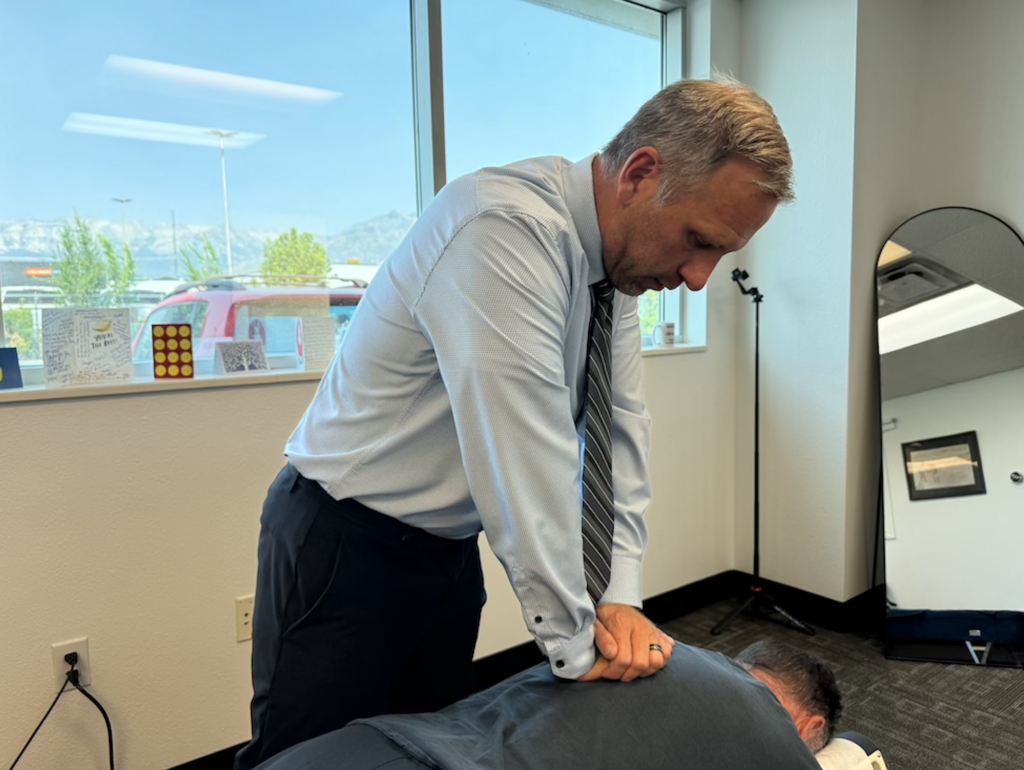
As a local chiropractor, I want to reassure you that if you’re experiencing back pain due to poor posture, you’re far from alone. Many individuals underestimate how their daily habits can affect their spinal health. Simple changes in your workspace and incorporating regular movement into your day can lead to significant improvements in your comfort levels. Are you interested in learning effective strategies to enhance your posture and alleviate discomfort? Let’s delve into some practical tips that can truly transform your daily routine and support your overall well-being.
Understand the Importance of Good Posture
As your local chiropractor, I want to emphasize how crucial good posture is for your overall health, especially when it comes to preventing and alleviating back pain. It may seem like a small detail, but maintaining proper posture can significantly impact how your body feels and functions.
When you sit or stand with good posture, you distribute your body weight evenly, which helps to reduce the strain on your spine and surrounding muscles. On the other hand, slouching or hunching can lead to muscle fatigue and discomfort, so it’s essential to be aware of how you position your body throughout the day.
To start improving your posture, aim to align your ears, shoulders, and hips in a straight line. When seated, ensure that your feet are flat on the floor and your knees form a right angle. Engaging your core muscles is also vital, as they provide support for your spine.
I encourage you to regularly check in with your posture, particularly during extended periods of sitting or standing. By consciously correcting your posture, not only will you feel more comfortable, but you’ll also be taking proactive steps toward long-term back health.
Set Up an Ergonomic Workspace
As a local chiropractor, I often see patients who struggle with back pain due to poor workspace ergonomics. While good posture is crucial, it’s essential to create an environment that supports your body and reduces strain.
Here are four key tips to help you set up an ergonomic workspace that can make a significant difference:
- Chair Selection: It’s vital to choose a chair that offers proper support for your lower back. Look for one that allows your feet to rest flat on the floor, promoting better alignment and reducing pressure on your spine.
- Desk Height: Your desk should be at a height that aligns with your elbows when seated. Aim for your arms to form a 90-degree angle, which helps maintain optimal posture and reduces the risk of discomfort.
- Monitor Position: Position your monitor so that the top of the screen is at eye level. This prevents you from needing to tilt your head up or down, which can lead to neck strain over time.
- Keyboard and Mouse: Keep your keyboard and mouse within easy reach. This helps ensure that your wrists remain straight and your hands stay relaxed, minimizing strain during long periods of typing or clicking.
By implementing these ergonomic adjustments in your workspace, you can significantly improve your posture and help alleviate back pain.
Take Regular Breaks and Move Around
As a local chiropractor, I want to emphasize how crucial it’s for your back health to take regular breaks and move around throughout your day.
Many people underestimate the impact of simply standing up, stretching, and changing positions. I recommend setting a timer to remind yourself to take these vital breaks.
By incorporating these simple actions into your routine, you can significantly reduce discomfort and enhance your overall well-being.
Set a Timer
As a local chiropractor, I want to emphasize the importance of setting a timer to support your back health. This simple practice can significantly enhance your well-being by reminding you to take regular breaks and incorporate movement into your day, which helps prevent stiffness and discomfort.
Here are four straightforward tips to help you get started:
- Set a 30-minute timer: After sitting for half an hour, take a moment to stand up or walk around. This short break can make a big difference in how your back feels.
- Use reminders: Consider programming alerts on your phone or computer to notify you when it’s time to move. These reminders can help you establish a routine that promotes better posture.
- Incorporate movement: Use your breaks wisely by stretching or performing light exercises that engage your back muscles. This can help improve flexibility and reduce tension.
- Stay consistent: Make it a point to integrate these practices into your daily routine. Consistency is key to maintaining better posture and minimizing pain over time.
By following these steps, you can take proactive measures to support your spine and overall health.
Stretch Frequently
As a local chiropractor, I want to emphasize the importance of frequent stretching for maintaining a healthy back. Many of you may feel the urge to remain seated for extended periods, but this can lead to tension and stiffness that negatively impacts your overall well-being.
I recommend setting a reminder to take a break every 30 to 60 minutes. During these breaks, take a moment to stretch your arms, shoulders, and back.
Incorporating simple stretches, such as reaching your arms overhead or gently twisting your torso, can have a significant positive effect on your body. Even a brief walk around your workspace can enhance circulation and alleviate discomfort.
Remember, your body thrives on movement, and short, frequent breaks can do wonders for your health. By making stretching a part of your daily routine, you can significantly reduce the risk of pain and maintain your agility throughout the day.
Your spine will thank you!
Change Positions Regularly
As a local chiropractor dedicated to your well-being, I want to emphasize that maintaining a healthy back goes beyond just stretching.
It’s crucial to change positions regularly to prevent stiffness and strain that can lead to discomfort. Spending too much time in one position—whether sitting or standing—can negatively affect your posture and exacerbate back pain.
Here are some practical tips to help you incorporate movement into your day:
- Set a timer: I recommend setting a timer to remind yourself to stand up and move around every 30 to 60 minutes. This simple act can make a significant difference in how you feel.
- Take short walks: During breaks, take the opportunity to walk around a bit or do some light stretches. This helps to relieve tension in your muscles and keeps your blood flowing.
- Alternate tasks: Consider switching between sitting and standing tasks throughout your day. This variety not only helps with posture but also keeps your body engaged.
- Engage your core: When you do move, focus on keeping your core muscles engaged. This support is essential for maintaining a healthy spine and reducing the risk of injury.
By incorporating these habits into your routine, you can help promote a healthier back and improve your overall well-being.
Strengthen Your Core Muscles
As a local chiropractor, I want to emphasize the importance of a strong core for your overall health and well-being. A well-developed core is crucial for maintaining good posture and can significantly alleviate back pain.
Your core muscles, which include your abdominals, obliques, and lower back, play a vital role in supporting your spine and helping you maintain balance throughout your daily activities.
To strengthen these muscles, I recommend incorporating simple exercises into your routine, such as planks, bridges, and dead bugs. Start with basic movements that you feel comfortable with and gradually increase the intensity as you become more familiar with them.
Ideally, aim to dedicate a few sessions each week to these exercises to notice improvements in your core strength.
It’s also essential to engage your core during everyday tasks, like sitting or lifting, to reinforce proper posture. This won’t only support your back but also contribute to better overall stability and reduced discomfort.
Don’t forget about the power of your breath! Focusing on deep, controlled breaths can effectively activate your core muscles and enhance your workouts. You don’t need to spend hours in the gym; even short, consistent workouts can yield significant benefits.
By prioritizing core strength, you’re taking an important step in supporting your spine and improving your overall health.
If you have any questions or need guidance on exercises tailored to your individual needs, feel free to reach out. I’m here to help you on your journey to better health through natural healing and chiropractic care.
Practice Stretching Exercises
As a local chiropractor, I want to emphasize the importance of stretching exercises for maintaining a flexible back and alleviating discomfort. These exercises aren’t just about feeling good; they play a crucial role in your overall spinal health.
It’s essential to focus on specific techniques that target various muscle groups in your back and surrounding areas. Establishing a routine for how often and how long you stretch is key.
Consistency is vital—regular stretching can greatly enhance your comfort and mobility over time. By incorporating stretching into your daily life, you can support your body’s natural healing processes and improve your overall well-being.
If you’re new to chiropractic care, I encourage you to consider how these simple yet effective exercises can complement your journey toward better health.
Key Stretching Techniques
As a local chiropractor, I want to share some key stretching techniques that can help alleviate back pain and enhance your flexibility.
These stretches can easily be incorporated into your daily routine, promoting natural healing and overall well-being. Here are some effective stretches you might want to try:
- Child’s Pose: This gentle stretch involves kneeling on the floor and sitting back on your heels. As you lower your torso, reach your arms forward to create a calming stretch in your back.
- Cat-Cow Stretch: Begin on all fours, and alternate between arching your back (like a scared cat) and dipping it (like a cow). This dynamic movement helps to mobilize your spine and can relieve stiffness.
- Seated Forward Bend: Sit with your legs extended in front of you and gently reach forward to touch your toes. This stretch not only targets your hamstrings but also provides a deep stretch for your back.
- Torso Twist: Whether seated or standing, gently twist your torso to one side, and then to the other. This motion can help release tension in your back and improve spinal flexibility.
Incorporating these stretches into your daily life can lead to lasting relief from discomfort.
Frequency and Duration
As a local chiropractor, I want to emphasize the importance of regular stretching exercises for your overall well-being and to help alleviate back pain.
It’s vital to engage in stretching at least three to four times a week to achieve the best results. Each stretching session should ideally last between 15 to 30 minutes, which gives you ample time to focus on all the major muscle groups, particularly those in your back, hips, and legs.
Consistency is crucial in this journey toward better health. I encourage you to weave stretching into your daily routine—whether that’s in the morning to kickstart your day, during breaks to relieve tension, or before bedtime to wind down.
Pay attention to your body; if you experience any discomfort, it’s important to ease up and modify your technique rather than pushing through the pain. Remember, gradual improvement is far more beneficial than rushing into intense stretches.
With time and dedication, you’ll likely notice enhanced flexibility and a reduction in pain, which can make everyday activities much more manageable.
Incorporating these practices into your life can complement chiropractic care and support your natural healing process.
Use Supportive Seating
As a local chiropractor, I want to emphasize the significant impact that your choice of seating can have on your back health. Many people are unaware that supportive seating isn’t just a luxury but a necessity for preventing and alleviating back pain.
Here are four essential tips to help you make better seating choices for your well-being:
- Opt for an ergonomic chair – When selecting a chair, prioritize one designed to support your lumbar curve. An ergonomic chair encourages good posture, which is vital for maintaining a healthy spine.
- Adjust your seat height – It’s important that your feet rest flat on the floor with your knees level with your hips. Proper seat height can significantly reduce strain on your back and promote better alignment.
- Use a cushion – If your chair doesn’t provide adequate support, consider adding a lumbar cushion. This simple addition can help maintain proper spinal alignment and enhance comfort during prolonged sitting.
- Take breaks – I can’t stress enough the importance of changing positions regularly. Aim to stand up and stretch every hour. This not only relieves strain but also encourages better circulation and overall health.
By incorporating these tips into your daily routine, you can help protect your back and improve your overall quality of life.
Be Mindful of Your Body Mechanics
As a local chiropractor dedicated to your health and well-being, I want to emphasize the importance of being mindful of your body mechanics to help prevent back pain, particularly during your everyday activities.
When it comes to lifting objects, it’s crucial to bend at your knees rather than your waist. By keeping the load close to your body and using your legs to lift instead of your back, you can significantly reduce strain on your spine. Additionally, avoid twisting your body while carrying heavy items; instead, pivot your feet to change direction safely.
If you need to reach for something, I recommend using a step stool or ladder rather than stretching in an awkward position, as this can lead to unnecessary tension on your back.
When sitting, ensure that your feet are flat on the ground and that your back is straight against the chair. If you find yourself sitting for extended periods, take regular breaks to stand and stretch, as this can help alleviate stiffness and discomfort.
Engaging your core muscles during tasks that require strength is also vital. Consistently practicing these habits can greatly reduce your risk of experiencing back pain.
Incorporate Posture-Improving Activities
As a local chiropractor dedicated to your health and well-being, I want to share how improving your posture can significantly enhance your quality of life and help prevent discomfort, particularly in your back.
It’s crucial to incorporate posture-improving activities into your daily routine. Here are some effective strategies that I recommend:
- Stretching: I encourage you to set aside a few minutes each day for stretching exercises that target your neck, shoulders, and back. This practice not only helps release built-up tension but also enhances flexibility, making it easier to maintain good posture throughout the day.
- Strengthening Exercises: Focus on core-strengthening activities, such as planks and bridges. These exercises are essential for supporting your spine and ensuring that you maintain proper alignment, which is fundamental for overall spinal health.
- Yoga: Participating in yoga sessions can be incredibly beneficial for improving your body awareness and posture. Poses such as Mountain Pose and Cat-Cow are particularly effective at promoting spinal alignment and flexibility.
- Mindful Breathing: I also recommend practicing deep, mindful breathing. This simple technique can help relax your body and encourage proper posture. By increasing oxygen flow and reducing tension, you’ll find it easier to maintain an upright position.
Incorporating these activities into your routine can lead to significant improvements in your posture and overall well-being.
As you engage in these practices, remember that regular chiropractic check-ups can further support your journey towards better posture and health.
Conclusion
As a local chiropractor, I want to share some valuable tips that can help you alleviate posture-related back pain and enhance your overall well-being. It’s essential to create an ergonomic workspace that supports your body’s natural alignment. Remember to take regular breaks to stand, stretch, and move around—this can significantly reduce tension in your back.
Strengthening your core is vital, as it provides the necessary support for your spine. Incorporating gentle stretching exercises into your daily routine can also make a remarkable difference in your flexibility and comfort. Additionally, using supportive seating can help you maintain better posture throughout the day.
Being mindful of your body mechanics—like how you lift objects or sit for extended periods—can further protect your spine from strain. With a little effort and consistency in these practices, you’ll be on your way to achieving better posture and a more comfortable, pain-free life. I encourage you to start today and experience the benefits for yourself! If you have any questions or need guidance, I’m here to help you on your journey to improved health.