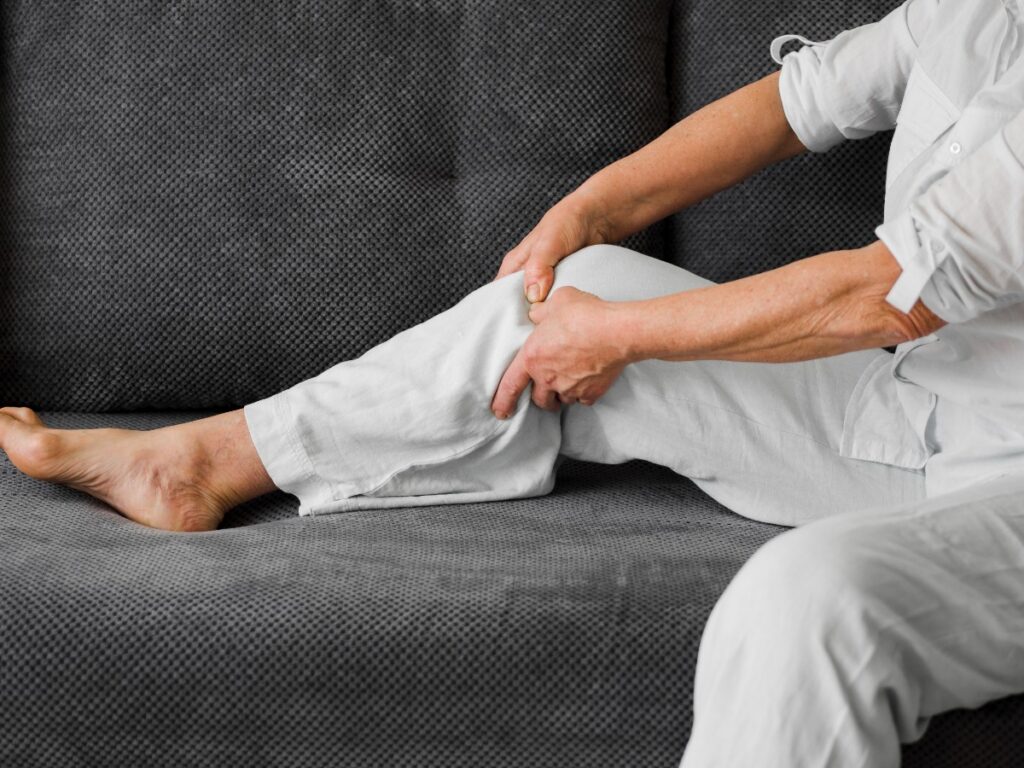
If you're dealing with lower back pain, I understand that the idea of finding effective solutions in just 30 days can feel overwhelming. However, I assure you, it is absolutely achievable. As a chiropractor, I want to help you understand the root causes of your discomfort and guide you toward targeted strategies for relief.
Incorporating a combination of stretching and strengthening exercises, along with some thoughtful lifestyle adjustments, can make a significant difference in your daily routine. You might be wondering what specific techniques and resources can truly aid in your recovery. Let's delve into some practical steps that can pave your way to a more pain-free life.
Chiropractic care focuses on the alignment of your spine and musculoskeletal system, which plays a crucial role in alleviating pain. Regular adjustments can help restore proper function, reduce inflammation, and promote healing. Alongside chiropractic adjustments, I encourage you to consider gentle stretching and strengthening exercises tailored to your needs. These can enhance your flexibility and support your back, helping to prevent future pain.
Additionally, simple lifestyle changes—such as improving your posture, staying active, and incorporating ergonomic solutions at work—can contribute significantly to your recovery. Together, we can create a personalized plan that addresses your specific concerns and empowers you to take control of your health. Remember, relief is within reach, and I'm here to support you on this journey.
Understanding Lower Back Pain
Lower back pain is a concern that affects roughly 80% of individuals at some point in their lives. As a chiropractor, I want to emphasize that this common issue can arise from a variety of factors, and understanding it's crucial for discovering effective, natural solutions.
Your lower back is made up of muscles, ligaments, nerves, and discs, all of which work in harmony to support your body and facilitate movement. When any of these components becomes strained or injured, it can lead to discomfort or pain.
You may experience lower back pain as a sharp or dull ache, and its intensity can vary from mild annoyance to debilitating discomfort. This pain can restrict your daily activities, making even the simplest tasks seem daunting.
It's important to differentiate between acute and chronic pain; acute pain typically lasts less than three months, while chronic pain lingers beyond that.
Another key aspect to recognize is whether your pain is localized or radiating. Localized pain is confined to your lower back, whereas radiating pain may extend into your legs or other areas. By being mindful of your symptoms, you can effectively communicate with me or any healthcare professional about your condition.
Additionally, your mental and emotional well-being can significantly impact your experience of pain. Stress, anxiety, and depression can amplify discomfort, which is why I advocate for a holistic approach to pain management.
By addressing both physical and emotional aspects, we can work together to find relief and enhance your overall quality of life.
As a chiropractor, I believe in empowering my patients with knowledge about their bodies and promoting natural healing methods. Understanding the nuances of lower back pain can help you take the necessary steps towards recovery and a healthier, pain-free lifestyle.
Common Causes of Pain
As a local chiropractor, I want to help you understand the various factors that can contribute to your pain, especially when it comes to lower back discomfort. Identifying these causes is crucial for effective treatment and relief.
One of the most common culprits is muscle strain. This often happens when you lift heavy objects or make sudden, awkward movements. If you've recently overexerted yourself, that could be a significant factor in your pain.
Another key contributor is poor posture. Many of us spend long hours sitting at a desk or standing incorrectly, which can put unnecessary stress on your back. I encourage you to take a moment to assess your posture throughout the day. Simple adjustments can lead to significant improvements in how you feel.
Herniated discs are also a frequent source of pain. When the soft material between your spinal discs bulges out, it can press against nearby nerves, leading to sharp pain or numbness. If you notice these symptoms, it's important to seek help sooner rather than later to prevent further complications.
Additionally, chronic conditions such as arthritis can contribute to persistent lower back pain. This inflammation can cause stiffness and discomfort, particularly in older adults. If you're dealing with ongoing pain, consider how any underlying health issues may be affecting your symptoms.
Lastly, lifestyle factors like obesity and a lack of physical activity can worsen lower back pain. Maintaining a healthy weight and staying active are vital steps in preventing future problems.
Through my chiropractic practice, I aim to educate you on these common causes so that together, we can develop a plan for effective pain management and overall wellness. Your journey to better health is important, and understanding these factors is the first step in addressing your pain naturally.
Importance of Diagnosis
As a local chiropractor, I can't stress enough how crucial an accurate diagnosis is when it comes to effectively addressing lower back pain. Many people believe that pain relief is simply about quick fixes, but without understanding the underlying cause, you may find yourself facing persistent issues. Gaining a clear insight into what's happening in your body can significantly enhance your recovery journey.
When you come to see me for a diagnosis, you're not just receiving a label; you're unlocking vital information that can shape your personalized treatment plan.
Here are three important reasons why obtaining a proper diagnosis is essential:
- Personalized Treatment: Identifying the root cause of your lower back pain allows us to tailor treatments specifically to your condition. Whether it's a muscle strain, a herniated disc, or something else entirely, we can implement targeted therapies that promote faster healing and better outcomes.
- Preventing Further Injury: A precise diagnosis empowers you to avoid activities or movements that could exacerbate your condition. Understanding your body's limitations helps you make informed decisions about exercise and daily activities, reducing the risk of further injury.
- Monitoring Progress: With a confirmed diagnosis, we can track your recovery more effectively. This allows us to assess whether the treatments are working and determine when it might be necessary to adjust your approach for optimal healing.
As your chiropractor, my goal is to guide you toward a healthier, pain-free life through natural healing methods. Understanding the importance of diagnosis is the first step in that journey.
Stretching for Relief
As a local chiropractor, I often see patients struggling with lower back pain, and one of the most effective ways to find relief is through stretching. Incorporating the right stretching techniques into your daily routine can significantly improve your flexibility and reduce discomfort.
It's important to stretch regularly and for the appropriate duration to reap the full benefits.
Let's take a look at some practical stretches that can truly enhance your overall well-being and make a positive impact on your daily life. By understanding how these stretches work, you can empower yourself to take an active role in your healing journey.
Effective Stretching Techniques
As a local chiropractor, I often see patients struggling with lower back pain, and one of the best ways to address this issue is through effective stretching techniques. Incorporating stretching into your daily routine can significantly improve flexibility, reduce muscle tension, and promote better posture, all of which are essential for relieving discomfort in your lower back.
Here are three stretches I recommend for my patients:
- Child's Pose: Begin on your hands and knees. Gently sit back on your heels while extending your arms forward. This position provides a gentle stretch in your lower back. Hold this pose for 30 seconds, focusing on your breath to enhance relaxation.
- Knee-to-Chest Stretch: Lie flat on your back with your legs straight. Bend one knee and draw it toward your chest, using both hands to hold it securely. Maintain this position for 20-30 seconds before switching to the other leg. This stretch effectively targets your lower back and gluteal muscles.
- Seated Forward Bend: Sit with your legs extended straight out in front of you. Take a deep breath in, and as you exhale, hinge at your hips to reach towards your toes. Ensure your back remains straight as you hold this stretch for 20-30 seconds. This exercise is beneficial for your hamstrings and lower back.
By integrating these stretches into your daily life, you can alleviate tension and enhance your overall mobility. Start today, and you may begin to feel a noticeable improvement in your lower back comfort.
Frequency and Duration
As a local chiropractor, I often emphasize the importance of stretching as part of a holistic approach to managing lower back pain. Regularly incorporating stretching into your routine can truly make a significant impact on your overall well-being. I recommend aiming for daily stretching sessions, even if they only last 10-15 minutes. Consistency is essential; the more you engage in stretching, the more flexible and resilient your muscles will become, helping to alleviate tension and discomfort over time.
When stretching, it's important to focus on key areas like your lower back, hips, and hamstrings. Some effective stretches include child's pose, cat-cow, and seated forward bends. I suggest holding each stretch for at least 20-30 seconds to allow your muscles to relax and lengthen properly. Always pay attention to how your body feels; if you experience any discomfort, it's perfectly okay to ease up.
Additionally, consider integrating stretching into your daily routine. You might try doing a few stretches in the morning to start your day or in the evening to unwind. This practice can help maintain your flexibility and prevent stiffness.
Strengthening Exercises
As a local chiropractor, it's important to me that my patients understand the role of strengthening exercises in alleviating lower back pain. Incorporating these exercises into your daily routine can be a game-changer—not only for pain relief but also for improving your overall stability and flexibility.
When your core and back muscles are strong, they provide essential support for your spine, helping to reduce strain and prevent future injuries.
Here are three effective strengthening exercises that I often recommend to my patients:
- Bridges: Begin by lying on your back with your knees bent and your feet flat on the ground. Slowly raise your hips towards the ceiling, engaging your glutes at the top of the movement. Hold this position for a few seconds and then lower your hips back down. Aim for 10-15 repetitions. This exercise is great for strengthening your lower back and glute muscles.
- Bird-Dog: Start in a tabletop position on all fours, with your hands aligned under your shoulders and your knees under your hips. As you extend your right arm forward, simultaneously stretch your left leg backward, ensuring your body remains stable. Hold for a few seconds, then return to the starting position and switch sides. Try to perform 10 repetitions on each side. This exercise helps to enhance balance and core stability.
- Plank: Lie face down and then lift your body off the floor, balancing on your forearms and toes. It's crucial to maintain a straight line from your head to your heels. Hold this position for 20-30 seconds, and as you gain strength, work on increasing the duration. The plank is an excellent way to build core strength, which is vital for a healthy back.
Incorporating these exercises into your routine can significantly improve your back health and overall well-being.
Yoga for Back Pain
As a chiropractor, I often emphasize the importance of a holistic approach to managing and alleviating lower back pain, and yoga can be a fantastic complement to chiropractic care. By engaging in mindful movements and controlled breathing, you can enhance healing and flexibility in your body. Many yoga poses specifically target the muscles that support your spine, which can help release tension and improve your posture.
I recommend starting with gentle stretches, such as Child's Pose or Cat-Cow, to ease tightness in your lower back. As you grow more comfortable, you can progress to poses like Downward Dog or Triangle Pose, which help build strength and stability. These poses actively engage your core and back muscles, offering essential support for your spine.
Remember to focus on your breath during each pose; deep breathing can assist in relaxing your muscles and calming your mind.
It's crucial to listen to your body while practicing yoga. If a particular pose causes discomfort, don't hesitate to modify it or skip it altogether. Utilizing props such as blocks or straps can help you achieve proper alignment and make your practice more accessible.
For those new to yoga, consider joining a beginner's class. An experienced instructor can guide you through the poses, ensuring you develop a safe practice tailored to your individual needs.
Regular yoga practice can enhance your body awareness, enabling you to identify movements that may aggravate your pain. As you become more attuned to your body, you'll be better equipped to prevent future injuries.
With consistent practice, you may notice a significant reduction in your lower back pain within a month. Incorporating yoga into your routine can be a valuable addition to your pain management strategy, alongside chiropractic care.
Pilates Benefits
As a chiropractor, I often recommend Pilates as a fantastic way to strengthen your core and enhance flexibility, especially for those managing lower back pain. This exercise method emphasizes controlled movements, which can't only alleviate discomfort but also help prevent future issues.
By focusing on core strength, Pilates stabilizes your spine, thus reducing strain on your lower back.
Here are three key benefits of incorporating Pilates into your wellness routine:
- Core Strengthening: Pilates specifically targets the muscles in your abdomen, lower back, and hips. A strong core is essential for supporting your spine, minimizing the risk of injury, and relieving existing pain.
- Improved Flexibility: Many Pilates exercises are designed to promote stretching and lengthening of the muscles. Increased flexibility can significantly relieve tension in your back, enabling a greater range of motion and reducing stiffness.
- Mind-Body Connection: Engaging in Pilates requires focus and concentration, which fosters a greater awareness of your body. This heightened consciousness can lead to improved movement patterns in your everyday activities, helping you avoid behaviors that may aggravate your lower back pain.
Incorporating Pilates into your routine can be a powerful complement to chiropractic care, allowing you to take proactive steps towards a healthier spine and improved overall well-being.
Proper Posture Techniques
As a local chiropractor, I want to emphasize the importance of maintaining proper posture to prevent and alleviate lower back pain, particularly when paired with exercises like Pilates. Proper posture is essential because it helps evenly distribute your body weight, which in turn reduces the strain on your muscles and ligaments.
To begin, I recommend starting with a standing position. Stand tall with your feet hip-width apart, ensuring your weight is evenly balanced between both feet. Engage your core muscles to provide support to your spine.
When it comes to sitting, it's crucial to choose a chair that offers adequate support for your lower back. Your feet should rest flat on the floor, and your knees should form a right angle. Avoid slouching by keeping your shoulders relaxed and maintaining a straight back. If necessary, consider using a small cushion or lumbar support to preserve the natural curve of your spine while seated.
If you work at a desk, position your computer screen at eye level to avoid leaning forward, which can strain your back.
Proper lifting techniques are equally important. Always bend at your knees rather than your waist, and keep the object you're lifting close to your body. This method protects your lower back from unnecessary stress and injury.
If you often find yourself hunched over a phone or computer, it's essential to take regular breaks to stretch and realign your body. I suggest setting reminders throughout the day to check your posture.
By consciously practicing these posture techniques, you can develop healthier habits that significantly reduce lower back pain and enhance your overall well-being. Remember, making these adjustments takes time, but your back will undoubtedly thank you in the long run.
As your chiropractor, I'm here to support you on this journey to better health through natural healing and awareness of your body.
Ergonomic Workstation Setup
As a chiropractor, I want to share with you the importance of creating an ergonomic workstation to help prevent lower back pain and enhance your overall comfort during prolonged periods of sitting.
A well-set-up workspace can significantly reduce strain on your back, neck, and shoulders, allowing you to stay focused and productive. Here are three essential components to consider for an ergonomic setup that can support your health:
1. Chair Selection: Opt for a chair that provides proper support for your lower back.
It's crucial to choose an adjustable chair that allows you to customize the height and lumbar support to fit your body. Make sure your feet are flat on the floor and your knees are bent at a 90-degree angle. This positioning helps maintain the natural curves of your spine and reduces the risk of discomfort.
2. Desk Height: The height of your desk is vital for maintaining a healthy posture while working.
Your elbows should remain at a 90-degree angle when typing. If your desk is too high or too low, you may find yourself slouching or straining your back, which can lead to pain over time. I recommend considering a sit-stand desk to give you the flexibility to alternate between sitting and standing, promoting better circulation and reducing fatigue.
3. Monitor Position: The placement of your computer monitor is another crucial factor.
Aim to position your monitor approximately an arm's length away, with the top of the screen at or slightly below eye level. This alignment encourages a neutral neck position and minimizes the tendency to hunch forward, which can contribute to discomfort and strain.
By paying attention to these key elements in your workstation setup, you can take proactive steps towards preventing pain and supporting your overall well-being.
Heat Therapy
As a local chiropractor, I want to share with you an effective method for alleviating lower back pain and promoting relaxation in tense muscles: heat therapy.
When you apply heat to your lower back, it increases blood flow to that area, delivering crucial nutrients that accelerate the healing process. The warmth can soothe tight muscles, reduce stiffness, and greatly improve your range of motion, which is essential for maintaining an active and healthy lifestyle.
There are various heat sources you can use to achieve these benefits. A heating pad is a popular choice; simply plug it in, set it to your desired temperature, and place it on the affected area.
Alternatively, a warm towel or hot water bottle can also work wonders. If you're looking for a more natural method, taking a warm bath or shower can provide relief while allowing you to unwind and destress after a busy day.
When utilizing heat therapy, I recommend applying it for about 15 to 20 minutes at a time. It's crucial to avoid overheating your skin, so always use a barrier, like a cloth, to prevent burns. If you experience any discomfort, remove the heat source immediately.
For optimal results, consider incorporating heat therapy into your daily routine. You may find it beneficial to use it before engaging in physical activities or after a long day at work.
Consistency is key to managing lower back pain effectively. By making heat therapy a regular part of your self-care regimen, you can enjoy greater comfort and improved mobility in your everyday life.
As your chiropractor, I encourage you to explore these natural healing methods alongside your chiropractic care for a comprehensive approach to your health and wellness.
Cold Therapy
As a local chiropractor, I want to share with you the benefits of cold therapy, especially for those experiencing lower back pain.
Cold therapy is a natural and effective method for reducing inflammation and alleviating sharp aches in your back. Understanding how to apply this technique safely and effectively can significantly enhance your pain management routine.
Let's delve into the advantages of cold therapy and how it can be seamlessly integrated into your overall wellness plan.
By incorporating this simple practice, you can take proactive steps toward healing and comfort, complementing the chiropractic care you receive.
Your well-being is our priority, and I'm here to guide you on your journey to natural healing.
Benefits of Cold Therapy
As your local chiropractor, I want to share with you how cold therapy can be incredibly beneficial for managing lower back pain. If you're unfamiliar with this natural approach, let me explain how using cold packs or ice can significantly enhance your comfort and recovery.
Here are three essential benefits of incorporating cold therapy into your pain management routine:
1. Reduces Inflammation: One of the primary advantages of cold therapy is its ability to constrict blood vessels. This helps to minimize swelling and inflammation in your lower back, especially after an injury or during a painful flare-up.
Reducing this inflammation is crucial for easing discomfort and restoring mobility.
2. Numbs Pain: The application of cold can temporarily numb the affected area, which leads to a noticeable reduction in pain. This numbing effect can make daily activities easier to handle, allowing you to go about your day with less discomfort.
It's a simple yet effective way to enhance your quality of life.
3. Promotes Healing: By alleviating inflammation and pain, cold therapy creates an ideal environment for your body to heal. It complements the natural healing processes of your body and can be a key part of your recovery journey.
As your chiropractor, I often recommend this method as a straightforward solution to support your overall wellness.
Incorporating cold therapy into your self-care routine can be a powerful tool in managing lower back pain. If you have any questions about how to use it effectively or how it fits into your overall treatment plan, don't hesitate to ask during your next visit!
Application Techniques Explained
As a local chiropractor, I want to educate you on how to effectively manage lower back pain using cold therapy, an important tool in natural healing.
To begin, you'll need an ice pack or a bag of frozen peas wrapped in a thin towel. This is crucial to prevent frostbite while still providing the cooling effect necessary for relief. Apply this to the affected area for about 15-20 minutes every hour, particularly within the first 48 hours after experiencing an injury.
It's important to position yourself comfortably—whether lying down or sitting—so that you don't strain your back further. If you opt for a commercial cold pack, please refer to the manufacturer's instructions for the best practices in its use.
After the initial 48 hours, you can start to alternate cold therapy with heat treatment, as heat can help to loosen up tight muscles and promote better circulation.
Always listen to your body; if the cold feels too intense or painful, remove the pack immediately. Consistency is key—while you may not feel immediate relief, regular application should help reduce inflammation over time, leading to less discomfort.
Keep in mind that cold therapy is a temporary solution, so I encourage you to explore additional treatments for long-term relief and recovery. Your journey to wellness is important, and I'm here to support you every step of the way!
Over-the-Counter Medications
As a local chiropractor, I often see patients who are looking for relief from lower back pain. Many people initially turn to over-the-counter (OTC) medications, which can be a temporary solution.
These medications may help reduce inflammation, alleviate pain, and enhance comfort, but it's essential to understand how they work and consider natural alternatives as well. Here are three common types of OTC medications you might encounter:
1. Nonsteroidal Anti-Inflammatory Drugs (NSAIDs): Medications such as ibuprofen and naproxen are frequently used to reduce inflammation and relieve pain. They function by blocking specific substances in your body that trigger pain and swelling.
While they can be effective, it's crucial to follow the recommended dosage and consult with your healthcare provider, especially if you have any pre-existing health concerns.
2. Acetaminophen: This pain reliever is another common option for those experiencing lower back pain. Acetaminophen is generally easier on the stomach compared to NSAIDs and is effective for managing mild to moderate discomfort.
However, it doesn't address inflammation directly. It's important to adhere to the recommended dosage for safety.
3. Topical Analgesics: There are various creams and patches available that contain ingredients like menthol or capsaicin, which can be applied directly to the painful area.
These topical treatments provide localized relief and may be a good choice for those who prefer to avoid oral medications altogether.
While OTC medications can be a helpful first step in managing your lower back pain, I encourage you to explore natural healing methods such as chiropractic care.
Chiropractic adjustments can address the root causes of pain and promote healing without the need for medication. If your symptoms persist or worsen, please reach out for a consultation so we can discuss a holistic approach to your health and well-being.
Prescription Options
If you've been relying on over-the-counter medications for your lower back pain and are still not finding relief, it might be time to consider alternative options, such as chiropractic care. As a chiropractor, I want to help you understand how our approach can aid in managing your discomfort naturally and effectively.
One of the key methods we use in chiropractic care is spinal manipulation, which can help alleviate muscle tension and improve mobility in your spine. This approach not only addresses the symptoms but also tackles the underlying issues that may be contributing to your pain, such as misalignments or imbalances.
In addition to spinal adjustments, we often incorporate therapeutic exercises and stretches tailored to your specific needs. These exercises can help strengthen the muscles supporting your lower back, reduce the risk of future injuries, and enhance your overall flexibility.
While some patients may think about prescription medications like muscle relaxants or NSAIDs, it's important to remember that chiropractic care focuses on natural healing. By addressing the root causes of your pain, we aim to reduce the need for medications that may come with unwanted side effects.
In certain cases where pain is particularly severe, we may recommend complementary treatments, such as massage therapy or acupuncture, to provide additional relief. These modalities work well with chiropractic adjustments to promote healing and recovery.
As always, it's essential to have an open conversation about your pain management options. If you're curious about how chiropractic care can help alleviate your lower back pain, I encourage you to schedule a consultation. Together, we can explore a holistic approach to your health and well-being.
Physical Therapy
Chiropractic care can be a vital component in managing lower back pain and enhancing your overall mobility. By collaborating with a knowledgeable chiropractor, you can discover natural healing techniques and tailored exercises that suit your unique needs.
These specialized movements can help relieve pain, improve strength and flexibility, and promote better posture, ultimately preventing future issues.
Here are three significant benefits of chiropractic care for lower back pain:
- Customized Treatment Plans: A chiropractor will evaluate your condition and design a treatment plan that aligns with your personal goals and lifestyle. This individualized strategy ensures that you receive the most effective care, focusing on the specific areas that need attention.
- Natural Pain Relief Techniques: Your chiropractor can introduce you to various natural methods for managing pain. This may include spinal adjustments, soft tissue therapy, and other hands-on techniques that alleviate discomfort and encourage healing without relying on medications.
- Education on Body Mechanics: You'll gain invaluable insights into how to move and use your body correctly in daily activities. Learning about proper posture and movement patterns can significantly reduce strain on your lower back, helping you avoid exacerbating your pain.
Engaging in chiropractic care can be a transformative step in your journey to recovery. Not only will you address the pain you're experiencing, but you'll also acquire essential knowledge and tools to maintain a healthier back.
Chiropractic Care
As a local chiropractor, I want to take a moment to educate you about the vital role chiropractic care can play in alleviating lower back pain and enhancing your overall quality of life. If you find yourself dealing with discomfort in this area, I encourage you to consider visiting a chiropractor—it could truly be a game-changer for you.
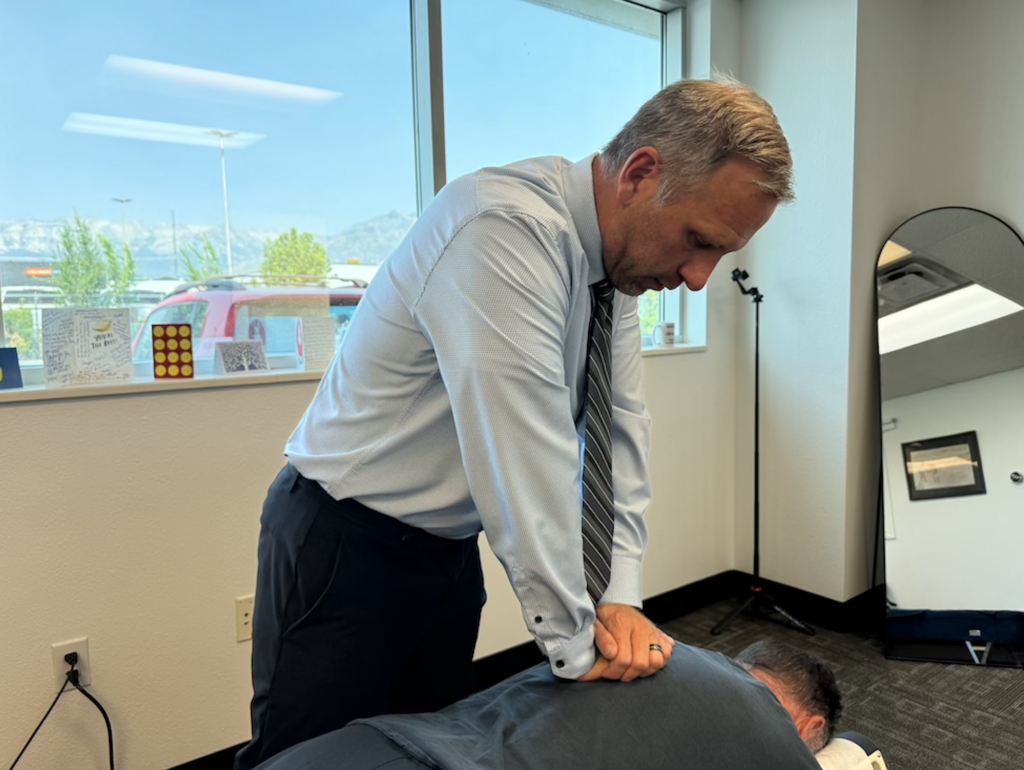
Chiropractors like myself specialize in diagnosing and treating musculoskeletal disorders, with a primary focus on the spine. Our techniques are designed to restore proper alignment, improve mobility, and reduce pain, enabling you to return to your daily activities with greater ease and comfort.
During your initial visit to my office, I'll conduct a thorough examination to assess your condition. I'll take the time to ask about your symptoms, medical history, and lifestyle habits. This information allows me to create a personalized treatment plan tailored specifically for you.
A key component of this plan may include spinal adjustments—gentle manipulations aimed at realigning the vertebrae and relieving pressure on your nerves. Many of my patients report feeling immediate relief after these adjustments.
In addition to spinal manipulation, I may recommend specific exercises and stretches designed to strengthen your back and core. These exercises play a crucial role in supporting your spine and can help prevent future episodes of pain.
I also emphasize the importance of regular chiropractic visits, which can promote better posture and reduce strain on your lower back.
It's essential for you to communicate openly with me about your progress during our sessions. If you notice any changes in your symptoms, please let me know. This feedback allows me to adjust your treatment plan as needed, ensuring that you receive the best possible care.
With consistent chiropractic care, you can take significant steps towards effectively managing your lower back pain and improving your overall well-being. I'm here to help you on that journey!
Massage Therapy
As a local chiropractor, I want to share how massage therapy can be a valuable addition to your journey toward alleviating lower back pain. Many people aren't aware that combining massage therapy with chiropractic care can significantly enhance your healing process.
Massage therapy works by reducing muscle tension, improving circulation, and promoting relaxation, all of which can help you feel more comfortable and pain-free. By focusing on the muscles surrounding your lower back, massage therapy addresses the underlying causes of pain, not just the symptoms.
Here's how you can make the most out of massage therapy in your wellness routine:
- Select the Appropriate Technique: Each massage technique offers its own set of benefits. For instance, if you're dealing with chronic pain, deep tissue massage may be ideal. On the other hand, if you're looking for relaxation, Swedish massage might be the way to go. If you're experiencing specific pain points, trigger point therapy can effectively target those areas. I recommend finding a therapist who understands your specific needs and preferences.
- Establish a Regular Routine: Consistency is essential when it comes to managing pain. Scheduling massage sessions weekly or bi-weekly can help maintain muscle flexibility and gradually reduce tension. This regular approach can lay a solid foundation for effective pain management alongside your chiropractic treatments.
- Communicate Openly with Your Therapist: It's crucial to discuss your pain levels and any discomfort you might experience during your massage sessions. By sharing this information, your therapist can tailor their techniques to suit your needs, ensuring you receive the most beneficial treatment.
Incorporating massage therapy into your pain management strategy not only helps alleviate discomfort but also contributes to your overall well-being.
This proactive step can lead to a healthier back and a more vibrant lifestyle. If you haven't tried it yet, I encourage you to consider adding massage therapy to your routine. You might discover the relief you've been looking for!
Acupuncture Benefits
If you're looking for an effective way to alleviate lower back pain, I encourage you to consider the benefits of acupuncture as part of your overall wellness strategy.
As a chiropractor, I believe in a holistic approach to health, and acupuncture can be a valuable tool in addressing not just the pain you're experiencing, but also the root causes of that discomfort.
By stimulating specific points on the body, acupuncture works to restore balance and promote healing.
It complements chiropractic care beautifully, as both focus on optimizing your body's natural ability to heal itself.
If you're curious about how acupuncture can enhance your recovery and improve your well-being, I'm here to provide guidance and support on your journey to better health.
Pain Relief Mechanism
As a local chiropractor, I often see patients seeking relief from lower back pain, and one alternative therapy that I highly recommend is acupuncture. This ancient practice, which involves the insertion of thin needles into specific points on the body, can work wonders for pain management.
It stimulates your nervous system and encourages your body's natural healing processes. But acupuncture isn't just about relaxation; it also triggers the release of endorphins—your body's natural painkillers—providing immediate relief.
Here are three key benefits of incorporating acupuncture into your pain relief strategy:
1. Reduced Inflammation: One of the primary causes of lower back pain is inflammation. Acupuncture can effectively help decrease this inflammation by improving blood flow, which enhances recovery and promotes healing in the affected areas.
2. Muscle Relaxation: Many of my patients experience tightness and stiffness in their muscles, which contributes to their discomfort. Acupuncture helps to relax these tense muscles, resulting in less stiffness and an increase in mobility.
Many patients notice a significant improvement in their range of motion after just a few sessions.
3. Comprehensive Pain Management: Unlike some treatments that only address the symptoms, acupuncture takes a holistic approach by targeting both the symptoms and the root causes of your pain. This thorough approach can lead to lasting relief and a better quality of life.
If you're struggling with lower back pain, consider incorporating acupuncture into your pain management routine. It could be the key solution you need to regain control and enhance your overall well-being.
Holistic Health Approach
In recent years, there's been a growing interest in holistic health approaches, and chiropractic care is becoming increasingly recognized as an effective option for managing lower back pain. As a local chiropractor, I want to share how this natural healing method can support your journey to wellness.
Chiropractic care focuses on the relationship between the spine and the nervous system, promoting healing by restoring alignment and function to the body. By performing precise adjustments, we can alleviate pain, reduce inflammation, and improve blood flow to the affected areas. This holistic approach not only addresses the physical symptoms of pain but also supports your body's innate ability to heal itself.
During your visit to my clinic, I'll take the time to assess your specific symptoms and create a personalized treatment plan tailored to your needs. Many of my patients experience significant relief after just a few sessions, as chiropractic adjustments can lead to enhanced mobility and a greater sense of well-being.
Moreover, chiropractic care can help alleviate stress and anxiety, which are often contributing factors to chronic pain. If you're searching for a drug-free solution to lower back pain, consider exploring chiropractic care.
You may find that it not only helps to relieve your discomfort but also enhances your overall wellness, allowing you to engage in daily activities with greater ease and joy. Let's work together to discover a pathway to relief that supports your holistic health journey.
Mindfulness and Meditation
As a chiropractor dedicated to helping patients manage their lower back pain, I want to introduce you to the benefits of mindfulness and meditation. These practices can be powerful allies in your journey toward relief and healing. By cultivating awareness and reducing stress, mindfulness allows you to focus on the present moment, creating a mental environment that can help you release tension and discomfort associated with lower back pain.
Understanding how to observe your pain without judgment can significantly alter your experience and response to it. Here are three effective mindfulness and meditation techniques that I encourage you to incorporate into your routine:
- Body Scan: Find a comfortable position, either lying down or seated, and close your eyes. Begin by directing your attention to your toes and gradually move up through your body, paying close attention to any areas of tension or discomfort. As you identify these areas, take a deep breath and visualize sending relaxation to them with each exhale. This practice not only encourages relaxation but also fosters a deeper connection with your body.
- Breathing Exercises: Sit comfortably in a quiet space and focus on your breath. Inhale deeply through your nose, allowing your abdomen to rise, and then exhale slowly through your mouth. Continue this for several minutes, concentrating solely on your breathing. This technique can help alleviate stress and shift your focus away from pain, promoting a sense of calm.
- Guided Meditation: Consider using a meditation app or an online resource specifically designed for pain relief. These guided sessions provide structure and can keep you engaged, making it easier to remain focused during your practice.
Integrating these mindfulness and meditation techniques into your daily routine can complement the chiropractic care you receive, empowering you to take an active role in managing your lower back pain. Together, we can work toward achieving a healthier, pain-free life.
Dietary Considerations
As a local chiropractor, I often see patients who are unaware of how significantly their diet can influence lower back pain. The food you consume plays a crucial role in managing inflammation and maintaining overall health, both of which are directly linked to the condition of your back.
To begin, I encourage you to incorporate more anti-inflammatory foods into your diet. Fatty fish, such as salmon, along with nuts and seeds, are excellent sources of omega-3 fatty acids. These nutrients are known for their ability to help reduce inflammation and support healing processes within your body.
In addition to healthy fats, make sure to include a variety of fruits and vegetables in your meals. Colorful options, like berries, leafy greens, and broccoli, are packed with antioxidants and essential nutrients that can enhance your well-being. Not only do these foods nourish your body, but they may also help in alleviating pain.
Conversely, it's important to limit your intake of processed foods, refined sugars, and trans fats, as these can promote inflammation and worsen your discomfort. Instead of reaching for sugary snacks, I recommend choosing whole grains, legumes, and healthy fats.
Staying well-hydrated is also vital—drinking adequate water throughout the day helps prevent muscle stiffness, which can contribute to back pain.
Lastly, don't overlook the importance of portion control. Eating smaller, more frequent meals can help maintain your energy levels without putting unnecessary strain on your body.
Weight Management
As a local chiropractor, I want to emphasize the importance of managing your weight for alleviating lower back pain.
It's not just about looking good; maintaining a healthy weight can significantly impact your overall well-being and spinal health. By adopting nutritious eating habits, incorporating regular physical activity into your routine, and practicing mindful portion control, you can take proactive steps toward a pain-free life.
Understanding the connection between weight management and back pain is crucial. Excess weight can put additional strain on your spine and surrounding muscles, leading to discomfort and pain.
In our practice, we often see how these lifestyle changes can lead to substantial improvements in our patients' quality of life.
Let's discuss how these strategies can support your journey to better health and help you live more comfortably.
Healthy Eating Habits
As a local chiropractor, I want to emphasize the importance of maintaining a healthy weight not just for overall well-being, but specifically for alleviating lower back pain. Excess weight can place significant strain on your spine and the muscles surrounding it, often leading to discomfort and other health issues.
By adopting healthy eating habits, you can effectively manage your weight and support your back health.
Here are three essential eating habits I recommend for my patients:
- Balance Your Plate: Aim for a well-rounded diet that includes lean proteins, whole grains, fruits, and vegetables. These food groups are rich in essential nutrients and will help keep you feeling full, which reduces the likelihood of overeating. This balance is crucial for maintaining a healthy weight and supporting your body's healing processes.
- Stay Hydrated: Proper hydration is vital for your body's overall function, including digestion and muscle health. I encourage my patients to drink at least eight glasses of water a day. Staying hydrated can help prevent muscle cramps and support the health of your spine, which is critical for those suffering from back pain.
- Mind Your Portions: It's important to be aware of how much you're eating. I suggest focusing on smaller, more frequent meals throughout the day. This approach can help control your calorie intake and prevent overeating, making it easier to achieve and maintain a healthy weight.
By incorporating these habits into your daily routine, you can take proactive steps towards improving your back health and overall wellness.
Regular Exercise Routines
As a local chiropractor, I want to emphasize that while a healthy diet is crucial for weight management, regular exercise routines are equally important for maintaining optimal lower back health. Engaging in consistent physical activity not only helps you achieve and maintain a healthy weight but also alleviates excess pressure on your spine. This pressure can lead to discomfort and pain, making it essential to keep your body strong and flexible.
I recommend incorporating a balanced mix of cardiovascular exercises, strength training, and stretching into your weekly routine. Activities such as walking, swimming, or cycling can boost your overall endurance and assist in weight management.
Strength training, particularly focused on your core and lower body, plays a vital role in building the muscles that support your spine, offering better stability and alignment. Consider including exercises like planks, bridges, and squats in your regimen. These movements not only fortify your back but also enhance your overall fitness.
Additionally, stretching exercises are crucial, as they improve flexibility and reduce muscle tension, which can be significant contributors to back pain.
Remember, consistency is key in any health endeavor. Aim for at least 150 minutes of exercise each week. By committing to regular physical activity, you'll not only manage your weight effectively but also promote a healthier, happier back.
Your body will express gratitude through improved function and reduced pain, making chiropractic care and natural healing an integral part of your wellness journey.
Mindful Portion Control
As a local chiropractor, I want to emphasize the importance of mindful portion control not just for weight management, but also for your overall spinal health. The way you approach your meals can significantly affect your body, including your lower back.
When you practice mindful eating, you're not only making healthier choices but also reducing unnecessary stress on your spine.
Here are three effective strategies to help you practice mindful portion control:
- Choose Smaller Plates: Using smaller plates can be a great way to trick your brain into feeling satisfied with less food. This simple adjustment can help you manage portion sizes without experiencing that feeling of deprivation, ultimately supporting your spinal health by maintaining a healthy weight.
- Pre-portion Your Snacks: Instead of mindlessly snacking straight from a package, take a moment to measure out a single serving. This practice not only helps you stay within your caloric limits but also prevents unnecessary strain on your body, including your spine, by avoiding excessive weight gain.
- Eat Slowly and Mindfully: Take the time to savor each bite of your meal. Eating slowly allows your brain to recognize when you're full, which can prevent overeating.
By being mindful during meals, you're supporting your overall health and well-being, including the health of your spine.
Incorporating these mindful eating habits can be a valuable step towards maintaining a healthy lifestyle and ensuring your spine remains in optimal condition.
Staying Hydrated
As a local chiropractor dedicated to helping you manage lower back pain, I want to emphasize the crucial role that staying hydrated plays in your overall health and well-being. Water is essential for maintaining the elasticity of your spinal discs, which serve as shock absorbers between the vertebrae. When these discs aren't adequately hydrated, they can become stiff and less effective, leading to an increased risk of pain and injury.
Many people may not realize that dehydration can also contribute to muscle cramps and spasms, further intensifying your lower back discomfort. By ensuring you drink enough water throughout the day, you can help prevent these issues and support better muscle function. A good guideline is to aim for at least eight 8-ounce glasses of water daily, but keep in mind that your individual needs may vary based on factors such as your activity level and the climate you live in.
Another important aspect of staying hydrated is improved blood circulation. When you're properly hydrated, nutrients and oxygen can reach your muscles and tissues more efficiently, which supports recovery and helps reduce inflammation. This is particularly beneficial if you're incorporating physical activity into your routine as part of your approach to alleviating lower back pain.
To make it easier for you to stay hydrated, I recommend carrying a reusable water bottle with you and setting reminders to drink water regularly. Additionally, consider incorporating hydrating foods such as cucumbers, oranges, and lettuce into your diet. These foods not only contribute to your fluid intake but also provide essential vitamins and minerals that support your overall health and wellness.
As your chiropractor, I'm here to guide you on your journey to better health, and staying hydrated is a vital step in managing your lower back pain effectively.
Sleep Quality Improvement
As a chiropractor dedicated to your overall well-being, I want to emphasize the importance of staying hydrated for your health, particularly when it comes to improving your sleep quality.
When you're properly hydrated, your body can function more effectively, which plays a significant role in helping you achieve restful sleep. Quality sleep is essential for recovery, especially if you're experiencing issues like lower back pain. Enhancing your sleep can greatly contribute to your healing journey.
Here are three practical tips I recommend to help you improve your sleep quality:
- Establish a Consistent Sleep Routine: Try to go to bed and wake up at the same time every day, including weekends. By maintaining this consistency, you can help regulate your body's internal clock. This makes it easier to fall asleep and wake up feeling rejuvenated, which is crucial for your healing process.
- Create an Ideal Sleep Environment: Your bedroom should be a sanctuary for sleep. Keep it dark, quiet, and at a comfortable temperature. Consider investing in a quality mattress and supportive pillows to ensure that your spine is aligned correctly while you sleep. This can make a significant difference in how well you rest and recover.
- Reduce Screen Exposure Before Sleep: The blue light from phones, tablets, and computers can interfere with your circadian rhythm, making it harder to fall asleep. I recommend turning off all electronic devices at least an hour before bedtime. Instead, you might find it beneficial to engage in calming activities like reading or practicing meditation. These practices can help you unwind and prepare your body for a restful night.
By implementing these strategies, you'll not only improve your sleep quality but also support your overall healing and wellness.
If you have any questions or need further guidance, feel free to reach out. Your journey to better health is my priority!
Daily Activity Modifications
As a local chiropractor, I want to share how daily activities can significantly impact your lower back health and overall well-being. By making simple adjustments to your routine, you can alleviate discomfort and enhance your quality of life.
First and foremost, it's important to be conscious of your posture throughout the day. Whether you're working at a desk or standing in line, aim to keep your spine aligned. Avoid slouching, as this can place unnecessary stress on your back.
When it comes to lifting objects, always bend at your knees rather than your waist. This technique helps distribute the weight more evenly, reducing strain on your back. If you find yourself needing to lift something heavy, don't hesitate to ask for assistance. Protecting your back is crucial, and seeking help can prevent potential injuries.
Incorporating gentle stretches and mobility exercises into your daily routine is another effective way to combat lower back pain. Even dedicating just five to ten minutes to stretching can relieve tension and improve flexibility.
Additionally, if you're sitting for extended periods, make it a point to take regular breaks. Stand up, take a short walk, or perform a few stretches to keep your muscles engaged and prevent stiffness.
It's also vital to adjust your workstation to support better posture. Invest in a chair that provides adequate support for your lower back, and make sure your computer screen is positioned at eye level to avoid straining your neck.
Finally, always listen to your body. If a certain activity exacerbates your pain, consider modifying it or avoiding it altogether.
These small changes can lead to a healthier back and a more active lifestyle. Remember, consistency is essential. By committing to these modifications every day, you'll set yourself on the path to improved health and well-being.
Supportive Footwear
As a local chiropractor, I want to emphasize the importance of choosing supportive footwear for your overall spinal health, particularly for your lower back. The right shoes can provide essential support, cushioning, and stability, which are crucial in reducing strain on your back.
When you opt for the wrong footwear, you risk misaligning your body, which can lead to pain and discomfort. Here are three key features I recommend looking for in supportive footwear:
- Arch Support: Proper arch support is vital for distributing your weight evenly across your feet. This balance helps to minimize pressure on your lower back and supports a natural posture. Look for shoes that offer built-in arch support, or consider investing in custom orthotic inserts tailored to your feet.
- Cushioning: Shoes that provide adequate cushioning can absorb shock, significantly reducing the impact on your back while you walk or run. Materials such as memory foam or gel are excellent options for added comfort. I encourage you to try different types of cushioning to find what feels the best for your unique needs.
- Heel Height: Selecting shoes with a moderate heel height can enhance your posture and alignment. High heels can disrupt your balance and put extra strain on your lower back, so I advise avoiding them. Instead, look for shoes with a low, supportive heel that encourages proper alignment.
Investing in supportive footwear goes beyond mere comfort; it's an essential step in protecting your back and maintaining overall health.
Avoiding Heavy Lifting
As a local chiropractor, I want to emphasize the importance of proper footwear and how it ties into maintaining a healthy spine. However, one of the most critical aspects of preventing lower back issues is learning to avoid heavy lifting whenever possible. Lifting heavy objects can place significant stress on your spine, leading to injuries that could impact your daily life.
It's essential to recognize your limits and make choices that protect your back. If you ever find yourself needing to move something heavy, don't hesitate to ask for help. Collaborating with a friend or coworker can significantly ease the burden and reduce the risk of injury.
When it comes to moving furniture or boxes, consider using a dolly or cart instead of lifting them manually. These tools are designed to assist you in transporting heavy items while keeping your back safe.
Should you ever need to lift something heavy, I recommend utilizing proper lifting techniques to minimize strain. Always stand close to the object, bend your knees, and maintain a straight back. Remember to lift with your legs rather than your back, and avoid twisting your body while holding the object, as this can heighten your risk of injury.
Additionally, think about breaking down larger loads into smaller, more manageable ones. By doing this, you'll significantly reduce the strain on your lower back.
If your job requires frequent heavy lifting, I encourage you to have a conversation with your supervisor about your workload. They might be able to offer assistance or suggest safer methods for handling heavy materials.
As your chiropractor, I'm here to help you understand the importance of these practices in maintaining a healthy spine and preventing injuries. Your well-being is my priority, so let's work together to keep your back strong and healthy!
Using Supportive Devices
As a local chiropractor, I want to emphasize the importance of using supportive devices when managing lower back pain. These devices, ranging from braces to ergonomic chairs, are specifically designed to help you maintain proper posture and alleviate strain on your back.
By integrating these tools into your daily routine, you can significantly enhance your comfort and overall well-being.
It's crucial to understand how to utilize these support systems effectively. For instance, when wearing a brace, make sure it fits snugly but comfortably to provide the right amount of support without restricting movement.
Similarly, selecting an ergonomic chair that promotes good posture can make a world of difference in your daily activities, whether you're working at a desk or relaxing at home.
As your chiropractor, I encourage you to explore these options and discuss them with me during your visits.
Together, we can tailor a plan that incorporates these supportive devices to complement your chiropractic care and natural healing journey.
Your comfort and health are my top priorities, and I'm here to guide you every step of the way.
Types of Supportive Devices
As a local chiropractor dedicated to helping you achieve optimal health and well-being, I want to share some valuable insights about supportive devices that can significantly alleviate lower back pain and enhance your overall comfort.
If you're experiencing discomfort, it's crucial to select the right devices that cater to your specific needs. Here are three supportive devices I recommend:
1. Lumbar Roll: This small, cylindrical cushion is designed to support your lower back while seated. By helping to maintain proper spinal alignment, a lumbar roll can be used in various settings—be it at your office chair, in the car, or even at home.
It's a simple yet effective tool for improving your posture and reducing strain.
2. Back Brace: A back brace offers additional support and stability to your spine, especially during physical activities. Wearing one while lifting heavy objects or engaging in strenuous tasks can help prevent strain and minimize pain.
This is particularly beneficial for those who may be prone to back injuries or discomfort.
3. Ergonomic Chair: Investing in an ergonomic chair can make a significant difference in your posture and comfort levels. When selecting a chair, look for one that features adjustable lumbar support, allowing you to customize it to your unique body shape and needs.
This can help reduce pressure on your lower back during long hours of sitting.
Incorporating these supportive devices into your daily routine can greatly enhance your comfort and assist in managing lower back pain more effectively.
Remember, proper support is vital for maintaining an active lifestyle and living pain-free. If you have any questions or need further guidance, feel free to reach out to me.
Together, we can work towards your health and wellness goals!
Proper Usage Techniques
As a local chiropractor dedicated to helping you manage lower back pain, I want to emphasize the importance of using supportive devices effectively. Choosing the right device tailored to your specific needs is crucial. Whether it's a lumbar roll, back brace, or ergonomic chair, it's essential that the fit and support cater to your body's unique requirements.
When you use a lumbar roll, position it at the curve of your lower back while sitting. This placement helps maintain proper posture and significantly reduces strain on your spine. If you opt for a back brace, ensure it fits snugly but isn't overly tight; it should provide support without limiting your mobility.
For those utilizing ergonomic chairs, adjusting the height is key. Your feet should rest flat on the floor, and your knees should align with your hips. This alignment helps distribute weight evenly, alleviating pressure on your spine and promoting comfort.
Additionally, I encourage you to take breaks if you find yourself sitting for long periods. Stand up, stretch, and take a short walk to relieve built-up tension.
Finally, I always recommend consulting with a healthcare professional, like myself, before incorporating any supportive device into your routine. This ensures that what you're using is appropriate for your specific condition.
Benefits for Back Pain
As a local chiropractor, I want to share how incorporating supportive devices into your daily routine can significantly alleviate lower back pain. These tools are essential for providing stability and comfort, which are crucial for your overall well-being. By using supportive devices, you can experience a range of benefits that enhance your quality of life.
- Improved Posture: Devices like back braces and lumbar support cushions promote proper spinal alignment. By encouraging correct posture, they reduce strain on your muscles and spine, helping to prevent further injury and pain. This is particularly important for those who spend long hours sitting or standing.
- Enhanced Mobility: Supportive devices can empower you to move more freely without fear of exacerbating your pain. Whether you're at work or at home, these tools provide the confidence to stay active, which is vital for your recovery and overall health.
- Pain Relief: These devices work by redistributing weight and offering targeted support to areas of discomfort. This relief can make a significant difference in your ability to engage in daily activities, leading to improved mood and productivity.
Incorporating supportive devices into your life is a proactive approach to managing lower back pain. As your chiropractor, I encourage you to explore these options, as they can help you move more freely and enjoy your everyday activities.
Alternative Therapies
As a local chiropractor, I want to share with you the benefits of alternative therapies for lower back pain. Many individuals are seeking holistic approaches that not only address the physical aspects of pain but also consider emotional well-being.
Chiropractic care is a cornerstone of natural healing that I highly recommend. Through hands-on spinal manipulation, I work to align your body's musculoskeletal structure, which can significantly alleviate pain and enhance your overall function.
Regular adjustments not only relieve discomfort but also promote better mobility, helping you to engage in daily activities more freely.
In addition to chiropractic care, acupuncture is a popular alternative therapy that many of my patients have found effective. By using thin needles at specific points on the body, acupuncture stimulates energy flow and can lead to a noticeable decrease in pain after just a few sessions.
Practices like yoga and Pilates are also excellent for strengthening your core and enhancing flexibility. These activities promote mindfulness, which can help manage the stress and tension often associated with lower back pain.
Don't worry if you're just starting out—beginner classes can offer significant benefits.
Massage therapy is another valuable tool I recommend. It helps to relax tight muscles, improve circulation, and release endorphins—your body's natural painkillers.
Regular massage sessions can be instrumental in maintaining muscle health and reducing stress levels.
Lastly, I encourage exploring herbal remedies and supplements like turmeric or glucosamine, as they may offer additional support. However, it's vital to consult with a healthcare provider to avoid any potential interactions with other medications or treatments you may be using.
Incorporating these alternative therapies into your routine can lead to improved comfort and an enhanced quality of life.
Always remember to listen to your body and choose the therapies that resonate with you. Your journey towards holistic healing starts with making informed choices!
Tracking Your Progress
Tracking your progress is a crucial step in effectively managing lower back pain, and as your local chiropractor, I encourage you to embrace this practice.
By maintaining a daily pain journal, recording your exercise routines, and keeping an eye on your pain levels, you'll uncover valuable insights into what truly helps alleviate your discomfort.
This proactive approach not only allows you to adjust your strategies as needed but also keeps you motivated on your path to relief.
Daily Pain Journal
As a local chiropractor, I want to emphasize the importance of keeping a daily pain journal for those dealing with lower back pain. This practice can significantly improve your understanding of your pain and its triggers.
By consistently tracking your symptoms, you'll begin to uncover patterns that can aid in managing your discomfort more effectively. A journal is an invaluable resource for identifying what aggravates your pain and what might help ease it.
Here are three essential components to include in your daily pain journal:
- Pain Level: Each day, rate your pain on a scale from 1 to 10. This will help you monitor fluctuations in your discomfort and recognize potential triggers over time.
- Activities: Document any activities you engaged in throughout the day, especially those that may have contributed to your pain. Be sure to note when you experienced discomfort during or after specific tasks. This information can help us identify patterns and adjust your treatment plan accordingly.
- Lifestyle Factors: Make notes about your sleep quality, diet, and stress levels. These lifestyle factors can significantly influence your back pain, and tracking them may reveal correlations that we can address together in your care.
Exercise Routine Log
As your chiropractor, I encourage you to consider maintaining an exercise routine log alongside your daily pain journal. This practice can significantly enhance your understanding of how various physical activities influence your lower back pain. By tracking your workouts, you may uncover valuable patterns that help you identify which exercises provide relief and which may contribute to discomfort.
To get started, document the types of exercises you engage in each day—whether they involve stretching, strength training, or aerobic activities. Be sure to note the duration and intensity of each session, along with any specific movements that focus on your lower back. This level of detail will empower you to analyze what's beneficial and what may be hindering your progress.
It's also crucial to record how you feel during and after each workout. Did you experience a reduction in pain? Were there certain movements that increased your discomfort? This feedback will be essential for refining your exercise routine to better suit your needs.
I recommend setting aside time each week to review your log. Look for trends in your pain levels and adjust your exercises accordingly. Remember, consistency is vital in achieving results, so commit to this practice!
Pain Level Tracking
As a chiropractor dedicated to helping you manage lower back discomfort, I want to emphasize the importance of understanding your pain levels. Tracking your pain not only helps you recognize patterns and triggers but also allows us to gauge the effectiveness of various treatments we may explore together.
This knowledge empowers you to take charge of your health and adapt your strategies for relief.
Here are three effective methods to track your pain levels that I recommend:
- Daily Pain Journal: Keep a simple journal where you note your pain level each day on a scale from 1 to 10. Include any activities or situations that may have influenced your pain. This will help us identify trends and tailor your treatment plan accordingly.
- Utilize Pain Tracking Apps: There are several user-friendly apps available that can assist you in logging your pain levels and symptoms conveniently. These apps can also track any medications, exercises, and treatments you're undertaking, providing us with a comprehensive view of your progress during our sessions.
- Weekly Pain Review: I encourage you to set aside some time each week to review your pain journal or app data. Together, we can analyze any patterns or connections between your daily activities, treatments, and pain levels. This reflection can guide our next steps and help us determine which approaches are most effective for you.
By tracking your pain levels, we can work together more effectively on your journey toward relief and recovery.
Building a Support Network
As a local chiropractor, I understand that navigating lower back pain can be challenging. One of the most effective ways to manage this journey is by building a robust support network around you. Having the right people in your corner can significantly enhance your healing process, providing emotional, physical, and informational support when you need it most.
Start by connecting with friends and family. It's essential to communicate your struggles with them and explain how they can assist you. Sometimes, simply having someone to listen or share your experiences with can make a substantial difference in your day-to-day life.
I also encourage you to consider joining a support group, whether in person or online. These communities link you with others who are facing similar challenges, allowing for the exchange of experiences, advice, and encouragement. You might be surprised to find that you're not alone in your journey; hearing the stories of others can instill hope and resilience.
Don't underestimate the value of professional support in your recovery. As your chiropractor, I can provide tailored guidance that addresses your specific needs. Open communication is vital; I encourage you to share your pain levels and any concerns you may have. Together, we can develop a comprehensive plan that incorporates exercises, treatments, and lifestyle changes designed to alleviate your discomfort and enhance your overall well-being.
Additionally, consider reaching out to coworkers or community members for practical help, such as running errands or assisting with daily chores. This can alleviate some of the burdens on tough days, making it easier for you to focus on your recovery.
Maintaining Long-Term Health
As a local chiropractor, I want to emphasize the importance of maintaining long-term health, especially after experiencing lower back pain. It's crucial to adopt a proactive approach to prevent future issues and enhance your overall quality of life. Here are some foundational elements to consider:
1. Regular Exercise: Engaging in regular physical activity is vital for your back health. Focus on exercises that strengthen your core, improve flexibility, and enhance stability. Activities such as yoga, Pilates, and swimming are excellent options that not only help improve your posture but also lower the risk of re-injury.
Aim for at least 150 minutes of moderate-intensity aerobic exercise each week, complemented by strength training for your major muscle groups at least twice a week.
2. Proper Ergonomics: Creating an ergonomic environment, whether at work or home, is essential. Ensure your workspace is set up so that your computer screen is at eye level, and use chairs that offer lumbar support.
Practicing good posture is equally important. When lifting objects, remember to bend your knees and keep the load close to your body to protect your back and avoid strain.
3. Stress Management: It's important to acknowledge that chronic stress can lead to muscle tension, which may worsen back pain. I encourage you to incorporate relaxation techniques such as deep breathing, meditation, or mindfulness into your daily routine.
Additionally, make time for hobbies and activities that bring you joy to help alleviate stress.
At our chiropractic practice, we believe in a holistic approach to healing. By integrating these practices into your lifestyle, you can significantly enhance your spine health and overall well-being.
Conclusion
As a local chiropractor, I want to share with you how you can make significant strides in relieving your lower back pain in just 30 days. Understanding the root cause of your pain is essential, and I encourage you to explore how chiropractic care can help. By incorporating specific stretching and strengthening exercises tailored to your body, you can start to alleviate discomfort and improve mobility.
Consider exploring alternative therapies like chiropractic adjustments, which can realign your spine and enhance your overall well-being. It's also important to track your progress; this not only helps us understand what's working but also keeps you motivated. Building a support network—friends, family, or a community group—can provide you with encouragement on this journey.
Additionally, prioritizing ergonomic practices in your daily life, such as proper posture and workspace setup, can have a huge impact. Regular consultations with me or another healthcare professional will ensure you're on the right path to long-term health. Remember, you have the tools at your disposal—let's take action together and help you feel better!