Chronic tension headaches can be a challenging issue to deal with, but you don’t have to face them alone. As a chiropractor, I believe in the power of natural healing and wellness. By considering effective remedies, you can find relief and enhance your overall well-being.
One of the most natural approaches to managing tension headaches is through proper hydration. Drinking enough water throughout the day can prevent dehydration, which is often a culprit in headache development.
In addition, relaxation techniques such as deep breathing, meditation, or gentle yoga can significantly help reduce stress, a common trigger for tension headaches. Taking time each day to unwind can play a crucial role in preventing these headaches.
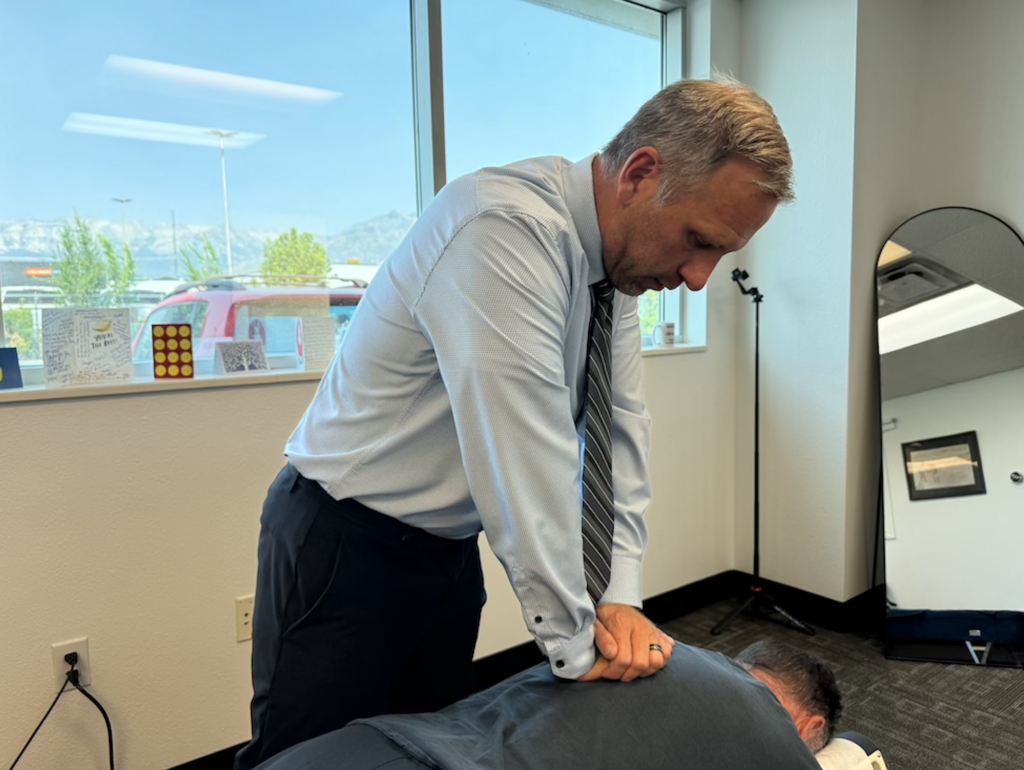
Chiropractic care is also an excellent option for addressing chronic tension headaches. Regular adjustments can help alleviate muscle tension, improve spinal alignment, and enhance overall nervous system function, which can contribute to headache relief.
Here are a few more tips to help you manage chronic tension headaches:
- Posture Awareness: Maintaining good posture, especially while sitting at a desk or using a computer, can prevent tension from building in your neck and shoulders.
- Heat Therapy: Applying a warm compress to your neck or shoulders can help relax tight muscles.
- Gentle Stretching: Incorporating gentle neck and shoulder stretches into your daily routine can relieve tension and improve flexibility.
- Regular Exercise: Engaging in regular physical activity can help reduce stress and improve circulation, which may help prevent headaches.
- Sleep Hygiene: Prioritizing quality sleep can help your body recover and reduce the frequency of headaches.
By implementing these strategies and considering chiropractic care, you can take proactive steps toward alleviating chronic tension headaches and improving your overall health. Remember, you don’t have to suffer in silence—there are natural, effective ways to regain control and find relief.
Key Takeaways
- Stay hydrated by drinking at least eight 8-ounce glasses of water daily, and consider incorporating hydrating foods like fruits and vegetables into your diet. Proper hydration supports your overall health and can help reduce tension in your body, which may lead to fewer headaches.
- Embrace stress management techniques such as deep breathing, meditation, and yoga. These practices not only help you relax but also can significantly lower the tension that contributes to headaches. As a chiropractor, I encourage you to prioritize these methods for a holistic approach to wellness.
- Establishing a regular sleep schedule is crucial. Creating a calming bedtime routine can enhance your sleep quality, which is essential for preventing chronic tension headaches. Adequate rest allows your body to recover and helps maintain proper spinal alignment, reducing tension-related discomfort.
- Regular physical activity and stretching exercises are key components in relieving muscle tension and improving posture. By maintaining good posture, you can minimize the strain on your neck and back, which often contributes to headache frequency. Incorporate gentle exercises into your routine to keep your muscles relaxed and healthy.
- Consider alternative remedies such as cold or warm compresses and essential oils to soothe headache pain naturally. Additionally, consulting a chiropractor can provide you with tailored care that focuses on spinal health and alignment adjustments, promoting optimal function and reducing tension throughout your body. Chiropractic adjustments can relieve nerve pressure and improve overall wellness, making it an excellent choice for natural pain relief.
By incorporating these strategies into your daily life and prioritizing chiropractic care, you can take significant steps toward achieving better health and reducing the occurrence of chronic tension headaches.
Stay Hydrated
Staying hydrated is crucial for your overall health and can significantly impact your well-being, especially when it comes to preventing chronic tension headaches. As a chiropractor, I often see how dehydration can contribute to muscle tension and discomfort in the spine and surrounding areas. When your body doesn’t get enough water, it can lead to dehydration, a common trigger for headaches.
By drinking enough fluids, you help maintain your body’s balance, which is vital for the effective functioning of your muscles and tissues. As a general guideline, aim for at least eight 8-ounce glasses of water daily. However, this can vary based on your activity level and the climate you live in. If you’re active or live in a warmer area, you may need to increase your water intake to stay properly hydrated.
Additionally, don’t forget about hydrating foods! Incorporating fruits and vegetables into your diet can also boost your fluid intake and provide essential nutrients that support your spine and overall health.
Listen to your body; feeling thirsty is your body’s way of signaling that it needs more fluids. To make hydration easier, keep a water bottle with you throughout the day. This simple habit can serve as a reminder to sip regularly, helping you manage your hydration and, in turn, your tension headaches.
Remember, maintaining proper hydration not only supports your spinal health but also enhances your body’s natural healing processes. By prioritizing hydration, you’re taking a proactive step towards achieving optimal health and wellness.
As your chiropractor, I encourage you to explore these natural strategies to improve your quality of life without the need for medications or surgeries.
Practice Relaxation Techniques
Once you’ve established a routine of staying hydrated, it’s important to consider incorporating relaxation techniques into your daily life to help alleviate chronic tension headaches.
These techniques not only promote relaxation but also support spinal health, which is crucial for overall wellness.
One effective method is deep breathing exercises. Spend a few minutes each day focusing on your breath; inhale deeply through your nose, hold for a moment, and exhale slowly through your mouth.
This simple practice can calm your nervous system, reduce stress, and can even help relieve tension in your neck and back—areas commonly affected by headaches.
You may also want to explore mindfulness meditation. Dedicate just ten minutes daily to sit in a quiet space, allowing your thoughts to drift while focusing on the present moment.
This practice can help clear your mind and reduce stress, which is essential for maintaining a healthy spine.
Another great option is progressive muscle relaxation. Start from your toes and work your way up to your head by systematically tensing and then relaxing each muscle group.
This technique helps release physical tension that can contribute to headaches and supports your body’s natural healing process.
Incorporating these relaxation techniques into your routine can help you manage stress and tension effectively, ultimately leading to fewer headaches and a more relaxed mindset.
Remember, regular chiropractic care plays a vital role in achieving optimal health, as it addresses the root causes of tension and discomfort.
Maintain Good Posture
Maintaining good posture is crucial for preventing chronic tension headaches, particularly if you find yourself sitting at a desk or working on a computer for extended periods. When your posture is poor, it can place unnecessary strain on your neck and shoulder muscles, which may lead to tension headaches. By focusing on your posture, you can help alleviate discomfort and promote overall wellness.
Here are some simple tips to improve your posture:
- Keep Your Back Straight: Sit up tall in your chair, ensuring that your spine is aligned. This helps distribute your weight evenly and reduces strain on your muscles.
- Relax Your Shoulders: Let your shoulders drop away from your ears. Tension in the shoulders can contribute to headaches, so aim to keep them relaxed.
- Feet Flat on the Ground: Make sure your feet are flat on the floor to provide a stable base. If your chair is too high, consider using a footrest to support your feet.
Here’s a quick reference table to help you remember some key posture tips:
| Posture Element | Description | Tip for Improvement |
|---|---|---|
| Head Position | Ears aligned with shoulders | Keep your head neutral to avoid strain |
| Back Support | Lower back should have support | Use a chair with lumbar support for comfort |
| Feet Position | Flat on the floor | Use a footrest if your chair is too high |
Incorporate Regular Exercise
Good posture is essential for overall well-being, and when paired with regular exercise, it can significantly enhance your ability to find relief from headaches. Engaging in physical activity not only helps reduce muscle tension and improve circulation, but it also boosts your body’s natural endorphins, which can alleviate chronic tension headaches.
As a chiropractor, I recommend integrating these three effective types of exercise into your routine to support your spinal health and headache relief:
- Stretching: Start your day with simple stretching routines to ease tightness in your neck and shoulders. This can help prevent tension buildup that often leads to headaches. Focus on gentle stretches that promote flexibility and keep your spine aligned.
- Cardio: Participate in activities like walking, jogging, or cycling to enhance blood flow and relieve stress. Aim for at least 150 minutes of moderate cardio each week. Not only does this improve your cardiovascular health, but it also supports a healthy spine by keeping your body active and engaged.
- Yoga: Practicing yoga is an excellent way to improve flexibility and encourage relaxation. The combination of mindful breathing and gentle movements helps reduce stress levels, which are often a significant contributor to headaches. Yoga can also help maintain proper alignment of your spine, promoting overall wellness.
Incorporating these exercises into your daily routine, alongside regular chiropractic care, can be a powerful way to support your body’s natural healing processes.
Apply Cold or Warm Compresses
When you’re experiencing chronic tension headaches, incorporating cold or warm compresses into your routine can be an effective way to find relief. As a chiropractor, I believe in the power of natural methods to support your body’s healing process.
Cold compresses can be particularly beneficial as they help numb the area and reduce inflammation, which is key in alleviating pain. To use a cold compress, simply wrap some ice in a cloth or grab a gel pack, and place it on your forehead or the back of your neck for about 15-20 minutes. This can provide quick relief and help manage discomfort.
On the flip side, warm compresses are excellent for relaxing tight muscles and improving blood circulation. You can use a warm towel or a heating pad, applying it to the same areas. The soothing warmth can help ease tension and promote a sense of calm.
It’s worth experimenting with both cold and warm compresses to see which method brings you the most comfort. You might discover that alternating between hot and cold compresses enhances your relief even further. Just remember to give your skin a break between applications to avoid irritation.
While these techniques are helpful, they work best alongside regular chiropractic care. A chiropractor can help address the underlying issues contributing to your tension headaches, ensuring that your spine is aligned and your nervous system is functioning optimally.
Use Essential Oils
Managing chronic tension headaches can be a challenge, but incorporating essential oils into your routine can be a natural and supportive way to find relief. While chiropractic care is the most effective method for addressing the root causes of headache pain, essential oils can complement your wellness journey and promote a sense of calm.
Here are three essential oils to consider:
- Peppermint Oil: This oil is renowned for its cooling properties, which can provide soothing relief when applied to your temples. To use, simply dilute peppermint oil with a carrier oil, like coconut or olive oil, to prevent skin irritation. This can enhance the effectiveness of chiropractic adjustments by relaxing muscles around the neck and head.
- Lavender Oil: Known for its calming scent, lavender oil can help reduce stress and tension that often exacerbate headaches. You can diffuse this oil in your home or inhale it directly from the bottle. Creating a peaceful environment can further enhance the benefits of your chiropractic treatments by promoting relaxation.
- Eucalyptus Oil: If sinus pressure is a contributing factor to your tension headaches, eucalyptus oil may be beneficial. You can inhale it directly or add a few drops to a warm bath to support overall relaxation. This can work in harmony with chiropractic care, helping to relieve tension in the upper back and neck areas.
Remember, while essential oils can offer additional support, regular chiropractic adjustments are key to addressing the underlying causes of your headaches.
Be sure to discuss any new remedies with your chiropractor to ensure a holistic approach to your health. By combining essential oils with chiropractic care, you can create a more effective headache relief routine that promotes overall wellness.
Consider Acupuncture
Chiropractic care is a proven method that can significantly help alleviate chronic tension headaches. Unlike acupuncture, which involves inserting needles into your body, chiropractic focuses on the alignment of your spine and overall musculoskeletal health. By ensuring that your spine is properly aligned, chiropractic adjustments can promote better nerve function and improve energy flow throughout your body, which may help reduce the frequency and intensity of your headaches.
When you visit a licensed chiropractor, they’ll assess your individual needs and tailor a treatment plan just for you. Many patients experience relief after just a few sessions, often reporting a reduction in headache pain and an overall enhancement in their well-being.
Chiropractors can also offer guidance on posture, ergonomics, and exercises that help alleviate muscle tightness and improve circulation—factors that can contribute to headaches. Incorporating chiropractic care into your wellness routine can be a transformative step in managing headaches and enhancing your quality of life.
It’s a natural approach that focuses on healing the body without the need for medications or invasive procedures. If you’re struggling with chronic tension headaches, consider visiting a chiropractor. You might be pleasantly surprised by the positive changes you experience.
Additionally, here are some general tips to help manage tension headaches:
- Maintain Good Posture: Be mindful of your posture, especially during long hours of sitting. Keep your back straight and your shoulders relaxed.
- Stay Hydrated: Drink plenty of water throughout the day, as dehydration can trigger headaches.
- Practice Stress Management: Engage in relaxation techniques such as deep breathing, meditation, or gentle yoga to help reduce tension.
- Get Regular Exercise: Regular physical activity can help keep your muscles flexible and reduce stress, contributing to fewer headaches.
- Prioritize Sleep: Ensure you get enough rest each night, as sleep deprivation can be a common headache trigger.
Manage Stress
Managing stress is crucial for alleviating chronic tension headaches, which can often result from muscle tightness caused by stress. As a chiropractor, I want to emphasize that managing stress effectively can enhance your overall well-being and support natural healing.
Here are some simple, everyday practices to help you manage stress and promote a healthier lifestyle:
- Mindfulness Meditation: Dedicate a few minutes each day to focus on your breath and clear your mind. This practice can help you stay centered and reduce anxiety, which is beneficial for your spine and overall health.
- Physical Activity: Engaging in regular exercise, such as a brisk walk or gentle stretching, releases endorphins that help combat stress. Aim for at least 30 minutes of activity most days. Not only does this promote physical health, but it also supports spinal alignment and muscle function.
- Connect with Others: Reach out to friends or family to share your feelings. Building connections and expressing your thoughts can lighten your emotional burden and provide valuable support. A healthy social life contributes positively to your overall wellness.
By incorporating these strategies into your daily routine, you can effectively manage stress and support your body’s natural healing processes.
Get Adequate Sleep
Getting adequate sleep is crucial for preventing chronic tension headaches and promoting overall wellness. A well-rested body has the opportunity to recover and recharge. When you skimp on sleep, your muscles can tighten, and your stress levels can increase, which may trigger headaches. Aim for 7 to 9 hours of quality sleep each night to support your spinal health and overall vitality.
Establishing a consistent bedtime routine can signal to your body that it’s time to relax. Simple activities like reading, meditating, or enjoying a warm bath can help you wind down.
Creating a sleep-friendly environment is also key; make sure your bedroom is dark, quiet, and cool. It’s important to limit screen time before bed since blue light can disrupt your body’s natural melatonin production.
If you struggle to fall asleep, try incorporating relaxation techniques such as deep breathing or progressive muscle relaxation. Remember, prioritizing your sleep not only helps in preventing headaches but also enhances your overall well-being.
As a chiropractor, I encourage you to consider how chiropractic care can support your journey to better sleep and pain relief. Regular chiropractic adjustments can help alleviate tension in your muscles and spine, which can contribute to improved sleep quality.
Over-the-Counter Pain Relief
Even with good sleep habits, tension headaches can still occur, highlighting the importance of exploring natural and holistic options for relief. While over-the-counter pain relief may seem like a quick fix, I encourage you to consider chiropractic care as a more effective and sustainable solution for alleviating discomfort.
Chiropractic care focuses on addressing the root causes of tension headaches, often linked to spinal misalignments and muscle tension. Here are some ways chiropractic care can help:
- Spinal Adjustments: Regular chiropractic adjustments can help realign the spine and relieve pressure on nerves, which may reduce the frequency and intensity of headaches.
- Muscle Relaxation Techniques: Chiropractors often use various techniques to alleviate muscle tension in the neck and shoulders, which can be contributing factors to headaches.
- Lifestyle and Ergonomic Advice: Chiropractors provide guidance on improving posture, creating a more ergonomic workspace, and incorporating stretches into your daily routine, all of which can help prevent tension headaches from arising.
In addition to seeking chiropractic care, here are some general tips you can incorporate into your daily life to promote natural healing and wellness:
- Stay Hydrated: Dehydration can lead to headaches, so ensure you’re drinking plenty of water throughout the day.
- Practice Stress Management: Techniques such as deep breathing, meditation, or yoga can help reduce stress and tension, which are common triggers for headaches.
- Prioritize Sleep: Maintain good sleep hygiene by establishing a regular sleep schedule and creating a calming bedtime routine.
By focusing on these natural approaches, you can work towards achieving optimal health and reducing the occurrence of tension headaches.
Conclusion
Incorporating these remedies into your daily routine can significantly help alleviate chronic tension headaches, and I want to emphasize that chiropractic care can be an essential part of that journey toward optimal health. By staying hydrated, practicing relaxation techniques, and maintaining good posture, you can create a healthier foundation for your spine and overall well-being.
Don’t overlook the importance of regular exercise and quality sleep, as they are vital components in managing your health and preventing headaches. Chiropractic adjustments can enhance your body’s ability to function properly, reducing tension and promoting relaxation. Additionally, using cold or warm compresses can provide immediate relief, while exploring natural therapies like acupuncture may also complement your chiropractic care.
Remember, managing stress effectively is crucial for reducing headache frequency and intensity. Prioritize these strategies and consider incorporating chiropractic care into your routine. Together, these approaches can help you find what works best for you and lead you toward a happier, headache-free life. Embrace natural healing and healthier living—your spine will thank you!