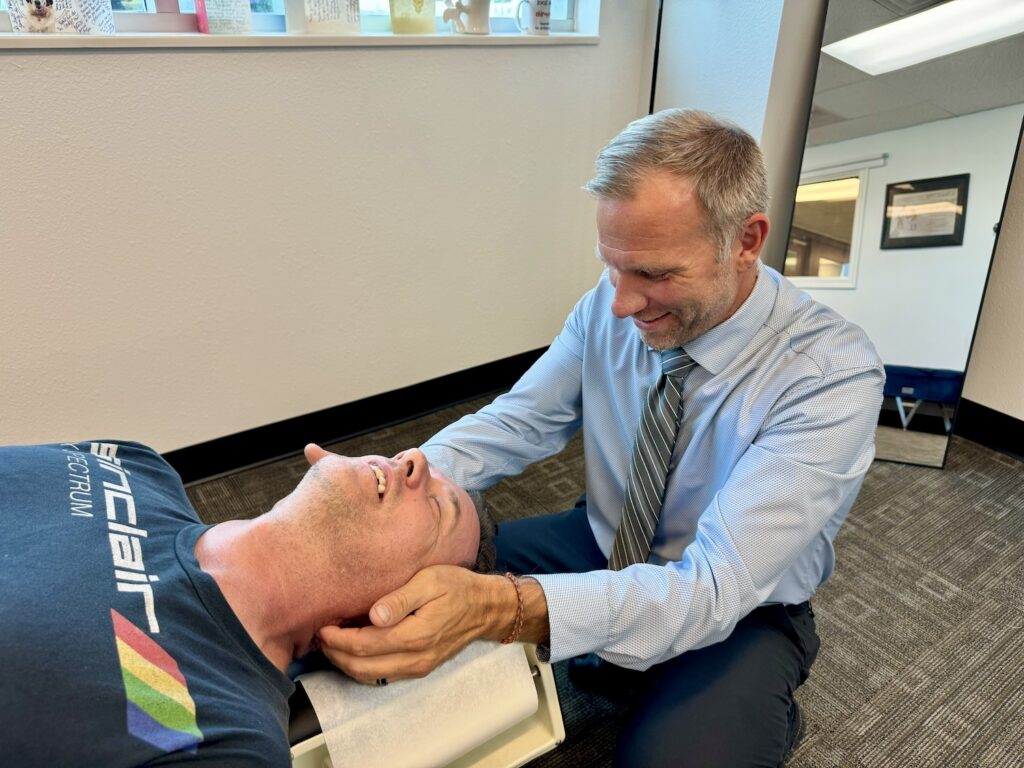
If you’re dealing with neck pain, know that you’re not alone—and there are effective ways to find relief. Many patients have experienced significant improvement through a combination of gentle stretches, targeted strengthening exercises, and the natural therapies offered by chiropractic care. These methods not only help alleviate discomfort, but also promote overall wellness and a healthier lifestyle.
Chiropractic care is designed to address the root causes of neck pain, focusing on spinal alignment and mobility. By visiting a chiropractor, you can benefit from personalized adjustments that relieve tension and improve your range of motion. In addition, many patients find that incorporating simple daily stretches and exercises into their routine can help enhance the benefits of their chiropractic treatments.
As you explore your options for neck pain relief, consider these key techniques that have been favored by others in their healing journeys:
- Gentle Neck Stretches: Regularly practicing gentle stretches can help alleviate tension in the neck. Try simple movements like tilting your head from side to side or gently rolling your shoulders. These stretches can be done throughout the day, especially if you find yourself sitting for long periods.
- Strengthening Exercises: Strengthening the muscles around your neck can help stabilize the area and prevent future discomfort. Focus on exercises that engage your upper back and shoulders, such as resistance band pulls or wall angels.
- Chiropractic Adjustments: Regular visits to your chiropractor can help keep your spine aligned and reduce tension in your neck. Your chiropractor can tailor treatments to your specific needs, ensuring that you receive the most effective care.
- Posture Awareness: Pay attention to your posture throughout the day. Poor posture, especially while working at a desk or using electronic devices, can contribute to neck pain. Make a conscious effort to sit up straight, keep your shoulders back, and take breaks to stretch.
- Heat and Ice Therapy: Applying heat or ice to the affected area can provide quick relief. Heat can help relax tight muscles, while ice can reduce inflammation. Alternate between the two for best results.
Remember, it’s essential to listen to your body and consult with a chiropractor to develop a personalized plan that works for you. By focusing on natural healing and wellness, chiropractic care can be a powerful ally in your journey toward a pain-free life.
Gentle Stretches to Relieve Tension
How can gentle stretches help ease neck tension? As a chiropractor, I often see patients who are struggling with neck discomfort, and incorporating gentle stretches into your daily routine can significantly help. When you stretch, you enhance blood flow to the muscles, which promotes relaxation and reduces stiffness—a key factor in alleviating neck pain.
A simple yet effective stretch is the neck roll. Start by gently tilting your head to one side, then slowly roll it forward and over to the other side. Hold each position for a few seconds to really feel the tension release. This movement can help restore mobility and reduce discomfort.
Another beneficial stretch is the chin tuck. While sitting up straight, gently tuck your chin toward your chest. This action helps elongate the back of your neck and counteracts the negative effects of poor posture, a common contributor to neck strain.
Don’t overlook the shoulder shrug! Raise your shoulders toward your ears, hold for a moment, and then release. This stretch can ease tightness in the shoulders and neck. These stretches only take a few minutes but can lead to lasting relief. By making them a regular part of your routine, you may notice a decrease in neck tension and an improvement in your overall well-being.
Remember, while these stretches can be helpful, they’re best complemented by regular chiropractic care. A chiropractor can provide personalized assessments and adjustments that align your spine and optimize your health.
Strengthening Exercises for Neck Support
In addition to gentle stretches, strengthening exercises are crucial for supporting your neck and preventing discomfort, and they can be easily integrated into your daily routine. By focusing on key muscle groups, you’ll enhance stability and resilience, which is essential for a healthy spine.
Let’s start with some isometric exercises: gently press your forehead into your palms and hold for 5-10 seconds. This simple movement builds strength without straining your neck. Next, practice neck flexion by tilting your head forward against light resistance, then move on to extension by leaning back into your hands. Don’t overlook lateral raises; tilt your head towards your shoulder while applying gentle pressure with your hand. These movements help balance out the muscles around your neck.
To further support your neck, incorporate shoulder shrugs and rolls to engage the upper back muscles. Aim for 2-3 sets of 8-12 repetitions for each exercise while maintaining proper form. Remember to breathe deeply and avoid any strain—listen to your body.
Consistently performing these exercises can’t only strengthen your neck but also improve your posture, which is vital for reducing the risk of future discomfort.
It’s important to understand that chiropractic care complements these exercises beautifully. A chiropractor can provide tailored adjustments and guidance, ensuring that your spine remains aligned and free from tension. This holistic approach to health promotes natural healing and enhances your overall well-being.
Innovative Therapies for Lasting Relief
When it comes to finding relief from neck pain, many people naturally think of traditional methods like exercises and chiropractic care. As a local chiropractor, I want to emphasize that chiropractic care isn’t only effective but also a natural way to achieve optimal health and wellness.
In addition to chiropractic adjustments, there are innovative therapies that can complement your treatment and provide lasting relief. One option to explore is dry needling, which targets specific muscle trigger points. This technique can help release tension and alleviate pain, working hand-in-hand with chiropractic adjustments to enhance your recovery.
Another method worth considering is neuromuscular electrical stimulation (NMES). This therapy helps strengthen and relax neck muscles while improving blood flow, making it a great addition to your healing journey. If you’re open to new technologies, virtual reality (VR) therapy is emerging as a tool for pain management. It offers immersive experiences that can distract you from discomfort and aid in coping.
While these therapies can be helpful, it’s essential to remember that chiropractic care is the cornerstone of a holistic approach to wellness. In addition to these therapies, regenerative techniques like platelet-rich plasma (PRP) therapy can promote healing by utilizing your body’s own natural growth factors. However, I encourage you to prioritize chiropractic care, which addresses the root causes of pain and promotes overall spinal health.
Here are some general tips to help you manage neck pain at home:
- Practice good posture: Ensure your workstation is ergonomically set up to prevent strain.
- Take regular breaks: If you sit for long periods, stand up and stretch every hour to keep your muscles relaxed.
- Stay active: Gentle exercises like neck stretches can help keep your muscles flexible and strong.
- Apply heat or cold therapy: A warm compress or ice pack can provide comfort and reduce inflammation.
Holistic Approaches to Pain Management
As you seek effective ways to manage pain, it’s essential to consider holistic approaches that treat your body as a whole, rather than just addressing the symptoms. One of the best ways to do this is through chiropractic care, which focuses on the spine and nervous system to promote overall health and wellness.
Incorporating techniques like mindfulness and meditation can also significantly reduce stress, a common trigger for neck pain. By taking time to focus on your breath and quiet your mind, you create a sense of relief that supports your overall well-being.
Gentle exercises such as yoga or tai chi can enhance your flexibility and strengthen the muscles surrounding your spine, offering long-term benefits for neck pain. Regular chiropractic adjustments can further improve your spinal alignment, which is crucial for maintaining optimal health.
Nutritional support is another key aspect of holistic health. A balanced diet rich in anti-inflammatory foods can help alleviate discomfort and support your body’s healing processes. Consider incorporating fruits, vegetables, nuts, and whole grains into your meals.
Don’t underestimate the power of touch; chiropractic adjustments can relieve tension and improve circulation. Techniques like massage therapy can also complement your chiropractic care, promoting relaxation and further enhancing your recovery.
Aromatherapy with essential oils can be an excellent addition to your pain management routine, helping you to create a calming environment. By embracing these holistic practices, especially chiropractic care, you’re not just addressing pain; you’re nurturing your body and mind for a healthier, more balanced life.
Ergonomic Adjustments for Daily Comfort
Making simple ergonomic adjustments in your daily environment can greatly enhance your comfort and reduce neck pain, which is essential for maintaining a healthy spine. As a chiropractor, I encourage you to consider how your workspace impacts your well-being.
Start by ensuring your computer screen is at eye level; this prevents the need to tilt your head and can significantly alleviate strain on your neck. Opt for a chair that supports your lower back and allows your feet to rest flat on the floor, promoting optimal posture.
When using your phone, aim to hold it at eye level rather than bending your neck down. This small change can make a big difference in reducing discomfort. Additionally, using headphones or a speakerphone can help minimize strain on your neck during calls.
If you find yourself sitting for long periods, make it a habit to take regular breaks. Stand up, stretch, and move around to keep your muscles engaged and reduce stiffness. This not only helps with neck pain but also supports overall spinal health.
Lastly, pay attention to your sleeping position. Using a pillow that properly supports your neck can contribute to a more restful night and aid in recovery. By implementing these simple adjustments, you’ll likely notice a significant improvement in your neck pain and overall comfort.
Conclusion
Incorporating chiropractic techniques into your routine can significantly enhance your neck health. By focusing on gentle stretches and strengthening exercises tailored to your needs, along with innovative therapies offered in chiropractic care, you’ll not only find relief from neck pain but also build lasting support for your spine.
Remember to make ergonomic adjustments in your daily activities—this can include adjusting your workstation or using supportive pillows while you sleep. Listening to your body is key; if something doesn’t feel right, take a break and reassess. Consistency is vital, so keep up with these methods, and you’ll likely notice improved mobility and reduced tension in your neck.
Chiropractic care provides a natural approach to healing that prioritizes your body’s ability to heal itself. Your neck deserves the best care, and by choosing chiropractic, you are taking a proactive step toward achieving optimal health and wellness without the need for medications or invasive procedures.