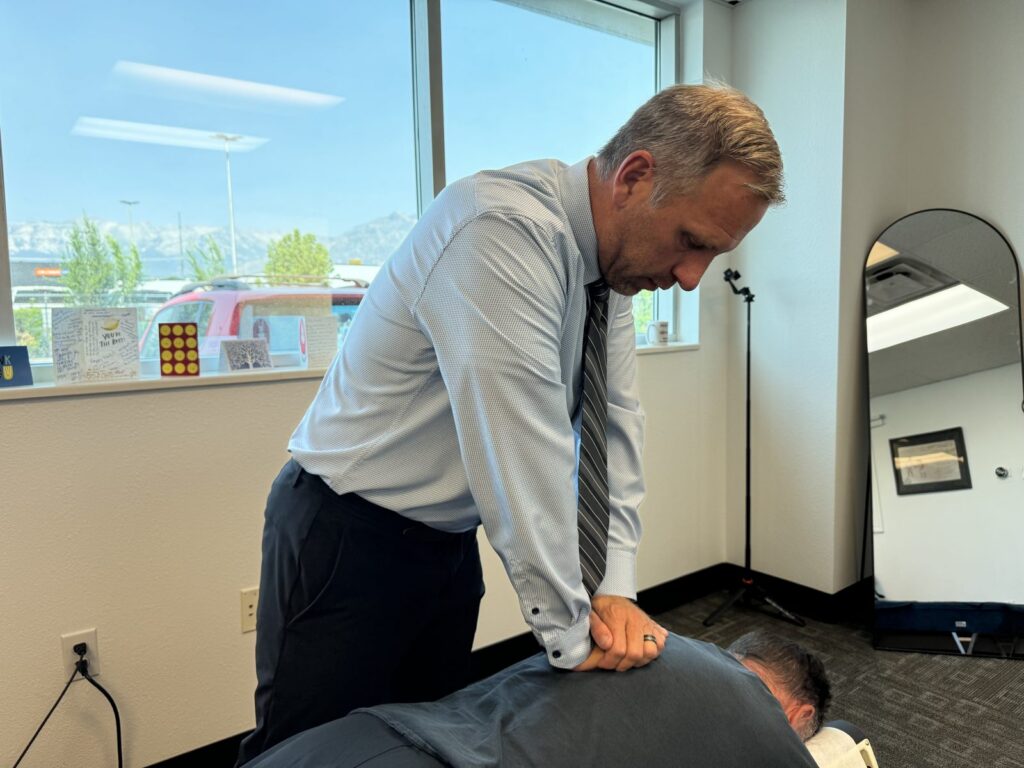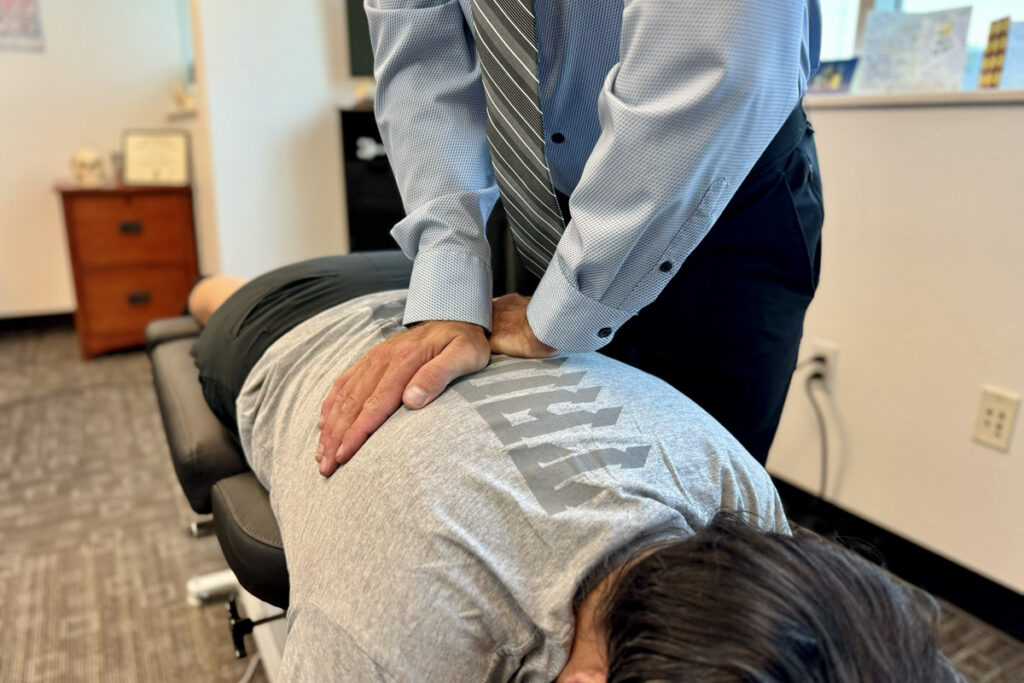
If you’ve ever dealt with whiplash, you understand how frustrating and debilitating it can be. The pain and discomfort might seem overwhelming, affecting your daily activities and overall quality of life. Thankfully, there are effective techniques for relief and recovery that can help restore your neck’s mobility and promote long-lasting wellness. As a chiropractor, I believe that chiropractic care is one of the best options available for managing whiplash symptoms naturally.
Chiropractic adjustments play a crucial role in relieving pain and restoring function to the spine and neck. By realigning the vertebrae, we can alleviate pressure on the nerves and reduce inflammation, allowing your body to heal itself more efficiently. Regular chiropractic visits can also help improve your posture and enhance your body’s overall biomechanics, which is vital for preventing future issues.
In addition to chiropractic care, there are several lifestyle changes you can implement to aid in your recovery. Here are some simple tips and tricks to help you on your healing journey:
- Gentle Stretching: Incorporate gentle neck stretches into your daily routine to improve flexibility and reduce stiffness. Movements like slowly tilting your head side to side or forward and backward can be beneficial.
- Heat Therapy: Applying heat to your neck can help soothe tight muscles and increase blood circulation, promoting healing. A warm towel or heating pad can provide comfort.
- Stay Active: Engage in low-impact exercises, such as walking or swimming, to keep your body moving without straining your neck. This can help maintain your overall health and well-being.
- Ergonomic Adjustments: Ensure your workspace is set up to support good posture. Adjust your chair, desk, and computer screen height to minimize strain on your neck.
- Hydration and Nutrition: Drinking plenty of water and consuming a balanced diet rich in anti-inflammatory foods can support your body’s healing process.
Remember, understanding your options is key to achieving optimal health. By prioritizing chiropractic care and implementing these simple lifestyle changes, you can effectively alleviate your whiplash symptoms and promote long-term healing. Your journey to recovery starts with taking proactive steps to care for your body naturally.
Understanding Whiplash: Symptoms and Causes
Whiplash is a common neck injury, often resulting from car accidents, and it can lead to a range of distressing symptoms. If you’ve experienced whiplash, you might notice neck pain, stiffness, and tenderness, which can significantly impact your daily life. Many people also experience headaches and migraines along with neck pain, making it tough to concentrate on tasks. Other symptoms can include dizziness, fatigue, and even trouble sleeping.
Whiplash occurs when your head is suddenly jerked forward and then back, straining the neck muscles and ligaments. While this sudden movement can happen in various situations, rear-end collisions are particularly known for causing this injury. It’s important to note that symptoms may not appear right away, which can leave you feeling confused about what’s happening in your body.
As a chiropractor, I want to emphasize the importance of understanding these symptoms and the causes of whiplash. Early identification can help you take the right steps toward relief. Chiropractic care is an excellent natural approach to managing whiplash symptoms. By focusing on spinal alignment and muscle relaxation, chiropractic adjustments can help reduce pain, improve mobility, and promote healing in a safe, drug-free way.
Here are some general tips to help you manage whiplash symptoms:
- Gentle Stretching: Engage in gentle neck stretches to maintain mobility, but avoid any movements that cause pain.
- Heat Therapy: Applying a warm compress to your neck can help relieve stiffness and promote relaxation.
- Good Posture: Be mindful of your posture, especially if you work at a desk. Proper alignment can help reduce strain on your neck.
- Stay Active: Light activity can promote circulation and healing. Walking or gentle exercises can be beneficial.
- Consult a Chiropractor: A chiropractor can provide tailored treatment plans to address your specific needs and help you recover more effectively.
Always listen to your body and seek professional advice if you suspect you’ve sustained whiplash. Remember, chiropractic care is a natural and effective way to support your healing journey and achieve optimal health.
Physical Therapy Techniques for Whiplash Recovery
If you’ve experienced whiplash, chiropractic care can be a vital part of your recovery journey. A knowledgeable chiropractor will evaluate your condition and create a personalized plan to address your unique needs. One effective approach is manual adjustments, where the chiropractor uses their hands to align your spine and relieve pain, helping to restore mobility in your neck.
In addition to adjustments, your chiropractor may use gentle techniques like soft tissue therapy to ease muscle tension and promote healing. Heat and ice therapy can also be beneficial, as they help reduce inflammation and soothe discomfort in the affected areas.
Education plays a crucial role in your recovery. Your chiropractor will guide you on maintaining proper posture and body mechanics to prevent future injuries. This knowledge will empower you to make healthier choices in your daily activities.
Incorporating relaxation techniques can also be helpful, as managing stress is key to alleviating pain. By actively engaging in your chiropractic care, you’ll not only enhance your recovery but also work towards achieving optimal health and wellness.
Gentle Exercises to Alleviate Neck Pain
Gentle exercises can be incredibly effective in alleviating neck pain and enhancing mobility, especially after experiencing whiplash. Incorporating these movements into your daily routine can complement the benefits of chiropractic care, which aims to restore optimal spinal health and function.
Start with neck rotations: slowly turn your head to the right and then to the left, holding each position for a few seconds. This exercise can be repeated 5-10 times and helps to improve range of motion.
Next, try shoulder shrugs—raise your shoulders towards your ears, hold for a moment, and then release. Aim to complete this 10 times to relieve tension in the shoulder area.
Another beneficial movement is the chin tuck. Sit or stand up straight, gently tuck your chin towards your chest, and hold for a few seconds before returning to a neutral position. Repeat this exercise 10 times. This simple movement helps to strengthen the muscles that support your neck.
Finally, stretch your neck by tilting your head to one side, bringing your ear toward your shoulder. Hold this position for 15-30 seconds on each side. These gentle stretches promote blood flow and flexibility, which are key to a quicker recovery from whiplash and overall neck health.
As you engage in these exercises, remember to listen to your body. If you experience any sharp pain, it’s essential to stop and consult with a chiropractor for personalized care.
Embracing these gentle movements alongside regular chiropractic adjustments can significantly enhance your recovery journey and support your overall wellness. Prioritizing natural healing through chiropractic care is a proactive way to achieve lasting relief and maintain a healthy spine.
Alternative Treatments: Acupuncture and Massage Therapy
Exploring alternative treatments like acupuncture and massage therapy can offer some relief for whiplash symptoms, but it’s important to remember that chiropractic care is often the best choice for addressing these issues at their source.
Chiropractic adjustments focus on realigning the spine, which can help alleviate pain, improve mobility, and promote healing in a natural way.
Acupuncture involves inserting thin needles at specific points in your body, which may help reduce pain and promote healing. While some individuals report relief from headaches and neck stiffness through acupuncture, chiropractic care targets the root of the problem—misalignments in the spine that can contribute to these symptoms.
Massage therapy, on the other hand, can help relax your muscles and improve circulation. A skilled massage therapist may ease tension around your neck and shoulders, but it doesn’t address the underlying spinal issues.
By incorporating chiropractic adjustments into your routine, you can enhance the benefits of massage therapy, allowing your body to heal more effectively.
Both acupuncture and massage therapy can be beneficial, but when it comes to achieving optimal health and wellness, chiropractic care stands out as the most comprehensive approach. It not only addresses physical pain but also promotes overall well-being by ensuring your spine is in proper alignment.
To maximize your recovery from whiplash and maintain a healthier lifestyle, consider these tips:
- Stay active with gentle exercises that promote neck mobility.
- Maintain good posture throughout the day.
- Stay hydrated to help your muscles recover.
- Prioritize regular chiropractic check-ups to keep your spine aligned.
Always consult with a healthcare professional, particularly a chiropractor, to determine the best treatment plan tailored to your needs.
Embracing chiropractic care can help you achieve long-term relief and a healthier, more vibrant life.
Lifestyle Changes for Long-Term Relief and Prevention
Incorporating lifestyle changes is vital for enhancing your recovery from whiplash and preventing future issues, and chiropractic care can play a key role in your journey to optimal health. One of the first steps is to develop a consistent exercise routine focused on strengthening your neck and upper back muscles. Gentle stretches can also help improve flexibility, which reduces tension and discomfort.
Pay close attention to your posture, especially when sitting at a desk or using your phone. Keeping your spine aligned not only alleviates stress on your neck but also promotes overall spinal health. Consider consulting with your chiropractor to adjust your workspace ergonomics, ensuring that your posture remains healthy throughout the day.
Staying hydrated and eating a balanced diet rich in anti-inflammatory foods like fruits, vegetables, and omega-3 fatty acids can support your healing process and help reduce inflammation. Your chiropractor can provide guidance on nutrition that complements your treatment plan.
Prioritizing good sleep hygiene is another crucial aspect of recovery. Quality rest is essential, so establish a calming bedtime routine and create a comfortable sleep environment. Your chiropractor can offer tips on optimal sleeping positions that support spinal health.
Conclusion
Incorporating these techniques into your recovery plan can significantly alleviate whiplash symptoms and promote overall wellness. Chiropractic care should be at the forefront of your recovery journey. Through gentle adjustments, we can help realign your spine, reducing pain and improving mobility. Coupled with specific exercises tailored to strengthen your neck and upper back, you’ll be on your way to feeling better in no time.
Additionally, don’t overlook the benefits of complementary therapies like acupuncture and massage, which can enhance the healing process. However, chiropractic care remains your best option for natural pain relief and long-term wellness. Simple lifestyle changes, such as maintaining good posture and staying active, can also support your recovery. Remember, staying committed to your wellness journey is key. With the right approach, you’ll return to feeling your best and living life to the fullest!