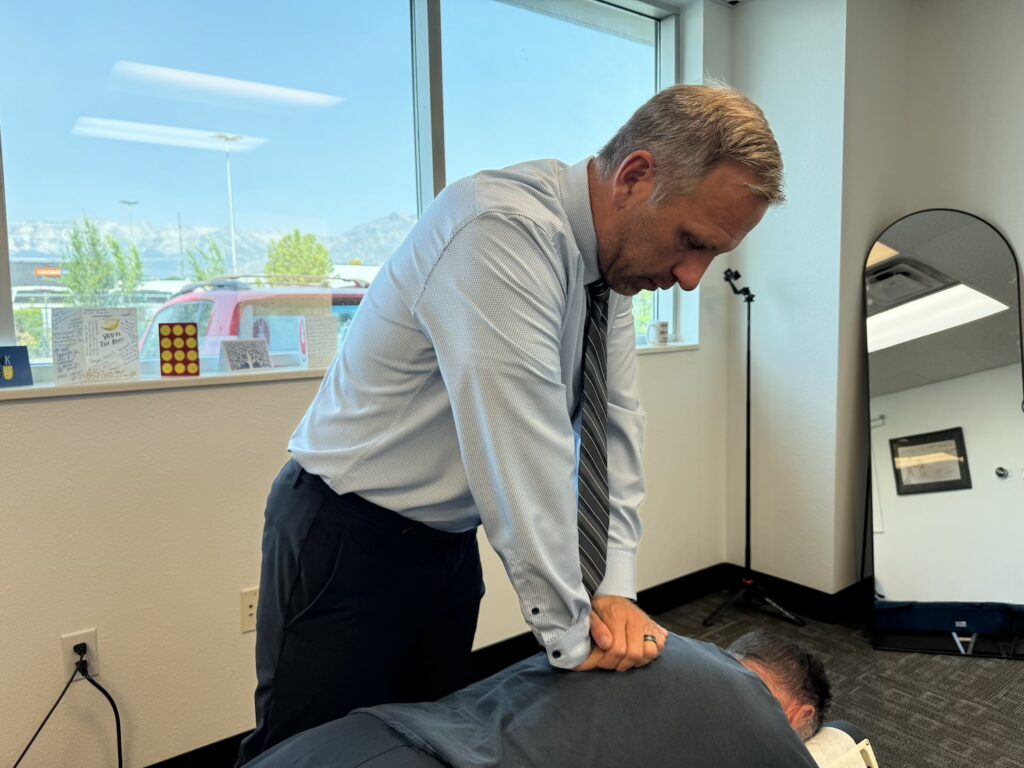
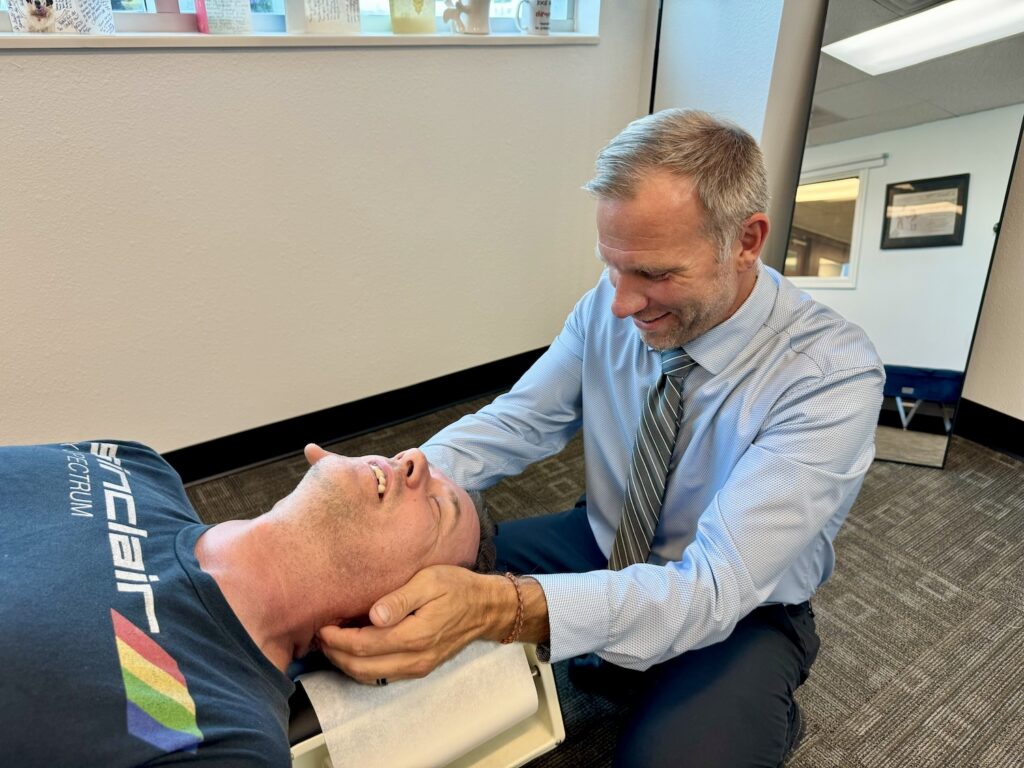
As a local chiropractor, I understand that dealing with back pain can be a daunting experience, and many people feel overwhelmed by the options available for relief. It’s important to know that you don’t have to rely solely on medication to address your discomfort. By embracing a holistic approach that includes exercise, mindfulness, ergonomic adjustments, and natural remedies, you can pave the way for long-lasting relief.
Let’s delve into how these elements can work together to alleviate your back pain. Regular exercise can strengthen the muscles supporting your spine, while mindfulness techniques can help you manage stress and tension that may exacerbate your pain. Additionally, making ergonomic adjustments in your work and home environments can significantly improve your posture and reduce strain on your back. Finally, exploring natural remedies can offer alternative ways to support your healing process.
Together, these strategies can lead to a more comfortable and pain-free life. If you’re curious to learn more about how chiropractic care fits into this picture, I’m here to guide you on your journey to wellness.
Understanding the Causes of Back Pain
As a local chiropractor, I want to help you understand the underlying causes of back pain, so you can find effective relief and improve your overall well-being.
Back pain can be attributed to a variety of factors, including poor posture, muscle strain, and injuries. Many patients are surprised to learn that their everyday habits—like how they sit at their desk or lift heavy objects—can significantly contribute to their discomfort.
In some instances, persistent pain may be linked to underlying medical conditions such as herniated discs or arthritis. It’s also important to recognize that stress and emotional well-being can lead to muscle tension in the back. By identifying these causes, we can work together to develop a proactive approach to your health.
One of the first steps I recommend is evaluating your workspace ergonomics and being mindful of your posture throughout the day. Small adjustments can make a big difference.
Additionally, your lifestyle choices—such as your diet and sleep quality—play a crucial role in your overall health. Together, we can identify the root cause of your back pain and create a personalized plan that emphasizes natural healing and sustainable relief.
I’m here to support you on your journey to a healthier back and a more comfortable life.
The Role of Exercise and Physical Activity
As your local chiropractor, I want to emphasize the significant role that exercise and physical activity play in alleviating back pain and enhancing your overall spinal health. Regular movement is crucial; it helps strengthen the muscles that support your spine, which in turn improves your posture and reduces strain on your back.
You don’t need to dive into a rigorous workout program to reap the benefits. Simple activities like walking, swimming, or practicing yoga can have a profound impact on your back health. These low-impact exercises can be easily incorporated into your daily routine.
In addition, stretching exercises are essential as they specifically target tight muscles that may be contributing to your discomfort. It’s particularly important to focus on your core muscles, as a strong core stabilizes your spine and helps prevent injuries.
I recommend aiming for at least 30 minutes of moderate activity most days of the week, and gradually increasing the intensity as your strength builds.
Always listen to your body. If something feels off or uncomfortable, don’t hesitate to modify your routine.
Remember, consistency is crucial; the more you move, the better your body can adapt and heal. By prioritizing physical activity, you aren’t just addressing immediate pain but also investing in long-term relief and a healthier spine.
Let’s work together to create a tailored approach that suits your needs and supports your journey towards natural healing.
Incorporating Mindfulness and Stress Reduction Techniques
As a local chiropractor, I want to share with you how mindfulness and stress reduction techniques can play a significant role in alleviating your back pain. Many people don’t realize that stress can exacerbate physical discomfort, and by nurturing a sense of awareness and calm, you can effectively manage that stress.
When you practice mindfulness, you learn to focus on the present moment, which helps you become more aware of your body’s signals. This heightened awareness can lead to better posture and reduced muscle tension, both of which are crucial for alleviating back pain.
Incorporating techniques such as deep breathing exercises, meditation, or gentle yoga into your routine can further enhance your ability to cope with stress and promote relaxation. These practices can lower cortisol levels in your body, potentially reducing inflammation and muscle tightness that contribute to discomfort.
Moreover, as you develop a mindful approach to your pain, you may notice a shift in your emotional response, enabling you to implement better coping strategies.
I encourage you to dedicate just a few minutes each day to mindfulness practices. You’ll likely find that this simple addition not only helps with your back pain relief but also contributes positively to your overall well-being. Give it a try and see how it can transform your experience with pain management.
Ergonomic Adjustments for Everyday Comfort
As a local chiropractor, I want to emphasize the importance of your workspace in maintaining your overall health and comfort. Many people underestimate how their work environment can affect their well-being, particularly when it comes to back pain.
By making some simple ergonomic adjustments, you can significantly improve your comfort levels and support your spine.
Start by ensuring your chair provides adequate support for your lower back. This means keeping your feet flat on the floor or using a footrest to maintain proper posture.
Your desk height is equally important; it should be at elbow level to allow your arms to rest comfortably while you type.
It’s crucial to position your monitor at eye level to prevent straining your neck. If you work with a laptop, I recommend using a separate keyboard and mouse. This setup will help you maintain an ergonomic posture and reduce the risk of discomfort.
As you sit, aim to keep a neutral spine and avoid crossing your legs, as this can lead to misalignment over time.
Don’t forget to take regular breaks! Standing up and stretching every hour can greatly benefit your body and help alleviate tension.
Exploring Natural Remedies and Alternative Therapies
As a local chiropractor, I often see patients seeking relief from back pain, and I want to share some effective natural remedies that can complement your treatment.
Incorporating herbal treatments and mindfulness practices can’t only alleviate your discomfort but also enhance your overall well-being.
Let’s explore how you can integrate these techniques into your daily routine for better health outcomes.
Together, we can create a holistic approach to managing your back pain that goes beyond traditional methods.
Herbal Remedies for Pain
As your local chiropractor, I want to share some insights on how herbal remedies can complement our chiropractic care for back pain relief. Many patients aren’t aware that natural alternatives can play a significant role in their healing journey. Certain herbs are known for their anti-inflammatory and analgesic properties, which can help ease your discomfort.
For example, turmeric is rich in curcumin, a compound recognized for its potent anti-inflammatory effects. Incorporating turmeric into your diet may help reduce inflammation in your back. Similarly, ginger has been shown to alleviate muscle pain, making it a great addition to your wellness routine.
Another herb to consider is devil’s claw; it’s been traditionally used to relieve pain and enhance mobility, which aligns perfectly with our goal of improving your movement and overall function.
Moreover, topical treatments like arnica gel can offer localized relief, making it easier for you to manage pain in specific areas. However, I always recommend discussing these options with your healthcare provider before starting any new remedies, especially if you’re on other medications, to ensure they’re safe for you.
Mindfulness and Meditation Techniques
As your local chiropractor, I want to share how mindfulness and meditation techniques can significantly enhance your journey toward relieving back pain. Many of my patients may not be familiar with how these practices can complement chiropractic care, but they can truly be transformative.
By incorporating mindfulness and meditation into your daily routine, you can foster a deeper connection with your body, which can help you manage pain more effectively. I suggest starting with simple breathing exercises—focus on taking deep breaths in and exhaling slowly. This practice not only calms your mind but also relaxes your body, which is essential for pain relief.
Additionally, consider trying guided meditations specifically designed for pain relief or visualizing a serene environment to distract yourself from discomfort. Regularly practicing these techniques can significantly reduce stress levels and promote relaxation, which is crucial for alleviating muscle tension that may be contributing to your back pain.
Moreover, developing mindfulness allows you to become more attuned to your body’s signals, enabling you to respond more effectively to pain when it arises. Embracing these holistic techniques, in conjunction with chiropractic care, can lead to a more comprehensive approach to healing, helping you achieve long-lasting relief.
Implementing Lifestyle Changes for Long-Term Relief
As a local chiropractor, I want to share some important insights about achieving long-term relief from back pain through lifestyle changes.
It’s essential to pay attention to your daily habits. By adopting ergonomic posture practices and integrating regular exercise into your routine, you can significantly improve your condition.
These adjustments not only help alleviate your pain but also enhance your overall well-being. Embracing these lifestyle changes is a natural and effective way to support your body’s healing process and maintain a healthier spine.
Ergonomic Posture Practices
As a chiropractor, I often see patients who struggle with poor posture, especially those who spend long hours at a desk or frequently use their phones. Slouching or hunching over can contribute to chronic back pain, but I want to share some simple changes you can make to find relief and improve your overall well-being.
First, let’s talk about your workstation. It’s essential to set up your desk ergonomically. Ensure your monitor is positioned at eye level so you don’t have to strain your neck. Your chair should provide proper support for your lower back, promoting a healthy spine alignment.
Remember to keep your feet flat on the floor and avoid crossing your legs, as this can create imbalances in your posture.
When using your phone, hold it up at eye level rather than bending your neck down. This small adjustment can significantly reduce strain on your neck and upper back.
Additionally, I encourage you to take regular breaks. Stand up, stretch, and realign your body throughout the day. Being mindful of your posture and making these adjustments can lead to a noticeable reduction in back pain and contribute to your long-term health.
Implementing these ergonomic practices not only enhances your comfort but also supports your body’s natural healing process.
I’m here to guide you on your journey to better health, so don’t hesitate to reach out if you have questions or need personalized advice!
Regular Exercise Routines
As your local chiropractor, I want to emphasize that improving your posture is just the beginning of your journey toward alleviating back pain. One of the most effective ways to achieve long-term relief is by incorporating regular exercise routines into your daily life.
A consistent workout program not only helps to strengthen your back muscles but also enhances your flexibility and reduces stress levels, which can greatly contribute to your overall well-being.
Here are some exercises you should consider integrating into your routine:
- Core Strengthening: Exercises like planks and bridges are excellent for building a strong foundation that supports your spine.
- Stretching: Incorporating yoga or gentle stretching can significantly improve your flexibility and help relieve tension in your back.
- Low-Impact Aerobics: Activities such as walking or swimming are great for boosting your cardiovascular health without putting excess strain on your back.
- Strength Training: Focus on upper and lower body workouts to ensure balanced support for your spine and overall body.
- Posture Exercises: Include movements that reinforce good posture habits, helping you maintain proper alignment throughout your daily activities.
By making these routines a regular part of your lifestyle, you can experience lasting relief from back pain and enjoy improved well-being.
Conclusion
As a local chiropractor, I want to share some sustainable solutions for back pain relief that can significantly improve your quality of life. Understanding the underlying causes of your discomfort is the first step towards healing. Regular exercise tailored to your needs, mindfulness practices to manage stress, and ergonomic adjustments in your daily environment can create a supportive atmosphere for your back.
Additionally, I encourage you to explore natural remedies that can complement your care. Committing to lifestyle changes, such as proper posture and healthy habits, can lead to lasting benefits. Remember, these steps are not just about alleviating pain; they are an investment in your overall well-being. By embracing these holistic approaches, you can pave the way for a healthier, more active future, free from the limitations of back pain.