As a local chiropractor, I understand that many of you are grappling with back pain due to poor posture. You’re certainly not alone in this struggle. It’s a common issue, but the good news is that there are effective, natural solutions to help you find relief.
One of the first steps we can take is to make ergonomic adjustments in your workspace. This means ensuring your chair, desk, and computer are set up in a way that promotes healthy posture. Additionally, strengthening your core muscles is vital; a strong core supports your spine and can significantly reduce discomfort.
Incorporating stretching exercises into your daily routine can also work wonders. These stretches help to release tension in tight muscles and improve your overall flexibility. Moreover, mindfulness techniques, such as deep breathing or meditation, can complement your physical efforts by helping you manage stress and promote relaxation.
If you’re curious about how these strategies can be integrated into your everyday life for lasting change, I’m here to assist you in exploring them in detail. Together, we can create a personalized plan to alleviate your back pain and enhance your well-being naturally.
Understanding the Impact of Poor Posture on Back Pain
As a local chiropractor, I want to share with you how poor posture can significantly contribute to back pain, something many people may not realize.
When you slouch or remain seated for extended periods, your spine can become misaligned. This misalignment places excess stress on the muscles and ligaments that support your spine, leading to tension and discomfort that can hinder your ability to focus on everyday tasks.
You might find yourself rounding your shoulders or noticing that your head juts forward—both common signs of poor posture that can worsen any existing pain. In addition to discomfort, poor posture can limit your mobility, making it challenging to participate in the physical activities you love.
Over time, neglecting proper posture can result in chronic pain and even structural changes to your spine.
However, there’s good news! By becoming more aware of your posture throughout the day, you can start making small but impactful adjustments. Whether you’re sitting, standing, or walking, maintaining proper spinal alignment can greatly reduce strain on your body.
As your chiropractor, I encourage you to prioritize your posture not only to prevent back pain but also to support your overall health and well-being.
The Importance of Ergonomic Workspaces
As a local chiropractor, I want to emphasize the importance of creating an ergonomic workspace to help alleviate and prevent back pain. Many of my patients are surprised to learn that simple adjustments to their work environment can make a significant difference in their comfort and overall health.
One of the first steps you can take is to adjust your desk height so that your elbows are at a 90-degree angle when typing. This helps to reduce strain on your back and shoulders.
Additionally, choosing a chair that provides proper lumbar support is crucial. It should support the natural curve of your spine, allowing you to maintain good posture throughout the day.
These small changes can have a profound impact on your well-being, helping to keep discomfort at bay while you go about your daily tasks.
Desk Height Adjustments
As a chiropractor, I can’t stress enough the importance of adjusting your desk height for your overall comfort and wellbeing.
When your desk is properly set, it allows your arms to rest at your sides in a relaxed position while you type. Ideally, your elbows should form a 90-degree angle, keeping your wrists straight to prevent strain. If your desk is either too high or too low, you may find yourself slumping or straining, which can lead to discomfort and even back pain over time.
To determine the best desk height for you, sit up straight in your chair and adjust the desk so that your hands can reach the keyboard easily without bending your wrists.
This simple change can greatly improve your posture, making it easier for you to stay focused and productive throughout the day.
Chair Support Features
As a chiropractor, I can’t stress enough the importance of a well-designed chair in maintaining good posture and minimizing the risk of back pain, especially for those of you who spend long hours at a desk.
When selecting a chair, it’s crucial to look for features that support your spine’s natural curve, such as lumbar support. This will help alleviate pressure on your lower back and promote spinal health.
Adjustable seat height is another key feature; it allows you to keep your feet flat on the floor and ensures your knees are at a right angle, which is vital for proper alignment and reducing strain on your back.
Additionally, armrests can be beneficial in relieving shoulder tension and preventing you from slouching, further contributing to your overall comfort.
I also recommend opting for a chair made of breathable fabric to keep you cool and comfortable throughout the day.
A swivel base is helpful, as it allows you to reach different areas of your workspace without twisting your spine, reducing the risk of discomfort and injury.
Lastly, pay attention to the chair’s cushioning. It should provide adequate support without being too hard or soft, as this balance is essential for maintaining good posture over extended periods.
Investing in a quality chair is an important step in enhancing your comfort, productivity, and overall well-being.
Strengthening Core Muscles for Better Support
As your local chiropractor, I want to emphasize the importance of strengthening your core muscles to alleviate posture-related back pain.
Many of my patients are surprised to learn how crucial a strong core is for providing support to the spine, which can significantly reduce discomfort and enhance posture.
Let’s discuss some effective core exercises that you can easily incorporate into your daily routine, promoting not only better spinal alignment but also overall well-being.
Importance of Core Strength
As a local chiropractor, I want to emphasize the critical role that core strength plays in your overall health, particularly when it comes to maintaining proper posture and preventing back pain.
Your core muscles are like the foundation of a house; when they’re strong, they provide the stability your spine needs to remain aligned and healthy.
When your core is well-developed, it helps distribute your body weight evenly, which significantly reduces strain on your back. Without sufficient core strength, you may find yourself slumping or leaning in ways that can lead to discomfort and even injury over time.
Moreover, having strong core muscles enhances your balance and coordination, making everyday activities—such as lifting, bending, or even walking—much easier and safer.
By prioritizing core strength, you’re not only improving your posture but also establishing a solid foundation for all your physical movements.
Taking the time to build your core strength can lead to a healthier back and, ultimately, a more active and pain-free life.
If you have any questions about exercises or techniques to strengthen your core, feel free to ask during your next visit!
Effective Core Exercises
As a local chiropractor dedicated to your overall wellness, I want to emphasize the critical role that core strength plays in maintaining a healthy spine and overall stability. Incorporating effective core exercises into your daily routine can significantly enhance your body’s support system.
Exercises such as planks, bridges, and bird-dogs are excellent for targeting the essential muscles of your core. Planks are particularly beneficial as they engage your entire core while promoting proper spinal alignment. I recommend aiming to hold a plank position for at least 30 seconds to begin with, and gradually increasing the duration as you gain strength.
Bridges are another fantastic exercise that specifically strengthens your lower back and glutes, providing essential support for your spine. Meanwhile, bird-dogs are a wonderful way to challenge your balance and coordination, which in turn fosters core stability.
Start with a few repetitions of each exercise, and as you become more comfortable and stronger, you can gradually increase the number of repetitions. It’s crucial to maintain proper form throughout the exercises to prevent injury.
By consistently integrating these core exercises into your routine, you’ll not only build a solid foundation for a healthier back but also improve your posture.
Daily Core Routine
As a local chiropractor, I often see patients who underestimate the significance of a daily routine focused on core strength.
Incorporating specific core exercises into your daily life can significantly enhance your back support and overall stability, which are essential for maintaining good health. Strengthening your core plays a vital role in improving posture and alleviating discomfort, making it an important aspect of natural healing.
Here’s a straightforward daily routine I recommend for my patients:
- Planks: Aim to hold for 30 seconds. This exercise builds endurance and helps stabilize your spine.
- Bridges: Perform 10-15 repetitions. This movement not only engages your glutes but also supports your lower back, promoting better alignment.
- Russian Twists: Do 10-15 twists on each side. This exercise strengthens your obliques, which are crucial for maintaining balance and stability.
- Bird Dogs: Complete 10 repetitions on each side. This exercise improves coordination and enhances overall core stability.
By dedicating just a few minutes each day to these exercises, you can effectively boost your core strength and provide your back with the support it needs.
Stretching Exercises to Relieve Tension
As a chiropractor, I often emphasize the importance of incorporating stretching exercises into your daily routine to effectively relieve tension in your back. One of my favorite stretches to recommend is the cat-cow stretch. This exercise is excellent for increasing flexibility in your spine.
To perform it, get on all fours, arch your back upwards like a cat, and then dip it down while lifting your head, holding each position for a few seconds. This simple movement can help improve spinal mobility and reduce tension.
Another stretch I frequently suggest is the seated forward bend. Sit down with your legs extended in front of you, and gently reach for your toes. This stretch not only targets your hamstrings but also helps alleviate tightness in your lower back, which is a common issue for many people.
The child’s pose is also a fantastic stretch to incorporate into your routine. To do this, kneel on the floor, sit back on your heels, and extend your arms forward on the ground. Hold this position for several breaths, and you’ll feel the tension in your back begin to release.
I encourage my patients to make these stretches a regular part of their day, especially after long periods of sitting or standing. By doing so, you’ll likely notice a significant improvement in your comfort level and overall posture, supporting your journey towards natural healing and better health.
Mindfulness and Body Awareness Practices
As a local chiropractor, I want to share with you how integrating mindfulness and body awareness practices into your daily routine can significantly enhance your overall well-being and help alleviate posture-related back pain.
By tuning into your body and breath, you can develop a deeper connection with yourself, which is essential for improving your posture and overall spinal health. Here are four effective practices that I recommend to my patients:
- Breath Awareness: Set aside a few minutes each day to focus on your breath. Pay attention to how it feels and where it moves in your body. This practice helps you become more aware of your body and can reduce tension.
- Body Scan: Find a comfortable place to lie down and mentally scan your body. Take note of any areas that feel tense or uncomfortable, and consciously work on relaxing those areas. This can help you identify stress points that may contribute to back pain.
- Mindful Movement: Consider incorporating gentle movements, such as yoga or tai chi, into your routine. These practices promote awareness of your body’s alignment and can improve flexibility and strength, which are crucial for maintaining good posture.
- Meditation: Dedicate a few minutes each day to quiet reflection. During this time, observe your thoughts and bodily sensations without judgment. This can help you develop a more profound sense of awareness and may reduce stress, which is often a contributor to musculoskeletal issues.
By adopting these practices, you can take proactive steps toward your health and well-being.
Utilizing Supportive Furniture and Accessories
As a chiropractor, I want to emphasize how crucial mindfulness and body awareness are in establishing good posture, but it’s equally important to consider the furniture and accessories you interact with every day.
If you spend long hours sitting, investing in an ergonomic chair is vital. Look for one that provides adequate support for your lower back and encourages you to maintain an upright posture.
Additionally, a sit-stand desk can be a game-changer. It allows you to alternate between sitting and standing, helping to alleviate strain on your back throughout the day.
Don’t overlook the importance of simple accessories like lumbar support cushions and footrests. These tools can significantly enhance your seating position and promote better spinal alignment.
Furthermore, using a supportive pillow while you sleep is essential for maintaining a neutral position for your neck and spine, which can prevent discomfort.
Lastly, don’t forget to invest in a quality mattress that balances comfort with support.
By making these adjustments to your environment, you can create a space that not only supports good posture but also enhances your overall health and well-being.
The Role of Professional Treatments
As a local chiropractor, I understand that many people may not be familiar with the benefits of chiropractic care and natural healing, especially when it comes to addressing posture-related back pain.
If you’re experiencing discomfort, I want you to know that professional treatments can truly make a significant impact on your recovery.
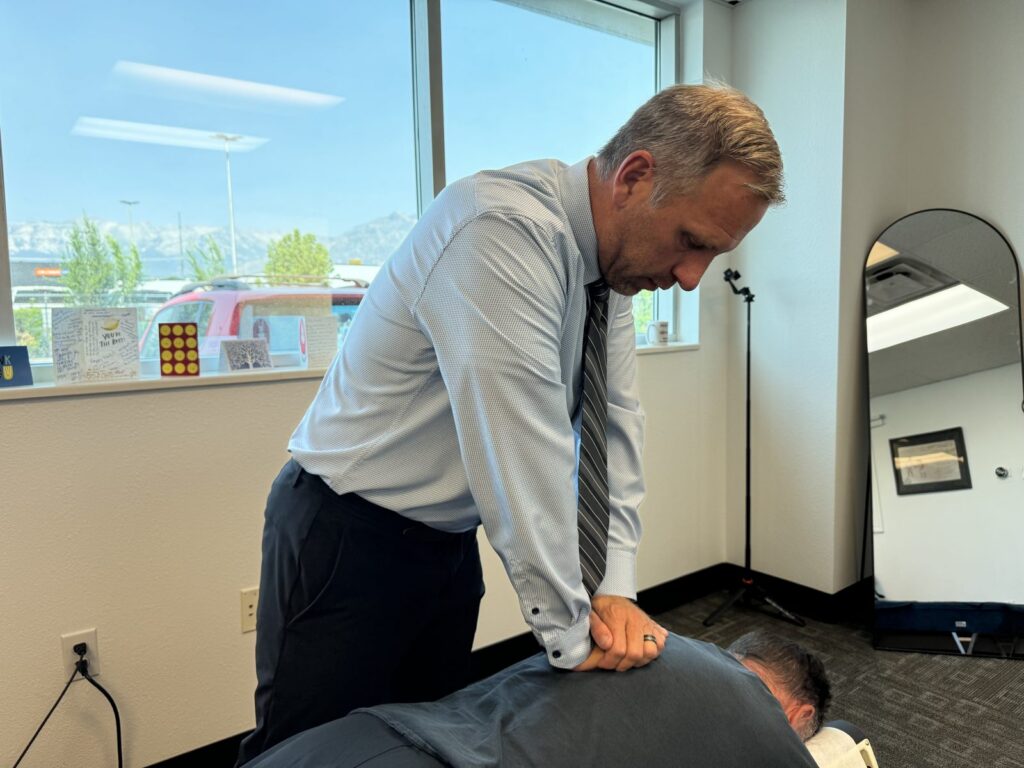
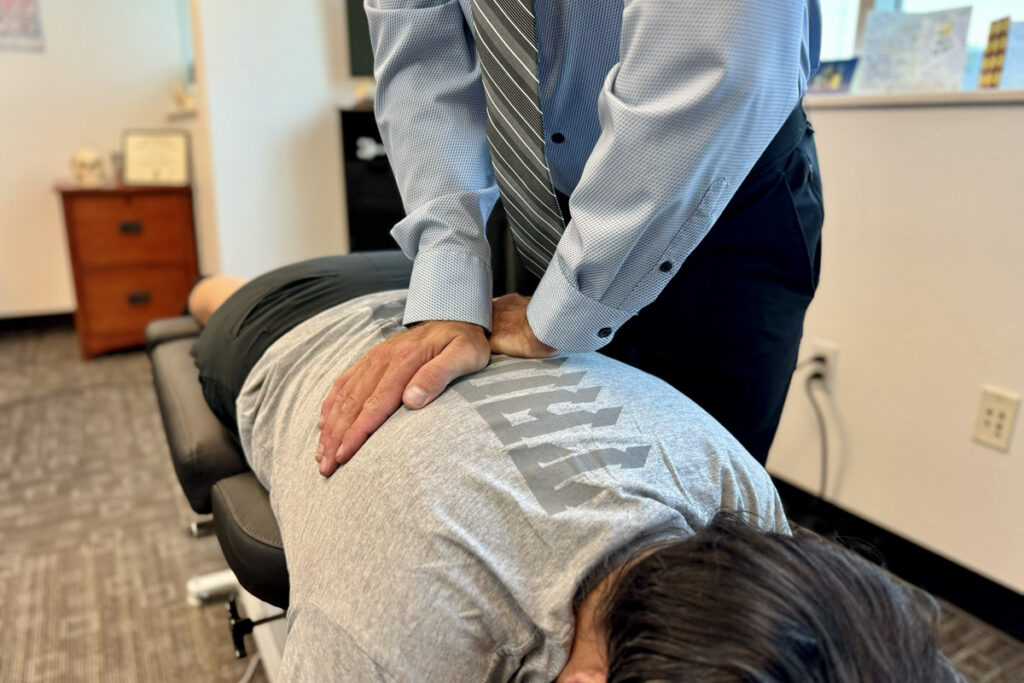
Chiropractic adjustments are designed to realign your spine and improve your overall posture, which can alleviate pain and enhance mobility.
Additionally, physical therapy techniques can help strengthen the muscles that support your back, while massage therapy can relieve tension and promote relaxation.
Each of these approaches offers unique advantages, and together, they can create a comprehensive treatment plan tailored specifically to your needs.
I encourage you to explore these options and consider how they might benefit you on your journey to better health and well-being.
Together, we can work towards restoring your comfort and improving your quality of life.
Chiropractic Adjustments Benefits
As a local chiropractor, I want to help you understand the benefits of chiropractic adjustments, especially if you’re dealing with posture-related back pain.
Many people aren’t aware that chiropractic care focuses on addressing the underlying musculoskeletal issues that contribute to discomfort. Here are some key benefits you can experience through professional chiropractic treatment:
- Improved Alignment: Our adjustments work to realign your spine, which can greatly reduce the strain on your muscles and joints. Proper alignment is essential for maintaining a healthy posture.
- Pain Relief: You may be surprised at how much relief you can find from tension and pain. Many of my patients report enhanced comfort after just a few sessions.
- Enhanced Mobility: Regular chiropractic adjustments can increase your range of motion, allowing you to perform daily activities more easily and with less discomfort.
- Preventive Care: One of the best aspects of chiropractic care is its preventive nature. By addressing postural imbalances early on, we can help prevent chronic issues from developing in the future.
Incorporating chiropractic adjustments into your health routine can be an excellent step toward achieving better posture and overall spinal health.
If you’re curious about how chiropractic care can benefit you, I encourage you to reach out for a consultation. Your journey to natural healing starts here!
Physical Therapy Techniques
As a local chiropractor, I want to share how chiropractic care can be instrumental in managing posture-related back pain. Many people may not realize that the discomfort they experience often stems from misalignments in the spine and surrounding muscles.
Working closely with a chiropractor, we can identify these underlying issues and create a customized treatment plan tailored to your specific needs.
In our practice, we use a variety of techniques that focus on realigning the spine and enhancing overall mobility. This often includes gentle adjustments to correct misalignments, as well as targeted exercises designed to strengthen your core and improve flexibility.
These exercises not only support your spine but also promote better posture.
We also employ natural modalities such as heat therapy and specific stretches to alleviate pain and reduce inflammation. Educating you on proper body mechanics and posture awareness is a key part of our approach, helping you avoid future discomfort.
By actively participating in your treatment plan and consistently following our guidance, you can significantly enhance your recovery journey.
Massage Therapy Effectiveness
As a local chiropractor, I want to share how massage therapy can be an essential component of managing posture-related back pain.
While many may see it as a luxury, it offers significant benefits that can enhance your overall well-being and recovery process.
Here are some of the key advantages of incorporating massage therapy into your health routine:
- Reduces Muscle Tension: Through targeted pressure, massage therapy helps to release tight muscles, alleviating pain and discomfort that may stem from poor posture.
- Improves Circulation: Increased blood flow from massage promotes healing and helps reduce inflammation, which is vital for overall spinal health.
- Enhances Flexibility: Regular massage sessions can improve your range of motion, making everyday activities more manageable and reducing the risk of injury.
- Promotes Relaxation: The stress-relieving effects of massage therapy contribute to better pain management and support proper posture, allowing your body to function more effectively.
By integrating massage therapy into your wellness routine, you can significantly support your recovery and maintain long-term back health.
Incorporating Regular Movement Into Your Day
As a local chiropractor, I want to emphasize the importance of incorporating regular movement into your daily routine to help prevent posture-related back pain. Many people overlook the impact that simple adjustments can have on their overall well-being.
One effective strategy is to set a timer to remind yourself to stand up and stretch or take a short walk for a few minutes every hour. If you work at a desk, consider switching positions frequently. Using a standing desk or an exercise ball can be beneficial, as these options help engage your core and promote better posture.
Additionally, I encourage you to integrate short bursts of activity into your day. For example, opt for the stairs instead of the elevator, or take a brisk walk during your lunch break. Even everyday tasks like vacuuming or gardening count as valuable movement.
It’s essential to include a variety of activities that engage different muscle groups, as this not only strengthens your back but also enhances overall flexibility. By staying active throughout your day, you’ll not only alleviate tension but also support better posture, leading to a healthier spine.
Maintaining a Healthy Weight and Lifestyle
As a local chiropractor, I want to share some insights on how staying active throughout your day can greatly benefit your posture and overall health. Maintaining a healthy weight is crucial, as it helps reduce strain on your back, leading to less pain and discomfort.
Here are some effective strategies I recommend to help you stay on track with your wellness journey:
- Choose Whole Foods: It’s important to nourish your body with whole foods such as fresh fruits, vegetables, whole grains, and lean proteins. These foods provide the essential nutrients your body needs for optimal function and energy.
- Stay Hydrated: Drinking plenty of water throughout the day is vital for your overall health. Proper hydration can help you feel more energized and can also curb unnecessary snacking, which can contribute to weight gain.
- Incorporate Movement: Look for opportunities to integrate movement into your daily routine. Whether it’s taking short walks, stretching, or engaging in physical activities—even during work hours—these small changes can make a significant difference.
- Limit Sedentary Time: Many of us spend extended periods sitting, which can negatively impact our health. I encourage you to set timers to remind yourself to get up and move every hour. This simple habit can help keep your body active and your spine healthy.
By adopting these practices, you can support your body’s natural healing processes and maintain a healthy weight, which ultimately contributes to your overall well-being.
Tips for Sustainable Posture Improvement
As a local chiropractor, I want to share some valuable tips for improving your posture in a sustainable manner. It’s important to develop habits that you can maintain for the long haul. One of the first steps is to cultivate mindfulness about your posture throughout your daily activities. This means regularly checking in on your alignment while sitting, standing, or walking. You might find it helpful to set reminders on your phone or sticky notes around your workspace to prompt these checks.
Integrating regular stretching and strengthening exercises into your daily routine can also be incredibly beneficial. These exercises enhance your core and back muscles, which play a crucial role in providing the support your spine needs for optimal alignment.
Don’t overlook the importance of your workspace. Ensuring your chair and computer screen are at the right heights can help you maintain a neutral spine. I recommend taking breaks every hour to stand, stretch, or take a short walk. This not only aids in improving your posture but also enhances your circulation—a key component of overall health.
If you’re able, consider investing in ergonomic furniture. Properly designed chairs and desks can provide the support necessary for extended periods of sitting, reducing strain on your back and neck.
Conclusion
As a local chiropractor, I want to share some effective solutions for improving your posture and alleviating back pain. By incorporating these practices into your daily routine, you can significantly enhance your spinal health.
First, consider making ergonomic adjustments in your workspace and home environment. This simple change can help support your body’s natural alignment. Additionally, strengthening your core muscles is crucial; a strong core provides stability and support for your spine, which can lead to reduced discomfort.
Don’t underestimate the power of stretching exercises as well. Regular stretching can improve flexibility and relieve tension in your muscles, contributing to better posture. It’s also essential to stay active throughout the day; frequent movement helps keep your spine healthy and can prevent stiffness.
Lastly, I encourage you to explore professional treatments, such as chiropractic care, which focuses on natural healing and can support your journey toward better posture and overall well-being. When you commit to these lifestyle changes, you can create lasting improvements in your posture and experience a significant reduction in back pain. Let’s work together towards a pain-free tomorrow!