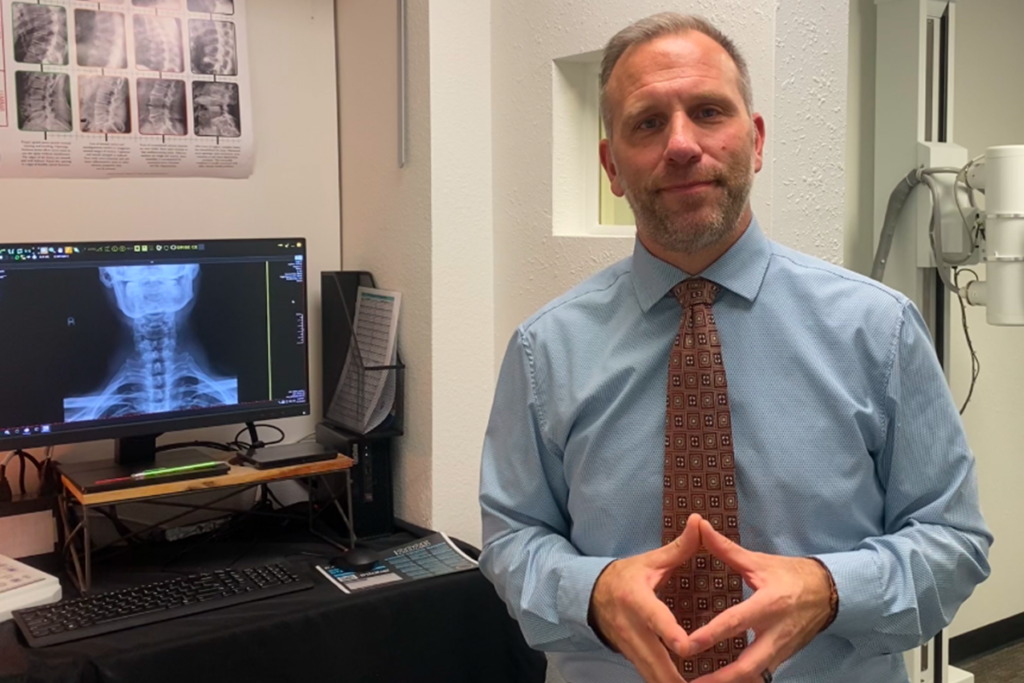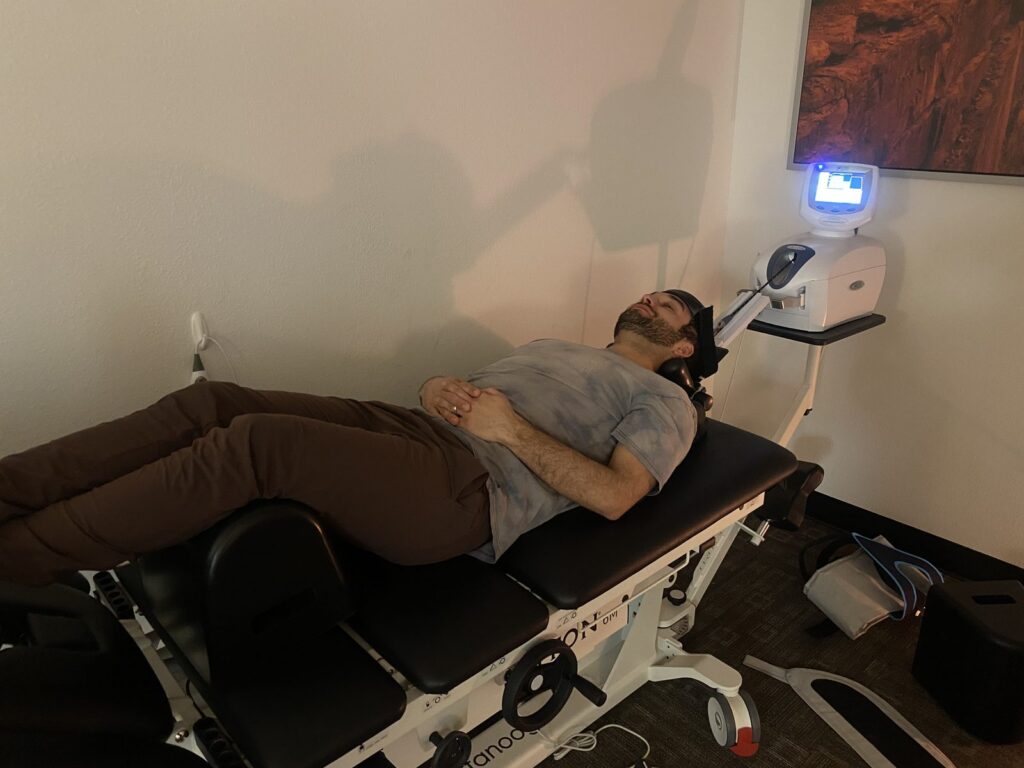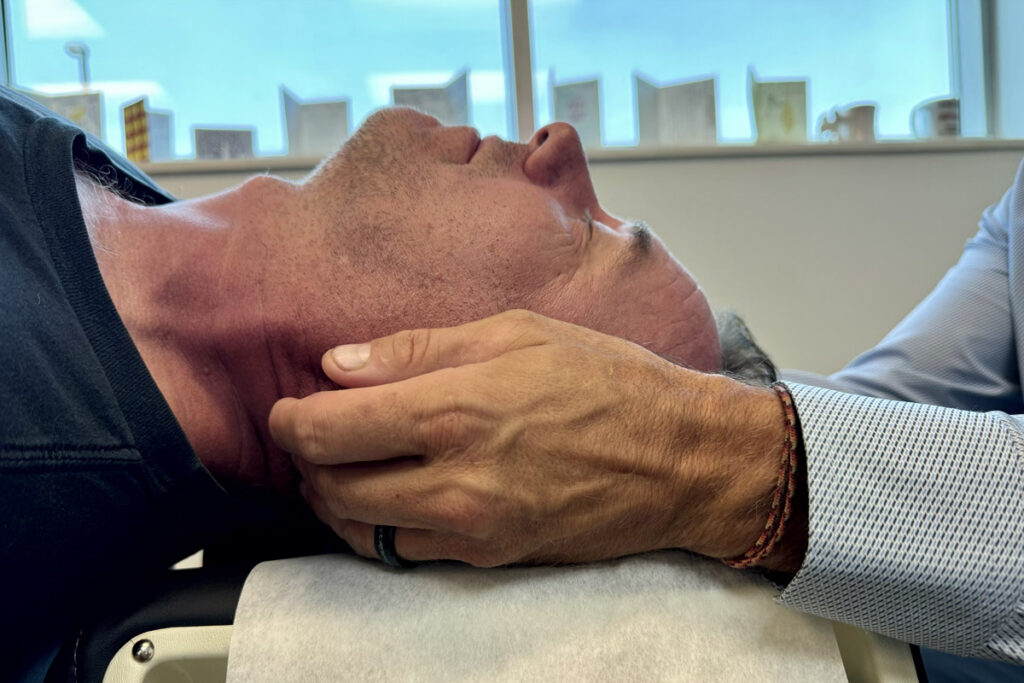
Shoulder pain is one of the most common complaints we hear at Life Aligned Chiropractic, and it’s no surprise why. The shoulder is one of the most complex and mobile joints in the entire body, which means it’s also one of the most vulnerable to injury, strain, and dysfunction. Whether your pain crept up gradually or came on suddenly after a specific movement, understanding what’s behind it is the first step toward feeling better. In this article, Dr. Scott Graziosa walks you through the most common causes of shoulder pain, what your symptoms might mean, and how conservative chiropractic care can help you get back to living your life comfortably.
What is shoulder pain, exactly? Shoulder pain refers to any discomfort, aching, stiffness, or sharp sensation felt in or around the shoulder joint, upper arm, or surrounding muscles. It can stem from the joint itself, the surrounding tendons and muscles, nerves, or even structures in the neck and upper spine. Because so many tissues overlap in this region, identifying the true source of shoulder pain often requires a thorough evaluation.
Understanding Shoulder Anatomy
Before we dive into causes, it helps to understand what makes the shoulder such a uniquely complex joint. The shoulder is actually made up of three bones — the humerus (upper arm bone), the scapula (shoulder blade), and the clavicle (collarbone) — along with a network of muscles, tendons, ligaments, and bursa sacs. Together, these structures allow you to reach, lift, rotate, and carry with an impressive range of motion.
That remarkable mobility comes at a cost. Unlike the hip joint, which has deep bony support, the shoulder relies heavily on soft tissue — particularly the rotator cuff, a group of four muscles and their tendons — to keep everything stable and moving properly. This soft-tissue dependence makes the shoulder susceptible to overuse injuries, alignment problems, and wear-and-tear changes over time.
Here in American Fork, UT, many of the patients Dr. Scott Graziosa sees at Life Aligned Chiropractic are active people — hikers, athletes, parents chasing little ones, and hardworking professionals — all of whom rely on their shoulders every single day. When something goes wrong in this intricate system, it can affect nearly every aspect of daily life.
Common Causes of Shoulder Pain
Shoulder pain is rarely one-size-fits-all. The cause varies widely from person to person, which is why a personalized evaluation is so important. That said, there are several causes that Dr. Scott Graziosa sees time and again at Life Aligned Chiropractic.
Rotator Cuff Injuries
Rotator cuff injuries are among the most frequent sources of shoulder pain, particularly in adults over 40. The rotator cuff can become inflamed, partially torn, or completely torn through repetitive overhead activity, sudden trauma like a fall, or gradual degeneration over time. Pain from a rotator cuff injury is often felt on the outer side of the shoulder and upper arm, and it tends to worsen when lifting the arm or reaching behind the back.
Shoulder Impingement Syndrome
Impingement occurs when the tendons of the rotator cuff become compressed between the bones of the shoulder during arm movement. This pinching creates inflammation and pain, especially when raising the arm above shoulder height. Poor posture — particularly rounded shoulders and a forward head position — is a major contributing factor. This is a condition that responds very well to conservative, non-invasive care.
Frozen Shoulder (Adhesive Capsulitis)
Frozen shoulder is a condition where the capsule surrounding the shoulder joint becomes inflamed and thickened, leading to significant stiffness and a dramatic loss of range of motion. It often develops gradually and can follow an injury or period of immobility. People with frozen shoulder frequently describe feeling like their arm is “locked” in place. It can be a frustrating condition, but with the right care, most people see meaningful improvement over time.
Cervicogenic Shoulder Pain
This is one that many patients don’t expect: shoulder pain that actually originates in the neck. The nerves that supply the shoulder and arm exit from the cervical spine (neck), which means that misalignments, disc issues, or nerve irritation in the neck can produce pain, tingling, or weakness that travels into the shoulder and down the arm. Dr. Scott Graziosa is trained to identify these patterns and address both the neck and shoulder in treatment.
Bursitis
Bursa sacs are small fluid-filled cushions that reduce friction between bones and soft tissues. When a bursa in the shoulder becomes inflamed — usually from repetitive motion or direct pressure — it causes a deep, aching pain that can make it difficult to sleep on that side. Shoulder bursitis is often closely related to impingement and rotator cuff issues.
AC Joint Sprains and Injuries
The acromioclavicular (AC) joint sits at the top of the shoulder where the collarbone meets the shoulder blade. This joint can be sprained or separated through direct trauma, such as a fall on an outstretched hand or a sports collision. AC joint injuries typically cause pain at the very top of the shoulder and may produce a visible bump in more severe cases.
Postural and Muscular Imbalances
Not all shoulder pain comes from a specific injury. Poor posture — especially the forward-hunched position many people develop from long hours at a desk or looking down at a phone — can create chronic muscle tension, imbalances, and joint stress over time. These patterns are increasingly common in American Fork and across Utah as remote work and screen time have become a bigger part of daily life.
Signs, Symptoms, and What They Tell Us
The nature and location of your shoulder pain can offer meaningful clues about its underlying cause. Sharp, stabbing pain with specific movements often points toward an impingement or rotator cuff issue. Dull, aching, widespread pain that’s difficult to pinpoint may suggest bursitis or muscular tension. Pain that radiates down the arm, along with tingling or numbness, suggests nerve involvement — possibly from the cervical spine.
Stiffness that gradually worsens and limits how high or far you can move your arm is a hallmark of frozen shoulder. Pain at the very tip of the shoulder, especially after a fall or contact sport, points toward the AC joint. And if your shoulder pain is accompanied by neck stiffness, headaches, or symptoms in both arms, the cervical spine is very likely involved.
It’s also worth noting that shoulder pain that seems unrelated to movement — or that’s accompanied by chest tightness, shortness of breath, or sweating — should be evaluated by a medical professional promptly, as these can be signs of a cardiac issue rather than a musculoskeletal one.
How Chiropractic Care Fits Into Shoulder Pain Relief
Chiropractic care takes a whole-body, non-invasive approach to shoulder pain. Rather than simply masking symptoms, Dr. Scott Graziosa works to identify the root cause of your discomfort and create an individualized care plan to address it. At Life Aligned Chiropractic in American Fork, UT, that process begins with a thorough evaluation of your posture, spine, shoulder mechanics, and neurological function.
Chiropractic adjustments to the cervical and thoracic spine can help restore proper alignment and reduce nerve irritation that may be contributing to shoulder symptoms. Soft tissue techniques can address muscle tension and fascial restrictions around the shoulder. And functional assessments can identify postural or movement patterns that are placing excess stress on shoulder structures.
Evidence from organizations like the National Center for Complementary and Integrative Health (NCCIH) and the American Chiropractic Association suggests that chiropractic care can be a beneficial part of conservative shoulder pain management. It’s a drug-free, non-surgical option that focuses on restoring function rather than relying on temporary symptom relief.
Practical Tips to Protect Your Shoulders
There are several things you can do at home to support shoulder health and reduce your risk of pain and injury. These aren’t replacements for professional care, but they can make a meaningful difference as part of a broader approach.
First, pay attention to your posture throughout the day. When sitting at a desk, keep your shoulders relaxed and back, your screen at eye level, and your elbows at roughly a 90-degree angle. Avoid the habit of shrugging your shoulders up toward your ears, which many people do unconsciously when stressed or focused.
Second, take regular movement breaks. If you work at a computer, try to step away and move your arms and neck every 45 to 60 minutes. Gentle shoulder rolls, chin tucks, and chest-opening stretches can help counteract the effects of prolonged static posture.
Third, be mindful of how you sleep. Sleeping on your stomach with your arm stretched overhead places significant stress on the rotator cuff. If you’re a side sleeper, using a supportive pillow that keeps your neck in a neutral position can reduce strain on both the neck and shoulder.
When to See a Chiropractor
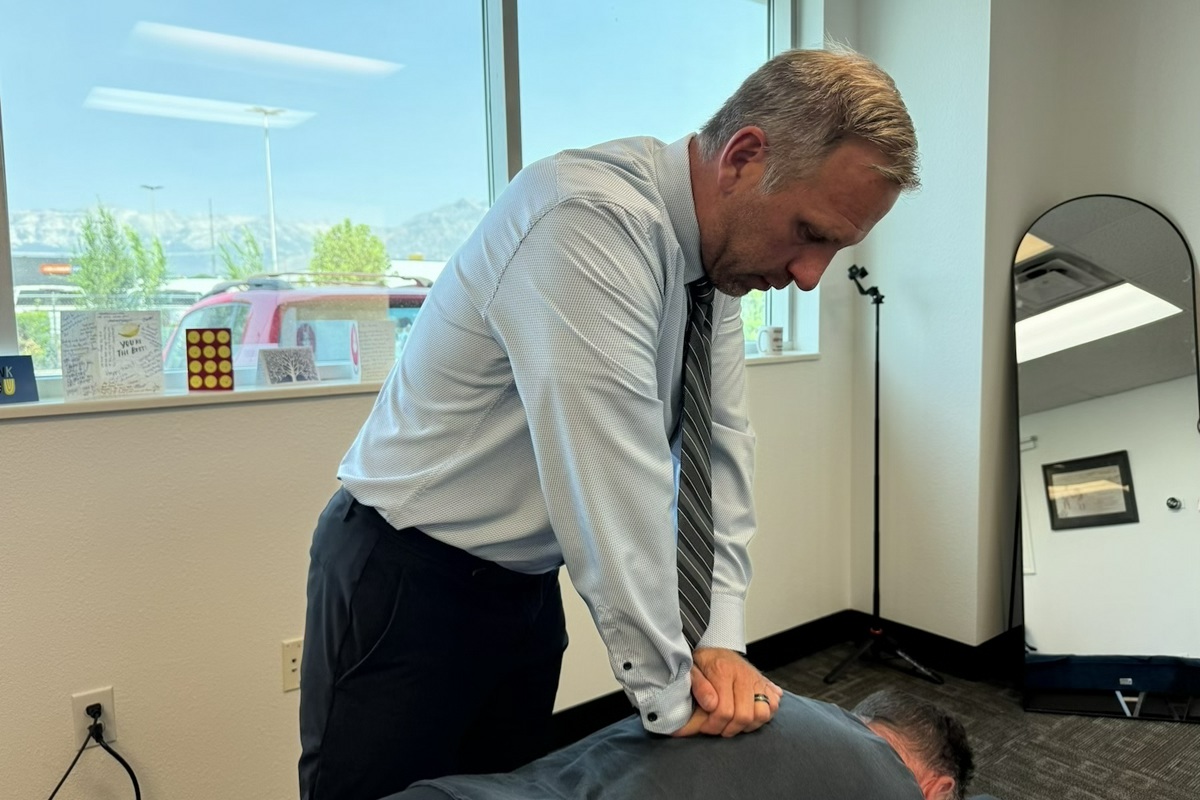
You don’t have to be in severe pain to benefit from a chiropractic evaluation. Many people in American Fork come to see Dr. Scott Graziosa at Life Aligned Chiropractic after weeks or months of nagging shoulder discomfort that they’ve been hoping would resolve on its own. If your shoulder pain has persisted for more than a week or two, is affecting your sleep, limiting your daily activities, or gradually worsening, it’s a good time to seek a professional assessment.
There are also certain red flags that warrant more urgent medical attention. These include sudden, severe shoulder pain following trauma, significant swelling or deformity, complete inability to raise the arm, fever alongside joint pain, or any symptoms that suggest nerve damage such as significant arm weakness or numbness. In these cases, a referral to the appropriate provider is the right course of action, and our team at Life Aligned Chiropractic will always prioritize getting you the right care, even if that means coordinating with other providers.
Shoulder Pain Causes at a Glance
|
Condition |
Common Triggers |
Key Symptoms |
Chiropractic Relevance |
|---|---|---|---|
|
Rotator Cuff Injury |
Repetitive overhead motion, trauma, aging |
Outer shoulder pain, weakness with lifting |
High — soft tissue care, posture correction |
|
Shoulder Impingement |
Poor posture, repetitive arm elevation |
Pain when raising arm, aching at rest |
High — alignment and posture addressed |
|
Frozen Shoulder |
Immobility, post-injury, unknown causes |
Progressive stiffness, severely limited range |
Moderate — gentle mobilization may help |
|
Cervicogenic Shoulder Pain |
Neck misalignment, disc issues |
Arm tingling, radiating pain from neck |
High — cervical spine evaluation essential |
|
Bursitis |
Repetitive use, direct pressure |
Deep ache, pain sleeping on shoulder |
Moderate — related to impingement patterns |
|
AC Joint Sprain |
Falls, contact sports |
Top-of-shoulder pain, possible bump |
Moderate — depends on severity |
|
Postural Imbalance |
Prolonged desk work, phone use |
Chronic tension, widespread aching |
High — core focus of chiropractic care |
Myths vs. Facts About Shoulder Pain
Myth: Shoulder pain always means you need surgery.
Fact: The vast majority of shoulder pain cases are successfully managed with conservative, non-surgical approaches. Evidence consistently supports chiropractic care, physical therapy, and lifestyle modifications as effective first-line options for many shoulder conditions before considering surgical intervention.
Myth: If you can still move your arm, your shoulder injury isn’t serious.
Fact: Partial rotator cuff tears, bursitis, and impingement can all cause significant pain while still allowing some range of motion. Conversely, a frozen shoulder may severely limit movement even without dramatic structural damage. Range of motion alone doesn’t tell the whole story — a proper evaluation is essential.
Myth: Shoulder pain is just a normal part of getting older.
Fact: While some degenerative changes do occur with age, shoulder pain is not something you simply have to accept. Many older adults find meaningful relief through conservative care, movement, and postural correction. Age is not a barrier to improvement.
Myth: Rest is always the best treatment for shoulder pain.
Fact: While rest can be helpful initially following acute injury, prolonged inactivity can actually worsen certain shoulder conditions — particularly frozen shoulder. Guided, appropriate movement is often a critical part of recovery. This is why working with a knowledgeable professional matters so much.
Myth: Shoulder pain only affects athletes or manual laborers.
Fact: Shoulder pain is extremely common in desk workers, parents, older adults, and people of all activity levels. Poor posture, repetitive low-level strain, and prolonged static positions are just as capable of producing shoulder problems as heavy lifting or sport.
Final Thoughts
Shoulder pain can be deeply frustrating, especially when it gets in the way of work, sleep, and the activities you love. But here’s the reassuring truth: most shoulder pain responds well to conservative, thoughtful care — and you don’t have to figure it out alone. At Life Aligned Chiropractic in American Fork, UT, Dr. Scott Graziosa takes the time to genuinely understand what’s happening in your body and build a care approach around your unique situation.
Whether your pain started after a specific incident or has been quietly building for months, you deserve a clear explanation, an honest assessment, and a path forward that makes sense for your life. The team at Life Aligned Chiropractic is here for exactly that — serving the American Fork community with the kind of attentive, individualized care that helps real people feel real results.
If shoulder pain has been on your mind, don’t keep waiting for it to go away on its own. Reach out to Life Aligned Chiropractic and take that first step toward understanding and addressing what’s really going on.
Frequently Asked Questions
Can a chiropractor help with shoulder pain?
Yes, chiropractic care can be a beneficial part of managing many types of shoulder pain, particularly when the pain involves posture, spinal alignment, muscle tension, or nerve irritation from the cervical spine. Dr. Scott Graziosa at Life Aligned Chiropractic evaluates the full picture — including the neck, upper back, and shoulder mechanics — to determine whether and how chiropractic care can help your specific situation.
How do I know if my shoulder pain is coming from my neck?
Neck-related shoulder pain often involves radiating discomfort, tingling, or numbness that travels down the arm. It may also be accompanied by neck stiffness or headaches. A chiropractic evaluation can help identify whether the cervical spine is contributing to your symptoms through a physical assessment and range-of-motion testing.
How long does shoulder pain typically last?
The duration depends entirely on the cause and severity of the condition. Mild strains or postural-related pain may resolve within a few weeks with appropriate care. Conditions like frozen shoulder can take months to fully resolve. Early evaluation and treatment generally lead to better outcomes than waiting.
Is it okay to exercise with shoulder pain?
It depends on the type and severity of your pain. Light, pain-free movement is often beneficial and may speed recovery. High-intensity or overhead exercise that aggravates your symptoms should typically be avoided until you’ve had a proper evaluation. Always consult with a qualified provider before continuing or starting an exercise program if you’re in pain.
What should I expect at my first chiropractic visit for shoulder pain?
At Life Aligned Chiropractic, your first visit with Dr. Scott Graziosa will typically include a thorough health history, a postural and physical assessment, and a discussion of your symptoms and goals. Based on that evaluation, a personalized care plan will be recommended — no one-size-fits-all approaches here.
Can shoulder pain come back after chiropractic treatment?
Like any musculoskeletal condition, shoulder pain can recur if the underlying contributing factors — such as posture habits, work ergonomics, or movement patterns — aren’t addressed. That’s why chiropractic care often includes patient education and home care strategies alongside in-office treatment, to help you maintain the gains you make.
TL;DR
-
Shoulder pain has many possible causes, including rotator cuff injuries, impingement, frozen shoulder, bursitis, AC joint sprains, and nerve-related pain originating in the neck.
-
Your specific symptoms — where the pain is, when it occurs, and what makes it worse — offer important clues about the underlying cause.
-
Chiropractic care offers a non-invasive, drug-free approach that addresses posture, spinal alignment, and shoulder mechanics to support recovery.
-
Practical habits like posture awareness, movement breaks, and sleep position adjustments can support shoulder health alongside professional care.
-
If shoulder pain has persisted for more than a week or two, or is affecting your daily life, it’s worth scheduling an evaluation at Life Aligned Chiropractic in American Fork, UT.