
Hip pain can be frustrating, limiting, and disruptive to your daily life. Whether you’re an active athlete, a busy parent, or someone who simply wants to move through your day without discomfort, maintaining healthy hip function is essential. While many people seek care only after pain strikes, a growing number of individuals in American Fork and across Utah County are asking an important question: Can chiropractic care actually help prevent hip problems before they start?
The short answer is yes—but prevention requires understanding how your body works, what puts your hips at risk, and how targeted chiropractic care can support long-term joint health and injury prevention. In this article, we’ll explore the connection between spinal alignment, biomechanics, and hip health, and how the team at Life Aligned Chiropractic approaches preventive care for one of your body’s hardest-working joints.
Can chiropractic care help prevent hip pain and injuries?
Yes, chiropractic care can play a valuable role in hip injury prevention by addressing underlying biomechanical imbalances, improving joint mobility, restoring proper alignment, and supporting the body’s natural movement patterns. By optimizing spinal and pelvic function, chiropractors help reduce abnormal stress on the hip joint and surrounding soft tissues, which may lower the risk of future pain and injury.
Table of Contents
- Understanding Hip Anatomy and Function
- Common Causes of Hip Pain and Injury Risk
- The Biomechanical Connection: Spine, Pelvis, and Hips
- How Chiropractic Care Supports Hip Health and Injury Prevention
- Preventive Strategies You Can Implement Today
- When to Seek Chiropractic Care for Hip Concerns
- Prevention Approaches Comparison
- Myths vs. Facts About Chiropractic and Hip Health
- Final Thoughts
- Frequently Asked Questions
- TL;DR
Understanding Hip Anatomy and Function
Your hip is a remarkably complex ball-and-socket joint where the head of your femur (thighbone) fits into a cup-shaped socket in your pelvis called the acetabulum. This design allows for an impressive range of motion—you can walk, run, squat, climb stairs, and perform countless daily activities thanks to your hips.
The hip joint is surrounded by thick cartilage, a joint capsule, and multiple layers of muscles, tendons, and ligaments. Key muscle groups include the glutes, hip flexors, adductors, and external rotators. These structures work together to stabilize the joint, absorb shock, and generate power during movement.
Because the hips bear significant weight and facilitate so much movement, they’re vulnerable to wear and tear over time. Any dysfunction in the surrounding structures—your lower back, pelvis, knees, or even feet—can alter hip mechanics and increase injury risk. Understanding this interconnected system is essential to prevention.
Common Causes of Hip Pain and Injury Risk
Hip pain doesn’t always develop from a single dramatic injury. Often, it builds gradually due to repetitive stress, imbalanced movement patterns, or compensations from other areas of the body. Here in American Fork, Dr. Scott Graziosa sees patients from all walks of life dealing with hip discomfort, and the underlying causes are often multifactorial.
One of the most common contributors is poor posture and prolonged sitting. When you sit for hours each day—whether at a desk, in a car, or on the couch—your hip flexors shorten and tighten, your glutes weaken, and your pelvis can shift out of its ideal position. Over time, this creates muscle imbalances that alter how your hips move and bear weight.
Muscle imbalances and weakness also play a major role. Weak glutes, tight hip flexors, and underactive core muscles force the hip joint to compensate during movement. This compensation places abnormal stress on cartilage, tendons, and the labrum (the ring of cartilage around the socket), increasing the risk of conditions like hip impingement, bursitis, and labral tears.
Previous injuries or trauma, even if they seemed minor at the time, can lead to long-term changes in how you walk, stand, and move. An old ankle sprain, knee injury, or lower back problem can create subtle shifts in gait and posture that eventually stress the hips.
Overuse and repetitive motion are particularly common among runners, cyclists, and athletes who perform the same movements repeatedly without adequate recovery or cross-training. Repetitive stress without proper biomechanics can lead to conditions like iliotibial band syndrome, trochanteric bursitis, and hip flexor strains.
Finally, spinal and pelvic misalignment can directly affect hip function. When your pelvis is tilted or rotated, or when vertebrae in your lower back lose proper motion, the biomechanics of your entire lower body shift. This is where chiropractic care becomes especially relevant.
The Biomechanical Connection: Spine, Pelvis, and Hips
Your body functions as an integrated kinetic chain. What happens at one joint influences the joints above and below it. The relationship between your spine, pelvis, and hips is particularly intimate and critical for healthy movement.
The lumbar spine (lower back) and pelvis form the foundation for hip movement. When spinal joints become restricted or misaligned—a condition chiropractors refer to as vertebral subluxation—it can alter the position and movement of the pelvis. A tilted or rotated pelvis, in turn, changes the angle at which the femur sits in the hip socket.
This altered joint alignment can lead to uneven weight distribution, abnormal wear on cartilage, and increased tension in muscles and connective tissues. Over time, these biomechanical inefficiencies contribute to pain, reduced mobility, and a higher likelihood of injury.
Research suggests that restoring proper spinal and pelvic alignment can improve lower extremity biomechanics and reduce stress on the hips. By addressing these foundational issues, chiropractic care aims to optimize the mechanical environment in which your hips function, supporting long-term joint health.
How Chiropractic Care Supports Hip Health and Injury Prevention
At Life Aligned Chiropractic in American Fork, Dr. Scott Graziosa takes a comprehensive approach to hip health that goes beyond symptom relief. Preventive chiropractic care focuses on identifying and correcting underlying biomechanical dysfunction before it leads to pain or injury.
During an initial evaluation, Dr. Graziosa assesses your posture, spinal alignment, pelvic position, gait, and hip range of motion. He looks for patterns of dysfunction—such as muscle imbalances, joint restrictions, or compensatory movement strategies—that may be placing your hips at risk.
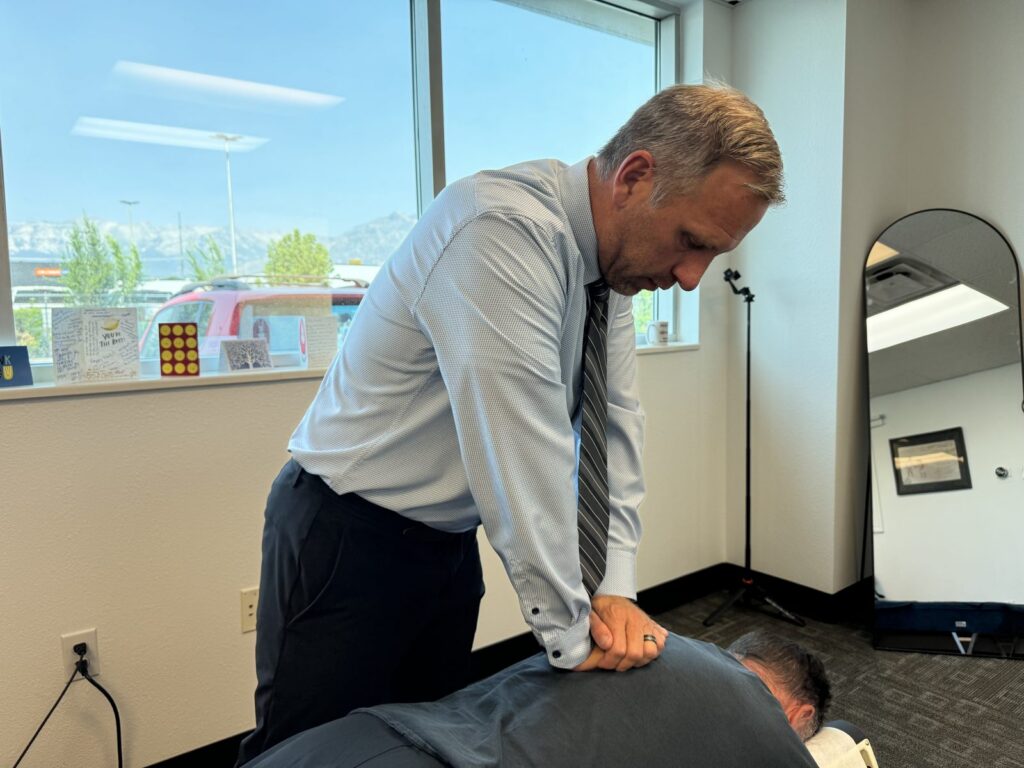
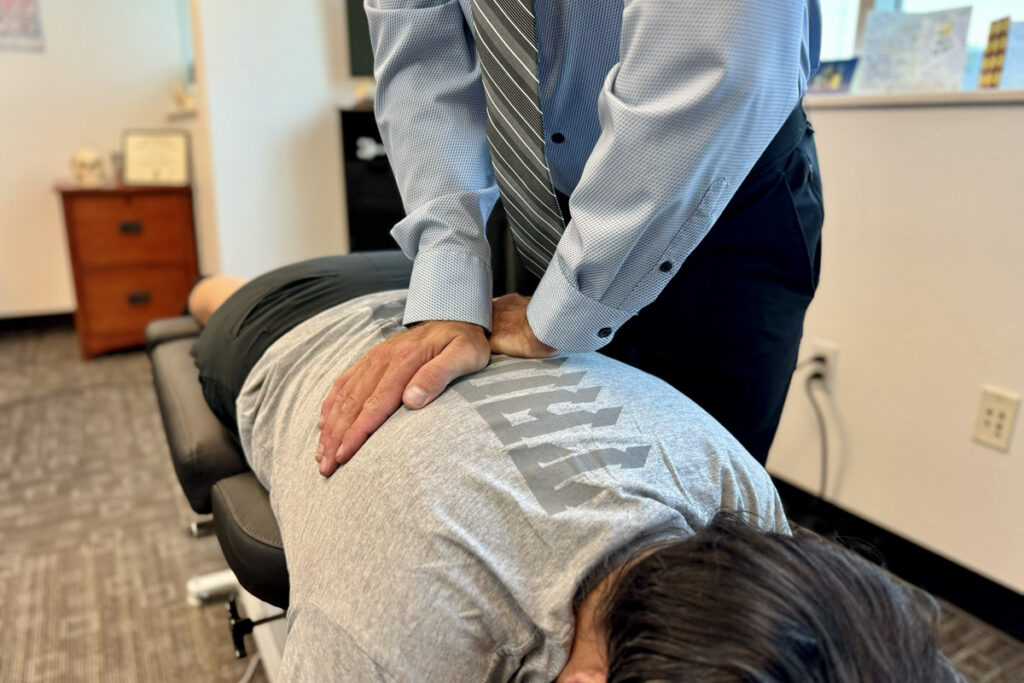
Chiropractic adjustments are used to restore proper motion and alignment to the spine and pelvis. When vertebrae and pelvic joints move freely and sit in their optimal positions, the hips can function more efficiently. This reduces abnormal stress on the joint and surrounding soft tissues.
In addition to adjustments, soft tissue therapies such as myofascial release, trigger point therapy, and instrument-assisted techniques may be used to address tight or overactive muscles. Releasing tension in the hip flexors, IT band, glutes, and other key muscle groups helps restore balanced movement patterns.
Corrective exercises and rehabilitation are also a cornerstone of preventive care. Strengthening weak muscles—especially the glutes and core—and improving flexibility in tight areas can significantly reduce injury risk. Your chiropractor can provide personalized exercises tailored to your specific needs and activity level.
Chiropractic care also emphasizes patient education. Understanding how your daily habits, posture, footwear, and movement patterns affect your hips empowers you to make informed choices that support long-term joint health.
Evidence indicates that addressing biomechanical dysfunction through conservative care may help reduce the incidence of hip-related musculoskeletal complaints. While chiropractic care is not a guarantee against all future injuries, it offers a proactive, non-invasive approach to optimizing hip function and reducing modifiable risk factors.
Preventive Strategies You Can Implement Today
While chiropractic care provides valuable support, there are also steps you can take on your own to protect your hips and reduce injury risk. These strategies complement professional care and promote long-term musculoskeletal health.
First, prioritize movement throughout your day. Prolonged sitting is one of the biggest threats to hip health. Set a timer to stand, stretch, and walk every 30 to 60 minutes. Simple hip circles, leg swings, and standing hip flexor stretches can counteract the effects of sitting.
Focus on strengthening your glutes and core. Strong glutes stabilize the pelvis and support proper hip mechanics during walking, running, and other activities. Exercises like bridges, clamshells, squats, and planks are excellent choices. Consistency is more important than intensity—aim for a few minutes of targeted strengthening several times per week.
Pay attention to your footwear. Shoes with worn-out soles, inadequate arch support, or improper fit can alter your gait and place extra stress on your hips. If you’re active, replace athletic shoes regularly and consider a professional gait analysis if you have ongoing concerns.
Practice good ergonomics at work and home. Ensure your chair supports your lower back, your feet rest flat on the floor, and your hips are level with or slightly higher than your knees. Avoid crossing your legs for extended periods, as this can create pelvic imbalances.
Incorporate variety into your exercise routine. Cross-training helps prevent overuse injuries by distributing stress across different muscle groups and movement patterns. If you’re a runner, add cycling or swimming. If you lift weights, include mobility and flexibility work.
Listen to your body. Mild discomfort after activity is normal, but sharp pain, persistent aching, or changes in how you walk should not be ignored. Early intervention is always easier and more effective than waiting until a minor issue becomes a major problem.

When to Seek Chiropractic Care for Hip Concerns
Preventive chiropractic care is valuable even if you’re not currently experiencing pain. Regular check-ups can help identify and address biomechanical issues before they lead to symptoms. However, certain signs and situations warrant prompt evaluation.
Consider scheduling an appointment at Life Aligned Chiropractic if you notice any of the following: hip stiffness or reduced range of motion, especially in the morning or after sitting; clicking, popping, or catching sensations in the hip joint; mild discomfort during or after specific activities like running, climbing stairs, or squatting; noticeable changes in your gait or the way you walk; or a history of lower back pain, pelvic dysfunction, or previous hip injuries.
These early warning signs often respond well to conservative care and can be addressed before they progress to more significant problems. Dr. Scott Graziosa and the team at Life Aligned Chiropractic work with patients throughout American Fork and Utah County to develop individualized prevention and wellness plans.
However, certain symptoms require immediate medical attention. If you experience sudden, severe hip pain following a fall or injury; inability to bear weight on the affected leg; visible deformity or swelling; signs of infection such as fever, redness, or warmth around the joint; or pain accompanied by numbness, tingling, or weakness in the leg, you should seek emergency medical evaluation. Chiropractors are trained to recognize these red flags and will refer appropriately when necessary.
Prevention Approaches Comparison
| Approach | Primary Focus | Best For | Considerations |
|---|---|---|---|
| Chiropractic Care | Spinal/pelvic alignment, biomechanics, joint function | Addressing underlying mechanical dysfunction, optimizing movement patterns | Non-invasive, individualized, addresses root causes |
| Physical Therapy | Rehabilitation, strengthening, post-injury recovery | Recovering from acute injuries, post-surgical care, targeted strengthening | Often injury-focused, may require referral |
| Exercise/Fitness Training | General strength, flexibility, cardiovascular health | Building overall fitness, maintaining mobility and strength | Self-directed, requires consistency and proper form |
| Massage Therapy | Soft tissue tension, relaxation, circulation | Reducing muscle tightness, promoting relaxation | Passive care, best combined with active approaches |
| Lifestyle Modification | Ergonomics, posture, daily habits | Long-term prevention, reducing daily stress on joints | Requires awareness and consistent implementation |
Myths vs. Facts About Chiropractic and Hip Health
Myth: Chiropractic care is only for back pain.
Fact: While chiropractors are well-known for treating back pain, chiropractic care addresses the entire musculoskeletal system, including the hips, pelvis, knees, shoulders, and extremities. The focus is on optimizing biomechanics and joint function throughout the body, not just the spine.
Myth: You have to wait until you’re in pain to see a chiropractor.
Fact: Preventive chiropractic care is one of the most valuable aspects of the profession. Regular evaluations and adjustments can help identify and correct dysfunction before it leads to pain or injury, much like regular dental cleanings help prevent cavities.
Myth: Chiropractors only do adjustments and nothing else.
Fact: Modern chiropractic care includes a wide range of techniques and therapies, including soft tissue work, corrective exercises, rehabilitation, ergonomic counseling, and lifestyle coaching. Treatment plans are individualized and may involve multiple therapeutic approaches.
Myth: If your hips hurt, the problem is only in your hips.
Fact: Hip pain is often the result of dysfunction elsewhere in the kinetic chain, such as the lower back, pelvis, or feet. Effective treatment requires assessing and addressing the entire system, not just the site of pain.
Myth: Chiropractic care can cure arthritis or reverse joint damage.
Fact: Chiropractic care cannot reverse structural joint damage or cure degenerative conditions like osteoarthritis. However, it can help improve joint mobility, reduce mechanical stress, manage discomfort, and support better function, which may slow progression and improve quality of life.
Final Thoughts
Your hips are essential to nearly every movement you make, from walking and climbing stairs to playing with your kids and staying active in the Utah outdoors. Protecting them requires more than just reacting to pain—it means taking a proactive approach to biomechanics, alignment, and overall musculoskeletal health.
Chiropractic care offers a safe, non-invasive, and evidence-informed approach to hip injury prevention. By addressing spinal and pelvic alignment, improving joint mobility, and supporting balanced movement patterns, chiropractors help create the conditions for long-term hip health.
Here in American Fork, Dr. Scott Graziosa and the team at Life Aligned Chiropractic are committed to helping patients move better, feel better, and live healthier lives. Whether you’re dealing with early signs of hip discomfort or simply want to stay ahead of potential problems, preventive chiropractic care can be a valuable part of your wellness strategy.
If you’re ready to take a proactive approach to your hip health, consider scheduling an evaluation at Life Aligned Chiropractic. Your future self will thank you for the investment you make today.
Frequently Asked Questions
Can chiropractic adjustments directly treat hip pain?
Yes, chiropractors can perform adjustments to the hip joint itself, as well as to the spine and pelvis, to improve mobility, reduce muscle tension, and restore proper biomechanics. Treatment is tailored to each individual’s specific needs and presentation.
How often should I see a chiropractor for hip injury prevention?
The frequency of preventive visits varies based on your activity level, health history, and individual risk factors. Some patients benefit from monthly or quarterly check-ups, while others may need more frequent care initially and then transition to periodic maintenance visits.
Is chiropractic care safe for people with hip arthritis?
Chiropractic care is generally safe for individuals with hip arthritis when performed by a trained professional. Your chiropractor will modify techniques as needed and focus on gentle, controlled movements that support joint function without causing harm.
Can chiropractic care help with hip pain during pregnancy?
Yes, chiropractic care is commonly used during pregnancy to address pelvic and hip discomfort caused by postural changes, ligament laxity, and weight distribution shifts. Gentle adjustments and supportive exercises can provide significant relief and improve comfort.
Will I need X-rays or imaging before treatment?
Not always. Many patients do not require imaging for preventive care or mild functional issues. However, if your chiropractor suspects structural problems, significant joint damage, or other concerns, they may recommend imaging or refer you for further evaluation.
Can lifestyle changes alone prevent hip injuries, or do I need chiropractic care?
Lifestyle changes like strengthening exercises, proper ergonomics, and activity modification are powerful tools for prevention. However, if underlying biomechanical dysfunction exists—such as spinal or pelvic misalignment—professional care may be necessary to fully address the issue and optimize long-term outcomes.
TL;DR
- Chiropractic care can help prevent hip pain and injuries by addressing spinal and pelvic alignment, improving joint mobility, and correcting biomechanical imbalances.
- Hip health is closely connected to the function of the lower back, pelvis, and surrounding muscles—dysfunction in these areas increases injury risk.
- Preventive strategies include regular movement, strengthening exercises, proper ergonomics, appropriate footwear, and chiropractic evaluations.
- Early intervention is key—addressing minor dysfunction before it leads to pain is more effective than waiting for symptoms to develop.
- Life Aligned Chiropractic in American Fork, led by Dr. Scott Graziosa, offers individualized preventive care to support long-term hip health and overall musculoskeletal wellness.