
If you’ve ever woken up and felt like your shoulder simply refused to move the way it should, you may have experienced the early warning signs of a frustrating condition known as frozen shoulder. It can creep up slowly, and many people initially brush it off as a minor muscle ache or sleeping-related stiffness. But over time, frozen shoulder can seriously limit your daily activities — from reaching into a high cabinet to getting dressed in the morning. Here at Life Aligned Chiropractic in American Fork, UT, we see patients dealing with this condition regularly, and the good news is that with the right care and understanding, there is a clear path toward relief.
What Is Frozen Shoulder?
Frozen shoulder, also known medically as adhesive capsulitis, is a condition in which the connective tissue surrounding the shoulder joint becomes inflamed, thickened, and tight. This causes significant pain and a progressive loss of motion in the shoulder. It typically develops gradually over months and can take a year or longer to fully resolve without proper management.
- Understanding Frozen Shoulder
- Common Causes and Risk Factors
- Signs and Symptoms to Watch For
- How Chiropractic Care Fits In
- Practical Tips for Managing Frozen Shoulder
- When to See a Chiropractor
- Frozen Shoulder: Stages at a Glance
- Myths vs. Facts About Frozen Shoulder
- Final Thoughts from Life Aligned Chiropractic
Understanding Frozen Shoulder
The shoulder is one of the most mobile joints in the entire body. It relies on a flexible capsule of connective tissue to allow you to reach, rotate, lift, and swing your arm through a full range of motion. When that capsule becomes inflamed and stiff — as happens with adhesive capsulitis — scar-like tissue begins to form, and the capsule essentially tightens around the joint.
The result is a shoulder that feels “frozen” in place. Movement becomes painful, and over time, even gentle attempts to raise your arm can feel impossible. The condition tends to move through three broad stages: a “freezing” stage where pain intensifies and motion decreases, a “frozen” stage where motion remains limited but pain may slightly ease, and a “thawing” stage where movement gradually begins to return.
Understanding these stages is important because it tells us what kind of support your body needs at each point in the process. Dr. Scott Graziosa and the team at Life Aligned Chiropractic in American Fork, UT take the time to evaluate exactly where a patient is in this process before recommending any course of care.
Common Causes and Risk Factors
Frozen shoulder doesn’t always have an obvious cause, and that’s part of what makes it so confusing for patients. In many cases, it develops after a period of shoulder immobility — for example, following surgery, an arm injury, or even a sling worn for an extended time. When the shoulder isn’t moving freely, the joint capsule can begin to tighten.
There are also several well-recognized risk factors associated with frozen shoulder. People between the ages of 40 and 60 tend to be most commonly affected. Women are diagnosed with the condition more frequently than men, though it certainly affects people of all backgrounds. Individuals with diabetes have a notably higher risk of developing adhesive capsulitis, which is thought to be connected to how elevated blood sugar can affect connective tissue over time.
Other health conditions that have been linked to frozen shoulder include thyroid disorders, cardiovascular disease, and Parkinson’s disease. A history of shoulder trauma — even a relatively mild injury — can also increase the likelihood of developing this condition if the shoulder isn’t properly rehabilitated and kept mobile during recovery. Here in American Fork and the surrounding Utah Valley area, many of the patients we see at Life Aligned Chiropractic have gone weeks or months trying to push through the discomfort before seeking an evaluation.
Signs and Symptoms to Watch For
The primary symptoms of frozen shoulder are pain and restricted movement — but the way they show up can vary depending on which stage of the condition you’re in. In the early freezing stage, patients often describe a deep, aching pain in the shoulder that tends to worsen at night. This nighttime pain is one of the hallmark features that distinguishes frozen shoulder from other shoulder conditions.
As the condition progresses into the frozen stage, the intense pain may begin to settle, but the stiffness becomes the dominant problem. Many patients find it difficult or impossible to lift their arm above shoulder height, reach behind their back, or rotate their arm outward. Simple tasks like fastening a seatbelt, reaching for a wallet, or combing hair become genuinely challenging.
In the thawing stage, mobility gradually begins to return, though this process can be slow and uneven. Some patients experience occasional flare-ups of discomfort even as they begin to improve. If you’re noticing any of these patterns — especially progressive stiffness following a period of pain — it’s worth getting evaluated sooner rather than later. Catching frozen shoulder early gives conservative care the best possible opportunity to support your recovery.

How Chiropractic Care Fits In
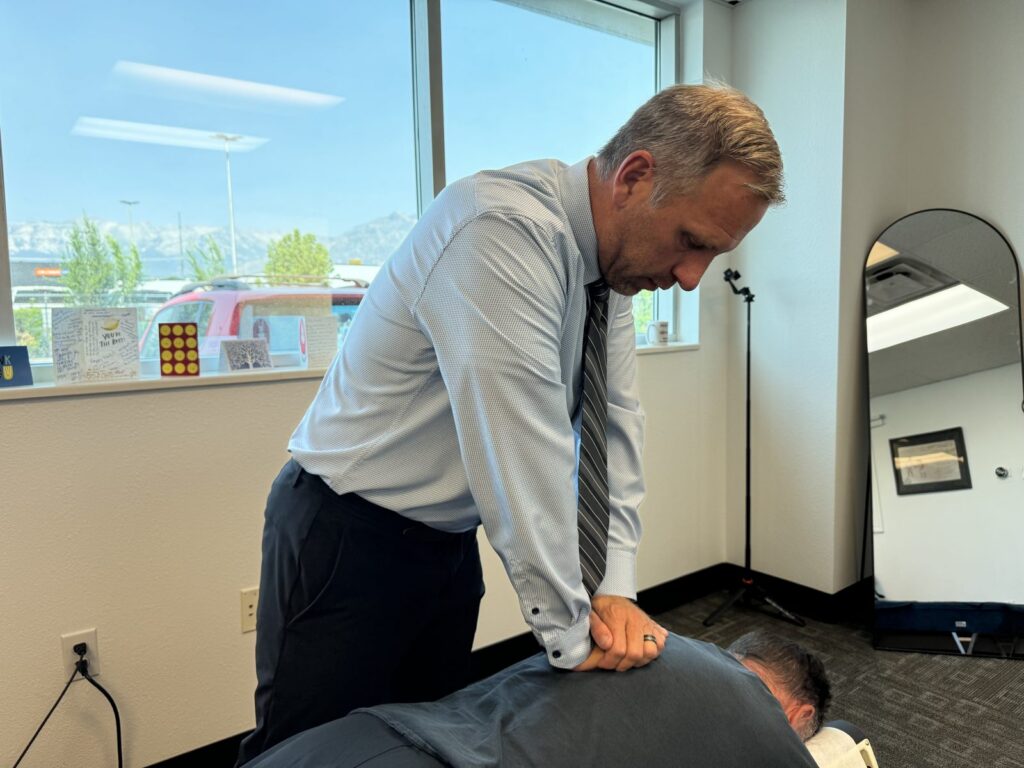
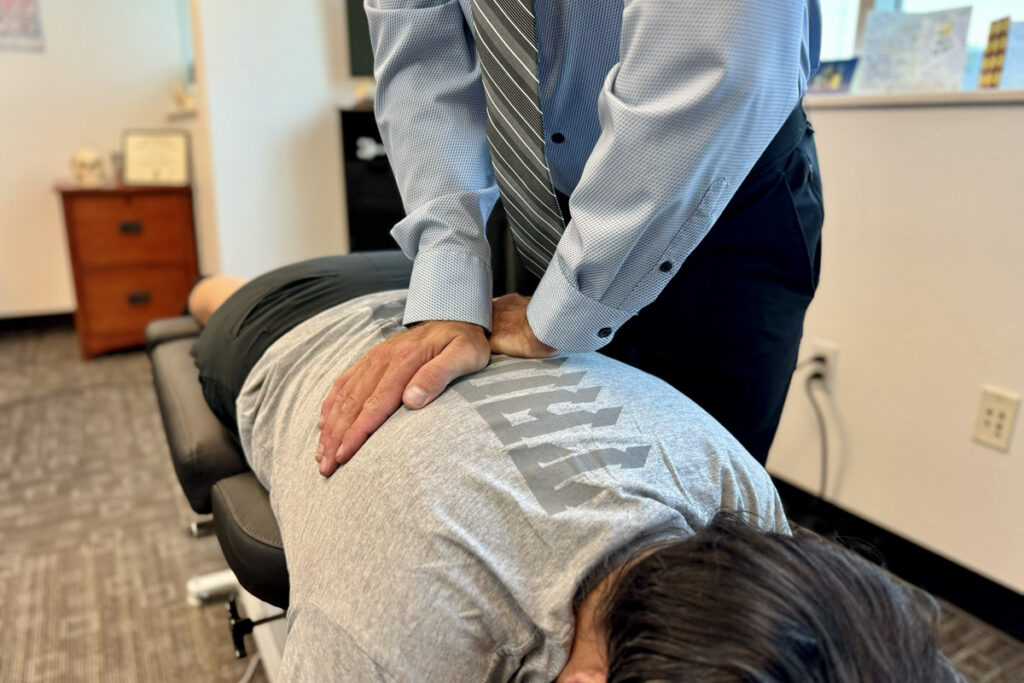
Chiropractic care offers a non-invasive, drug-free approach to supporting shoulder health, and it can be particularly valuable for patients dealing with frozen shoulder. While chiropractic is not a cure for adhesive capsulitis, it can play a meaningful role in addressing the musculoskeletal factors that contribute to pain and restricted movement.
One important aspect of frozen shoulder that often goes overlooked is the role of the cervical spine and thoracic spine in shoulder function. Nerve pathways that travel from the neck and upper back directly influence the shoulder joint. Spinal misalignments in these areas — sometimes called subluxations — can affect how the shoulder moves, how muscles function around the joint, and how pain signals are processed. Dr. Scott Graziosa at Life Aligned Chiropractic assesses the entire kinetic chain, not just the shoulder in isolation, to develop a more complete picture of what may be contributing to a patient’s symptoms.
Chiropractic adjustments to the cervical and thoracic spine, combined with soft tissue techniques and guided mobility support, may help reduce irritation in the surrounding structures and support better joint mechanics. Evidence from organizations like the National Center for Complementary and Integrative Health (NCCIH) suggests that conservative, manual therapies can play a role in managing musculoskeletal pain and improving function. Every patient at Life Aligned Chiropractic in American Fork, UT receives an individualized assessment so that care is tailored to their unique situation.
Practical Tips for Managing Frozen Shoulder
There are several safe, supportive strategies that can complement professional care and help you feel more in control during your recovery from frozen shoulder. These are general wellness recommendations — they are not a substitute for a proper evaluation, but they can make a real difference in your day-to-day comfort.
Gentle, consistent movement is one of the most important things you can do. Allowing the shoulder to remain completely still for extended periods tends to worsen stiffness over time. Pendulum exercises — where you lean forward and allow your arm to gently swing in small circles — are a classic, low-impact way to maintain some mobility without forcing the joint. Always perform these within a comfortable, pain-free range.
Heat application before movement can help relax the surrounding tissues and make mobility exercises feel more accessible. Cold therapy, on the other hand, can be useful for managing acute pain flare-ups after activity. Pay attention to your sleeping position as well — sleeping on the affected shoulder tends to aggravate symptoms. Placing a pillow under the arm when lying on your back can reduce nighttime discomfort for many patients.
Finally, don’t underestimate the value of posture. Rounded shoulders and forward head posture can place additional strain on the shoulder complex and slow recovery. Dr. Scott Graziosa frequently works with patients at Life Aligned Chiropractic to address postural patterns that may be adding unnecessary load to an already-irritated joint.
When to See a Chiropractor
If you’ve noticed persistent shoulder pain and stiffness that has lasted more than a few weeks, it’s a good idea to get evaluated by a qualified healthcare provider. You don’t need to wait until movement is severely limited. In fact, earlier intervention during the freezing stage — before the capsule has fully tightened — tends to yield the most favorable outcomes with conservative care.
Signs that you should seek evaluation sooner rather than later include shoulder pain that wakes you up consistently at night, progressive loss of the ability to raise or rotate your arm, and stiffness that has worsened over weeks or months without improvement. These patterns are consistent with adhesive capsulitis and deserve professional attention.
There are also certain red flags that should prompt you to seek urgent medical care rather than chiropractic care alone. These include sudden severe shoulder pain following a fall or direct trauma (which may indicate a fracture or full rotator cuff tear), fever alongside shoulder pain, or significant swelling and bruising. In those cases, imaging and medical evaluation should come first. For the vast majority of frozen shoulder presentations, however, conservative and chiropractic care is an appropriate and well-supported first step.
Frozen Shoulder: Stages at a Glance
| Stage | Duration (Approximate) | Primary Experience | Movement Limitation |
|---|---|---|---|
| Freezing Stage | 6 weeks – 9 months | Gradual onset of deep, aching pain; worsens at night | Moderate and increasing |
| Frozen Stage | 4 – 12 months | Pain may stabilize or reduce; stiffness dominates | Severe and persistent |
| Thawing Stage | 6 months – 2 years | Gradual return of mobility; intermittent discomfort | Slowly improving |
Myths vs. Facts About Frozen Shoulder
Myth: Frozen shoulder only happens to athletes or people with physically demanding jobs.
Fact: Frozen shoulder actually has no particular connection to athletic activity. It most commonly affects people between 40 and 60 years of age, many of whom are sedentary or have experienced a period of immobility. Desk workers, people recovering from surgery, and individuals with certain metabolic conditions like diabetes are among those most frequently affected.
Myth: You just need to rest it completely and it will go away on its own.
Fact: Complete rest can actually make frozen shoulder worse by allowing the joint capsule to tighten further. While you should avoid painful, forceful movements, gentle and consistent motion within a comfortable range is generally encouraged. A structured, guided approach to movement tends to produce better outcomes than simply waiting it out.
Myth: Frozen shoulder means something is structurally broken or torn inside your shoulder.
Fact: Adhesive capsulitis is a condition involving the joint capsule — the connective tissue envelope surrounding the shoulder — rather than a tear, break, or structural damage to bones or tendons. While it can be very painful and limiting, it is not the same as a rotator cuff tear or fracture, and it is typically manageable with conservative care.
Myth: Surgery is usually the only effective treatment.
Fact: The vast majority of frozen shoulder cases are managed without surgery. Conservative approaches, including physical therapy, chiropractic care, and guided home exercise, are typically the first line of management. Surgical intervention is generally considered only when conservative care has not produced improvement over an extended period of time.
Myth: Once you’ve had frozen shoulder, it will definitely come back in the same shoulder or affect the other one.
Fact: While recurrence in the same shoulder is relatively uncommon, some individuals do develop frozen shoulder in the opposite shoulder at some point. However, this is not a guaranteed outcome and should not cause unnecessary worry. Maintaining shoulder mobility, addressing postural habits, and managing underlying health factors can all support long-term shoulder health.
Final Thoughts from Life Aligned Chiropractic
Frozen shoulder is one of those conditions that can feel deeply discouraging — especially when it begins to interfere with things as fundamental as sleeping comfortably or completing everyday tasks. But it’s important to know that it is well understood, manageable, and something that many, many people have successfully navigated with the right support.
At Life Aligned Chiropractic, our goal is always to help the people of American Fork and the surrounding Utah Valley community understand what’s happening in their bodies and feel confident in the path forward. Dr. Scott Graziosa approaches each patient as an individual, taking the time to thoroughly evaluate the shoulder, the spine, and the full picture of musculoskeletal health before recommending any course of care.
If frozen shoulder — or any persistent shoulder pain or stiffness — has been affecting your quality of life, we encourage you to reach out and schedule an evaluation. You deserve to move freely and live without that constant ache holding you back. We’re here in American Fork, UT, and we’d be honored to be part of your journey back to better movement and better health.
Frequently Asked Questions
How long does frozen shoulder typically last?
Frozen shoulder generally progresses through three stages over a period of one to three years. The timeline varies significantly from person to person. With appropriate conservative care and guided movement, many patients experience improvement more quickly than they would without any intervention.
Can a chiropractor help with frozen shoulder?
Chiropractic care can be a valuable part of a conservative management plan for frozen shoulder. A chiropractor may address spinal alignment in the neck and upper back, which directly influences shoulder mechanics, in addition to supporting soft tissue health and guiding appropriate movement. It is not a cure, but it can help reduce pain and support improved function.
Is frozen shoulder the same as a rotator cuff injury?
No, they are distinct conditions. A rotator cuff injury involves damage to the muscles or tendons that stabilize the shoulder joint, while frozen shoulder involves the joint capsule itself becoming inflamed and thickened. They can share some symptoms, which is why a proper evaluation is important for an accurate understanding of what’s going on.
What makes frozen shoulder worse?
Prolonged immobility, sleeping on the affected shoulder, and attempting forceful movements beyond your current pain-free range can all aggravate frozen shoulder symptoms. Poor posture — particularly forward-rounded shoulders — may also add unnecessary tension to the shoulder complex. Working with a knowledgeable provider helps you identify and modify these patterns.
Is frozen shoulder related to diabetes?
Yes, there is a well-established association between diabetes and a higher risk of developing frozen shoulder. People with diabetes tend to develop the condition more frequently and may experience a more prolonged course. Managing blood sugar levels as part of overall health is considered relevant to shoulder health in this population.
When should I see a medical doctor instead of a chiropractor for shoulder pain?
If your shoulder pain came on suddenly after a fall or direct impact, is accompanied by fever, involves significant swelling or bruising, or you suspect a fracture or serious structural injury, you should seek urgent medical evaluation first. For gradual onset stiffness and aching consistent with frozen shoulder, chiropractic evaluation is an appropriate starting point.
TL;DR Summary
- Frozen shoulder (adhesive capsulitis) is a condition where the shoulder joint capsule becomes inflamed and tight, causing pain and severely limited movement.
- It typically progresses through three stages — freezing, frozen, and thawing — and can last one to three years without proper management.
- Risk factors include age (40–60), diabetes, thyroid disorders, and periods of shoulder immobility.
- Chiropractic care can support recovery by addressing spinal alignment in the neck and upper back, reducing musculoskeletal tension, and guiding appropriate movement — it is a non-invasive, drug-free option worth exploring early.
- Dr. Scott Graziosa and the team at Life Aligned Chiropractic in American Fork, UT are available to evaluate your shoulder and help you understand your options for moving forward comfortably.