
If you’ve ever felt a sharp, shooting pain down your leg or a burning ache in your neck that just won’t quit, there’s a good chance a herniated disc may be involved. It’s one of the most common spinal complaints we see here at Life Aligned Chiropractic in American Fork, UT — and it’s also one of the most misunderstood. Many people assume the worst when they hear the words “herniated disc,” but the truth is, most people find real, lasting relief without surgery or heavy medication. Understanding what causes a herniated disc is the first step toward getting your life back.
What Is a Herniated Disc?
A herniated disc occurs when the soft, gel-like center of a spinal disc pushes through a crack in its tougher outer layer. This can irritate nearby nerves and cause pain, numbness, or weakness in the back, neck, arms, or legs. It’s sometimes called a “slipped disc” or “ruptured disc,” though those terms refer to the same basic problem.
- Understanding Your Spinal Discs
- What Causes a Herniated Disc
- Signs and Symptoms to Watch For
- How Chiropractic Care Can Help
- Practical Tips for Relief and Prevention
- When to See a Chiropractor
- Common Causes vs. Risk Factors at a Glance
- Myths vs. Facts About Herniated Discs
- Final Thoughts from Life Aligned Chiropractic
Understanding Your Spinal Discs
Before we dive into what causes a herniated disc, it helps to understand what spinal discs actually do. Your spine is made up of a stack of 33 vertebrae, and between most of them sit rubbery cushions called intervertebral discs. These discs act as shock absorbers, allowing your spine to bend, twist, and flex without bone grinding against bone.
Each disc has two parts. The outer ring is called the annulus fibrosus — a tough, fibrous shell. The inner core is called the nucleus pulposus — a softer, gel-like substance that provides the cushioning. When everything is working well, this system is remarkably effective. But when the outer ring weakens or tears, that inner material can push outward, creating what we call a herniation.
Herniated discs can occur anywhere along the spine, but they’re most common in the lower back (lumbar spine) and the neck (cervical spine). The location of the herniation determines where you feel symptoms, which is why a lumbar disc problem might cause pain all the way down into your foot, while a cervical disc issue might send pain into your shoulder or arm. If you’ve been dealing with persistent back pain or nagging neck pain, a herniated disc could very well be the underlying cause.
What Causes a Herniated Disc
So, what causes a herniated disc in the first place? The honest answer is that it’s rarely just one thing. Most herniations develop from a combination of factors that place ongoing or sudden stress on the disc’s outer wall. Here are the most common contributors.
Age-Related Disc Degeneration
As we get older, our spinal discs gradually lose water content and become less flexible. This natural degeneration process, sometimes called disc desiccation, makes the outer ring more brittle and prone to cracking. By middle age, many people have some degree of disc wear even without obvious symptoms. Over time, this worn-down disc can herniate with surprisingly little provocation — sometimes from something as minor as a sneeze or picking up a light object.
Repetitive Stress and Overuse
Many of our patients in American Fork work jobs or have hobbies that involve repeated bending, lifting, or twisting motions. Construction workers, nurses, warehouse employees, and even desk workers who sit in poor posture for hours on end all place cumulative stress on the discs. Over time, this repetitive loading can weaken the annular fibers until eventually one gives way.
Sudden Heavy Lifting or Trauma
Lifting something heavy with poor body mechanics — using your back instead of your legs, or twisting while lifting — is a classic trigger for an acute herniation. A sudden impact, like a car accident or a fall, can also compress the spine with enough force to rupture a disc. This is particularly relevant for patients who’ve been in auto collisions. If you were recently in an accident, learning about common chiropractic treatments after a car accident in American Fork may help you take the right next step.
Excess Body Weight
Carrying extra weight places additional load on the lumbar spine in particular. The discs in the lower back bear the weight of the entire upper body, and when that load increases, the pressure on those discs increases right along with it. Over time, this excess compression accelerates disc wear and raises the risk of herniation.
Sedentary Lifestyle and Weak Core Muscles
Your core muscles — including the muscles of your abdomen, back, and pelvis — act as a natural support system for your spine. When those muscles are weak or underused, the spinal discs have to carry more of the stabilizing load on their own. This is a significant and often overlooked factor in what causes a herniated disc, especially in people who spend long hours sitting without regular movement or exercise.
Genetics and Structural Factors
Some people are simply more predisposed to disc problems due to the natural structure of their spine or genetic factors that affect disc composition. If disc problems run in your family, that doesn’t guarantee you’ll experience one — but it does mean taking preventive care seriously is especially worthwhile.
Signs and Symptoms to Watch For
Not every herniated disc causes dramatic pain. Some people discover they have one only incidentally through imaging done for other reasons. But when symptoms do appear, they tend to be noticeable. Here’s what to look out for.
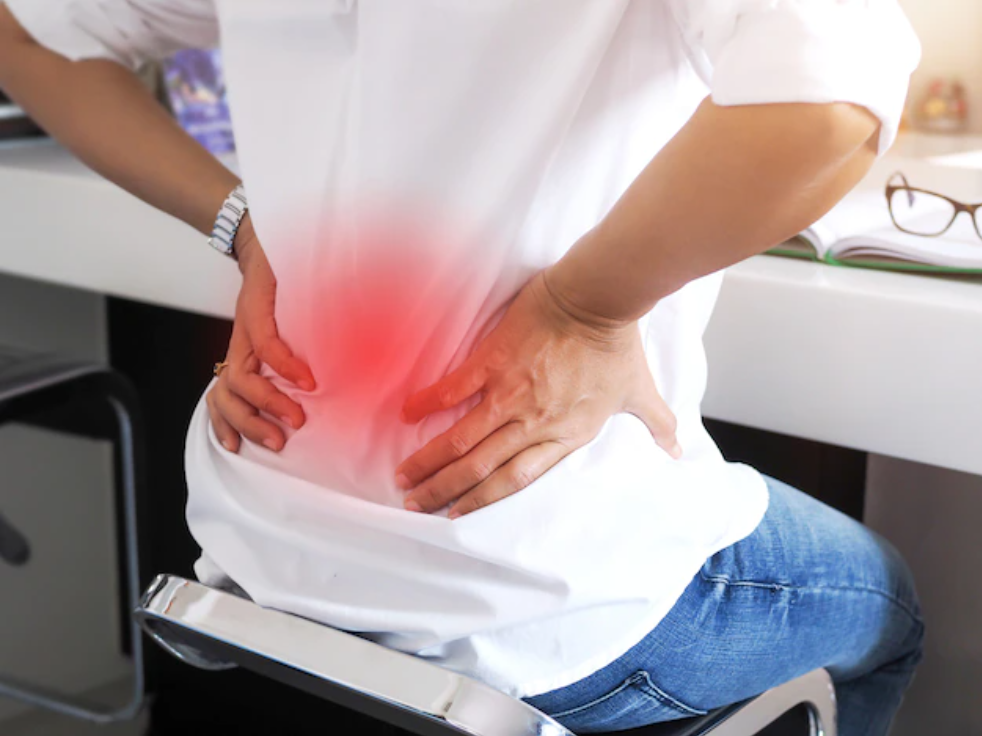
In the lower back, a herniated disc often causes pain that radiates down one leg — sometimes all the way to the foot. This is the hallmark of sciatica, a condition we see frequently at Life Aligned Chiropractic. The pain can feel sharp, burning, or electric, and may be accompanied by numbness, tingling, or muscle weakness in the affected leg. If this sounds familiar, our dedicated sciatica treatment page walks through the options in more detail.
In the neck, a herniated disc can cause pain that radiates into the shoulder, arm, or hand. You might also notice a reduced range of motion, headaches, or a sensation of pins and needles in the fingers. A cervical herniation can also mimic the symptoms of a pinched nerve, which is essentially what’s happening when the protruding disc material presses on a nerve root.
In some cases, disc herniation causes primarily local pain without radiating symptoms — just a deep, persistent ache in the low back or neck. This can make it tricky to diagnose without a thorough evaluation. It’s also worth noting that herniated discs and disc bulges, while related, are different conditions. Our article on what a disc bulge is and how to treat it explains the distinction clearly.
How Chiropractic Care Can Help
One of the most reassuring things Dr. Scott Graziosa tells patients at Life Aligned Chiropractic is that a herniated disc diagnosis doesn’t automatically mean surgery. In fact, for most people, conservative care — including chiropractic treatment — is the appropriate first line of approach. Research published in reputable sources like the American College of Physicians supports non-invasive care for most spinal pain conditions before surgical intervention is considered.
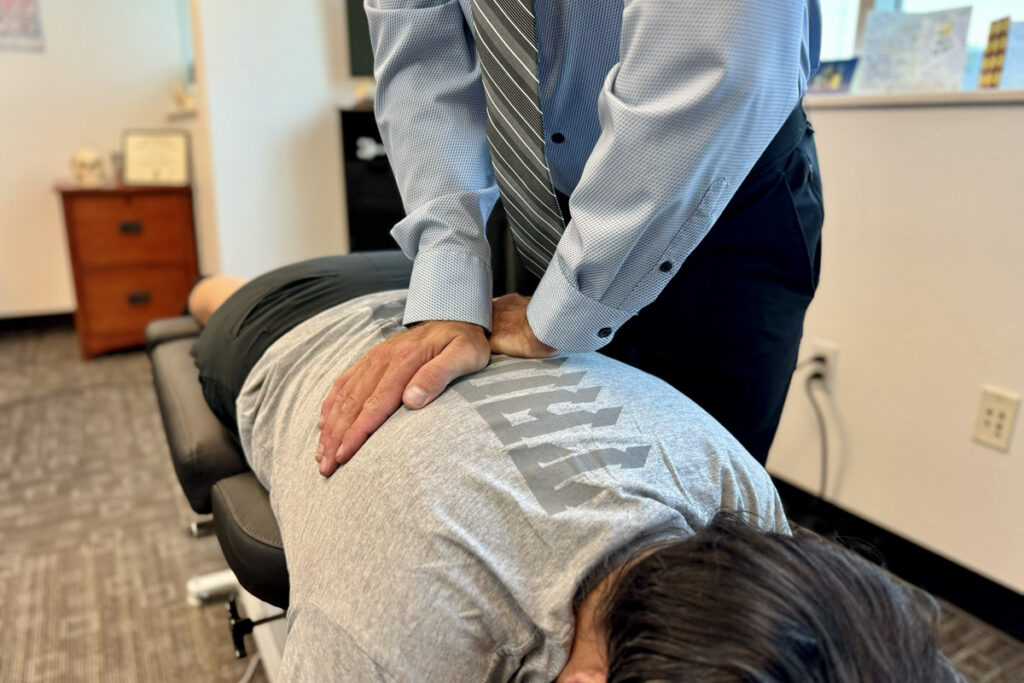
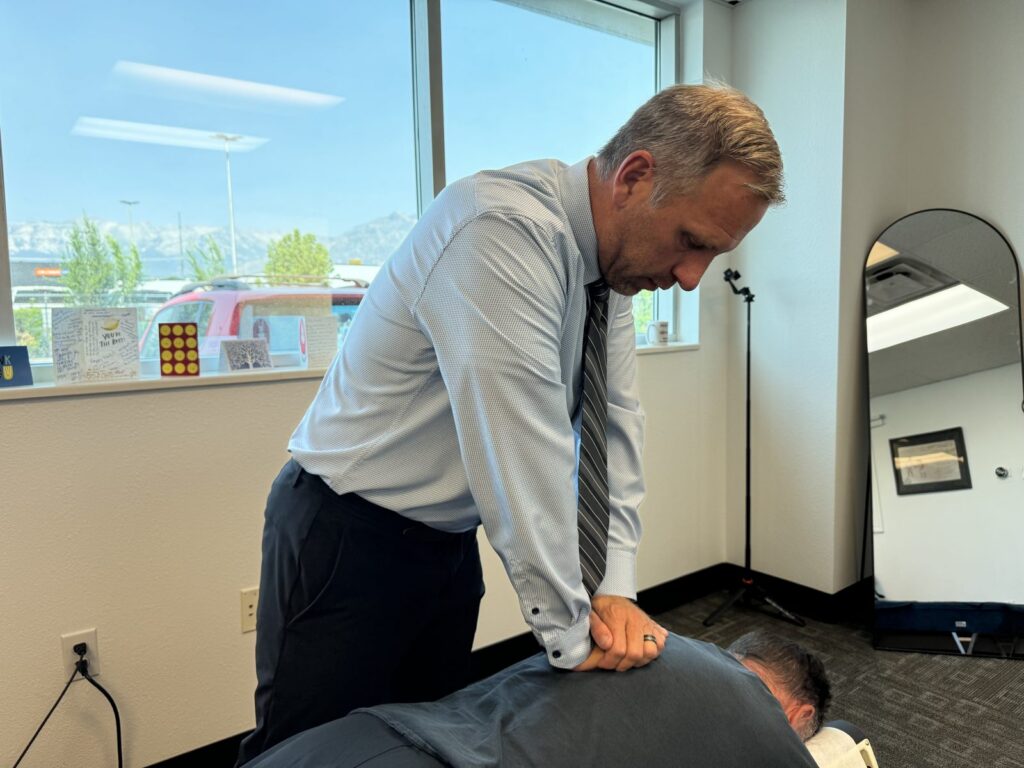
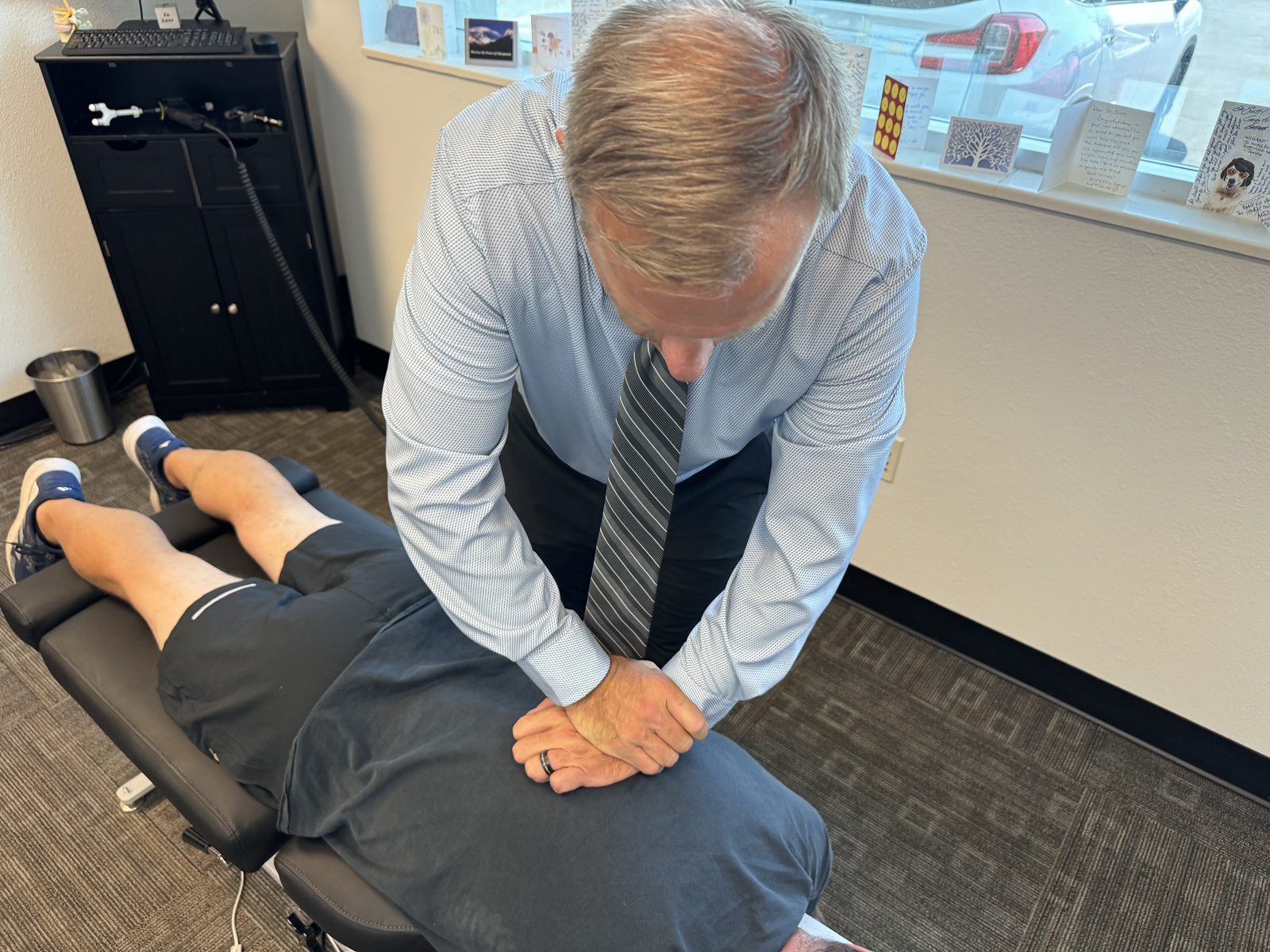
Chiropractic care addresses herniated discs from several angles. First, spinal adjustments can help restore proper alignment to the vertebrae, which reduces mechanical stress on the affected disc and surrounding tissues. When the spine is moving well and sitting in better alignment, the pressure on the disc and nearby nerve roots often decreases significantly. You can learn more about how this works through our comprehensive chiropractic care services.
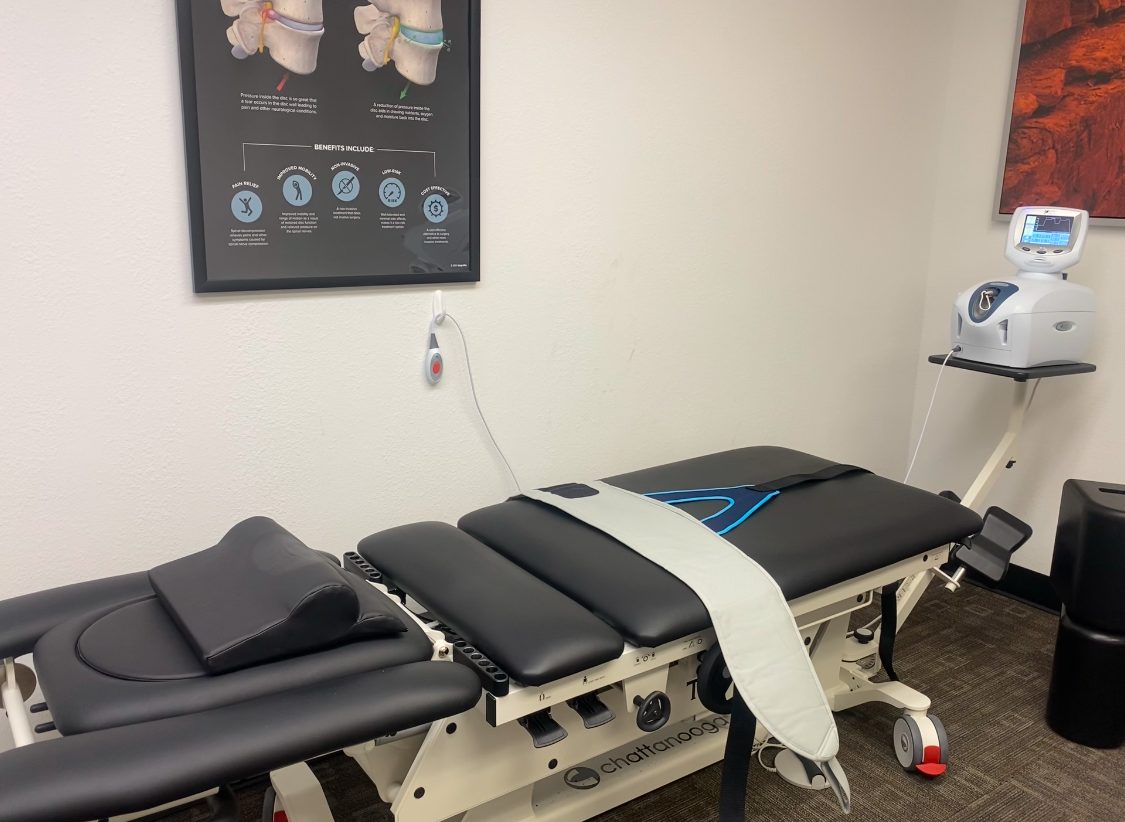
Dr. Scott Graziosa also uses spinal decompression therapy for many disc-related cases. This gentle, traction-based approach creates a negative pressure within the disc space, which can help draw the herniated material back toward the center while promoting the flow of nutrients into the disc. Our spinal decompression therapy is a non-surgical option that many patients in American Fork have found helpful for disc injuries.
Beyond adjustments and decompression, care at Life Aligned Chiropractic often includes therapeutic exercises, soft tissue work, and posture correction strategies. Our physical therapy services complement chiropractic adjustments beautifully, helping to strengthen the muscles that support the spine so that healing can happen — and stay.
Practical Tips for Relief and Prevention
While professional care is important, there’s a lot you can do on your own to support your recovery and protect your spine going forward. These recommendations are grounded in basic biomechanics and conservative care principles.
Pay attention to how you lift. When picking anything up — even something light — bend at the hips and knees rather than rounding your lower back. Keep the object close to your body and avoid twisting at the waist while lifting. These simple mechanics make an enormous difference in disc health over time.
Be mindful of your sitting posture, especially if you work at a desk. Your hips should be at roughly a 90-degree angle, your feet flat on the floor, and your screen at eye level. Sitting with your lower back collapsed or your head jutting forward places significant strain on your discs. Set a reminder to stand and move for a few minutes every 30 to 60 minutes throughout your workday.
Stay active in a spine-friendly way. Low-impact movement like walking, swimming, or gentle yoga helps maintain disc hydration and flexibility without overloading the spine. Avoid high-impact activities or heavy spinal loading during an acute flare-up — but don’t rest completely, as prolonged bed rest tends to worsen outcomes for disc problems.
Work on core strength as you recover. Strengthening the deep stabilizing muscles of the abdomen and back takes pressure off your discs in a meaningful way. Dr. Scott Graziosa and our team at Life Aligned Chiropractic can guide you through appropriate exercises based on where you are in your recovery.
When to See a Chiropractor
If you’re experiencing persistent back or neck pain — especially pain that radiates into an arm or leg — it’s worth having a professional evaluation sooner rather than later. Disc problems tend to respond better when addressed early. The longer a nerve is compressed or irritated, the longer the recovery process can take.
There are, however, situations that require immediate medical attention rather than a chiropractic visit. If you experience sudden loss of bladder or bowel control, severe progressive weakness in a limb, or profound numbness in the groin or inner thigh (known as saddle anesthesia), seek emergency care right away. These can be signs of a rare but serious condition called cauda equina syndrome, which requires prompt surgical evaluation.
For the vast majority of herniated disc presentations, though, chiropractic care is a safe and appropriate starting point. If you’re not sure whether what you’re feeling could be disc-related, our team at Life Aligned Chiropractic in American Fork is happy to help you figure that out. You can also read more about our approach to herniated disc treatment to understand what an evaluation and care plan might look like.
Common Causes vs. Risk Factors at a Glance
| Direct Cause | Underlying Risk Factor | Affected Spine Region |
|---|---|---|
| Heavy lifting with poor form | Weak core muscles | Lumbar (lower back) |
| Repetitive bending and twisting | Physically demanding occupation | Lumbar (lower back) |
| Car accident or trauma | Pre-existing disc degeneration | Cervical (neck) or Lumbar |
| Age-related disc desiccation | Genetics / family history | Any spinal region |
| Prolonged poor posture | Sedentary lifestyle | Cervical (neck) or Lumbar |
| Sudden jarring movement | Excess body weight | Lumbar (lower back) |
Myths vs. Facts About Herniated Discs
Myth: A herniated disc always requires surgery.
Fact: The vast majority of herniated disc cases resolve with conservative care — including chiropractic treatment, physical therapy, and lifestyle modifications — without any surgical intervention. Surgery is typically considered only when conservative approaches have been tried thoroughly and significant neurological deficits persist.
Myth: If you have a herniated disc, you should rest in bed until the pain goes away.
Fact: Extended bed rest is actually associated with slower recovery and increased pain sensitization. Gentle, guided movement and activity — appropriate to the stage of healing — tends to produce better outcomes. Our team can help you understand what movement is safe and beneficial at each stage of your recovery.
Myth: A herniated disc will never heal on its own.
Fact: The body has a remarkable ability to reabsorb herniated disc material over time. Many people see significant natural improvement within weeks to months, especially with proper conservative care. This is one reason why evidence-based guidelines recommend starting with non-invasive approaches rather than rushing to surgery.
Myth: Herniated discs only happen to older people.
Fact: While disc degeneration is more common with age, herniated discs can and do occur in younger adults — particularly those who do heavy lifting, play contact sports, or spend long hours in poor seated posture. We occasionally see disc-related issues even in active teenagers here in American Fork.
Myth: Pain radiating down the leg always means a herniated disc.
Fact: Radiating leg pain — often called sciatica — can have several causes, including piriformis syndrome, sacroiliac joint dysfunction, or spinal stenosis. A thorough evaluation is essential to identify the true source of the symptoms. Dr. Scott Graziosa takes the time to assess each patient carefully before recommending a care plan.
Final Thoughts from Life Aligned Chiropractic
Understanding what causes a herniated disc can take a lot of the fear out of the diagnosis. This is an incredibly common condition, and with the right care and a little patience, most people get through it and return to the activities they love. You don’t have to resign yourself to a life of pain management or worry that surgery is inevitable.
At Life Aligned Chiropractic in American Fork, UT, Dr. Scott Graziosa and our team approach each herniated disc case as the unique situation it is. We take time to understand your history, your daily life, and your goals — and we build a care plan around you, not just around your imaging results. Whether you’ve had disc pain for years or just started noticing symptoms, we’re here to help you understand your options and move forward with confidence.
If you’re curious about whether chiropractic care is right for you, we also encourage you to explore our article on whether chiropractic care is safe and effective for back pain. We believe an informed patient is an empowered one — and that’s exactly the kind of community we want to build right here in American Fork.
Frequently Asked Questions
What causes a herniated disc to flare up suddenly?
A sudden flare-up is often triggered by a specific movement — lifting something heavy, twisting awkwardly, or even sneezing — that places enough pressure on an already weakened disc to push the inner material outward. However, the disc was typically already compromised before the triggering event. Cumulative wear and poor mechanics over time set the stage for these acute episodes.
Can a herniated disc heal without surgery?
Yes — and most do. Evidence-based guidelines from organizations like the American College of Physicians recommend conservative care first for most disc-related conditions. Chiropractic care, spinal decompression, physical therapy, and lifestyle changes are all part of a non-surgical approach that helps many patients recover fully.
How long does it take to recover from a herniated disc?
Recovery timelines vary depending on the severity of the herniation, the location, and how quickly care is sought. Many patients notice meaningful improvement within four to six weeks of consistent conservative care, though some cases take longer. Dr. Scott Graziosa can give you a more specific expectation after evaluating your individual situation.
Is chiropractic care safe for a herniated disc?
For the majority of herniated disc presentations, chiropractic care is considered safe and appropriate. Dr. Scott Graziosa adjusts his techniques based on each patient’s condition, sometimes using gentler, low-force approaches for acute disc cases. A thorough initial evaluation helps ensure that the care provided is appropriate and well-suited to your specific needs.
What’s the difference between a bulging disc and a herniated disc?
A bulging disc involves the disc’s outer layer expanding beyond its normal boundary without fully breaking through, while a herniated disc involves the inner gel material actually pushing through a tear in the outer wall. Herniations tend to cause more acute and localized symptoms, though both conditions can compress nearby nerves and cause significant discomfort.
Can herniated discs come back after they’ve healed?
Yes, there is a risk of recurrence — particularly if the underlying causes, like poor posture, weak core muscles, or lifting mechanics, aren’t addressed. This is why long-term spinal health habits and periodic wellness care are so important. Our wellness chiropractic care program is designed to help patients maintain the gains they’ve made and reduce the likelihood of future flare-ups.
TL;DR Summary
- A herniated disc happens when the soft inner core of a spinal disc pushes through its outer wall, often irritating nearby nerves and causing pain, numbness, or weakness.
- The most common causes include age-related disc degeneration, repetitive spinal stress, heavy lifting with poor form, excess body weight, and weak core muscles.
- Symptoms vary by location but often include back or neck pain, radiating pain into the arms or legs, and tingling or numbness in the extremities.
- Most herniated discs respond well to conservative care — including chiropractic adjustments, spinal decompression, and physical therapy — without the need for surgery.
- At Life Aligned Chiropractic in American Fork, UT, Dr. Scott Graziosa provides individualized, non-invasive care to help patients find real relief and protect their spinal health long term.