
What Causes Whiplash and How to Find Relief
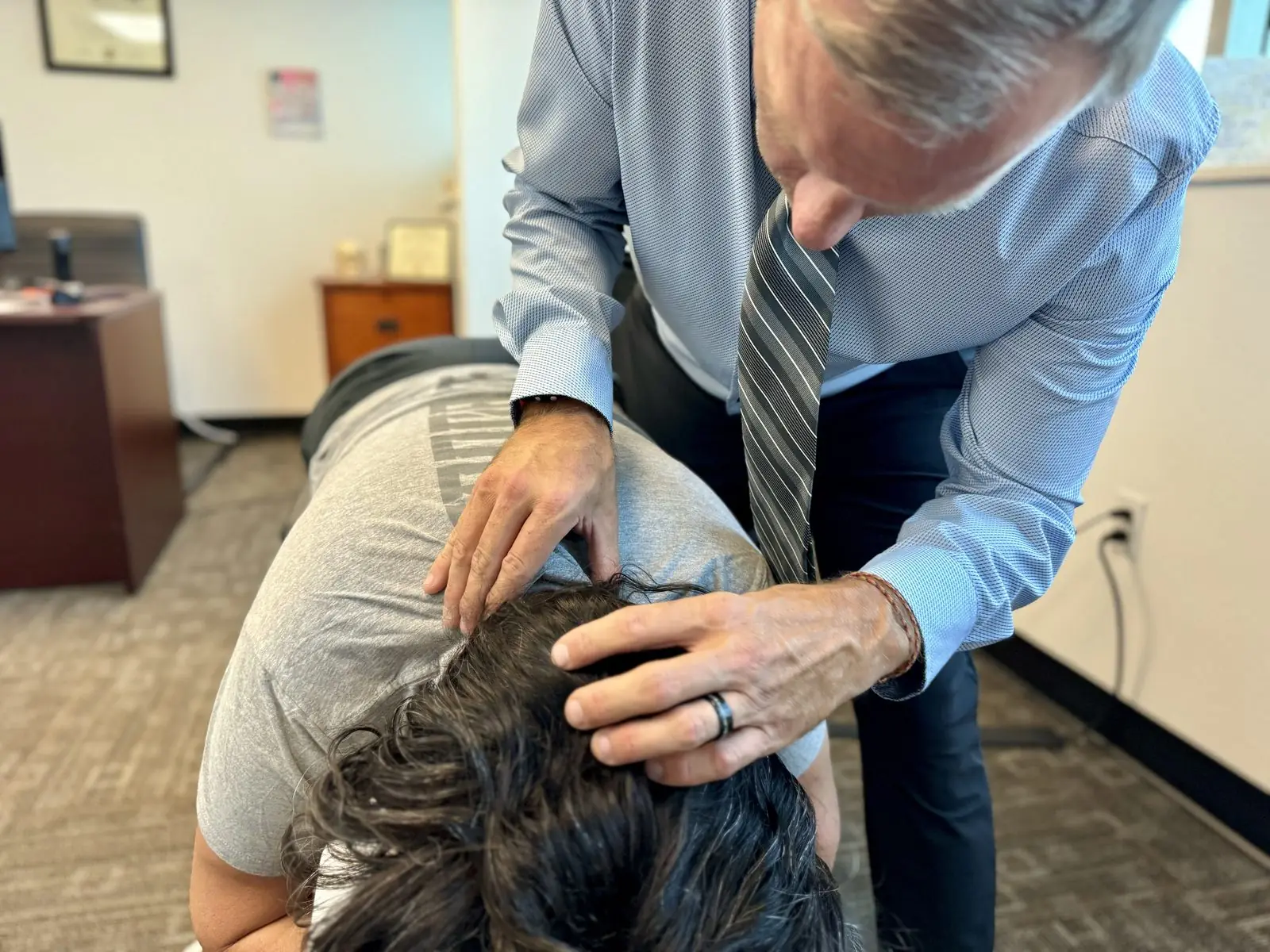
If you’ve ever been in a car accident — even a minor fender-bender — you may already know the unsettling feeling of waking up the next morning with a stiff, aching neck. That experience is one of the most common ways people first start asking what causes whiplash and whether their pain is serious. Here in American Fork, UT, Dr. Scott Graziosa and the team at Life Aligned Chiropractic see whiplash-related injuries regularly, and the good news is that this condition is well understood and very treatable with the right conservative care. Whether your injury happened recently or you’ve been dealing with lingering symptoms for weeks, this guide will walk you through everything you need to know — from root causes to real relief options.
What Is Whiplash?
Whiplash is a soft tissue injury to the neck caused by a sudden, forceful back-and-forth movement of the head — similar to the cracking of a whip. It most commonly affects the muscles, ligaments, tendons, and joints of the cervical spine (the neck region). Symptoms can range from mild stiffness to significant pain and restricted movement.
- What Causes Whiplash?
- Signs and Symptoms to Watch For
- How Chiropractic Care Fits Into Recovery
- Practical Tips for Whiplash Recovery
- When to See a Chiropractor
- Whiplash Triggers and Symptoms at a Glance
- Myths vs. Facts About Whiplash
- Final Thoughts from Life Aligned Chiropractic
What Causes Whiplash?
Understanding what causes whiplash starts with understanding how the injury actually happens inside the body. The cervical spine is designed for flexibility and movement, but it has limits. When a sudden force propels the head rapidly in one direction and then snaps it back in the opposite direction, the structures of the neck are stretched far beyond their normal range of motion — often in a fraction of a second. This rapid motion can strain or tear muscles, irritate facet joints, damage intervertebral discs, and stretch ligaments that normally keep your vertebrae aligned and stable.
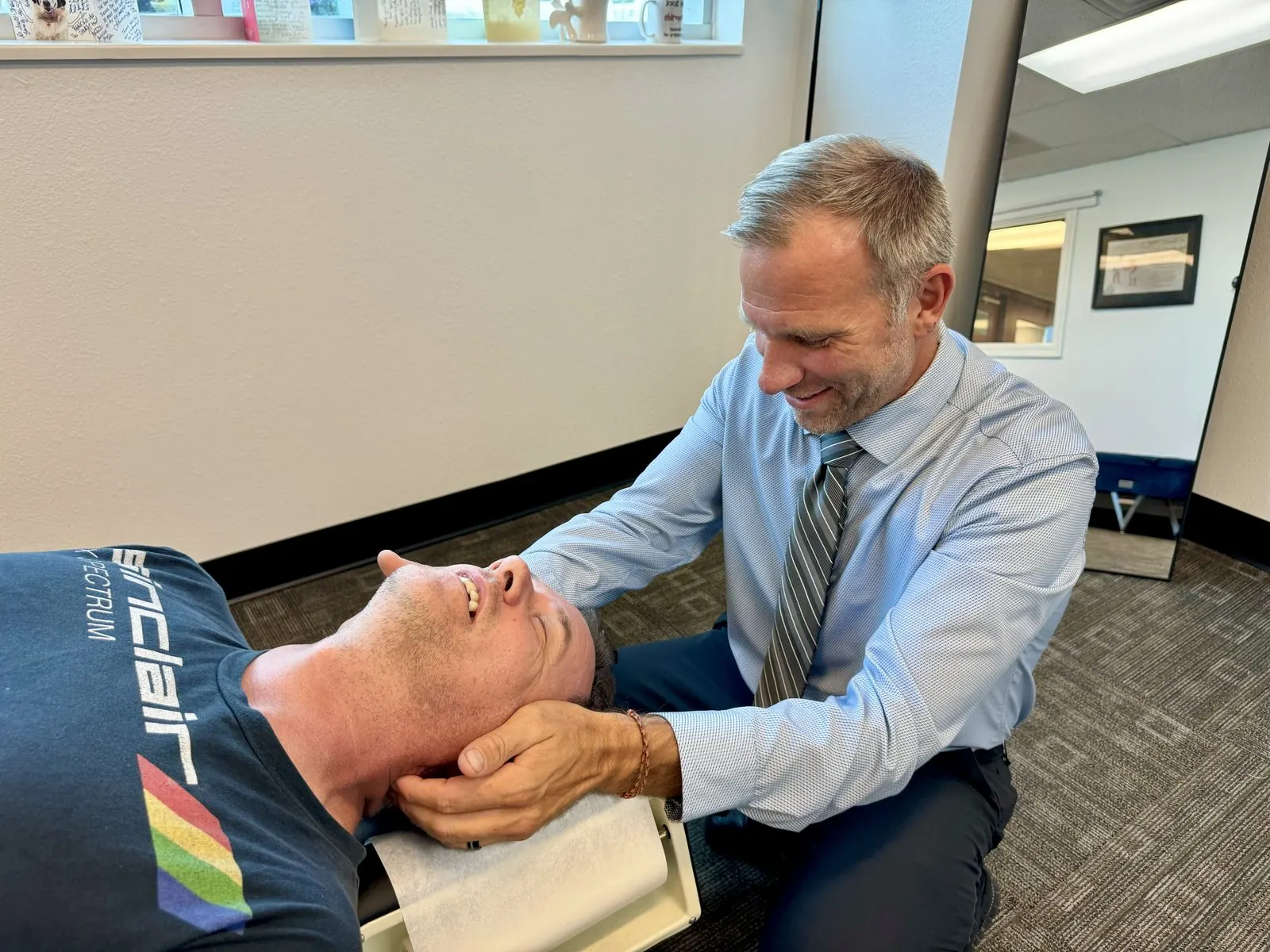
The most well-known cause of whiplash is a rear-end car accident. When another vehicle strikes yours from behind, your body is pushed forward while your head momentarily lags behind — then whips forward. Even low-speed collisions can produce enough force to injure the soft tissues of the neck, which is why it’s so important not to dismiss symptoms after even a minor crash. If you’ve recently been in an accident, learning about common chiropractic treatments after a car accident in American Fork can give you a helpful starting point.
But car accidents aren’t the only cause. Contact sports like football, hockey, and martial arts can produce similar mechanisms of injury when athletes collide or fall awkwardly. Roller coasters and amusement park rides can replicate the same rapid head-snapping motion. Slip-and-fall accidents — particularly those where someone falls backward — frequently result in whiplash-type injuries as well. Physical assault or being struck in the head can also cause this injury. Even activities that seem less dramatic, like heading a soccer ball repeatedly over many years, may contribute to cumulative stress on the cervical spine.
Certain factors can make a person more vulnerable to whiplash. Women, on average, tend to experience more severe whiplash symptoms than men, likely due to differences in neck muscle mass and cervical spine anatomy. People who already have pre-existing neck tension, poor posture, or prior neck injuries may find that even a relatively minor impact results in significant symptoms. Age-related changes to spinal tissue can also affect recovery. For a deeper look at the injury itself, the whiplash injury explained guide on our website covers causes, symptoms, and diagnosis in more detail.
Signs and Symptoms to Watch For
One of the tricky aspects of whiplash is that symptoms don’t always appear immediately. It’s very common for people to feel relatively fine right after an accident, only to wake up the next day — or even two to three days later — with significant pain and stiffness. This delayed onset happens because inflammation builds gradually in the injured tissues and because adrenaline can temporarily mask pain signals in the aftermath of a stressful event.
The most obvious symptom is neck pain and stiffness, often accompanied by a reduced range of motion. Turning your head to check traffic or looking up at a shelf can suddenly feel like an enormous effort. Many people also experience headaches that originate at the base of the skull and radiate forward — a pattern closely associated with cervicogenic headaches linked to whiplash. Our headache and migraine treatment page explains how these types of headaches connect to the spine.
Shoulder pain, upper back pain, and arm tingling or numbness are also common companions to whiplash. If the injury affects the nerve roots of the cervical spine, you may feel radiating symptoms down one or both arms. Some people report fatigue, difficulty concentrating, sleep disturbances, and even mild mood changes in the weeks following a whiplash injury — collectively sometimes referred to as “whiplash-associated disorders” (WAD). Dizziness and vertigo-like symptoms can also arise when the injury affects the upper cervical vertebrae or associated structures. If you’re experiencing dizziness alongside neck pain, it may be worth reading about what causes vertigo and how chiropractic can help.
In more severe cases, whiplash can contribute to disc injury. The discs between your cervical vertebrae can bulge or herniate during a high-force impact, creating pressure on nearby nerves. If your symptoms include sharp radiating pain, significant weakness in the arms or hands, or loss of grip strength, these are signs worth evaluating promptly.
How Chiropractic Care Fits Into Recovery
Chiropractic care is widely recognized as a first-line, non-invasive approach to whiplash recovery. Rather than masking symptoms with medication, chiropractic care addresses the underlying structural and functional disruptions that the injury creates. At Life Aligned Chiropractic in American Fork, Dr. Scott Graziosa takes a thorough approach to evaluating whiplash injuries — assessing the alignment of the cervical spine, the mobility of each segment, and the overall tension patterns in the surrounding musculature.
Chiropractic adjustments — sometimes called spinal manipulations — are gentle, controlled movements applied to restricted or misaligned vertebral joints. For whiplash patients, these adjustments help restore normal joint motion, reduce inflammation, and relieve nerve irritation. Research published in peer-reviewed literature, including resources from the National Center for Complementary and Integrative Health (NCCIH), suggests that spinal manipulation can be effective for reducing neck pain associated with injuries like whiplash. Our whiplash treatment page outlines how we approach care for this specific injury.
Beyond adjustments, chiropractic care for whiplash often includes soft tissue therapies to address the muscles and ligaments that were strained during the injury. Dr. Scott Graziosa may also incorporate rehabilitative exercises to progressively restore strength and flexibility to the neck and upper back. In some cases, physical therapy techniques are integrated into care to support a more complete recovery. The goal is always to help the body heal as fully as possible — not just to reduce pain short-term, but to prevent chronic symptoms from developing.
What makes chiropractic particularly well-suited to whiplash is its individualized nature. No two injuries are exactly alike, and Dr. Scott Graziosa designs care plans based on the unique presentation of each patient. Someone with mild soft tissue strain will have different needs than someone whose injury affected disc integrity or nerve function. The auto injury chiropractic care services at Life Aligned Chiropractic are specifically structured to meet the needs of accident injury patients throughout the American Fork area.
Practical Tips for Whiplash Recovery
While professional care is essential for a proper recovery, there are also supportive steps you can take at home. One of the most important things to understand is that complete rest is generally not recommended for whiplash. While it makes sense to avoid activities that sharply worsen your pain, gentle movement is usually encouraged because it keeps the cervical joints mobile and prevents excessive scar tissue formation. Your chiropractor will guide you on what types of movement are appropriate for your specific stage of healing.
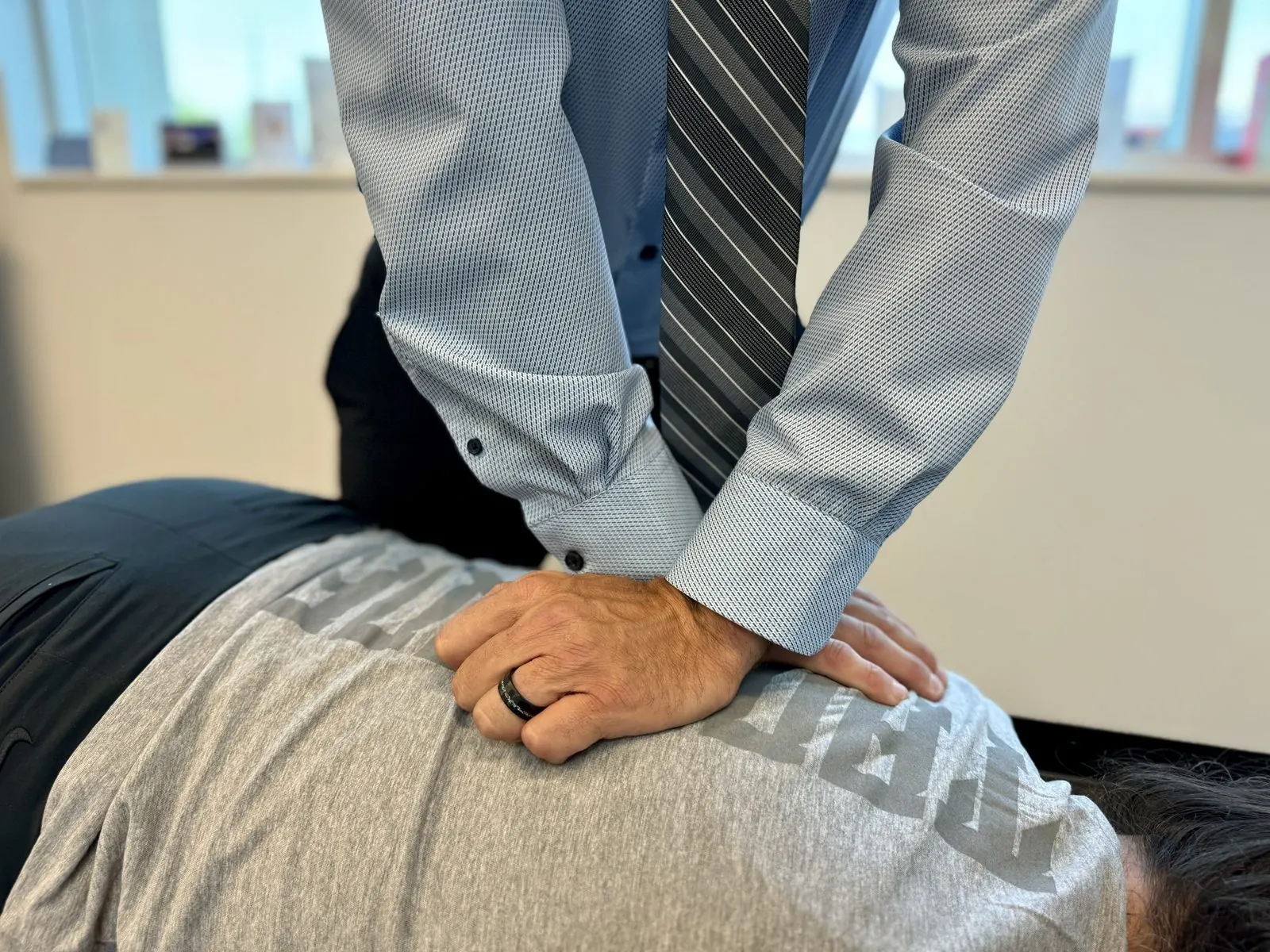
Applying ice to the neck during the first 48 to 72 hours after injury can help manage acute inflammation. After that initial window, gentle heat may help relax muscle tension. Always place a thin cloth between the ice or heat pack and your skin, and limit applications to about 15 to 20 minutes at a time.
Sleep position matters more than most people realize during whiplash recovery. Sleeping on your back with a supportive cervical pillow — one that keeps your neck in a neutral, slightly curved position — is generally more comfortable and less disruptive to healing than sleeping on your stomach, which forces the neck into sustained rotation. Side sleeping with proper pillow height can also work well. Ask Dr. Scott Graziosa for specific guidance based on your injury pattern.
Ergonomics at your desk or workspace deserve attention too. Looking down at a phone or computer screen for extended periods creates forward head posture, which increases the mechanical load on already stressed cervical structures. Keeping your screen at eye level and taking brief movement breaks every 30 to 45 minutes can make a meaningful difference during recovery.
When to See a Chiropractor
If you’ve experienced any kind of forceful impact to the head or neck — whether in a car accident, a sports collision, or a fall — it’s worth getting evaluated sooner rather than later. Many people make the mistake of waiting to see whether symptoms improve on their own. While mild whiplash can sometimes resolve without intervention, moderate-to-severe cases that go untreated are more likely to develop into chronic neck pain and long-term stiffness.
You should seek professional evaluation promptly if your neck pain is significant, if symptoms have lasted more than a few days, if you’re experiencing radiating arm pain or numbness, or if headaches have developed or worsened since the injury. These signs suggest more than simple muscle soreness and warrant a thorough assessment of the cervical spine.
There are also red flag symptoms that warrant immediate medical attention rather than waiting for a chiropractic appointment. These include severe difficulty swallowing, sudden loss of coordination or balance, significant weakness in multiple limbs, loss of bladder or bowel control, or any symptoms suggesting spinal cord involvement. In those cases, an emergency evaluation comes first — your chiropractor can become part of the recovery team once acute medical concerns are ruled out.
Whiplash Triggers and Symptoms at a Glance
| Common Cause | Mechanism of Injury | Symptoms Commonly Associated |
|---|---|---|
| Rear-end car collision | Sudden forward-then-backward head snap | Neck pain, stiffness, headaches, shoulder pain |
| Contact sports collision | Impact force transmitted through the cervical spine | Neck soreness, arm tingling, reduced range of motion |
| Slip-and-fall backward | Uncontrolled head extension on impact | Upper back pain, neck stiffness, headaches |
| Physical assault or blow to the head | Rapid multi-directional head movement | Neck pain, dizziness, cognitive fog |
| Amusement park or roller coaster ride | Repeated high-force head movements | Neck soreness, dizziness, headache |
Myths vs. Facts About Whiplash
Myth: Whiplash only happens in serious, high-speed accidents.
Fact: Research in biomechanics consistently shows that soft tissue injuries to the cervical spine can occur at surprisingly low vehicle speeds — sometimes as low as 5 to 10 miles per hour. The absence of vehicle damage does not mean the absence of personal injury. The forces transmitted through the vehicle into the occupant’s neck can be significant even in minor collisions.
Myth: If you don’t feel pain right away, you didn’t get whiplash.
Fact: Delayed onset of symptoms is one of the hallmark features of whiplash injuries. Inflammation, adrenaline, and the gradual nature of soft tissue swelling can all contribute to symptoms appearing 24 to 72 hours after the incident. Feeling okay immediately after an accident does not rule out a significant injury.
Myth: Whiplash always goes away on its own without treatment.
Fact: While some mild cases do resolve with time, evidence suggests that a meaningful percentage of whiplash patients develop chronic symptoms — especially without appropriate early care. Getting a proper evaluation and beginning conservative treatment early is associated with better long-term outcomes.
Myth: Chiropractic adjustments are unsafe for whiplash injuries.
Fact: When performed by a qualified chiropractor following a thorough assessment, chiropractic care is considered a safe and effective approach for whiplash-related neck pain. Dr. Scott Graziosa tailors techniques to each patient’s injury severity and comfort level — gentle, low-force methods are available and frequently used for acute injuries.
Myth: Whiplash is a made-up condition used to exaggerate injury claims.
Fact: Whiplash is a well-documented, clinically recognized condition with a clear anatomical basis. Imaging studies and clinical research support the reality of soft tissue and joint injury following the rapid acceleration-deceleration forces that cause whiplash. It is taken seriously by the medical and chiropractic communities alike.
Final Thoughts from Life Aligned Chiropractic
Understanding what causes whiplash — and recognizing your own symptoms early — can make a real difference in how fully and quickly you recover. Here in American Fork, UT, our community is active and on the move, and an untreated whiplash injury can quietly hold you back from the life you want to live. Whether you’re dealing with the aftermath of a car accident, a sports injury, or a fall, you deserve care that addresses the root of your pain rather than just covering it up.
At Life Aligned Chiropractic, Dr. Scott Graziosa is committed to providing thoughtful, individualized care to every patient who walks through the door. From the first evaluation to the final stages of recovery, the focus is on restoring function, reducing pain, and empowering you with the knowledge to support your own healing. If you or someone you love is dealing with neck pain, stiffness, or other whiplash-related symptoms, don’t wait and wonder. Reach out to Life Aligned Chiropractic in American Fork and take the first step toward feeling like yourself again.
Frequently Asked Questions
How long does whiplash typically take to heal?
Recovery time varies depending on the severity of the injury and when treatment begins. Mild whiplash may resolve within a few weeks, while moderate-to-severe cases can take several months with consistent care. Early evaluation and appropriate treatment generally support a faster, more complete recovery.
Can chiropractic care help with whiplash headaches?
Yes. Many headaches following a whiplash injury are cervicogenic in origin, meaning they stem from irritation or dysfunction in the cervical spine. Chiropractic adjustments that restore normal joint motion in the neck have been shown to help reduce this type of headache. Dr. Scott Graziosa evaluates each patient’s headache pattern as part of the overall whiplash assessment.
Should I see a chiropractor or a medical doctor first after a car accident?
If there is any possibility of serious injury — fracture, neurological involvement, or loss of consciousness — an emergency medical evaluation should come first. For soft tissue whiplash injuries without red flag symptoms, a chiropractor experienced in auto injury care is an excellent first stop. The two types of providers can also work collaboratively when needed.
Is it safe to get adjusted right after a whiplash injury?
Chiropractors are trained to assess the appropriateness of treatment at each stage of healing. In the acute phase, care is typically gentler and may focus more on soft tissue work and inflammation management before progressing to spinal adjustments. Dr. Scott Graziosa always performs a thorough evaluation before beginning any hands-on care.
Can whiplash cause symptoms beyond neck pain?
Absolutely. Whiplash-associated disorders can include headaches, shoulder and upper back pain, arm numbness or tingling, fatigue, dizziness, and difficulty concentrating. These broader symptoms reflect how interconnected the structures of the cervical spine are with the rest of the nervous system and body.
What is the difference between whiplash and a herniated disc in the neck?
Whiplash is primarily a soft tissue injury involving muscles, ligaments, and joints. A herniated disc involves damage to the disc itself, which can press on nearby nerve roots. A whiplash-type injury can, in some cases, also cause or worsen a disc injury. Proper imaging and clinical evaluation help distinguish between the two. You can learn more on our herniated disc treatment page.
TL;DR Summary
- Whiplash is a soft tissue injury caused by rapid, forceful back-and-forth movement of the neck — most commonly from rear-end car accidents, sports collisions, or falls.
- Symptoms often appear 24 to 72 hours after the incident and can include neck pain, stiffness, headaches, shoulder pain, and arm tingling.
- Chiropractic care is a recognized, non-invasive approach to whiplash recovery that addresses the underlying structural causes rather than just masking pain.
- Early evaluation and treatment are associated with better outcomes — don’t wait for symptoms to become chronic before seeking care.
- Dr. Scott Graziosa at Life Aligned Chiropractic in American Fork, UT offers individualized whiplash assessment and care for patients throughout the community.

Originally from New York, I earned my Bachelor’s in Biology and Doctorate of Chiropractic from Life University in Marietta, Georgia. In 2005, I embraced a new chapter of life by relocating to Utah, a state renowned for its breathtaking natural beauty and a lifestyle that truly inspires me. Here, I share my passion for the outdoors with my wife Aimee, my daughter, and our three dogs, often exploring the majestic mountains that make this region so special.