
Arm pain can sneak up on you in the most inconvenient ways. Maybe you notice a dull ache when you reach for something on a high shelf, or perhaps a sharp, shooting sensation runs down your arm when you turn your head a certain way. Whatever the experience, arm pain has a way of disrupting everyday life — from work tasks to sleep to simply enjoying time with your family. Here in American Fork, UT, many patients visit Life Aligned Chiropractic frustrated and confused about why their arm hurts and what they can do about it. The good news is that chiropractic care offers a safe, drug-free path toward understanding and addressing arm pain at its root cause.
What Is Arm Pain (and Why Does It Happen)?
Arm pain refers to discomfort, aching, tingling, numbness, or weakness that occurs anywhere along the arm — from the shoulder down through the elbow, forearm, wrist, and hand. In many cases, arm pain doesn’t actually originate in the arm itself. It often stems from issues in the cervical spine (neck) or thoracic region, where nerves that control arm sensation and movement can become compressed or irritated.
What Causes Arm Pain?
Arm pain is rarely a simple, one-size-fits-all problem. The causes can range from repetitive strain and poor posture to more complex nerve-related issues originating in the spine. Understanding the root cause is the first step toward effective relief, and that’s exactly where Dr. Scott Graziosa and the team at Life Aligned Chiropractic in American Fork begin every evaluation.
One of the most common contributors to arm pain is cervical radiculopathy — a condition where a nerve root in the neck becomes compressed or inflamed, sending pain, tingling, or numbness down into the arm. This can happen because of a herniated disc, bone spurs, or degenerative changes in the cervical spine. Another frequent cause is thoracic outlet syndrome, where nerves or blood vessels become compressed in the space between the collarbone and first rib, leading to symptoms in the shoulder, arm, and hand.
Repetitive strain injuries are also an increasingly common culprit, especially for people who spend long hours at a desk, type frequently, or perform manual labor. Conditions like carpal tunnel syndrome, tennis elbow (lateral epicondylitis), and golfer’s elbow (medial epicondylitis) fall into this category. These develop gradually over time as muscles, tendons, and nerves are repeatedly stressed without adequate recovery. Poor ergonomic setups, improper posture, and muscle imbalances can all play a significant role in setting the stage for these injuries.
Shoulder joint dysfunction, rotator cuff issues, and referred pain from the mid-back are additional causes worth mentioning. Because so many different structures can contribute to arm discomfort, a thorough evaluation — including a review of posture, spinal alignment, range of motion, and neurological function — is essential before pursuing any care plan.
Signs and Symptoms to Watch For
Arm pain presents differently from person to person. Some people feel a constant, heavy ache that makes it hard to lift or carry things. Others experience sharp, electric-like sensations that seem to shoot from the neck or shoulder down into the fingers. Tingling and numbness — especially in specific fingers or sections of the hand — are often red flags for nerve involvement. Weakness in the grip or difficulty performing fine motor tasks like buttoning a shirt can also signal that nerves or muscles are being compromised.
It’s worth noting where in the arm you feel symptoms, because location can provide important clues. Numbness and tingling in the pinky and ring finger, for example, often point toward ulnar nerve involvement. Symptoms in the thumb, index finger, and middle finger may suggest median nerve issues, which is commonly associated with carpal tunnel syndrome. Radiating pain from the neck into the upper arm and outer forearm can point toward cervical nerve root compression at specific levels of the spine.
Muscle stiffness, tenderness along the arm or shoulder, and pain that worsens with certain head or neck movements are also meaningful indicators. If you’ve been noticing any combination of these symptoms, it’s worth having a knowledgeable chiropractor take a closer look before the problem has a chance to progress.
The Nerve Connection: Why Your Neck May Be the Culprit
This might surprise you: a lot of arm pain patients who walk into Life Aligned Chiropractic in American Fork, UT are actually dealing with a neck problem, not an arm problem. The cervical spine — the seven vertebrae in your neck — houses nerve roots that branch out from the spinal cord and travel down through the shoulder, arm, elbow, wrist, and hand. When any of these nerves become irritated, pinched, or inflamed, they can send abnormal signals all the way down into the arm.
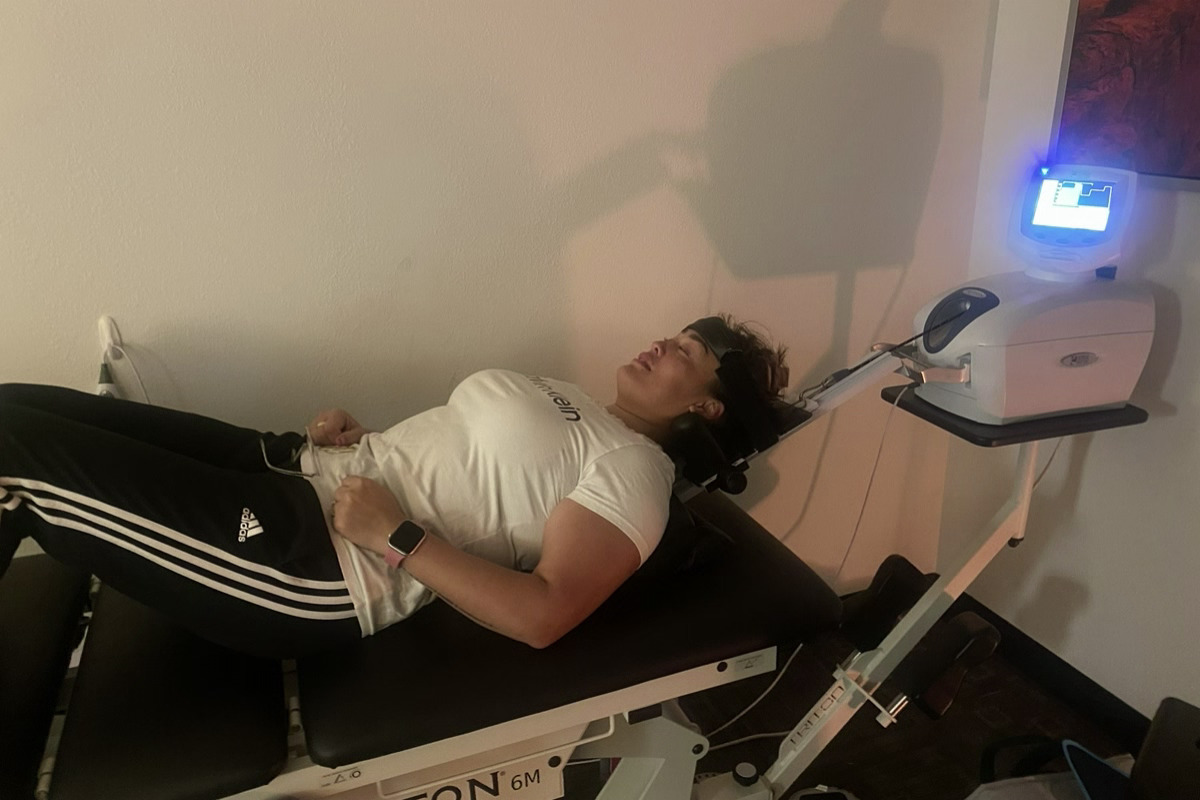
Spinal misalignments (called subluxations in chiropractic terminology) can place pressure on these delicate nerve roots. Even minor positional changes in the vertebrae can reduce the space through which nerves pass, creating the conditions for pain, tingling, numbness, or weakness. This is why effective arm pain care often begins with a thorough evaluation of the cervical spine — not just the arm itself.
The brachial plexus is another important structure to understand. It’s a network of nerves that originates in the neck and controls movement and sensation throughout most of the arm and hand. Compression or irritation of the brachial plexus — whether from cervical misalignment, tight scalene muscles in the neck, or a first rib dysfunction — can produce a wide range of arm symptoms. Addressing the underlying spinal and muscular contributors is a cornerstone of how chiropractic care approaches arm pain.
How Chiropractic Care Can Help with Arm Pain
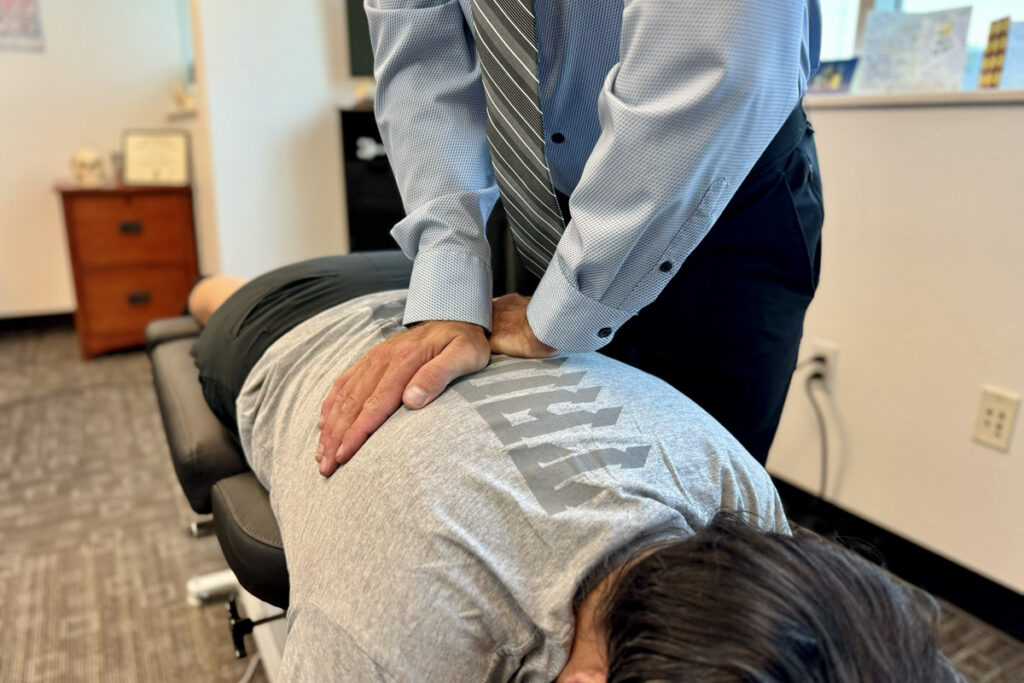
Chiropractic care offers a non-surgical, drug-free approach to identifying and addressing the structural and neurological contributors to arm pain. At Life Aligned Chiropractic, Dr. Scott Graziosa takes time to conduct a thorough assessment before recommending any course of care. This typically includes evaluating your posture, spinal alignment, range of motion, and neurological reflexes to determine where the problem is originating.
Chiropractic adjustments to the cervical and thoracic spine can help restore proper alignment, reduce nerve irritation, and improve joint mobility. When the vertebrae in the neck are moving correctly and positioned properly, there is more space for nerve roots to exit the spine without compression. Research suggests that spinal manipulation for cervical radiculopathy — a common cause of arm pain — can be an effective conservative treatment approach. Organizations like the American College of Physicians and the National Institutes of Health’s National Center for Complementary and Integrative Health have recognized chiropractic care as a valid part of conservative musculoskeletal treatment.
Beyond spinal adjustments, Dr. Scott Graziosa may incorporate soft tissue techniques to address muscle tension in the neck, shoulders, and upper back. Tight muscles can directly contribute to nerve compression and restricted movement. Rehabilitative exercises and postural guidance are also often part of a comprehensive care plan, helping patients address the habits and imbalances that allowed the problem to develop in the first place. The goal is not just to reduce pain in the short term, but to support better long-term function and help prevent recurrence.
Practical Tips for Managing Arm Pain at Home
While professional chiropractic evaluation is important, there are meaningful steps you can take at home to support your recovery and reduce aggravating factors. These are not substitutes for professional care — think of them as complements to the work being done in the office.
One of the most impactful things you can do is take an honest look at your workstation setup. If your monitor is too low, your keyboard is too far away, or your chair doesn’t support your lower back, these issues create cumulative strain on the neck and upper body over hours of use. Adjusting your screen to eye level, keeping your elbows at a roughly 90-degree angle while typing, and positioning your keyboard close enough to avoid reaching forward are all practical changes that can make a real difference.
Taking regular movement breaks is also essential. The human body is not designed for prolonged static postures. Setting a timer to stand up, stretch your neck gently, roll your shoulders, and move your arms through a comfortable range of motion every 45-60 minutes can help prevent the muscle stiffness and tension that contributes to arm and neck discomfort.
Sleeping position matters too. Sleeping on your stomach forces your neck into a sustained rotated position, which can stress the cervical spine and the nerves that branch into the arm. Side sleeping with a pillow that keeps your neck in a neutral position is generally more favorable. Back sleeping with an appropriately supportive pillow can also work well for many people.
When to See a Chiropractor for Arm Pain
If arm pain has been present for more than a week or two without improvement, or if it’s beginning to interfere with daily activities like work, sleep, or exercise, that’s a reasonable point to seek professional evaluation. Chiropractic care is particularly well-suited for arm pain that appears to be related to the neck, poor posture, or repetitive strain — which describes a significant portion of cases seen in practice.
Gradual onset arm pain, stiffness in the neck and shoulders accompanying arm symptoms, tingling or numbness in the hand or fingers, and pain that worsens with prolonged sitting or certain neck positions are all good reasons to schedule an appointment with Dr. Scott Graziosa at Life Aligned Chiropractic in American Fork.
However, there are situations where arm pain requires immediate medical attention rather than chiropractic care. If you experience sudden, severe arm pain accompanied by chest pain, shortness of breath, or sweating — especially on the left side — seek emergency care immediately, as these can be signs of a cardiac event. Arm pain following a traumatic injury, sudden loss of strength or coordination, or pain accompanied by difficulty swallowing or breathing also warrants urgent medical evaluation. A good chiropractor will always refer you to the appropriate provider when the situation calls for it.
Arm Pain Causes vs. Common Signs and Chiropractic Relevance
Cause of Arm Pain |
Common Signs |
Chiropractic Relevance |
|---|---|---|
|
Cervical Radiculopathy |
Radiating pain, tingling, numbness down the arm; worsens with neck movement |
High — spinal adjustments may reduce nerve compression |
|
Thoracic Outlet Syndrome |
Arm numbness, hand weakness, shoulder aching; often positional |
High — rib and cervical adjustments, soft tissue work may help |
|
Carpal Tunnel Syndrome |
Numbness/tingling in thumb, index, and middle fingers; worsens at night |
Moderate — wrist and cervical evaluation, posture correction |
|
Tennis or Golfer’s Elbow |
Elbow tenderness, forearm pain with gripping or lifting |
Moderate — soft tissue therapy, ergonomic and movement guidance |
|
Poor Posture / Muscle Imbalance |
Dull aching, neck/shoulder stiffness, fatigue with activity |
High — postural correction, spinal alignment, rehabilitation |
Myths vs. Facts About Arm Pain and Chiropractic Care
Myth: Arm pain always means something is wrong with the arm itself.
Fact: Many cases of arm pain originate in the cervical spine or surrounding soft tissues, not the arm. Nerve roots in the neck supply sensation and motor control to the entire arm, meaning spinal issues can produce pain far from where the problem actually lives. A thorough evaluation helps identify the true source.
Myth: Chiropractic adjustments are only for back pain.
Fact: Chiropractic care addresses the entire musculoskeletal and nervous system, not just the lower back. Adjustments to the cervical and thoracic spine, as well as extremity joints like the wrist or elbow, can be appropriate depending on what the evaluation reveals. Arm pain is a common and well-recognized area of chiropractic practice.
Myth: If you have arm numbness or tingling, you need surgery.
Fact: Numbness and tingling in the arm or hand are often signs of nerve irritation or compression, which can frequently be addressed through conservative care. Chiropractic adjustments, soft tissue therapy, and postural rehabilitation are often explored as first-line approaches before surgical options are considered. Evidence from organizations like the American College of Physicians supports conservative care as an appropriate starting point.
Myth: Arm pain from repetitive use will go away on its own if you just rest.
Fact: Rest can reduce acute inflammation, but it doesn’t address the underlying biomechanical issues, muscle imbalances, or postural habits that caused the problem. Without correcting those root contributors, symptoms often return once normal activity resumes. A structured care and rehabilitation plan tends to produce better long-term outcomes.
Myth: Chiropractic adjustments to the neck are dangerous and should be avoided.
Fact: Chiropractic cervical adjustments are generally considered safe when performed by a trained and licensed chiropractor following a proper evaluation. As with any healthcare procedure, risks exist, but serious adverse events are rare. Dr. Scott Graziosa at Life Aligned Chiropractic conducts thorough assessments to determine whether spinal manipulation is appropriate for each individual patient.
Final Thoughts from Life Aligned Chiropractic in American Fork
Living with arm pain doesn’t have to be your new normal. Whether you’re dealing with a nagging ache, persistent tingling, or a sharp sensation that disrupts your focus at work or keeps you up at night, there are real answers available — and they often don’t require medication or surgery to find.
At Life Aligned Chiropractic, serving the American Fork, UT community and surrounding areas, Dr. Scott Graziosa approaches every patient with a thorough, individualized evaluation designed to uncover the true source of their discomfort. From spinal alignment to posture, nerve function to soft tissue health, the goal is always to understand the whole picture before recommending any path forward.
If arm pain has been getting in the way of your daily life, know that you don’t have to just push through it or wonder what’s going on. Reaching out for a professional evaluation is a meaningful first step — and it’s one that many people in the American Fork community have found to be genuinely life-changing. You deserve to feel well, move freely, and get back to the things that matter most to you.
Frequently Asked Questions About Arm Pain and Chiropractic Care
Can a chiropractor help with arm pain caused by a pinched nerve in the neck?
Yes, cervical radiculopathy — a pinched nerve in the neck — is one of the most common causes of arm pain that chiropractors evaluate and care for. Spinal adjustments aimed at improving alignment and reducing nerve compression in the cervical spine can be a helpful part of a conservative treatment approach. Evidence suggests chiropractic care can be effective for many patients with this condition.
How long does it take to see improvement with chiropractic care for arm pain?
The timeline varies depending on the cause and severity of the arm pain, how long the condition has been present, and each individual’s overall health. Some patients notice meaningful improvement within a few visits, while others with more chronic or complex presentations may require a longer course of care. Dr. Scott Graziosa will give you a realistic picture based on your specific evaluation findings.
Is arm numbness and tingling serious?
Arm numbness and tingling should always be evaluated professionally, as they can indicate nerve involvement. In many cases the cause is treatable with conservative care, but it’s important to rule out anything requiring more urgent attention. If these symptoms come on suddenly or are accompanied by chest pain, difficulty breathing, or loss of coordination, seek emergency care right away.
Can poor posture really cause arm pain?
Absolutely. Forward head posture, rounded shoulders, and prolonged sitting in misaligned positions create chronic strain on the neck and upper back — areas that directly house the nerves feeding the arms. Over time, these postural patterns can contribute to nerve compression and muscle tension that manifests as arm discomfort, tingling, or weakness.
Do I need a referral to see a chiropractor for arm pain?
In most cases, no referral is required to schedule an appointment with a chiropractor. Life Aligned Chiropractic in American Fork, UT welcomes patients who are experiencing arm pain and looking for a thorough, professional evaluation. If your condition requires co-management with another provider, Dr. Scott Graziosa will coordinate appropriately.
What should I expect at my first chiropractic visit for arm pain?
Your first visit will typically involve a detailed health history discussion, a postural and orthopedic evaluation, and an assessment of your range of motion and neurological function. Based on those findings, Dr. Scott Graziosa will explain what he believes is contributing to your arm pain and outline a recommended care approach. No two patients are identical, so the plan is always tailored to the individual.
TL;DR — Key Takeaways
-
Arm pain often originates in the cervical spine, not the arm itself — nerve compression in the neck is a leading cause of radiating arm symptoms.
-
Common contributors include cervical radiculopathy, poor posture, repetitive strain, and thoracic outlet syndrome.
-
Chiropractic care offers a non-surgical, drug-free approach to identifying and addressing the root cause of arm pain through spinal adjustments, soft tissue therapy, and rehabilitative guidance.
-
Practical home strategies — better ergonomics, regular movement breaks, and proper sleep position — can complement professional care and help prevent recurrence.
-
If arm pain has persisted for more than a couple of weeks or is affecting your daily life, scheduling an evaluation at Life Aligned Chiropractic in American Fork, UT with Dr. Scott Graziosa is a smart, proactive step.