If you’re a parent in American Fork, Utah, and your child’s doctor recently mentioned the word “scoliosis” at a checkup, it’s completely natural to feel a little worried. Or maybe you’ve noticed your own posture looking uneven in photos and wondered if something more is going on with your spine. Either way, understanding what causes scoliosis — and what you can do about it — is the first step toward feeling more in control. At Life Aligned Chiropractic, we work with families throughout American Fork every day, and scoliosis is a topic that comes up more often than most people expect.
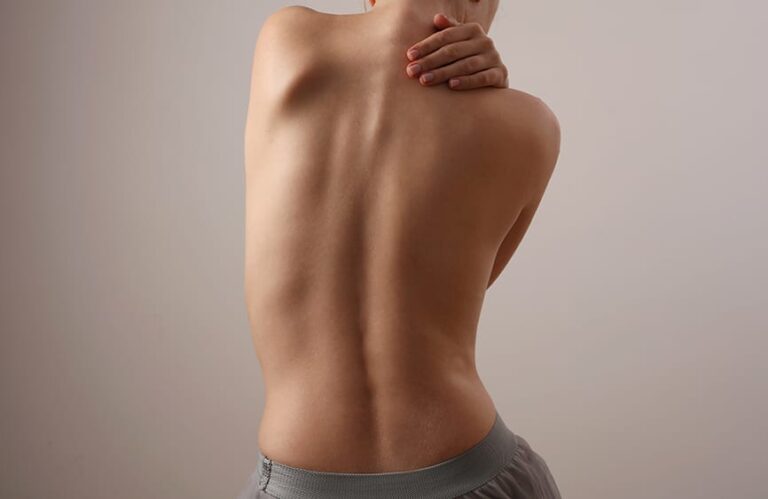
What is scoliosis? Scoliosis is an abnormal lateral (side-to-side) curvature of the spine. Instead of running straight down the back, the spine curves in an “S” or “C” shape when viewed from behind. It can affect people of any age, though it’s most commonly identified during childhood and adolescence.
- Understanding Scoliosis: More Than Just Bad Posture
- What Causes Scoliosis? The Main Categories
- Signs and Symptoms Families Should Know
- Who Is Most at Risk?
- How Chiropractic Care Fits Into Scoliosis Management
- Practical Tips for Spinal Health at Home
- When to See a Chiropractor
- Scoliosis Types at a Glance
- Myths vs. Facts About Scoliosis
- Final Thoughts from Life Aligned Chiropractic
Understanding Scoliosis: More Than Just Bad Posture
One of the most important things to understand right away is that scoliosis is not caused by slouching or carrying a heavy backpack — though those habits can still affect your spine in other ways. Scoliosis is a structural change in the spine itself, meaning the vertebrae have shifted into an abnormal alignment. This is distinct from simple poor posture, which can usually be corrected through awareness and ergonomic changes.
The degree of curvature matters a great deal. Curves are measured using a system called the Cobb angle, and anything over 10 degrees is generally classified as scoliosis. Mild scoliosis (under 20 degrees) may require only monitoring and conservative care. Moderate curves (20–40 degrees) often call for more active intervention. Severe curves (over 40–50 degrees) may eventually be evaluated for surgical options by an orthopedic specialist. Most people who are diagnosed, however, fall into the mild-to-moderate category and do very well with conservative approaches.
Here in American Fork, Dr. Scott Graziosa at Life Aligned Chiropractic regularly helps patients understand their spinal health and explore non-invasive options. Knowing the type and cause of scoliosis is fundamental to understanding which path forward makes the most sense for each individual person.
What Causes Scoliosis? The Main Categories
This is the question families ask most often, and the honest answer is: it depends on the type. Scoliosis isn’t a one-size-fits-all diagnosis. There are several distinct categories, each with a different underlying cause. Let’s walk through them clearly.
Idiopathic Scoliosis — The Most Common Type
Idiopathic simply means “of unknown cause,” and this accounts for roughly 80% of all scoliosis cases. Adolescent idiopathic scoliosis (AIS) is the most prevalent form and typically develops during the growth spurt just before puberty — usually between ages 10 and 16. Despite decades of research, scientists have not pinpointed a single definitive cause. Current evidence suggests that genetics play a significant role, as scoliosis does tend to run in families. Researchers are also exploring how the brain and central nervous system regulate spinal growth, though no firm conclusions have been established yet.
The key takeaway: if you or your child has been diagnosed with idiopathic scoliosis, it is not anyone’s fault. It wasn’t caused by anything you did or didn’t do.
Congenital Scoliosis — Present at Birth
Congenital scoliosis develops in the womb when vertebrae form abnormally during fetal development. Some vertebrae may be partially formed, fused together, or shaped in a way that causes the spine to grow unevenly. This type is typically identified early in life, sometimes even before birth through prenatal imaging. It’s relatively rare compared to idiopathic scoliosis.
Neuromuscular Scoliosis — Connected to Underlying Conditions
Neuromuscular scoliosis develops as a secondary effect of another medical condition that affects the nerves and muscles. Conditions such as cerebral palsy, muscular dystrophy, and spinal cord injuries can affect the muscles that support the spine, leading to curvature over time. This type often progresses more quickly and may require a broader care team approach.
Degenerative Scoliosis — An Adult-Onset Form
Sometimes called “de novo” scoliosis, this type develops in adults — usually those over age 50 — as a result of age-related wear and tear on the spinal discs and joints. As the discs lose height and the facet joints degenerate unevenly, the spine can begin to curve. This is why back pain and disc-related issues are often discussed alongside adult-onset scoliosis. It can also be associated with conditions like osteoporosis, which weakens bone density and can alter spinal mechanics over time.
Functional Scoliosis — Not a True Structural Curve
Functional scoliosis isn’t a true structural deformity — instead, it’s caused by an external factor such as one leg being slightly longer than the other, or muscle spasms that pull the spine to one side. When the underlying issue is addressed, the curvature typically resolves. This is an important distinction, because treatment looks very different from structural scoliosis.
Signs and Symptoms Families Should Know
Scoliosis is often called a “silent” condition because it frequently doesn’t cause pain in its early stages — especially in children and teens. This is part of why school screenings exist. That said, there are visual and physical signs that can alert parents, coaches, and healthcare providers.
Common signs to watch for include uneven shoulder heights, one shoulder blade that appears more prominent than the other, an uneven waistline, or one hip sitting higher than the other. In some cases, the head may appear slightly off-center when compared to the hips. In adults with degenerative scoliosis, pain and stiffness are often more present and may radiate into the hips or legs, sometimes resembling sciatica or pinched nerve symptoms.
It’s worth noting that even mild scoliosis can affect posture and muscle balance, which in turn may contribute to tension in other areas of the body — including the neck, shoulders, and even the hips. Families in American Fork who notice any of these signs in their children should seek an evaluation sooner rather than later, as early detection allows for more conservative management options.
Who Is Most at Risk?
Because the most common form — idiopathic scoliosis — disproportionately affects adolescents, children between the ages of 10 and 16 are considered the highest-risk group. Girls are more likely than boys to develop curves that progress and require treatment, though boys are diagnosed at similar initial rates. A family history of scoliosis increases a child’s risk, making regular spinal screenings especially important for families with that background.
Adults are not immune. Degenerative scoliosis becomes more common with age, and those who have had prior spinal injuries or surgeries may be at greater risk. Athletes who put repetitive asymmetrical stress on their spine — such as gymnasts, swimmers, or baseball players — may also benefit from proactive spinal checkups. Dr. Scott Graziosa and the team at Life Aligned Chiropractic in American Fork often work alongside local athletes to ensure spinal alignment is supporting their performance and not working against it. You can learn more about that approach through sports chiropractic care at our practice.
How Chiropractic Care Fits Into Scoliosis Management
Chiropractic care is not a cure for scoliosis, and it’s important to be honest about that. No conservative approach — chiropractic, physical therapy, or bracing — can fully correct a structural spinal curve. What chiropractic care can do is support the musculoskeletal system, improve mobility, reduce associated discomfort, and help patients maintain better function and quality of life. For many patients, that is genuinely significant.
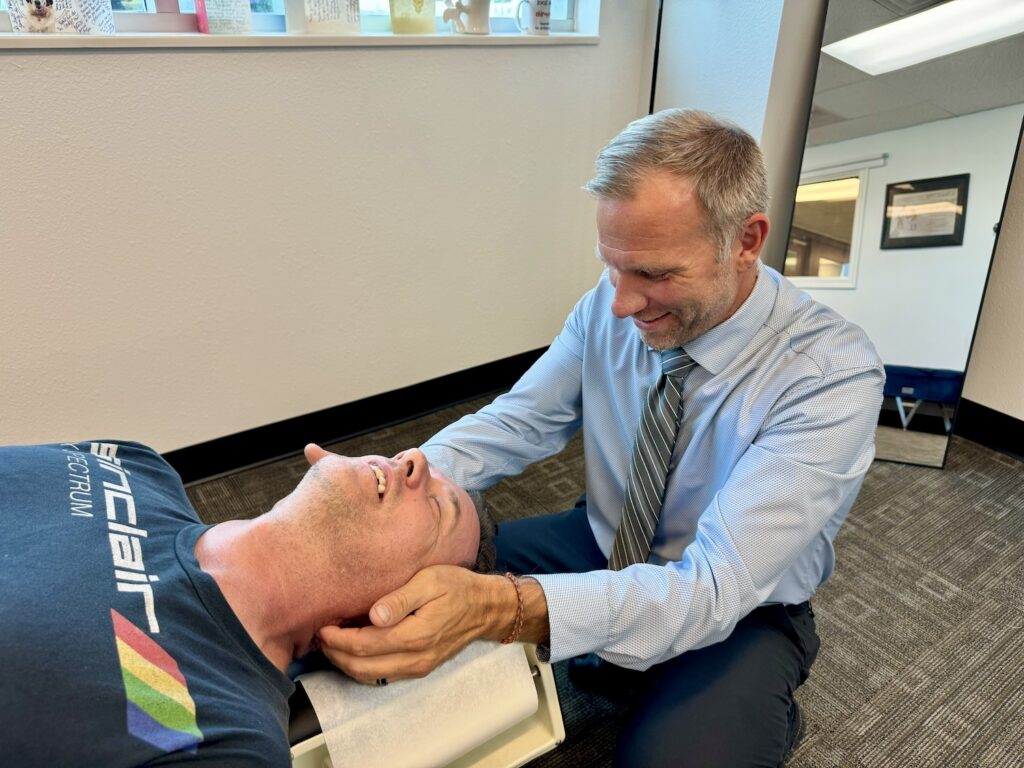
At Life Aligned Chiropractic, chiropractic care for scoliosis typically begins with a thorough evaluation of the spine’s alignment, muscle balance, and any compensatory patterns the body has developed. Dr. Scott Graziosa takes time to understand each patient’s specific curve pattern, their age, their lifestyle, and their goals before recommending a plan of care. That individualized approach matters — because scoliosis looks different in a 12-year-old competitive gymnast than it does in a 60-year-old dealing with disc degeneration.
Spinal adjustments may help restore more normal joint motion and reduce areas of restricted movement. When combined with physical therapy and corrective exercises, patients often experience improvements in posture, reduced muscle tension, and better overall comfort. For younger patients, pediatric chiropractic care can be a gentle, appropriate option that supports healthy spinal development during critical growth years. Research in the area of conservative scoliosis management continues to evolve, and evidence suggests that individualized chiropractic and rehabilitative approaches may contribute meaningfully to patient outcomes — particularly in mild-to-moderate cases.
For patients who need additional support, spinal decompression therapy may also be considered as part of a broader care plan, particularly in cases where disc involvement is contributing to symptoms.
Practical Tips for Spinal Health at Home
While chiropractic care and professional monitoring are essential components of scoliosis management, there is also a great deal that families can do at home to support spinal health. These habits won’t reverse a structural curve, but they can absolutely reduce strain and support the work being done in the clinic.
First, pay attention to how your child carries their backpack. Heavy, improperly worn bags place asymmetrical stress on a growing spine. Both straps should always be used, and the bag should sit snugly against the back — not drooping low. We’ve put together more guidance on this topic in our article on keeping your kids’ backs strong with proper backpack habits.
Second, encourage regular movement throughout the day. Long periods of sitting — especially in front of screens — can increase muscular imbalances and postural strain. Building in short movement breaks every 30–45 minutes makes a real difference. Core strengthening exercises, swimming, and walking are generally well-tolerated activities for those with scoliosis, though always check with your care provider before starting a new exercise routine.
Third, sleep position can matter. Sleeping on a supportive mattress — not too soft, not too firm — and avoiding stomach sleeping (which places the neck and lower spine in a rotated position) can reduce overnight strain on the spine.
When to See a Chiropractor
If you or your child has been diagnosed with scoliosis — or if you’ve simply noticed uneven shoulder heights, unexplained back tension, or asymmetrical posture — it’s worth scheduling a spinal evaluation. Early assessment gives you the most options. The sooner a curve is identified, especially in a growing child, the more opportunity there is to monitor it and intervene conservatively before it progresses.
For adults who are experiencing new or worsening back pain, stiffness, or leg symptoms, a chiropractic evaluation can help determine whether scoliosis or related spinal changes may be contributing. It’s also reasonable to seek an evaluation after any injury that may have affected the spine, such as a fall or whiplash from an auto accident.
There are certain red flag symptoms that warrant prompt medical attention rather than waiting for a chiropractic appointment. These include sudden severe pain, loss of bladder or bowel control, significant leg weakness, or any neurological changes. These symptoms may indicate a more serious spinal issue that requires urgent medical evaluation. In those cases, seek care from an emergency provider or your primary care physician first.
| Type of Scoliosis | Typical Age of Onset | Primary Cause | Common Characteristics |
|---|---|---|---|
| Idiopathic (Adolescent) | 10–16 years | Unknown; likely genetic factors | Most common type; affects girls more severely |
| Congenital | Present at birth | Abnormal vertebral formation in utero | Detected early; may involve fused or malformed vertebrae |
| Neuromuscular | Childhood–adulthood | Underlying nerve/muscle condition | Often progresses faster; linked to CP, MD, spinal injuries |
| Degenerative (Adult) | 50+ years | Age-related disc and joint degeneration | Associated with back pain, stiffness, and leg symptoms |
| Functional | Any age | Leg length discrepancy or muscle imbalance | Not a true structural curve; often reversible |
Myths vs. Facts About Scoliosis
Myth: Scoliosis is caused by carrying a heavy backpack or slouching.
Fact: Poor posture and heavy backpacks can stress the spine and contribute to other problems, but they do not cause scoliosis. The structural curves seen in scoliosis develop due to genetic, developmental, or degenerative factors — not habits alone. That said, good posture and ergonomic practices remain important for overall spinal health.
Myth: Only teenage girls get scoliosis.
Fact: While adolescent girls are more likely to develop progressive curves that require treatment, scoliosis affects people of all ages and genders. Boys are diagnosed with idiopathic scoliosis too, and adults can develop degenerative scoliosis well into their 50s, 60s, and beyond. In American Fork, we see patients across a wide age range at Life Aligned Chiropractic.
Myth: If scoliosis doesn’t hurt, it doesn’t need attention.
Fact: Pain is not a reliable indicator of severity in scoliosis. Many children with moderate curves feel no pain at all, while an untreated curve can continue to progress — especially during growth spurts. Regular monitoring is important regardless of whether symptoms are present.
Myth: Chiropractic care can fully correct or cure scoliosis.
Fact: Chiropractic care is a valuable part of conservative scoliosis management, but it is not a cure. It can help improve mobility, reduce discomfort, and support better muscle balance — all of which contribute meaningfully to quality of life. Realistic expectations are part of the honest, patient-centered approach Dr. Scott Graziosa takes with every patient.
Myth: Surgery is inevitable for scoliosis patients.
Fact: The vast majority of people with scoliosis do not require surgery. Surgery is generally considered only for severe curves (typically over 45–50 degrees) that are progressive and causing significant functional problems. Most patients manage very well with monitoring, conservative care, and lifestyle strategies.
Final Thoughts from Life Aligned Chiropractic
Scoliosis can feel overwhelming when you first hear the diagnosis — for yourself or for someone you love. But here’s what we want every family in American Fork to know: understanding what causes scoliosis is the first step, and you don’t have to navigate the next steps alone. Knowledge is empowering, early action opens more doors, and conservative care has a meaningful role to play for many patients.
At Life Aligned Chiropractic, Dr. Scott Graziosa and our team are committed to helping American Fork, UT families make informed decisions about their spinal health. Whether you’re looking for answers, seeking a second opinion, or simply want a professional evaluation to put your mind at ease, we’re here for that. Our approach is thorough, individualized, and always honest — because we believe that’s what our community deserves.
If scoliosis is something you’d like to explore further, we invite you to learn more about scoliosis treatment at Life Aligned Chiropractic and see how we can support your family’s spinal health journey.
Frequently Asked Questions
What causes scoliosis in children?
The most common form in children — adolescent idiopathic scoliosis — has no clearly identified single cause, though genetics appear to play a significant role. Other forms in children can be caused by abnormal vertebral development before birth (congenital) or by underlying neuromuscular conditions. Habits like posture or backpack use do not cause scoliosis.
At what age is scoliosis usually diagnosed?
Adolescent idiopathic scoliosis is most commonly diagnosed between ages 10 and 16, often during a growth spurt. That said, scoliosis can be identified at any age — from birth (congenital) to adulthood (degenerative). Regular spinal screenings during childhood are an important part of early detection.
Can scoliosis get worse over time?
Yes, curves can progress — particularly in children who are still growing. The degree of progression depends on the size of the curve at diagnosis, the patient’s age, and how much skeletal growth remains. In adults, degenerative scoliosis can also slowly progress. This is why monitoring and proactive care matter.
Is chiropractic care safe for children with scoliosis?
Yes, when provided by a qualified chiropractor experienced in pediatric care, chiropractic treatment is generally considered safe for children with scoliosis. Care is always adapted to the child’s age, curve type, and overall health. Dr. Scott Graziosa tailors all care plans to the individual patient.
Can adults develop scoliosis even if they didn’t have it as a child?
Absolutely. Degenerative scoliosis is a form that develops in adults — typically those over age 50 — due to age-related changes in the spinal discs and joints. It is not the same as adolescent scoliosis and requires its own distinct approach to care and management.
What’s the difference between scoliosis and poor posture?
Poor posture is a habitual pattern that can usually be improved through awareness, ergonomics, and exercise. Scoliosis is a structural change in the spine’s alignment that persists regardless of posture adjustments. An X-ray evaluation is typically needed to make a clear distinction between the two.
TL;DR
- Scoliosis is an abnormal lateral curve of the spine and comes in several distinct types, each with different causes — from genetics to degeneration to underlying medical conditions.
- The most common form (adolescent idiopathic scoliosis) has no confirmed single cause, though genetic factors are strongly suspected.
- Early detection is key — especially in children between ages 10 and 16 — because it allows for more conservative management options before curves progress.
- Chiropractic care is not a cure for scoliosis, but it can meaningfully support mobility, comfort, and quality of life as part of a comprehensive management plan.
- Families in American Fork, UT can reach out to Life Aligned Chiropractic for a personalized spinal evaluation with Dr. Scott Graziosa to better understand their options.