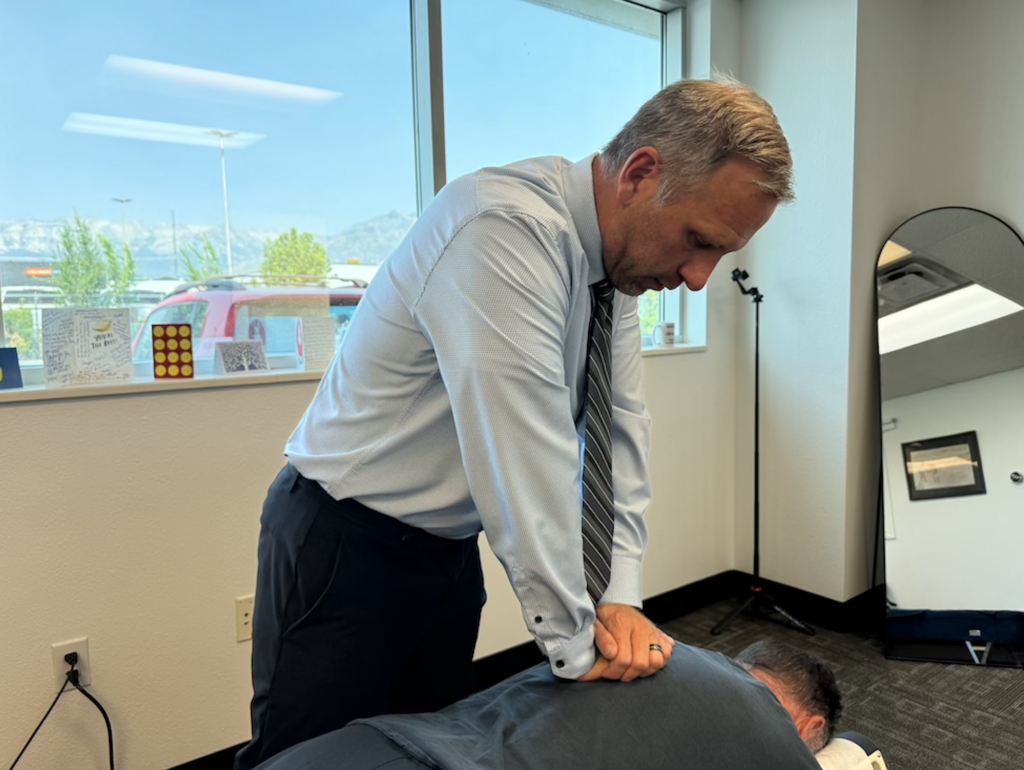
If you’re experiencing tension headaches, know that you’re not alone in this struggle. These headaches often arise from factors like stress and poor posture, but there is hope! Chiropractic care offers a natural, effective solution to alleviate discomfort by promoting spinal alignment and reducing muscle strain.
Chiropractic adjustments work by gently realigning the spine, which can relieve pressure on nerves and help muscles relax. This not only eases your headache but can also enhance your overall well-being. It’s a holistic approach that focuses on your body’s natural ability to heal itself.
In addition to chiropractic adjustments, there are a few simple strategies you can incorporate into your daily routine to further combat tension headaches. Here are some tips to consider:
- Maintain Good Posture: Being mindful of your posture while sitting or standing can make a big difference. Keep your shoulders back and your head aligned over your spine.
- Stay Hydrated: Dehydration can trigger headaches, so make sure you’re drinking plenty of water throughout the day.
- Take Breaks: If you work at a desk, take short breaks every hour to stretch and move around. This helps reduce muscle tension.
- Practice Relaxation Techniques: Techniques like deep breathing, meditation, or yoga can help manage stress, which is a common headache trigger.
- Get Enough Sleep: Aim for a consistent sleep schedule to ensure your body gets the rest it needs to function optimally.
By understanding the root causes of tension headaches and incorporating these strategies, you can take control of your health and well-being. Remember, chiropractic care is your best ally in achieving optimal health and finding relief from pain naturally. If you’re ready to explore how chiropractic adjustments can help you, don’t hesitate to reach out!
Key Takeaways
Ease Tension Headaches with Chiropractic Care
Tension headaches can be a frustrating experience, but chiropractic adjustments offer a natural and effective solution. By improving spinal alignment, these adjustments help reduce muscle strain, which is often a key factor in headache discomfort.
One of the primary causes of tension headaches is poor posture, especially in our modern world where many of us spend long hours sitting at desks or looking at screens. Regular chiropractic care not only addresses these postural issues but also enhances overall spinal health, helping to prevent headaches before they start.
When you receive chiropractic adjustments, you’re also supporting your nervous system. A well-functioning nervous system can lead to fewer headaches and less intense pain when they do occur.
To further support your journey to headache relief, consider incorporating simple stretching and strengthening exercises into your routine. These can help relax tight muscles and promote better posture, which is essential for preventing tension headaches.
Acting early with chiropractic adjustments can make a significant difference. By addressing spinal misalignments and muscle tension before headaches become chronic, you can improve your overall wellness and enjoy a life with less discomfort.
Remember, chiropractic care is a natural and effective way to manage tension headaches without the need for medications or other invasive treatments. If you’re struggling with headaches, consider making an appointment with your local chiropractor to explore how adjustments can help you feel your best.
Understanding Tension Headaches
Tension headaches, often felt like a tight band around your head, are among the most common types of headaches people face. They can arise from various factors such as stress, muscle strain, and poor posture. When you’re feeling overwhelmed or anxious, the muscles in your neck and shoulders can tighten, leading to that familiar pressure.
You might notice these headaches becoming more frequent after long hours at your desk or during particularly stressful days. Typically, they present as a dull, constant ache that can make it difficult to concentrate. Unlike migraines, tension headaches generally don’t come with nausea or heightened sensitivity to light and sound.
Understanding tension headaches is an essential step towards managing them effectively. By recognizing how they develop and what may be contributing to your discomfort, you can take proactive steps to alleviate the pain and improve your overall well-being.
One effective approach to relieving tension headaches is through chiropractic care. Chiropractors specialize in spinal health and can help address issues related to posture and muscle tension that often contribute to headaches. Regular chiropractic adjustments can promote better alignment, reduce muscle strain, and enhance overall function of your nervous system.
In addition to chiropractic care, here are some simple tips you can incorporate into your daily routine to help manage and prevent tension headaches:
- Practice Good Posture: Ensure your workspace is ergonomically designed. Sit up straight, keep your shoulders relaxed, and your computer screen at eye level to reduce strain on your neck.
- Take Breaks: If you’re at your desk for long periods, take short breaks every hour to stretch and move around. This can help relieve tension in your muscles.
- Stay Hydrated: Dehydration can contribute to headache symptoms. Make sure you’re drinking plenty of water throughout the day.
- Manage Stress: Incorporate relaxation techniques into your daily routine such as deep breathing, meditation, or gentle yoga to help reduce stress levels.
- Get Regular Exercise: Physical activity can help relieve tension and improve your overall health. Aim for at least 30 minutes of moderate exercise most days of the week.
By focusing on these strategies and seeking regular chiropractic care, you can take control of your health and work towards reducing the frequency and intensity of tension headaches.
Identifying Triggers and Symptoms
To effectively manage tension headaches, it’s essential to identify what triggers them. As a chiropractor, I emphasize the importance of understanding how your lifestyle, spinal health, and posture can impact your headaches.
By recognizing symptom patterns and making adjustments to your everyday habits, you can take proactive steps to reduce their frequency and intensity.
Common triggers for tension headaches include poor posture, stress, dehydration, and lack of sleep. Paying attention to these factors can help you identify what may be causing your discomfort.
Here are some general tips to keep in mind:
- Maintain Good Posture: Whether you’re working at a desk or using your phone, be mindful of your posture. Keeping your spine aligned can reduce strain on your neck and shoulders, which are common areas for tension headaches to develop.
- Stay Hydrated: Dehydration can lead to headaches, so make sure you’re drinking enough water throughout the day. A well-hydrated body functions better and helps prevent headaches.
- Manage Stress: Incorporate relaxation techniques such as deep breathing, meditation, or yoga into your routine. These practices can help alleviate tension and promote a sense of well-being.
- Get Quality Sleep: Aim for a consistent sleep schedule and a restful sleep environment. Poor sleep can increase headache frequency, so prioritize rest.
- Consider Chiropractic Care: Regular chiropractic adjustments can help keep your spine aligned and alleviate tension in your muscles, which may reduce the occurrence of headaches. Chiropractic care focuses on natural healing and promotes overall wellness.
By paying attention to these factors and incorporating chiropractic care into your health routine, you can effectively manage tension headaches and enhance your overall quality of life.
Common Triggers of Headaches
Understanding the common triggers of headaches is an important step towards achieving optimal health and well-being. As a chiropractor, I believe that recognizing these factors can empower you to take control of your health and reduce headache frequency without relying on medications or surgeries.
Here are four common triggers to keep an eye on, along with some tips to help you manage them naturally:
1. Stress – Daily pressures can create muscle tension, often leading to headaches. To combat this, consider incorporating relaxation techniques such as deep breathing exercises, yoga, or meditation into your routine.
Regular chiropractic adjustments can also help alleviate tension in your muscles and improve your overall stress response.
2. Poor Posture – Slouching or hunching over can put a strain on your neck and shoulder muscles, which may trigger headaches. Focus on maintaining good posture while sitting or standing.
Consider ergonomic furniture and take breaks to stretch your body throughout the day. Chiropractic care can also help realign your spine and improve your posture, reducing the likelihood of headaches caused by muscular strain.
3. Dehydration – Not drinking enough water can lead to headaches as your body signals distress. Aim to drink at least eight glasses of water a day and keep a water bottle handy to remind yourself to stay hydrated.
Proper hydration supports overall health, including spinal health, which is essential for preventing headaches.
4. Lack of Sleep – Insufficient rest can disrupt your body’s balance and increase the chances of experiencing headache pain. Establish a regular sleep schedule and create a calming bedtime routine to improve your sleep quality.
Chiropractic adjustments can also promote better sleep by relieving tension and aligning your spine, creating a more restful night.
By incorporating these tips and seeking regular chiropractic care, you can take proactive steps towards reducing headaches and enhancing your overall wellness.
Recognizing Symptom Patterns
Understanding how to recognize symptom patterns is essential for effectively managing headaches, and chiropractic care can play a key role in your overall wellness journey. By observing when your headaches occur, you can identify potential triggers. Take note of whether they happen after long periods of stress, poor posture, or inadequate hydration.
To enhance your awareness, consider keeping a headache diary to track the frequency, intensity, and duration of your pain. This simple tool can help you pinpoint specific symptoms, like tension in your neck or sensitivity to light, that often accompany headaches.
Chiropractic care focuses on the alignment of your spine and nervous system, which is crucial for overall health. Misalignments in your spine can contribute to tension headaches, so regular chiropractic adjustments can help alleviate pain and prevent future occurrences.
Once you begin to recognize these patterns and seek chiropractic care, you can take proactive steps to avoid triggers and manage symptoms more effectively.
Remember, being attuned to your body’s signals is vital in preventing tension headaches from disrupting your daily life. Additionally, maintaining good posture, staying hydrated, and managing stress through relaxation techniques can further support your health.
Make chiropractic care a part of your wellness routine, and discover how it can help you achieve optimal health and relief from headaches naturally!
Lifestyle Impact on Headaches
Your daily habits and lifestyle choices can significantly affect how often you experience headaches and their severity. As a chiropractor, I believe that understanding your triggers is essential for effective management, and chiropractic care can play a vital role in alleviating pain and promoting overall wellness. Here are some common lifestyle factors to consider:
1. Sleep Patterns: Maintaining a regular sleep schedule is crucial. Irregular sleep or not getting enough rest can lead to more frequent headaches. Aim for a consistent bedtime and create a calming bedtime routine to improve your sleep quality.
2. Hydration Levels: Staying well-hydrated is essential for your overall health, and dehydration can trigger headaches. Make it a habit to drink plenty of water throughout the day. Consider carrying a water bottle with you as a reminder.
3. Stress Management: High levels of stress can lead to muscle tension, which is often a precursor to tension headaches. Incorporating relaxation techniques such as deep breathing, yoga, or mindfulness can help reduce stress.
As a chiropractor, I can also assist you in developing better posture and body mechanics to alleviate tension.
4. Dietary Choices: Be mindful of your food intake, as certain foods—like processed snacks or excessive caffeine—can trigger headaches. Keeping a food diary can help you identify specific triggers.
Opt for a balanced diet rich in whole foods to support your overall health and minimize headache occurrences.
By making these lifestyle adjustments and considering chiropractic care, you can take significant steps towards achieving optimal health and reducing headaches naturally.
Remember, the body has an innate ability to heal itself, and chiropractic care can help facilitate that process by ensuring your spine is aligned and your nervous system is functioning optimally.
If you’re struggling with headaches, don’t hesitate to reach out and explore how chiropractic care can support your journey to wellness.
Stress Management Techniques
When stress builds up, it can lead to tension headaches, making effective stress management techniques important for relief. One powerful method is deep breathing. Take a few moments to close your eyes, inhale deeply through your nose, and then exhale slowly through your mouth. This simple practice not only calms your mind but also helps relieve tension in your body.
Another effective technique is progressive muscle relaxation. Begin by tensing and then relaxing each muscle group, starting from your toes and working your way up to your head. This approach can help release physical tension and promote relaxation.
Incorporating regular physical activity into your routine is also beneficial for managing stress. Whether it’s a brisk walk or a gentle stretch, moving your body can uplift your mood and help clear your mind.
Mindfulness and meditation are great practices too. Spending just a few minutes a day to focus on your breath or practice mindfulness can enhance your resilience against stress and contribute to overall wellness.
Lastly, consider journaling your thoughts and feelings. Writing them down can offer clarity and help you process your emotions more effectively.
While these techniques are helpful, don’t forget that chiropractic care can play a vital role in your overall health and wellness. By addressing spinal alignment and reducing tension in the body, chiropractic adjustments can be an effective way to alleviate pain, including tension headaches.
Importance of Good Posture
Good posture is crucial for reducing muscle tension and maintaining a healthy spine. When you sit or stand correctly, you help align your body, which significantly eases the strain on your muscles. This simple adjustment can greatly reduce your chances of developing tension headaches, which many people experience due to poor posture.
As a chiropractor, I can’t stress enough how important it’s to be mindful of your posture throughout the day. Whether you’re working at a desk or on your feet, aligning your body correctly can make a world of difference in your overall well-being.
Here are a few tips to help you maintain good posture:
- Mind Your Sitting Position: When sitting, keep your feet flat on the floor, your back straight, and your shoulders relaxed. Consider using a chair that supports your lower back.
- Stand Tall: When standing, distribute your weight evenly on both feet, keep your shoulders back, and engage your core muscles. This helps support your spine and prevents slouching.
- Take Breaks: If you’re sitting for long periods, take regular breaks to stand up, stretch, and move around. This helps keep your muscles relaxed and your blood flowing.
- Stay Active: Regular physical activity strengthens your muscles, supporting your spine and promoting better posture. Activities like yoga and Pilates can be particularly beneficial.
By making these small changes and prioritizing your posture, you can enhance your overall health and well-being.
Impact on Muscle Tension
Maintaining proper posture is crucial for reducing muscle tension and promoting overall spinal health. Slouching or hunching can place unnecessary strain on the muscles in your neck and shoulders, leading to discomfort. By practicing good posture, you can help evenly distribute your body weight, alleviating stress in these areas.
Here are some simple tips to improve your posture and minimize muscle tension, which can enhance your overall well-being and support natural healing:
- Align your ears with your shoulders to keep your neck straight. This alignment helps prevent strain and supports a healthy spine.
- Engage your core muscles to provide support for your spine. A strong core is essential for maintaining proper posture and reducing muscle tension.
- Keep your feet flat on the ground or use a footrest for stability. This simple adjustment can help ground your posture and relieve pressure on your back.
- Adjust your workstation so that your screen is at eye level. This minimizes strain on your neck and encourages a healthier posture while working.
Incorporating these tips into your daily routine can significantly reduce muscle tension and support your body’s natural healing processes.
Role in Spine Health
Proper posture is essential for maintaining a healthy spine, and it significantly impacts your overall well-being. As a chiropractor, I can tell you that when you sit or stand with good posture, you help preserve the natural curves of your spine. This alignment reduces unnecessary strain on your muscles and ligaments, which in turn helps to prevent discomfort and pain.
Many people are unaware that slouching or leaning forward can lead to spinal misalignments, causing tension headaches and fatigue. By being mindful of your posture, you can actively support your spine’s health and enhance your daily activities.
Here are some simple tips to improve your posture and support your spine:
- Keep Your Shoulders Back: Make a conscious effort to pull your shoulders back and down, which helps maintain the natural alignment of your spine.
- Align Your Head: Your head should sit directly over your shoulders, not jutting forward. Imagine a string pulling your head upwards to help with this alignment.
- Use Supportive Seating: When sitting, choose a chair that supports your lower back. If necessary, use a cushion to help maintain the natural curve of your spine.
- Take Breaks: If you sit for long periods, remember to stand up and stretch occasionally. This will help relieve any tension and reset your posture.
- Strengthen Core Muscles: Engage in exercises that strengthen your core muscles, as a strong core provides better support for your spine.
Taking these small steps can make a significant difference in your spinal health and overall comfort.
Stretching and Strengthening Exercises
As a chiropractor, I understand that tension headaches can be quite debilitating. Fortunately, incorporating simple stretching and strengthening exercises into your daily routine can provide significant relief and support your overall spinal health.
These exercises not only help alleviate tightness but also improve your posture, which is crucial for reducing the frequency and intensity of headaches. Here are four effective exercises you can easily add to your day:
- Neck Stretches: Start by gently tilting your head to one side, holding that position for about 15 seconds. Then, switch to the other side. This simple stretch can help release tightness in the neck, which is often a contributor to headaches.
- Shoulder Rolls: To release tension in your shoulders, roll them forward and backward in a circular motion. Aim for about 10 rolls in each direction. This exercise helps improve flexibility and circulation in the shoulder area.
- Upper Back Stretch: Clasp your hands together in front of you and round your upper back, gently pushing your hands away from your body. Hold this position for 15-30 seconds. This stretch can help alleviate upper back tension and promote better posture, which is essential for overall health.
- Chin Tucks: While sitting or standing tall, gently tuck your chin in towards your chest. Hold this position for a few seconds and repeat it 5-10 times. Chin tucks help strengthen the muscles in your neck and support proper spinal alignment.
By regularly incorporating these exercises, you can enhance your well-being and support your body’s natural healing processes.
Utilizing Heat and Cold Therapy
As a chiropractor dedicated to promoting health and wellness, I want to share effective strategies for managing tension headaches, which often stem from spinal misalignments and muscle tension.
Alongside stretching and strengthening exercises, heat and cold therapy can be valuable tools in your toolkit for relief.
Applying heat is a wonderful way to relax tight muscles and enhance blood flow, especially in the neck and shoulder areas where tension often builds up. Consider using a warm compress or heating pad; this soothing warmth can help alleviate discomfort and promote relaxation, making it easier for your spine and muscles to function optimally.
Conversely, cold therapy can be a powerful way to numb pain and reduce inflammation. Placing an ice pack or a cold cloth on your forehead or the back of your neck for about 15 minutes can provide significant relief. The cooling effect may help to calm the nervous system and ease the throbbing sensations often associated with headaches.
For those looking to find the most effective approach, alternating between heat and cold can be beneficial. This technique allows you to experience the contrasting sensations and identify which method brings you the most comfort.
However, always remember to protect your skin by wrapping ice packs in a cloth and limit direct exposure to heat to avoid any burns.
Incorporating these simple methods into your routine can make a noticeable difference in managing your tension headaches.
Additionally, regular chiropractic adjustments can address the underlying issues contributing to your headaches, providing long-term relief and promoting overall wellness.
By focusing on maintaining proper spinal alignment and muscle balance, chiropractic care can help you achieve optimal health and a pain-free life.
If you’re struggling with tension headaches, consider how chiropractic care can be an essential part of your healing journey.
The Role of Hydration and Nutrition
Hydration and nutrition are vital components in managing tension headaches, and they play a significant role in your overall health and wellness. As a chiropractor, I want to emphasize how these elements can support your body’s natural healing processes, leading to pain relief and enhanced well-being.
Staying properly hydrated can help you avoid dehydration, which is a common trigger for headaches. Additionally, a balanced diet provides the essential nutrients your body needs to function optimally. Here are four simple tips to keep in mind:
- Hydrate with Water: Aim to drink at least eight glasses of water a day. Staying hydrated not only helps prevent headaches but also supports spinal health by maintaining proper function of your nerves and muscles.
- Incorporate Electrolytes: Include foods rich in potassium and sodium, like bananas and nuts, in your diet. These nutrients help maintain fluid balance in your body, which is crucial for reducing tension and supporting muscle function.
- Enjoy Magnesium-Rich Foods: Foods such as spinach, avocados, and dark chocolate are excellent sources of magnesium, which may help reduce the frequency of headaches. Magnesium plays a role in muscle relaxation and can contribute to overall spinal health.
- Savor Balanced Meals: Eating regular, nutritious meals helps stabilize your blood sugar levels. This stability is key to preventing headaches that can arise from hunger or poor nutrition. Make sure to include a variety of whole foods to fuel your body.
By focusing on hydration and nutrition, you can support your body’s natural ability to heal and maintain wellness.
Exploring Alternative Therapies
When looking for relief from tension headaches, it’s essential to consider the powerful benefits of chiropractic care. As a chiropractor, I believe that addressing spinal health is key to achieving optimal wellness and reducing headache frequency. Misalignments in the spine can contribute to tension and pain, and chiropractic adjustments can help realign the spine, allowing your body to heal naturally.
In addition to chiropractic care, practices such as yoga and meditation can be incredibly beneficial. These techniques help reduce stress and promote relaxation, both of which are vital in preventing headaches. Regularly practicing deep breathing and mindfulness can create a calming environment for your mind and body.
Aromatherapy can also play a supportive role in your wellness routine. Using essential oils like lavender or peppermint can enhance relaxation and alleviate tension. Simply diffusing these oils in your home or adding a few drops to your bath can create a soothing atmosphere.
Incorporating herbal supplements like feverfew or butterbur may also support your efforts, but it’s important to consult with a healthcare professional who understands the benefits of chiropractic care before starting any new regimen.
Finally, don’t underestimate the power of regular exercise. Engaging in physical activity not only boosts your overall well-being but also helps to reduce the likelihood of tension headaches. Aim for a mix of cardiovascular, strength, and flexibility exercises to keep your body healthy and resilient.
By focusing on chiropractic care and these complementary practices, you can take significant steps toward relieving tension headaches and enhancing your overall health.
When to Seek Professional Help
Recognizing when to seek professional help is crucial for effectively managing tension headaches, and as a chiropractor, I want to help you understand the signs that may indicate it’s time to explore natural healing options like chiropractic care.
While occasional headaches are common, certain indicators suggest a more serious issue that could benefit from a holistic approach. Here are some signs to pay attention to:
- Persistent Pain: If your headache lingers for more than a few days or keeps returning, it might be time to look into the underlying causes. Chiropractic care can help identify and address the issues contributing to your discomfort.
- Increased Frequency: If you notice your headaches occurring more often, this could signal an imbalance in your body. Regular chiropractic adjustments can help restore spinal alignment and reduce the frequency of headaches.
- Severe Symptoms: If you experience additional symptoms such as nausea, vision changes, or difficulty speaking along with your headaches, it’s important to seek professional help. While these symptoms may indicate a more serious condition, chiropractic care can often provide relief and support overall wellness.
- Over-the-Counter Ineffectiveness: If common pain relievers aren’t easing your headache, this might be a sign that your body is looking for a different approach. Chiropractic care focuses on the root causes of pain rather than masking symptoms, enabling your body to heal naturally.
In addition to recognizing these signs, consider incorporating some general wellness tips into your routine. Staying hydrated, practicing good posture, and managing stress through relaxation techniques can all contribute to headache prevention.
Don’t hesitate to reach out for support; early intervention through chiropractic care can lead to better outcomes and a higher quality of life.
Your path to optimal health and wellness starts with understanding your body’s signals and choosing natural, effective solutions.
Conclusion
Incorporating targeted chiropractic adjustments into your routine can significantly alleviate tension headaches. By focusing on improving your posture and relieving muscle strain, chiropractic care can help reduce the frequency of headaches while promoting your overall wellness.
Here are some simple tips to enhance the benefits of chiropractic adjustments:
- Posture Awareness: Be mindful of your posture throughout the day. Whether you’re sitting at a desk or using your phone, aim to keep your head aligned over your shoulders to ease the strain on your neck and spine.
- Regular Adjustments: Schedule regular chiropractic visits to keep your spine in alignment. This not only helps with headaches but also supports overall health.
- Stress Management: Incorporate relaxation techniques such as deep breathing, yoga, or meditation into your daily routine to help manage stress, a common trigger for tension headaches.
- Stay Hydrated: Proper hydration is crucial for maintaining healthy muscle function and reducing headache frequency. Aim to drink plenty of water throughout the day.
- Nutritional Support: Eating a balanced diet rich in fruits, vegetables, and whole grains can support your body’s natural healing processes and reduce inflammation.
- Take Breaks: If you’re working at a computer or engaging in activities that require prolonged focus, take regular breaks to stretch and move around. This can help prevent muscle tension from building up.
If you find that your headaches continue despite these efforts, don’t hesitate to visit your chiropractor for a thorough assessment. They can tailor a treatment plan that addresses your specific needs and helps you achieve a more comfortable, headache-free life. By embracing chiropractic care, you’re taking a proactive step toward optimal health and natural wellness.