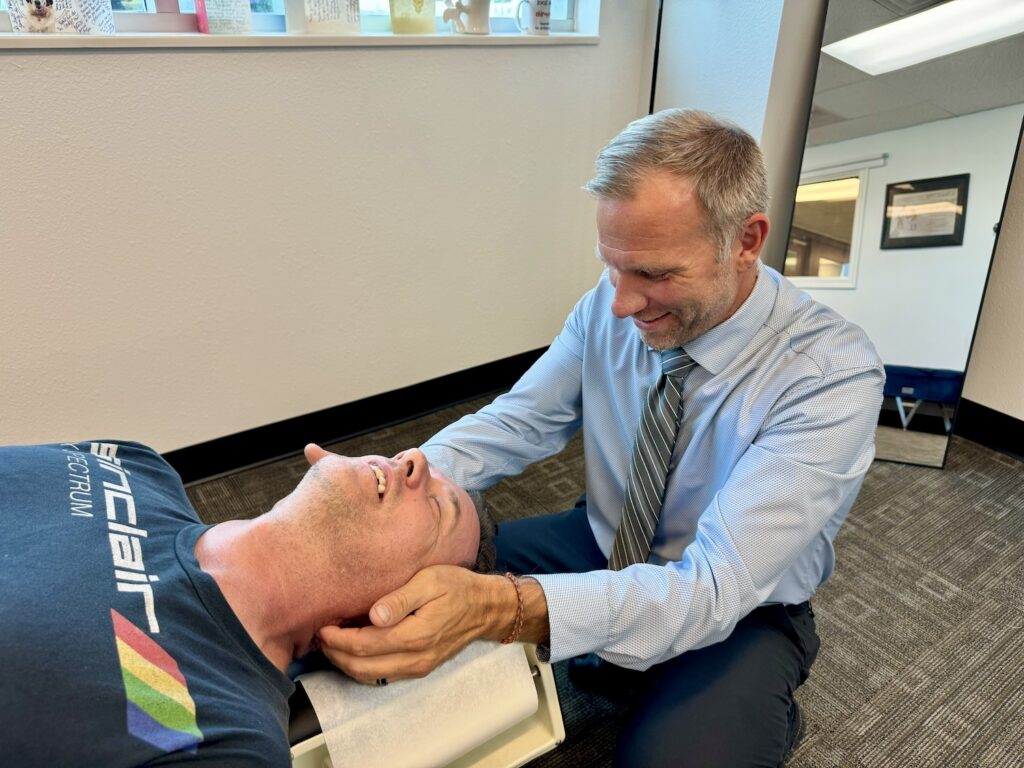
Headaches can be more than just a nuisance; they often disrupt your daily life. Fortunately, there are drug-free solutions that focus on lifestyle changes and natural remedies, with chiropractic care leading the way. Understanding your headaches and identifying their triggers is crucial to taking proactive steps toward prevention and relief.
One of the most effective strategies for managing headaches is ensuring proper hydration. Dehydration can lead to tension headaches, so make it a habit to drink plenty of water throughout the day.
Mindfulness techniques, such as meditation and deep-breathing exercises, can also help reduce stress, which is a common headache trigger. Incorporating these practices into your daily routine can promote relaxation and enhance your overall well-being.
Chiropractic care is another powerful tool for headache relief. By focusing on spinal health and alignment, chiropractors can help alleviate tension in the neck and shoulders that often contribute to headaches. Regular chiropractic adjustments can improve your spinal function and reduce the frequency and intensity of headaches.
In addition to these methods, consider making lifestyle adjustments, such as maintaining a regular sleep schedule, exercising regularly, and avoiding known headache triggers like certain foods or stressors.
By prioritizing these drug-free approaches, you can take charge of your health and find relief from headaches naturally. Remember, chiropractic care is your best ally in achieving optimal health and wellness.
Key Takeaways
- Keeping a headache diary can be a powerful tool to help you identify what triggers your headaches. By tracking your headaches, you can better understand your body and make adjustments that may lead to fewer headaches. This approach aligns perfectly with the principles of chiropractic care, which focuses on understanding and addressing the root causes of discomfort.
- Regular visits to your chiropractor can significantly help with headache relief. Chiropractic adjustments work to correct spinal misalignments that may be contributing to your headaches. By improving spinal health, you can reduce the frequency and intensity of headaches, allowing you to feel your best naturally.
- Incorporate mindfulness techniques like meditation and deep breathing exercises into your routine. Stress and tension are often contributors to headaches, and these practices can help you manage those feelings. Your chiropractor can also guide you on how to implement these techniques in a way that complements your spinal health.
- Establishing a consistent sleep routine is crucial for overall wellness and can play a significant role in headache prevention. Good sleep hygiene helps improve the quality of your rest, which may lead to fewer headaches. Consult your chiropractor for tips on how to align your sleep habits with your spinal health.
- Natural remedies can also be beneficial for alleviating headache symptoms. Consider using peppermint oil, lavender oil, or ginger. These natural options can promote relaxation and may complement the benefits of chiropractic care in managing headaches effectively.
By focusing on these drug-free solutions and emphasizing the importance of chiropractic care, you can take charge of your health and find relief from headaches in a natural and holistic way.
Understanding the Different Types of Headaches
Headaches can be a real nuisance, but understanding the different types can help you find natural relief. As a local chiropractor, I want to share some insights on the most common types of headaches and how chiropractic care can play a role in your wellness journey.
Tension headaches are the most prevalent type, often triggered by stress or muscle tension in the neck and shoulders. You might feel a dull ache across your forehead or at the back of your head. Regular chiropractic adjustments can help alleviate this tension, promoting relaxation and improving spinal alignment.
Migraines are another type of headache that can be quite debilitating, often accompanied by nausea and sensitivity to light and sound. If you find yourself struggling with these intense headaches, chiropractic care can help by addressing underlying spinal issues and reducing the frequency and severity of your migraines.
Cluster headaches, though less common, are known for their sharp, intense pain and can occur in cycles. These headaches can be incredibly disruptive, but chiropractic adjustments may help ease the pain by improving nerve function and reducing inflammation.
Lastly, sinus headaches are caused by sinus inflammation and may feel like pressure around your eyes and forehead. Chiropractic care can assist in relieving sinus pressure by improving drainage and reducing inflammation in the sinuses.
Identifying the type of headache you’re experiencing is essential for effective management. By incorporating regular chiropractic care into your wellness routine, you can support your body’s natural healing processes and reduce headache frequency.
Identifying Triggers and Patterns
To effectively manage your headaches, it’s crucial to identify common triggers and recognize patterns in your symptoms. As a local chiropractor, I’ve seen many patients benefit from understanding how their lifestyle choices impact their well-being. You might notice that certain foods, stress, or lack of sleep consistently contribute to your headaches. By keeping track of these factors, you can gain valuable insights into what affects you and take proactive steps to minimize discomfort.
In addition to being mindful of your triggers, consider incorporating chiropractic care into your routine. Chiropractic adjustments can help restore proper alignment in your spine, which may reduce tension and improve overall nerve function. This natural approach not only aids in alleviating headache pain but also promotes better health and wellness.
Here are some general tips to help you on your journey to headache relief:
- Stay Hydrated: Drinking plenty of water throughout the day can help prevent dehydration, a common headache trigger.
- Practice Stress Management: Engage in relaxation techniques such as deep breathing, meditation, or yoga to help reduce stress levels.
- Establish a Sleep Routine: Aim for consistent sleep patterns to ensure you’re well-rested, as lack of sleep can lead to headaches.
- Maintain Good Posture: Be mindful of your posture, especially if you spend long hours at a desk. Proper alignment can reduce strain on your neck and spine, potentially lessening headache occurrences.
- Regular Chiropractic Visits: Regular adjustments can help maintain spinal health, improve function, and may decrease the frequency and intensity of headaches.
Common Trigger Factors
Identifying common trigger factors for headaches is essential in managing them effectively, especially when considering the holistic approach of chiropractic care. Headaches can arise from various sources, such as stress, poor posture, dehydration, and certain foods. It’s important to be aware of specific situations that may lead to headaches, like skipping meals or being exposed to bright lights.
Caffeine withdrawal and changes in sleep patterns can also contribute to headache discomfort. For some individuals, hormonal fluctuations may be a trigger as well. By paying close attention to your lifestyle and the environment around you, you can identify potential headache triggers.
Incorporating chiropractic care into your wellness routine can be a fantastic way to alleviate headaches. Regular adjustments can help improve spinal alignment, which in turn can reduce tension and stress that lead to headaches.
Additionally, maintaining good posture and staying hydrated are simple yet effective strategies to incorporate into your daily life. Once you recognize your specific triggers, taking proactive steps to avoid them can significantly reduce the frequency and intensity of your headaches.
Emphasizing natural healing through chiropractic care, along with healthy lifestyle choices, can lead to a better quality of life and overall wellness. Remember, you’re not alone in this journey, and seeking guidance from a chiropractor can provide the support you need.
Tracking Headache Patterns
Tracking your headache patterns can provide you with essential insights into the underlying causes of your discomfort. As a chiropractor, I recommend starting a headache diary to monitor the frequency, duration, and intensity of your headaches. Be sure to include details about your diet, sleep habits, stress levels, and any activities you were engaged in before each episode. This information can help you identify potential triggers, such as certain foods, environmental factors, or emotional stress.
You may discover patterns, like experiencing headaches after a long day at work or after eating specific items. Recognizing these patterns can empower you to make meaningful lifestyle changes that may help reduce the frequency and severity of your headaches.
By focusing on natural healing methods, such as maintaining a healthy diet, managing stress through relaxation techniques, and ensuring proper spinal alignment through chiropractic care, you can take proactive steps toward optimal health and wellness.
Chiropractic adjustments can significantly alleviate tension and misalignment in the spine, which may contribute to headache pain. Additionally, incorporating regular physical activity, staying hydrated, and practicing good sleep hygiene can further enhance your well-being.
Lifestyle Modifications for Prevention
While headaches can be a real nuisance, making some simple lifestyle changes can help reduce their frequency and intensity, and chiropractic care can play a key role in your journey to relief and wellness.
One of the first steps you can take is to establish a consistent sleep schedule. Aim for seven to eight hours of quality sleep each night. Irregular sleep patterns can’t only lead to headaches but can also impact your spinal alignment, which is crucial for overall health.
Next, pay attention to your diet. Eating regular, balanced meals helps keep your blood sugar stable, which can prevent headaches from occurring. Skipping meals can be detrimental, so try to maintain a routine that nourishes your body. Limiting caffeine is also essential, as too much can lead to withdrawal headaches.
Incorporating regular exercise into your daily routine can be incredibly beneficial as well. Aim for at least 30 minutes of moderate activity most days. Exercise not only helps alleviate stress but also promotes better spinal health, which can contribute to reducing headaches. If you’re unsure where to start, consider gentle activities like walking, swimming, or even yoga, which can also enhance flexibility and posture.
Managing stress is vital too. Mindfulness techniques, such as meditation or yoga, can help ease tension in your body and mind, potentially reducing headache occurrences. Remember, a relaxed spine often leads to a relaxed mind.
Finally, create a comfortable work environment. Ensure your workspace is well-lit and take regular breaks from screens to reduce eye strain and promote better posture.
If you find that headaches persist, consider visiting your local chiropractor. Chiropractic care focuses on spinal health and can help relieve tension and misalignments that may be contributing to your headaches.
The Role of Hydration in Headache Relief
Staying well-hydrated is crucial for maintaining overall health and can play a significant role in preventing headaches. Even mild dehydration can lead to discomfort, as it may reduce blood flow and oxygen delivery to the brain, which can trigger pain. To avoid this, it’s important to drink water consistently throughout the day—don’t wait until you’re thirsty!
One practical tip is to carry a water bottle with you as a simple reminder to hydrate regularly. You can also boost your hydration by incorporating water-rich foods like fruits and vegetables into your meals, which can help contribute to your overall fluid intake.
If you start to feel a headache coming on, try drinking a glass of water first. This straightforward step can often alleviate symptoms.
Beyond hydration, it’s essential to consider how proper spinal alignment and chiropractic care can help support your body’s natural healing processes. Misalignments in the spine can lead to tension and discomfort, including headaches. Regular chiropractic adjustments can improve spinal function and may reduce headache frequency and intensity.
Remember, staying hydrated not only helps in headache prevention but also promotes your overall health and wellness. By making hydration a priority and incorporating chiropractic care into your routine, you can achieve better health, natural pain relief, and enhanced well-being.
Take charge of your health today!
Natural Remedies: Herbs and Essential Oils
When it comes to managing headaches, hydration is just one important aspect. As a chiropractor, I believe in the power of natural remedies, such as herbs and essential oils, to help relieve discomfort and support overall wellness.
Peppermint oil is a fantastic option; its menthol content can create a soothing cooling sensation and enhance blood flow, making it particularly effective for tension headaches. To use it, simply dilute the oil and apply it gently to your temples while massaging in small circles. This not only helps alleviate headache pain but also encourages relaxation.
Another wonderful remedy is lavender oil. Known for its calming properties, lavender can assist in reducing stress and anxiety, which often contribute to headache onset. You can inhale its soothing aroma or use it in a diffuser to create a peaceful environment in your home.
Don’t overlook the power of ginger either! This potent herb can help combat headaches thanks to its anti-inflammatory properties. Consider brewing a warm cup of ginger tea or enjoying ginger candies for a tasty way to find relief.
Remember, while these natural remedies can be beneficial, it’s always a good idea to consult with a healthcare professional before trying something new, particularly if you have any existing health conditions or are pregnant.
In addition to these remedies, regular chiropractic adjustments can play a crucial role in headache management. By addressing spinal misalignments and tension, chiropractic care can help alleviate headache symptoms and promote overall well-being.
Consider incorporating chiropractic visits into your wellness routine for optimal health and pain relief. Your body will thank you!
The Benefits of Regular Exercise
Engaging in regular exercise isn’t just great for your overall physical health; it also plays a crucial role in preventing and alleviating headaches, which can often stem from tension and stress. When you move your body, you enhance blood circulation, helping to ease tension and promote a sense of relaxation. Activities like walking, jogging, or cycling can release endorphins, your body’s natural pain relievers, which may reduce the frequency and intensity of headaches.
As a chiropractor, I want to emphasize that managing stress is vital for headache prevention, as stress is a common trigger. Incorporating a routine that you genuinely enjoy can make it easier to stay committed, turning exercise into a sustainable part of your lifestyle. Aim for at least 30 minutes of activity most days.
Additionally, consider including stretching or yoga in your routine; these practices can improve flexibility and help release built-up muscle tension, which may contribute to headaches.
Remember, chiropractic care is also a powerful ally in achieving optimal health and wellness. Regular adjustments can help align your spine, improve your posture, and enhance nerve function, all of which can lead to fewer headaches and a better quality of life.
Mindfulness and Stress Reduction Techniques
Stress is a common trigger for headaches, but you can effectively manage and prevent these painful episodes by incorporating mindfulness and stress reduction techniques into your daily routine.
As a chiropractor, I believe that addressing both the physical and mental aspects of health is crucial for optimal well-being.
A great way to start is with deep breathing exercises. Simply inhale slowly through your nose, hold for a few seconds, and then exhale gently through your mouth. This technique not only calms your mind but also helps reduce muscle tension, which is important for spinal health.
Meditation is another powerful tool you can use. Just a few minutes each day focusing on your breath or visualizing a calming scene can help center your thoughts and promote relaxation. This practice can also enhance your overall sense of well-being, which is essential for maintaining a healthy spine.
Additionally, I recommend trying progressive muscle relaxation. This involves tensing and then relaxing each muscle group in your body, starting from your toes and working your way up.
By doing this, you increase your body awareness and release built-up stress, which can directly benefit your spinal alignment and posture.
Lastly, consider incorporating gentle activities like yoga or tai chi into your routine. These practices not only improve flexibility and strength but also promote mindfulness, helping you manage stress effectively.
Reducing stress can lead to fewer headaches and a healthier spine.
Remember, chiropractic care is a fantastic way to support your body’s natural healing processes.
Importance of Sleep Hygiene
Getting quality sleep is essential for managing headaches, and it all begins with creating a sleep environment that promotes relaxation and comfort. As a chiropractor, I understand the importance of spinal health in achieving overall wellness, including restful sleep.
Maintaining a consistent sleep schedule can help regulate your body’s internal clock, making it easier to fall asleep and wake up feeling refreshed.
Incorporating relaxation techniques into your bedtime routine can also have a profound effect on your sleep quality. Activities such as gentle stretching, deep breathing exercises, or even light yoga can help ease tension in your body and prepare you for a restful night.
Remember, a well-aligned spine can contribute to better sleep by reducing discomfort and promoting relaxation.
By prioritizing sleep hygiene, you can enhance your overall well-being and support your body’s natural healing processes.
Consider visiting your chiropractor for tips on how spinal adjustments can improve your sleep and help manage headaches more effectively.
Let’s work together towards achieving optimal health through natural methods that empower you to live your best life.
Sleep Environment Optimization
To effectively manage headaches, optimizing your sleep environment is essential, as it plays a significant role in your overall health and wellness. As a chiropractor, I can tell you that a good night’s sleep can greatly enhance your body’s ability to heal naturally.
Start by ensuring your bedroom is dark, quiet, and cool. Blackout curtains can help block out unwanted light, while earplugs or a white noise machine can minimize disruptive sounds that might interfere with your rest.
Investing in a comfortable mattress and supportive pillows tailored to your sleeping position is crucial. This not only contributes to better sleep but also supports your spine, helping to prevent tension and discomfort that can lead to headaches.
Decluttering your space can create a calming atmosphere, and it’s best to avoid electronic devices before bed since the blue light they emit can disrupt your sleep cycle.
Additionally, consider incorporating relaxing scents, such as lavender, which can promote a restful ambiance. By making these adjustments, you’ll improve your sleep hygiene, which is vital for reducing headache frequency and intensity.
Consistent Sleep Schedule
Creating a sleep environment that promotes rest is only part of the equation; maintaining a consistent sleep schedule is equally important for effective headache management. When you go to bed and wake up at the same time each day, you help regulate your body’s internal clock, which can reduce headache frequency and severity and support overall wellness.
As a chiropractor, I emphasize the significance of a balanced lifestyle in achieving optimal health, including quality sleep. Here are some simple tips to help you establish a consistent sleep schedule that complements your journey toward natural wellness:
- Set a Regular Bedtime and Wake-Up Time: Aim to go to bed and wake up at the same time, even on weekends. This helps your body develop a routine, making it easier to fall asleep and wake up refreshed.
- Limit Naps: If you need to nap, keep it short—around 20-30 minutes. Long naps can interfere with your nighttime sleep and disrupt your natural rhythm.
- Avoid Screens Before Bed: The blue light emitted by screens can interfere with your body’s production of melatonin, the hormone that regulates sleep. Try to power down your devices at least an hour before bedtime.
- Create a Comfortable Sleep Environment: Keep your bedroom dark and cool. A comfortable sleep environment can enhance the quality of your sleep, which is vital for managing headaches and achieving overall health.
By following these tips, you can promote better sleep, which in turn can support your chiropractic care and natural healing journey.
Relaxation Techniques Before Bed
While maintaining a consistent sleep schedule is essential for restful nights, incorporating relaxation techniques before bed can significantly enhance your overall well-being and spinal health. Activities such as deep breathing, progressive muscle relaxation, or gentle yoga can help calm both your mind and body, reducing stress and tension that may lead to discomfort or pain.
This relaxation can create a more conducive environment for your spine to rest and recover, which is vital for optimal health. Consider adding simple practices like reading a book or listening to soothing music to foster a peaceful atmosphere.
It’s also important to limit screen time before bed, as the blue light emitted from devices can interfere with your natural sleep cycle and potentially exacerbate tension in your neck and back. Establishing a calming bedtime routine signals to your body that it’s time to wind down, which can be particularly beneficial for your spine.
This routine not only improves your sleep quality but also helps reduce the likelihood of headaches and discomfort caused by stress or inadequate rest. By prioritizing these relaxation practices, you’re not just improving your sleep; you’re also creating a foundation for better spinal health and natural wellness.
Acupressure and Massage Therapy
Acupressure and massage therapy can be excellent complementary practices for alleviating headache pain, especially when you’re seeking immediate relief. By focusing on stimulating specific points on the body, these methods help promote relaxation and reduce tension, aiding in your journey toward optimal health.
While these techniques can be beneficial, incorporating regular chiropractic care is the most effective way to address the root causes of headaches and enhance your overall well-being.
Here are some effective strategies to consider:
- Locate pressure points: Pay attention to areas such as the base of your skull, your temples, and the area between your eyebrows. These spots can significantly impact headache relief.
- Apply firm pressure: Use your fingers to gently press these points for about 30 seconds to a minute, taking deep breaths to enhance relaxation.
- Incorporate gentle massage: Massaging your neck, shoulders, and scalp can help release built-up tension that may be contributing to your headaches. This self-care can be a useful addition to your overall wellness routine.
- Practice regularly: Consistency is key! Regularly applying these techniques can’t only provide immediate relief but also contribute to your long-term health by reducing the frequency of headaches.
For a holistic approach to wellness and to address underlying issues contributing to headaches, consider scheduling a chiropractic evaluation. Chiropractic care focuses on spinal health and overall body alignment, which can lead to lasting relief from headaches and other discomforts.
Embracing a chiropractic lifestyle can support your journey toward natural healing and healthier living. Remember, taking care of your spine is an essential step in achieving optimal health!
When to Seek Professional Help
When should you consider seeking professional help for your headaches? If your headaches are becoming more frequent or severe, it’s a good idea to consult a healthcare provider who understands the benefits of chiropractic care. Persistent headaches that don’t improve with basic self-care strategies might indicate an underlying issue that chiropractic adjustments can help address.
If you’re experiencing headaches along with symptoms like vision changes, weakness, or confusion, it’s important to seek help right away. These could be signs that your body needs immediate attention, and a chiropractor can offer a natural approach to finding relief.
Another important factor to consider is how headaches affect your daily life. If they’re interfering with your work, social activities, or sleep, a discussion with a chiropractor can lead to effective, drug-free management strategies. Chiropractic care offers a holistic approach that focuses on aligning your spine and improving your overall wellness, which can significantly reduce headache frequency and intensity.
If you notice that you’re relying on pain relievers more often, or you’re experiencing side effects, it’s time to explore natural alternatives. Chiropractic care can help restore balance to your body and reduce headache symptoms without the need for medications.
Remember, you don’t have to navigate this alone! Seeking chiropractic care can provide you with personalized solutions for better headache management and overall health.
In addition to chiropractic adjustments, consider incorporating stress-relief techniques like deep breathing, regular exercise, and proper hydration into your routine. These small changes can have a big impact on your health and well-being.
Conclusion
By embracing drug-free solutions, you can take control of your headache management and enhance your overall well-being. One of the best ways to achieve this is through chiropractic care, which addresses the root causes of headaches by ensuring that your spine is properly aligned. A healthy spine promotes optimal nervous system function, which can significantly reduce headache frequency and intensity.
In addition to regular chiropractic adjustments, consider incorporating lifestyle modifications such as maintaining good posture, staying hydrated, and exploring natural remedies. Simple practices like stretching and strengthening exercises can also support spinal health and alleviate tension that may lead to headaches.
Don’t underestimate the power of mindfulness and relaxation techniques. Practices such as deep breathing, meditation, or gentle yoga can help reduce stress and promote relaxation, which is essential in headache management. Ensuring you get quality sleep is equally important, as restful nights can make a significant difference in how you feel during the day.
If you find that your headaches persist or worsen, it’s crucial to consult with a chiropractor who can assess your individual situation and provide tailored recommendations. With the right chiropractic approach, you can enjoy a more vibrant, pain-free life and experience the many benefits of natural wellness. Remember, you don’t have to suffer; there are effective, drug-free ways to find relief.