
If you’ve been dealing with persistent back pain, you’ve probably come across the term “spinal decompression” — and you may have wondered whether it could actually help you. It’s a question Dr. Scott Graziosa hears regularly from patients here at Life Aligned Chiropractic in American Fork, UT. The good news is that spinal decompression is a well-established, non-invasive approach that many people find genuinely helpful for certain types of back pain. Understanding how it works can help you make an informed decision about your own care — and that’s exactly what this article is here for.
How does spinal decompression work?
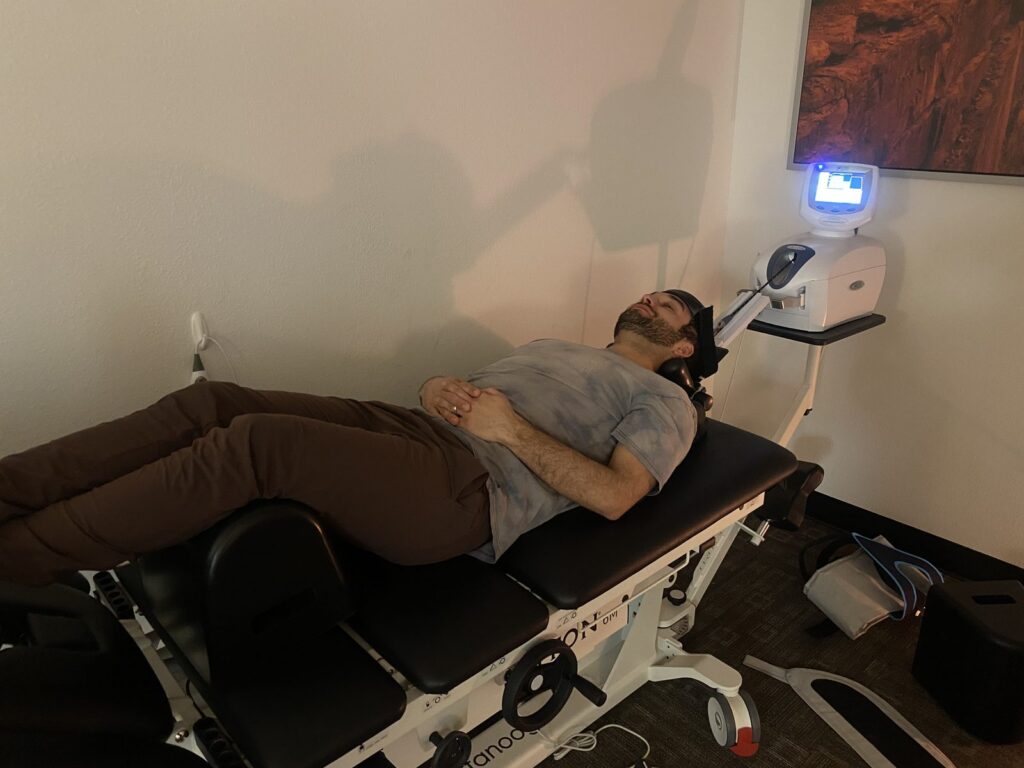
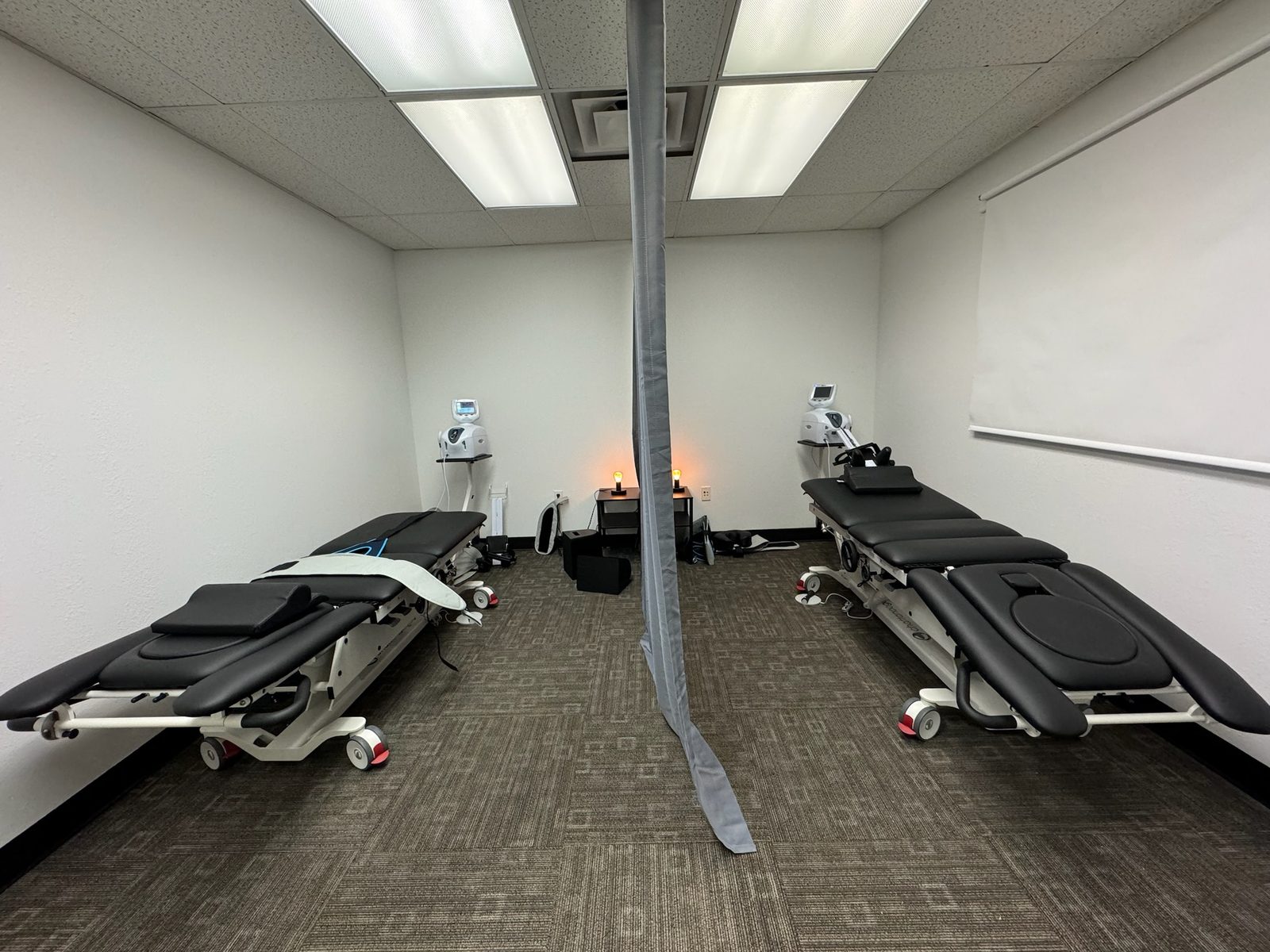
Spinal decompression therapy works by gently stretching the spine using a motorized traction table or device. This controlled stretching creates negative pressure inside the spinal discs, which can help retract bulging or herniated disc material, improve nutrient and fluid flow to the discs, and relieve pressure on compressed nerves. It is a non-surgical, drug-free option often used for chronic low back pain, disc injuries, and sciatica.
- What Is Spinal Decompression?
- How Spinal Decompression Works Mechanically
- Conditions Spinal Decompression May Help
- How Chiropractic Care Fits In With Spinal Decompression
- Practical Tips to Support Your Recovery
- When to See a Chiropractor
- Myths vs. Facts About Spinal Decompression
- Final Thoughts From Life Aligned Chiropractic
What Is Spinal Decompression?
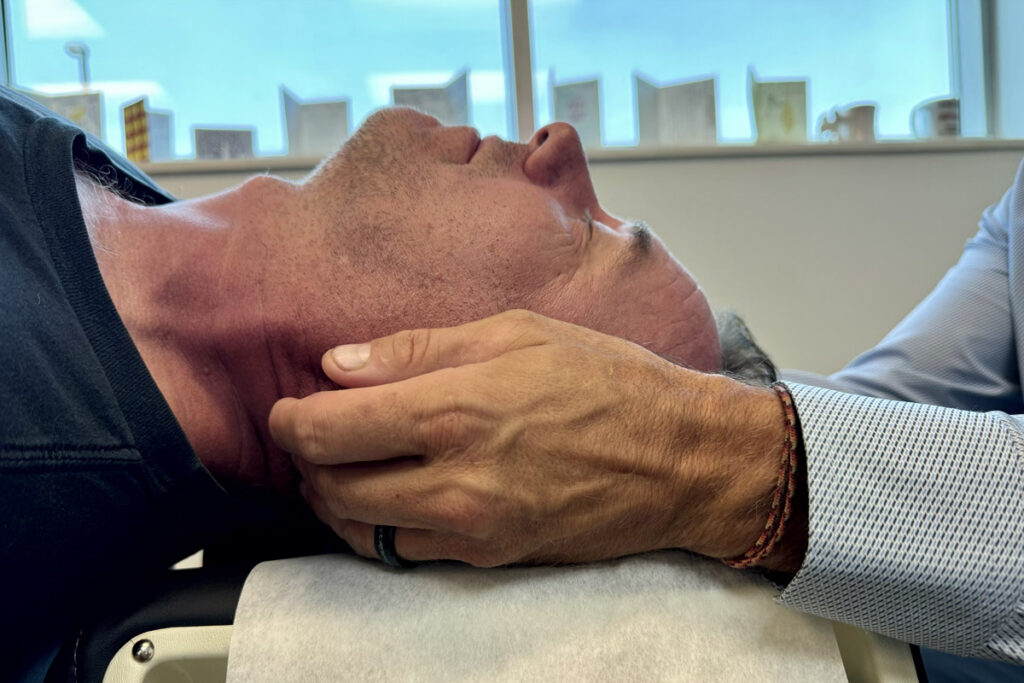
Spinal decompression is a type of motorized traction therapy designed to relieve pressure on the structures of the spine — particularly the intervertebral discs and surrounding nerves. It is performed on a specialized table that gently stretches the spine in a controlled, rhythmic pattern. The process is not forceful or painful; most patients describe it as a comfortable stretching sensation.
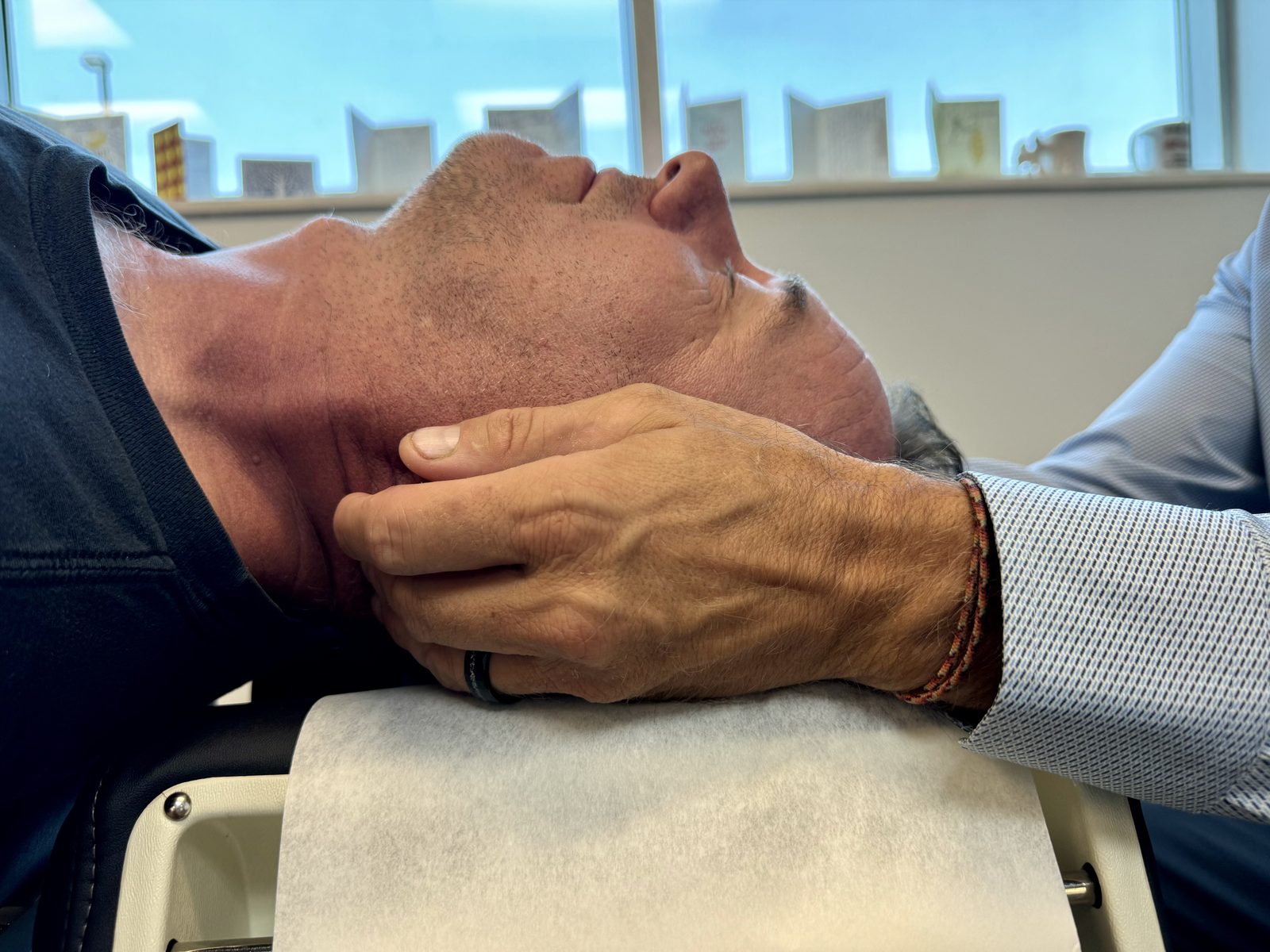
There are two broad categories of spinal decompression. Surgical spinal decompression involves procedures like laminectomies or discectomies performed by a spine surgeon. Non-surgical spinal decompression — the kind offered at chiropractic offices like Life Aligned Chiropractic in American Fork, UT — is entirely non-invasive and requires no anesthesia, incisions, or recovery time. This article focuses on the non-surgical version, which is what most patients are asking about when they want to understand how spinal decompression works.
The therapy has been used for decades as part of conservative care management for spinal conditions. It is distinct from simple manual traction in that modern decompression tables use computer-controlled mechanisms to vary the angle, force, and duration of the stretch. This precision is part of what makes it different from older forms of traction therapy.
How Spinal Decompression Works Mechanically
To truly understand how spinal decompression works, it helps to understand a little anatomy first. Your spine is made up of vertebrae stacked on top of one another, separated by rubbery cushions called intervertebral discs. These discs act as shock absorbers and allow your spine to move fluidly. Over time — due to aging, injury, repetitive stress, or poor posture — these discs can become compressed, dehydrated, or damaged. When a disc bulges or herniates, the displaced material can press against nearby spinal nerves, causing pain, numbness, or tingling that may radiate into the arms or legs.
When you lie on a spinal decompression table, the device gently pulls the lower half of your body away from the upper half in a carefully calibrated manner. This creates a negative intradiscal pressure — essentially a vacuum effect inside the disc. That negative pressure can accomplish a few important things. It may draw bulging or herniated disc material back toward the center of the disc. It allows oxygen, water, and nutrients to flow back into the disc, which supports natural healing. It also reduces pressure on the facet joints and nerve roots that may be contributing to your pain.
Sessions typically last between 30 and 45 minutes. A full course of treatment usually involves multiple sessions over several weeks, as the cumulative effect is what tends to produce meaningful results. Dr. Scott Graziosa evaluates each patient individually to determine whether spinal decompression is appropriate and what a suitable treatment plan might look like.
Conditions Spinal Decompression May Help
Spinal decompression is not a one-size-fits-all solution, but it has shown promise for a range of spinal conditions. Research suggests it may be particularly helpful for people dealing with disc-related problems, nerve compression issues, and chronic low back or neck pain that hasn’t responded well to other conservative measures.
Some of the most common conditions where spinal decompression may provide relief include herniated or bulging discs, degenerative disc disease, sciatica, facet joint syndrome, and spinal stenosis. If you’re dealing with a herniated disc, spinal decompression is often one of the first non-surgical options worth exploring. Similarly, patients struggling with sciatica — that sharp, radiating pain that travels from the lower back down through the leg — may find that decompression helps take pressure off the sciatic nerve.
It’s also worth noting that spinal decompression is not appropriate for everyone. People with fractures, severe osteoporosis, spinal instability, certain types of implants, or who are pregnant should not undergo this therapy. That is why a thorough evaluation is always the starting point at Life Aligned Chiropractic before any treatment begins.
If you’ve been reading up on what causes a herniated disc and how to find relief, you already know that the right approach depends heavily on the severity and type of disc injury. Spinal decompression fits into a broader conservative care framework rather than functioning as a standalone cure.
How Chiropractic Care Fits In With Spinal Decompression
Spinal decompression therapy and chiropractic care work very well together. In fact, combining the two approaches often produces better outcomes than either one alone. Chiropractic adjustments address joint dysfunction and restore proper spinal alignment, while decompression targets the discs and nerve pressure directly. Used together, they support the spine from multiple angles.
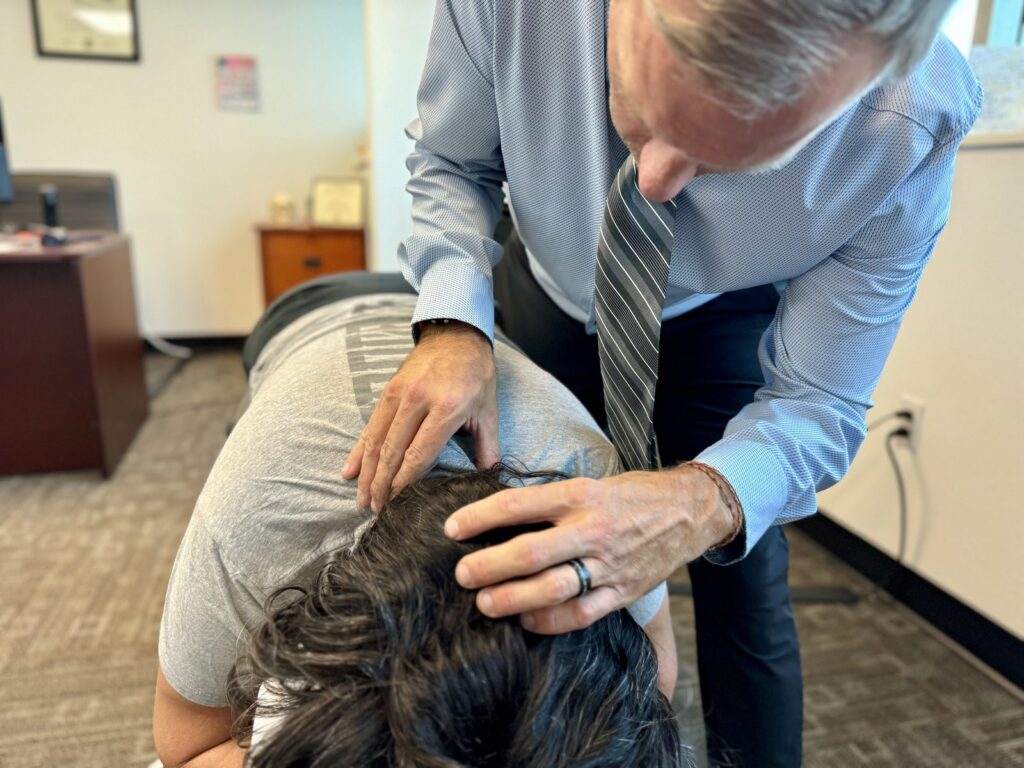
At Life Aligned Chiropractic in American Fork, UT, Dr. Scott Graziosa takes an integrated approach to spinal health. Rather than applying a cookie-cutter protocol, the goal is to understand the root cause of a patient’s pain and build a plan around their specific needs. For many patients dealing with back pain, that plan may include spinal decompression alongside chiropractic adjustments, soft tissue work, and rehabilitative exercises.
The team also offers physical therapy services, which can play an important supporting role in a spinal decompression program. Strengthening the muscles that support the spine is key to maintaining the gains made through decompression and reducing the risk of re-injury.
For patients whose back pain stems from an auto accident, it’s worth knowing that spinal decompression can also be part of auto injury chiropractic care. Trauma from a collision can cause disc injuries and nerve compression that respond well to this type of therapy.
If you’re curious about the full scope of what chiropractic care can offer beyond spinal decompression, the chiropractic care services at Life Aligned Chiropractic cover a wide range of conditions and patient needs across all stages of life.
Practical Tips to Support Your Recovery
If you are undergoing or considering spinal decompression therapy, there are several things you can do in your daily life to support the healing process and get the most out of your treatment.
Staying hydrated is more important than many people realize. Your intervertebral discs are largely composed of water, and proper hydration helps maintain disc height and elasticity. Aim for consistent water intake throughout the day rather than large amounts at once.
Pay close attention to your posture, especially if you spend long hours sitting at a desk or looking at a screen. Prolonged sitting compresses the lumbar discs significantly. Try to take short movement breaks every 30 to 45 minutes, and be intentional about keeping your lower back supported when seated.
Gentle movement is generally encouraged between sessions, but avoid heavy lifting, high-impact activities, or any movements that aggravate your symptoms during the course of your treatment. Dr. Scott Graziosa will give you specific guidance based on your individual case.
Sleep position also matters. Sleeping on your back with a pillow under your knees, or on your side with a pillow between your knees, can reduce overnight spinal compression and help you wake up with less stiffness and discomfort.
When to See a Chiropractor
If you’ve been living with back pain for more than a few weeks and haven’t found lasting relief through rest or over-the-counter remedies, it’s a good time to get a professional evaluation. Here in American Fork, UT, many patients wait longer than they should before seeking care — often because they hope the pain will just go away on its own. Sometimes it does, but chronic disc and nerve issues rarely resolve without some form of targeted intervention.
Signs that you may be a good candidate for spinal decompression include persistent low back or neck pain, radiating pain into the arms or legs, numbness or tingling in the extremities, pain that worsens with prolonged sitting, and a known history of disc injury or degenerative disc disease.
There are also some red flags that mean you should seek immediate medical attention rather than waiting for a chiropractic appointment. These include sudden loss of bladder or bowel control, severe progressive neurological weakness, unexplained weight loss alongside back pain, or back pain following significant trauma. These symptoms may indicate a serious medical condition requiring urgent evaluation.
For conditions like a pinched nerve or a disc bulge, earlier intervention with conservative care like spinal decompression tends to produce better outcomes than waiting until the problem becomes severe.
Surgical vs. Non-Surgical Spinal Decompression
| Feature | Non-Surgical Decompression | Surgical Decompression |
|---|---|---|
| Invasiveness | Non-invasive, no incisions | Invasive, requires surgery |
| Anesthesia Required | No | Yes |
| Recovery Time | None — walk in, walk out | Weeks to months |
| Risk Level | Very low | Higher (surgical risks apply) |
| Typical Use Case | Mild to moderate disc and nerve issues | Severe or unresponsive cases |
| Cost Comparison | Significantly lower | Significantly higher |
| Can Be Combined With Chiropractic Care | Yes, commonly paired together | Post-surgical rehab may include chiropractic |
Myths vs. Facts About Spinal Decompression
Myth: Spinal decompression is just another word for traction
Fact: While spinal decompression is related to traction, modern decompression therapy is significantly more sophisticated. It uses computer-controlled tables that precisely vary the angle, duration, and force of the stretch to target specific spinal levels. This level of control is not present in traditional manual traction, which applies a more static and uniform pull.
Myth: Spinal decompression is painful
Fact: Most patients describe the experience as relaxing. The stretch is gentle and carefully controlled. Some patients even fall asleep during their sessions. If you experience discomfort during a session, Dr. Scott Graziosa adjusts the protocol accordingly. The goal is always a comfortable, therapeutic experience.
Myth: You only need one or two sessions to see results
Fact: Spinal decompression is a cumulative therapy. Meaningful, lasting results typically require a series of sessions over several weeks. Each session builds on the last, gradually restoring disc hydration, reducing nerve pressure, and supporting tissue healing. Expecting results from one session is like expecting one workout to build lasting strength.
Myth: Spinal decompression is only for older adults with degenerative conditions
Fact: While degenerative disc disease is more common in older adults, spinal decompression can benefit younger patients as well — particularly those who have experienced disc injuries from sports, accidents, or repetitive strain. Age alone is not the determining factor; the nature and severity of the disc or nerve problem is what matters most.
Myth: If spinal decompression doesn’t work immediately, it won’t work at all
Fact: Some patients notice improvement early in their treatment course, while others experience gradual progress over several weeks. Healing timelines vary based on the severity of the condition, overall health, lifestyle habits, and adherence to the full treatment plan. Consistency and patience are key components of success.
Final Thoughts From Life Aligned Chiropractic
Living with back pain is exhausting — physically, mentally, and emotionally. If you’ve been searching for answers about how spinal decompression works and whether it might be right for you, we hope this article has helped bring some clarity. The bottom line is that spinal decompression is a safe, well-tolerated, non-surgical option that can offer meaningful relief for people dealing with disc injuries, nerve compression, and chronic spinal pain.
At Life Aligned Chiropractic in American Fork, UT, Dr. Scott Graziosa and the team take a thorough, patient-centered approach to every case. We want to understand what’s going on with your spine before recommending any course of treatment — including spinal decompression. If this therapy is a good fit for your situation, we’ll walk you through exactly what to expect and how it fits into a broader care plan designed around your goals.
Whether your back pain is recent or something you’ve been managing for years, we encourage you to explore your conservative care options before considering more invasive interventions. You may be surprised at how much is possible without surgery or long-term medication use. Our community here in American Fork deserves access to quality, compassionate spinal care — and that’s exactly what we strive to provide every day. To learn more, visit our spinal decompression therapy page or reach out to schedule an evaluation.
Frequently Asked Questions
How does spinal decompression work for a herniated disc?
Spinal decompression creates negative pressure inside the affected disc, which can help draw herniated material back toward the center and reduce pressure on nearby nerves. Over a series of sessions, this process supports the disc’s natural healing and can significantly reduce pain and nerve-related symptoms. It is considered one of the most effective non-surgical approaches for disc injuries.
How many spinal decompression sessions are typically needed?
Most treatment protocols involve somewhere between 15 and 30 sessions, often spread over four to eight weeks. The exact number depends on the severity of your condition and how your body responds to treatment. Dr. Scott Graziosa will outline a recommended plan after a thorough evaluation.
Is spinal decompression covered by insurance?
Coverage varies widely depending on your insurance provider and plan. It is best to contact your insurance company directly to ask about your specific benefits for spinal decompression therapy. The team at Life Aligned Chiropractic can also help answer questions about your options during the consultation process.
Can spinal decompression help with sciatica?
Yes, spinal decompression can be beneficial for sciatica when the nerve irritation is caused by disc compression or herniation in the lumbar spine. By reducing intradiscal pressure and relieving the mechanical stress on the sciatic nerve, decompression therapy can help reduce the radiating pain, numbness, and tingling associated with sciatica treatment in American Fork. A proper evaluation is needed to confirm that this approach is appropriate for your specific case.
What is the difference between spinal decompression and a chiropractic adjustment?
A chiropractic adjustment addresses joint dysfunction by applying a precise, controlled force to restore proper movement and alignment in the vertebrae. Spinal decompression, on the other hand, uses sustained and rhythmic traction to target the intervertebral discs and relieve nerve compression. The two therapies address different aspects of spinal health and are often used together for a more comprehensive outcome.
Are there any conditions that disqualify someone from spinal decompression therapy?
Yes. Spinal decompression is not appropriate for people with fractures, severe osteoporosis, spinal fusion hardware that could be affected by traction, spinal tumors, or those who are pregnant. This is why a full evaluation with Dr. Scott Graziosa is always the first step — to make sure the therapy is both safe and appropriate for your situation.
TL;DR — Key Takeaways
- Spinal decompression works by gently stretching the spine to create negative pressure inside the intervertebral discs, helping to relieve nerve compression and support disc healing.
- It is a non-surgical, drug-free therapy best suited for conditions like herniated discs, bulging discs, sciatica, and degenerative disc disease.
- Results are cumulative — most patients require multiple sessions over several weeks to experience meaningful, lasting improvement.
- Spinal decompression pairs well with chiropractic adjustments and physical therapy for a more comprehensive approach to spinal health.
- Not everyone is a candidate, so a thorough evaluation with Dr. Scott Graziosa at Life Aligned Chiropractic in American Fork, UT is the essential first step.